Opera Heritage celebrates the rich cultural traditions behind opera, from the origins of Italian opera and Neapolitan song to Bel Canto, Verismo and the world’s greatest tenors. Discover historical insights, musical traditions and artistic influences that continue to shape opera performance and inspire audiences around the world.

Illustration from Michelangelo Rossi’s Erminia sul Giordano (1637), staged at Palazzo Barberini in Rome. A glimpse into the visual world of early Italian opera — majestic, allegorical, and deeply theatrical.

Contents

Ancient Italian Opera Before Rossini and Bellini

The Birth of Italian Opera

Long before Rossini and Bellini brought their dazzling melodies to the stage, Italy was already the beating heart of a new and revolutionary art form — opera. In the late 16th and early 17th centuries, the courts and theatres of Florence, Mantua, and Venice became vibrant laboratories of creativity, where composers, poets, and artists collaborated to revive the spirit of ancient Greek theatre.

This was also the dawn of the Baroque — an age of grandeur, symbolism, and dramatic contrasts. In painting and architecture, sweeping curves and bold colours reigned; in music, expressive melodies and rich harmonies mirrored the splendour of the visual arts. Opera became the ultimate Baroque spectacle: a fusion of sound, poetry, and stagecraft designed to astonish both the ear and the eye. These early works, crowned by the genius of Claudio Monteverdi, laid the cornerstone of the operatic tradition, shaping the path for centuries of innovation and passion to come.

About this image: This engraving of Rossi’s Erminia sul Giordano captures the splendour of Roman Baroque opera at the Barberini court. Unlike the more intimate Venetian theatres of Cavalli, these productions were monumental, combining allegorical themes, lavish stage design, and powerful music to glorify the patronage of Rome’s noble families. The image reflects how opera was not only an art form but also a statement of cultural prestige — a tradition that lives on in today’s luxury performances by premier Italian tenors in London and beyond.

Baroque opera scene from Erminia sul Giordano (1637) by Michelangelo Rossi, showcasing early Roman stagecraft — ideal for Italian tenor performances at exclusive events.
Illustration from Michelangelo Rossi’s Erminia sul Giordano (1637), a jewel of early Italian opera staged at Palazzo Barberini in Rome. This engraving reflects the grandeur of Roman baroque performance and sets the scene for today’s luxury opera events featuring premier Italian tenors. Image: Public domain via Wikimedia Commons. Artist: Andrea Camassei. Engraver: Johann Friedrich Greuter.
Experience the soul of Italy through an unrivaled voice — enquire for a bespoke performance

The Florentine Camerata and the Invention of Opera

Opera did not emerge by accident. Its origins can be traced to a remarkable group of scholars, musicians, poets, and noble patrons known as the Florentine Camerata, who gathered in Florence during the final decades of the sixteenth century. Meeting in the palace of Count Giovanni de’ Bardi, they shared a fascination with the literature, philosophy, and theatre of ancient Greece and sought to recreate what they believed had been the emotional power of classical tragedy.

Members of the Camerata argued that Renaissance polyphony, although technically sophisticated, often obscured the meaning of the words. They believed that dramatic poetry should be delivered through a single expressive vocal line supported by simple instrumental accompaniment. This new style, later known as monody, became the musical foundation upon which opera was built.

Among the movement’s leading figures were Vincenzo Galilei (the father of astronomer Galileo Galilei), Giulio Caccini, Jacopo Peri, Ottavio Rinuccini, and Count Giovanni de’ Bardi himself. Together they experimented with a completely new form of musical drama in which poetry, music, gesture, and stage design worked together to communicate human emotion with unprecedented clarity.

These experiments produced the earliest recognised operas, including Jacopo Peri’s Dafne (c.1598), now largely lost, and Euridice (1600), the earliest opera to survive substantially complete. Although these pioneering works are performed only occasionally today, they established the dramatic principles that Claudio Monteverdi would elevate into enduring masterpieces only a few years later.

Understanding the work of the Florentine Camerata is essential because it reveals that opera was not simply invented as a new musical genre. It emerged from a wider Renaissance intellectual movement that combined humanism, classical scholarship, poetry, philosophy, and musical innovation into an entirely new form of artistic expression.

Claudio Monteverdi: The Pioneer of Opera

Claudio Monteverdi portrait (possibly by Domenico Fetti), 17th century. Housed in Gallerie dell’Accademia, Venice. Public domain reproduction.

Portrait of Claudio Monteverdi (or Francesco Andreini) by Domenico Fetti, housed in Gallerie dell’Accademia, Venice. Image via Wikimedia Commons (CC BY-SA 4.0).

This image is a faithful digital reproduction of a public domain artwork, available under the Creative Commons Attribution-ShareAlike 4.0 International (CC BY-SA 4.0) license. Wikimedia Commons

About This Image: This 17th-century portrait, traditionally attributed to Domenico Fetti, is believed to depict either Claudio Monteverdi, the revolutionary composer of early Italian opera, or Francesco Andreini, a renowned Italian actor. The painting is housed in Gallerie dell’Accademia, Venice, and is one of the most debated artworks related to Monteverdi’s legacy.

Monteverdi, a pioneer of Baroque opera, transformed musical storytelling, blending polyphony and expressive melodies. His compositions, such as L’Orfeo and Vespro della Beata Vergine, laid the foundation for modern opera. This painting, preserved in one of Italy’s most prestigious art collections, serves as a visual tribute to his artistic influence. (Venice) Portrait of Francesco Andreini by Domenico Fetti – Gallerie Accademia

Monteverdi, often regarded as the father of opera, transformed simple court spectacles into fully realized musical dramas. His masterpiece, L’Orfeo (1607), is widely considered one of the first great operas. Monteverdi’s works blended text and music in a way that enhanced storytelling, creating an emotional depth previously unseen in the art form. His innovations in orchestration, vocal expressiveness, and dramatic composition set the stage for the golden age of opera.

Neapolitan Songs in a Grand Ballroom. Italian Opera and Renaissance Influence. Elite Opera Performance Under Frescoes. Baroque Palace Hosting Opera Gala. Timeless Italian Culture and Music.

Monteverdi’s operas, including Il ritorno d’Ulisse in patria and L’incoronazione di Poppea, are still performed today, proving the endurance of early classical Italian opera. His ability to balance drama with stunning vocal lines makes him a cornerstone of operatic history. Image by Ioana Sasu from Pixabay

Original manuscript of Vespro della Beata Vergine by Claudio Monteverdi, 1610. Historic opera sheet music preserved in Museo internazionale e biblioteca della musica, Bologna."

About This Image: This is an original handwritten manuscript of Vespro della Beata Vergine, a masterpiece composed by Claudio Monteverdi in 1610. Preserved at the Museo internazionale e biblioteca della musica in Bologna, this historic document showcases Monteverdi’s revolutionary approach to early Italian opera and sacred music. The work blends Renaissance polyphony and Baroque innovation, influencing generations of composers.

Monteverdi, often called the father of modern opera, composed this vespers to demonstrate his ability to merge liturgical grandeur with dramatic expression, a style that later flourished in Venetian opera houses. This manuscript is a priceless artifact, offering a glimpse into the origins of Baroque vocal performance. Original manuscript of Vespro della Beata Vergine by Claudio Monteverdi (1610). Preserved in the Museo internazionale e biblioteca della musica, Bologna. Public domain.

Watch: Monteverdi’s ‘L’Orfeo’ – Full Performance

Monteverdi’s Enduring Legacy in Italian Opera

Claudio Monteverdi (1567–1643) is often hailed as the father of opera. His groundbreaking works, such as L’Orfeo and L’incoronazione di Poppea, transformed courtly entertainments into fully dramatic musical narratives — laying the foundation for centuries of operatic masterpieces.

Monteverdi’s bold fusion of text and music paved the way for the grandeur later perfected by composers like Verdi and Puccini, whose soaring arias and stirring drama define the Italian opera tradition today. While Vasili Karpiak focuses his performances on this later Romantic and verismo repertoire, his artistry echoes the timeless spirit that Monteverdi first set in motion. Through centuries, tenors and sopranos alike have built on this rich legacy, ensuring that each performance remains a living tribute to opera’s enduring power.

Claudio Monteverdi, portrayed in an intimate moment beside his handwritten music — a timeless glimpse into the mind that shaped the birth of opera as we know it.”
(Portrait attributed to Bernardo Strozzi, c. 1630, Tyrolean State Museum. Public domain via Wikimedia Commons)

Claudio Monteverdi seated beside his manuscript — oil painting symbolising the birth of Baroque opera. Claudio Monteverdi portrait by Bernardo Strozzi, c.1630 — early Italian opera pioneer whose legacy paved the way for Verdi, Puccini and the great tenors who keep this tradition alive.
Indulge in a timeless symphony of Italian arias — secure your exclusive booking

Baroque Brilliance: Cavalli, Cesti, and Scarlatti

In the vibrant cultural landscape of the seventeenth century, Italian opera underwent a remarkable transformation, evolving from Monteverdi’s pioneering dramatic experiments into a rich and diverse musical tradition that would shape European music for generations. Francesco Cavalli, Pietro Antonio Cesti, and Alessandro Scarlatti stand at the heart of this evolution. Each, in his own way, refined the balance between expressive vocal writing, theatrical drama, and formal structure, expanding opera beyond courtly spectacle into a sophisticated art form capable of profound emotional depth. Cavalli brought lyricism and human warmth to the Venetian stage, Cesti elevated opera to grand courtly splendour across Italy and the Habsburg courts, and Scarlatti laid the foundations of the Neapolitan school that would dominate operatic composition well into the eighteenth century. Together, their innovations forged the musical language that ultimately gave rise to opera seria, bel canto, and the great Romantic tradition — a legacy that continues to resonate in modern performance practice.

Venice and the Rise of the World’s First Public Opera Houses

One of the most significant developments in the history of opera occurred not in a royal court but in the bustling commercial city of Venice. While the earliest operas had been composed for aristocratic patrons in Florence and Mantua, Venice transformed opera into a public form of entertainment that anyone able to purchase a ticket could enjoy. This revolutionary change fundamentally altered both the economics and artistic direction of Italian opera.

In 1637, the Teatro San Cassiano opened its doors as the first public opera house in the world. Unlike court performances reserved for noble audiences, Venetian opera theatres welcomed merchants, diplomats, travellers, and ordinary citizens, creating an entirely new commercial model for musical theatre. Opera quickly became one of Venice’s defining cultural attractions, particularly during the city’s famous Carnival season.

The emergence of public opera houses encouraged composers to write works that appealed to wider audiences. Mythological subjects remained popular, but librettists increasingly introduced humour, romance, political intrigue, mistaken identities, and recognisable human emotions. Music also evolved, placing greater emphasis on memorable melodies, expressive arias, and dramatic pacing that kept audiences engaged throughout lengthy performances.

Among the greatest beneficiaries of this flourishing theatrical culture was Francesco Cavalli, whose operas became some of the most frequently performed works of the seventeenth century. Building upon Monteverdi’s innovations, Cavalli developed a more lyrical and accessible musical language that perfectly suited Venice’s thriving public theatres. His success demonstrated that opera had evolved from an experimental court entertainment into one of Europe’s most influential performing arts.

The Venetian model soon spread throughout Italy and across Europe, inspiring the construction of new opera houses and establishing opera as an international cultural phenomenon. Without Venice’s commercial theatres, the later achievements of Alessandro Scarlatti, Handel, Mozart, Rossini, Bellini, Donizetti, Verdi, and Puccini would have unfolded in a very different musical landscape.

Francesco Cavalli & the Rise of Expressive Opera

As opera evolved in the 17th century, Francesco Cavalli (1602–1676) emerged as a leading figure who shaped the early Baroque tradition into something more intimate and emotionally vivid. A distinguished student of Claudio Monteverdi, Cavalli carried forward his mentor’s innovations while imprinting his own melodic sensitivity and theatrical flair. Masterpieces like La Calisto (1651) and Ercole amante (1662) exemplify his graceful, more lyrical approach — moving opera beyond rigid recitative toward expressive, aria-driven storytelling. By streamlining orchestration and infusing music with warmth and human sentiment, Cavalli paved the way for the flourishing of opera in public theatres across Venice and Europe.

Francesco Cavalli, Italian Baroque composer — image from Enciclopedia italiana di scienze, lettere ed arti (1931). Digitally preserved via Wikimedia Commons. Public domain.

Portrait of Francesco Cavalli — Italian Baroque opera composer whose expressive style influences modern tenors like Vasili Karpiak.

Cavalli’s operas were among the first to delight public audiences beyond noble courts, filling Venetian theatres with vivid stories of love, myth, and human folly. His approach to melody and character development paved the way for the more lyrical, emotionally charged operas that would later define the bel canto tradition. While Cavalli’s works are mostly celebrated today by early music specialists and dedicated Baroque ensembles, his spirit of expressive, audience-focused storytelling lives on in the Italian opera stage — a lineage continued by modern tenors who bring the passion of later masters like Verdi and Puccini to life for contemporary audiences

Francesco Cavalli’s Didone — A Baroque Opera Masterpiece in Manuscript and Performance

This rare manuscript page from Cavalli’s Didone (c. 1641) illustrates his shift from Monteverdi’s dramatic style to a more fluid, melody-rich form. Cavalli’s operas, cherished in Venice’s public theatres, remain milestones of early Italian opera — still influencing interpretations by today’s elite classical tenors.

First page of Francesco Cavalli’s *Didone* prologue — historical score, public domain via IMSL

Original manuscript of Francesco Cavalli’s opera *Didone* — a rare glimpse into Baroque opera heritage. Perfect context for hiring a premier Italian tenor and booking elite opera singers for events in London and across Europe.

This manuscript page from the opening of Cavalli’s Didone reveals the composer’s refined melodic structure and dramatic instincts. Written in collaboration with librettist Giovanni Francesco Busenello, the opera presents the tragic tale of Queen Dido with a balance of courtly grandeur and emotive arias. Today, Cavalli’s works continue to inspire baroque specialists and inform our understanding of early Italian opera’s evolution.

Francesco Cavalli, Didone (Act 1) — Original manuscript. Public domain via IMSLP.

First page of Act 1 from Francesco Cavalli’s Didone — a rare Baroque opera manuscript showcasing early Italian operatic brilliance.

Francesco Cavalli’s Jason: Baroque Drama and Myth Reimagined

Cavalli’s Jason (Giasone) is among his most celebrated mythological operas, blending romance, betrayal, and divine intrigue into a vivid Baroque spectacle. First performed in 1649, Jason was the most popular opera of the 17th century, admired for its captivating arias and comedic subplots.

This historic stage photograph, preserved in the Landesarchiv Baden-Württemberg, captures the enduring allure of Cavalli’s musical storytelling and its impact on opera’s evolution.

Francesco Cavalli’s opera Jason und Medea — historic stage production at Badisches Staatstheater Karlsruhe, captured by Gerd Weiss. A rare glimpse into Cavalli’s mythological Baroque masterpiece.

A Venetian Triumph: Cavalli’s Jason und Medea

Francesco Cavalli’s Jason und Medea stands as one of the finest examples of mid-17th century Venetian opera, weaving ancient Greek mythology with Baroque theatrical brilliance. The story of Jason’s heroic quest and Medea’s fateful love unfolds through Cavalli’s lyrical melodies and dramatic contrasts, bringing raw emotion to the early opera stage. This work exemplifies Cavalli’s pivotal role in bridging Monteverdi’s legacy with the evolving art of expressive, aria-driven storytelling that shaped the later Baroque masters. Modern audiences rediscover in Jason und Medea a timeless exploration of love, power, and human vulnerability — echoing the grandeur of Venice’s operatic golden age.

A vivid scene from Cavalli’s Baroque opera Jason und Medea, capturing mythic passion and betrayal on the Venetian stage. Photo by Gerd Weiss, Landesarchiv Baden-Württemberg (CC BY 4.0).

Jason und Medea by Francesco Cavalli – historic Baroque opera performance, premier Venetian composer, mythic love and betrayal on stage, early opera history.

Francesco Cavalli’s Jason und Medea stands as a milestone in the evolution of Baroque opera, merging ancient myth with human emotion and refined musical expression. This evocative stage photo offers a glimpse into the richly staged performances that captivated noble courts and laid the groundwork for modern operatic drama.

Historic production photo of Francesco Cavalli’s Jason und Medea, showcasing early Baroque opera’s dramatic stagecraft and expressive musical storytelling. Courtesy of Landesarchiv Baden-Württemberg, Generallandesarchiv Karlsruhe (CC BY 4.0).

Francesco Cavalli Jason und Medea Baroque opera performance archival photo Landesarchiv Baden-Württemberg CC BY 4.0.

Francesco Cavalli’s operas bridged the rich legacy of Monteverdi with a new age of lyrical, emotionally resonant storytelling, captivating audiences across Europe and inspiring generations of composers. His works remain a testament to the enduring beauty of Baroque opera, inviting modern listeners to rediscover the roots of this timeless art form. From Cavalli’s mythic tales to Cesti’s refined musical language, the evolution of early Italian opera continues to enchant — a living heritage that resonates through every performance by today’s premier classical singers.

Pietro Antonio Cesti & the Expansion of Opera Beyond Italy. Antonio Cesti: Master of Baroque Grandeur and Court Opera

Libretto manuscript of *La Dori* (1661) by Pietro Antonio Cesti, depicting the prologue's entry to the underworld. A key historical artifact in Baroque opera.

Historic libretto manuscript of *La Dori* (1661), an opera by Pietro Antonio Cesti. Libretto by Giovanni Filippo Apolloni. Published in *Pipers Enzyklopädie des Musiktheaters* (1986). Image via Wikimedia Commons (Public Domain).

Libretto manuscript of *La Dori* (1661) by Pietro Antonio Cesti. Libretto by Giovanni Filippo Apolloni. Published in *Pipers Enzyklopädie des Musiktheaters* (1986). Image via Wikimedia Commons (Public Domain).

Original Source: Wikimedia Commons

Pietro Antonio Cesti (1623–1669) stands among the leading figures of Italian Baroque opera, celebrated for his graceful melodies and opulent court spectacles. A gifted composer who served in Venice, Innsbruck and Vienna, Cesti created works like La Dori and Il Pomo d’Oro, blending poetic librettos with flowing, ornamented arias that enchanted aristocratic Europe and influenced the next generation of Italian vocal art.

Il Pomo d’Oro

Engraving by Frans Geffels depicting the Theater auf der Cortina in Vienna during the lavish 1668 performance of Antonio Cesti’s opera “Il Pomo d’Oro,” designed by Lodovico Ottavio Burnacini.
Theater auf der Cortina in Vienna, illustrated by Frans Geffels, capturing the grandeur of Antonio Cesti’s opulent court opera “Il Pomo d’Oro” (1668). Architectural design by Lodovico Ottavio Burnacini. Public domain image courtesy of the Austrian National Library.

Antonio Cesti’s “Il Pomo d’Oro” remains a benchmark of Baroque opera extravagance — a dazzling spectacle staged in Vienna in 1668 to celebrate imperial nuptials. This detailed engraving by Frans Geffels immortalises the opulent Theater auf der Cortina, where intricate stage machinery and Burnacini’s ingenious designs transformed courtly entertainment into an unforgettable visual feast, capturing the lavish spirit of 17th-century imperial pageantry.

This historic engraving by Frans Geffels (1625–1694) shows Vienna’s Theater auf der Cortina during the extravagant staging of Antonio Cesti’s “Il Pomo d’Oro” in 1668 — a legendary Baroque spectacle renowned for its elaborate stage machinery and lavish set designs by Lodovico Ottavio Burnacini. Digitized by the Österreichische Nationalbibliothek, this image offers a glimpse into the grandeur of imperial opera under Emperor Leopold I.

Historic engraving of a grand stage set designed by Ludovico Ottavio Burnacini and etched by Mathäus Küsel for Antonio Cesti’s opera “Il Pomo d’Oro”, Vienna, 1668.

Elaborate stage set for Antonio Cesti’s “Il Pomo d’Oro” (1668), designed by Ludovico Ottavio Burnacini and etched by Mathäus Küsel. This spectacular court opera celebrated imperial nuptials in Vienna and exemplifies the grandeur of pre-Rossini Italian opera. Image: Biblioteca Nacional de España (Public Domain).

Commemorative plaque dedicated to Baroque composer Antonio Cesti in Innsbruck, celebrating his legacy in 17th-century Italian opera.

This commemorative plaque in Innsbruck celebrates not only Pietro Antonio Cesti’s enduring legacy as a Baroque composer but also his broader influence on 17th-century Italian music. Renowned for bringing a refined, lyrical elegance to court opera, Cesti left a mark on European music culture through his teaching, performances, and pioneering works that paved the way for later composers like Scarlatti and Handel. His artistry continues to inspire performers and historians alike.

Commemorative plaque honoring Pietro Antonio Cesti in Innsbruck, celebrating the legacy of the Baroque composer whose operas shaped 17th-century Italian music.

Beyond his famed court spectacles, Pietro Antonio Cesti played a vital role in broadening the appeal of Italian opera throughout Europe, especially at the imperial courts of Vienna and Innsbruck. Renowned for his richly ornamented vocal lines and mastery of multi-choral effects, Cesti’s influence resonated far beyond his lifetime, laying essential groundwork for the flourishing of the Neapolitan opera school and inspiring the next generation of composers like Alessandro Scarlatti, who would elevate opera seria to new heights during the Baroque era.

Frontispiece of the La Dori libretto (Venice, 1667) by Baroque composer Pietro Antonio Cesti, showcasing the elegance and grandeur of 17th-century Italian opera manuscripts.

La Dori remains one of Antonio Cesti’s most admired operas, embodying the charm and dramatic nuance that made his work beloved at aristocratic courts. First staged in Venice in 1667, this elegant libretto by Giovanni Filippo Apolloni weaves intrigue and romance through richly ornamented arias and fluid recitatives. The opera exemplifies Cesti’s gift for blending lyrical beauty with theatrical flair, ensuring his music continued to resonate in Italy and beyond for generations.

Frontispiece of La Dori (1667) — an exquisite Venetian libretto by Pietro Antonio Cesti with text by Giovanni Filippo Apolloni, reflecting the lavish cultural life of 17th-century Italian court opera. Public domain.

The Garden Behind the Serail stage set for Cesti’s La Dori (1665) epitomizes the lavish scenography that brought Baroque opera to life. Designers of the time crafted enchanting landscapes that enhanced the poetic librettos and lyrical arias central to Cesti’s style. This garden scene invites audiences into an Arcadian world of courtly romance and intrigue, reminding us how visual splendour and musical elegance were inseparably intertwined in the golden age of Venetian opera.

Garden Behind the Serail — stage design for Pietro Antonio Cesti’s La Dori (1665), capturing the poetic and pastoral charm of Baroque opera scenery. Public domain.

Historic stage set depicting the garden behind the serail from La Dori (1665), an opera by Pietro Antonio Cesti, showcasing lush Baroque scenic design and poetic atmosphere.
Historic Baroque stage set from Antonio Cesti’s opera showing Alexander the Great and King Poros. A testament to the grandeur that inspires today’s premier Italian tenors for exclusive performances in London and the UK.
Scene from Antonio Cesti’s Baroque opera featuring Alexander the Great and King Poros — an example of courtly grandeur that continues to influence London’s premier Italian tenors today

This elaborate stage design from around 1750 depicts the famed encounter between Alexander the Great and King Poros — a popular subject for Baroque opera and court spectacle. Antonio Cesti, known for weaving dramatic grandeur into his music, often collaborated with skilled scenographers like Giovanni Burnacini to produce visually stunning performances that thrilled European audiences. Such lavish productions showcased not only musical excellence but also the artistic ambition of Baroque theatre.

Image: Original stage design for Antonio Cesti’s opera “Alexander the Great and King Poros.” Public domain reproduction via [source, e.g. Wikimedia Commons or auction archive]

Pietro Antonio Cesti’s refined artistry and spectacular court commissions continue to inspire lovers of Baroque music and historical opera productions across Europe. Today, his legacy lives on through carefully curated performances that celebrate the opulent soundscapes he crafted for aristocratic audiences. For those seeking to experience the grandeur of Italian opera at its most exquisite, hiring a distinguished classical tenor in London ensures that the timeless beauty of Cesti’s music resonates afresh at luxury events and prestigious concert venues alike.

Alessandro Scarlatti & the Birth of the Neapolitan Opera School

Historic portrait of Alessandro Scarlatti, influential Italian Baroque composer whose legacy inspires premier opera singers for luxury events, brand launches, and world-class TV or media projects. hire premier opera singer Europe, luxury opera performance, world-class Italian tenor, opera singer for brand launch, classical singer TV project, Alessandro Scarlatti Baroque opera

Another major figure in early Italian opera was Alessandro Scarlatti (1660–1725), a composer whose work shaped the Neapolitan opera school and refined Baroque vocal music. Often regarded as the father of Neapolitan opera, Scarlatti introduced greater dramatic depth, expressive ornamentation, and rich orchestration into operatic storytelling.

Scarlatti’s innovations were particularly evident in his development of the da capo aria, a three-part musical structure (A–B–A) that became a defining feature of Baroque opera seria. This form allowed for greater emotional contrast and vocal virtuosity, influencing later composers such as Handel and Vivaldi.

Among Scarlatti’s notable operas:


La Griselda (1721) – A late masterpiece showcasing intricate vocal writing and dramatic tension.

Mitridate Eupatore (1707) – A striking example of Scarlatti’s ability to blend heroic themes with lyrical elegance.

Il Mitridate Eupatore (1715) – Another adaptation of the Mithridates story, reinforcing his influence on later composers.

Scarlatti’s influence extended beyond Italy, shaping the operatic styles of Handel in London and Hasse in Germany, who adapted his stylistic techniques into their own compositions.

Original handwritten manuscript of Griselda (1721) by Alessandro Scarlatti, preserved in the British Library.

Manuscript of Alessandro Scarlatti’s final opera *Griselda* (1721), written in the composer’s own hand. Preserved at the British Library.

Manuscript of *Griselda* (1721) by Alessandro Scarlatti. Preserved at the British Library (Accession No. Add MS 14168). Image via Wikimedia Commons (Public Domain).

Original Source: British Library Digital Collections

These composers laid the foundation for the bel canto style that would later flourish under Bellini and Donizetti.

Watch: Cavalli’s ‘La Calisto’ – Highlights

Watch: Scarlatti’s Opera Arias – A Collection

Musical Characteristics of Early Italian Opera

Although early Italian opera differs considerably from the Romantic works of Rossini, Verdi, and Puccini, many of its defining musical ideas remain central to opera today. During the seventeenth and early eighteenth centuries, composers experimented with new ways of combining music and drama, gradually establishing conventions that would influence European opera for generations.

Recitative Recitative was designed to imitate natural speech while allowing the story to progress. Instead of long, lyrical melodies, singers delivered the text with rhythmic flexibility, accompanied primarily by basso continuo. This innovation enabled audiences to follow dramatic action clearly while preserving the expressive power of music.

The Rise of the Aria As opera developed, composers increasingly contrasted recitative with the aria. Whereas recitative advanced the plot, arias allowed characters to reflect on their emotions, revealing love, grief, triumph, or despair. By the time of Alessandro Scarlatti, the da capo aria had become one of the defining features of Italian opera, encouraging remarkable vocal virtuosity and expressive ornamentation.

Basso Continuo The harmonic foundation of early Italian opera was provided by the basso continuo, usually performed by instruments such as the harpsichord, theorbo, organ, cello, or viola da gamba. Rather than functioning as a simple accompaniment, the continuo supported singers while giving performers considerable freedom to shape dramatic expression.

Expressive Singing and Ornamentation Unlike later nineteenth-century opera, early Italian opera valued elegance, clarity of diction, and expressive ornamentation over sheer vocal power. Singers were expected to embellish repeated musical phrases with tasteful improvisation, demonstrating both technical skill and artistic imagination. These practices eventually developed into the bel canto tradition that reached its height with Rossini, Bellini, and Donizetti.

Small Orchestras with Rich Colours Early opera orchestras were generally smaller than those of the nineteenth century but remarkably varied in colour. Strings formed the musical foundation, while instruments such as cornetts, sackbuts, recorders, lutes, harps, and early keyboards enriched the sound world. Monteverdi’s L’Orfeo, for example, employed an unusually diverse instrumental ensemble that helped define individual dramatic scenes through distinctive timbres.

Together, these musical innovations transformed opera from an experimental Renaissance entertainment into Europe’s most influential form of musical theatre. Their legacy continued through the Baroque era, inspired Classical composers such as Mozart, and ultimately laid the foundations of the great Italian operatic tradition that flourished throughout the nineteenth century.

Timeline of Early Italian Opera (1598–1816)

YearEventHistorical Significance
c.1598Dafne by Jacopo PeriGenerally regarded as the first opera, although most of the music has been lost.
1600EuridiceThe earliest substantially complete opera to survive.
1607L’Orfeo – Claudio MonteverdiThe first universally acknowledged operatic masterpiece.
1637Teatro San Cassiano opens in VeniceThe world’s first public opera house transforms opera into commercial entertainment.
1640Il ritorno d’Ulisse in patriaMonteverdi demonstrates mature operatic storytelling.
1643L’incoronazione di PoppeaOne of the earliest operas based on historical rather than mythological subjects.
1649Giasone – Francesco CavalliBecomes the most successful opera of the seventeenth century.
1668Il Pomo d’Oro – Antonio CestiOne of the most lavish court operas ever staged.
Late 1600sRise of the Neapolitan SchoolOpera seria and the da capo aria become dominant.
1762Orfeo ed Euridice – Christoph Willibald GluckBegins the great reform of eighteenth-century opera.
1786–1790Mozart’s Italian operasItalian opera enters the Classical era with unprecedented dramatic sophistication.
1816Il barbiere di Siviglia – Gioachino RossiniMarks the beginning of a new era in Italian opera and the emergence of bel canto.

This timeline illustrates how Italian opera evolved over more than two centuries—from the experimental musical dramas of Renaissance Florence to the sophisticated operatic language that Rossini inherited at the beginning of the nineteenth century. Each stage introduced new ideas in composition, performance, and theatrical presentation, gradually shaping the tradition that later reached its height in the works of Bellini, Donizetti, Verdi, and Puccini.

The Most Influential Early Italian Opera Composers at a Glance

ComposerPeriodMajor ContributionEssential Opera
Jacopo Peri1561–1633Created the earliest surviving operas and helped establish opera as a new dramatic art form.Euridice (1600)
Giulio Caccini1551–1618Developed expressive monody and helped define early operatic singing.Euridice (1602)
Claudio Monteverdi1567–1643Transformed experimental opera into a mature form of musical drama.L’Orfeo (1607)
Francesco Cavalli1602–1676Brought opera to wider public audiences and developed a more lyrical style.Giasone (1649)
Pietro Antonio Cesti1623–1669Expanded Italian opera throughout European courts with lavish productions.Il Pomo d’Oro (1668)
Alessandro Scarlatti1660–1725Established the Neapolitan School and perfected the da capo aria.Griselda (1721)
Antonio Vivaldi1678–1741Combined instrumental brilliance with dramatic vocal writing in opera.L’incoronazione di Dario (1717)
Christoph Willibald Gluck1714–1787Reformed opera by placing dramatic truth above vocal display.Orfeo ed Euridice (1762)

Together, these composers transformed opera from an experimental Renaissance entertainment into Europe’s leading form of musical theatre. Their innovations in dramatic structure, vocal technique, orchestration, and stagecraft directly influenced Mozart and ultimately laid the foundations for the bel canto masterpieces of Rossini, Bellini, and Donizetti.

The Role of Early Opera in Modern Performance

Many early operas remain in performance today, particularly at specialist festivals and historic venues. If you are passionate about this period, you can book a classical singer or hire a tenor singer to perform selections from these operatic gems. Ancient Italian opera is a journey through the evolution of music and drama, one that continues to shape modern operatic performances.

Venues such as Teatro La Fenice in Venice and Teatro San Carlo in Naples often stage productions of these early operas, allowing contemporary audiences to experience the origins of Italian opera.

Why Early Italian Opera Still Matters Today

Although the operas of Monteverdi, Cavalli, Cesti, and Scarlatti were composed more than three centuries ago, they remain an essential part of today’s operatic landscape. Far from being museum pieces, these works continue to be performed by leading opera houses, specialist Baroque ensembles, and internationally renowned conductors who seek to recreate the expressive power and sound world of early Italian opera.

Over the past fifty years, the growth of historically informed performance has transformed our understanding of Baroque opera. Rather than presenting these works with large Romantic orchestras, musicians increasingly perform them using period instruments, historically researched ornamentation, original pitch standards, and performance practices that more closely reflect the intentions of seventeenth- and eighteenth-century composers.

Ensembles such as the Monteverdi Choir, Les Arts Florissants, Il Giardino Armonico, Concerto Italiano, and Akademie für Alte Musik Berlin have helped introduce new generations of listeners to early Italian opera. Their performances demonstrate that these works possess remarkable dramatic vitality, emotional depth, and musical sophistication that continue to resonate with modern audiences.

Many of today’s leading opera festivals regularly programme early Italian masterpieces, including productions of L’Orfeo, L’incoronazione di Poppea, Giasone, La Calisto, and Orfeo ed Euridice. Advances in musicology, historically informed staging, and critical editions have allowed audiences to experience these operas with a level of authenticity unimaginable only a few decades ago.

Perhaps most importantly, early Italian opera continues to shape the education of professional singers. Conservatoires and opera studios frequently study Monteverdi, Cavalli, and Handel to develop stylistic awareness, expressive phrasing, textual clarity, and refined vocal technique. Many of the musical principles established during the birth of opera remain fundamental to the training of today’s classical singers.

For modern audiences, early Italian opera offers something unique: the opportunity to witness the origins of one of Western civilisation’s greatest artistic achievements. Every performance provides a direct connection to the composers, poets, and performers whose creativity laid the foundations for the masterpieces of Mozart, Rossini, Verdi, Puccini, and the entire operatic tradition that followed.

How Italian Opera Conquered Europe

By the end of the seventeenth century, Italian opera had become the most influential form of musical theatre in Europe. What began as an intellectual experiment among the Florentine Camerata rapidly evolved into an international cultural phenomenon performed in royal courts, public theatres, and emerging opera houses from Lisbon to St Petersburg.

Italian composers, librettists, singers, and musicians travelled widely, bringing their artistic traditions to France, Austria, Germany, England, Spain, and beyond. Italian became the international language of opera, and many non-Italian composers—including George Frideric Handel, Wolfgang Amadeus Mozart, Christoph Willibald Gluck, and Johann Adolf Hasse—composed numerous operas using Italian librettos.

The appeal of Italian opera lay in its extraordinary combination of expressive melody, dramatic storytelling, and highly developed vocal technique. Audiences across Europe admired the emotional intensity of Italian singing, while aristocratic patrons viewed opera as an expression of cultural sophistication and political prestige. Magnificent theatres were constructed to accommodate increasingly ambitious productions, reinforcing opera’s role as one of Europe’s most prestigious performing arts.

Italian librettists also played a crucial role in this success. Writers such as Apostolo Zeno and Pietro Metastasio established dramatic conventions that shaped opera seria throughout the eighteenth century. Their librettos were set to music hundreds of times by composers working across Europe, creating a shared operatic language that united diverse musical traditions.

By the time Gioachino Rossini began composing in the early nineteenth century, Italian opera had already enjoyed more than two centuries of artistic development. Rossini inherited a mature tradition built upon the innovations of Peri, Monteverdi, Cavalli, Cesti, Scarlatti, and Gluck—a tradition that would later flourish through Bellini, Donizetti, Verdi, Puccini, and countless other composers whose works remain central to opera houses around the world.

From Opera Seria to Opera Buffa

During the eighteenth century, Italian opera gradually divided into two distinct traditions that would dominate European musical theatre for decades: opera seria and opera buffa. Although both developed from the foundations laid by Monteverdi, Cavalli, and Scarlatti, they served very different artistic purposes and appealed to different audiences.

Opera seria, or “serious opera”, drew inspiration from classical history and mythology. Its stories centred on kings, queens, heroes, and moral dilemmas, while composers emphasised noble characters, virtuosic singing, and dramatic da capo arias. Librettists such as Apostolo Zeno and Pietro Metastasio established many of the conventions that defined the genre throughout the eighteenth century.

Opera buffa, by contrast, celebrated ordinary people and everyday life. Filled with humour, mistaken identities, satire, and lively ensembles, it offered audiences a more natural and accessible form of entertainment. Although comic elements had appeared much earlier in Venetian opera, opera buffa gradually developed into an independent genre that reached international popularity during the eighteenth century.

These two traditions profoundly influenced later composers. Rossini mastered both styles, Bellini and Donizetti expanded the expressive possibilities of opera seria, while Mozart combined comic wit with psychological depth in masterpieces such as Le nozze di Figaro and Don Giovanni. Understanding the distinction between opera seria and opera buffa helps explain how early Italian opera evolved into the diverse operatic world audiences enjoy today.

The Transition to Classical Opera

Portrait of Christoph Willibald Gluck by Joseph-Siffred Duplessis — celebrated opera reformer whose works bridged Baroque extravagance and Classical dramatic purity.

By the mid-18th century, opera began its evolution from the ornate brilliance of Scarlatti’s Baroque masterpieces to a more streamlined, emotionally driven form. Christoph Willibald Gluck (1714–1787), though not Italian by birth, became a transformative figure in this shift. His reform operas focused on dramatic truth and musical simplicity, stripping away excessive ornamentation to heighten expressive power and narrative clarity.

Gluck’s innovations laid the foundation for Mozart’s timeless masterpieces, including Don Giovanni and Le Nozze di Figaro, which seamlessly combined Italian lyrical charm with profound character development. This refined dramatic approach set the stage for the flourishing bel canto era, led by Rossini, Bellini, and Donizetti, ultimately shaping modern opera as audiences know it today.

Portrait: Christoph Willibald Gluck by Joseph-Siffred Duplessis (1775). Gluck’s reform operas transformed 18th-century musical drama, inspiring Mozart and paving the way for opera’s enduring emotional depth and narrative clarity.

Image credit: Joseph-Siffred Duplessis / Kunsthistorisches Museum Wien / Google Arts & Culture (Public Domain)

Early Italian Opera’s Lasting Impact

The operatic masterpieces of Monteverdi, Cavalli, and Scarlatti may not be as frequently performed as those of Verdi or Puccini, but their impact is undeniable. These composers established the groundwork for the lyrical beauty and dramatic depth that define Italian opera today. If you want to explore these hidden gems, you can book an opera singer for events or hire a classical singer in the UK to bring the magic of early Italian opera to life.

For those interested in witnessing these operas performed in historically significant settings, The Innsbruck Early Music Festival specializes in reviving Baroque and Renaissance opera, offering a unique glimpse into the past. dditionally, The Festival della Valle d’Itria in Italy revives forgotten operatic masterpieces, bringing ancient Italian opera to modern audiences.

Watch: The Evolution of Italian Opera – A Documentary

10 exceptional Italian opera masterpieces composed before the era of Rossini and Bellini.

“L’Orfeo” by Claudio Monteverdi (1607) Experience the origins of Italian opera with Monteverdi’s “L’Orfeo,” a seminal work that tells the tragic love story of Orpheus and Eurydice. This performance features distinguished opera singers and tenors, bringing to life the rich traditions of classical music. Event organizers seeking to book opera singers for performances will find this masterpiece a testament to the enduring appeal of Italian opera. Watch the full opera here

“Il ritorno d’Ulisse in patria” by Claudio Monteverdi (1640) Delve into the epic journey of Ulysses in Monteverdi’s “Il ritorno d’Ulisse in patria.” This opera combines profound storytelling with the exquisite talents of classical singers and opera tenors. The production’s rich musical textures and compelling narratives offer a captivating experience, ideal for those considering entertainment booking for events centered around Italian opera. Watch the full opera here

“L’incoronazione di Poppea” by Claudio Monteverdi (1643) Experience the political intrigue and passion in “L’incoronazione di Poppea,” Monteverdi’s masterpiece that explores the complexities of love and power. The opera’s intricate compositions are brought to life by accomplished classical singers and opera tenors. This profound work is a testament to the enduring legacy of Italian opera, making it a distinguished choice for performances and events. Watch the full opera here

“La Calisto” by Francesco Cavalli (1651) Explore the mythological narrative of “La Calisto,” where Cavalli’s composition intertwines humor and drama. This performance showcases the versatility of opera singers and the dynamic range of classical music. The engaging arias and ensembles make it a delightful choice for concerts and events, highlighting the allure of Italian opera. Watch the full opera here

“Giasone” by Francesco Cavalli (1649) Witness the tale of Jason and the Golden Fleece in Cavalli’s “Giasone,” the most popular opera of the 17th century. This production features stellar performances by opera tenors and singers, embodying the essence of classical music. Its blend of romance and adventure makes it a compelling addition to any event celebrating the richness of Italian opera. Watch the full opera here

“Orfeo ed Euridice” by Christoph Willibald Gluck (1762) Gluck’s “Orfeo ed Euridice” presents a reformist approach to opera, emphasizing simplicity and emotional expression. This rendition features poignant performances by opera singers, particularly highlighting the role of the opera tenor. Its timeless appeal and melodic beauty make it a favored selection for classical music enthusiasts and event organizers seeking to book opera singers. Watch the full opera here

“Didone” by Francesco Cavalli (1641) Immerse yourself in the tragic love story of Dido and Aeneas in Cavalli’s “Didone.” This opera showcases the emotive power of classical singers and the dramatic potential of Italian opera. The compelling arias and expressive performances by opera tenors make it a profound addition to concerts and events focusing on classical music. Watch the full opera here

“La finta pazza” by Francesco Sacrati (1641) Discover the comedic and dramatic elements of “La finta pazza,” an opera that captivated 17th-century audiences. This performance highlights the talents of opera singers and the rich traditions of Italian opera. Its engaging narrative and lively compositions offer a delightful experience for those interested in classical music and entertainment booking. Watch the full opera here

“L’Incoronazione di Dario” by Antonio Vivaldi (1717) Experience Vivaldi’s “L’Incoronazione di Dario,” a captivating opera that blends political intrigue with romantic entanglements. This performance showcases the virtuosic talents of opera singers and tenors, bringing Vivaldi’s intricate compositions to life. The opera’s dynamic arias and ensembles make it a compelling choice for concerts and events celebrating the richness of Italian opera. Watch the full opera here

“La Didone” by Francesco Cavalli (1641) Explore the emotional depth of Cavalli’s “La Didone,” which tells the poignant story of Dido and Aeneas. This performance features exceptional opera singers and tenors, highlighting the expressive power of classical music. The opera’s moving arias and dramatic intensity make it a profound addition to any event focusing on Italian opera. Watch the full opera here

These selections offer a glimpse into the rich tapestry of Italian opera before the time of Rossini and Bellini, highlighting the profound artistry of classical singers and opera tenors. For those interested in entertainment booking, these masterpieces provide exceptional opportunities to feature the timeless beauty of Italian opera in performances, concerts, and events.

Ancient Italian Opera – Hire an Opera Singer in London Discover the early masterpieces of Italian opera, where history and music intertwine. Vasili Karpiak brings these timeless works to life, offering a unique cultural experience. Hire an opera singer in London for an exclusive performance.
Hire an Opera Singer in London – Book an Italian Tenor for Exclusive Events

Frequently Asked Questions About Ancient Italian Opera

What defines ancient Italian opera?
It refers to the earliest operas of the late Renaissance and early Baroque era, where music, theatre, poetry, and court culture merged to revive the ideals of ancient Greek drama. These works prioritised dramatic truth, expressive text, and symbolic stagecraft.

Is this repertoire suitable for modern performance?
Yes — these works are performed internationally in theatres, specialist festivals, historic venues, museums, and private salons, often using historically informed practice and period instrumentation.

Can this repertoire be performed at luxury private events?
Select excerpts can be curated for intimate recitals, heritage settings, gala evenings, cultural programmes, and bespoke private events, where the historical and artistic context aligns with the atmosphere.

Which composers shaped its development before Rossini and Bellini?
Key names include Monteverdi, Cavalli, Cesti, Sacrati, and Scarlatti — each refining form, drama, vocal writing, and theatrical innovation long before the bel canto era emerged.

Is this repertoire suitable for film, documentary, or period-drama soundtracks?
Yes — its atmospheric sound world, ritualistic pacing, and expressive vocal lines naturally complement cinematic storytelling, museum experiences, and immersive historical productions.

Conclusion

Early Italian opera was more than the beginning of a musical genre. It transformed European theatre, established new approaches to storytelling, and created traditions that still define opera houses around the world. From the experiments of the Florentine Camerata to the masterpieces of Monteverdi, Cavalli, Cesti, and Scarlatti, these composers laid the artistic foundations upon which Mozart, Rossini, Bellini, Donizetti, Verdi, and Puccini would later build.

As an Amazon Associate, I earn from qualifying purchases. This helps support the continued creation of opera resources at no extra cost to you.

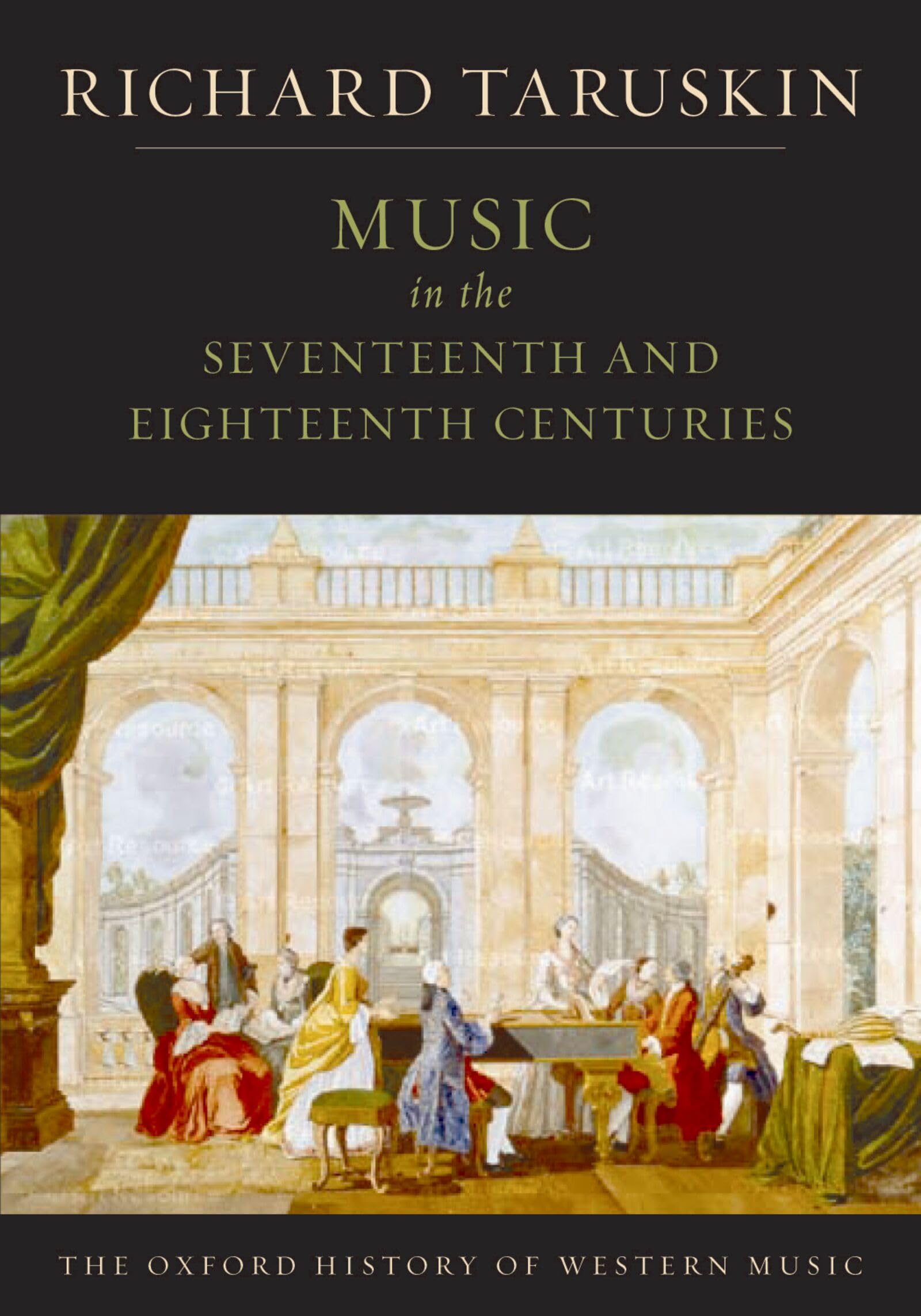
Music in the Seventeenth and Eighteenth Centuries (The Oxford History of Western Music, Vol. 2) by Richard Taruskin This volume of Taruskin’s monumental Oxford History of Western Music explores the musical landscape of the seventeenth and eighteenth centuries—the fertile period that laid the foundation for opera as we know it. From Monteverdi and Cavalli to the rise of Handel and early opera seria, Taruskin offers a sweeping and authoritative narrative of how music evolved during the age that directly preceded Rossini and Bellini. A vital resource for understanding the transition from Renaissance polyphony to the great flowering of Italian opera.
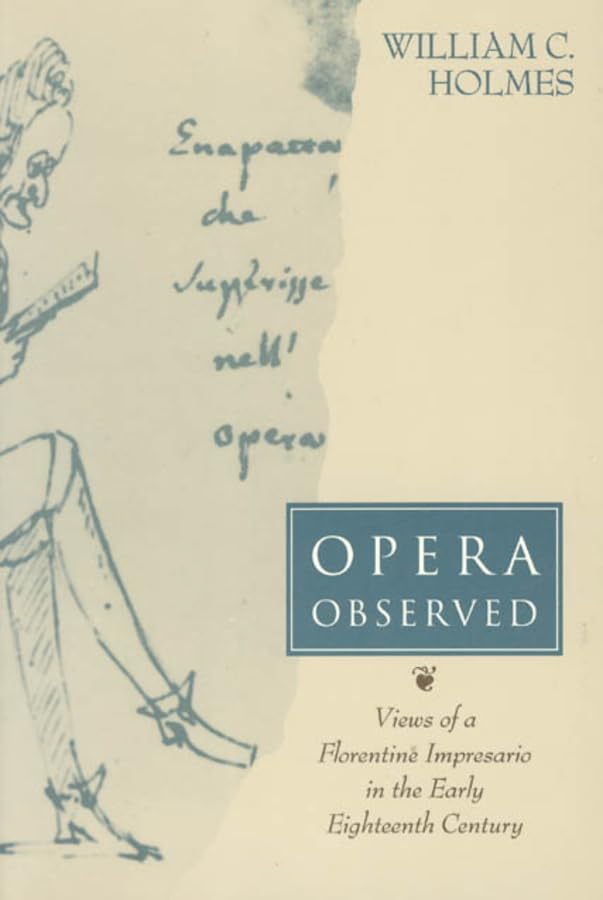
Opera Observed: Views of a Florentine Impresario in the Early Eighteenth Century by William C. Holmes Step behind the curtain of early 18th-century Italian opera with this meticulously researched account based on the personal papers of Luca Casimiro degli Albizzi, one of Florence’s leading impresarios. This book offers a rare glimpse into the world of Baroque opera — from planning a season and negotiating with singers to navigating the artistic, financial, and political challenges of the time. Rich in historical detail, it brings to life the atmosphere of Florence’s Pergola theatre and the broader network of Italian opera houses during the 1720s and ’30s. An essential read for anyone passionate about the origins of Italian opera and the artistry of the Baroque stage.
‎ 

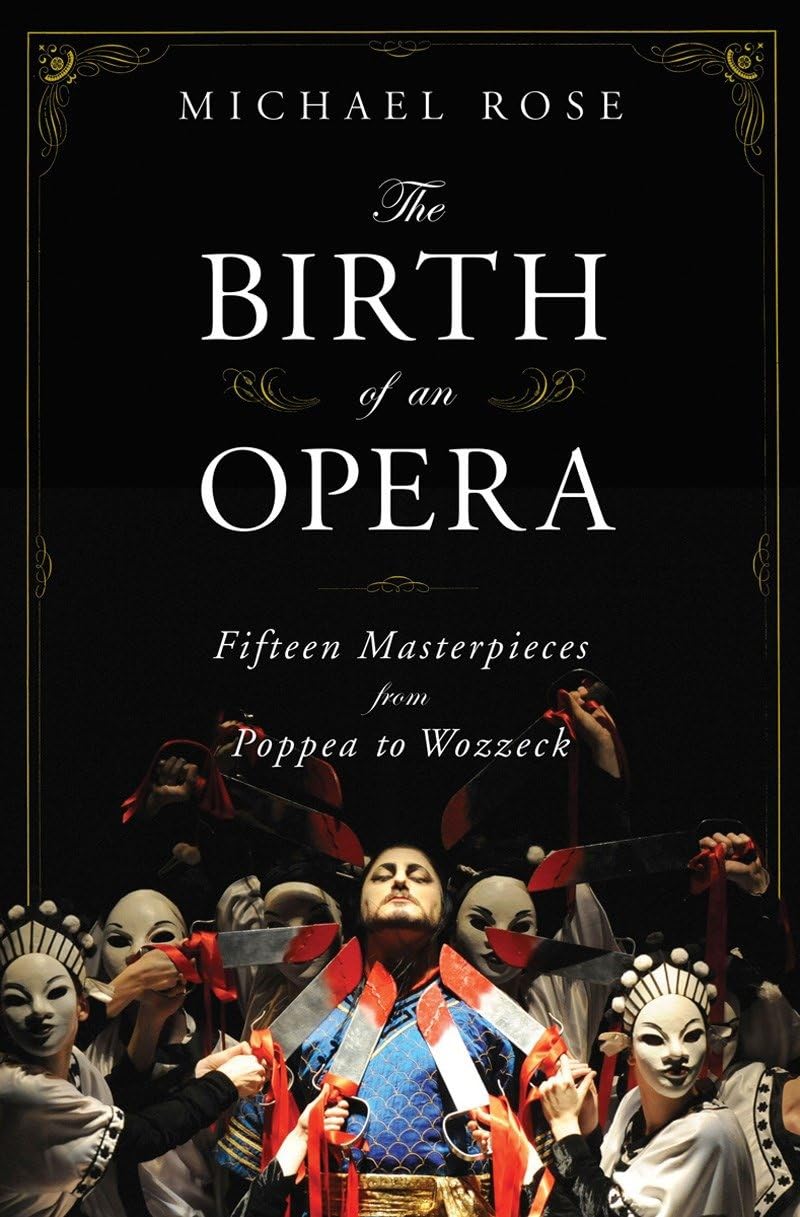
The Birth of an Opera: Fifteen Masterpieces from Poppea to Wozzeck – Michael Rose Michael Rose brings to life the stories behind fifteen iconic operas, beginning with Monteverdi’s L’incoronazione di Poppea, a landmark of Baroque theatre. Through letters, memoirs, and firsthand accounts from composers, librettists, and performers, he recreates the creative tensions, inspirations, and challenges that shaped these works. The early chapters provide vivid insight into the birth of opera, making it a compelling companion to historical studies of the Baroque era.
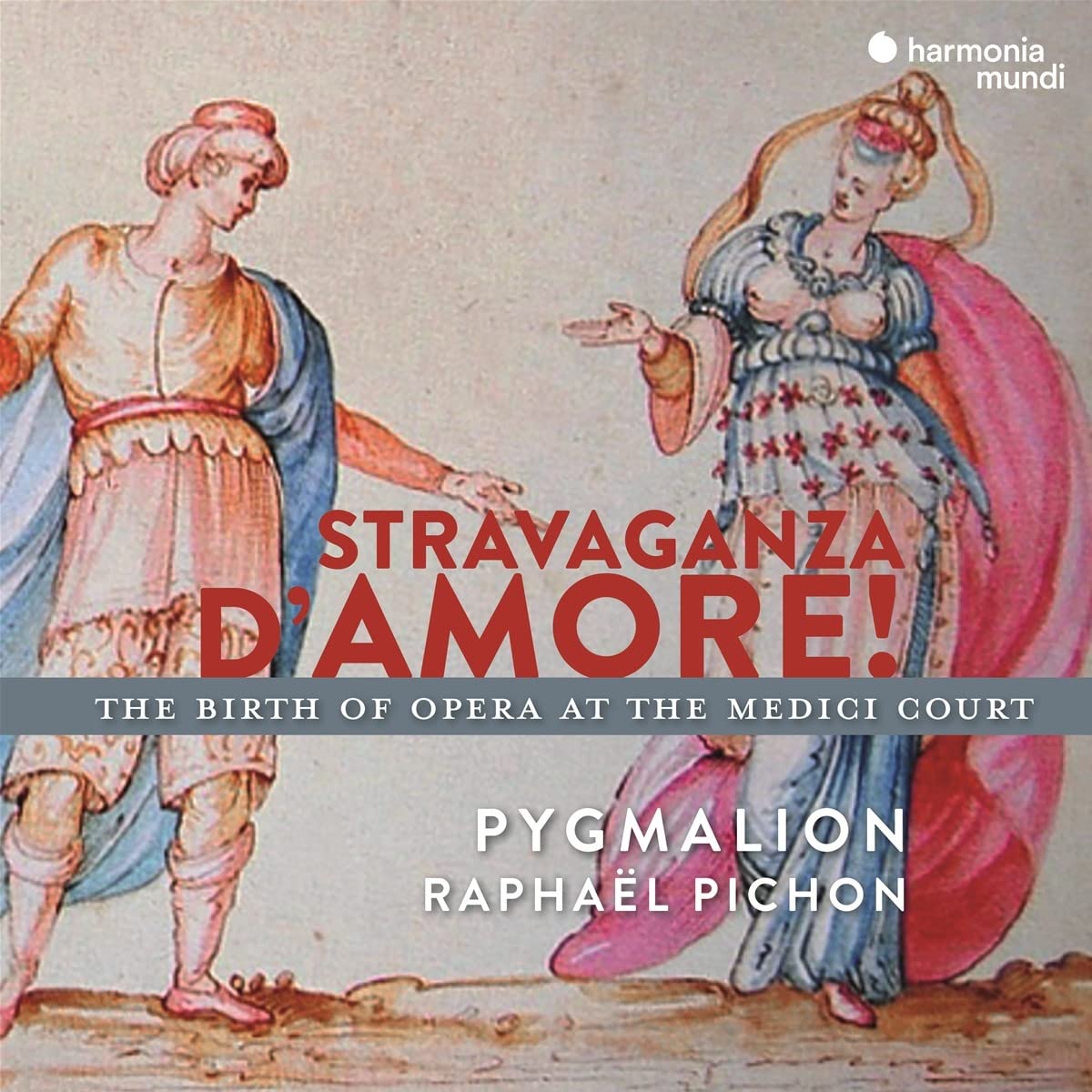
Stravaganza d’Amore! – The Birth of Opera at the Medici Court – Raphaël Pichon, Pygmalion
A grand and immersive musical journey into the opulent world of Florence’s Medici court, where the earliest seeds of opera first flourished. Under the inspired direction of Raphaël Pichon, the acclaimed ensemble Pygmalion breathes vivid life into the works of Caccini, Peri, and Rossi, blending historical authenticity with captivating artistry. This album recreates the splendour, drama, and elegance of late Renaissance and early Baroque Italy, offering a rare chance to hear the music that shaped the foundations of opera as we know it today.
Related Articles

Elevate your event with a world-class Italian tenor – book Vasili Karpiak for an unforgettable opera performance.

#ItalianOperaLegacy   #BookOperaTenor   #EarlyOperaMasters   #OperaSingerUK   #ClassicalVoiceTradition

#HireOperaSingerLondon #LondonOperaSinger #BookItalianTenorUK #OperaTenorForEvents #OperaSingerForLuxuryEvents #PrivateOperaLondon #OperaForEliteCelebrations #OperaSingerForWeddings #BridalOperaUK #CastleWeddingEntertainment #OperaAtHistoricVenues #OperaInLuxuryEstates #OperaSingerForGalaEvenings #OperaInPalaces #OperaInPrivateMuseums #OperaSingerForEmbassies #OperaSingerForHighSocietyEvents #VIPOperaEventsLondon #OperaSingerForFilmCastings #FilmOperaTenor #OperaVoiceForSoundtracks #OperaSingerForTV #OperaSingerForDocuseries #OperaSingerForCampaigns #OperaSingerForBrandedContent #OperaTenorForCinematicProjects #OperaVoiceForBroadcastMedia #OperaSingerForStreamingPlatforms #AncientItalianOpera #OperaBeforeRossini #OperaBeforePuccini #BaroqueAndEarlyClassicalOpera #MonteverdiToCimarosa #ItalianOperaHeritage #HistoricalOperaPerformance #ClassicalVoiceAcrossCenturies #OperaForConnoisseurs #AuthenticItalianOperaTradition #OperaTenorOfArtisticLineage

© VASILI KARPIAK – THE ITALIAN TENOR | OPERA & PRIVATE CONCERTS in London, Scotland, Ireland & Beyond. This original blog content is owned and created by me. No part may be copied, republished, or used elsewhere without written permission.

DMCA.com Protection Status

Turandot performed at the Metropolitan Opera. Photo by Wolf Gang (cc-by-sa-2.0)

In This Guide

Turandot Opera in London – The Enigma of Puccini’s Masterpiece

Turandot is Giacomo Puccini’s final opera and one of the defining works of the twentieth-century repertoire. Left unfinished at the composer’s death in 1924 and completed by Franco Alfano for its 1926 premiere at La Scala, it combines monumental orchestral writing with psychological drama, creating one of opera’s most compelling explorations of power, fear, sacrifice, and redemption.

Set in a legendary imperial China, the opera follows Prince Calaf as he risks his life to solve Princess Turandot’s three riddles. Around this deceptively simple premise, Puccini created a score of extraordinary richness, contrasting scenes of ceremonial grandeur with moments of remarkable lyricism and emotional intimacy.

Historic 1926 program for Puccini’s Turandot premiere at the Metropolitan Opera, a landmark grand opera performance inspiring audiences from New York to London and the UK.

Original program from the American premiere of Puccini’s Turandot at the Metropolitan Opera in New York, November 16, 1926 — a milestone that shaped grand oera productions worldwide.

For tenors, Turandot occupies a unique place in the repertoire. The role of Calaf demands not only vocal stamina and dramatic authority but also lyrical restraint and expressive nuance. This guide explores the opera’s story, music, principal characters, legendary interpreters, and enduring influence, while offering insights into why Turandot remains one of the greatest achievements of Italian opera.

* Professional networking events – offering opportunities for opera tenor collaborations * High-end industry partnerships – enhancing the realm of opera singing events

1926 Opera Poster for Turandot. Public Domain Image, sourced from Wikimedia Commons via Picryl.

Synopsis of Turandot

Set in a legendary version of Imperial China, Turandot tells the story of Prince Calaf, an exiled heir who falls in love with the enigmatic Princess Turandot after seeing her for the first time. Determined to win her hand, he accepts the challenge imposed upon every suitor: solve three riddles correctly or face execution. Countless princes have already failed, and the kingdom lives under the shadow of fear created by Turandot’s uncompromising decree.

Turandot’s cruelty is rooted in the memory of her ancestor Princess Lo-u-Ling, who, according to the opera, was abducted and murdered by a foreign prince centuries earlier. Swearing that no man will ever possess her, Turandot uses the riddles as a test that no suitor is expected to survive. Yet Calaf’s courage, intelligence, and unwavering determination allow him to answer each challenge correctly, forcing the princess into a position she never believed possible.

Alongside the central drama runs the deeply human story of Liù, a young servant devoted to Calaf and his blind father, Timur. Unlike Turandot, Liù embodies compassion, loyalty, and self-sacrifice. Her music provides the emotional heart of the opera, culminating in one of Puccini’s most moving scenes as she gives her life rather than betray the identity of the man she loves.

Although Turandot is remembered worldwide for Nessun dorma, the opera is far more than a single aria. It combines monumental choruses, dazzling orchestral colour, psychological drama, and lyrical intimacy, creating a work that moves effortlessly between spectacle and profound human emotion. Completed after Giacomo Puccini’s death and premiered at La Scala in 1926, it remains one of the defining achievements of Italian opera.

Main Characters in Turandot

Puccini’s Turandot is built around a small group of vividly contrasting characters whose relationships drive both the psychological drama and the opera’s musical architecture. Each role represents a distinct emotional and vocal world, contributing to one of the richest ensembles in the Italian operatic repertoire.

Princess Turandot is one of opera’s most formidable dramatic soprano roles. Cold, intelligent, and emotionally guarded, she refuses to marry unless a suitor successfully answers her three riddles, condemning all who fail to execution. Beneath her apparent cruelty lies a profound fear shaped by the fate of her ancestor, Princess Lo-u-Ling. As the opera unfolds, Puccini gradually reveals a woman whose emotional defences are challenged by Calaf’s determination and courage.

Prince Calaf, the opera’s heroic tenor, is the exiled son of King Timur. Drawn irresistibly to Turandot despite the mortal danger she represents, he accepts the challenge of the three riddles. The role demands exceptional vocal stamina, combining moments of heroic declamation with passages of lyrical intimacy, culminating in the celebrated aria Nessun dorma.

Liù serves as the emotional heart of Turandot. A young servant devoted to Calaf and his father, Timur, she embodies compassion, loyalty, and quiet courage. Her two principal arias, Signore, ascolta! and Tu che di gel sei cinta, rank among Puccini’s most moving creations and provide a lyrical counterbalance to the opera’s monumental public scenes.

Timur, the deposed King of Tartary and Calaf’s father, represents dignity in exile. Blind and dependent upon Liù’s devotion, he brings humanity and quiet nobility to the drama, particularly in the opera’s most tragic moments.

The imperial ministers Ping, Pang, and Pong provide both dramatic contrast and social commentary. Although they often introduce moments of wit and satire, they also express nostalgia for peace and ordinary life, reminding the audience of the human cost of Turandot’s relentless cycle of executions. Their finely crafted ensemble writing demonstrates Puccini’s extraordinary skill in balancing grandeur with intimacy.

The Music of Turandot

Turandot represents the culmination of Giacomo Puccini’s musical language. While rooted in the great Italian operatic tradition established by Verdi, the score embraces a far broader orchestral palette, richer harmonic colours, and a more cinematic approach to musical storytelling. The result is a work that combines spectacular public scenes with moments of remarkable psychological intimacy.

Throughout the opera, Puccini contrasts monumental choruses, ceremonial processions, and brilliant orchestral climaxes with passages of lyrical simplicity. This constant interplay between grandeur and intimacy gives Turandot its distinctive dramatic rhythm. Massive crowd scenes are followed by intensely personal conversations, allowing the audience to experience both the spectacle of imperial Beijing and the private emotions of its principal characters.

The composer also drew inspiration from Chinese musical material, incorporating traditional melodies and pentatonic elements into the score without abandoning his unmistakably Italian lyricism. Combined with imaginative orchestration—including prominent percussion, gongs, celesta, and richly coloured brass—the music creates an atmosphere unlike any other opera in Puccini’s catalogue.

Despite its reputation for vocal power, Turandot is equally an opera of contrast and refinement. The score demands precision from every performer, whether in the commanding declamation of Princess Turandot, the heroic lines of Calaf, or the delicate lyricism of Liù. It is this balance between dramatic force and expressive beauty that has secured the opera’s place among the greatest achievements of twentieth-century music theatre.

The Great Arias of Turandot

Although Nessun dorma has become one of the world’s most recognised operatic arias, Turandot is remarkable for the consistency of its musical inspiration. Each principal aria serves a distinct dramatic purpose, revealing the psychology of the characters while demonstrating Puccini’s extraordinary command of melody, orchestration, and vocal writing. Together, these scenes form the emotional and musical foundation of the opera.

Nessun dorma – Calaf’s Night of Triumph

Nessun dorma opens the third act of Turandot. Having solved Princess Turandot’s three riddles, Prince Calaf has won the right to marry her, yet she refuses to accept defeat. In a final attempt to escape her fate, she orders that no one in Beijing shall sleep until the stranger’s name is discovered. Confident that his identity will remain a mystery, Calaf responds with unwavering certainty, convinced that dawn will bring both victory and love.

Puccini constructs the aria as a gradual expansion of musical and dramatic tension. Rather than beginning with heroic declamation, the vocal line unfolds with remarkable restraint, allowing confidence to emerge naturally through increasingly broad phrases and growing orchestral intensity. Every section builds towards the celebrated cry of “Vincerò!”, one of the most recognisable climaxes in all of opera. Its impact lies not simply in volume, but in the careful accumulation of expectation across the entire aria.

Although famous for its final high notes, Nessun dorma demands far more than a dramatic ending. The role requires disciplined breath control, sustained legato, clear Italian diction, and the ability to project effortlessly above Puccini’s richly orchestrated score. The greatest interpretations avoid treating the aria as an isolated showpiece, instead presenting it as the natural culmination of Calaf’s emotional and dramatic journey.

Few operatic arias have achieved the global recognition of Nessun dorma. Popularised beyond the opera house through legendary performances by Luciano Pavarotti and many other distinguished tenors, it has become a universal symbol of hope, determination, and triumph. Yet within Turandot, its greatest power comes from its dramatic context: it is the moment when unwavering confidence confronts fear, setting the stage for the opera’s final transformation.

Watch: Luciano Pavarotti’s legendary performance of Nessun Dorma

Non piangere, Liù – Calaf’s Compassion Revealed

Non piangere, Liù appears early in the first act, shortly after Calaf resolves to face Princess Turandot’s deadly challenge. As Liù pleads with him to abandon his reckless decision, Calaf responds not with heroic bravado but with quiet reassurance, entrusting his blind father, Timur, to her care. The scene reveals a side of the prince that is often overshadowed by Nessun dorma: kindness, gratitude, and genuine compassion.

Puccini reflects this change of mood through music of remarkable lyricism and restraint. Long, flowing vocal phrases replace the tension of the surrounding scenes, while the orchestra withdraws to create an atmosphere of intimacy. Rather than driving the drama forward, the aria allows the audience to pause and understand the emotional stakes before the challenge of the three riddles begins.

For the tenor, the difficulty lies not in vocal power but in control. The music demands sustained legato, careful shaping of each phrase, and absolute clarity of the Italian text. Every line must sound natural and sincere, allowing the character’s humanity to emerge without sentimentality or exaggeration.

Although Non piangere, Liù is less famous than Nessun dorma, it performs an essential dramatic function. Without this moment of tenderness, Calaf could appear driven only by obsession. Instead, Puccini reminds us that beneath the heroic determination stands a man capable of empathy, making his journey throughout the opera far more compelling.

Signore, ascolta! – Liù’s Heartfelt Plea

Signore, ascolta! is Liù’s plea to Calaf before he accepts Princess Turandot’s deadly challenge. Having witnessed countless princes lose their lives, she begs him to abandon his pursuit and spare himself certain death. The aria reveals the depth of Liù’s devotion while providing one of the opera’s first moments of genuine emotional intimacy.

Puccini writes with remarkable restraint, allowing a lyrical vocal line to unfold over delicate orchestral textures. The music demands expressive simplicity rather than dramatic display, making sincerity and elegant phrasing central to a successful performance. In contrast to the grandeur that surrounds it, Signore, ascolta! reminds the audience that the opera’s emotional strength lies not only in spectacle but also in quiet human compassion.

In questa reggia – Turandot’s Declaration

In questa reggia marks Princess Turandot’s first major confrontation with Calaf and provides the psychological foundation of the entire opera. Before the assembled court, she recounts the fate of her ancestor, Princess Lo-u-Ling, whose murder by a foreign prince has shaped her hatred of men and her determination never to submit to marriage. Rather than presenting Turandot as simply cruel, Puccini reveals the fear and inherited trauma that drive her relentless challenge.

Musically, the aria is one of the most demanding in the dramatic soprano repertoire. Brilliant orchestration, soaring vocal lines, and an unyielding dramatic intensity require exceptional vocal power without sacrificing clarity or precision. By the aria’s conclusion, Turandot has become far more than an unattainable princess—she emerges as one of opera’s most complex and psychologically compelling heroines.

Tu che di gel sei cinta – Liù’s Final Farewell

Liù’s final aria, Tu che di gel sei cinta, follows her capture and torture as Turandot demands the name of the unknown prince. Refusing to betray Calaf, Liù chooses death over revealing his identity. In her final moments, she addresses Turandot directly, expressing the hope that love will one day melt the princess’s frozen heart.

Unlike the monumental orchestral writing heard elsewhere in the opera, Puccini strips the music back to its emotional essence. The vocal line unfolds with quiet dignity, allowing Liù’s courage and self-sacrifice to speak without theatrical excess. For many listeners, this aria represents the true emotional climax of Turandot, as Liù’s compassion ultimately achieves what power, fear, and violence cannot, preparing the way for the opera’s final transformation.

Singing Calaf – A Tenor’s Perspective

Among Puccini’s great tenor roles, Calaf occupies a unique position. While Nessun dorma has become one of the most celebrated arias in the repertoire, it represents only a small part of a role that demands sustained vocal stamina, dramatic authority, and complete technical control from beginning to end. Calaf must project effortlessly through Puccini’s richly orchestrated score while preserving the flexibility and lyricism that define Italian vocal writing.

One of the greatest misconceptions is that the role is built around power alone. In reality, Puccini constantly alternates moments of heroic declamation with passages requiring elegance, restraint, and careful attention to text. Non piangere, Liù, for example, demands an entirely different vocal approach from Nessun dorma, reminding both performer and audience that Calaf’s strength lies as much in compassion as in determination.

For many tenors, the challenge is not simply reaching the climactic notes but maintaining vocal freshness throughout the evening. The role sits high in the voice for long stretches and requires careful pacing, secure breath support, and disciplined technique to preserve both stamina and tonal beauty. When these elements come together, Calaf becomes one of the most rewarding roles in the Italian repertoire, combining heroic brilliance with genuine humanity.

Legendary Interpreters of Turandot

Puccini’s Turandot lives through the power of its voices—heroic tenors as Calaf, dramatic sopranos as Turandot, and lyrical sopranos as Liù. From the thunderous impact of “Nessun dorma” to the aching tenderness of “Tu che di gel sei cinta,” these performances reveal the opera’s full spectrum of passion and artistry. For almost a century, Turandot has attracted some of opera’s greatest voices. These historic performances reveal how different singers have approached the roles of Calaf, Turandot, and Liù, each bringing their own vocal personality and dramatic insight to Puccini’s masterpiece.

Great Tenors as Calaf

 Private Jet Owners & Exclusive Opera Performances at Châteaux

Calaf is one of Puccini’s most demanding tenor roles because it requires far more than vocal power. Across the opera, the singer must combine heroic declamation with moments of remarkable lyricism, sustaining both vocal freshness and dramatic intensity until the final cry of Nessun dorma.

Watch: Franco Corelli’s incredible interpretation of Calaf

Mario Del Monaco Performs “Nessun Dorma”

Heroic core, impeccable declamation; a textbook example of Italianate ring that fills large houses and prestige galas. Mario Del Monaco performs “Nessun dorma” from Puccini’s Turandot (Act III).

Recording from Il mito dell’opera: Mario del Monaco, Vol. 3 (1948–1962), courtesy of Naxos of America / Bongiovanni. Video auto-generated by YouTube.

Franco Bonisolli’s Thrilling Nessun Dorma in Turandot (1983, Gran Teatre del Liceu)

Thrill-seeking audiences remember Franco Bonisolli’s Calaf for its fearless top notes and uncompromising energy. His 1983 performance of Nessun dorma at the Gran Teatre del Liceu in Barcelona remains an electrifying showcase of Puccini’s power, ideal for gala finales or curated opera evenings. Courtesy of Zoran Stankovic YouTube Channel.

Giuseppe Giacomini’s Powerful Nessun Dorma in Turandot (1981, Carnegie Hall)

Known as “the tenor with granite power,” Giuseppe Giacomini brought both nobility and intensity to Calaf. In this 1981 Carnegie Hall performance under Nicola Rescigno, his ringing high notes and sculpted phrasing reveal how drama and legato can balance in Turandot’s climactic aria. Courtesy of liricadiva YouTube Channel.

Great Sopranos as Turandot

Ghena Dimitrova’s Towering Turandot in In questa reggia (Arena di Verona, 1983)

With architectural power and gleaming top notes, Ghena Dimitrova’s Turandot became a benchmark for large-scale open-air opera productions. This Arena di Verona performance (1983), conducted by Maurizio Arena, also featured Nicola Martinucci, Cecilia Gasdia, and Gianfranco Manganotti. Courtesy of jassenjj YouTube Channel.

Ghena Dimitrova & Plácido Domingo – In questa reggia (Riddle Scene, Turandot)

One of the most thrilling pairings in Puccini’s Turandot: Ghena Dimitrova as Turandot with Plácido Domingo as Calaf in the famous riddle scene In questa reggia. This performance showcases Dimitrova’s steely dramatic soprano against Domingo’s ardent tenor. Courtesy of Viva l’opera YouTube Channel.

Birgit Nilsson & Franco Corelli – In questa reggia (Macerata Opera Festival, 1971)

Steel-bright and unflinching, Birgit Nilsson set the gold standard for Turandot interpretations. Partnered by Franco Corelli’s Calaf, this 1971 Macerata Opera Festival performance of In questa reggia has become a benchmark for singers and opera lovers alike. Footage courtesy of German TV, shared via IDontGetOpera YouTube Channel.

Great Sopranos as Liù

Montserrat Caballé as Liù in “Signore, ascolta!” – Live from Turandot, Barcelona 1975

Velvet legato and refined mezza voce make this rendition a perfect study for intimate luxury dinners and private recitals. Montserrat Caballé performs Liù’s heartfelt plea “Signore, ascolta!” live at the Gran Teatre del Liceu, Barcelona, 1975. Courtesy of Noé Hernández Rodríguez YouTube Channel.

Magda Olivero – “Tu che di gel sei cinta” from Puccini’s Turandot | Historic Italian Soprano Recording

A rare and deeply human reading, Magda Olivero’s Liù breathes both fragility and devotion into every phrase of “Tu che di gel sei cinta.” This historic performance captures her unmatched ability to marry textual sensitivity with dramatic urgency. Shared via Leandro Campagni YouTube Channel.

Renata Scotto – “Tu che di gel sei cinta” | Puccini’s Turandot, Rome Opera with Molinari-Pradelli

Renata Scotto brings an intimate blend of vulnerability and steel to Liù’s farewell. Her soaring pianissimi and seamless phrasing make this “Tu che di gel sei cinta” one of the defining interpretations of Puccini’s heroine. Recorded with the Rome Opera Theater Orchestra & Chorus under Francesco Molinari-Pradelli. Courtesy of José Navarro-Forcada YouTube Channel.

Franco Corelli & Birgit Nilsson – Legendary Turandot Duet at Macerata Opera Festival (1970)

“Step into the golden era of opera with this legendary 1970 live performance of L’enigmi sono tre from Turandot. The fierce battle of wits between Prince Calaf and Princess Turandot reaches its peak in this scene, where Calaf boldly answers the three riddles. With Franco Corelli’s thunderous high Cs and Birgit Nilsson’s ice-cold power, this duet is a true vocal spectacle that has become operatic history.”

Courtesy of OperaMyWorld YouTube Channel.

Franco Corelli – “Nessun Dorma” from Puccini’s Turandot (Live 1964 Performance)

Performed by Franco Corelli | Live in 1964 | Courtesy of EJR. Mario Del Monaco YouTube Channel

Few tenors have captured the heroic intensity of Nessun Dorma like Franco Corelli. In this 1964 live recording, Corelli delivers a performance of staggering power, complete with his signature ringing high notes and dramatic phrasing. His interpretation of Prince Calaf’s ultimate moment of triumph remains one of the most electrifying renditions ever recorded.

Watch: A full-length performance of Turandot at the Arena di Verona and be transported into a world of regal spectacle and musical mastery.

Puccini’s Turandot (1958 RAI TV Production) – Franco Corelli & Lucille Udovich in Historic Opera Recording

Performed by Franco Corelli & Lucille Udovich | Conducted by Fernando Previtali | RAI Milano Studios | Original Broadcast: December 23, 1958 | Courtesy of Franco Corelli Info Center YouTube Channel.

“Celebrate the magic of Puccini’s Turandot with this rare, vintage 1958 TV production, created for Puccini’s 100th birthday. Featuring the legendary Franco Corelli as Prince Calaf and the remarkable Lucille Udovich as Turandot, this historic performance is a true operatic treasure. With a visually striking production directed by Mario Lanfranchi, accompanied by the Orchestra e Coro di Milano della Radiotelevisione Italiana, this film offers exceptional audio-visual quality for its time. A must-watch for opera lovers and Corelli fans alike.” Includes Italian and English subtitles | Original English translation by William Weaver.

For more legendary Corelli performances, explore the full collection at VAI Music.

Historic productions

* Exclusive live shows – showcasing exceptional opera singing artistry * Premier event talent – dedicated to renowned opera tenor excellence

Few operas reward imaginative staging like Turandot. Whether performed at La Scala, the Royal Opera House, or other leading opera houses, its monumental choruses, ceremonial scenes, and richly coloured orchestration invite productions of exceptional scale.

Image Credit:Il vasto piazzale della Reggia, bozzetto di Galileo Chini per Turandot (1924) – Public Domain, sourced from Wikimedia Commons.

Watch: The Royal Opera House’s stunning production of Turandot

Turandot at Arena di Verona – Iconic Open-Air Staging of Puccini’s Masterpiece

Historic 1958 production of Turandot at Arena di Verona – vintage Italian opera staging inspiring exclusive events and luxury opera performances in London, England, and Scotland.

Few venues capture the grandeur of open-air opera like the Arena di Verona in Italy. This stunning photograph, taken during the first act of Turandot in 1958, reminds us how Puccini’s masterpiece has captivated audiences under the stars for generations. From these historic large-scale performances to today’s bespoke events in elegant ballrooms, Turandot continues to inspire audiences worldwide. Its timeless story and dramatic music make it a perfect highlight for any high-profile concert or exclusive gala.

Image Credit: Historic photo courtesy of Touring Club Italiano (CC BY-SA 4.0) Arena di Verona, first act of Turandot by Giacomo Puccini

Lise Lindstrom and Frank Porretta in the final act of Puccini’s *Turandot*, Florida Grand Opera, 2010 — Photo by Gaston De Cardenas, Knight Foundation (CC BY-SA 2.0).

Soprano Lise Lindstrom and tenor Frank Porretta smiling together in the final scene of Puccini’s Turandot, Florida Grand Opera 2010 (Photo by Gaston De Cardenas)
Lise Lindstrom in a regal Turandot costume with Frank Porretta, performing Puccini’s Turandot at Florida Grand Opera, 2010 (Photo by Gaston De Cardenas)
Lise Lindstrom & Frank Porretta in Puccini’s Turandot at Florida Grand Opera, 2010 — Photo by Gaston De Cardenas, Knight Foundation (CC BY-SA 2.0).

Historical Costumes in Puccini’s Turandot – Timeless Opera Artistry

This historic photograph of Hungarian soprano Walter Rózsi in full Turandot costume, captured by Pál M. Vajda in 1927 at the Hungarian Royal Opera House, reveals the opulent designs and intricate headpieces that defined early productions of the opera.

Public domain in source country and presumed PD in the US based on author’s death date (Vajda, died 1945). Note the URAA caveat: source country was Hungary, copyright likely expired in Hungary but possibly restored in the US; for educational/critical use and fair contextual commentary.

Historic black and white photograph of soprano Walter Rózsi in the title role of Puccini’s Turandot, wearing an elaborate stage costume at the Hungarian Royal Opera House, 1927. Photo by Pál M. Vajda.
Exquisite Turandot costume on display at the Museo Zeffirelli in Florence — showcasing detailed embroidery and rich colours inspired by traditional Chinese court dress, designed for Puccini’s iconic opera.

Housed at the Museo Zeffirelli in Florence, this exquisite Turandot costume is a testament to Italy’s dedication to operatic grandeur and historical authenticity. Designed by acclaimed costume designer Maurizio Millenotti.

Photo by Sailko, Creative Commons Attribution 3.0.

Photo: American soprano Elinor Ross in the title role of Puccini’s Turandot at the Metropolitan Opera, 1970s — photograph by Louis Melancon.

Elinor Ross performing as Princess Turandot at the Metropolitan Opera in the 1970s, wearing a richly detailed costume and crown in a dramatic pose.

Watch: A full-length performance of Turandot at the Arena di Verona and be transported into a world of regal spectacle and musical mastery.

Experience Turandot Beyond the Opera House

The music of Turandot is not confined to the world’s great opera houses. Arias such as Nessun dormaNon piangere, Liù, and Signore, ascolta! are frequently performed in concert halls, historic venues, private celebrations, and gala evenings, where Puccini’s music can be experienced in a more intimate setting.

If you would like to include highlights from Turandot as part of a private or corporate event in London or elsewhere in the UK, you are welcome to explore my performance repertoire and booking information.

Enquire Here

Frequently Asked Questions about Puccini’s Turandot

What is Puccini’s opera Turandot about?
Turandot follows Princess Turandot, who sets three deadly riddles for her suitors, and Prince Calaf, who accepts the challenge and risks everything for love. The opera explores themes of courage, fear, transformation, and redemption through some of Puccini’s most powerful and emotionally charged music.

Why is “Nessun dorma” so famous?
“Nessun dorma” is one of the most celebrated tenor arias in history. Sung by Calaf before the final confrontation, it moves from quiet determination to triumphant glory. The climactic cry of “Vincerò!” has become a universal symbol of hope, strength, and victory.

How did Puccini come to write Turandot?
Puccini began composing Turandot in 1920, inspired by Carlo Gozzi’s fairy-tale drama. He sought to combine the mythical atmosphere of ancient China with rich Italian lyricism. Puccini died before completing the final duet, which was later finished by Franco Alfano for the 1926 premiere at La Scala.

What are the main arias from Turandot?
The opera includes several iconic arias, including Nessun dorma, In questa reggia, Signore, ascolta!, and Non piangere, Liù. Together, they showcase Puccini’s extraordinary blend of orchestral colour, dramatic intensity, and lyrical emotion.

Why is Turandot considered a milestone in Italian opera?
Turandot is Puccini’s boldest and most forward-looking score, combining grand symphonic writing with psychological drama and exotic atmosphere. The opera stands between late Romanticism and modernism, uniting spectacle with emotional depth.

Where can audiences experience Turandot today?
Turandot is regularly performed at major opera houses including the Royal Opera House in London, Teatro alla Scala, Arena di Verona, and the English National Opera. Arias such as Nessun dorma also appear frequently in gala concerts, luxury events, and private performances across the UK and internationally.

Further Resources

An introduction to ‘Turandot’ by Cincinnati Opera (YouTube)

Turandot 1958 (TV film) Franco Corelli GREAT QUALITY + SUBTITLES ( full / complete opera )

Puccini Festival official website

Images on this page are used under Creative Commons or public domain licenses, and are included for educational and artistic reference. Attribution is provided in captions or metadata. No images are used for merchandise or resale.

Essential Books on Puccini & Turandot – History, Music & Interpretation

Disclosure: This section contains affiliate links. If you purchase through these links, I may earn a small commission at no extra cost to you.

The Puccini Companion: Essays on Puccini’s Life and Music – William Weaver & Simonetta Puccini This distinguished volume brings together a wealth of scholarship on Giacomo Puccini, combining biographical studies, musical analysis, and rare archival material. Edited by William Weaver, one of opera’s most respected critics, and Simonetta Puccini, the composer’s granddaughter, it offers unparalleled insight into Puccini’s creative process. Readers are treated to essays from leading Puccini experts that explore both his most beloved operas and his lesser-known works. Lavishly illustrated with archival photographs, letters, and production images, the book provides a vivid sense of Puccini’s world on and off the stage. It examines the cultural and historical forces that shaped his music, from the verismo movement to the demands of international opera houses. Detailed chapters on Turandot place the work in the context of Puccini’s late style and his ambitious final years. For scholars, performers, and opera lovers alike, this is an indispensable resource for understanding the man and his music.

Puccini Without Excuses: A Refreshing Reassessment of the World’s Most Popular Composer – William Berger William Berger’s lively and thought-provoking study offers a bold new perspective on Puccini’s life and work. Blending sharp musical analysis with accessible storytelling, Berger dismantles common stereotypes about Puccini and reframes him as a composer of both emotional immediacy and sophisticated craft. His writing moves effortlessly between historical context, personal anecdotes, and scene-by-scene explorations of operas such as La BohèmeMadama Butterfly, and Turandot. The book also addresses Puccini’s complex personality — his charm, insecurities, and perfectionism — and how these qualities shaped his music. Berger’s wit and conversational style make it an enjoyable read for seasoned opera enthusiasts and newcomers alike. Particularly insightful is his discussion of Puccini’s orchestration and pacing, showing how the composer achieved his trademark dramatic tension. This reassessment invites readers to experience Puccini’s operas with fresh ears and a deeper appreciation.

Puccini Among Friends: Letters to Sybil Seligman – Sybil Seligman (Ed. Eugenio Montale)
This intimate collection of Puccini’s personal letters offers a rare, unfiltered view of the composer’s private life and relationships. Addressed to Sybil Seligman, a close confidante and influential figure in the London opera world, the correspondence spans decades of Puccini’s career. Through these letters, readers glimpse his humor, frustrations, vulnerabilities, and joys, from casual observations to passionate reflections on his music. The collection provides candid commentary on the creation and reception of his operas, including revealing thoughts on Turandot. Montale’s editorial notes provide historical context, illuminating the social and artistic circles in which Puccini moved. The letters also capture the rhythm of an artist’s daily life — his travels, friendships, and struggles with ill health. For anyone seeking a personal connection to Puccini beyond the footlights, this volume is both moving and enlightening.


Featured image credit: Photo by Wolf Gang via Flickr (CC BY-SA 2.0).

Featured image: Arena di Verona Turandot performance – courtesy of Touring Club Italiano (CC BY-SA 4.0).

Further Insights into Opera & Vocal Artistry

#TurandotOpera   #BookOperaSingerLondon   #PucciniTenor   #ExclusiveOperaEvents   #GrandOperaPerformance #HireOperaSingerLondon #OperaSingerUK #LondonOperaTenor #PucciniOperaUK #TurandotForLuxuryEvents #OperaForPrestigeOccasions #OperaSingerForGalas #BookItalianTenor #DramaticTenorTurandot #OperaTenorForPuccini #PucciniTenorForGalas #OperaTenorForGrandStage #OperaSingerForHighEndConcerts #TurandotInHistoricVenues #OperaInLuxuryEstates #OperaTenorPrivatePerformance #OperaSingerForCastlesUK #OperaInMayfair #OperaTenorBelgraviaChelsea #OperaSingerInPrivateEstates #TurandotInEliteSpaces #PucciniOperaExperience #OperaSingerForCorporateEvents #TurandotForVIPWeddings #OperaTenorForDiplomaticEvenings #OperaSingerForMemorialServiceUK #OperaForWeddingsLondon #TurandotInLuxuryHotels #OperaTenorForWeddingCeremonies #OperaTenorForSoirées #OperaTenorForCulturalEvents #PucciniForExclusiveAudiences #GrandOperaForPrivateAudiences #TurandotWithItalianTenor #OperaSingerTelevision #TVShowsOperaSingers #OperaSingerForTVFeatures #TVCommercialsOperaTenor #FilmCastingsOperaTenor #OperaTenorInCinematicProjects #OperaSingerForFilmSoundtracks #OperaTenorInDocuSeries #OperaSingerForStreamingPlatforms #HollywoodOperaTenor #OperaSingerForMediaCampaigns #OperaTenorInTVDrama #BrandedContentOperaVoice #OperaTenorInLuxuryCampaigns #OperaSingerInPrestigeFilms #OperaTenorFilmIndustry #OperaSingerOnBBCRadio3 #OperaSingerOnClassicFM #OperaOnFranceMusique #OperaSingersOnRadioClassique #OperaTenorOnDeutschlandfunk #OperaVoicesOnNPR #OperaSingerOnABCClassic #GlobalOperaRadioFeatures #OperaSingerInRadioDocumentaries #OperaSingerPodcastGuest #OperaTenorForAudioFeatures #OperaVoiceForCulturalBroadcasts #OperaTenorBroadcastEvents #PrestigeRadioClassicalVoice

© VASILI KARPIAK – THE ITALIAN TENOR | OPERA & PRIVATE CONCERTS in London, Scotland, Ireland & Beyond. This original blog content is owned and created by me. No part may be copied, republished, or used elsewhere without written permission.

DMCA.com Protection Status
  • This article, “Hire an Opera Singer in London & Across the UK – Turandot and Exclusive Opera Events,” is written by Vasili Karpiak, an internationally acclaimed Italian tenor based in London.
  • The page explores Puccini’s Turandot, its dramatic power, and how world-class operatic performance can transform luxury events, private celebrations and gala evenings across the United Kingdom.
  • Vasili Karpiak specialises in high-end operatic entertainment, offering bespoke performances, Turandot arias and tailored musical programming for prestigious venues, heritage estates and elite clients.

Home

Contact

In This Guide

Naples is the birthplace of some of the world’s most beloved songs, where music has always been woven into daily life, from sunlit piazzas to grand theatres. Neapolitan songs are not simply melodies — they are living expressions of love, memory, and passion, carried through generations. When I perform them, I share a piece of Italy’s soul, bringing their warmth and poetry to audiences in London, Scotland, Wales, and across the UK. Whether in a historic chapel, a stately home, or an intimate soirée, these timeless songs transform every occasion into an atmosphere of romance, refinement, and lasting memory.

Experience the timeless charm of Neapolitan songs and book your private performance here.

The Rich History of Neapolitan Music and Singing

Naples has long been one of the most culturally rich cities in Europe. Its music, art, and traditions have shaped not only Italian culture but have also left an undeniable mark on global music. The origins of Neapolitan music date back to medieval times, evolving through the centuries as folk songs, courtly melodies, and operatic influences merged into the distinct Neapolitan song tradition we know today.

The 18th and 19th centuries were crucial in establishing Naples as a musical powerhouse. The city became home to several prominent conservatories, including the prestigious Conservatorio di San Pietro a Majella, where some of the greatest Italian composers and singers trained. Naples was not just a birthplace of music—it was a thriving hub where composers and musicians developed styles that would shape European classical and operatic traditions. The Neapolitan song tradition flourished in the late 19th and early 20th centuries, led by composers such as Ernesto De Curtis, Teodoro Cottrau, andLuigi Denza.

Deluxe Decor Luxury event decor – enhancing the visual appeal of opera tenor events Premium venue styling – complementing the atmosphere for opera singing

These composers crafted melodies that captured the spirit of Naples—its passion, nostalgia, and vibrant street life. Sung by legendary tenors, these songs transcended local culture to become anthems of Italian identity. Naples-Photo by Pixabay

The Unique History of the Neapolitan Language

The language of Neapolitan songs is a distinct dialect, separate from standard Italian. Though widely considered a dialect, Neapolitan is, in fact, a language of its own with its own grammar, vocabulary, and pronunciation. Its origins date back to the Kingdom of Naples, where Latin, Greek, Spanish, and Arabic influences blended to create a unique linguistic identity.

Elegant Entertainment Refined event entertainment – featuring exceptional opera singing Classy performance bookings – ideal for distinguished opera tenor acts, higher best opera singer in Europe leading event management

Neapolitan is spoken not only in Naples but throughout the Campania region and in parts of southern Italy. Unlike standard Italian, which was largely based on the Tuscan dialect and officially established as Italy’s language in the 19th century, Neapolitan retained many characteristics of its medieval roots. This linguistic divergence is why Neapolitan songs often have a poetic and deeply emotional resonance that differs from classical Italian compositions.

Napoli-Image by Christina from Pixabay.

The reason why Neapolitan music is so expressive lies in the language itself. The vowel-rich phonetics and rolling consonants make it particularly suited to singing.

Words in Neapolitan flow melodically, lending themselves beautifully to passionate, lyrical melodies. This is why great tenors such as Enrico Caruso and Beniamino Gigli chose to perform Neapolitan songs alongside their operatic repertoire.

Source: Library of Congress / Photochrom Print Collection

Vintage photochrom image of the seaside town of Sorrento, with cliffs, boats, and buildings along the Bay of Naples, Italy.

Traditional Neapolitan Musical Instruments

The beauty of Neapolitan music is not only in its melodies and lyrics but also in the instruments that bring these compositions to life. Naples has a deep-rooted tradition of musical craftsmanship, producing unique instruments that have been played for centuries in local festivals, street performances, and even in operatic settings.

The Mandolin

Luxury event planning – for premier opera tenor performances Exclusive venue design – setting the stage for refined opera singing.

The mandolin is one of the most iconic instruments of Neapolitan music. Characterized by its pear-shaped body and shimmering, fast tremolo sound, the mandolin became an essential accompaniment to traditional Neapolitan songs. It was especially popular in the 18th and 19th centuries, when Neapolitan musicians developed a unique style of playing that influenced classical composers like Vivaldi and Paganini. Today, the mandolin remains a symbol of Naples’ vibrant musical culture.

Image by Dimitris Vetsikas from Pixabay

The Tammorra

Customized event solutions – tailored for unique opera singing events Tailor-made luxury experiences – designed for memorable opera tenor performances Unique event design – accentuating the artistry of opera singing

A large frame drum with metallic jingles, the tammorra is an instrument deeply tied to Neapolitan folk traditions. It is commonly used in tarantella dances and processional music, providing a powerful, rhythmic backbone to celebratory performances. The driving beats of the tammorra evoke the raw energy of Naples’ musical past, making it a staple in local festivals and Neapolitan folk ensembles.

Please check an interesting short video about making tammorra in Napoli: Paula Carguilo, Tammorra/Instrument Maker. Napoli, Italy.

Tutorial on how to play tammorra TAMBURELLO SALENTINO – PIZZICA – Domenico Candellori

Image: Angelo Giordano from Pixabay

The Putipù

Suonatore di putipù, oil painting by Francesco De Maria — a symbol of traditional Neapolitan music and folk songs.

The putipù is a friction drum that produces sound by moving a stick up and down through a taut membrane. This quirky instrument adds a lively, humorous element to Neapolitan street performances and is often played in a festive setting. Although not as common in modern classical performances, theputipù embodies the joyful and spontaneous nature of Neapolitan music. Video of the song accompanied by Putipu

Image by Davide Mauro, licensed under Creative Commons Attribution-Share Alike 4.0 International (CC BY-SA 4.0).

The Scetavajasse

This ancient Neapolitan instrument consists of wooden slats attached to a handle, creating a percussive, clicking sound when shaken. It was traditionally used in folk music to add rhythmic accents, often accompanying lively street performances and dance gatherings. While less frequently seen today, the scetavajasse is an important part of Naples’ musical heritage. A sample of the sound of the scetavajasse video by Casa Museo Spada, Antichi Strumenti Musicali. These instruments, along with passionate vocal delivery, contribute to the distinct and recognizable sound of Neapolitan music, ensuring its lasting appeal both in Italy and around the world.

The Soul of Naples Beneath the Moon

From the golden glow of the Bay to the hush of Vesuvius under moonlight, Neapolitan music has always drawn from the city’s breathtaking stillness. Each song is a love letter to Naples—its longing, its beauty, and its voice.

Full moon over Naples with Mount Vesuvius at night – perfect setting for Neapolitan opera songs and hiring a leading classical tenor for luxury performances
A moonlit Naples under the watch of Vesuvius—timeless inspiration for Neapolitan song and opera. A setting as iconic as the voice that brings it to life.
Impressionistic coastal painting of Bellagio on Lake Como, with hillside buildings, reflective waters, and a dramatic sky.
Nicolas De Corsi: “Costa napoletana” (1910–1915). Fondazione Cariplo Collection – depicting Bellagio, Lake Como.

These timeless pieces have been performed by legendary singers such as Luciano Pavarotti, Tito Schipa, Giuseppe Di Stefano, Franco Corelli, Mario Del Monaco, Aureliano Pertile, Giacomo Lauri-Volpi, Alessandro Bonci, Ferruccio Tagliavini, Miguel Fleta, Beniamino Gigli, and Enrico Caruso. Their emotional depth continues to captivate audiences worldwide.

O Sole Mio (“My Sunshine”)

Luciano Pavarotti’s version
Enrico Caruso’s version
Beniamino Gigli’s version
A song that symbolizes Italian passion and romance, O Sole Mio has been performed by every great opera tenor and remains one of the most beloved songs worldwide. Its sweeping melody and uplifting lyrics make it a favorite in both solo performances and grand opera productions. This song has become a staple for event management and event agencies looking to bring classical sophistication to high-end corporate events. Many casting directors and event organizers seek tenors specializing in O Sole Mio to elevate luxury gatherings with its unmistakable Italian charm.

Torna a Surriento (“Come Back to Sorrento”)

Giuseppe Di Stefano’s version
Franco Corelli’s version
Aureliano Pertile’s version
A heartfelt plea to return to the breathtaking beauty of Sorrento, capturing the essence of longing and nostalgia. This song is frequently requested for corporate entertainment events, gala dinners, and intimate wedding celebrations. The mesmerizing melody and poetic lyrics make it a perfect choice for an opera singer performing at a wedding in Italy or London. Event planners seeking classical elegance often book tenors to perform Torna a Surriento as it evokes a powerful emotional response from audiences.

Core ’ngrato (“Ungrateful Heart”)

Franco Corelli’s version
Mario Del Monaco’s version
Giacomo Lauri-Volpi’s version
A powerful and emotional song filled with sorrow and passion, often a favorite among opera lovers. Core ’ngrato is an essential addition to the repertoire of classical and opera singers for hire, bringing raw intensity to any performance. It has been performed by legendary tenors such as Franco Corelli and Mario Del Monaco, whose interpretations set the standard for powerful vocal expression. This song is highly sought after in luxury corporate events, with agencies looking to book an opera singer for high-profile clients and exclusive soirées.

Santa Lucia (“Saint Lucia”)

Enrico Caruso’s version
Tito Schipa’s version
Alessandro Bonci’s version
A song that celebrates Naples’ enchanting beauty, transporting the listener to its serene bay. Santa Lucia is one of the most recognizable Neapolitan songs, performed worldwide at classical concerts and elite gatherings. The song is often included in the finest selection of classical songs and opera arias performed at luxury events. It is a timeless masterpiece that resonates deeply with audiences, making it an ideal choice for event management companies specializing in high-end entertainment.

Surdato Innamorato

Surdato Innamorato is a timeless Neapolitan ballad that poignantly captures the tender emotions of a soldier’s love for his homeland. The song’s stirring melody and heartfelt lyrics have long resonated with audiences, bridging the realms of passion and patriotism. Celebrated opera tenors such as Luciano Pavarotti have brought this piece to life with powerful vocal interpretations. The evocative renditions by icons like Giuseppe Di Stefano and Franco Corelli further attest to its enduring legacy in the opera repertoire. Its emotional depth and operatic grandeur continue to inspire both classic Neapolitan music enthusiasts and opera aficionados alike.

Luciano Pavarotti – Surdato Innamorato

Giuseppe Di Stefano – Surdato Innamorato

Franco Corelli – Surdato Innamorato

Funiculì, Funiculà

Funiculì, Funiculà is an iconic Neapolitan song originally composed to celebrate the inauguration of the funicular railway on Mount Vesuvius. Its lively rhythm and playful melody capture the vibrant spirit of Neapolitan culture and innovation. Esteemed tenors like Luciano Pavarotti have delighted audiences with spirited performances of this dynamic tune. Remarkable interpretations by legends such as Giuseppe Di Stefano and Mario Del Monaco have elevated its status in both classical and popular music circles. Today, the song remains a beloved cultural emblem that continues to captivate listeners with its infectious energy and historic charm.

Luciano Pavarotti – Funiculì, Funiculà

Giuseppe Di Stefano – Funiculì, Funiculà

Mario Del Monaco – Funiculì, Funiculà

Tu Ca Nun Chiagne

Tu Ca Nun Chiagne is a soulful Neapolitan piece renowned for its melancholic melody and deeply moving lyrics. The song’s plaintive strains evoke a profound sense of longing and introspection, striking a chord with anyone who has experienced heartache. It has been masterfully interpreted by revered tenors such as Luciano Pavarotti, whose performances add a dramatic intensity to its delivery. The stirring renditions by Franco Corelli and Giuseppe Di Stefanofurther underscore its timeless appeal. With its rich emotional texture and operatic finesse, “Tu Ca Nun Chiagne” stands as a cherished gem in the canon of Neapolitan music.

Luciano Pavarotti – Tu Ca Nun Chiagne

Franco Corelli – Tu Ca Nun Chiagne

Giuseppe Di Stefano – Tu Ca Nun Chiagne

Vucchella

Panoramic 18th-century painting of the Darsena dockyard and Castello Nuovo in Naples, with ships, people, and fortifications under a blue sky.
Gaspar van Wittel: The Darsena delle Galere and Castello Nuovo at Naples (1703) – Royal Museums Greenwich.

Vucchella is a charming Neapolitan song celebrated for its light-hearted melody and playful lyrical imagery. The song effortlessly conveys the warmth and wit of everyday Neapolitan life, inviting listeners to experience its enchanting simplicity. Acclaimed opera tenors such as Luciano Pavarotti have lent their distinctive vocal charm to its performance, adding depth to its cheerful spirit. Esteemed interpretations by artists like Mario Del Monaco and Giuseppe Di Stefanohave helped secure its place in both operatic and popular repertoires. “Vucchella” continues to delight audiences with its graceful blend of humor and heartfelt expression, encapsulating the essence of Neapolitan cultural heritage.

Tags: #ItalianTenorRepertoire #OperaInHistoricVenues #HireNeapolitanTenor #OperaForLuxuryEvents #SolemnItalianSongs

#LondonOperaRecital #PucciniAndBeyond #WorldClassOperaSinger #OperaVoiceLondon #OperaSingerBelgravia #OperaSingerPrimroseHill #OperaSingerSevenoaks #OperaSingerTunbridgeWells #OperaSingerInverarayCastle #OperaSingerGlencoeEvents #ScottishCastleConcerts #OperaSingerPrivateSoiréesUK #EliteItalianTenorExperience

Luciano Pavarotti – Vucchella

Mario Del Monaco – Vucchella

Giuseppe Di Stefano – Vucchella

Legendary Tenors and Their Iconic Neapolitan and Italian Songs

For anyone planning an unforgettable event in the heart of England, few touches are as enchanting as live classical music performed by top-tier London opera singers. When you hire an opera singer in London, you bring timeless romance, vocal mastery, and authentic Italian charm to any gathering — from luxurious weddings to distinguished corporate celebrations. Below is a curated tribute to legendary tenors and their most iconic Neapolitan and Italian songs, performed today by the finest opera singers London has to offer:

Luciano Pavarotti

O Sole Mio – Arguably the world’s most cherished Italian song, O Sole Mio radiates warmth and pure romance. Pavarotti’s version is a touchstone for every great tenor, celebrated for its golden tone and soaring high notes. This beloved aria remains a highlight in the repertoire of the best London opera singers for hire. Its joyful spirit instantly elevates weddings, luxury parties and grand stage performances.

Torna a Surriento – A sublime plea to return to the beautiful coast of Sorrento, rich with longing and nostalgia. Pavarotti’s heartfelt delivery makes each phrase shimmer with emotion. This classic is ideal for clients wishing to hire an opera singer in London who can evoke the magic of old Italy. It’s a timeless favourite for romantic events and sophisticated gala concerts.

Funiculì, Funiculà – Composed to celebrate Naples’ funicular railway on Mount Vesuvius, this lively song sparkles with energy and mischief. Pavarotti’s performance brims with charm and playful vibrancy. Today, it is a delightful encore piece for London opera singers bringing an Italian touch to elegant garden parties and corporate celebrations. Its upbeat melody guarantees smiles and applause every time.

Enrico Caruso

Santa Lucia – A serene ode to Naples’ tranquil seafront, Santa Lucia flows like a gentle prayer in Caruso’s legendary recording. This iconic serenade is frequently chosen by London opera singers to add authentic Neapolitan romance to refined dinners and private concerts. Its calm beauty makes it perfect for intimate settings where elegance and tradition matter most. A jewel in any classic Italian repertoire.

Core ’ngrato – Passionate and dramatic, Core ’ngrato — “Ungrateful Heart” — is a masterclass in operatic intensity. Caruso’s version set the gold standard for tenors, and it remains a thrilling showcase for London opera singers today. Audiences love its raw emotion and powerful climaxes, making it a standout for gala performances and grand receptions. Ideal for anyone wishing to hire an opera singer in London who can deliver real vocal drama.

Vieni sul Mar – A romantic invitation to sail under moonlight, this sweet serenade captures the gentle breeze of the Italian coast. Caruso’s warm phrasing makes it unforgettable, and it continues to enchant audiences at refined London gatherings. This piece suits elegant dinners and luxury yacht events perfectly, adding a poetic touch to exclusive occasions. A must-have for a sophisticated Italian programme.

Beniamino Gigli

O Sole Mio – Gigli’s interpretation of O Sole Mio brings a more tender, sentimental shading compared to Pavarotti’s robust brilliance. His honeyed timbre and soft high notes evoke old-world Italian charm. This version is often performed by London opera singers at vintage-themed soirées and nostalgic weddings. It reminds listeners why classic Italian songs are timeless treasures.

Mamma – Mamma* is one of Gigli’s most beloved songs — a heartfelt hymn to motherly love and gratitude. His sincere delivery and warm tone make it a touching highlight at family celebrations. Many London opera singers include it in recitals and private concerts to honour Italian family tradition. It brings emotion and gentle warmth to any special event.

Non ti Scordar di Me – Meaning “Do Not Forget Me”, this tender farewell ballad blends simplicity with deep emotion. Gigli’s version remains unsurpassed for its sincerity and flowing phrasing. It is often requested when you hire an opera singer in London for intimate recitals or classic Italian evenings. A touching way to end an evening of beloved melodies.

Franco Corelli

Torna a Surriento – Corelli’s voice infuses this classic with a heroic power few tenors can match. His thrilling top notes and passionate delivery bring the song’s longing to vivid life. London opera singers often choose it to showcase vocal strength and true Italian romanticism at luxury events. An unforgettable moment for guests who adore grand opera style.

Passione – True to its name, Passione pulses with romantic heat and Corelli’s trademark intensity. His dramatic phrasing and lush tone make this piece a favourite for opera lovers worldwide. Today, it’s a highlight in the repertoire of top London opera singers for hire. Perfect for galas and exclusive soirées where only the most passionate Italian songs will do.

Ideale – An intimate art song that feels like a whispered confession of pure love. Corelli’s phrasing gives it nobility and tenderness, inspiring both singers and listeners. This refined gem is a sophisticated addition to any London opera singer’s set list. Ideal for classy recitals and romantic dinners with an authentic Italian soul.

Mario Del Monaco

Tu ca nun chiagne – A heart-wrenching lament full of sorrow and grandeur. Del Monaco’s heroic voice pours raw emotion into every phrase, making this song a testament to the Neapolitan dramatic style. Today, it remains a powerful choice for London opera singers aiming to stir the deepest feelings in an audience. Perfect for moments when only true operatic passion will do.

Core ’ngrato – Del Monaco’s bold and commanding version of Core ’ngrato is legendary among opera aficionados. His powerful projection and expressive bite make it an exhilarating highlight of any performance. This aria continues to captivate audiences at prestigious London venues. Ideal for clients who wish to hire an opera singer in London who can deliver high drama with flawless technique.

Funiculì, Funiculà – Del Monaco brings irresistible vigour to this spirited tune, turning it into a triumphant closing piece. His robust tenor transforms the playful melody into a lively vocal celebration. It remains a crowd-pleaser at Italian-themed galas and luxury garden parties in London. A joyous finale in the hands of the finest London opera singers for hire.

Authentic Neapolitan Masters and Their Timeless Songs

This selection celebrates the intimate soul of Naples — a city where music is woven into daily life, whispered in backstreet cafés, and echoed from balconies at sunset. These artists, each in their own way, have preserved the folk tradition through poetic lyrics, simple guitar lines, and the unmistakable warmth of the Neapolitan dialect. Their songs are more than entertainment: they are living memories, carried by generations and rediscovered by new voices.

Below you’ll find a carefully chosen list, each song a window into a Naples both ancient and alive. For listeners and event organisers seeking genuine Neapolitan atmosphere, these classics bring a touch of soulful storytelling that no grand aria alone can offer.

Roberto Murolo

‘Na sera ’e maggio – A tender serenade evoking the sweet, balmy evenings of Naples in May. Murolo’s warm guitar and velvety voice paint scenes of secret courtships and youthful longing under starry skies. This timeless classic remains a favourite at romantic gatherings and serenades across Southern Italy. Its gentle melody and heartfelt lyrics showcase the true spirit of Neapolitan poetic songcraft.

Marechiare – Dreamy and lyrical, Marechiare transports listeners to Naples’ moonlit seafront, where the breeze carries whispers of old love stories. Murolo’s interpretation preserves the song’s delicate charm and historic dialect. A staple in traditional Neapolitan repertoire, it is often performed at elegant recitals and intimate soirées. Perfect for anyone seeking a musical glimpse of Naples’ timeless romance.

Reginella – A bittersweet ballad of lost love and cherished memories, Reginella is one of Murolo’s most poignant renditions. The song tells of a fleeting romance, revisited with tenderness and a touch of regret. Its gentle guitar accompaniment highlights Murolo’s gift for turning simple melodies into emotional narratives. Even today, Reginella remains a beloved treasure of Naples’ musical heritage.

MalafemmenaMalafemmena is a masterpiece of Neapolitan storytelling — wry, heartfelt, and universally relatable. Often sung with quiet passion, the song captures the pain of betrayal and the sweet torment of remembering a captivating yet cruel love. Murolo’s delivery brings subtle humour and melancholy in equal measure. This song continues to be a highlight of traditional Neapolitan songbooks and refined concerts alike.

Sergio Bruni

Carmela – Poetic and nostalgic, Carmela is one of Naples’ most cherished love songs — a delicate portrait of devotion and heartbreak. Bruni’s soulful voice infuses each verse with sincerity, making the listener feel every sigh and whispered promise. This song is a true emblem of Neapolitan romantic tradition, often requested at intimate concerts and high-end private events. Its enduring charm makes it a cultural gem that generations still adore.

I’ Te Vurria Vasà – One of Bruni’s signature pieces, I’ Te Vurria Vasà is a tender confession of longing: “I wish I could kiss you.” Bruni’s delivery is gentle yet powerful, capturing the raw desire that lies at the heart of classic Neapolitan love ballads. The song’s melody flows like a soft Mediterranean breeze, transporting listeners to moonlit balconies and hidden gardens. Ideal for elegant events seeking an authentic touch of Naples’ timeless passion.

Renato Carosone

Maruzzella – Maruzzella is a playful love song wrapped in a catchy swing rhythm that reflects Carosone’s flair for mixing jazz and Neapolitan folk. It tells of a flirtatious young woman whose charm drives suitors to distraction. Carosone’s lighthearted performance makes it a favourite at lively gatherings and vintage Italian parties. Today, Maruzzella remains an iconic tune, celebrated for its wit and irresistible danceable beat.

Tu Vuò Fa’ L’Americano – A witty classic that pokes fun at Italians who imitate American habits, Tu Vuò Fa’ L’Americano combines humour, swing, and sharp social commentary. Carosone’s energetic piano and charismatic vocals make this song a joyous celebration of Naples’ irreverent spirit. It’s a staple of retro Italian jazz sets and continues to appear in films and commercials worldwide. This song perfectly showcases Carosone’s genius for blending local flavour with international style.

View of Naples from the Mercato by Lancelot Théodore Turpin de Crissé, circa 1815 — a historic panorama showing the principal monuments of Naples.
View of Naples from the Mercato, circa 1815–1818. Watercolor and pen on paper by Lancelot Théodore Turpin de Crissé. Public domain image courtesy of the Virginia Museum of Fine Arts.

This curated selection of performances celebrates the artistry and enduring legacy of these legendary opera singers. Their timeless interpretations continue to inspire today’s finest voices and keep the magic of Italian music alive for audiences around the world. From grand concert halls to intimate private gatherings, their songs bring an unmistakable touch of elegance and heartfelt emotion wherever they are heard.

Neapolitan Songs for Luxury Events, Weddings & Corporate Celebrations Across the UK

Neapolitan Songs at Luxury Weddings in London & Across the UK

Neapolitan songs have become an increasingly popular choice for luxury weddings throughout London and the UK. Their romantic melodies and heartfelt emotion create a timeless atmosphere that blends beautifully with historic venues, elegant décor, and refined celebrations.

In London, these performances are often featured in Mayfair hotels, private townhouses, and grand ballrooms, while countryside weddings in the Cotswolds, Surrey estates, and Oxfordshire manor houses provide a breathtaking backdrop for Italian music. In Scotland, castle weddings and historic estates offer acoustics and ambience that elevate Neapolitan songs into truly unforgettable moments.

Many couples choose romantic pieces for ceremony entrances, intimate moments during the reception, or as a surprise performance during dinner. The warmth and authenticity of Neapolitan music consistently leave guests deeply moved and talking about the experience long after the celebration ends.

Neapolitan Music for Corporate & Brand Events in the UK

Luxury brands and corporate hosts across the UK increasingly incorporate live Italian music into their events to create a memorable and sophisticated atmosphere. Neapolitan songs, combined with classical opera arias, provide emotional impact while maintaining refinement and professionalism.

These performances are particularly effective at product launches in Mayfair showrooms, hospitality evenings in Canary Wharf, gala dinners in London hotels, and private corporate receptions across the UK. Short performance sets between speeches or dining courses offer a powerful artistic highlight without disrupting the flow of the evening.

For brand storytelling and experiential events, Neapolitan music adds warmth, heritage, and emotional depth — transforming a standard corporate gathering into an elegant and immersive experience.

Why Neapolitan Songs Work So Well for International Guests

London and the UK regularly host international weddings, global conferences, and destination events with guests from all over the world. Neapolitan songs are particularly effective in these settings because their emotional expression transcends language.

Even when guests do not understand Italian, the melody, phrasing, and passion of the music communicate feeling instantly. Brief introductions in English can also be offered to explain the meaning of each song, allowing international audiences to connect more deeply with the performance.

This makes Neapolitan music an ideal choice for multicultural celebrations, diplomatic receptions, and global corporate events where hosts wish to create a shared emotional experience for all attendees.

Neapolitan Songs in Historic UK Venues and Heritage Estates

The UK is home to some of the world’s most beautiful historic venues, including castles, stately homes, manor houses, and centuries-old chapels. These spaces were built with natural acoustics that allow the human voice to resonate with remarkable warmth and clarity.

Neapolitan songs performed in venues such as Scottish castles, heritage estates in the Home Counties, and historic halls in London create an atmosphere that feels both intimate and grand. The blend of Italian music with British architectural heritage offers guests a truly unique cultural experience.

Many event planners specifically choose Neapolitan and operatic performances for these locations because the music complements stone walls, vaulted ceilings, and elegant interiors, turning each venue into a living concert hall.

Neapolitan Songs for Valentine’s Celebrations & Romantic Evenings

Valentine’s events across London and the UK increasingly feature live Italian music to create an unforgettable romantic atmosphere. Neapolitan songs, with their emotional depth and lyrical beauty, are ideal for luxury hotel dinners, private proposals, and intimate concerts.

From candlelit dining rooms in Mayfair to exclusive country retreats, Italian tenor performances transform Valentine’s celebrations into cinematic experiences filled with passion and elegance.

FAQ – Neapolitan Songs & Italian Tenor Performances for Luxury Events in the UK

This FAQ answers the most common questions from private clients, wedding planners, and event professionals looking to hire an Italian tenor or opera singer to perform Neapolitan songs and classical repertoire at luxury events across London, Scotland, and the UK.

What makes Neapolitan songs ideal for luxury events in the UK?
Neapolitan songs express romance, emotion, and elegance in a way that feels natural and timeless. They create warmth and atmosphere at refined occasions such as gala dinners, private receptions, castle weddings, and black-tie events.

Why are songs like “Core ’ngrato” and “Torna a Surriento” so popular at events?
These pieces are among the most emotionally powerful in the Italian tradition. “Core ’ngrato” often becomes the dramatic highlight of an evening, while “Torna a Surriento” creates a romantic, nostalgic atmosphere.

Are Neapolitan songs suitable for weddings in the UK?
Yes. They are frequently used during ceremonies, drinks receptions, and evening dinners. Romantic selections suit entrances and intimate moments, while more dramatic songs can surprise and delight guests later in the celebration.

Do these performances work well at corporate events and gala dinners?
Absolutely. Many corporate hosts use short opera and Neapolitan song sets between courses or after speeches, adding refinement and emotional impact while keeping the event flowing naturally.

What types of UK venues suit Italian tenor performances best?
Luxury hotels, ballrooms, private members’ clubs, castles, stately homes, chapels, marquees, and outdoor terraces all work beautifully. Each performance is adapted to suit the acoustics and atmosphere of the venue.

Do you travel across the UK for events?
Yes. Performances are arranged throughout London, the Home Counties, Scotland, the Cotswolds, and other UK regions.

Can clients request favourite Italian or Neapolitan songs?
Of course. Programmes are bespoke and designed around your preferences, event timing, and atmosphere, ensuring each performance feels unique and personal.

What accompaniment options are available?
Performances may include live piano, small ensembles, or professional Italian orchestral backing tracks recorded specifically for high-end events.

Are the orchestral backing tracks of professional quality?
Yes. They are recorded by professional orchestras in Italy and engineered for luxury venues, delivering a refined and natural concert-style sound.

Can performances take place outdoors for summer events?
Yes. Neapolitan songs work beautifully for garden parties, terrace receptions, and outdoor celebrations. Discreet sound systems ensure clarity while respecting venue requirements.

Is it possible to combine opera arias with Neapolitan songs?
Yes, and it is often the most successful format. Neapolitan songs offer intimacy and charm, while opera arias bring drama and grandeur.

How far in advance should events be booked?
For popular seasons such as summer weddings, Christmas, and New Year’s Eve, it is best to enquire several months in advance.

Can performances include special dedications or surprise moments?
Yes. Birthday tributes, anniversary dedications, proposals, and personalised musical moments can all be arranged with advance notice.

Will international guests enjoy the performance even if they don’t speak Italian?
Absolutely. The emotion of the music is immediately understood, and brief English introductions can help create a shared experience for all guests.

How long is a typical performance?
Most sets last between 20 and 30 minutes and may be presented as one feature performance or several shorter appearances throughout the event.

How can we enquire about booking an Italian tenor for our event?
Simply send an enquiry with your event date, venue, and celebration type. A tailored proposal can then be prepared with suggested repertoire and accompaniment options.

Important Websites on Neapolitan Culture

Read more

Visit Naples

Discover the official tourism site dedicated to the rich culture, events, and history of Naples.
https://www.visitnaples.eu/

Comune di Napoli

Explore the official website of the City of Naples, featuring cultural news, historical insights, and local initiatives.
https://www.comune.napoli.it/

Museo Cappella Sansevero

Learn about one of Naples’ most intriguing art and history sites, renowned for its exquisite sculptures and mysterious artifacts.
https://www.museosansevero.org/

Napoli Sotterranea

Delve into the underground world of Naples and uncover centuries of history beneath the city’s vibrant streets.
https://www.napolisotterranea.org/

Campania Tourism

Get comprehensive information on the entire Campania region, with a special focus on Naples’ cultural and historical landmarks.
https://www.campaniatourism.it/

YouTube Videos on the History of Naples

Read more

Naples: A Historic Journey

An engaging visual journey through the layers of Naples’ history—from ancient origins to its modern-day vibrancy.
Watch on YouTube

The History of Naples: From Antiquity to Modern Day

A detailed documentary-style exploration of how Naples evolved through the ages, rich with cultural insights.
Watch on YouTube

Naples, Italy – The Heart of the Mediterranean

This video highlights Naples’ strategic importance, cultural diversity, and historical milestones that shaped the Mediterranean region.
Watch on YouTube

Discovering Naples: History, Art, and Culture

A deep dive into the artistic and historical treasures of Naples, offering a balanced mix of visuals and narrative history.
Watch on YouTube

Naples: The City of Passion and History

An insightful overview that captures the passion, resilience, and historical richness of Naples, ideal for history enthusiasts.
Watch on YouTube

Neapolitan Songs & Opera – Hire an Opera Singer in London

From beloved Neapolitan songs such as ’O Sole MioTorna a Surriento, and Santa Lucia, these timeless melodies carry the spirit of Naples into today’s most memorable occasions. With each performance, I aim to create an atmosphere of intimacy and grandeur, where music becomes the heart of the celebration. Whether in a London townhouse, a Scottish castle, or a Cornish estate, the songs resonate with passion and elegance.

Performed by Vasili Karpiak, Italian tenor based in London and performing across the UK, these classics ensure that every event is remembered for its authenticity and charm.

Book your Neapolitan songs performance or request a bespoke programme.

Whether you wish to recreate the grandeur of Caruso’s Santa Lucia or the stirring passion of Corelli’s Passione, the right London opera singer will make your vision a reality. To hire an opera singer in London for your wedding, gala or private soirée, feel free to reach out and discuss a bespoke performance perfectly matched to your occasion.

Elevate Your Event with a Classical Italian Tenor

Planning a private event, corporate gala, or luxury celebration? Experience the timeless magic of Italian opera performed by Vasili Karpiak. Book an Italian Tenor for your event.

Explore More Insights on Opera & Vocal Mastery

Planning Opera Events in Edinburgh & Glasgow’s Most Prestigious Venues
Discover Edinburgh and Glasgow's most prestigious venues for weddings, …
Opera in Wales: Castles, Country Houses, Weddings & the Legacy of Adelina Patti
Hire an opera singer in Wales for weddings, gala …
Planning an Event with Opera Singers at London’s Most Distinguished Venues
A refined guide to London's most distinguished venues, from …
Planning an Opera Event in Ireland: Castles, Estates & Coastal Venues
Ireland’s castles, historic estates, cathedrals, and dramatic coastal landscapes …
Opera in Germany’s Castles, Palaces and Historic Venues
Germany’s castles, palaces, and historic cultural venues offer a …
Opera in the Swiss Alps: Historic Hotels and Private Celebrations
The Swiss Alps, grand lakeside hotels, and private mountain …
Planning Opera Events in France: Châteaux, Private Estates & Exceptional Venues
France’s historic châteaux, Riviera venues, and refined private estates …
Italian Opera in Italy’s Historic Villas, Palaces and Theatres
From Lake Como and Venice to historic villas, palaces, …
Planning an Opera Performance in Scotland’s Castles & Historic Estates
Opera has long belonged to Scotland’s grand historic spaces …

#NeapolitanSongs   #ItalianTenorLondon   #BookOperaSinger   #OperaSingerUK   #VoiceOfNaples #HireOperaSingerLondon #BookItalianTenor #OperaSingerForEvents #NeapolitanTenorRepertoire #NeapolitanSongConcerts #ItalianRomanticVoice #OperaSingerForWeddings #OperaSingerForWeddingCeremony #OperaTenorForWeddings #WeddingOperaSingerUK #OperaTenorForLuxuryWeddings #ItalianTenorWeddingMusic #OperaSingerForMemorials #MemorialServiceOperaSinger #FuneralOperaPerformanceUK #OperaTenorForChurchCeremony #OperaForPrivateCeremony #TenorForLuxuryOccasions #PrivateConcertItalianSongs #ItalianOperaAndSong #ClassicalVoiceFromNaples #OperaInHeritageVenues #NeapolitanSongsLive #TenorSongsFromSouthItaly #ClassicalVoiceForGalas #NaplesMusicTradition #ItalianVocalPoetry #OperaInLuxurySettings #NeapolitanLegacyPerformance #ItalianTenorPrivateSoirée #OperaTenorInHistoricVenues #ItalianVoiceForExclusiveEvents #NeapolitanSoulThroughSong #ItalianSongbookPerformance #VoiceOfNapoli #OperaTenorWithRomanticSoul #LuxuryPerformanceInItaly #OperaTenorInCastles #BookTenorForItalianNights #ClassicalMusicOfEmotion #HighEndNeapolitanRepertoire #OperaTenorLondonToNaples #OperaSingerTelevision #TVShowsOperaSingers #OperaSingerForTVFeatures #TVCommercialsOperaTenor #FilmCastingsOperaTenor #OperaTenorInCinematicProjects #OperaSingerForFilmSoundtracks #OperaTenorInDocuSeries #OperaSingerForStreamingPlatforms #HollywoodOperaTenor #OperaSingerForMediaCampaigns #OperaTenorInTVDrama #BrandedContentOperaVoice #OperaTenorInLuxuryCampaigns #OperaSingerInPrestigeFilms #OperaTenorFilmIndustry #OperaSingerOnBBCRadio3 #OperaSingerOnClassicFM #OperaOnFranceMusique #OperaSingersOnRadioClassique #OperaTenorOnDeutschlandfunk #OperaVoicesOnNPR #OperaSingerOnABCClassic #GlobalOperaRadioFeatures #OperaSingerInRadioDocumentaries #OperaSingerPodcastGuest #OperaTenorForAudioFeatures #OperaVoiceForCulturalBroadcasts #OperaTenorBroadcastEvents #PrestigeRadioClassicalVoice

© VASILI KARPIAK – THE ITALIAN TENOR | OPERA & PRIVATE CONCERTS in London, Scotland, Ireland & Beyond. This original blog content is owned and created by me. No part may be copied, republished, or used elsewhere without written permission.

DMCA.com Protection Status
  • This article, “Neapolitan Songs – Opera Tenor,” is written by Vasili Karpiak, a London-based Italian tenor specialising in Neapolitan repertoire for luxury events and private concerts across the UK.
  • It explores the rich tradition of Neapolitan songs such as “O Sole Mio,” “Torna a Surriento” and “Funiculì Funiculà,” and highlights how these works combine emotional warmth with refined vocal technique ideal for weddings, gala evenings and exclusive celebrations.
  • Vasili Karpiak offers bespoke Neapolitan programmes, tailored to heritage venues, high-end weddings and corporate receptions, delivering authentic Italian charm and operatic professionalism to discerning clients.

The Lyric & Dramatic Tenor Tradition: From Bel Canto to Verismo

Italian opera has long been shaped by two great tenor traditions: the elegance and lyrical refinement of the tenore lirico, and the heroic power of the dramatic or spinto voice. From the poetic intimacy of Tito Schipa and Ferruccio Tagliavini to the volcanic intensity of Mario Del Monaco, these singers defined the sound of Italian opera throughout the twentieth century — influencing generations of performers and audiences across the world.

This article explores the artistry, vocal character, and historical legacy of the great lyric and dramatic Italian tenors whose recordings continue to inspire opera lovers today. For those seeking to hire an opera singer in London, Scotland, or across the UK for luxury events, private concerts, weddings, or gala performances, these legendary voices represent the foundation of authentic Italian operatic tradition.

Whether performing Puccini, Verdi, Donizetti, or Neapolitan repertoire, the finest opera singers combine technical control with emotional depth — carrying forward a tradition built on bel canto line, dramatic truth, and unmistakable Italian vocal colour.

The Lyric & Dramatic Italian Tenor Tradition Expands (1930s–1950s)

Between the 1930s and 1950s, Italian opera entered a transformative era shaped by radio broadcasts, gramophone recordings, cinema, and the international expansion of opera houses. Great lyric and dramatic tenors brought the traditions of bel canto into a modern age — combining refined phrasing, expressive diction, and vocal power with a new level of theatrical realism. Voices such as Tito Schipa, Ferruccio Tagliavini, and Mario Del Monaco became symbols of Italian musical culture, admired not only in Milan, Naples, and Rome, but also on the major stages of London, Edinburgh, Paris, Vienna, and New York.

Today, this same Italian tenor tradition continues to inspire audiences seeking authentic live opera performances for luxury weddings, private concerts, cultural galas, and exclusive events across London, Scotland, and the UK. Whether performing Puccini arias, Verdi masterpieces, or classic Neapolitan songs, professional opera singers still draw upon the expressive bel canto principles established by these historic voices — bringing warmth, drama, and timeless elegance to contemporary audiences.

Ferruccio Tagliavini

Elegant black-and-white portrait of Italian lyric tenor Ferruccio Tagliavini, one of the most beloved voices of the mid-20th century.

Tagliavini was a master of grace and charm. His lyric tenor voice was exquisitely controlled and never forced. He brought lightness and bel canto finesse to roles like Nemorino and Ernesto. His interpretations of Neapolitan songs are benchmarks of taste and simplicity. Tagliavini’s artistry was defined by sincerity, elegance, and natural musicality. He reminded audiences of the poetry in simplicity. Throughout the mid-20th century, Ferruccio Tagliavini was beloved not only in Italy but on the major stages of Europe and America. Critics often compared him to Beniamino Gigli, noting how he carried forward the tradition of the sweet, caressing tenor timbre when louder, more heroic voices were becoming fashionable. His performances at La Scala, the Teatro di San Carlo, and the Metropolitan Opera consistently drew praise for their refinement and heartfelt warmth. Unlike many dramatic tenors, Tagliavini never sacrificed nuance for volume; instead, he cultivated a style that invited listeners to lean in, to savour each phrase as if it were a delicate watercolor rather than a bold oil painting. This 1940s image, published in Rome by Aser and attributed to A. Scarmiglia, is in the public domain.

Ferruccio Tagliavini with conductor Ino Savini and soprano Pia Tassinari in Massenet’s opera Werther at Teatro Angelo Masini, Faenza, Italy, 1943 — iconic historical photograph of a celebrated Italian tenor.

Beyond the opera house, Tagliavini’s recordings of popular and folk-inspired Italian songs have become cherished references for singers seeking the purest Italian diction and phrasing. Pieces such as O Sole MioMattinata, and Torna a Surriento gained renewed popularity thanks to his recordings, which balanced vocal glow with honest sentiment. His voice embodied a gentle optimism that felt timeless — a reminder of a softer, more romantic Italy even during the turbulent years of war and recovery. This dedication to tasteful singing earned him great respect among colleagues and conductors alike. As seen in the rare archival photo with Ino Savini and Pia Tassinari during Werther in Faenza in 1943, Tagliavini exemplified a generation of Italian singers who balanced impeccable technique with an actor’s intuition. His presence on stage was never overbearing; rather, it radiated quiet confidence and an intimate connection with both music and audience. Today, students of bel canto continue to study his recordings to learn how to shape phrases with breath support and emotional truth. Tagliavini’s legacy is not one of vocal fireworks but of purity, refinement, and the enduring power of the beautifully sung Italian line.

Photo: Gibi Savini — Creative Commons Attribution-ShareAlike 4.0 International, via Wikimedia Commons. The original caption reads: “From right: Ino Savini, Pia Tassinari, Ferruccio Tagliavini, Werther by J. Massenet, Teatro Angelo Masini, Faenza, 3 May 1943.”

Tito Schipa

Portrait of Italian tenor Tito Schipa, captured in the early 20th century — known for his refined phrasing, bel canto elegance, and emotional finesse.

Tito Schipa was one of the supreme masters of the lyric Italian tenor tradition — a singer admired not for sheer vocal force, but for refinement, poetic intelligence, and extraordinary emotional subtlety. Born in Lecce in southern Italy in 1888, Schipa developed a career that would carry him from Italy’s leading opera houses to Buenos Aires, Chicago, and the Metropolitan Opera in New York, where he became one of the most beloved lyric tenors of the early twentieth century. Critics frequently described his voice as “silken,” “honeyed,” and “infinitely expressive,” praising his ability to communicate emotion through nuance rather than volume.

Portrait of legendary Italian tenor Tito Schipa in the opera Mignon at Teatro alla Scala, Milan, 1937 — historical photo postcard with handwritten dedication.

By the 1930s, Tito Schipa had become an international symbol of elegance in Italian opera, captivating audiences at La Scala in Milan, the Teatro Colón in Buenos Aires, the Paris Opéra, and the Metropolitan Opera. His artistry represented a very different model of tenor singing from the heroic dramatic voices emerging during the same period. Rather than relying on sheer vocal power, Schipa mastered the art of conversational phrasing and psychological intimacy — creating performances that felt deeply personal and emotionally truthful.

Early portrait of Italian tenor Tito Schipa from the George Grantham Bain Collection, Library of Congress — historic glass negative, circa 1900.

Even decades after his passing, Tito Schipa remains one of the defining poetic voices of Italian opera and a central figure in the history of bel canto interpretation. His recordings continue to teach singers the importance of elegance, restraint, breath control, and expressive sincerity — qualities often overshadowed in more overtly dramatic styles of singing. Schipa demonstrated that emotional truth in opera could be conveyed through the smallest inflection of tone, the gentlest diminuendo, or the most delicate shaping of a phrase.

Mario Del Monaco

Black-and-white portrait of dramatic Italian tenor Mario Del Monaco, renowned for his powerful voice and legendary portrayal of Otello.

Mario Del Monaco was one of the most formidable dramatic tenors of the twentieth century, celebrated for a voice of extraordinary metallic brilliance, overwhelming power, and volcanic emotional intensity. Trained at the Pesaro Conservatory and later associated with the great postwar Italian opera revival, Del Monaco rose to international prominence after the Second World War, becoming a leading star at La Scala in Milan, the Royal Opera House Covent Garden in London, the Metropolitan Opera in New York, the Vienna State Opera, and the Arena di Verona. Critics frequently described his voice as “trumpet-like,” “bronze-toned,” and “heroic,” praising the remarkable penetration of his upper register and the thrilling dramatic authority he brought to the stage.

Tenor Mario Del Monaco with conductor Ino Savini in Verdi’s Otello, Zurich, 28 February 1957 — historic stage photograph by Gibi Savini, Creative Commons Attribution-ShareAlike.

Of all his legendary roles, none defined Mario Del Monaco more completely than Verdi’s Otello. In this 1957 performance in Zurich, captured here with conductor Ino Savini, Del Monaco delivered a portrayal that was both vocally volcanic and psychologically gripping. His Otello was a warrior prince undone by jealousy and fate — sung with burning metal in the voice yet underpinned by moments of raw, human vulnerability. Night after night, he unleashed a storm of sound that filled Europe’s grandest opera houses, making him the standard by which all future Otellos would be measured.

Photo: Gibi Savini — CC BY-SA 4.0.

Portrait of dramatic tenor Mario Del Monaco (1915–1982), photo by Sedge Le Blang — from the Archivio Storico Ricordi, Creative Commons Attribution-ShareAlike 4.0.

Mario Del Monaco was the quintessential heroic tenor of the postwar era — a force of nature on stage and an unmistakable voice in any recording. His performances as Otello, Andrea Chénier, and Radames thrilled audiences with their sheer vocal power and dramatic urgency. Unlike many tenors of his generation, Del Monaco embraced the full thunder of the verismo style without losing musical discipline; he fused raw strength with an iron technique that made his high notes ring like bronze. Offstage, he was known for a larger-than-life personality that matched his formidable stage presence. To this day, students of dramatic repertoire study Del Monaco not just for vocal muscle but for the commanding physicality and fearless commitment he brought to every phrase. His legacy endures as a benchmark for tenors who dare to tackle opera’s most demanding heroic roles.

Mario Del Monaco on stage as Otello with Iago, wearing elaborate costume, Teatro Sociale Mantua 1971

Few roles illustrate Mario Del Monaco’s legendary power more vividly than his portrayal of Verdi’s Otello. Across countless performances, he turned this tragic Moorish general into a living force of nature — fierce, dignified, and heartbreakingly human. In this striking 1971 photograph from the Teatro Sociale in Mantua, Del Monaco appears alongside Iago, embodying the very storm of jealousy and passion that has thrilled audiences for generations. His Otello remains a gold standard for dramatic tenors worldwide, proving that true vocal heroism lies not just in volume, but in raw, compelling truth.

Mario Del Monaco as Otello with Iago, Teatro Sociale — Mantua, 1971.
Photo by Franco Bordoni, licensed under Creative Commons Attribution-Share Alike 4.0.

FAQ — The Lyric & Dramatic Tenor Tradition

What defines a lyric tenor and how is it different from a dramatic tenor?

The lyric tenor is associated with warmth, elegance, flexibility, and refined bel canto phrasing. Voices such as Tito Schipa and Ferruccio Tagliavini became admired for their effortless legato, expressive diction, and emotional intimacy. The dramatic or spinto tenor possesses greater vocal weight and heroic intensity, enabling singers such as Mario Del Monaco and Franco Corelli to perform demanding Verdi and verismo repertoire. Both traditions remain central to Italian opera and continue to influence singers today.

Why are the tenors of the 1930s–1950s considered the golden age of opera singing?

The period between the 1930s and 1950s marked a transformative era in opera history. Radio broadcasts, gramophone recordings, cinema, and international touring introduced Italian opera to audiences around the world. Legendary singers such as Tito Schipa, Ferruccio Tagliavini, Beniamino Gigli, and Mario Del Monaco established vocal standards that continue to inspire singers, teachers, and opera lovers today.

Who were Ferruccio Tagliavini, Tito Schipa, and Mario Del Monaco?

Ferruccio Tagliavini was celebrated for his lyrical sweetness and elegant bel canto style. Tito Schipa became renowned for his refined diction, conversational phrasing, and emotional subtlety. Mario Del Monaco represented the heroic dramatic tradition, thrilling audiences with his bronze-toned voice and legendary interpretations of Verdi’s Otello. Together, they illustrate the remarkable range of Italian tenor artistry during the twentieth century.

What is the difference between bel canto and verismo singing?

Bel canto, meaning “beautiful singing,” emphasises seamless legato, breath control, tonal beauty, and elegant phrasing. Verismo developed later and introduced greater dramatic realism, emotional intensity, and orchestral power. Many of the greatest Italian tenors successfully combined both traditions, balancing technical refinement with dramatic expression.

Which Italian tenor roles are considered the most demanding?

Among the most demanding roles are Verdi’s Otello, Puccini’s Calaf in Turandot, Giordano’s Andrea Chénier, Verdi’s Radames in Aida, and Cavaradossi in Tosca. Lyric roles such as Nemorino, Werther, and the Duke in Rigoletto may require less vocal weight but demand exceptional elegance, breath control, and emotional nuance.

How did these singers influence modern opera performers?

Recordings by Schipa, Tagliavini, and Del Monaco remain essential listening for aspiring tenors. Their mastery of legato, diction, breath management, tonal colour, and expressive phrasing continues to shape vocal training and operatic interpretation throughout the world.

Why do collectors, singers, and vocal teachers still study recordings from this era?

Historic recordings preserve a style of singing rooted in natural resonance, disciplined breath technique, and expressive sincerity. Before modern amplification and studio editing, singers relied entirely on vocal placement, projection, diction, and musicianship. These recordings remain invaluable references for students of Italian opera.

What makes Italian opera tenors so emotionally powerful?

The great Italian tenor tradition combines technical mastery with emotional directness. Through breath, phrasing, tonal colour, and language, these singers communicate love, tragedy, joy, and longing with remarkable immediacy. Their ability to transform emotion into sound remains one of the defining qualities of Italian opera.

Where can audiences today experience performances inspired by the golden age of Italian opera?

The tradition continues through performances at major opera houses, concert halls, festivals, churches, private recitals, and cultural events worldwide. The recordings of Schipa, Tagliavini, Del Monaco, Gigli, and Corelli continue to inspire modern performers who carry the Italian tenor tradition into the twenty-first century.

Whether you are looking to hire an opera singer in London, book an Italian tenor for a luxury wedding in Scotland, arrange live opera entertainment for an English country house reception, or create a refined musical atmosphere for a private gala anywhere in the UK, the legacy of Ferruccio Tagliavini, Tito Schipa, and Mario Del Monaco reveals the timeless artistry behind great Italian singing. Their voices demonstrate that opera is far more than vocal technique alone — it is the ability to transform emotion into sound, creating moments of beauty, atmosphere, and unforgettable human connection.

To explore this living Italian opera tradition, learn more about the tenor behind this blog, view Italian opera and Neapolitan repertoire highlights, or enquire about booking a professional opera singer for your event — from Mayfair private dinners and Scottish castle weddings to luxury events, international galas, and distinguished cultural occasions across the UK.

Archival Photo Credits:
Tito Schipa at the piano — George Grantham Bain Collection, Library of Congress (Public Domain).
Ferruccio Tagliavini, 1940s portrait — Published in Rome by Aser, attributed to A. Scarmiglia (Public Domain).
Ferruccio Tagliavini with Ino Savini and Pia Tassinari, Werther (1943) — Gibi Savini, CC BY-SA 4.0, Wikimedia Commons.
Tito Schipa early portrait — George Grantham Bain Collection, Library of Congress (Public Domain).
Tito Schipa in Mignon, Teatro alla Scala, Milan, 1937 — Rijksmuseum, CC0 1.0 Universal Public Domain Dedication.
Mario Del Monaco portrait by Stevan Kragujević — Courtesy of Tanja Kragujević, CC BY-SA 3.0 Serbia.
Mario Del Monaco in Otello, Zurich 1957 — Gibi Savini, CC BY-SA 4.0 International.
Mario Del Monaco portrait, Archivio Storico Ricordi — Sedge Le Blang, CC BY-SA 4.0.
Mario Del Monaco as Otello with Iago, Teatro Sociale Mantua, 1971 — Franco Bordoni, CC BY-SA 4.0.
Planning Opera Events in Edinburgh & Glasgow’s Most Prestigious Venues
Discover Edinburgh and Glasgow's most prestigious venues for weddings, gala dinners, corporate events, and private celebrations. Explore Scotland's leading historic event spaces and learn why many organisers choose to hire an …
Opera in Wales: Castles, Country Houses, Weddings & the Legacy of Adelina Patti
Hire an opera singer in Wales for weddings, gala dinners and private events. Discover Craig-y-Nos Castle, Adelina Patti, Cardiff Castle and Wales' finest historic venues.
Planning an Event with Opera Singers at London’s Most Distinguished Venues
A refined guide to London's most distinguished venues, from luxury hotels and historic landmarks to embassy receptions, gala dinners, luxury weddings and exclusive cultural events.
Planning an Opera Event in Ireland: Castles, Estates & Coastal Venues
Ireland’s castles, historic estates, cathedrals, and dramatic coastal landscapes create an atmosphere uniquely suited to live opera and refined private celebrations. Explore Ireland’s most atmospheric venues for castle weddings, cultural events, …
Opera in Germany’s Castles, Palaces and Historic Venues
Germany’s castles, palaces, and historic cultural venues offer a remarkable setting for opera, private concerts, and luxury events. This guide explores some of the country’s most distinguished locations where history, architecture, …
Opera in the Swiss Alps: Historic Hotels and Private Celebrations
The Swiss Alps, grand lakeside hotels, and private mountain resorts provide a breathtaking backdrop for luxury opera performances and refined celebrations. Explore elegant venues and exclusive destinations where live opera meets …
Planning Opera Events in France: Châteaux, Private Estates & Exceptional Venues
France’s historic châteaux, Riviera venues, and refined private estates provide an extraordinary setting for live opera performances, elegant weddings, and exclusive celebrations. Discover the atmosphere of French opera evenings within some …
Italian Opera in Italy’s Historic Villas, Palaces and Theatres
From Lake Como and Venice to historic villas, palaces, and opera houses, Italy remains one of the world’s most iconic destinations for live classical performance. This guide explores the elegance, romance, …
Planning an Opera Performance in Scotland’s Castles & Historic Estates
Opera has long belonged to Scotland’s grand historic spaces — from Highland castles and candlelit estates to elegant private celebrations surrounded by dramatic landscapes. This guide explores some of Scotland’s most …

#ItalianOpera #BelCantoTradition #ItalianTenor #OperaInLondon #OperaInScotland #HireOperaSingerLondon #BookItalianTenor #OperaSingerUK #LondonOperaTenor #OperaSingerScotland #ItalianTenorLondon #OperaSingerEngland #OperaSingerForLuxuryWeddingsUK #OperaSingerForScottishCastles #OperaSingerForEnglishCountryHouses #OperaSingerForPrivateEventsLondon #OperaSingerForUKGalaEvents #ItalianOperaForLuxuryEvents #BookOperaSingerUK #PrivateOperaPerformanceUK #OperaSingerForWeddings #OperaSingerForCorporateEvents #OperaSingerForLuxuryEvents #ItalianOperaLive #BelCantoOperaLondon #VerismoOperaTenor #OperaTenorForConcerts #OperaSingerForGalas #OperaSingerForHistoricVenues #OperaInHeritageLocations #OperaVoiceLegacy #ItalianTenorUK #GoldenAgeOperaSingers #LyricoSpintoVoice #OperaTenorForMozartDonizettiVerdiPuccini #OperaTenorVoiceEvolution #VerismoPassionOnStage #OperaSingerOfVocalTruth #TimelessOperaVoice #OperaLegacyContinues #OperaAsLivingTradition #OperaSingerOnBBCRadio3 #OperaSingerOnClassicFM #OperaSingerInRadioDocumentaries #OperaTenorForAudioFeatures #PrestigeRadioClassicalVoice #OperaTenorInCinematicProjects #OperaSingerForFilmSoundtracks #OperaSingerForMediaCampaigns #OperaTenorInLuxuryCampaigns

  • This article, “The Lyric & Dramatic Tenor: From Bel Canto to Verismo,” explores the great Italian tenor tradition through legendary singers including Tito Schipa, Ferruccio Tagliavini, and Mario Del Monaco.
  • Written by London-based Italian tenor Vasili Karpiak, the page examines the evolution of lyric and dramatic tenor singing, bel canto interpretation, verismo performance style, and the enduring influence of Italian opera on modern live performance.
  • The article also explores how the tradition of Italian opera continues today through luxury weddings, private concerts, gala dinners, cultural events, and exclusive performances across London, Scotland, England, and the wider UK.

© Editorial content and page design by VASILI KARPIAK – THE ITALIAN TENOR | OPERA & PRIVATE CONCERTS | London, Scotland, Ireland & beyond. This page is protected by copyright law. Do not reproduce or distribute without written permission.

DMCA.com Protection Status

Introduction: A World Transformed by the Renaissance

The Renaissance was a time of extraordinary artistic, intellectual, and cultural rebirth. Across Italy, great minds reshaped the way people saw the world. The mathematical brilliance of Galileo Galilei, the architectural mastery of Brunelleschi, the poetic elegance of Petrarch, and the sweeping historical vision of Machiavelli all contributed to a revolution in thought and expression.

Yet, beyond the discoveries and grand theories, the Renaissance was also about human emotion and storytelling. It was an era where the power of art, poetry, and music came together to express the depth of human experience. And from this artistic flourishing emerged something entirely new: opera.

Among the many visionaries who shaped this cultural awakening, a few stand out for their profound influence on music and theatrical storytelling. The inventive genius of Leonardo da Vinci, the dramatic intensity of Michelangelo, and the poetic fire of Dante Alighieri each left an indelible mark on what would become the operatic tradition. Their work did not create opera directly, but their artistic ideals—the harmony of beauty and intellect, the grandeur of emotion, and the mastery of the human form—laid the foundation for its birth.

This blog explores how their legacy, along with the pioneering musicians of the Florentine Camerata, shaped the art form we know today. Whether one is captivated by the soaring voice of a soprano, the depth of a bass, or the passion of a tenor, the spirit of the Renaissance can be heard in every note.

When audiences today hire an opera singer or book an opera tenor for prestigious events, they are engaging with an art form that was shaped by the visionaries of the Renaissance.

In this blog, we explore how the Renaissance paved the way for Italian opera, revealing the deep connection between history, art, and the world of opera performances today.

Renaissance Music – Frequently Asked Questions

▸ What were the main instruments of the Renaissance?

Renaissance music was shaped by instruments that defined its intimate, poetic and expressive sound world. The lute became the voice of private courts and salons, while the viol family, including the viola da gamba, enriched chamber performance with a warm, resonant tone. Harpsichords and early pipe organs carried grandeur into sacred settings, while wind instruments such as the recorder, cornett and sackbut provided colour, clarity and depth. These instruments collectively formed the foundation upon which early orchestral tradition developed.

▸ How did Renaissance music influence the birth of opera?

The Renaissance marked a shift towards music that imitated speech, emotion and dramatic expression. In Florence, the Florentine Camerata sought to revive ancient Greek theatrical ideals by combining poetry, expressive declamation and melody. Their experiments led directly to the earliest operas around 1600, establishing the artistic and philosophical foundations of Italian opera.

▸ Who were the most influential composers of the Renaissance?

Among the most celebrated Renaissance composers were Giovanni Pierluigi da Palestrina, master of sacred polyphony; Josquin des Prez, whose expressive counterpoint shaped European vocal writing; and Claudio Monteverdi, who transformed Renaissance musical ideals into dramatic innovation and became the bridge towards the Baroque and opera. Their artistic legacy continues through modern sacred repertoire, choral tradition and staged vocal performance.

▸ What was life like for musicians and artists during the Renaissance?

Musicians of the Renaissance lived between intellectual privilege and artistic discipline. Supported by noble courts, patrons and ecclesiastical institutions, many travelled across major cultural centres such as Florence, Venice, Rome and Ferrara, exchanging musical ideas that influenced all of Europe. Their work demanded technical mastery, philosophical curiosity and spiritual intention — values still shared by modern performers, composers and educators.

Florence: The Birthplace of the Renaissance and Opera

Luxury opera performances, French Riviera, elegance of opera Tenor, exclusive Opera gala with best Tenor, beauty of opera Tenor singing

No city is more closely linked to both the Renaissance and opera than Florence. It was here, in the late 16th century, that a group of musicians, poets, and intellectuals known as the Florentine Camerata gathered to discuss ways to revive the dramatic storytelling of ancient Greek theater. Their experiments in music and drama led to the creation of a new art form—one where emotions were expressed through melody and powerful vocal performances. The result? The birth of opera. Florence, Image by Mark Gilder from Pixabay

19th-century painting of Ponte alle Grazie and the Loggia degli Uffizi in Florence by Fabio Borbottoni, evoking the grandeur of Italy’s Renaissance era and its influence on classical opera.
Fabio Borbottoni’s 19th-century view of Ponte alle Grazie and the Loggia degli Uffizi in Florence. A timeless vision of Renaissance Italy, whose architecture, culture, and artistry shaped the golden age of opera.

Florence in the Renaissance was not just a city – it was the beating heart of a cultural revolution. In the 15th and 16th centuries, its streets bustled with merchants, artists, architects, and thinkers whose ideas would reshape Europe. The powerful Medici family used their wealth to support painters like Botticelli, architects like Brunelleschi, and scientists like Galileo. Music filled the churches and noble salons, blending sacred traditions with new forms that would eventually give birth to opera. Surrounded by the soft Tuscan hills and crossed by the River Arno, Florence became a place where art, commerce, and philosophy met – a city where beauty and ambition walked hand in hand.

Renaissance art and opera history, Florence cultural heritage and music, Italian artistic legacy in music, finest operatic tenor in Europe for Opera Gala

The first true opera, Dafne (1597) by Jacopo Peri, was performed in Florence. Shortly afterward, his opera Euridice(1600) was staged in celebration of the wedding of Maria de’ Medici and King Henry IV of France. This marked the beginning of opera as a grand artistic spectacle.

Even today, Florence remains a prestigious city for opera performances, with historic venues like Teatro della Pergola continuing to honor this tradition. The legacy of the Florentine Camerata is alive in modern opera productions, as directors and composers still embrace their vision of storytelling through music. Image by Andrea Corsi from Pixabay

Music During the Renaissance: The Birth of Harmony and Expression

The Renaissance was not only a visual revolution — it was also a golden age of sound. Across Italy, composers began to move away from the strict, monophonic chants of the Middle Ages and embrace polyphony, the art of weaving multiple melodies together in perfect balance. This gave rise to the first great choral masterpieces, where every voice was treated as an equal instrument in a harmonious dialogue.

Churches and cathedrals echoed with the intricate motets of Palestrina, whose sacred compositions set new standards for musical clarity and emotional depth. In Florence, Rome, and Venice, choirs and ensembles became laboratories of innovation, experimenting with texture, rhythm, and counterpoint — techniques that would later define the emotional architecture of opera.

At the same time, instrumental music began to flourish. The lute, viol, recorder, harpsichord, and early violins filled royal courts and private salons, accompanying poets and singers. Musicians served under powerful patrons — noble families like the Medici — who believed that supporting the arts was a divine duty and a reflection of status. The life of an artist was a delicate balance between devotion and ambition: one day performing at a ducal wedding, the next composing sacred masses for a cathedral choir.

These were the centuries when music became not just heard, but felt — an expressive language of the soul. Out of this transformation came the first dramatic works that would lead directly to the creation of opera. Each new discovery — from harmony to humanism — brought music closer to the ideal of Renaissance art: beauty, proportion, and the divine spark within every note.

Leonardo da Vinci and the Science of the Opera Voice

A Genius Who Understood the Voice

Da Vinci and opera influence Classical Florence music events Italy’s artistic and musical past, finest opera singer for elite events

Leonardo da Vinci is often celebrated as a painter and inventor, but few people realize how deeply his studies of anatomy and acoustics influenced the way we understand the human voice. His detailed drawings of the larynx, diaphragm, and breath control laid the foundation for modern vocal techniques—principles that every opera tenorapplies when performing on stage.

Da Vinci was also a musician and composer, designing new musical instruments and experimenting with harmony and resonance. His work in this field helped shape the musical innovations that would later define opera.

Today, many opera performances incorporate da Vinci’s artistic legacy into their productions. Set designers use projections of his sketches and paintings, while costume designers draw inspiration from his Renaissance aestheticsto create breathtaking visual elements on stage. Image by Welcome to All ! ツ from Pixabay

Italian opera houses and culture World-class tenors in palaces Grand opera stage performances, celebrated Italian tenor, luxury opera singer
Mona Lisa Da Vinci, Image by WikiImages from Pixabay

Da Vinci’s Musical Inventions

Beyond visual art, da Vinci was also a composer and musician. He invented new instruments, experimented with polyphonic music, and even sketched early designs for an organ-violin hybrid. His innovations inspired the development of complex orchestral arrangements, which would become central to opera.

Michelangelo and the Drama of Opera

Michelangelo Buonarroti (1475–1564) embodied the Renaissance ideal of the complete artist — a genius whose sculptures, frescoes, and architecture reshaped Western art forever. This intimate portrait by Daniele da Volterra reveals the stern resolve and introspective brilliance behind masterpieces like the Sistine Chapel ceiling and the monumental David. Michelangelo’s profound exploration of human emotion and divine grandeur inspired not only painters and poets but also the dramatic sensibilities that Italian opera would later embrace. His tension between mortal struggle and spiritual transcendence echoes in the tragic heroes and soaring arias of Verdi, Puccini, and their predecessors. Each time an opera singer delivers a note charged with pathos and power, Michelangelo’s legacy lives on — proof that marble, paint, and music can together speak to the deepest truths of the human heart. Portrait of Michelangelo Buonarroti (1475–1564), painted by Daniele da Volterra around 1545 – Metropolitan Museum of Art. Michelangelo’s vision inspired centuries of artists and opera composers alike.

Portrait of Michelangelo by Daniele da Volterra – Renaissance Inspiration for Italian Opera
Florence & Renaissance Influence opera, Renaissance art and opera history, Florence cultural heritage and music Italian artistic legacy in music, Da Vinci and opera influence, Classical Florence music events,Opera tenor for luxury events Private opera performances globally Exclusive music for elite gatherings Hire an opera singer worldwide Italian tenor for private concerts Opera at luxury weddings and galas

Michelangelo’s works, from the Sistine Chapel ceiling to the statue of David, stand as eternal testaments to artistic genius. His mastery of form, light, and shadow transformed marble and fresco into living emotion—just as opera transforms sound into an experience that transcends time.

Opera, like Michelangelo’s sculptures, is an art of profound expression. Whether it is the commanding presence of a tenor, the soaring brilliance of a soprano, or the rich depths of a bass, each voice embodies the same passion, struggle, and triumph seen in his masterpieces. These are not mere performances; they are living artworks, where every note is chiseled with precision and emotion.

Opera stage designers, much like Renaissance sculptors, draw inspiration from Michelangelo’s dramatic contrasts—his interplay of light and shadow, his sense of movement and stillness. These elements are woven into the grand productions of Verdi’s Don CarloPuccini’s Tosca, or Wagner’s Parsifal, where theatrical sets reflect the weight of human destiny.

To witness a great opera performance is to stand before a Michelangelo—face to face with artistry that is timeless, uncompromising, and sublime. Michelangelo, Sistine Chapel, Image by Oliver Lechner from Pixabay

Raphael and the Theatrical Beauty of Opera Staging

Raphael’s masterful balance of ideal beauty, human emotion, and architectural harmony earned him a place among the greatest visionaries of the Italian Renaissance. His self-portrait, painted when he was barely twenty-three, radiates the same serene perfection found in his frescoes and altarpieces, where divine calm and human warmth coexist effortlessly. This aesthetic ideal influenced generations of poets and composers who wove Raphael’s visual poetry into their own art, drawing on his sense of proportion, grace, and narrative clarity. From the flowing bel canto lines of Bellini and Donizetti to the refined drama of Verdi and Puccini, the spirit of Raphael’s graceful figures lives on whenever an opera singer breathes life into Italian music’s most exquisite melodies. His legacy reminds us that beauty, once shaped by brush and chisel, can echo through the human voice for centuries to come.

Self-portrait of Raphael, Italian Renaissance painter, shown as a young man — his legacy influenced bel canto composers and the timeless beauty of Italian opera.
Hire an opera singer worldwide Italian tenor,Raphael, for private concerts Opera at luxury weddings and galas 4. Opera & High-Society Gatherings

Raphael was a master of balance, movement, and composition—qualities that later became essential in opera productions. His paintings, like The School of Athens, create a sense of depth and elegance, just as an opera singer’s performance must combine grace, movement, and vocal mastery.

In opera, staging, lighting, and costumes work together to create a breathtaking visual and musical experience. When event organizers book an opera singer, they are curating a theatrical masterpiece, much like Raphael’s perfectly composed artworks. Raphael Frescoes At Villa Farnesina, Image by djedj from Pixabay

The School of Athens fresco by Raphael, featuring Plato, Aristotle, Socrates and other ancient philosophers — symbolizing the intellectual roots of Renaissance art and Italian opera tradition.
*The School of Athens*, fresco by Raphael (1509–1511), Apostolic Palace, Vatican City. This iconic work depicts ancient philosophers like Plato, Aristotle, and Socrates, representing the humanistic ideals that shaped Italy’s Golden Age of art and laid the foundation for the birth of opera.

The spirit of intellectual curiosity and artistic excellence embodied by Renaissance masters like Raphael, Leonardo da Vinci, and Michelangelo laid the cultural groundwork for the emergence of Italian opera. Their celebration of human potential, balance, and beauty inspired composers from Monteverdi and Caccini to Rossini and Puccini, who transformed philosophical and poetic ideas into dramatic music that continues to move audiences worldwide. Each operatic masterpiece is a living echo of this legacy — a testament to how Renaissance ideals of harmony and expression flow timelessly through the art of the Italian tenor.

Dante Alighieri: The Poet Who Inspired Opera

Elite gala entertainment worldwide Opera performances at royal events, Classical music at luxury receptions, Exclusive soirées with live opera, Prestigious event entertainment options

Dante Alighieri, Italy’s greatest poet, created a legacy that shaped the very soul of Italian literature and influenced countless generations of artists and musicians. His masterpiece, The Divine Comedy, weaves vivid imagery, intricate rhythm, and universal truths about love, morality, and redemption into a timeless narrative still studied and celebrated worldwide. This profound poetic tradition became the bedrock for the first opera librettos during the Renaissance, as composers sought ways to elevate written verse into powerful, sung drama. From La Traviatato Tosca and beyond, the emotional landscapes and moral conflicts that Dante explored remain vital to opera today. Every time a classically trained tenor steps onto a grand stage or into an intimate salon, they honour Dante’s vision—giving voice to the poetic essence that continues to resonate through the centuries.
Dante Alighieri monument, Image by wgbieber from Pixabay

Allegorical portrait of Dante Alighieri by the Florentine School, late 16th century — inspiration for Renaissance-themed opera performances by Vasili Karpiak. Hire an opera tenor in London, Scotland, or across the UK.

Dante Alighieri’s profound influence extends far beyond the realm of poetry — his vivid imagery, musical Italian verse, and timeless reflections on love, sin, and redemption laid the intellectual groundwork for centuries of operatic storytelling. As the Renaissance gave birth to new artistic forms, composers and librettists found in Dante’s lines a wellspring of drama and philosophical depth, shaping early operas that fused poetic narrative with stirring music. Masters like Monteverdi, Rossini, Donizetti, Bellini, and Verdi all drew from this heritage, infusing their scores with the same sense of moral grandeur and emotional truth. Today, this legacy lives on when audiences gather in grand theatres or intimate salons to hear these masterpieces performed — each aria a testament to Dante’s enduring power to inspire the human voice and the hearts it moves.

Allegorical Portrait of Dante Alighieri, Florentine School, Late 16th Century. After Bronzino. Public domain image, Sotheby’s.

In this evocative painting by Luigi Stanziano, we glimpse Dante Alighieri alongside the spirit of Giotto di Bondone, the Florentine master whose pioneering realism redefined sacred art. Their unspoken dialogue shaped Italy’s cultural soul for generations. From these Renaissance giants, an unbroken thread of poetic vision flowed into music. Great Italian opera composers — Monteverdi, Rossini, Donizetti, Bellini, and Verdi — deeply admired Dante’s mastery of language and dramatic themes. Many found inspiration in his vivid storytelling and moral grandeur, transforming it into soaring arias and tragic finales. Each performance revives this timeless bond, uniting painter, poet, and composer in a single breath of lyric beauty. Luigi Stanziano, *Dante nello studio di Giotto* (1864). Oil on canvas, Palazzo Reale di Napoli. Public domain. This painting captures the timeless link between Dante’s poetic genius and the world of Italian opera.

Oil painting by Luigi Stanziano (1864) depicting Dante Alighieri in Giotto’s studio — symbolising the influence of Italy’s Golden Age poetry and visual art on Bel Canto composers and the birth of Italian opera. Perfect for opera singer hire in London, Scotland and UK luxury events.

How does Renaissance music live on in modern opera performances?

The Renaissance Lives on in Every Opera Performance

The Italian Renaissance was more than just a historical period—it was the foundation of opera. The influence of Florence, da Vinci, Michelangelo, Raphael, and Dante is still felt in every aria sung by an opera tenor today.

When you hire an opera singer or book an opera tenor for a world-class event, you are experiencing a tradition that spans centuries of artistic excellence. Whether performing at a luxury wedding, corporate gala, or private concert, an opera singer brings passion, elegance, and vocal brilliance to the occasion.

Hire an Opera Singer in London – Book an Italian Tenor for Exclusive Events

Elevate your event with a classical Italian tenor.

Looking for an unforgettable opera performance at your private event, corporate gala, or luxury celebration? Experience the magic of Italian opera with Vasili Karpiak.

Book an Italian tenor today.

More on Renaissance

Vatican Museum | official website

leonardodavinci.net

ANALYSIS OF THE ART OF
RENAISSANCE ITALY

 Italian Renaissance Learning Resources in collaboration with National Gallery of Art

Renaissance Painting & Drawing Techniques

An expert’s guide to Michelangelo: five must-read books on the Renaissance Old Master

18 Famous Renaissance Artists Who Achieved Greatness

Masters of the Italian Renaissance: 12 Artists in 112 Minutes

Disclosure: As an Amazon Associate, I earn from qualifying purchases.

The Medici: Godfathers of the Renaissance by Paul Strathern This vivid account brings to life the Medici family, the powerful patrons of Florence who shaped the course of the Renaissance. Strathern traces their influence on great masters like Leonardo da Vinci, Michelangelo, and Galileo, while also exploring the family’s rise and decline across centuries of intrigue, power, and art. A highly engaging read for anyone wishing to understand how art, politics, and ambition intertwined in Renaissance Italy.

The Florentines: From Dante to Galileo by Paul Strathern Covering four centuries of history, this book reveals how Florence became the crucible of Western civilization. From Dante’s poetry to Galileo’s scientific revolution, Strathern explores how the city’s artists, philosophers, and thinkers—including Botticelli, Machiavelli, Leonardo da Vinci, and Michelangelo—transformed Europe and the modern world. A sweeping narrative that captures Florence’s role as the birthplace of the Renaissance.

Renaissance Polyphony (Cambridge Introductions to Music) by Fabrice Fitch An engaging and accessible study of Renaissance polyphony, this book introduces modern readers to one of the most profound musical languages of Western history. Fitch explores how Renaissance music was crafted, performed, and understood, offering insight into both its spiritual depth and artistic brilliance. Essential reading for students, performers, and lovers of early music.

Music from the Earliest Notations to the Sixteenth Century (The Oxford History of Western Music, Vol. 1) by Richard Taruskin The opening volume of Taruskin’s monumental history of Western music, this text places early music in its broad cultural and historical context. From medieval notation to the flowering of Renaissance composition, Taruskin provides sharp insights into style, theory, and performance. A cornerstone reference for anyone seeking to understand how Renaissance music shaped the Western tradition.
View on Amazon

Explore More Insights on Opera & Vocal Mastery

Planning Opera Events in Edinburgh & Glasgow’s Most Prestigious Venues
Discover Edinburgh and Glasgow's most prestigious venues for weddings, gala dinners, corporate events, and private celebrations. Explore Scotland's leading historic event spaces and learn why many organisers choose to hire an …
Opera in Wales: Castles, Country Houses, Weddings & the Legacy of Adelina Patti
Hire an opera singer in Wales for weddings, gala dinners and private events. Discover Craig-y-Nos Castle, Adelina Patti, Cardiff Castle and Wales' finest historic venues.
Planning an Event with Opera Singers at London’s Most Distinguished Venues
A refined guide to London's most distinguished venues, from luxury hotels and historic landmarks to embassy receptions, gala dinners, luxury weddings and exclusive cultural events.
Planning an Opera Event in Ireland: Castles, Estates & Coastal Venues
Ireland’s castles, historic estates, cathedrals, and dramatic coastal landscapes create an atmosphere uniquely suited to live opera and refined private celebrations. Explore Ireland’s most atmospheric venues for castle weddings, cultural events, …
Opera in Germany’s Castles, Palaces and Historic Venues
Germany’s castles, palaces, and historic cultural venues offer a remarkable setting for opera, private concerts, and luxury events. This guide explores some of the country’s most distinguished locations where history, architecture, …
Opera in the Swiss Alps: Historic Hotels and Private Celebrations
The Swiss Alps, grand lakeside hotels, and private mountain resorts provide a breathtaking backdrop for luxury opera performances and refined celebrations. Explore elegant venues and exclusive destinations where live opera meets …
Planning Opera Events in France: Châteaux, Private Estates & Exceptional Venues
France’s historic châteaux, Riviera venues, and refined private estates provide an extraordinary setting for live opera performances, elegant weddings, and exclusive celebrations. Discover the atmosphere of French opera evenings within some …
Italian Opera in Italy’s Historic Villas, Palaces and Theatres
From Lake Como and Venice to historic villas, palaces, and opera houses, Italy remains one of the world’s most iconic destinations for live classical performance. This guide explores the elegance, romance, …
Planning an Opera Performance in Scotland’s Castles & Historic Estates
Opera has long belonged to Scotland’s grand historic spaces — from Highland castles and candlelit estates to elegant private celebrations surrounded by dramatic landscapes. This guide explores some of Scotland’s most …

#RenaissanceAndOpera   #GoldenAgeOfItalianMusic   #BookOperaTenor   #ItalianOperaHeritage   #VoiceOfClassicalTradition #HireOperaSingerLondon #BookItalianTenor #OperaSingerUK #OperaTenorOfLegacy #ItalianGoldenAgeOfArt #OperaRootedInRenaissance #EarlyItalianOperaVoices #FromRenaissanceToBelCanto #OperaTenorInPalaces #OperaForCulturalEvents #ItalianVocalTradition #RenaissanceMusicExperience #OperaForLuxuryEvents #OperaInHistoricalVenues #OperaSingerForEmbassies #ClassicalTenorForHeritageVenues #OperaSingerInPrivateMuseums #OperaForCollectorsAndConnoisseurs #TenorForCulturalCelebrations #OperaSingerOfHistoricalDepth #ItalianVoiceAcrossCenturies #OperaTenorInSacredSpaces #OperaSingerInArtPatronageEvents #TimelessArtMusicLegacy #BookOperaTenorUK #OperaInVenetianPalaces #FlorentineOperaTradition #OperaForScholarlyEvents #OperaInAcademiesAndFoundations #RenaissanceOperaInModernVoice #OperaTenorForArtHistorians #HighEndClassicalHeritagePerformance #OperaSingerForUNESCOLocations #OperaTenorWithHistoricalRepertoire #OperaSingerTelevision #TVShowsOperaSingers #OperaSingerForTVFeatures #TVCommercialsOperaTenor #FilmCastingsOperaTenor #OperaTenorInCinematicProjects #OperaSingerForFilmSoundtracks #OperaTenorInDocuSeries #OperaSingerForStreamingPlatforms #HollywoodOperaTenor #OperaSingerForMediaCampaigns #OperaTenorInTVDrama #BrandedContentOperaVoice #OperaTenorInLuxuryCampaigns #OperaSingerInPrestigeFilms #OperaTenorFilmIndustry #OperaSingerOnBBCRadio3 #OperaSingerOnClassicFM #OperaOnFranceMusique #OperaSingersOnRadioClassique #OperaTenorOnDeutschlandfunk #OperaVoicesOnNPR #OperaSingerOnABCClassic #GlobalOperaRadioFeatures #OperaSingerInRadioDocumentaries #OperaSingerPodcastGuest #OperaTenorForAudioFeatures #OperaVoiceForCulturalBroadcasts #OperaTenorBroadcastEvents #PrestigeRadioClassicalVoice #OperaSingerForWeddings #PrivateOperaConcert #EliteOperaPerformance #OperaSingerForGala #CorporateEventEntertainment #LuxuryEventEntertainment #OperaAtPrivateEvents #ElegantEventMusic #OperaSingerForMemorialServiceUK #OperaTenorInCastlesUK #OperaSingerCornwall #OperaSingerKent #OperaSingerBuckinghamshire #OperaSingerHertfordshire #OperaSingerMayfair #OperaSingerChelsea #OperaSingerBelgravia #OperaSingerKnightsbridge #OperaSingerScotland #OperaSingerWales #OperaSingerSouthEngland #OperaSingerNorthUK

  • The Italian Renaissance reshaped music through artistic rebirth, humanist ideals and the early foundations of opera.
  • Composers and thinkers transformed vocal technique, expression and performance practice across Italy.
  • This article explores how Renaissance culture directly influenced classical singing and the evolution of opera.

© VASILI KARPIAK – THE ITALIAN TENOR | OPERA & PRIVATE CONCERTS in London, Scotland, Ireland & Beyond. This original blog content is owned and created by me. No part may be copied, republished, or used elsewhere without written permission.

DMCA.com Protection Status

Featured image: Portrait of Enrico Caruso by Hugo Ballin (1906), courtesy of the Metropolitan Opera House, New York. Public domain.

Opera is an art form where history lives not only in the score, but in the voice. From the twilight of the 19th century to the golden recordings of the early 20th, legendary tenors carried the emotion, drama, and refinement of music across generations. Each voice featured here — from the silver-etched bel canto of Bonci to the thunderous passion of Del Monaco and the lyrical grace of Di Stefano — represents a chapter in the ongoing story of vocal excellence. This tribute is not a ranked list, but the first part of a broader reflection: a gallery of artists who defined their time and continue to inspire the singers of today, to be explored further in our upcoming companion articles on mid-century legends and modern icons.

The Founders of Modern Tenor Singing (c. 1880–1930)

Spanning from the late 19th century into the mid-20th, the golden era of Italian tenors produced voices that would come to define operatic singing for generations. These artists emerged at a time when the stage was sovereign, recordings were rare and precious, and the voice alone had to carry the weight of drama, poetry, and beauty. Their singing embodied a deep respect for bel canto tradition while embracing the evolving expressive demands of the repertoire. Each tenor brought his own shade of lyricism, fire, or nobility — yet all shared a commitment to artistry rooted in style, discipline, and emotional truth.

Enrico Caruso

Enrico Caruso – Italian Tenor available for luxury opera events in London and Europe.

Enrico Caruso is universally regarded as the true origin of modern tenor singing, a legend whose impact still shapes the expectations for any leading man on the opera stage. At the turn of the 20th century, Caruso did not just perform in the great theatres of Italy and New York — he brought opera into people’s homes through groundbreaking early recordings, ensuring that audiences far beyond the gilded balconies could experience the power and intimacy of an Italian tenor’s voice. His tone carried a masculine warmth and an honesty that transcended the stylised conventions of his era, allowing each aria to feel heartbreakingly real. In iconic roles such as “Celeste Aida” from Aida and “Vesti la giubba” from Pagliacci, he balanced heroic vocal projection with a vulnerability that touched audiences deeply. Today, for those wishing to bring a hint of that golden age magic to an event, booking an accomplished opera singer in London or anywhere in the UK echoes Caruso’s legacy: pure vocal excellence, timeless emotional impact, and an atmosphere of true Italian grandeur.

This photograph is preserved in the public domain by the Library of Congress, ensuring that the immortal image of Caruso continues to inspire singers and opera lovers alike

Classic head-and-shoulders portrait of Enrico Caruso, the iconic Italian tenor, photographed in 1907, symbolising the golden age of opera singing.

Enrico Caruso’s legacy shines through in this dignified portrait, capturing the commanding yet approachable presence that made him a household name. Beyond the warmth of his voice, Caruso was a master of stagecraft: his bearing radiated the noble confidence required to embody kings, poets, and betrayed clowns with equal conviction. He understood that an operatic tenor must communicate with more than sound alone — posture, expression, and subtle gesture were tools in his dramatic arsenal. In an era before televised performances, Caruso’s photographs and recordings combined to create one of the first truly international opera stars. He remains a symbol of how Italian opera can bridge cultures and generations. For discerning hosts in London, England, and throughout the United Kingdom who desire to recreate this aura at a luxury event, hiring a professional opera tenor carries forward this tradition of elegance, artistry, and unforgettable storytelling that Caruso set in motion over a century ago. Enrico Caruso, head-and-shoulders portrait (1907).

This timeless image captures the quiet confidence and refined artistry of the world’s first global opera tenor superstar. Public domain image courtesy of the Library of Congress.

Historic portrait of Enrico Caruso as Nadir in Bizet’s The Pearl Fishers, a celebrated Italian tenor role showing lyrical elegance.

In Bizet’s The Pearl Fishers, Caruso’s interpretation of Nadir remains one of his most enchanting portrayals, showcasing the gentle, romantic side of his artistry. Unlike the more bombastic verismo roles, Nadir demands a tenor to weave delicate, floating high notes into an atmosphere of longing and poetic sweetness. Caruso’s soft, silvery phrasing in the famous aria “Je crois entendre encore” revealed his exceptional breath control and his gift for sustaining tension through the quietest musical phrases. Modern tenors still study these recordings to learn the subtle art of balancing power with tenderness — an essential skill for any singer performing in the intimate setting of a private recital or a high-end celebration. In London and across the UK, audiences seeking to hire an opera singer for an elegant wedding, anniversary, or gala can experience this very tradition: lyrical purity that turns a moment into living poetry, just as Caruso did when he first captivated listeners with the role of Nadir.

Enrico Caruso as Nadir in Bizet’s The Pearl Fishers (1908). This romantic role highlights the lyrical and expressive side of the Italian tenor voice. Public domain image courtesy of the Library of Congress.

Historical photo of Enrico Caruso as Canio in Pagliacci, an iconic example of an Italian tenor opera singer known for dramatic roles.

As Canio in Leoncavallo’s Pagliacci, Caruso delivered one of the most searing portrayals in operatic history — a performance that defines the dramatic tenor archetype to this day. Canio is the tragic clown: on stage, he must sing with all the sweetness of a lover, yet erupt with anguish and rage when betrayal strikes. Caruso mastered this duality, layering each phrase with raw emotion that cut straight to the audience’s heart. His “Vesti la giubba” recording remains one of the best-selling arias ever, setting the gold standard for verismo intensity. This same balance of dramatic power and lyrical beauty is what clients in London and the UK cherish when they hire a top-tier Italian tenor for a private performance. Whether for a luxury wedding or a corporate gala, an operatic rendition of Canio’s heartbreak can transform an event into a timeless, unforgettable experience — carrying forward Caruso’s spirit of fearless, passionate singing that moves people to tears.

Enrico Caruso as Canio in Leoncavallo’s Pagliacci (1908). This role exemplifies the dramatic intensity and vocal mastery that define the great Italian tenor tradition. Public domain image courtesy of the Library of Congress.

What is less widely known is that Caruso was also a talented sketch artist. He often captured fellow singers, theatrical scenes, and even himself in operatic roles. One such drawing, preserved in the Bibliothèque nationale de France, shows Caruso as Canio in Pagliacci. This dual gift — the ability to both sing and sketch the tragedy — reveals his extraordinary sensitivity as an artist. He not only embodied Canio on stage but could also etch the role’s pathos onto paper, uniting music and visual art in a way few performers ever have.

Enrico Caruso as Canio in Ruggero Leoncavallo’s Pagliacci, illustration by Maurice Lourdey (1910), from the Bibliothèque nationale de France – Italian opera tenor performance, London events.
Illustration of Enrico Caruso as Canio in Ruggero Leoncavallo’s Pagliacci, drawn by Maurice Lourdey in 1910. Preserved at the Bibliothèque nationale de France. A timeless symbol of Italian verismo opera, connecting the golden age of tenors with today’s opportunities to hire an opera singer in London for prestigious events.

Beniamino Gigli

Portrait of Beniamino Gigli, early 20th-century Italian tenor, from the George Grantham Bain Collection

Beniamino Gigli succeeded Caruso at the Met, but his voice was of a different essence—tender, devotional, and fluid. He was known for his heart-melting legato and his emotional sincerity. Gigli had a unique ability to caress the musical line, particularly in sacred and romantic repertoire. His interpretations of “Mamma” and “Panis Angelicus” are still beloved. He was often described as having a “teardrop in his voice.” Gigli offered lyric beauty at its most natural and unforced.

Beniamino Gigli, one of the most beloved lyric tenors of the 20th century. Photo courtesy of the Library of Congress. Image from the George Grantham Bain Collection, Library of Congress. No known copyright restrictions

Beniamino Gigli embodied the golden warmth and lyrical sweetness that define the Italian tenor voice at its most romantic. Praised as the natural successor to Caruso, he was cherished for the heartfelt sincerity he brought to Puccini, Verdi, and sacred music alike. Gigli’s rich tone and elegant phrasing made him a favourite among audiences worldwide — a voice of devotion, gentleness, and unmistakable Italian beauty.

Beniamino Gigli (1890–1957), celebrated Italian tenor whose luminous voice and deeply felt phrasing made him one of the 20th century’s beloved operatic artists. Public domain image courtesy of the Library of Congress.

“Beniamino Gigli, Italian tenor.” Bain News Service. Public domain, Library of Congress Prints and Photographs Division.”

Historic portrait of Beniamino Gigli, Italian operatic tenor known for his warm lyric voice and heartfelt performances.

This evocative photograph reminds us how Beniamino Gigli’s voice travelled far beyond opera houses, thanks to early recordings. At the dawn of the phonograph age, tenors like Gigli brought Italian lyricism and warmth into living rooms worldwide — a revolution that forever changed the way audiences experience operatic singing.

Beniamino Gigli captured near a phonograph, around 1900 — a tribute to the era when great tenors began sharing their voices beyond the theatre. Public domain image courtesy of the Library of Congress, George Grantham Bain Collection.

“Man near phonograph,” Library of Congress, George Grantham Bain Collection. Public domain.

Historic photograph of Beniamino Gigli near a phonograph, symbolising early opera recording and the spread of the tenor’s voice worldwide.

Aureliano Pertile

A voice of steel and drama, Aureliano Pertile was Toscanini’s favored Otello. He was not known for conventional beauty but for intense expressive power. His top register had an urgency that made his portrayals unforgettable. In roles like Andrea Chénier and Otello, he brought a visceral, almost dangerous presence to the stage. His phrasing was sculptural, direct, and alive with meaning. Pertile’s voice could pierce the orchestra and still move the soul.

This portrait, sourced from the Bain Collection at the Library of Congress, is in the public domain.

Historic portrait of legendary Italian opera singer Aureliano Pertile, an inspiration for those looking to book a tenor for prestigious events in London.

Aureliano Pertile’s legacy continues to shape the modern tenor ideal. His fearless approach to vocal color and text brought raw authenticity to every performance, qualities still admired by audiences and sought after by those who hire opera singers in London today. For clients wishing to experience the electrifying force of classic Italian opera, Pertile remains a timeless symbol of vocal heroism and dramatic truth.

Aureliano Pertile (1885–1952), renowned Italian tenor, captured here in a classic portrait from the 1920s. Image courtesy of Bibliothèque nationale de France, public domain. Source: Bibliothèque nationale de France / Agence Rol. Public domain.

Aureliano Pertile (1885–1952), legendary Italian tenor, symbol of heroic opera singing, inspiring modern London opera singer hire for prestigious events.

Francesco Tamagno

Chosen by Verdi to create the role of Otello, Francesco Tamagno possessed a gigantic voice. His upper register was thunderous and unshakable. He combined vocal grandeur with a deep sense of dignity. Even in his primitive recordings, his force and nobility come through. Tamagno sang like a prophet, declaring the drama with sacred weight. He remains one of the most awe-inspiring tenors of the pre-electric era.

This rare image is part of the George Grantham Bain Collection at the Library of Congress and is in the public domain.

Historic portrait of Francesco Tamagno, 19th-century Italian opera tenor known for his powerful voice—an inspiration for those seeking to book an opera singer for luxury events in London.

Francesco Tamagno was the original Otello for Verdi himself — a thunderous voice famed for its heroic top notes and powerful declamation. Singing in an era when dramatic tenors shaped the grand Italian style, Tamagno brought an electrifying force to the stage that made him a legend. His partnership with Verdi remains a benchmark for any dramatic tenor today.

Francesco Tamagno with Giuseppe Verdi at Monte Catini, 1899. Photo by Tempestini. Bibliothèque nationale de France. Public domain. Image credit: Photo by Tempestini, Monte Catini, Italy (1899). Bibliothèque nationale de France. Public domain.

Italian opera tenor Francesco Tamagno with Giuseppe Verdi at Monte Catini, 1899 — inspiration for London opera singer performances

Giacomo Lauri-Volpi

Lauri-Volpi possessed a bright, penetrating sound and an almost philosophical approach to singing. His upper register had astonishing brilliance, and he was fearless in roles like Manrico and Calaf. Though eccentric at times, his interpretations were undeniably thrilling. He brought intellect as well as power to the operatic stage. His writing on vocal technique reflects his deep engagement with the art form. He was both a gladiator and a scholar of voice.

Photographed in 1923, this portrait is preserved in the public domain by the Library of Congress Bain Collection.

Historic portrait of Italian tenor Giacomo Lauri-Volpi in costume as Pedro from Anima allegra, 1923 — a pillar of the Golden Era of opera.

A Tenor’s Timeless Influence
Giacomo Lauri-Volpi stands among the true giants of operatic history — a tenor whose radiant voice and masterful artistry defined an era when Italian opera reigned supreme. His legendary performances continue to inspire today’s finest tenors, whose voices now grace exclusive soirées, luxury weddings, and distinguished corporate events across London, England, and the United Kingdom. For discerning hosts who wish to elevate a celebration with the grandeur of classical music, booking a world-class opera singer brings the same elegance and passion that Lauri-Volpi embodied on stages from La Scala to Covent Garden. This historic portrait reminds us that when you hire an opera singer in the UK, you invite an enduring tradition of vocal excellence and timeless cultural sophistication into your event.

Historic image of Giacomo Lauri-Volpi, celebrated Italian tenor, remembered for his magnificent stage presence and vocal brilliance — an enduring inspiration for exclusive opera bookings in London and throughout the United Kingdom.

Vintage portrait of Giacomo Lauri-Volpi, iconic Italian tenor of the 1920s, inspiring timeless opera performances and luxury private events in London and the UK.

Giacomo Lauri-Volpi’s signature stands as a testament to an era when Italian tenors defined the gold standard of opera singing. Today, that same spirit inspires discerning hosts across London and the UK to hire exceptional classical singers who embody this timeless vocal artistry. Elevate your private event or gala with the legacy of true bel canto mastery.

Historic signature of Giacomo Lauri-Volpi (1929) — a reminder of the golden age of Italian tenors who continue to inspire exclusive opera performances today.

Authentic signature of legendary Italian opera tenor Giacomo Lauri-Volpi — inspiration for modern classical singers for hire in London and the UK.

Alessandro Bonci

Bonci was the last great bel canto tenor before the verismo era fully took hold, celebrated for a voice of silvery purity that was ideally suited to the music of Rossini, Bellini, and Donizetti. He maintained the noble traditions of 19th-century Italian singing with remarkable style and discipline, serving as a guardian of vocal clarity in an age when dramatic power was becoming the new fashion. His phrasing was consistently graceful, his legato seamless, and his technique impeccable — qualities that made him a beloved standard-bearer for the older bel canto school. Standing at the pivotal moment between romantic lyricism and the rising tide of verismo passion, Bonci represents the refined artistry that still inspires the world’s finest tenors today.

This rare photograph, taken by the distinguished Italian photographer Mario Nunes Vais, is preserved in the public domain as a testament to Bonci’s timeless legacy.

Formal portrait of Italian tenor Alessandro Bonci, photographed by Mario Nunes Vais before 1932 — a master of 19th-century bel canto technique.

Stepping onto the world’s grandest stages in regal costume, Alessandro Bonci embodied the very soul of Italian bel canto. Captured here around 1908, this rare image shows him in character, ready to enchant audiences with his bright, flexible tenor and exquisite phrasing. Whether performing in Rossini’s Il Barbiere di Siviglia or Bellini’s I Puritani, Bonci’s vocal control and elegant style preserved the golden age of Italian singing amid changing operatic trends. His dedication to pure, ornamented bel canto continues to guide modern tenors, reminding us that timeless technique and noble artistry never go out of fashion — a legacy carried forward today by distinguished tenors performing for luxury private events and grand opera houses across London and the UK.

Alessandro Bonci fully costumed for an operatic role, 1908 – Harvard Theatre Collection, Harvard University. Public domain.

Historic portrait of Italian bel canto tenor Alessandro Bonci dressed in operatic costume, symbolising the golden age of Italian singing. Public domain, Harvard Theatre Collection.
Elegant vintage portrait of Alessandro Bonci, famous Italian tenor known for exquisite bel canto singing, inspiration for premium opera performances in London and the UK.

Alessandro Bonci was one of Italy’s most exquisite bel canto tenors, whose legacy shaped an entire generation of vocal mastery and remains a reference point for aspiring singers today. Renowned for his crystalline tone, effortless phrasing, and impeccable control across the full tenor range, Bonci brought a uniquely refined elegance to every stage he graced. His interpretations of the great bel canto roles — especially Count Almaviva in Il barbiere di Siviglia, Elvino in La sonnambula, and Arturo in I puritani — were legendary for their purity of line and the delicate ornamentation he executed with almost supernatural finesse. Unlike many of his contemporaries, Bonci preferred to highlight the noble beauty and musicality of a piece rather than overpower it with raw force, making him the beloved choice for audiences who valued finesse over bombast.

During the golden years of the early 20th century, Bonci was frequently compared to Enrico Caruso, but true connoisseurs recognised his artistry as a distinct branch of Italian tenor tradition: intimate, aristocratic, and steeped in the ideals of 19th-century bel canto technique. His performances across London, Paris, and the United States inspired countless young singers to pursue the elusive mastery of legato phrasing and clean, expressive diction — qualities that remain hallmarks of exceptional vocal coaching today.

For modern clients seeking to hire an opera singer for a luxurious event in London or anywhere in the UK, Bonci’s style is an enduring benchmark: a reminder that the soul of Italian opera lies in the marriage of vocal brilliance and tasteful restraint. When you hear a top-tier tenor today deliver Una furtiva lagrima or Ah! mes amis with perfect breath control and poetic nuance, you’re witnessing echoes of Bonci’s delicate art. His legacy lives on in the best voices of our era — voices that can elevate your gala, wedding, or private concert into an experience of pure Italian sophistication and timeless musical elegance.

While legends like Lauri-Volpi and Bonci embodied the golden age of bel canto tradition, a new wave of great tenors soon followed — bridging lyric grace with dramatic power, and ultimately carrying opera’s passion to the global stage. Discover their stories in my upcoming companion pieces. If you wish to experience this magic live, hire an opera singer for your event in London or the UK here.

Bring the Golden Era to Your Event

If you’ve enjoyed this tribute to the timeless Italian tenors, imagine this same spirit at your private gala, wedding, or luxury soirée. You can hire an opera singer in London or anywhere in the UK to recreate the nobility and brilliance of classic bel canto — ensuring your occasion is unforgettable and steeped in authentic Italian elegance.

This article and all images are protected by copyright. Please do not copy or reproduce without written permission

Books by and About the Great Tenors

Disclosure: This section contains Amazon affiliate links. If you make a purchase through these links, I may earn a small commission at no additional cost to you.

 Enrico Caruso: My Father and My Family – Enrico Caruso Jr. Written by the legendary tenor’s son, this memoir paints a vivid portrait of Enrico Caruso’s life on and off stage. It’s filled with personal anecdotes, rare details about his voice and technique, and reflections on the Neapolitan songs he made famous.

Caruso and Tetrazzini on the Art of Singing – Enrico Caruso & Luisa Tetrazzini A classic guide where two of opera’s greatest voices share the fundamentals of singing — breath, tone, and expression — in simple, practical terms. Caruso and Tetrazzini’s advice, drawn from stage experience, offers timeless insight into what makes operatic performance both powerful and moving. For readers inspired by the golden age of tenors, it remains an essential window into the art that defined a generation.

Francesco Tamagno: Vita e Arte (Italian Edition) Written in Italian, this volume is a specialist resource on Francesco Tamagno, the legendary dramatic tenor who created Verdi’s Otello. It offers detailed accounts of his career, vocal technique, and the critical reception of his performances at the height of the golden age of opera.

While accessible only to those who read Italian, the book remains an invaluable reference for singers, scholars, and dedicated enthusiasts who wish to explore Tamagno’s artistry in depth. His voice and stage presence set the model for heroic tenors, and his influence continues to shape interpretations of Verdi’s music today.

Aureliano Pertile, il tenore di Toscanini – Vito Stabile & Valerio Lopane (Italian Edition) This short but passionate Italian-language study pays tribute to Aureliano Pertile (1885–1952), one of the greatest tenors of all time and a favourite of conductor Arturo Toscanini. With affectionate detail, the book recalls the beauty, completeness, and modernity of Pertile’s singing — qualities that remain unmatched nearly a century after his legendary performances.

Though available only in Italian, this volume is a valuable resource for serious collectors and readers who wish to understand why Pertile is still regarded as one of opera’s supreme interpreters.

Explore More Insights on Opera & Vocal Mastery

Opera 101: A Complete Guide to Learning and Loving Opera – Fred Plotkin Fred Plotkin’s classic guide opens the doors to understanding opera as both an art form and a living experience. For readers inspired by the great Italian tenors of the past — Caruso, Gigli, Tamagno, Lauri-Volpi, Pertile, and Bonci — this book provides the context that explains why their voices shaped entire generations of audiences. Plotkin demystifies staging, traditions, and repertoire, making opera accessible to those new to it while deepening the appreciation of seasoned listeners. For hosts in London, Opera 101 demonstrates how a live operatic performance can elevate a wedding, gala, or private celebration into something unforgettable, echoing the grandeur of the golden age while captivating today’s audiences.

The Penguin Concise Guide to Opera – Amanda Holden (Editor) This concise and authoritative reference distils centuries of operatic history into a practical companion. With clear synopses of major works and insightful profiles of composers, it helps readers connect more deeply with the repertoire that defined the careers of tenors such as Caruso, Gigli, Tamagno, Lauri-Volpi, Pertile, and Bonci. For modern event organisers and private hosts, this guide serves as a reliable resource when planning or attending a performance. It equips you to introduce guests to opera with confidence, ensuring that every occasion — whether in a heritage venue or a contemporary London setting — resonates with knowledge, elegance, and authenticity.

Opera: The Definitive Illustrated Story – DK Publishing This lavishly illustrated volume captures opera’s sweeping history, from the golden voices of the past to the opera houses they made legendary. Its images and narratives evoke the dramatic artistry of great singers like Caruso, Gigli, Tamagno, Lauri-Volpi, Pertile, and Bonci, whose interpretations continue to inspire modern tenors. For London event planners and hosts, the book sparks ideas for ambience, staging, and artistic presentation — showing how grandeur and artistry can be woven into a wedding, gala, or private concert. It reminds us that opera is more than music: it is an atmosphere of elegance and storytelling that transforms an event into a timeless celebration.

The History of Opera – Carolyn Abbate & Roger Parker This sweeping history places opera in the grand settings of courts, theatres, and cultural milestones. It highlights the tradition of great tenors — from Tamagno’s heroic tones to Caruso’s verismo intensity, Bonci’s lyrical refinement, Gigli’s velvet phrasing, Pertile’s dramatic bite, and Lauri-Volpi’s brilliance. For today’s organisers and private hosts, the book explains why opera has always been linked to prestige, artistry, and the marking of life’s most important occasions. To hire an opera singer in London is to participate in this lineage: a continuation of the same tradition that made these legendary tenors central to great celebrations and cultural history.

Planning Opera Events in Edinburgh & Glasgow’s Most Prestigious Venues
Discover Edinburgh and Glasgow's most prestigious venues for weddings, gala dinners, corporate events, and private celebrations. Explore Scotland's leading historic event spaces and learn why many organisers choose to hire an …
Opera in Wales: Castles, Country Houses, Weddings & the Legacy of Adelina Patti
Hire an opera singer in Wales for weddings, gala dinners and private events. Discover Craig-y-Nos Castle, Adelina Patti, Cardiff Castle and Wales' finest historic venues.
Planning an Event with Opera Singers at London’s Most Distinguished Venues
A refined guide to London's most distinguished venues, from luxury hotels and historic landmarks to embassy receptions, gala dinners, luxury weddings and exclusive cultural events.
Planning an Opera Event in Ireland: Castles, Estates & Coastal Venues
Ireland’s castles, historic estates, cathedrals, and dramatic coastal landscapes create an atmosphere uniquely suited to live opera and refined private celebrations. Explore Ireland’s most atmospheric venues for castle weddings, cultural events, …
Opera in Germany’s Castles, Palaces and Historic Venues
Germany’s castles, palaces, and historic cultural venues offer a remarkable setting for opera, private concerts, and luxury events. This guide explores some of the country’s most distinguished locations where history, architecture, …
Opera in the Swiss Alps: Historic Hotels and Private Celebrations
The Swiss Alps, grand lakeside hotels, and private mountain resorts provide a breathtaking backdrop for luxury opera performances and refined celebrations. Explore elegant venues and exclusive destinations where live opera meets …
Planning Opera Events in France: Châteaux, Private Estates & Exceptional Venues
France’s historic châteaux, Riviera venues, and refined private estates provide an extraordinary setting for live opera performances, elegant weddings, and exclusive celebrations. Discover the atmosphere of French opera evenings within some …
Italian Opera in Italy’s Historic Villas, Palaces and Theatres
From Lake Como and Venice to historic villas, palaces, and opera houses, Italy remains one of the world’s most iconic destinations for live classical performance. This guide explores the elegance, romance, …
Planning an Opera Performance in Scotland’s Castles & Historic Estates
Opera has long belonged to Scotland’s grand historic spaces — from Highland castles and candlelit estates to elegant private celebrations surrounded by dramatic landscapes. This guide explores some of Scotland’s most …

#GreatTenorsOfOpera   #OperaVoiceLegacy   #BookOperaTenor   #TimelessOperaVoices   #ClassicalSingersUK #HireOperaSingerLondon #BookItalianTenor #OperaSingerUK #LondonOperaTenor #TributeToTheGreatTenors #TenorVoicesOfTheCentury #LegacyOfOperaSingers #TenorLegendsPavarottiDelMonacoCorelli #GoldenAgeOfOpera #VoicesThatShapedOpera #BookPremierOperaTenor #OperaForLuxuryEvents #OperaSingerForGalaEvenings #PrivateOperaConcertUK #TenorTraditionAndPower #OperaSingerInHistoricVenues #OperaTenorOfCulturalSignificance #ClassicTenorTraditionUK #OperaForCollectorsAndConnoisseurs #OperaTenorForVIPEvents #RomanticAndHeroicVoices #TenorsOfSoulAndSteel #BookTenorForMasterworks #HighArtOperaPerformance #OperaSingerOfGlobalAppeal #EliteOperaPerformanceLondon #OperaInCastlesAndPalacesUK #OperaTenorForSpecialOccasions #ItalianOperaVoiceOfLegacy #GreatTenorsRemembered #BelCantoToVerismo #TheArtOfOperaSinging #OperaTenorTimelessTradition #OperaTenorInLuxuryHalls #OperaSingerTelevision #TVShowsOperaSingers #OperaSingerForTVFeatures #TVCommercialsOperaTenor #FilmCastingsOperaTenor #OperaTenorInCinematicProjects #OperaSingerForFilmSoundtracks #OperaTenorInDocuSeries #OperaSingerForStreamingPlatforms #HollywoodOperaTenor #OperaSingerForMediaCampaigns #OperaTenorInTVDrama #BrandedContentOperaVoice #OperaTenorInLuxuryCampaigns #OperaSingerInPrestigeFilms #OperaTenorFilmIndustry #OperaSingerOnBBCRadio3 #OperaSingerOnClassicFM #OperaOnFranceMusique #OperaSingersOnRadioClassique #OperaTenorOnDeutschlandfunk #OperaVoicesOnNPR #OperaSingerOnABCClassic #GlobalOperaRadioFeatures #OperaSingerInRadioDocumentaries #OperaSingerPodcastGuest #OperaTenorForAudioFeatures #OperaVoiceForCulturalBroadcasts #OperaTenorBroadcastEvents #PrestigeRadioClassicalVoice #OperaSingerForWeddings #PrivateOperaConcert #EliteOperaPerformance #HighEndLiveMusic #OperaSingerForGala #ElegantEventMusic #CorporateEventEntertainment #OperaAtPrivateEvents #LuxuryEventEntertainment #OperaSingerForMemorialServiceUK #OperaTenorSouthEngland #OperaTenorNorthUK #OperaTenorCotswolds #OperaSingerCornwall #OperaSingerKent #OperaSingerBuckinghamshire #OperaSingerHertfordshire #OperaSingerMayfair #OperaSingerChelsea #OperaSingerBelgravia #OperaSingerKnightsbridge #OperaSingerWales #OperaSingerScotland

  • Opera history has been shaped by legendary tenors whose voices defined eras from bel canto to verismo.
  • Figures such as Caruso, Lauri-Volpi and Corelli influenced technique, style and the global perception of opera singing.
  • This article highlights the greatest tenors and explains their contribution to the evolution of classical performance.

© All rights reserved. Original content created by VASILI KARPIAK – THE ITALIAN TENOR | OPERA & PRIVATE CONCERTS | London, Scotland, Ireland & Beyond. This page and its materials are protected by copyright law. Please do not copy, reproduce, or distribute without written permission.

DMCA.com Protection Status

Image credit: Youflavio, Wikimedia Commons (CC BY-SA 4.0)

Modern Icons: The Global Tenor Age (1960s–1990s)

The Global Tenor Age: Icons Who Brought Opera to Millions

Across centuries and continents, the tenor voice has carried the emotional pulse of opera into concert halls, living rooms, cathedrals, and stadiums. These remarkable singers did more than hit the high notes—they shaped culture, bridged nations, and brought Italian, French, and German masterpieces to global audiences. In this curated tribute, we honour tenors whose voices soared beyond the opera house—through radio broadcasts, international tours, television specials, and appearances at royal events, luxury weddings, state ceremonies, and beyond. Each tenor featured here is not only a voice, but a living vessel of storytelling, style, and resonance that continues to inspire generations. Celebrate how these legendary voices transcended the opera house to reach stadiums, TV, recordings, and new generations — creating the archetype of the “celebrity tenor” and ensuring opera’s mass appeal without losing vocal integrity.

The Global Tenor Age (1960s–1990s)

In the latter half of the 20th century, opera left the confines of elite theatres and entered the global stage — through television, recordings, arena concerts, and cross-genre collaborations. A new generation of tenors became household names, blending vocal excellence with star presence. Their interpretations brought both grandeur and intimacy to vast audiences, many of whom were encountering opera for the first time. These were not just voices — they were ambassadors of the art form.

Franco Corelli

Portrait of Italian tenor Franco Corelli at Teatro San Carlo, Naples, 1956 — ideal representation of premium opera singing available for luxury events, TV projects, and casting in London, Mayfair, Windsor, and across the UK.

Franco Corelli was not just a tenor — he was a phenomenon. With a voice that soared effortlessly from velvet pianissimi to thunderous climaxes, Corelli redefined what it meant to be a heroic tenor in the 20th century. Tall, striking, and magnetic on stage, he captivated audiences from La Scala to the Met. Born in Ancona in 1921, Corelli initially trained as an engineer before destiny led him to the stage. His performances in AidaTurandot, and Tosca are legendary, combining vocal brilliance with raw emotional power. He wasn’t simply singing roles; he was living them. His portrayal of Radamès in Naples, captured in this portrait, remains one of the most iconic interpretations of Verdi’s music ever recorded. Franco Corelli at Teatro di San Carlo, Naples, 1956.
Photo via Archivio Storico del Touring Club Italiano – Wikimedia Commons, CC BY-SA 4.0.

#GlobalTenorIcons #OperaSingers1960sTo1990s #TenorVoiceLegacy #ModernOperaMasters #LegendaryOperaVoices

#GlobalTenorSuccess #InternationalOperaTenor #TenorForWorldStage #OperaTenorGlobalRecognition #TenorOfMassiveInfluence #OperaTenorForEliteEvents #OperaAbundanceOnStage #OperaVoiceOnEveryContinent #VoiceOfArtisticProsperity #GlobalFlowOfOperaPower #MassiveArtisticAbundance #TenorLegacyAcrossEarth #CulturalVoiceMagnet #VoiceOfNationsOpera #StagePresenceWorldwide #LuxuryOperaVoiceGlobal #GlobalTenorEnergy #OperaSingerForDiplomaticEvents #OperaTenorForRoyalOccasions #OperaSingerForUnitedNations #VoiceOfPeaceAndPrestige #OperaForGlobalBrandLaunches #OperaSingerForFashionEvents #OperaSingerForLuxuryResidences #OperaSingerForCastles #OperaTenorInGlobalMedia #TenorVoiceInCinemaAndTV #TenorOfInternationalPrestige #WorldOperaInfluence #HighEndTenorPerformance #OperaSingerForCulturalGalas #VoiceOfWealthAndHeritage #PrestigeOperaWorldwide #WorldOperaMagnetism #LuxuryEventOperaTenor #OperaTenorInGalaConcerts #EliteStageVoiceGlobal #TenorOfGlobalConsciousness #UniversalSuccessThroughVoice #OperaSingerForPrestigiousAudiences #VocalMasteryOnWorldStage #GlobalVoiceFrequency #InfiniteOperaSuccessEnergy #TenorAsCulturalBridge #OperaSingerForHistoricOccasions #OperaSingerForContinentalCelebrations #VoiceReachingEveryCulture #TenorInVibrationalAbundance #CelebratedOperaVoiceWorld #InfiniteRecognitionThroughOpera #ArtistryAsWealth #VoicePowerUnleashedWorldwide #EliteVoiceForTimelessEvents #TenorStageStarAcrossBorders #OperaInGlobalAscension #LuxuryOperaTalentInMotion #TheWorldListensToOperaTenors

Today, Corelli’s legacy inspires a new generation of performers — and clients seeking to hire a truly premium opera singer in London or the UK can still experience echoes of this golden voice through bespoke live performances tailored for unforgettable events. Photographed at Teatro alla Scala during the 1962 recording of Norma with Maria Callas and Nicola Zaccaria, Franco Corelli stands as one of opera’s most electrifying tenors. His voice combined sculpted resonance with cinematic intensity — thrilling in roles like Calaf, Chénier, and Manrico. Corelli wasn’t just a singer; he was an event. With his commanding presence and fearless top notes, he defined the heroic Italian tenor for a new era. Today, his legacy inspires casting producers and directors seeking authentic operatic brilliance for TV projects, high-end concerts, and luxury events in London, Mayfair, Windsor, and beyond. For those looking to hire a premium opera singer in the UK, Corelli remains a timeless benchmark of vocal mastery and charisma.

Historic black-and-white photo of Franco Corelli, Maria Callas, and Nicola Zaccaria during a 1962 recording of Norma at Teatro alla Scala in Milan.

Franco Corelli, Maria Callas, and Nicola Zaccaria during the 1962 recording of Bellini’s Norma at Teatro alla Scala, Milan.
Photo via Touring Club Italiano – Wikimedia Commons, CC BY-SA 4.0.

#TheGlobalTenorAge #WorldStageTenors #ModernTenorGiants #OperaLegendsLate20thCentury #CulturalOperaLegacy

#GlobalTenorSuccess #InternationalOperaTenor #TenorForWorldStage #OperaTenorGlobalRecognition #TenorOfMassiveInfluence #OperaTenorForEliteEvents #OperaAbundanceOnStage #OperaVoiceOnEveryContinent #VoiceOfArtisticProsperity #GlobalFlowOfOperaPower #MassiveArtisticAbundance #TenorLegacyAcrossEarth #CulturalVoiceMagnet #VoiceOfNationsOpera #StagePresenceWorldwide #LuxuryOperaVoiceGlobal #GlobalTenorEnergy #OperaSingerForDiplomaticEvents #OperaTenorForRoyalOccasions #OperaSingerForUnitedNations #VoiceOfPeaceAndPrestige #OperaForGlobalBrandLaunches #OperaSingerForFashionEvents #OperaSingerForLuxuryResidences #OperaSingerForCastles #OperaTenorInGlobalMedia #TenorVoiceInCinemaAndTV #TenorOfInternationalPrestige #WorldOperaInfluence #HighEndTenorPerformance #OperaSingerForCulturalGalas #VoiceOfWealthAndHeritage #PrestigeOperaWorldwide #WorldOperaMagnetism #LuxuryEventOperaTenor #OperaTenorInGalaConcerts #EliteStageVoiceGlobal #TenorOfGlobalConsciousness #UniversalSuccessThroughVoice #OperaSingerForPrestigiousAudiences #VocalMasteryOnWorldStage #GlobalVoiceFrequency #InfiniteOperaSuccessEnergy #TenorAsCulturalBridge #OperaSingerForHistoricOccasions #OperaSingerForContinentalCelebrations #VoiceReachingEveryCulture #TenorInVibrationalAbundance #CelebratedOperaVoiceWorld #InfiniteRecognitionThroughOpera #ArtistryAsWealth #VoicePowerUnleashedWorldwide #EliteVoiceForTimelessEvents #TenorStageStarAcrossBorders #OperaInGlobalAscension #LuxuryOperaTalentInMotion #TheWorldListensToOperaTenors

Luciano Pavarotti

A Portrait of Greatness

Among the handful of voices that have truly defined opera for the modern world, Luciano Pavarotti stands peerless. Revered not only for his vocal brilliance but for his ability to connect with audiences beyond the opera house, he brought the passion of Italian singing into the hearts of millions. Whether in concert halls, televised events, or grand opera productions, Pavarotti’s presence was always larger than life — joyful, generous, and unforgettable.

Luciano Pavarotti in a formal portrait — the legendary Italian tenor celebrated for his powerful voice and operatic charisma.

Luciano Pavarotti, captured here in a striking formal portrait, remains one of the most iconic tenors in operatic history. His unmistakable voice, radiant stage presence, and unforgettable performances brought Italian opera to millions across the world. This image by John Mathew Smith beautifully reflects the dignity and charisma that defined Pavarotti’s international legacy — from the grand stages of La Scala and the Met to concert halls and open-air arenas worldwide.

#TenorVoicesOfTheWorld #OperaGoldenVoices #TenorTrioEra #ModernBelCantoRevival #EpicOperaCareers

#GlobalTenorSuccess #InternationalOperaTenor #TenorForWorldStage #OperaTenorGlobalRecognition #TenorOfMassiveInfluence #OperaTenorForEliteEvents #OperaAbundanceOnStage #OperaVoiceOnEveryContinent #VoiceOfArtisticProsperity #GlobalFlowOfOperaPower #MassiveArtisticAbundance #TenorLegacyAcrossEarth #CulturalVoiceMagnet #VoiceOfNationsOpera #StagePresenceWorldwide #LuxuryOperaVoiceGlobal #GlobalTenorEnergy #OperaSingerForDiplomaticEvents #OperaTenorForRoyalOccasions #OperaSingerForUnitedNations #VoiceOfPeaceAndPrestige #OperaForGlobalBrandLaunches #OperaSingerForFashionEvents #OperaSingerForLuxuryResidences #OperaSingerForCastles #OperaTenorInGlobalMedia #TenorVoiceInCinemaAndTV #TenorOfInternationalPrestige #WorldOperaInfluence #HighEndTenorPerformance #OperaSingerForCulturalGalas #VoiceOfWealthAndHeritage #PrestigeOperaWorldwide #WorldOperaMagnetism #LuxuryEventOperaTenor #OperaTenorInGalaConcerts #EliteStageVoiceGlobal #TenorOfGlobalConsciousness #UniversalSuccessThroughVoice #OperaSingerForPrestigiousAudiences #VocalMasteryOnWorldStage #GlobalVoiceFrequency #InfiniteOperaSuccessEnergy #TenorAsCulturalBridge #OperaSingerForHistoricOccasions #OperaSingerForContinentalCelebrations #VoiceReachingEveryCulture #TenorInVibrationalAbundance #CelebratedOperaVoiceWorld #InfiniteRecognitionThroughOpera #ArtistryAsWealth #VoicePowerUnleashedWorldwide #EliteVoiceForTimelessEvents #TenorStageStarAcrossBorders #OperaInGlobalAscension #LuxuryOperaTalentInMotion #TheWorldListensToOperaTenors

Luciano Pavarotti – Photo by John Mathew Smith / Kingkongphoto, licensed under CC BY-SA 2.0.

Interior of Luciano Pavarotti’s home in Modena, featuring his Steinway grand piano

Luciano Pavarotti was more than a tenor — he was a phenomenon. With his unmistakable voice, radiant smile, and generous spirit, he opened the doors of opera to millions. From the golden stages of La Scala and the Metropolitan Opera to the world’s largest stadiums, Pavarotti carried the heart of Italian music across continents. His voice could shimmer with playfulness or thunder with majesty, always underpinned by flawless technique and a deep love for the art. As you scroll through the following images — each costume a window into a specific operatic role — you witness the grandeur, personality, and emotional range that made Pavarotti one of the greatest voices of all time. Maison de Luciano Pavarotti, Modena – Photo by Marie Thérèse Hébert & Jean Robert Thibault / CC BY-SA 2.0

Stage costumes of Italian opera singer Luciano Pavarotti on display at his Modena residence, now a museum, showcasing his roles in Pagliacci and Un ballo in maschera.

Luciano Pavarotti’s legendary career helped shape the golden era of Italian opera. This image, taken at the Casa Museo Luciano Pavarotti in Modena, offers a glimpse of his original stage costumes — worn in landmark productions such as Pagliacci and Un ballo in maschera. A symbol of vocal mastery, dramatic flair, and enduring artistry, these garments speak to the timeless influence of one of history’s most beloved tenors.

Photo by Marie Thérèse Hébert & Jean Robert Thibault, via Flickr. Licensed under CC BY-SA 2.0.

#OperaIcons20thCentury #GreatestTenorsAlive #OperaFromLaScalaToMet #BelCantoAndBeyond #SingersOfLegacy

#GlobalTenorSuccess #InternationalOperaTenor #TenorForWorldStage #OperaTenorGlobalRecognition #TenorOfMassiveInfluence #OperaTenorForEliteEvents #OperaAbundanceOnStage #OperaVoiceOnEveryContinent #VoiceOfArtisticProsperity #GlobalFlowOfOperaPower #MassiveArtisticAbundance #TenorLegacyAcrossEarth #CulturalVoiceMagnet #VoiceOfNationsOpera #StagePresenceWorldwide #LuxuryOperaVoiceGlobal #GlobalTenorEnergy #OperaSingerForDiplomaticEvents #OperaTenorForRoyalOccasions #OperaSingerForUnitedNations #VoiceOfPeaceAndPrestige #OperaForGlobalBrandLaunches #OperaSingerForFashionEvents #OperaSingerForLuxuryResidences #OperaSingerForCastles #OperaTenorInGlobalMedia #TenorVoiceInCinemaAndTV #TenorOfInternationalPrestige #WorldOperaInfluence #HighEndTenorPerformance #OperaSingerForCulturalGalas #VoiceOfWealthAndHeritage #PrestigeOperaWorldwide #WorldOperaMagnetism #LuxuryEventOperaTenor #OperaTenorInGalaConcerts #EliteStageVoiceGlobal #TenorOfGlobalConsciousness #UniversalSuccessThroughVoice #OperaSingerForPrestigiousAudiences #VocalMasteryOnWorldStage #GlobalVoiceFrequency #InfiniteOperaSuccessEnergy #TenorAsCulturalBridge #OperaSingerForHistoricOccasions #OperaSingerForContinentalCelebrations #VoiceReachingEveryCulture #TenorInVibrationalAbundance #CelebratedOperaVoiceWorld #InfiniteRecognitionThroughOpera #ArtistryAsWealth #VoicePowerUnleashedWorldwide #EliteVoiceForTimelessEvents #TenorStageStarAcrossBorders #OperaInGlobalAscension #LuxuryOperaTalentInMotion #TheWorldListensToOperaTenors
Stage costume worn by Italian opera tenor Luciano Pavarotti as Enzo Grimaldo in Ponchielli’s La Gioconda, on display at his Modena home.

This stage costume belonged to Luciano Pavarotti for his role as Enzo Grimaldo in La Gioconda by Amilcare Ponchielli, performed at the War Memorial Opera House in San Francisco in 1979. Preserved at the Casa Museo Luciano Pavarotti in Modena, this garment offers a rare glimpse into the grandeur and craftsmanship behind some of the tenor’s most memorable roles. For any admirer of Italian opera or aspiring tenor, it serves as a tangible connection to a golden age of performance, where voice, presence, and dramatic flair combined to create operatic legend.

#ThreeTenorsEra #ModernOperaHistory #VoiceOfTheCentury #TenorTriumphs #ClassicalIconsOnStage

#GlobalTenorSuccess #InternationalOperaTenor #TenorForWorldStage #OperaTenorGlobalRecognition #TenorOfMassiveInfluence #OperaTenorForEliteEvents #OperaAbundanceOnStage #OperaVoiceOnEveryContinent #VoiceOfArtisticProsperity #GlobalFlowOfOperaPower #MassiveArtisticAbundance #TenorLegacyAcrossEarth #CulturalVoiceMagnet #VoiceOfNationsOpera #StagePresenceWorldwide #LuxuryOperaVoiceGlobal #GlobalTenorEnergy #OperaSingerForDiplomaticEvents #OperaTenorForRoyalOccasions #OperaSingerForUnitedNations #VoiceOfPeaceAndPrestige #OperaForGlobalBrandLaunches #OperaSingerForFashionEvents #OperaSingerForLuxuryResidences #OperaSingerForCastles #OperaTenorInGlobalMedia #TenorVoiceInCinemaAndTV #TenorOfInternationalPrestige #WorldOperaInfluence #HighEndTenorPerformance #OperaSingerForCulturalGalas #VoiceOfWealthAndHeritage #PrestigeOperaWorldwide #WorldOperaMagnetism #LuxuryEventOperaTenor #OperaTenorInGalaConcerts #EliteStageVoiceGlobal #TenorOfGlobalConsciousness #UniversalSuccessThroughVoice #OperaSingerForPrestigiousAudiences #VocalMasteryOnWorldStage #GlobalVoiceFrequency #InfiniteOperaSuccessEnergy #TenorAsCulturalBridge #OperaSingerForHistoricOccasions #OperaSingerForContinentalCelebrations #VoiceReachingEveryCulture #TenorInVibrationalAbundance #CelebratedOperaVoiceWorld #InfiniteRecognitionThroughOpera #ArtistryAsWealth #VoicePowerUnleashedWorldwide #EliteVoiceForTimelessEvents #TenorStageStarAcrossBorders #OperaInGlobalAscension #LuxuryOperaTalentInMotion #TheWorldListensToOperaTenors

Photo by Marie Thérèse Hébert & Jean Robert Thibault / Flickr, licensed under CC BY-SA 2.0.

Following the elegance of Pavarotti’s San Francisco appearance as Enzo Grimaldo, we now glimpse another iconic costume—this time from his 1995 performance as Riccardo in Verdi’s Un ballo in maschera at the Royal Opera House, Covent Garden. Both garments, photographed by Marie Thérèse Hébert & Jean Robert Thibault at the Casa Museo Luciano Pavarotti, offer more than theatrical memory—they reflect the stylistic refinement and stature of one of the most celebrated Italian opera singers in history. Together, these images trace the arc of a stage legacy that continues to inspire tenors and audiences alike across the UK and beyond.

Stage costume worn by Italian opera tenor Luciano Pavarotti as Riccardo in Verdi’s Un Ballo in Maschera at the Royal Opera House, London, 1995.

As we move through these stage relics, each costume invites us deeper into the world of Luciano Pavarotti’s legendary performances. This final ensemble, worn as Riccardo in Verdi’s Un Ballo in Maschera at London’s Royal Opera House in 1995, embodies the grandeur and emotional weight of Verdi’s music, as well as Pavarotti’s deep connection to the Italian operatic tradition. Displayed here in his Modena home, the costume stands as a testament not only to a role masterfully interpreted but also to a life dedicated to the expressive power of the voice. Together, these garments form a quiet yet vivid narrative—one that traces the arc of a premier Italian opera tenor whose influence continues to resonate on stages and screens across the world.

Costume worn by Luciano Pavarotti as Riccardo in Verdi’s Un Ballo in Maschera, Royal Opera House, London (1995) – Photo by Marie Thérèse Hébert & Jean Robert Thibault / Flickr, licensed under CC BY-SA 2.0.

#TenorLegacyOfTheLateCentury #InternationalOperaLegends #TimelessVoices #ModernOperaInfluence #EpicTenorTimelines

#GlobalTenorSuccess #InternationalOperaTenor #TenorForWorldStage #OperaTenorGlobalRecognition #TenorOfMassiveInfluence #OperaTenorForEliteEvents #OperaAbundanceOnStage #OperaVoiceOnEveryContinent #VoiceOfArtisticProsperity #GlobalFlowOfOperaPower #MassiveArtisticAbundance #TenorLegacyAcrossEarth #CulturalVoiceMagnet #VoiceOfNationsOpera #StagePresenceWorldwide #LuxuryOperaVoiceGlobal #GlobalTenorEnergy #OperaSingerForDiplomaticEvents #OperaTenorForRoyalOccasions #OperaSingerForUnitedNations #VoiceOfPeaceAndPrestige #OperaForGlobalBrandLaunches #OperaSingerForFashionEvents #OperaSingerForLuxuryResidences #OperaSingerForCastles #OperaTenorInGlobalMedia #TenorVoiceInCinemaAndTV #TenorOfInternationalPrestige #WorldOperaInfluence #HighEndTenorPerformance #OperaSingerForCulturalGalas #VoiceOfWealthAndHeritage #PrestigeOperaWorldwide #WorldOperaMagnetism #LuxuryEventOperaTenor #OperaTenorInGalaConcerts #EliteStageVoiceGlobal #TenorOfGlobalConsciousness #UniversalSuccessThroughVoice #OperaSingerForPrestigiousAudiences #VocalMasteryOnWorldStage #GlobalVoiceFrequency #InfiniteOperaSuccessEnergy #TenorAsCulturalBridge #OperaSingerForHistoricOccasions #OperaSingerForContinentalCelebrations #VoiceReachingEveryCulture #TenorInVibrationalAbundance #CelebratedOperaVoiceWorld #InfiniteRecognitionThroughOpera #ArtistryAsWealth #VoicePowerUnleashedWorldwide #EliteVoiceForTimelessEvents #TenorStageStarAcrossBorders #OperaInGlobalAscension #LuxuryOperaTalentInMotion #TheWorldListensToOperaTenors

Together, these treasured costumes—preserved within the walls of Luciano Pavarotti’s Modena home—offer more than fabric and thread; they carry the essence of unforgettable performances, each one etched into operatic history. From San Francisco to Covent Garden, from Ponchielli’s La Gioconda to Verdi’s Un Ballo in Maschera, Pavarotti inhabited each role with warmth, majesty, and unmistakable vocal brilliance. For anyone seeking to understand the heart of an Italian opera singer, it is not enough to hear the voice—you must witness the life he wove around it. These garments, silent yet eloquent, whisper of standing ovations, emotional heights, and a career that helped define what it means to be a true tenor of the world stage.

Pavarotti’s voice was one of the most naturally beautiful ever recorded—radiant, effortless, and filled with joy. His Nessun Dorma became an anthem that transcended genres and generations. He brought opera to stadiums and television screens without ever compromising its soul. A global ambassador for vocal art, Pavarotti sang not only with golden tone, but with sincerity, generosity, and the unmistakable smile that lived within his sound.

Plácido Domingo

Few tenors have embodied such a sweeping range of roles as Plácido Domingo. With a repertoire spanning over 150 roles — more than any tenor in operatic history — he has brought heroic stature to Verdi’s Otello, poignant lyricism to Puccini’s Cavaradossi, and profound humanity to the title role in Andrea Chénier. Beyond the opera house, Domingo’s influence has extended to conducting, arts leadership, and global humanitarian efforts, cementing his reputation not only as a world-class performer but as a cultural ambassador for classical music. His voice, rich with bronze warmth and emotional intensity, made him a natural fit for both televised concerts and intimate gala appearances. For those seeking to hire an opera singer for a wedding, a vow renewal, or a prestigious event across London or the UK, Domingo’s legacy serves as a golden standard — inspiring the next generation of Italian opera singers and tenors alike.

A Tenor of Noble Fire and Dramatic Command

Plácido Domingo in Andrea Chénier (San Francisco Opera, 1975) — inspiration for classical artists and those booking an opera singer for weddings, vow renewals, or luxury events in London and the UK.

Renowned for his powerful voice and dramatic versatility, Plácido Domingo stands as one of the greatest operatic tenors of the 20th and 21st centuries. His stage presence, vocal intensity, and deep musical intelligence have captivated audiences from Vienna to San Francisco. This image, taken during a 1975 performance of Andrea Chénier, captures not only a moment of musical and theatrical brilliance, but also the very essence of Domingo’s artistry — passionate, commanding, and timeless.

#TenorsAcrossGenerations #LegendaryOperaSingers #WorldOperaMovement #IconicVoices1960sTo1990s #OperaTimelineOfPower

#GlobalTenorSuccess #InternationalOperaTenor #TenorForWorldStage #OperaTenorGlobalRecognition #TenorOfMassiveInfluence #OperaTenorForEliteEvents #OperaAbundanceOnStage #OperaVoiceOnEveryContinent #VoiceOfArtisticProsperity #GlobalFlowOfOperaPower #MassiveArtisticAbundance #TenorLegacyAcrossEarth #CulturalVoiceMagnet #VoiceOfNationsOpera #StagePresenceWorldwide #LuxuryOperaVoiceGlobal #GlobalTenorEnergy #OperaSingerForDiplomaticEvents #OperaTenorForRoyalOccasions #OperaSingerForUnitedNations #VoiceOfPeaceAndPrestige #OperaForGlobalBrandLaunches #OperaSingerForFashionEvents #OperaSingerForLuxuryResidences #OperaSingerForCastles #OperaTenorInGlobalMedia #TenorVoiceInCinemaAndTV #TenorOfInternationalPrestige #WorldOperaInfluence #HighEndTenorPerformance #OperaSingerForCulturalGalas #VoiceOfWealthAndHeritage #PrestigeOperaWorldwide #WorldOperaMagnetism #LuxuryEventOperaTenor #OperaTenorInGalaConcerts #EliteStageVoiceGlobal #TenorOfGlobalConsciousness #UniversalSuccessThroughVoice #OperaSingerForPrestigiousAudiences #VocalMasteryOnWorldStage #GlobalVoiceFrequency #InfiniteOperaSuccessEnergy #TenorAsCulturalBridge #OperaSingerForHistoricOccasions #OperaSingerForContinentalCelebrations #VoiceReachingEveryCulture #TenorInVibrationalAbundance #CelebratedOperaVoiceWorld #InfiniteRecognitionThroughOpera #ArtistryAsWealth #VoicePowerUnleashedWorldwide #EliteVoiceForTimelessEvents #TenorStageStarAcrossBorders #OperaInGlobalAscension #LuxuryOperaTalentInMotion #TheWorldListensToOperaTenors

Plácido Domingo and Josella Ligi in *Andrea Chénier*, San Francisco Opera, 1975 – Photo via Wikimedia Commons, licensed under CC BY-SA 4.0.

From the grand stages of San Francisco to televised arenas around the world, Plácido Domingo’s career has always embraced both depth and breadth. As a tenor, his voice carried the emotional gravity of roles like Andrea Chénier, where artistry met dramatic fire. Yet Domingo was never confined to the opera house. His curiosity, versatility, and commitment to expanding the reach of classical music brought him into unexpected collaborations—bridging worlds that once stood apart. Whether performing Verdi or recording crossover albums, his musical identity remained unmistakably his own: expressive, noble, and full of conviction. This evolution is captured in the next image, where Domingo appears not in costume, but in company—standing beside Andrew Lloyd Webber and Sarah Brightman at a moment of cultural crossover. It reflects not only his prominence as a tenor, but his rare ability to move with grace between tradition and reinvention.

Andrew Lloyd Webber, Sarah Brightman, and Plácido Domingo together in 1985

In 1985, three worlds met—opera, theatre, and global stardom. This rare photograph of Plácido Domingo with composer Andrew Lloyd Webber and soprano Sarah Brightman marks a pivotal moment in music history: the birth of crossover appeal. Domingo’s voice transcended opera houses, reaching stadiums, film, and television. Today, this spirit of versatility lives on through tenors who, like Domingo, move effortlessly between genres—bringing vocal grandeur to modern stages, weddings, and screen productions alike.

Andrew Lloyd Webber, Sarah Brightman, and Plácido Domingo in 1985. Public domain image via Wikimedia Commons.

#OperaAsGlobalPhenomenon #TenorsBeyondBorders #BelCantoForTheModernWorld #TenorCulturalAmbassadors #OperaOnEveryContinent

#GlobalTenorSuccess #InternationalOperaTenor #TenorForWorldStage #OperaTenorGlobalRecognition #TenorOfMassiveInfluence #OperaTenorForEliteEvents #OperaAbundanceOnStage #OperaVoiceOnEveryContinent #VoiceOfArtisticProsperity #GlobalFlowOfOperaPower #MassiveArtisticAbundance #TenorLegacyAcrossEarth #CulturalVoiceMagnet #VoiceOfNationsOpera #StagePresenceWorldwide #LuxuryOperaVoiceGlobal #GlobalTenorEnergy #OperaSingerForDiplomaticEvents #OperaTenorForRoyalOccasions #OperaSingerForUnitedNations #VoiceOfPeaceAndPrestige #OperaForGlobalBrandLaunches #OperaSingerForFashionEvents #OperaSingerForLuxuryResidences #OperaSingerForCastles #OperaTenorInGlobalMedia #TenorVoiceInCinemaAndTV #TenorOfInternationalPrestige #WorldOperaInfluence #HighEndTenorPerformance #OperaSingerForCulturalGalas #VoiceOfWealthAndHeritage #PrestigeOperaWorldwide #WorldOperaMagnetism #LuxuryEventOperaTenor #OperaTenorInGalaConcerts #EliteStageVoiceGlobal #TenorOfGlobalConsciousness #UniversalSuccessThroughVoice #OperaSingerForPrestigiousAudiences #VocalMasteryOnWorldStage #GlobalVoiceFrequency #InfiniteOperaSuccessEnergy #TenorAsCulturalBridge #OperaSingerForHistoricOccasions #OperaSingerForContinentalCelebrations #VoiceReachingEveryCulture #TenorInVibrationalAbundance #CelebratedOperaVoiceWorld #InfiniteRecognitionThroughOpera #ArtistryAsWealth #VoicePowerUnleashedWorldwide #EliteVoiceForTimelessEvents #TenorStageStarAcrossBorders #OperaInGlobalAscension #LuxuryOperaTalentInMotion #TheWorldListensToOperaTenors

Domingo combined elegance with strength across a wide range of roles. He was not only a superb singer but also an actor and conductor. His longevity and adaptability are unmatched in operatic history. Whether in Verdi, Wagner, or Puccini, he brought credibility and command. Domingo sang with intelligence and generosity. He remains a towering figure in the operatic world.

José Carreras

Carreras brought lyric sweetness and intense feeling to every performance. His phrasing had a Mediterranean warmth and honesty. He excelled in roles like Don José and Cavaradossi, where passion meets tragedy. His career was a story of both brilliance and resilience. Carreras’s voice was instantly recognisable—like a flame that glowed rather than burned. He sang with conviction, even through adversity.

José Carreras performing in Verdi’s Don Carlos at Théâtre du Capitole in 1972 – black and white photograph by André Cros

One of his most profound achievements was his portrayal of Don Carlos—Verdi’s troubled, noble prince caught between duty, love, and despair. Carreras gave the role a haunting vulnerability, capturing the torment of a man torn apart by political expectation and unfulfilled love. His interpretation illuminated the character’s humanity with elegant phrasing and an almost prayerful tone.

In the 1972 Toulouse production at the Théâtre du Capitole, Carreras—still early in his career—already showed the gravitas of a seasoned master. His Carlos was not just a royal figure, but a wounded soul searching for meaning amid betrayal and loss. He sang the famous aria “Io la vidi” not as a mere declaration, but as a confession of a man overcome. Legendary tenor José Carreras in a 1972 performance of Verdi’s Don Carlos at the Théâtre du Capitole, Toulouse. Photograph by André Cros. Courtesy of the Municipal Archives of Toulouse (CC BY-SA 4.0).

#TenorsOfTheModernEra #GlobalOperaVoices #RisingOperaGiants #CulturalTenorIcons #LegendaryVoicesStillHeard

#GlobalTenorSuccess #InternationalOperaTenor #TenorForWorldStage #OperaTenorGlobalRecognition #TenorOfMassiveInfluence #OperaTenorForEliteEvents #OperaAbundanceOnStage #OperaVoiceOnEveryContinent #VoiceOfArtisticProsperity #GlobalFlowOfOperaPower #MassiveArtisticAbundance #TenorLegacyAcrossEarth #CulturalVoiceMagnet #VoiceOfNationsOpera #StagePresenceWorldwide #LuxuryOperaVoiceGlobal #GlobalTenorEnergy #OperaSingerForDiplomaticEvents #OperaTenorForRoyalOccasions #OperaSingerForUnitedNations #VoiceOfPeaceAndPrestige #OperaForGlobalBrandLaunches #OperaSingerForFashionEvents #OperaSingerForLuxuryResidences #OperaSingerForCastles #OperaTenorInGlobalMedia #TenorVoiceInCinemaAndTV #TenorOfInternationalPrestige #WorldOperaInfluence #HighEndTenorPerformance #OperaSingerForCulturalGalas #VoiceOfWealthAndHeritage #PrestigeOperaWorldwide #WorldOperaMagnetism #LuxuryEventOperaTenor #OperaTenorInGalaConcerts #EliteStageVoiceGlobal #TenorOfGlobalConsciousness #UniversalSuccessThroughVoice #OperaSingerForPrestigiousAudiences #VocalMasteryOnWorldStage #GlobalVoiceFrequency #InfiniteOperaSuccessEnergy #TenorAsCulturalBridge #OperaSingerForHistoricOccasions #OperaSingerForContinentalCelebrations #VoiceReachingEveryCulture #TenorInVibrationalAbundance #CelebratedOperaVoiceWorld #InfiniteRecognitionThroughOpera #ArtistryAsWealth #VoicePowerUnleashedWorldwide #EliteVoiceForTimelessEvents #TenorStageStarAcrossBorders #OperaInGlobalAscension #LuxuryOperaTalentInMotion #TheWorldListensToOperaTenors

Don Carlos demands vocal flexibility, dramatic intelligence, and moral intensity. Carreras possessed all three. He gave weight to the silences as much as to the notes. His presence onstage—elegant, but never aloof—brought the prince’s inner world to life.

This role remained central to his identity as an operatic artist. His Carlos was both dignified and desperate—an embodiment of lyrical suffering. In his hands, the young Infante became a timeless figure: fragile, noble, and unforgettable.

In this remarkable archival image from 1972, José Carreras appears as Don Carlos at the Théâtre du Capitole in Toulouse—a role that would become a milestone in his early career. At just 25 years old, he was already channeling the anguish, idealism, and romantic nobility of the Infante of Spain. Don Carlos, one of Verdi’s most psychologically complex operas, demands both stamina and soul. Carreras brought both.

Unlike many tenors who power through the role with sheer vocal muscle, Carreras sang with emotional transparency. His Carlos was tender, haunted by loyalty and betrayal, torn between love and political duty. He understood that this was not just a prince, but a man imprisoned by history and heartache.

His youthful timbre—clear, golden, intensely focused—captured the character’s fragility as well as his bursts of righteous fury. Carreras’s phrasing, rich in Mediterranean nuance, illuminated Verdi’s long, arching melodies with natural elegance. He did not just sing Don Carlos—he suffered with him, dreamt with him, rebelled with him.

This performance in Toulouse stands as a document of a voice at the dawn of greatness—before superstardom, before illness, before redemption. It reminds us that Carreras was not only a voice of lyric beauty, but a deeply dramatic artist with rare instinct for theatrical truth.

#ModernOperaTenors #LegacyVoicesOnStage #OperaFrom1960sTo1990s #TenorResonanceWorldwide #CelebratedVoicesOfOpera

#GlobalTenorSuccess #InternationalOperaTenor #TenorForWorldStage #OperaTenorGlobalRecognition #TenorOfMassiveInfluence #OperaTenorForEliteEvents #OperaAbundanceOnStage #OperaVoiceOnEveryContinent #VoiceOfArtisticProsperity #GlobalFlowOfOperaPower #MassiveArtisticAbundance #TenorLegacyAcrossEarth #CulturalVoiceMagnet #VoiceOfNationsOpera #StagePresenceWorldwide #LuxuryOperaVoiceGlobal #GlobalTenorEnergy #OperaSingerForDiplomaticEvents #OperaTenorForRoyalOccasions #OperaSingerForUnitedNations #VoiceOfPeaceAndPrestige #OperaForGlobalBrandLaunches #OperaSingerForFashionEvents #OperaSingerForLuxuryResidences #OperaSingerForCastles #OperaTenorInGlobalMedia #TenorVoiceInCinemaAndTV #TenorOfInternationalPrestige #WorldOperaInfluence #HighEndTenorPerformance #OperaSingerForCulturalGalas #VoiceOfWealthAndHeritage #PrestigeOperaWorldwide #WorldOperaMagnetism #LuxuryEventOperaTenor #OperaTenorInGalaConcerts #EliteStageVoiceGlobal #TenorOfGlobalConsciousness #UniversalSuccessThroughVoice #OperaSingerForPrestigiousAudiences #VocalMasteryOnWorldStage #GlobalVoiceFrequency #InfiniteOperaSuccessEnergy #TenorAsCulturalBridge #OperaSingerForHistoricOccasions #OperaSingerForContinentalCelebrations #VoiceReachingEveryCulture #TenorInVibrationalAbundance #CelebratedOperaVoiceWorld #InfiniteRecognitionThroughOpera #ArtistryAsWealth #VoicePowerUnleashedWorldwide #EliteVoiceForTimelessEvents #TenorStageStarAcrossBorders #OperaInGlobalAscension #LuxuryOperaTalentInMotion #TheWorldListensToOperaTenors
José Carreras on stage in La Gioconda at Barcelona’s Gran Teatre del Liceu, 1984, captured during a dramatic performance. Photo by Franco Bordoni.

In this 1984 production of La Gioconda at Barcelona’s Gran Teatre del Liceu, José Carreras embodied the tortured role of Enzo Grimaldo with signature intensity. His voice, youthful yet already weathered by experience, soared with Mediterranean fire. Carreras brought a poetic nobility to Enzo—a character torn between love and vengeance. Each phrase glowed with lyrical sensitivity, yet hinted at emotional collapse beneath. What set Carreras apart was not only his golden tone, but his deep humanity. Photo by Franco Bordoni. Licensed under CC BY-SA 4.0.

#OperaLegendsOfTheLate20th #VoicesThatMovedTheWorld #TenorArtistryWithoutBorders #OperaMemoryLineage #TimelessOperaImpact

#GlobalTenorSuccess #InternationalOperaTenor #TenorForWorldStage #OperaTenorGlobalRecognition #TenorOfMassiveInfluence #OperaTenorForEliteEvents #OperaAbundanceOnStage #OperaVoiceOnEveryContinent #VoiceOfArtisticProsperity #GlobalFlowOfOperaPower #MassiveArtisticAbundance #TenorLegacyAcrossEarth #CulturalVoiceMagnet #VoiceOfNationsOpera #StagePresenceWorldwide #LuxuryOperaVoiceGlobal #GlobalTenorEnergy #OperaSingerForDiplomaticEvents #OperaTenorForRoyalOccasions #OperaSingerForUnitedNations #VoiceOfPeaceAndPrestige #OperaForGlobalBrandLaunches #OperaSingerForFashionEvents #OperaSingerForLuxuryResidences #OperaSingerForCastles #OperaTenorInGlobalMedia #TenorVoiceInCinemaAndTV #TenorOfInternationalPrestige #WorldOperaInfluence #HighEndTenorPerformance #OperaSingerForCulturalGalas #VoiceOfWealthAndHeritage #PrestigeOperaWorldwide #WorldOperaMagnetism #LuxuryEventOperaTenor #OperaTenorInGalaConcerts #EliteStageVoiceGlobal #TenorOfGlobalConsciousness #UniversalSuccessThroughVoice #OperaSingerForPrestigiousAudiences #VocalMasteryOnWorldStage #GlobalVoiceFrequency #InfiniteOperaSuccessEnergy #TenorAsCulturalBridge #OperaSingerForHistoricOccasions #OperaSingerForContinentalCelebrations #VoiceReachingEveryCulture #TenorInVibrationalAbundance #CelebratedOperaVoiceWorld #InfiniteRecognitionThroughOpera #ArtistryAsWealth #VoicePowerUnleashedWorldwide #EliteVoiceForTimelessEvents #TenorStageStarAcrossBorders #OperaInGlobalAscension #LuxuryOperaTalentInMotion #TheWorldListensToOperaTenors

In La Gioconda, where passions burn and destinies collide, Carreras never resorted to excess. He delivered grandeur through sincerity, using subtle dynamics to suggest vulnerability behind defiance. His stage presence in Barcelona was magnetic—neither aloof nor overly theatrical. Audiences sensed that every note he sang was lived.

This performance stood at a peak moment in his early career, just before illness threatened to silence him. The role of Enzo became, in a way, a premonition—a romantic hero on the brink of darkness. And yet, like Carreras himself, the voice refused to surrender. It rang out over the Mediterranean city like a vow.

Few tenors have sung with such ardent clarity. Fewer still have returned from silence with such dignity. In this photo, time seems to hold its breath around a voice that burned—and survived.

José Carreras’s portrayal of Don Carlos remains one of the defining interpretations of the 20th century—a performance shaped by regal restraint, inner torment, and unwavering dignity. In this role, he brought not only the vocal brilliance expected of a world-class tenor, but also a deep emotional truth that resonated far beyond the footlights. His voice, once described as “Mediterranean sunshine wrapped in velvet,” had the unique ability to illuminate the psychological depths of Verdi’s most introspective prince. Whether gracing the stages of Europe’s grandest opera houses or appearing on global broadcasts, Carreras combined sincerity, beauty, and intelligence with effortless elegance. For many, he remains the embodiment of lyric heroism—an icon of operatic storytelling at its finest.

In an era where classical tenors are again stepping into the limelight—performing at luxury weddings, televised galas, and private palace soirées—Carreras’s legacy serves as both inspiration and benchmark. His artistry lives on, not only in recordings but in the memories of those who experienced him live. As we now turn our attention to another luminous tenor whose performances have captivated modern audiences, we continue our journey through the voices that have defined—and redefined—opera for contemporary stages and exclusive events alike.

Jussi Björling

Jussi Björling remains one of the purest voices in operatic history—his tone, unwavering breath control, and Scandinavian clarity unmatched even decades later.

Jussi Björling, iconic classical tenor, at a cultural gala in Stockholm – symbol of timeless vocal artistry for luxury weddings and memorial services.

Few tenors have left a legacy as enduring as Jussi Björling. Captured here in 1958 at the Royal Dramatic Theatre in Stockholm, he represents an era when operatic singing reached a rare balance of purity and emotional depth. With his unmistakable Scandinavian timbre and seamless phrasing, Björling became a reference point for generations of classical singers across Europe and beyond.

His interpretations—particularly in PucciniVerdi, and French lyric roles—set standards still admired today. In the UK and Scotland, his name continues to resonate with those seeking authentic vocal artistry for commemorative events, cultural tributes, and refined celebrations. Whether heard in opera houses, at memorial services, or featured in heritage performances and television documentaries, Björling’s voice remains a benchmark for emotional truth and technical mastery.

#TenorsInOperaHistory #GlobalOperaEra #ModernVoiceMasters #OperaAcrossDecades #LegacyInOperaVoice

#GlobalTenorSuccess #InternationalOperaTenor #TenorForWorldStage #OperaTenorGlobalRecognition #TenorOfMassiveInfluence #OperaTenorForEliteEvents #OperaAbundanceOnStage #OperaVoiceOnEveryContinent #VoiceOfArtisticProsperity #GlobalFlowOfOperaPower #MassiveArtisticAbundance #TenorLegacyAcrossEarth #CulturalVoiceMagnet #VoiceOfNationsOpera #StagePresenceWorldwide #LuxuryOperaVoiceGlobal #GlobalTenorEnergy #OperaSingerForDiplomaticEvents #OperaTenorForRoyalOccasions #OperaSingerForUnitedNations #VoiceOfPeaceAndPrestige #OperaForGlobalBrandLaunches #OperaSingerForFashionEvents #OperaSingerForLuxuryResidences #OperaSingerForCastles #OperaTenorInGlobalMedia #TenorVoiceInCinemaAndTV #TenorOfInternationalPrestige #WorldOperaInfluence #HighEndTenorPerformance #OperaSingerForCulturalGalas #VoiceOfWealthAndHeritage #PrestigeOperaWorldwide #WorldOperaMagnetism #LuxuryEventOperaTenor #OperaTenorInGalaConcerts #EliteStageVoiceGlobal #TenorOfGlobalConsciousness #UniversalSuccessThroughVoice #OperaSingerForPrestigiousAudiences #VocalMasteryOnWorldStage #GlobalVoiceFrequency #InfiniteOperaSuccessEnergy #TenorAsCulturalBridge #OperaSingerForHistoricOccasions #OperaSingerForContinentalCelebrations #VoiceReachingEveryCulture #TenorInVibrationalAbundance #CelebratedOperaVoiceWorld #InfiniteRecognitionThroughOpera #ArtistryAsWealth #VoicePowerUnleashedWorldwide #EliteVoiceForTimelessEvents #TenorStageStarAcrossBorders #OperaInGlobalAscension #LuxuryOperaTalentInMotion #TheWorldListensToOperaTenors

Björling’s voice was a model of balance and elegance. His Swedish clarity fused perfectly with Italianate warmth. He was equally compelling in Verdi, Puccini, and French roles. His breath control and legato were unmatched. Björling never exaggerated—he let the music speak. He remains one of the most universally respected tenors of the 20th century.

Regarded as one of the most naturally gifted opera singers of the 20th century, Jussi Björling left an indelible imprint on the world’s most revered stages. Born in Sweden, his artistry resonated far beyond Scandinavia, with performances that defined elegance and sincerity. His voice, often described as crystalline yet robust, brought clarity to even the most emotionally charged music.

Audiences across Europe, North America, and the UK were captivated by his interpretations of romantic and lyric roles. With a technique that seemed effortless, he sang with a golden line and expressive phrasing that touched listeners deeply. Opera lovers in London and beyond continue to admire archival recordings of his performances, which have become reference points for aspiring classical tenors.

Unlike performers driven by grandeur or theatrics, Björling remained focused on the music’s inner truth. His presence was never forced—each note seemed to bloom from a quiet confidence. Today, his influence is still felt in the training of young opera singers preparing for roles at weddings, memorials, and television projects that call for refined vocal storytelling.

Though few visual records remain of his career, the sound alone speaks volumes. As we look to other celebrated voices, Björling reminds us that true greatness needs no embellishment.

The Eternal Echo of Tenor Voices in a Global Age

The journey of these operatic tenors reminds us that the human voice—when shaped by artistry, discipline, and soul—transcends boundaries. From José Carreras’s poignant performances in Don Carlos to Jussi Björling’s Nordic nobility and deep spiritual clarity, these voices are etched into the collective memory of audiences worldwide.

In today’s landscape, their legacy lives on not only in recordings but in the growing demand for classical singers for luxury weddingstelevision broadcastscelebrity charity galas, and state occasions. Whether it’s an elegant performance in a historic Scottish castle, an operatic interlude at a private London event, or a televised concert reaching millions—these tenors paved the way.

Opera, often seen as a timeless art form, is continually being reinvented in the hands of those who know how to channel its power into new settings. These voices weren’t limited to the stage—they became ambassadors of high art, shaping the image of the opera singer as not only a performer but a cultural figure capable of connecting with presidents, pop stars, royalty, and everyday people alike.

To hire a classical singer for your event in London or abroad is to connect with this rich lineage. It is to honour an era when the tenor was a household name—and to bring that passion, that scale, that elegance into the present.

Let this tribute inspire not just admiration for the past, but curiosity for what’s possible now. Because the world still needs great voices. And someone, somewhere, is listening.

Hire an Opera Singer in London or the UK

Whether you’re planning an elegant wedding, a black-tie gala, or a televised event, the right tenor can transform your occasion into something unforgettable. Inspired by the legacy of global icons like José Carreras and Jussi Björling, Vasili Karpiak brings world-class artistry to every performance—perfect for audiences in London, Oxfordshire, the Cotswolds, and beyond.

Book a Modern Italian Tenor for Exclusive Events

From intimate soirées to grand concert stages, Vasili’s voice resonates with timeless power and finesse. His repertoire spans beloved arias and songs by Puccini, Verdi, and Donizetti—making him the ideal choice for luxury weddings, private concerts, and classical music festivals across the UK.

Bring the Grandeur of Opera to Your Celebration

If you’re looking to hire a professional opera singer in London or the UK, Vasili Karpiak offers a truly elevated experience. Performances can be tailored to your venue, audience, and desired mood—be it passionate, romantic, or regal. For clients in Surrey, Hampshire, or even Scottish castles, this is opera at its most refined.

Hire a Classical Tenor – Book Vasili Karpiak feel free to reach out and discuss a bespoke performance perfectly matched to your occasion.

Explore the lives, voices, and legacies of the tenors who shaped opera in the modern era through these carefully selected biographies and memoirs.

Disclosure: This section contains Amazon affiliate links. If you make a purchase through these links, I may earn a small commission at no additional cost to you.

Books About Luciano Pavarotti

Pavarotti: My Own Story
By Luciano Pavarotti and William Wright
A candid, engaging memoir tracing the tenor’s rise to global fame, filled with reflections on technique, family, and the demands of opera.

Books About Plácido Domingo

My First Forty Years
By Plácido Domingo
Domingo shares the milestones of his life and career, offering insight into his broad repertoire and early foundations.

Plácido Domingo: A Musical Life
By Helena Matheopoulos
A rich narrative chronicling Domingo’s vocal achievements and his roles as conductor, administrator, and cultural figure.

Books About José Carreras

Singing from the Soul: An Autobiography
By José Carreras
Carreras recounts his musical journey, personal setbacks, and triumphant return to the stage after illness.

Franco Corelli: Prince of Tenors
By René Seghers
An extensively researched biography tracing Corelli’s journey from engineering student to internationally acclaimed tenor. Drawing on interviews with family, colleagues, and rare archives, the book offers rich insight into both the backstage drama and vocal mastery that made Corelli opera royalty.de.wikipedia.org+10francocorelli.nl+10operanostalgia.be+10

Jussi Björling: Jussi
By Anna‑Lisa Björling and Andrew Farkas
This is the first English‑language biography of Sweden’s beloved tenor, written with the cooperation of his widow. It weaves together archival material and intimate recollections to depict both the man and his uniquely lyrical voice.

Elevate Your Event with a Classical Italian Tenor

Planning a private event, corporate gala, or luxury celebration in London or anywhere in the UK? Experience the timeless magic of Italian opera performed by Vasili Karpiak. Book an Italian Tenor for your event.

Explore More Insights on Opera & Vocal Mastery

Planning Opera Events in Edinburgh & Glasgow’s Most Prestigious Venues
Discover Edinburgh and Glasgow's most prestigious venues for weddings, gala dinners, corporate events, and private celebrations. Explore Scotland's leading historic event spaces and learn why many organisers choose to hire an …
Opera in Wales: Castles, Country Houses, Weddings & the Legacy of Adelina Patti
Hire an opera singer in Wales for weddings, gala dinners and private events. Discover Craig-y-Nos Castle, Adelina Patti, Cardiff Castle and Wales' finest historic venues.
Planning an Event with Opera Singers at London’s Most Distinguished Venues
A refined guide to London's most distinguished venues, from luxury hotels and historic landmarks to embassy receptions, gala dinners, luxury weddings and exclusive cultural events.
Planning an Opera Event in Ireland: Castles, Estates & Coastal Venues
Ireland’s castles, historic estates, cathedrals, and dramatic coastal landscapes create an atmosphere uniquely suited to live opera and refined private celebrations. Explore Ireland’s most atmospheric venues for castle weddings, cultural events, …
Opera in Germany’s Castles, Palaces and Historic Venues
Germany’s castles, palaces, and historic cultural venues offer a remarkable setting for opera, private concerts, and luxury events. This guide explores some of the country’s most distinguished locations where history, architecture, …
Opera in the Swiss Alps: Historic Hotels and Private Celebrations
The Swiss Alps, grand lakeside hotels, and private mountain resorts provide a breathtaking backdrop for luxury opera performances and refined celebrations. Explore elegant venues and exclusive destinations where live opera meets …
Planning Opera Events in France: Châteaux, Private Estates & Exceptional Venues
France’s historic châteaux, Riviera venues, and refined private estates provide an extraordinary setting for live opera performances, elegant weddings, and exclusive celebrations. Discover the atmosphere of French opera evenings within some …
Italian Opera in Italy’s Historic Villas, Palaces and Theatres
From Lake Como and Venice to historic villas, palaces, and opera houses, Italy remains one of the world’s most iconic destinations for live classical performance. This guide explores the elegance, romance, …
Planning an Opera Performance in Scotland’s Castles & Historic Estates
Opera has long belonged to Scotland’s grand historic spaces — from Highland castles and candlelit estates to elegant private celebrations surrounded by dramatic landscapes. This guide explores some of Scotland’s most …

#GreatTenorsOfOpera   #EliteOperaVoices   #BookItalianTenor   #OperaSingerUK   #LuxuryOperaEventsLondon #HireOperaSingerLondon #OperaInLondon #OperaInScotland #OperaSingerWales #OperaSingerCornwall #BookTenorBuckinghamshire #OperaHertfordshire #OperaSingerKent #OperaInTheCotswolds #ClassicalSingersUK #BookTenorForEvents #OperaSingerPrivateConcert #OperaForLuxuryEvents #OperaSingerForWeddings #OperaSingerForCorporateEvents #ItalianOperaLive #BookPremierOperaTenor #LondonOperaTalent #OperaTenorNearMe #HighEndVocalPerformance #OperaSingersUK #OperaSingerForGalas #OperaSingerForTV #ClassicalConcertUK #HireClassicalSinger #BookLiveOperaNow #OperaSingerMayfair #OperaSingerKnightsbridge #OperaSingerChelsea #OperaSingerBelgravia #OperaSingerNottingHill #OperaSingerRichmond #OperaSingerPrimroseHill #OperaSingerHampstead #OperaSingerMarylebone #OperaTenorCotswolds #OperaForCastlesUK #OperaSingerForFuneralsLondon #OperaSingerForFuneralsUK #MemorialServiceOperaSinger #OperaSingerTVCommercials #OperaSingerForFilmCasting #OperaSingerFilmProjects #OperaSingerTelevision #OperaSingerForMediaProjects #OperaTenorForTV #TVCastingOperaSinger #FilmIndustryOperaSinger #ClassicalSingerForAdCampaigns #OperaInAdvertising #OperaSingerBroadcastEvents #OperaSingerOnScreen #OperaSingerForLuxuryWeddings #OperaTenorForPrivateSoirées #OperaSingerForGlobalLaunches #OperaTenorForFashionShows #OperaTenorForJewelleryEvents #OperaSingerInLuxuryHotels #OperaTenorInPrivateEstates #OperaSingerForRoyalEvents #OperaTenorForWealthEvents #OperaSingerForArtCollectors #OperaSingerForGlobalDiplomacy #OperaForPrestigeCeremonies #ItalianOperaAbroad #OperaTenorWorldwide #PremierClassicalTalent #OperaTenorForUnitedNations #OperaTenorInHistoricVenues #LuxuryOperaPerformanceUK #OperaSingerInternationalGala #OperaTenorInCinematicProjects #OperaForUltraHighNetWorth #TenorOfGlobalSuccess #OperaVoiceAsCulturalBridge #GlobalAbundanceThroughVoice #OperaForCulturalAmbassadors #OperaTenorOfInfiniteRecognition #VoiceOfUniversalPrestige #OperaInSpiritualAbundance #TimelessVocalMastery #PrestigeOperaLegacy #FilmCastingsForOperaSingers #RadioShowsOperaSingers #TVCommercialsOperaTenor #HollywoodOperaSingers #OperaTenorForHollywoodProjects #OperaSingerInDocumentaryFeatures #OperaSingerPodcastGuest #OperaTenorForAudioFeatures #OperaSingerInBrandedContent #StreamingPlatformOperaSinger #OperaSingerCelebrityFeatures

© VASILI KARPIAK – THE ITALIAN TENOR | OPERA & PRIVATE CONCERTS in London, Scotland, Ireland & Beyond. This original blog content is owned and created by me. No part may be copied, republished, or used elsewhere without written permission.

DMCA.com Protection Status
  • The tenor voice has played a central role in carrying opera across continents and into modern global culture.
  • Iconic tenors from the twentieth century helped bring classical music to international audiences.
  • This article examines the global influence of major tenors and how they shaped operatic performance worldwide.