
Portrait of Ruggero Leoncavallo, painted by Giovanni Boldini in 1906, now in the collection of the Minneapolis Institute of Art.
From Pagliacci to La Bohème: The Passion of Italian Verismo
Ruggero Leoncavallo (1857–1919) stands as one of the defining figures of Italian opera’s verismo movement. Best remembered for his masterpiece Pagliacci, Leoncavallo brought realism, intensity, and unforgettable melody to the stage. His works spoke not of kings or gods but of ordinary people, torn apart by jealousy, betrayal, and passion. For tenors, his music remains both a technical challenge and an emotional journey, demanding truth at every note.
The Life and Artistic Journey of Ruggero Leoncavallo
Born in Naples in 1857, Ruggero Leoncavallo grew up during a period of profound political and cultural change following the unification of Italy. His father served as a magistrate, exposing the young composer to real criminal trials and the complexities of human behaviour. Many historians believe these early experiences helped shape Leoncavallo’s lifelong fascination with jealousy, revenge, and the emotional conflicts that later became defining features of his operas.
Leoncavallo studied composition at the Naples Conservatory, where he developed a solid grounding in Italian musical tradition while also absorbing the wider artistic currents transforming Europe during the late nineteenth century. Unlike many composers of his generation, he possessed remarkable literary ability and frequently wrote his own libretti, allowing him to unite drama and music with unusual consistency.
Success did not arrive immediately. Before Pagliacci established his international reputation in 1892, Leoncavallo spent years pursuing ambitious operatic projects that struggled to reach the stage. Those early disappointments strengthened rather than discouraged him, ultimately leading to the work that would secure his place among the great figures of Italian verismo.
Key Dates in Leoncavallo’s Life
| Year | Event | Why It Matters |
|---|---|---|
| 1857 | Born in Naples, Italy. | Born into a family that exposed him to law, literature, and Italian culture during the years following national unification. |
| 1870s | Studied at the Naples Conservatory. | Received formal musical training while developing the literary skills that later enabled him to write many of his own libretti. |
| 1880s | Early career and artistic struggles. | Spent years seeking recognition before achieving international success. |
| 1892 | Pagliacci premiered in Milan. | Established Leoncavallo as one of the leading composers of Italian verismo. |
| 1897 | La Bohème premiered in Venice. | Presented his own interpretation of Henri Murger’s stories, competing directly with Puccini. |
| 1900 | Zazà premiered. | Confirmed that Leoncavallo’s success extended beyond Pagliacci. |
| 1900s | Worked extensively as a conductor and impresario. | Travelled widely, conducting his own music and promoting Italian opera internationally. |
| 1919 | Died in Montecatini Terme, Tuscany. | Left a lasting legacy as one of the principal composers of the verismo movement. |
The Rise of Verismo
At the end of the 19th century, Italian opera entered a new chapter. Inspired by literary realism, composers sought to portray life with unflinching honesty. Verismo opera, pioneered by Pietro Mascagni’s Cavalleria Rusticana (1890) and soon after by Leoncavallo’s Pagliacci (1892), shocked audiences with its raw emotion and violent themes.
Instead of grand myths, verismo brought the struggles of everyday people into the spotlight. Leoncavallo, trained as both composer and librettist, infused his music with dramatic immediacy. In doing so, he gave opera one of its most enduring tragedies.
The word verismo comes from the Italian vero, meaning “truth”. Inspired by writers such as Giovanni Verga and the wider European movement of literary naturalism, composers rejected the idealised heroes of Romantic opera in favour of ordinary people whose lives were shaped by love, poverty, jealousy, violence, and social reality. Rather than distant legends or royal courts, verismo placed recognisable human experience at the centre of the operatic stage.
Alongside Pietro Mascagni, Ruggero Leoncavallo became one of the movement’s defining voices. While Mascagni shocked audiences with Cavalleria Rusticana, Leoncavallo expanded the dramatic possibilities of verismo through Pagliacci, creating a work in which theatrical illusion and real life collide with devastating emotional force. Together, these operas transformed the direction of Italian opera at the end of the nineteenth century.
Few operas embody the verismo spirit more vividly than Ruggero Leoncavallo’s Pagliacci. From its 1892 premiere to its global presence on stage and screen, this opera has inspired generations of tenors and audiences alike. Below, we explore the passion, history, and unforgettable performances that make this work one of Italian opera’s greatest legacies. If you are planning a luxury wedding, gala, or private concert, you can hire a professional Italian opera singer in London or the UK to bring this repertoire to life.
Pagliacci – A Tragedy of Love and Betrayal
Premiered in Milan in 1892, Pagliacci tells the story of a travelling commedia dell’arte troupe. The lines between theatre and life blur as jealousy drives Canio, the troupe’s leader, into despair and ultimately violence.
At its centre lies one of opera’s most demanding tenor roles: Canio, the tragic clown. His torment is revealed first in the famous aria “Vesti la giubba”, where he must don the clown’s costume and entertain the crowd even as his heart breaks. The words “Ridi, Pagliaccio” (“Laugh, clown”) have become symbolic of the performer’s paradox — joy on the surface, agony underneath.

Vesti la giubba – Canio’s Lament
Few arias in the tenor repertoire are as instantly recognisable as “Vesti la giubba”. Sung by Canio as he prepares to step on stage, it is a heartbreaking moment of contradiction: the clown must make the audience laugh while his own heart is breaking. The soaring lines, culminating in the famous cry of “Ridi, Pagliaccio” (“Laugh, clown”), have come to symbolise the performer’s eternal paradox — joy on the surface, despair within.
Great Performances of Vesti la giubba
Generations of tenors whom I greatly admire have left unforgettable interpretations of this aria. Below are four historic interpretations that show how differently great tenors have revealed Canio’s anguish.
Enrico Caruso He made one of the first recordings in 1904, which became one of the best-selling records of the early 20th century. This video features Enrico Caruso’s legendary 1907 recording of “Vesti la giubba” from Ruggero Leoncavallo’s opera Pagliacci, digitally remastered. Caruso became the first gramophone star to sell more than a million copies with this performance, making it one of the most historic recordings in opera. The aria captures the essence of the “tragic clown”—smiling on the outside while crying within—and remains one of the most moving moments in the operatic repertoire.
Credit: Tom Frøkjær – YouTube Channel (uploaded June 1, 2013).
Mario Del Monaco Mario Del Monaco brought volcanic passion and dramatic weight to the role. This rare clip captures him performing “Vesti la giubba” from Ruggero Leoncavallo’s Pagliacci on The Ed Sullivan Show (November 16, 1952). Del Monaco’s commanding tenor voice and dramatic intensity made him one of the defining interpreters of Canio, bringing raw passion and tragic power to this famous aria.
Credit: The Ed Sullivan Show – YouTube Channel, published February 1, 2021.
Luciano Pavarotti Luciano Pavarotti delivers a brilliant interpretation of “Vesti la giubba” from Ruggero Leoncavallo’s opera Pagliacci. With his unmatched tenor voice, Pavarotti captures the anguish of Canio—the tragic clown forced to perform while heartbroken. This aria, one of opera’s most iconic moments, has become inseparable from Pavarotti’s name and artistry.
Credit: Brother Cron – YouTube Channel, published June 22, 2010.
Franco Corelli Franco Corelli performs “Vesti la giubba” from Ruggero Leoncavallo’s Pagliacci in a 1954 production with the Orchestra and Chorus of RAI, conducted by Alfredo Simonetto and directed by Franco Enriques. Corelli’s dramatic tenor voice brings raw intensity and emotional power to Canio’s anguish, making this performance one of the most unforgettable interpretations of the aria.
Credit: Juan Upegui – YouTube Channel, published April 26, 2022.
Each interpretation of “Vesti la giubba” reveals a new shade of Canio’s anguish. Together, they show why Leoncavallo’s music continues to inspire tenors and captivate audiences more than a century after its premiere.
The Tenor’s Cry in Leoncavallo’s Pagliacci – No! Pagliaccio non son! | Opera Singer London & UK Events
While “Vesti la giubba” is the opera’s most celebrated aria, the dramatic climax comes later, in Canio’s searing outburst: “No! Pagliaccio non son!” — “No! I am not a clown!”
This is the moment when Canio tears the mask away. No longer able to separate performance from reality, he declares himself not a clown but a man consumed by rage and grief. For the tenor, this passage is among the most demanding in the repertoire: it calls for heroic vocal power, sustained dramatic tension, and an unflinching emotional truth.
Great interpreters — from Caruso and Del Monaco to Pavarotti and Corelli — have made this cry unforgettable. Each showed how Leoncavallo gave the tenor voice not just melody but the rawest expression of human suffering.
Zeffirelli and Pagliacci on Stage and Screen
The 20th century saw Pagliacci not only in opera houses but also brought to wider audiences through film and television. One of the most influential interpreters was Franco Zeffirelli, whose productions combined cinematic realism with operatic grandeur.
Zeffirelli’s staging of Pagliacci, often paired with Mascagni’s Cavalleria Rusticana, gave vivid life to Leoncavallo’s verismo vision. His ability to capture both intimacy and spectacle made these works resonate with audiences far beyond the traditional opera stage. For many, his productions became the definitive way of seeing Canio’s tragedy — the greasepaint, the costumes, and the devastating collapse of comedy into blood-stained reality.
By bringing Pagliacci to international cinema and television audiences, Zeffirelli ensured that Leoncavallo’s masterpiece remained not only part of operatic tradition but also a living, breathing drama accessible to all.
Beyond Pagliacci
Although Pagliacci secured Ruggero Leoncavallo’s place in operatic history, it was only one part of a much broader creative career. Throughout his life he sought to demonstrate that he was far more than the composer of a single masterpiece, writing operas, songs, operettas, and serving as both conductor and librettist.
His version of La Bohème, premiered in 1897, offered a dramatically different interpretation of Henri Murger’s stories from the one made famous by Puccini. Leoncavallo emphasised realism, sharper dialogue, and psychological conflict, reflecting the ideals of verismo more directly than Puccini’s lyrical and romantic approach.
Another important success was Zazà, first performed in 1900. Set within the world of popular theatre rather than aristocratic society, the opera explores love, sacrifice, and emotional honesty through characters whose lives felt immediately recognisable to contemporary audiences. Although performed less frequently today, Zazà confirmed Leoncavallo’s ability to create compelling music beyond Pagliacci.
Leoncavallo also composed orchestral works, songs, operettas, and several other stage works throughout his career. While none achieved the universal fame of Pagliacci, together they reveal a composer of remarkable versatility whose artistic ambitions extended well beyond the single opera for which he is most widely remembered.
He also wrote his own libretti, demonstrating his literary talent as well as musical imagination. Yet history remembers him primarily as the composer who distilled the essence of verismo into a single, unforgettable opera.
Leoncavallo’s La Bohème and Puccini’s Masterpiece: Two Visions of Verismo
While Giacomo Puccini’s La Bohème is celebrated worldwide as the quintessential opera of youthful passion and tragic love, Ruggero Leoncavallo’s version—premiered in Venice in 1897—offers a strikingly different lens. Both composers drew inspiration from the same source material, Henri Murger’s Scènes de la vie de bohème, yet their approaches reveal the distinct personalities of Italian verismo. Puccini emphasized soaring lyricism, orchestral color, and unforgettable arias that immortalized Rodolfo and Mimì in the hearts of audiences. Leoncavallo, by contrast, brought sharper dramatic lines and a closer alignment to verismo ideals, focusing on raw realism, spoken intensity, and the gritty struggles of Bohemian life. Though Puccini’s opera quickly overshadowed Leoncavallo’s in popularity, Leoncavallo’s La Bohème remains a fascinating testament to the diversity of verismo expression.
For readers exploring this duality, works such as Opera 101 by Fred Plotkin or The History of Opera by Abbate & Parker highlight why Italian opera produced parallel masterpieces that reflect both artistic rivalry and creative abundance. To hear either score performed live—whether Puccini’s immortal melodies or Leoncavallo’s more austere realism—is to experience opera as both history and living art, a tradition still alive in London and Scotland today when one chooses to hire an opera singer for private events or celebrations.

Ruggero Leoncavallo’s Principal Operas
| Opera | Premiere | Why It Matters |
|---|---|---|
| Chatterton | 1896 | A lyrical drama based on the life of the English poet Thomas Chatterton, demonstrating Leoncavallo’s literary ambitions beyond Pagliacci. |
| Pagliacci | 1892 | The defining masterpiece of Italian verismo and one of the most frequently performed operas in the world. |
| La Bohème | 1897 | Leoncavallo’s own adaptation of Henri Murger’s stories, offering a more realistic alternative to Puccini’s celebrated version. |
| Zazà | 1900 | His greatest success after Pagliacci, admired for its emotional realism and strong central female character. |
| Der Roland von Berlin | 1904 | Commissioned for Berlin, reflecting Leoncavallo’s growing international reputation. |
| Maia | 1910 | An ambitious opera inspired by classical mythology, showing his willingness to explore subjects beyond verismo. |
| Zingari | 1912 | A passionate one-act drama based on Alexander Pushkin’s poem The Gypsies, which enjoyed considerable popularity. |
| Edipo Re | 1920* | Premiered after the composer’s death, completing the final chapter of his operatic career. |
*Premiered posthumously.
*Premiered after Leoncavallo’s death.
The Musical Style of Ruggero Leoncavallo
Leoncavallo’s music combines memorable Italian melody with an unusually direct sense of dramatic realism. Rather than interrupting the action with display for its own sake, he shaped his vocal writing around the emotions of his characters, allowing the music to grow naturally from conversation, conflict, and psychological tension. This approach became one of the defining characteristics of Italian verismo.
His orchestration is rich without overwhelming the singers, supporting the drama while colouring moments of tenderness, jealousy, and violence with remarkable clarity. Leoncavallo understood how orchestral texture could heighten emotional intensity without distracting from the human voice, creating a balance that continues to challenge conductors and performers alike.
For singers, Leoncavallo demands more than vocal power. His music requires expressive freedom, clear diction, dramatic conviction, and the ability to move seamlessly between lyrical beauty and explosive emotion. This combination explains why roles such as Canio remain among the most rewarding—and demanding—in the Italian tenor repertoire.
The Man Behind the Music
Leoncavallo as Conductor and Impresario
In this rare 1906 portrait, Ruggero Leoncavallo is seen with his orchestra, a striking reminder of the composer’s multifaceted career. Though remembered above all for Pagliacci, Leoncavallo was also an active conductor and impresario, often touring with his own ensemble to bring his works directly to audiences. This image highlights his dual role as both creator and interpreter, embodying the verismo spirit of immediacy and authenticity. More than a historical curiosity, the photograph captures a moment when composers shaped not only the notes on the page but also the living sound of performance. It is a testament to Leoncavallo’s determination to present his vision in full, surrounded by the musicians who gave life to his dramatic worlds.

Ruggero Leoncavallo: The Man Behind the Music
In 1912, Ruggero Leoncavallo was photographed with his wife, offering a rare view into the private world of the composer best known for Pagliacci. While history remembers him for the raw power of verismo opera, this image reminds us of the man behind the music — seated not at a conductor’s podium, but in quiet companionship. Such moments reveal that the creators of Italian opera were not only dramatists of the stage but also individuals shaped by love, family, and daily life. For audiences today, these glimpses into Leoncavallo’s world enrich the experience of his operas, adding humanity to the artistry that continues to inspire performances across London and the UK.

Montecatini Terme: Leoncavallo’s Creative Retreat

In Montecatini Terme, Tuscany, stands the villa once inhabited by Ruggero Leoncavallo. More than a residence, it became a retreat where the composer of Pagliacci could reflect and create. Nestled in the heart of Italy, the house connects the intimate life of Leoncavallo with the broader cultural movement of verismo, which sought to bring truth and realism to the stage. To know this place is to understand how environment and artistry intertwined, shaping music that continues to inspire singers and audiences worldwide.
Leoncavallo and the Tenor Tradition
Leoncavallo’s music continues to inspire me as a tenor and many other opera singers because it demands more than very secure vocal technique. To sing Canio, for example, is to expose vulnerability, anger, and despair — to embody a man who cannot hide behind laughter. This duality makes the role a pinnacle of the tenor repertoire.
Every great interpreter has had to balance vocal brilliance with dramatic truth. In this sense, Leoncavallo gave the tenor voice not just notes to sing, but a character to live fully, painfully, and passionately.
The Composer’s Personal Legacy
The handwritten signature of Ruggero Leoncavallo, the celebrated composer of Pagliacci, offers a glimpse into the personal mark of one of Italy’s greatest verismo masters. His autograph reminds us that behind the timeless aria Vesti la giubba stood a man of vision whose music continues to stir audiences more than a century later.

Image credit: [“Firma leoncavallo.png” by Ανδραμοιεννεπε, licensed under CC BY-SA 4.0, via Wikimedia Commons
Leoncavallo’s Lasting Legacy in Verismo Opera & Italian Tenor Tradition
Though Ruggero Leoncavallo’s output was not as vast as Verdi’s or Puccini’s, his contribution to opera is eternal. Pagliacci remains one of the most performed operas worldwide, a work that speaks to audiences as directly today as it did at its premiere.
For listeners, it is a tale of jealousy and betrayal that resonates across time. For singers, it is a test of artistry: to laugh while in tears, to sing through despair, to reveal the truth behind the mask.
Leoncavallo gave opera one of its most poignant treasures — and gave the tenor voice one of its greatest challenges.
Explore More from the World of Verismo
At the dawn of the twentieth century, Italian opera entered a new age of realism and emotion — the era of verismo. Its composers turned away from myth and legend to portray life as it was lived: passionate, imperfect, and profoundly human.
- Pietro Mascagni – Cavalleria Rusticana and the birth of verismo.
- Umberto Giordano – Andrea Chénier and the voice of revolution.
- Giacomo Puccini – La Bohème, Tosca, and Madama Butterfly — verismo refined through tenderness and lyrical grace.
Together, these composers shaped a movement that still defines Italian opera today. Their works continue to inspire opera singers in London and across the UK, reminding us that truth and beauty in music are inseparable.
Ruggero Leoncavallo stands as one of the defining voices of Italian verismo — a movement where theatre, psychology, and human truth fuse with music of volcanic emotional power. His masterpiece Pagliacci continues to captivate audiences worldwide with its intensity, realism, and unmistakable dramatic arc. Below is a curated FAQ section designed to illuminate his legacy, vocal style, and modern performance relevance for today’s most discerning listeners and event planners.
Ruggero Leoncavallo – Frequently Asked Questions
What is verismo in Italian opera? Verismo is a late nineteenth-century operatic movement that focuses on realism, psychological intensity, and powerful human emotion. Rather than telling stories of kings or mythology, verismo explores the lives of ordinary people. Leoncavallo’s Pagliacci is one of its defining masterpieces.
Why is Vesti la giubba from Pagliacci so famous? It captures the heartbreaking conflict of a performer forced to entertain an audience while suffering deep personal anguish. Enrico Caruso’s historic recordings helped make it one of the world’s most famous operatic arias.
How is Leoncavallo’s La Bohème different from Puccini’s? Both composers based their operas on Henri Murger’s Scènes de la vie de bohème. Puccini’s version is celebrated for its lyrical beauty, while Leoncavallo’s places greater emphasis on realism, dramatic dialogue, and the ideals of verismo.
What kind of vocal technique does verismo require? Verismo demands secure vocal technique combined with dramatic honesty. Singers must maintain a beautiful legato while expressing intense emotion without forcing the voice.
How should a tenor approach Vesti la giubba? The aria should be built on balanced breath support, expressive phrasing, and emotional truth rather than vocal force. The climax becomes most effective when it grows naturally from the drama.
Why are Pagliacci and Cavalleria Rusticana often performed together? Both operas are concise masterpieces of Italian verismo. Their similar dramatic themes, emotional intensity, and practical running time have made them a traditional double bill in opera houses worldwide.
Which famous tenors are associated with Leoncavallo’s music? Among the greatest interpreters are Enrico Caruso, Beniamino Gigli, Mario Del Monaco, Franco Corelli, and Luciano Pavarotti, each bringing a distinctive interpretation to Canio and Pagliacci.
How important is acting in verismo opera? Acting is fundamental. Verismo demands believable characters whose emotions feel genuine, requiring singers to combine vocal artistry with convincing dramatic performance.
Is Leoncavallo’s music suitable for private concerts and luxury events? Yes. Selected arias from Pagliacci and other Italian operas can create memorable moments at luxury weddings, gala dinners, corporate events, private concerts, and cultural celebrations.
Can Leoncavallo’s repertoire be performed internationally? Yes. Leoncavallo’s music is regularly performed at prestigious venues throughout the UK, Europe, and worldwide, making it an excellent choice for international private events and concerts.
How can I enquire about a performance featuring Leoncavallo’s repertoire? If you are planning a wedding, private celebration, gala dinner, or corporate event, you are welcome to get in touch to discuss a bespoke programme featuring highlights from Leoncavallo and the Italian operatic repertoire.
For gala performances, private recitals, luxury hospitality events, art salons, or cinematic productions, Leoncavallo’s repertoire offers exceptional emotional depth and dramatic impact. Bespoke programmes are available throughout London, the UK, Europe, and internationally.
Explore More Insights on Opera & Vocal Mastery
To explore the artistic world that produced Leoncavallo, Puccini, Giordano, and Verdi, the books below offer clear context on Italian opera, verismo, and the golden age of tenors.
As an Amazon Associate, I earn from qualifying purchases. The following book links are affiliate links that help support the work on this site at no extra cost to you.
Opera 101: A Complete Guide to Learning and Loving Opera – Fred Plotkin Fred Plotkin’s celebrated guide is an open door into the dramatic world of opera. His chapters help readers grasp why verismo works like Leoncavallo’s Pagliacci revolutionised the stage with raw emotion and realism. For admirers of the golden-age tenors — Tamagno, Caruso, Gigli, Pertile, Lauri-Volpi, and Bonci — Opera 101 explains the traditions and repertoire that made their artistry timeless. It is a practical resource for anyone wishing to experience opera as the tenors of the past lived it: a union of voice, drama, and truth.

The Penguin Concise Guide to Opera – Amanda Holden (Editor) This authoritative reference distills centuries of opera into clear profiles of composers and works. It highlights the verismo era and Leoncavallo’s Pagliacci, a defining piece for tenors like Caruso and Corelli. With concise synopses, the guide allows readers to connect directly with the music that shaped the Italian tenor tradition. For those inspired by golden-age voices, it provides context that deepens appreciation of the verismo style — passionate, direct, and unflinching in its depiction of human experience.


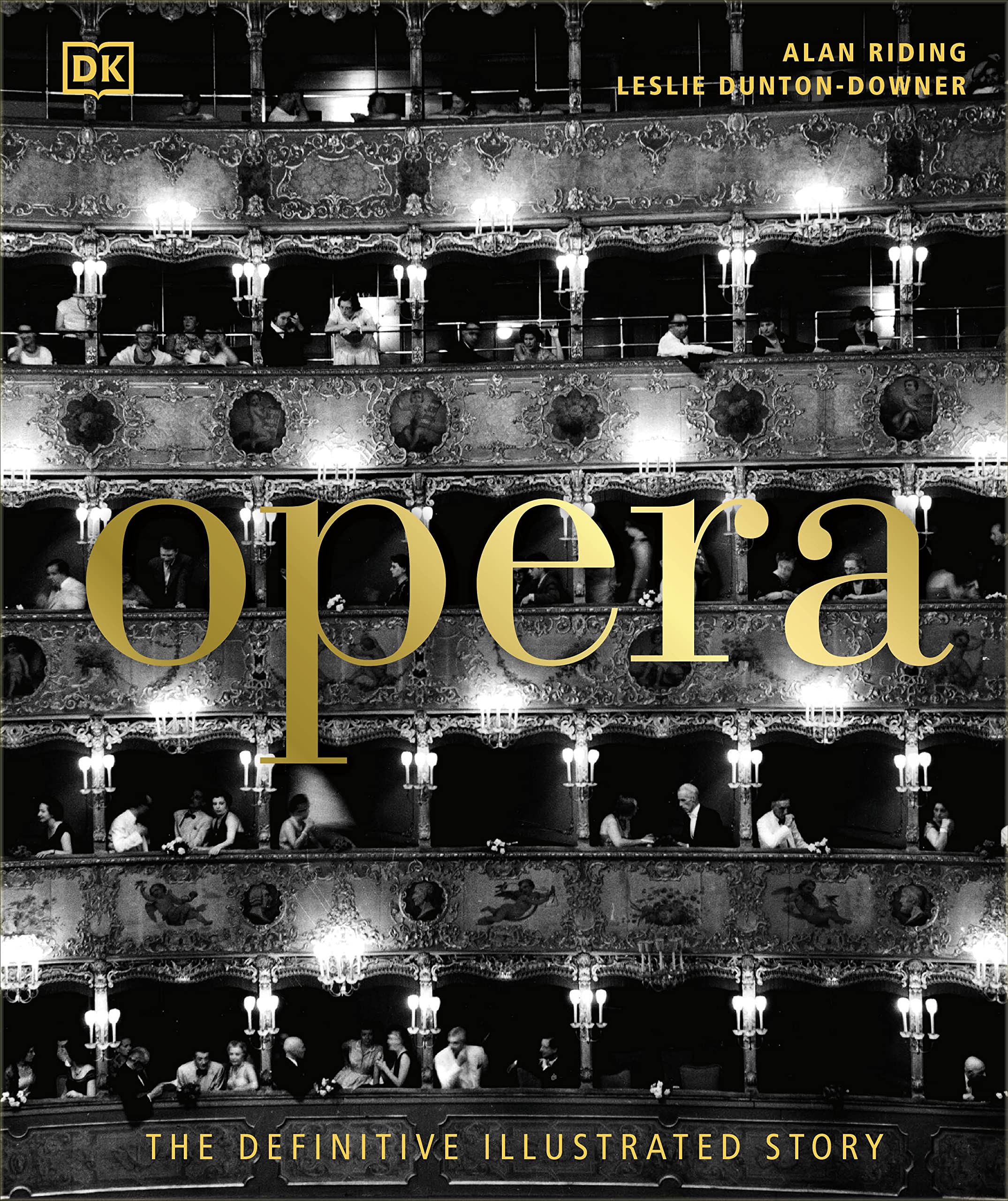
Opera: The Definitive Illustrated Story – DK Publishing A richly illustrated history, this book brings opera’s great traditions vividly to life. With its striking imagery and storytelling, it recalls the dramatic presence of singers such as Caruso, Gigli, Tamagno, and Corelli in works like Pagliacci. The visual journey through opera houses and performances captures not just the sound, but the spectacle of verismo: the heightened realism, the tears, and the triumphs of the tenor voice at full power. It’s a volume that celebrates opera as a total experience — both visual and vocal.
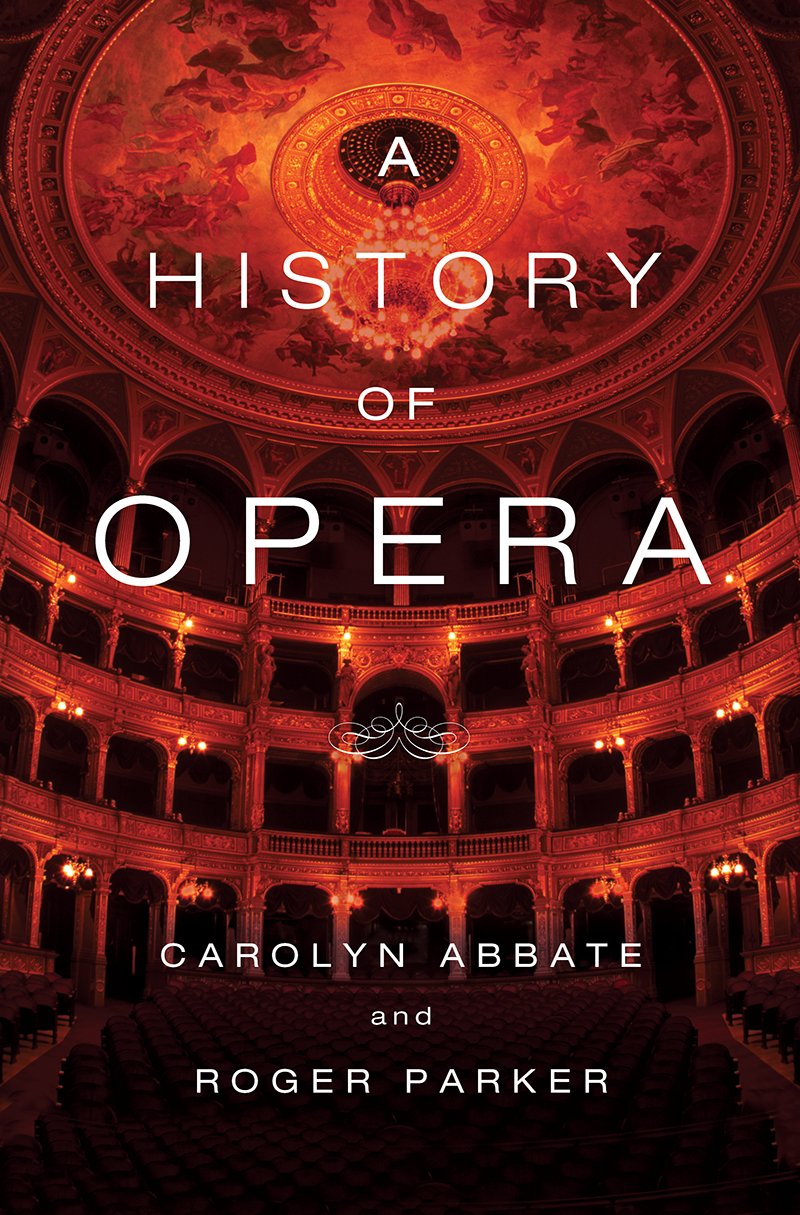
The History of Opera – Carolyn Abbate & Roger Parker This sweeping history places Italian opera and verismo within the broader arc of cultural and theatrical change. From Tamagno’s heroic tones to Caruso’s emotional intensity and Corelli’s thrilling verismo style, the book traces how tenors brought the new realism of Leoncavallo, Mascagni, and Puccini to life. It shows how Pagliacci became not just a score but a symbol of operatic truth, carried forward by generations of Italian tenors who defined the genre.
#ItalianOpera #Verismo #RuggeroLeoncavallo #Pagliacci #LaBoheme #OperaSingerLondon #HireOperaSinger #ClassicalTenorUK #LuxuryOperaPerformance #OperaHistory
- Vasili Karpiak is an Italian tenor based in London and available for luxury event performances across Scotland, the UK and Europe, combining operatic artistry with an international event-presence.
- His bespoke performance services cater to iconic London venues, Scottish castles and high-end private celebrations, delivering sophisticated vocal programmes and seamless event integration.
- Whether for a Scottish Highlands wedding or a London city gala, clients seeking operatic excellence for luxury events will find Vasili’s refined style, theatrical presence and international reach ideal.