
Pietro Mascagni (1863–1945), Italian composer of Cavalleria Rusticana. Photograph by Gavo Studio, 1902. Library of Congress, public domain.
When I think of Pietro Mascagni, I think of a composer who managed, with one stroke of genius, to redefine Italian opera at the end of the 19th century. With Cavalleria Rusticana (1890), he brought to the stage a new truth: the raw, unpolished emotions of ordinary people, expressed in music that was both lyrical and brutal. Mascagni’s verismo is not the refined elegance of bel canto — it is life itself, in all its contradictions.
The Life of Pietro Mascagni
Pietro Mascagni was born in Livorno in 1863, the son of a baker who wished him to follow a more conventional path. Instead, Mascagni’s determination carried him to the Milan Conservatory and later into the modest role of bandmaster in provincial towns. His breakthrough came in 1890 with Cavalleria Rusticana, written for a competition while he was still a young and relatively unknown musician. The opera’s success transformed his life overnight, making him a central figure in Italian music. Yet Mascagni’s journey was not defined by one triumph alone. Over the following decades he experimented with comedy, exoticism, and symbolism, and he engaged in both friendship and rivalry with his contemporaries. To understand Mascagni fully, we must look not only at Cavalleria but also at the cultural dialogue that shaped him, and at the works that reveal the breadth of his restless imagination.
Mascagni’s rise to fame did not happen in isolation. He was part of a generation of composers who were redefining Italian opera in the years after Verdi. His friendships and rivalries with figures such as Giacomo Puccini and Alberto Franchetti not only shaped his career, but also placed him in the heart of a cultural movement that was transforming opera at the close of the nineteenth century.
Mascagni in Dialogue with His Contemporaries

This photograph, taken around 1885, shows three important voices in Italian opera: Alberto Franchetti, Pietro Mascagni, and Giacomo Puccini. It reflects not only a moment in time but also the vibrant atmosphere of exchange between composers of that generation. Mascagni’s career was deeply intertwined with those of his contemporaries. Puccini, his exact contemporary, shared both friendship and rivalry with him, as the two navigated the path of Italian verismo after Verdi’s dominance. Franchetti, though less remembered today, was a respected figure whose opera Germania was admired by Toscanini and later inspired the young Puccini. Mascagni’s collaborations and conversations with these composers reveal how the world of Italian opera at the end of the nineteenth century was shaped not by isolated genius, but by a community of artists responding to each other, challenging each other, and at times even competing for the same stages. This dialogue enriched Mascagni’s own work, situating Cavalleria Rusticana within a wider cultural movement that transformed the operatic landscape.
Cavalleria Rusticana – my personal connection
Like so many tenors, my strongest bond with Mascagni lies in Cavalleria Rusticana. The role of Turiddu is short, but every note counts.
It begins with the haunting off-stage Siciliana “O Lola ch’ai di latti la cammisa.” To me, this moment is like a folk song rising from the soil of Sicily — rustic, tender, and yet already marked by longing. I have always felt that it sets the atmosphere of the whole opera: the collision of passion and fate in a small village.

And then there is the closing aria, “Mamma, quel vino è generoso” It is not only one of my favourites in Mascagni’s output — it is one of my favourites in the entire tenor repertoire. Few arias demand such vulnerability: Turiddu, moments before his death, turning to his mother with a confession of fear, regret, and filial love. Every time I approach this aria, I feel its emotional weight. It is not about vocal fireworks; it is about truth.
Beyond Cavalleria Rusticana – exploring Mascagni’s other operas
Although Mascagni is remembered above all for Cavalleria Rusticana, he was a far more versatile composer than this single work suggests. I have spent time exploring his other operas, and each reveals a different side of his artistry.
L’amico Fritz (1891)
After the raw violence of Cavalleria, Mascagni turned to an entirely different register with L’amico Fritz. To me, this shift is proof of his courage: instead of repeating the verismo formula that had brought him fame, he wrote a gentle comedy about friendship, seasons, and the blossoming of love. The pastoral atmosphere of Alsace comes alive in his score — one can almost smell the orchards and hear the rustling of the countryside.
The famous duet “Suzel, buon dì” is more than a love song; it feels like an invocation of spring itself. When I sing or listen to it, I am struck by the way Mascagni captures innocence without sentimentality. The orchestra shimmers softly, supporting the voices as if nature itself were part of the conversation. It is music of serenity, but also of honesty — a reminder that Mascagni could write tenderness with the same intensity as tragedy.
Iris (1898)

With Iris, Mascagni stepped boldly into exoticism and symbolism. The libretto takes us to Japan, but the true landscape is psychological: a world of innocence, temptation, and violation. For me, this opera feels like Mascagni’s dream world, where beauty and menace exist side by side.
The Hymn to the Sun is perhaps one of the most overwhelming choruses of its time — radiant, blazing, like Puccini’s Madama Butterfly seen through fire. Yet behind the splendour lies fragility. Iris herself is not a heroine of action, but of suffering; her purity becomes her downfall. I have always felt that Mascagni wrote this score as a painter working with colours — impressionistic, layered, at times almost hallucinatory. Listening to Iris, I hear him stretching the boundaries of Italian opera, testing how far music could mirror the subconscious.

Isabeau (1911)
Isabeau is Mascagni’s return to grand pageantry, and it fascinates me because of its unusual subject: the legend of Lady Godiva, reimagined with medieval colour and modern intensity. This is not an intimate village story but a sweeping tale of innocence, sacrifice, and public spectacle.
When I study this score, I hear Mascagni reaching for the kind of breadth one associates with Wagner or Massenet — broad lines, thick orchestration, and a sense of ritual. And yet, in the middle of this grandeur, there are lyrical passages of surprising intimacy. It is uneven, yes, but it reveals a side of Mascagni that was restless, always seeking new subjects. For me, Isabeau reminds us that he was not content with repeating past successes; he wanted to expand Italian opera into new mythical and legendary realms.
Lodoletta (1917)
With Lodoletta, Mascagni returned to the intimate sphere. It is the story of a poor orphan girl, filled with tenderness and quiet despair. What touches me most is the way Mascagni paints her innocence — not with sugary sweetness, but with deep compassion.
The music is simple in design, yet full of emotional resonance. I think of it as a sister work to L’amico Fritz: both believe in the dignity of fragile lives, in the poetry of everyday emotions. Whenever I encounter Lodoletta, I feel Mascagni speaking not as a revolutionary, but as a humanist. It is music that leans close, that listens to the smallest sighs of the heart.
Other works
Il piccolo Marat (1921)
Il piccolo Marat is Mascagni at his most dramatic and political. Set during the French Revolution, it is filled with fire, blood, and confrontation. I often think of it as his attempt to answer the turbulence of his own time, when Europe was still shaken by war and revolution.
The music is harsh, driving, almost cinematic in its intensity. There are moments of sheer brutality, but also passages of noble defiance. I see in this opera Mascagni’s determination to stay relevant, to write works that spoke to contemporary anxieties. It may never rival Cavalleria in popularity, but as a singer, I admire its courage: it is Mascagni refusing to retreat into nostalgia, still trying to use opera as a mirror of society’s upheavals.
Even in his lesser-known operas — Silvano, Zanetto, Parisina, Nerone — Mascagni leaves traces of his gift. Each is like a sketchbook, where his melodic instinct and dramatic sense flicker in unexpected ways. For me, listening to these scores is like discovering forgotten corners of Italian opera, full of echoes and possibilities. They may not be revived often, but they add depth to the portrait of a composer who was always more than one work.
Legacy
Mascagni lived a long life, and he remained proud of his role in bringing verismo to the stage. For audiences, his name will always be linked first to Cavalleria Rusticana. But for singers like me, there is more to explore. His other operas — from the rustic charm of L’amico Fritz to the exotic shadows of Iris, the tragic simplicity of Lodoletta, and the fire of Il piccolo Marat — all show a composer who was never content to repeat himself.
And yet, when I sing Turiddu’s Siciliana “O Lola” or his farewell “Mamma, quel vino è generoso,” I feel I am closest to Mascagni’s heart: a composer who gave the tenor voice the gift of truth, stripped of ornament, burning with humanity.
Recommended Recordings
Every singer has their own relationship with Mascagni, but some interpretations have left a lasting mark on me:
Franco Corelli – His “Mamma, quel vino” is fiery, uncompromising, and yet full of vulnerability. Corelli embodied Turiddu’s defiance and fear in equal measure. The video is embedded from the Franco Corelli Info Center channel on YouTube. It is shared here for educational and illustrative purposes, offering readers a chance to experience Mascagni’s Cavalleria Rusticana in a historic 1963 La Scala performance. All rights remain with the original copyright holders.
Enrico Caruso -No discussion of Mascagni’s Cavalleria Rusticana would be complete without mentioning Enrico Caruso, whose interpretations set the standard for verismo singing in the early 20th century. In this digitally remastered recording of the Siciliana, Caruso’s voice conveys the raw passion and vulnerability at the heart of Mascagni’s music. His phrasing and timbre remain a masterclass in Italian operatic tradition, reminding us why he is still celebrated as one of the greatest tenors in history. The following audio is embedded from YouTube via the Enrico Caruso – Topic channel. It is provided here for educational and illustrative purposes, allowing readers to experience Mascagni’s Cavalleria Rusticana through one of Enrico Caruso’s legendary interpretations. All rights remain with the original copyright holders.
Beniamino Gigli – Another jewel from Mascagni’s repertoire is L’Amico Fritz, an opera that balances warmth, lyricism, and intimate character expression. In this recording, Beniamino Gigli, one of the most beloved tenors of the 20th century, performs the duet “Ah! Ditela per me quella parola” alongside Rina. Gigli’s golden tone and effortless legato showcase the tenderness at the heart of Mascagni’s music, reminding us of the composer’s gift for blending simplicity with emotional depth.
The following video is embedded from the Addiobelpassato YouTube channel. It is shared here for educational and illustrative purposes, offering readers a chance to hear Mascagni’s L’Amico Fritz as interpreted by Beniamino Gigli. All rights remain with the original copyright holders.
Before exploring Mascagni’s legacy, it is helpful to address several key questions that often arise among opera lovers, event planners, and performers working with verismo repertoire. Mascagni’s music carries a unique emotional weight, shaped by realism, raw human conflict, and an unmistakable Sicilian spirit. The following FAQ offers concise, insightful guidance to deepen understanding and support artistic, scholarly, and performance-related decision-making.
Frequently Asked Questions about Pietro Mascagni & Verismo
▸ Who was Pietro Mascagni, and why is he linked to verismo?
Pietro Mascagni stands among the architects of verismo: a fiercely human artistic movement rooted in truth, blood, faith, and honour. His work illuminated ordinary lives with symphonic grandeur, proving that even the simplest soul carries operatic fire.
▸ Why is Cavalleria Rusticana considered a turning point?
It was not merely a success — it was a shockwave. Mascagni unveiled music where love, betrayal, and destiny bled openly on stage, changing the emotional temperature of European opera forever.
▸ Why is it paired with Leoncavallo’s Pagliacci?
They share dramatic voltage, rural truth, and perfect duration. Together they form a diptych of pain and revelation — two mirrors held up to the human soul.
▸ What vocal qualities define Mascagni performance?
His music demands molten legato, chiaroscuro breath, volcanic emotional control, and the courage to reveal truth without theatrical disguise. Technique must be immaculate — yet invisible.
▸ Does Sicilian folk lineage influence Mascagni’s sound world?
Yes — its modal colours, religious cadence, and village ritual pulse through every measure, giving Cavalleria a sacred, earth-born resonance distinct from northern Italian lyricism.
▸ Is Mascagni suitable for cinematic and film-score adaptation?
Absolutely. His tonal palette is already cinematic — widescreen harmony, devotional strings, and psychological pacing. Directors recognise it as “pre-film emotional architecture.”
▸ Can Mascagni be performed at private and luxury events?
Yes — when curated with reverence and precision. His music resonates powerfully in candlelit salons, chapels, heritage estates, and intimate international engagements.
Mascagni’s verismo remains timeless because it speaks not to myth or fantasy, but to real human experience — longing, betrayal, courage, forgiveness, and fate. When sensitively performed, his music becomes not merely entertainment, but revelation. Whether presented in an historic venue, an intimate salon, a private estate, or a gala setting, Mascagni’s artistry can elevate an evening into a moment of shared emotional truth. For enquiries regarding bespoke performances, curatorial programming, or private recitals, personalised proposals are available upon request.
Explore More from the World of Verismo
At the dawn of the twentieth century, Italian opera entered a new age of realism and emotion — the era of verismo. Its composers turned away from myth and legend to portray life as it was lived: passionate, imperfect, and profoundly human.
- Ruggero Leoncavallo – Pagliacci and the theatre of truth.
- Umberto Giordano – Andrea Chénier and the voice of revolution.
- Giacomo Puccini – La Bohème, Tosca, and Madama Butterfly — verismo refined through tenderness and lyrical grace.
Together, these composers ignited a movement that still shapes the spirit of Italian opera. Their music continues to inspire opera singers and classical tenors in London and throughout the UK, reminding us that authenticity and beauty in performance are forever intertwined.
Conclusion
Listening to these singers is both inspiring and humbling. Each brings out a different facet of Mascagni’s music — from raw Sicilian earthiness to lyrical refinement. When I return to the score, I carry their voices in my memory, but I always search for my own truth within Mascagni’s lines.
Mascagni’s legacy continues to inspire me as a tenor. His music — from O Lola to Mamma, quel vino — remains a central part of my repertoire, and it is a privilege to bring this tradition to life in concerts and private events. If you are looking to hire an opera singer in the UK, Mascagni’s music is one of the treasures I most love to share.
Recommended Books
Amazon Affiliate Disclosure: As an Amazon Associate, I earn from qualifying purchases.
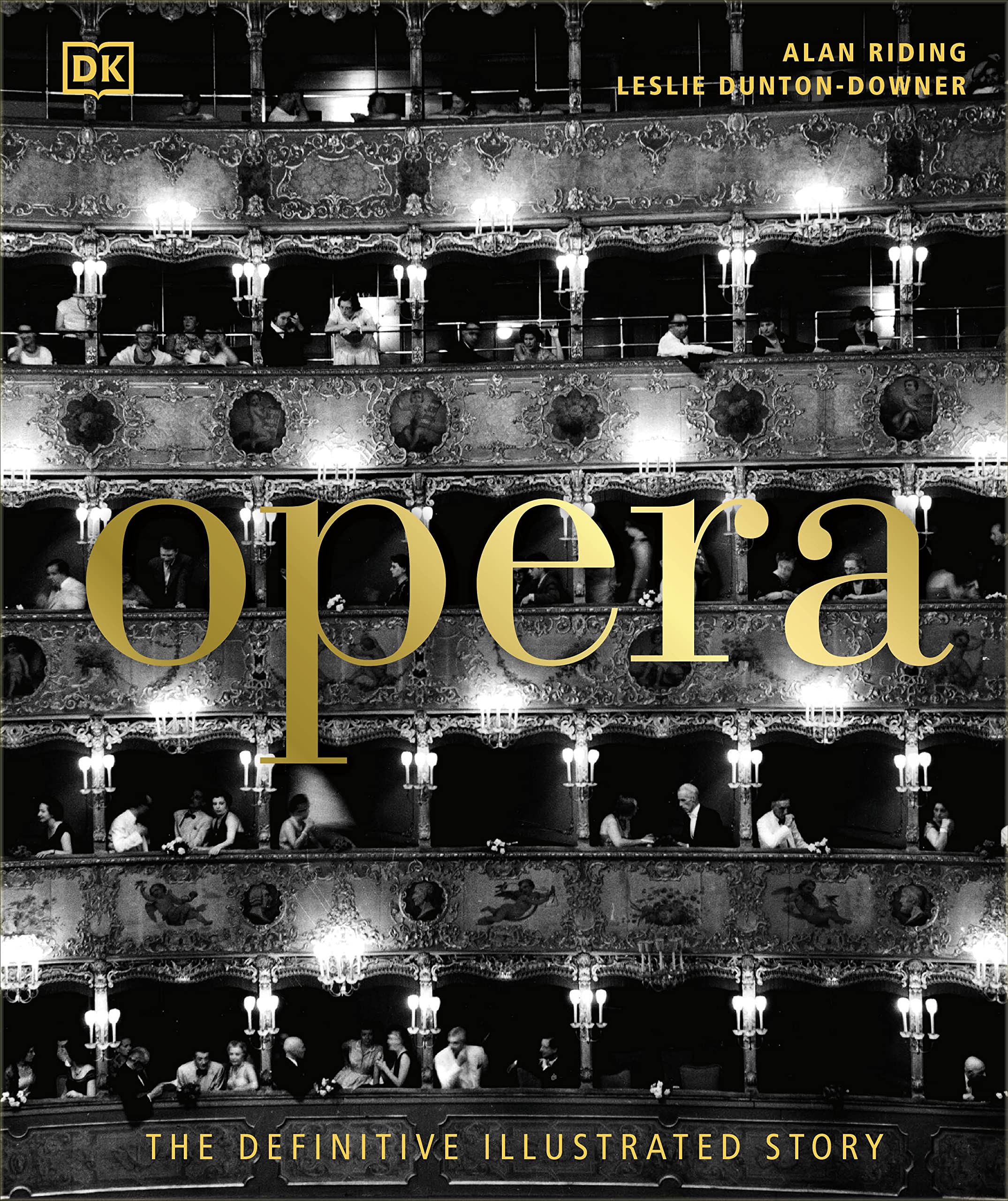
Opera: The Definitive Illustrated Story by Alan Riding & Leslie Dunton-Downer (Hardcover, July 2022). This beautifully illustrated guide spans more than 400 years of operatic history, covering the great composers, singers, and productions that shaped the art form. From Monteverdi’s L’Orfeo to Puccini, Wagner, and modern masterpieces, the book offers both accessible storytelling and sumptuous imagery — making it a perfect resource for newcomers and opera lovers alike.

Opera 101: A Complete Guide to Learning and Loving Opera — Fred Plotkin
Opera 101 is one of the most respected introductory guides for anyone wishing to deepen their understanding of opera from the inside out. Plotkin leads readers through listening skills, vocal types, musical structure, etiquette, and interpretive awareness, while also sharing insights drawn from his professional experience within major opera houses. Ideal for newcomers, students, and curious listeners who want to enhance their appreciation of both live and recorded performances.

The History of Opera — Carolyn Abbate & Roger Parker
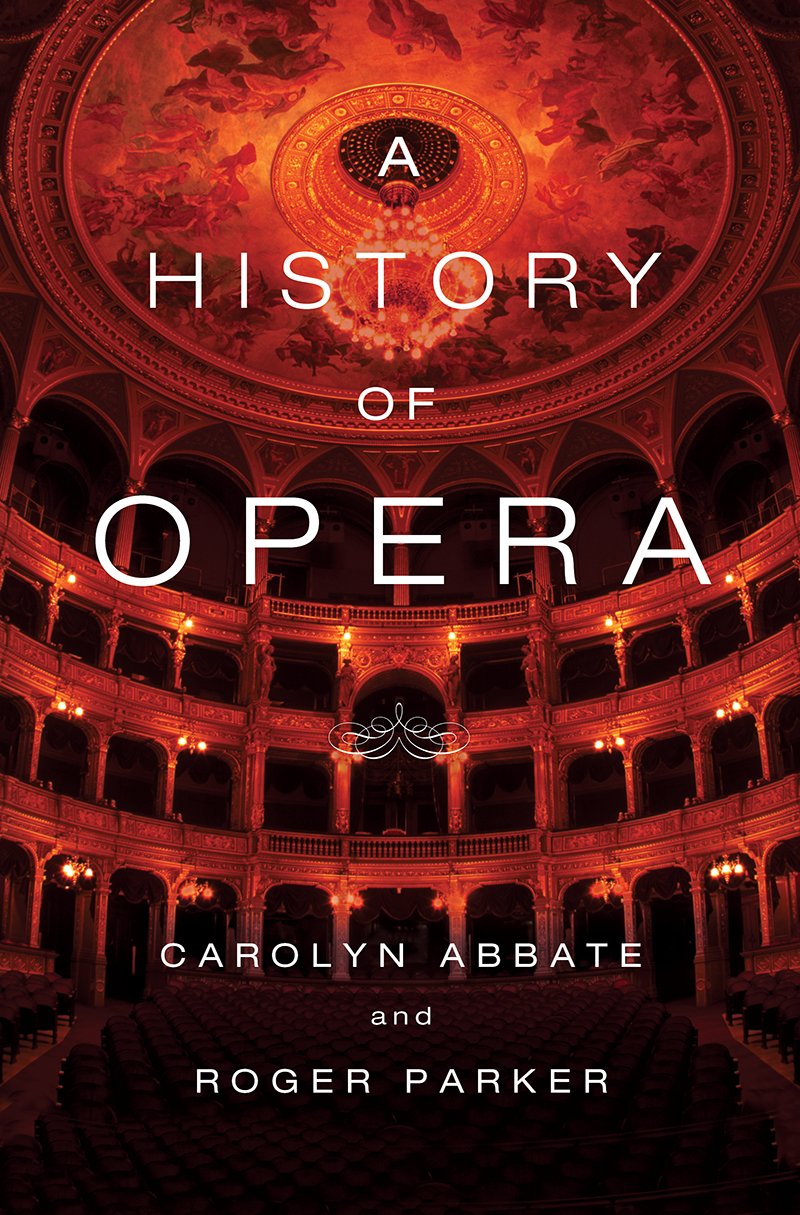
This acclaimed volume offers a detailed yet accessible exploration of opera’s evolution, from its Renaissance beginnings through Baroque splendour, Romantic innovation, and modern reinvention. Abbate and Parker illuminate how musical language, dramatic priorities, staging, and cultural context shifted across centuries, while also addressing key composers, works, and performance traditions. A valuable reference for readers seeking a comprehensive historical framework behind the repertoire.
Explore More Insights on Opera & Vocal Mastery
- Vasili Karpiak brings the dramatic operatic works of Pietro Mascagni to luxury events and exclusive performances across the UK, offering powerful renditions of arias like “L’amico Fritz,” “Cavalleria Rusticana” and orchestral-led gala concert pieces.
- With a rich operatic background and Italian heritage, Vasili blends authenticity and stage-craft to deliver emotive performances that elevate weddings, private concerts and high-profile cultural gatherings.
- Clients seeking an Italian tenor specialising in verismo opera for upscale venues, heritage estates or bespoke celebrations will find Vasili’s presentation and vocal artistry ideally suited.
#PietroMascagni #VerismoOpera #CavalleriaRusticana #ItalianOpera #OperaSingerLondon #HireOperaSinger #TenorRepertoire