
Featured image: Portrait of Enrico Caruso by Hugo Ballin (1906), courtesy of the Metropolitan Opera House, New York. Public domain.
Opera is an art form where history lives not only in the score, but in the voice. From the twilight of the 19th century to the golden recordings of the early 20th, legendary tenors carried the emotion, drama, and refinement of music across generations. Each voice featured here — from the silver-etched bel canto of Bonci to the thunderous passion of Del Monaco and the lyrical grace of Di Stefano — represents a chapter in the ongoing story of vocal excellence. This tribute is not a ranked list, but the first part of a broader reflection: a gallery of artists who defined their time and continue to inspire the singers of today, to be explored further in our upcoming companion articles on mid-century legends and modern icons.
The Founders of Modern Tenor Singing (c. 1880–1930)
Spanning from the late 19th century into the mid-20th, the golden era of Italian tenors produced voices that would come to define operatic singing for generations. These artists emerged at a time when the stage was sovereign, recordings were rare and precious, and the voice alone had to carry the weight of drama, poetry, and beauty. Their singing embodied a deep respect for bel canto tradition while embracing the evolving expressive demands of the repertoire. Each tenor brought his own shade of lyricism, fire, or nobility — yet all shared a commitment to artistry rooted in style, discipline, and emotional truth.
Enrico Caruso

Enrico Caruso is universally regarded as the true origin of modern tenor singing, a legend whose impact still shapes the expectations for any leading man on the opera stage. At the turn of the 20th century, Caruso did not just perform in the great theatres of Italy and New York — he brought opera into people’s homes through groundbreaking early recordings, ensuring that audiences far beyond the gilded balconies could experience the power and intimacy of an Italian tenor’s voice. His tone carried a masculine warmth and an honesty that transcended the stylised conventions of his era, allowing each aria to feel heartbreakingly real. In iconic roles such as “Celeste Aida” from Aida and “Vesti la giubba” from Pagliacci, he balanced heroic vocal projection with a vulnerability that touched audiences deeply. Today, for those wishing to bring a hint of that golden age magic to an event, booking an accomplished opera singer in London or anywhere in the UK echoes Caruso’s legacy: pure vocal excellence, timeless emotional impact, and an atmosphere of true Italian grandeur.
This photograph is preserved in the public domain by the Library of Congress, ensuring that the immortal image of Caruso continues to inspire singers and opera lovers alike

Enrico Caruso’s legacy shines through in this dignified portrait, capturing the commanding yet approachable presence that made him a household name. Beyond the warmth of his voice, Caruso was a master of stagecraft: his bearing radiated the noble confidence required to embody kings, poets, and betrayed clowns with equal conviction. He understood that an operatic tenor must communicate with more than sound alone — posture, expression, and subtle gesture were tools in his dramatic arsenal. In an era before televised performances, Caruso’s photographs and recordings combined to create one of the first truly international opera stars. He remains a symbol of how Italian opera can bridge cultures and generations. For discerning hosts in London, England, and throughout the United Kingdom who desire to recreate this aura at a luxury event, hiring a professional opera tenor carries forward this tradition of elegance, artistry, and unforgettable storytelling that Caruso set in motion over a century ago. Enrico Caruso, head-and-shoulders portrait (1907).
This timeless image captures the quiet confidence and refined artistry of the world’s first global opera tenor superstar. Public domain image courtesy of the Library of Congress.

In Bizet’s The Pearl Fishers, Caruso’s interpretation of Nadir remains one of his most enchanting portrayals, showcasing the gentle, romantic side of his artistry. Unlike the more bombastic verismo roles, Nadir demands a tenor to weave delicate, floating high notes into an atmosphere of longing and poetic sweetness. Caruso’s soft, silvery phrasing in the famous aria “Je crois entendre encore” revealed his exceptional breath control and his gift for sustaining tension through the quietest musical phrases. Modern tenors still study these recordings to learn the subtle art of balancing power with tenderness — an essential skill for any singer performing in the intimate setting of a private recital or a high-end celebration. In London and across the UK, audiences seeking to hire an opera singer for an elegant wedding, anniversary, or gala can experience this very tradition: lyrical purity that turns a moment into living poetry, just as Caruso did when he first captivated listeners with the role of Nadir.
Enrico Caruso as Nadir in Bizet’s The Pearl Fishers (1908). This romantic role highlights the lyrical and expressive side of the Italian tenor voice. Public domain image courtesy of the Library of Congress.

As Canio in Leoncavallo’s Pagliacci, Caruso delivered one of the most searing portrayals in operatic history — a performance that defines the dramatic tenor archetype to this day. Canio is the tragic clown: on stage, he must sing with all the sweetness of a lover, yet erupt with anguish and rage when betrayal strikes. Caruso mastered this duality, layering each phrase with raw emotion that cut straight to the audience’s heart. His “Vesti la giubba” recording remains one of the best-selling arias ever, setting the gold standard for verismo intensity. This same balance of dramatic power and lyrical beauty is what clients in London and the UK cherish when they hire a top-tier Italian tenor for a private performance. Whether for a luxury wedding or a corporate gala, an operatic rendition of Canio’s heartbreak can transform an event into a timeless, unforgettable experience — carrying forward Caruso’s spirit of fearless, passionate singing that moves people to tears.
Enrico Caruso as Canio in Leoncavallo’s Pagliacci (1908). This role exemplifies the dramatic intensity and vocal mastery that define the great Italian tenor tradition. Public domain image courtesy of the Library of Congress.
What is less widely known is that Caruso was also a talented sketch artist. He often captured fellow singers, theatrical scenes, and even himself in operatic roles. One such drawing, preserved in the Bibliothèque nationale de France, shows Caruso as Canio in Pagliacci. This dual gift — the ability to both sing and sketch the tragedy — reveals his extraordinary sensitivity as an artist. He not only embodied Canio on stage but could also etch the role’s pathos onto paper, uniting music and visual art in a way few performers ever have.

Beniamino Gigli

Beniamino Gigli succeeded Caruso at the Met, but his voice was of a different essence—tender, devotional, and fluid. He was known for his heart-melting legato and his emotional sincerity. Gigli had a unique ability to caress the musical line, particularly in sacred and romantic repertoire. His interpretations of “Mamma” and “Panis Angelicus” are still beloved. He was often described as having a “teardrop in his voice.” Gigli offered lyric beauty at its most natural and unforced.
Beniamino Gigli, one of the most beloved lyric tenors of the 20th century. Photo courtesy of the Library of Congress. Image from the George Grantham Bain Collection, Library of Congress. No known copyright restrictions
Beniamino Gigli embodied the golden warmth and lyrical sweetness that define the Italian tenor voice at its most romantic. Praised as the natural successor to Caruso, he was cherished for the heartfelt sincerity he brought to Puccini, Verdi, and sacred music alike. Gigli’s rich tone and elegant phrasing made him a favourite among audiences worldwide — a voice of devotion, gentleness, and unmistakable Italian beauty.
Beniamino Gigli (1890–1957), celebrated Italian tenor whose luminous voice and deeply felt phrasing made him one of the 20th century’s beloved operatic artists. Public domain image courtesy of the Library of Congress.
“Beniamino Gigli, Italian tenor.” Bain News Service. Public domain, Library of Congress Prints and Photographs Division.”

This evocative photograph reminds us how Beniamino Gigli’s voice travelled far beyond opera houses, thanks to early recordings. At the dawn of the phonograph age, tenors like Gigli brought Italian lyricism and warmth into living rooms worldwide — a revolution that forever changed the way audiences experience operatic singing.
Beniamino Gigli captured near a phonograph, around 1900 — a tribute to the era when great tenors began sharing their voices beyond the theatre. Public domain image courtesy of the Library of Congress, George Grantham Bain Collection.
“Man near phonograph,” Library of Congress, George Grantham Bain Collection. Public domain.

Aureliano Pertile
A voice of steel and drama, Aureliano Pertile was Toscanini’s favored Otello. He was not known for conventional beauty but for intense expressive power. His top register had an urgency that made his portrayals unforgettable. In roles like Andrea Chénier and Otello, he brought a visceral, almost dangerous presence to the stage. His phrasing was sculptural, direct, and alive with meaning. Pertile’s voice could pierce the orchestra and still move the soul.
This portrait, sourced from the Bain Collection at the Library of Congress, is in the public domain.

Aureliano Pertile’s legacy continues to shape the modern tenor ideal. His fearless approach to vocal color and text brought raw authenticity to every performance, qualities still admired by audiences and sought after by those who hire opera singers in London today. For clients wishing to experience the electrifying force of classic Italian opera, Pertile remains a timeless symbol of vocal heroism and dramatic truth.
Aureliano Pertile (1885–1952), renowned Italian tenor, captured here in a classic portrait from the 1920s. Image courtesy of Bibliothèque nationale de France, public domain. Source: Bibliothèque nationale de France / Agence Rol. Public domain.

Francesco Tamagno
Chosen by Verdi to create the role of Otello, Francesco Tamagno possessed a gigantic voice. His upper register was thunderous and unshakable. He combined vocal grandeur with a deep sense of dignity. Even in his primitive recordings, his force and nobility come through. Tamagno sang like a prophet, declaring the drama with sacred weight. He remains one of the most awe-inspiring tenors of the pre-electric era.
This rare image is part of the George Grantham Bain Collection at the Library of Congress and is in the public domain.

Francesco Tamagno was the original Otello for Verdi himself — a thunderous voice famed for its heroic top notes and powerful declamation. Singing in an era when dramatic tenors shaped the grand Italian style, Tamagno brought an electrifying force to the stage that made him a legend. His partnership with Verdi remains a benchmark for any dramatic tenor today.
Francesco Tamagno with Giuseppe Verdi at Monte Catini, 1899. Photo by Tempestini. Bibliothèque nationale de France. Public domain. Image credit: Photo by Tempestini, Monte Catini, Italy (1899). Bibliothèque nationale de France. Public domain.

Giacomo Lauri-Volpi
Lauri-Volpi possessed a bright, penetrating sound and an almost philosophical approach to singing. His upper register had astonishing brilliance, and he was fearless in roles like Manrico and Calaf. Though eccentric at times, his interpretations were undeniably thrilling. He brought intellect as well as power to the operatic stage. His writing on vocal technique reflects his deep engagement with the art form. He was both a gladiator and a scholar of voice.
Photographed in 1923, this portrait is preserved in the public domain by the Library of Congress Bain Collection.

A Tenor’s Timeless Influence
Giacomo Lauri-Volpi stands among the true giants of operatic history — a tenor whose radiant voice and masterful artistry defined an era when Italian opera reigned supreme. His legendary performances continue to inspire today’s finest tenors, whose voices now grace exclusive soirées, luxury weddings, and distinguished corporate events across London, England, and the United Kingdom. For discerning hosts who wish to elevate a celebration with the grandeur of classical music, booking a world-class opera singer brings the same elegance and passion that Lauri-Volpi embodied on stages from La Scala to Covent Garden. This historic portrait reminds us that when you hire an opera singer in the UK, you invite an enduring tradition of vocal excellence and timeless cultural sophistication into your event.
Historic image of Giacomo Lauri-Volpi, celebrated Italian tenor, remembered for his magnificent stage presence and vocal brilliance — an enduring inspiration for exclusive opera bookings in London and throughout the United Kingdom.

Giacomo Lauri-Volpi’s signature stands as a testament to an era when Italian tenors defined the gold standard of opera singing. Today, that same spirit inspires discerning hosts across London and the UK to hire exceptional classical singers who embody this timeless vocal artistry. Elevate your private event or gala with the legacy of true bel canto mastery.
Historic signature of Giacomo Lauri-Volpi (1929) — a reminder of the golden age of Italian tenors who continue to inspire exclusive opera performances today.

Alessandro Bonci
Bonci was the last great bel canto tenor before the verismo era fully took hold, celebrated for a voice of silvery purity that was ideally suited to the music of Rossini, Bellini, and Donizetti. He maintained the noble traditions of 19th-century Italian singing with remarkable style and discipline, serving as a guardian of vocal clarity in an age when dramatic power was becoming the new fashion. His phrasing was consistently graceful, his legato seamless, and his technique impeccable — qualities that made him a beloved standard-bearer for the older bel canto school. Standing at the pivotal moment between romantic lyricism and the rising tide of verismo passion, Bonci represents the refined artistry that still inspires the world’s finest tenors today.
This rare photograph, taken by the distinguished Italian photographer Mario Nunes Vais, is preserved in the public domain as a testament to Bonci’s timeless legacy.

Stepping onto the world’s grandest stages in regal costume, Alessandro Bonci embodied the very soul of Italian bel canto. Captured here around 1908, this rare image shows him in character, ready to enchant audiences with his bright, flexible tenor and exquisite phrasing. Whether performing in Rossini’s Il Barbiere di Siviglia or Bellini’s I Puritani, Bonci’s vocal control and elegant style preserved the golden age of Italian singing amid changing operatic trends. His dedication to pure, ornamented bel canto continues to guide modern tenors, reminding us that timeless technique and noble artistry never go out of fashion — a legacy carried forward today by distinguished tenors performing for luxury private events and grand opera houses across London and the UK.
Alessandro Bonci fully costumed for an operatic role, 1908 – Harvard Theatre Collection, Harvard University. Public domain.


Alessandro Bonci was one of Italy’s most exquisite bel canto tenors, whose legacy shaped an entire generation of vocal mastery and remains a reference point for aspiring singers today. Renowned for his crystalline tone, effortless phrasing, and impeccable control across the full tenor range, Bonci brought a uniquely refined elegance to every stage he graced. His interpretations of the great bel canto roles — especially Count Almaviva in Il barbiere di Siviglia, Elvino in La sonnambula, and Arturo in I puritani — were legendary for their purity of line and the delicate ornamentation he executed with almost supernatural finesse. Unlike many of his contemporaries, Bonci preferred to highlight the noble beauty and musicality of a piece rather than overpower it with raw force, making him the beloved choice for audiences who valued finesse over bombast.
During the golden years of the early 20th century, Bonci was frequently compared to Enrico Caruso, but true connoisseurs recognised his artistry as a distinct branch of Italian tenor tradition: intimate, aristocratic, and steeped in the ideals of 19th-century bel canto technique. His performances across London, Paris, and the United States inspired countless young singers to pursue the elusive mastery of legato phrasing and clean, expressive diction — qualities that remain hallmarks of exceptional vocal coaching today.
For modern clients seeking to hire an opera singer for a luxurious event in London or anywhere in the UK, Bonci’s style is an enduring benchmark: a reminder that the soul of Italian opera lies in the marriage of vocal brilliance and tasteful restraint. When you hear a top-tier tenor today deliver Una furtiva lagrima or Ah! mes amis with perfect breath control and poetic nuance, you’re witnessing echoes of Bonci’s delicate art. His legacy lives on in the best voices of our era — voices that can elevate your gala, wedding, or private concert into an experience of pure Italian sophistication and timeless musical elegance.
While legends like Lauri-Volpi and Bonci embodied the golden age of bel canto tradition, a new wave of great tenors soon followed — bridging lyric grace with dramatic power, and ultimately carrying opera’s passion to the global stage. Discover their stories in my upcoming companion pieces. If you wish to experience this magic live, hire an opera singer for your event in London or the UK here.
Bring the Golden Era to Your Event
If you’ve enjoyed this tribute to the timeless Italian tenors, imagine this same spirit at your private gala, wedding, or luxury soirée. You can hire an opera singer in London or anywhere in the UK to recreate the nobility and brilliance of classic bel canto — ensuring your occasion is unforgettable and steeped in authentic Italian elegance.
This article and all images are protected by copyright. Please do not copy or reproduce without written permission
Books by and About the Great Tenors
Disclosure: This section contains Amazon affiliate links. If you make a purchase through these links, I may earn a small commission at no additional cost to you.
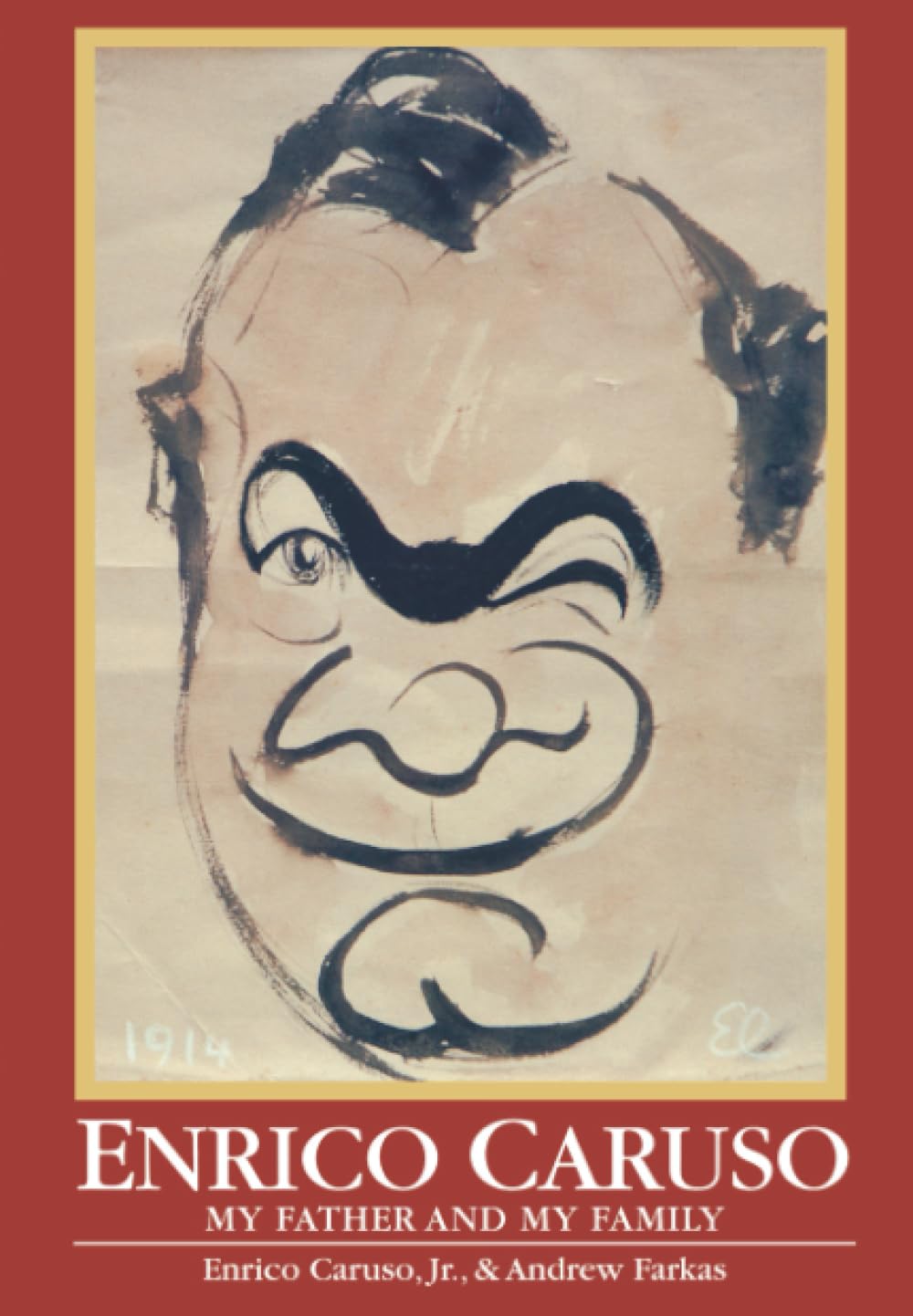
Enrico Caruso: My Father and My Family – Enrico Caruso Jr. Written by the legendary tenor’s son, this memoir paints a vivid portrait of Enrico Caruso’s life on and off stage. It’s filled with personal anecdotes, rare details about his voice and technique, and reflections on the Neapolitan songs he made famous.

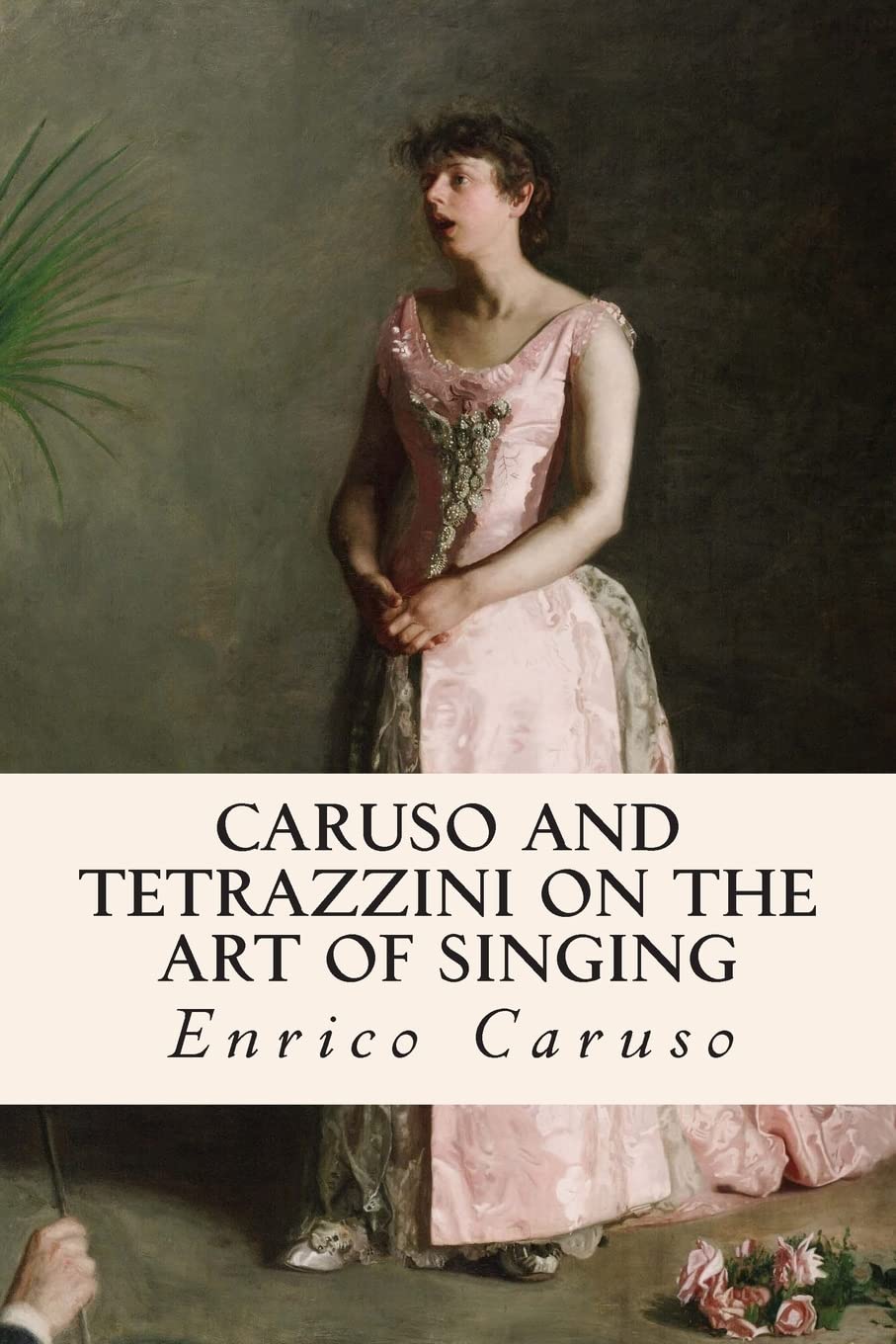
Caruso and Tetrazzini on the Art of Singing – Enrico Caruso & Luisa Tetrazzini A classic guide where two of opera’s greatest voices share the fundamentals of singing — breath, tone, and expression — in simple, practical terms. Caruso and Tetrazzini’s advice, drawn from stage experience, offers timeless insight into what makes operatic performance both powerful and moving. For readers inspired by the golden age of tenors, it remains an essential window into the art that defined a generation.
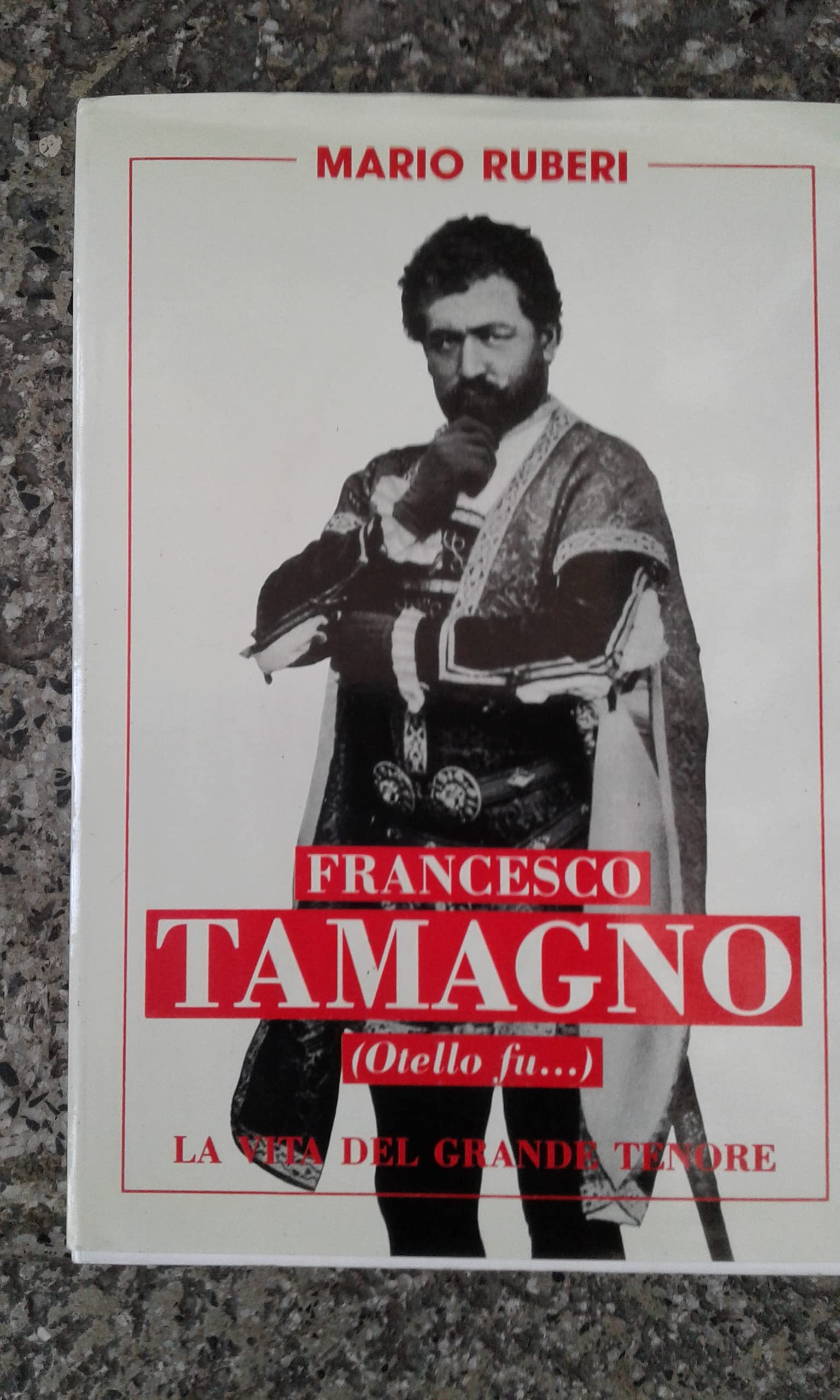
Francesco Tamagno: Vita e Arte (Italian Edition) Written in Italian, this volume is a specialist resource on Francesco Tamagno, the legendary dramatic tenor who created Verdi’s Otello. It offers detailed accounts of his career, vocal technique, and the critical reception of his performances at the height of the golden age of opera.
While accessible only to those who read Italian, the book remains an invaluable reference for singers, scholars, and dedicated enthusiasts who wish to explore Tamagno’s artistry in depth. His voice and stage presence set the model for heroic tenors, and his influence continues to shape interpretations of Verdi’s music today.
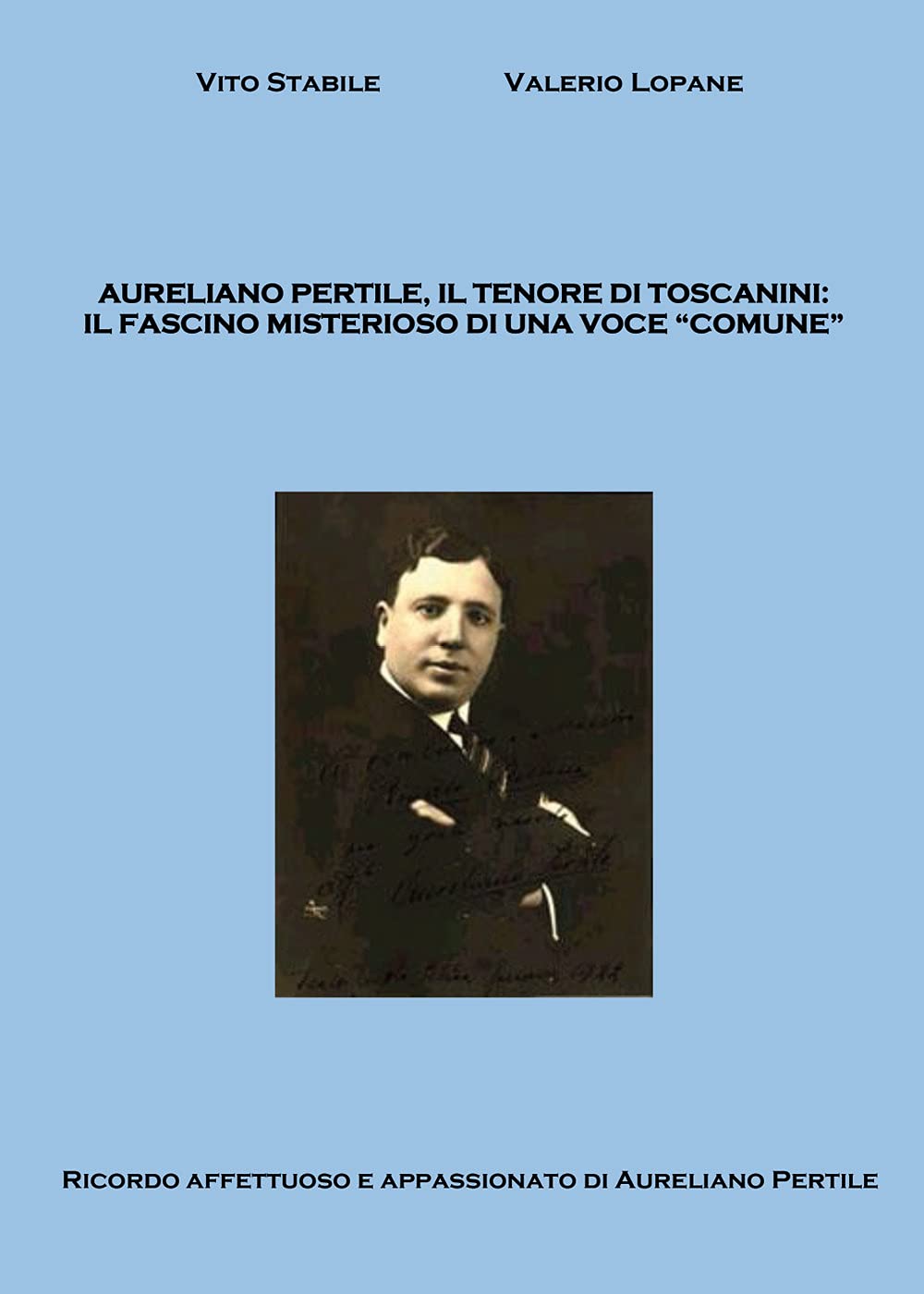
Aureliano Pertile, il tenore di Toscanini – Vito Stabile & Valerio Lopane (Italian Edition) This short but passionate Italian-language study pays tribute to Aureliano Pertile (1885–1952), one of the greatest tenors of all time and a favourite of conductor Arturo Toscanini. With affectionate detail, the book recalls the beauty, completeness, and modernity of Pertile’s singing — qualities that remain unmatched nearly a century after his legendary performances.
Though available only in Italian, this volume is a valuable resource for serious collectors and readers who wish to understand why Pertile is still regarded as one of opera’s supreme interpreters.
Explore More Insights on Opera & Vocal Mastery
Opera 101: A Complete Guide to Learning and Loving Opera – Fred Plotkin Fred Plotkin’s classic guide opens the doors to understanding opera as both an art form and a living experience. For readers inspired by the great Italian tenors of the past — Caruso, Gigli, Tamagno, Lauri-Volpi, Pertile, and Bonci — this book provides the context that explains why their voices shaped entire generations of audiences. Plotkin demystifies staging, traditions, and repertoire, making opera accessible to those new to it while deepening the appreciation of seasoned listeners. For hosts in London, Opera 101 demonstrates how a live operatic performance can elevate a wedding, gala, or private celebration into something unforgettable, echoing the grandeur of the golden age while captivating today’s audiences.

The Penguin Concise Guide to Opera – Amanda Holden (Editor) This concise and authoritative reference distils centuries of operatic history into a practical companion. With clear synopses of major works and insightful profiles of composers, it helps readers connect more deeply with the repertoire that defined the careers of tenors such as Caruso, Gigli, Tamagno, Lauri-Volpi, Pertile, and Bonci. For modern event organisers and private hosts, this guide serves as a reliable resource when planning or attending a performance. It equips you to introduce guests to opera with confidence, ensuring that every occasion — whether in a heritage venue or a contemporary London setting — resonates with knowledge, elegance, and authenticity.

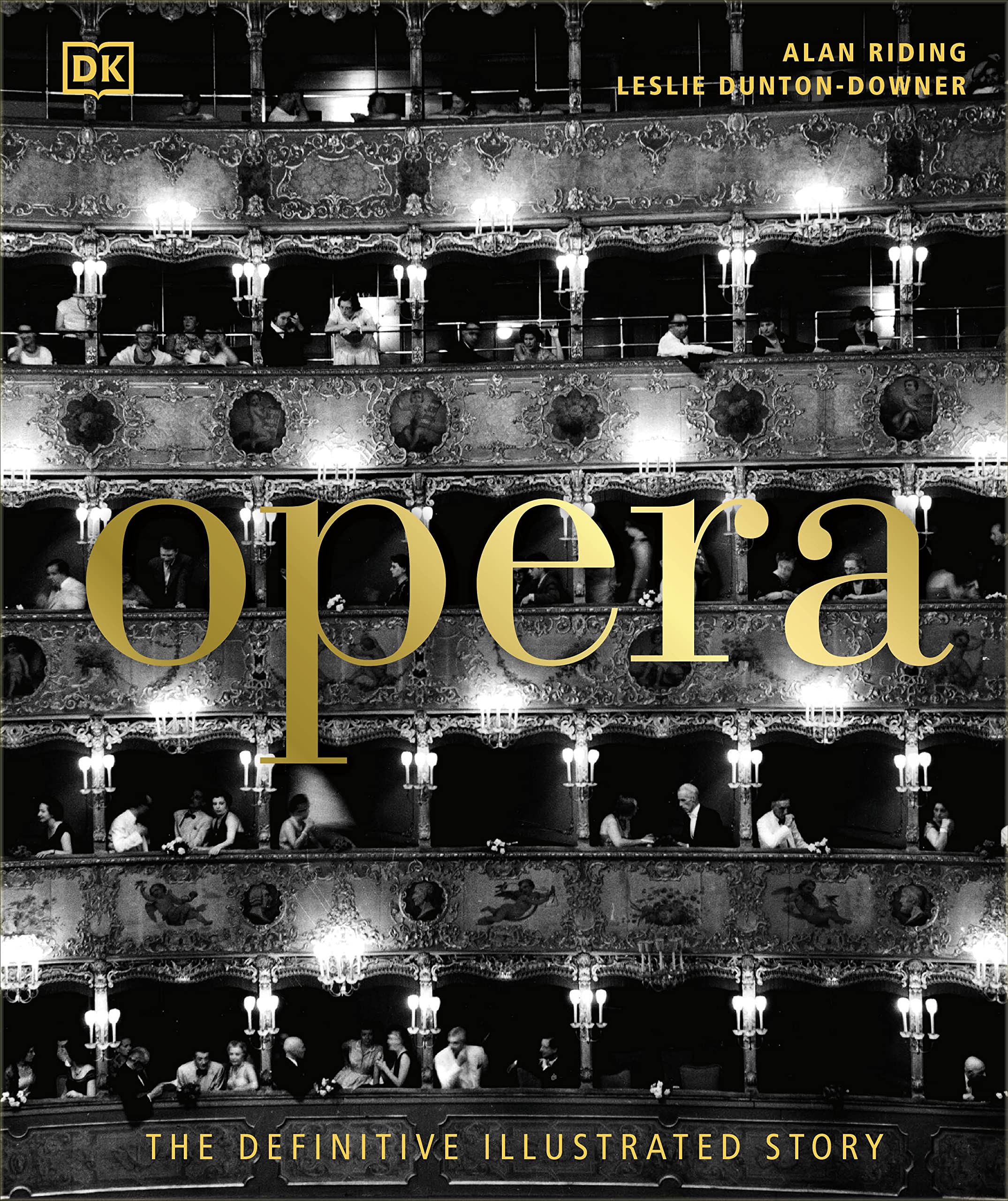
Opera: The Definitive Illustrated Story – DK Publishing This lavishly illustrated volume captures opera’s sweeping history, from the golden voices of the past to the opera houses they made legendary. Its images and narratives evoke the dramatic artistry of great singers like Caruso, Gigli, Tamagno, Lauri-Volpi, Pertile, and Bonci, whose interpretations continue to inspire modern tenors. For London event planners and hosts, the book sparks ideas for ambience, staging, and artistic presentation — showing how grandeur and artistry can be woven into a wedding, gala, or private concert. It reminds us that opera is more than music: it is an atmosphere of elegance and storytelling that transforms an event into a timeless celebration.
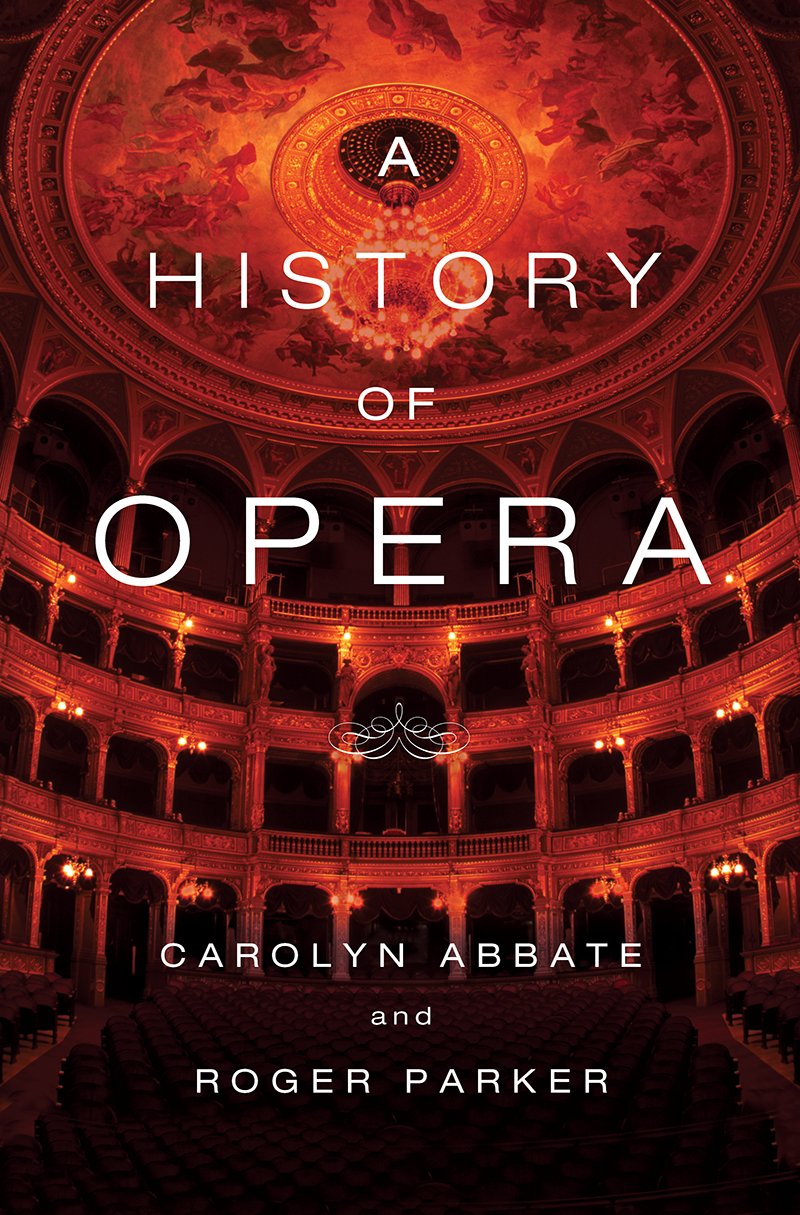
The History of Opera – Carolyn Abbate & Roger Parker This sweeping history places opera in the grand settings of courts, theatres, and cultural milestones. It highlights the tradition of great tenors — from Tamagno’s heroic tones to Caruso’s verismo intensity, Bonci’s lyrical refinement, Gigli’s velvet phrasing, Pertile’s dramatic bite, and Lauri-Volpi’s brilliance. For today’s organisers and private hosts, the book explains why opera has always been linked to prestige, artistry, and the marking of life’s most important occasions. To hire an opera singer in London is to participate in this lineage: a continuation of the same tradition that made these legendary tenors central to great celebrations and cultural history.
#GreatTenorsOfOpera #OperaVoiceLegacy #BookOperaTenor #TimelessOperaVoices #ClassicalSingersUK
- Opera history has been shaped by legendary tenors whose voices defined eras from bel canto to verismo.
- Figures such as Caruso, Lauri-Volpi and Corelli influenced technique, style and the global perception of opera singing.
- This article highlights the greatest tenors and explains their contribution to the evolution of classical performance.
© All rights reserved. Original content created by VASILI KARPIAK – THE ITALIAN TENOR | OPERA & PRIVATE CONCERTS | London, Scotland, Ireland & Beyond. This page and its materials are protected by copyright law. Please do not copy, reproduce, or distribute without written permission.
