
Puccini’s Turandot at the Metropolitan Opera. Photograph by Wolf Gang (CC BY-SA 2.0).
In This Guide
- Introduction
- Synopsis
- Main Characters
- The Music of Turandot
- Principal Arias
- Singing Calaf – A Tenor’s Perspective
- Historic Recordings & Interpreters
- Historic Productions
- Stage Costumes
- Turandot in Concert & Private Performance
- Frequently Asked Questions
- Books & Further Reading
Puccini’s Turandot: Story, Music & Historic Performances
Turandot is Giacomo Puccini’s final opera, set in a fictionalised imperial China. The story centres on Princess Turandot, who requires her suitors to solve three riddles or face execution, and Prince Calaf, who accepts the challenge despite its consequences.
Puccini died in November 1924 before completing the opera. Franco Alfano subsequently prepared the ending from the composer’s surviving sketches, and Turandot received its premiere at Teatro alla Scala, Milan, on 25 April 1926, conducted by Arturo Toscanini.

Programme for the American premiere of Turandot at the Metropolitan Opera, New York, 16 November 1926.
The score combines large choruses, extensive orchestral writing and demanding principal roles with more intimate passages, particularly those written for Liù. Calaf’s music ranges from the lyrical Non piangere, Liù to the sustained dramatic writing of the riddle scene and the celebrated third-act aria Nessun dorma.
This guide examines the synopsis, principal characters, musical structure and major arias, alongside historic recordings, productions and the vocal demands of singing Calaf.

Historical Turandot poster, 1926. Public-domain image sourced from Wikimedia Commons via Picryl.
Synopsis of Puccini’s Turandot
Set in a legendary imperial China, Turandot tells the story of Prince Calaf, the exiled son of King Timur, who becomes captivated by Princess Turandot. The princess has declared that she will marry only a suitor who correctly answers three riddles. Those who fail are executed.
Turandot explains her refusal to marry through the fate of her ancestor, Princess Lo-u-Ling, who was abducted and killed by a foreign prince. Determined never to submit to a man, she uses the riddles to reject her suitors. Calaf nevertheless accepts the challenge and answers all three correctly.
When Turandot refuses to accept the result, Calaf offers her a way out: if she discovers his name before dawn, he will surrender his life. Turandot orders that nobody in the city may sleep until the stranger’s identity is revealed, setting the scene for the third-act aria Nessun dorma.
Liù, a servant devoted to Calaf and his blind father, Timur, is captured and questioned. Rather than reveal Calaf’s name, she takes her own life. Her death is followed by Timur’s grief and the mourning of the assembled crowd.
In the final scene, Calaf reveals his identity to Turandot, placing his fate in her hands. She ultimately announces that his name is Love, bringing the opera to its conclusion. Puccini died before completing this final sequence; the ending traditionally performed was prepared by Franco Alfano from the composer’s surviving material.
Main Characters in Turandot
The principal roles in Turandot require contrasting vocal qualities, from the dramatic soprano writing of the title role to Calaf’s heroic tenor passages and Liù’s lyrical music.
- Princess Turandot (dramatic soprano): The daughter of the Emperor Altoum, whose three riddles determine the fate of her suitors. Her principal scene, In questa reggia, requires a commanding upper register, sustained dramatic intensity and clear declamation over a large orchestra.
- Prince Calaf (tenor): The exiled son of Timur. His music combines sustained dramatic singing with lyrical passages, notably Non piangere, Liù and Nessun dorma. The role requires stamina, secure high notes and the ability to maintain legato through demanding orchestral passages.
- Liù (lyric soprano): A servant who accompanies Timur and secretly loves Calaf. Her arias, Signore, ascolta! and Tu che di gel sei cinta, demand expressive phrasing, tonal control and sensitivity to the Italian text.
- Timur (bass): The blind, deposed King of Tartary and Calaf’s father. His music is particularly important in the scenes surrounding Liù’s death.
- Ping, Pang and Pong (baritone and two tenors): The three imperial ministers, whose ensemble scenes alternate satire and commentary on the executions. Their Act II music also recalls the peaceful lives they have left behind.
- Emperor Altoum (tenor): Turandot’s father, whose ceremonial appearances reinforce the authority of the imperial court.
The Music of Turandot
Turandot is among Puccini’s most extensively orchestrated operas. Its large chorus, expanded percussion section, brass writing and offstage musical effects contribute to the ceremonial scenes, while the principal characters are given distinct vocal and orchestral treatments.
Puccini incorporated Chinese melodies and pentatonic musical patterns into the score. One particularly recognisable melody, Mo Li Hua (Jasmine Flower), is associated with the imperial setting and appears in different instrumental and dramatic contexts. The opera also makes prominent use of gongs, celesta, xylophone and other percussion instruments.
The writing for the three ministers, Ping, Pang and Pong, demonstrates Puccini’s skill in ensemble composition. Their Act II scene moves between rapid exchanges, rhythmic precision and nostalgic passages, providing a marked contrast to the public ceremonies and executions.
The principal vocal roles present different technical demands. Turandot’s music requires dramatic projection and an authoritative upper register; Calaf’s combines heroic declamation with sustained legato; and Liù’s arias rely on controlled dynamics, expressive phrasing and a more intimate orchestral accompaniment.
The opera’s musical structure also reflects its unfinished history. Puccini completed the score through Liù’s death and the subsequent mourning scene, leaving sketches for the final duet and conclusion. Franco Alfano’s completion remains the most familiar ending, although alternative versions have also been performed.
Principal Arias of Turandot
Puccini gives each principal character a distinct musical identity. Calaf’s tenor arias contrast lyrical reassurance with dramatic confidence, while Turandot’s music demands commanding declamation and Liù’s writing centres on expressive phrasing.
Nessun dorma – Calaf (Act III)
Nessun dorma opens Act III, after Turandot has ordered that nobody may sleep until Calaf’s name is discovered. Certain that his identity will remain concealed, Calaf anticipates victory at dawn.
The aria begins quietly and develops through increasingly expansive phrases towards the repeated Vincerò! (“I shall win!”). Its vocal demands include sustained legato, careful breath management and a controlled progression towards the final high B.
Watch Luciano Pavarotti perform Nessun dorma.
Non piangere, Liù – Calaf (Act I)
Calaf sings Non piangere, Liù after Liù begs him not to attempt Turandot’s riddles. He asks her to continue caring for his blind father, Timur, should he die.
Unlike Calaf’s more dramatic music, this aria calls for lyrical phrasing, an even legato and sensitive treatment of the Italian text. Its sustained lines require control without excessive vocal weight.
Signore, ascolta! – Liù (Act I)
In Signore, ascolta!, Liù pleads with Calaf to abandon his dangerous pursuit of Turandot. Written for lyric soprano, the aria combines delicate orchestral accompaniment with long vocal phrases requiring breath control, expressive dynamics and precise diction.
In questa reggia – Turandot (Act II)
Turandot recounts the abduction and murder of her ancestor, Princess Lo-u-Ling, explaining her refusal to marry. One of the opera’s most demanding dramatic soprano passages, In questa reggia requires sustained projection, secure high notes and clear declamation against substantial orchestral writing.
Tu che di gel sei cinta – Liù (Act III)
After refusing to reveal Calaf’s identity, Liù addresses Turandot in Tu che di gel sei cinta, predicting that she too will come to understand love. The aria demands restrained expression, carefully shaped phrases and control of softer dynamics before Liù takes her own life.
Singing Calaf – A Tenor’s Perspective
Calaf is a demanding dramatic tenor role, requiring stamina, sustained orchestral projection and the ability to alternate between forceful declamation and lyrical singing. The challenge extends well beyond the climactic notes of Nessun dorma.
Much of the role requires careful management of the upper-middle register and the passaggio. Maintaining vowel clarity, consistent resonance and legato through this part of the voice is particularly important when singing over Puccini’s large orchestra. Excessive vocal weight can compromise flexibility and endurance.
Non piangere, Liù calls for a supple vocal line and controlled phrasing, while the riddle scene requires a more declamatory approach without sacrificing tonal freedom. In Nessun dorma, the tenor must pace the crescendo and preserve sufficient vocal reserve for the final phrases rather than forcing the sound from the outset.
Successful interpretation depends on maintaining technical consistency across these contrasting passages, with particular attention to breath coordination, vowel formation, orchestral balance and the dramatic meaning of the text.
Legendary Interpreters of Turandot
Puccini’s Turandot lives through the power of its voices—heroic tenors as Calaf, dramatic sopranos as Turandot, and lyrical sopranos as Liù. From the thunderous impact of “Nessun dorma” to the aching tenderness of “Tu che di gel sei cinta,” these performances reveal the opera’s full spectrum of passion and artistry. For almost a century, Turandot has attracted some of opera’s greatest voices. These historic performances reveal how different singers have approached the roles of Calaf, Turandot, and Liù, each bringing their own vocal personality and dramatic insight to Puccini’s masterpiece.
Great Tenors as Calaf

Calaf combines dramatic declamation with lyrical singing. These recordings illustrate contrasting approaches to phrasing, projection and the climactic passages of Nessun dorma.
Mario Del Monaco – Nessun dorma
Mario Del Monaco’s Nessun dorma demonstrates a strongly projected dramatic tenor sound and emphatic Italian diction.
Recording from Il mito dell’opera: Mario del Monaco, Vol. 3 (1948–1962), courtesy of Naxos of America / Bongiovanni. Video auto-generated by YouTube.
Franco Bonisolli – Nessun dorma (1983, Gran Teatre del Liceu)
Franco Bonisolli performs Nessun dorma at Barcelona’s Gran Teatre del Liceu in 1983. Listen to the sustained intensity of his upper register and his approach to the final phrases. Courtesy of the Zoran Stankovic YouTube channel.
Giuseppe Giacomini – Nessun dorma (1981, Carnegie Hall)
Giuseppe Giacomini performs Nessun dorma at Carnegie Hall in 1981, conducted by Nicola Rescigno. His interpretation is worth comparing for its dark timbre, sustained line and measured phrasing. Courtesy of the liricadiva YouTube channel.
Great Sopranos as Turandot
Ghena Dimitrova as Turandot – In questa reggia (Arena di Verona, 1983)
Ghena Dimitrova sings In questa reggia at the Arena di Verona in 1983, conducted by Maurizio Arena, in a cast including Nicola Martinucci, Cecilia Gasdia and Gianfranco Manganotti. Notice her sustained dramatic projection and incisive diction. Courtesy of the jassenjj YouTube channel.
Ghena Dimitrova & Plácido Domingo – In questa reggia and the Riddle Scene
Ghena Dimitrova sings Turandot opposite Plácido Domingo’s Calaf in the riddle scene. The recording allows a direct comparison of their contrasting vocal colours and dramatic delivery. Courtesy of the Viva l’opera YouTube channel.
Birgit Nilsson & Franco Corelli – In questa reggia (Macerata, 1971)
Birgit Nilsson and Franco Corelli perform In questa reggia in footage attributed to the 1971 Macerata Opera Festival. Listen to the clarity of Nilsson’s upper register alongside Corelli’s expansive tenor phrasing. Shared via the IDontGetOpera YouTube channel.
Great Sopranos as Liù
Montserrat Caballé as Liù – Signore, ascolta! (Barcelona, 1975)
Montserrat Caballé sings Liù’s Signore, ascolta! at the Gran Teatre del Liceu, Barcelona, in 1975. Her legato, soft dynamics and control of the vocal line are especially notable. Courtesy of the Noé Hernández Rodríguez YouTube channel.
Magda Olivero – Tu che di gel sei cinta
Magda Olivero’s Tu che di gel sei cinta offers a distinctive approach to text, phrasing and dramatic expression. Shared via the Leandro Campagni YouTube channel.
Renata Scotto – Tu che di gel sei cinta (Rome Opera, Molinari-Pradelli)
Renata Scotto sings Tu che di gel sei cinta with the Rome Opera Orchestra and Chorus under Francesco Molinari-Pradelli. Listen to her dynamic shading and attention to the words. Courtesy of the José Navarro-Forcada YouTube channel.
Franco Corelli & Birgit Nilsson – Turandot Riddle Scene (Macerata, 1970)
Franco Corelli and Birgit Nilsson perform the riddle scene, Gli enigmi sono tre, in footage attributed to Macerata in 1970. Their contrasting vocal approaches make this a useful comparison with the other Turandot recordings above.
Courtesy of OperaMyWorld YouTube Channel.
Franco Corelli – Nessun dorma (Live, 1964)
Performed by Franco Corelli | Live in 1964 | Courtesy of EJR. Mario Del Monaco YouTube Channel.
In this 1964 live recording of Nessun dorma, Franco Corelli combines sustained dramatic tone with broad phrasing and a powerful final climax.
Watch a full-length performance of Turandot at the Arena di Verona.
Turandot (1958 RAI Television Production) – Franco Corelli & Lucille Udovich
Franco Corelli and Lucille Udovich | Conducted by Fernando Previtali | RAI Milan Studios | Broadcast 23 December 1958 | Courtesy of Franco Corelli Info Center YouTube Channel.
This 1958 RAI television production features Franco Corelli as Calaf and Lucille Udovich as Turandot, conducted by Fernando Previtali and directed by Mario Lanfranchi. It offers an opportunity to hear the complete roles rather than isolated arias. The linked recording includes subtitles and credits an English translation by William Weaver.
Further Franco Corelli recordings are available from VAI Music.
Historic Productions of Turandot

Turandot has inspired productions ranging from traditional imperial settings to contemporary interpretations. Its large choruses, ceremonial scenes and demanding principal roles present particular challenges for stage directors and designers.
Galileo Chini, Il vasto piazzale della Reggia, stage design for Turandot (1924). Public-domain image, Wikimedia Commons.
Watch a Royal Opera House production of Turandot. Further information is available from Teatro alla Scala and the Royal Opera House.
Turandot at the Arena di Verona

The Arena di Verona’s open-air setting accommodates the large-scale staging and crowd scenes of Turandot. This photograph documents a performance of Act I in 1958.
Turandot, Act I, Arena di Verona, 1958. Photograph credited to Touring Club Italiano (CC BY-SA 4.0).
Lise Lindstrom as Turandot and Frank Porretta as Calaf in the final act, Florida Grand Opera, 2010. Photograph by Gaston De Cardenas / Knight Foundation (CC BY-SA 2.0).


Stage Costumes in Turandot
Costume designs for Turandot vary considerably between productions. The examples below illustrate approaches from the opera’s early performance history to later productions and museum collections.
Hungarian soprano Walter Rózsi photographed in the title role at the Hungarian Royal Opera House in 1927. Her elaborate headdress and embroidered costume reflect an early approach to the opera’s imperial setting.
Photograph by Pál M. Vajda, 1927. Copyright status requires verification across jurisdictions, including potential US URAA restoration.


A Turandot costume designed by Maurizio Millenotti, displayed at the Museo Zeffirelli in Florence, showing the detailed construction and ornamentation of an operatic stage costume.
Photograph by Sailko (CC BY 3.0).
American soprano Elinor Ross as Turandot at the Metropolitan Opera, 1970s. Photograph by Louis Melancon.

Watch a full-length performance of Turandot at the Arena di Verona.
If you would like to include highlights from Turandot as part of a private or corporate event in London or elsewhere in the UK, you are welcome to explore my performance repertoire and booking information.
Experience Puccini’s Music in Live Performance
Selected arias from Turandot, particularly Nessun dorma, are regularly performed outside the opera house in concerts and special events. They can also form part of a wider programme of Italian opera and Neapolitan songs.
London-based opera tenor Vasili Karpiak performs for private concerts, weddings, corporate events and gala dinners across the UK and Europe, with repertoire selected to suit the occasion and venue.
Enquire about hiring an opera singer in London or across the UK.
Frequently Asked Questions about Puccini’s Turandot
What is Puccini’s opera Turandot about?
Turandot follows Princess Turandot, who sets three deadly riddles for her suitors, and Prince Calaf, who accepts the challenge and risks everything for love. The opera explores themes of courage, fear, transformation, and redemption through some of Puccini’s most powerful and emotionally charged music.
Why is “Nessun dorma” so famous?
“Nessun dorma” is one of the most celebrated tenor arias in history. Sung by Calaf before the final confrontation, it moves from quiet determination to triumphant glory. The climactic cry of “Vincerò!” has become a universal symbol of hope, strength, and victory.
How did Puccini come to write Turandot?
Puccini began composing Turandot in 1920, inspired by Carlo Gozzi’s fairy-tale drama. He sought to combine the mythical atmosphere of ancient China with rich Italian lyricism. Puccini died before completing the final duet, which was later finished by Franco Alfano for the 1926 premiere at La Scala.
What are the main arias from Turandot?
The opera includes several iconic arias, including Nessun dorma, In questa reggia, Signore, ascolta!, and Non piangere, Liù. Together, they showcase Puccini’s extraordinary blend of orchestral colour, dramatic intensity, and lyrical emotion.
Why is Turandot considered a milestone in Italian opera?
Turandot is Puccini’s boldest and most forward-looking score, combining grand symphonic writing with psychological drama and exotic atmosphere. The opera stands between late Romanticism and modernism, uniting spectacle with emotional depth.
Where can audiences experience Turandot today?
Turandot is regularly performed at major opera houses including the Royal Opera House in London, Teatro alla Scala, Arena di Verona, and the English National Opera. Arias such as Nessun dorma also appear frequently in gala concerts, luxury events, and private performances across the UK and internationally.
Further Resources
- Introduction to Turandot — Cincinnati Opera
- Turandot (1958) — RAI television production featuring Franco Corelli
- Puccini Festival — Official website
Historical images are reproduced with attribution under their respective public-domain or Creative Commons terms. Individual credits appear alongside the images.
Books on Puccini & Turandot
Affiliate disclosure: Purchases through affiliate links may earn a small commission at no additional cost to you.
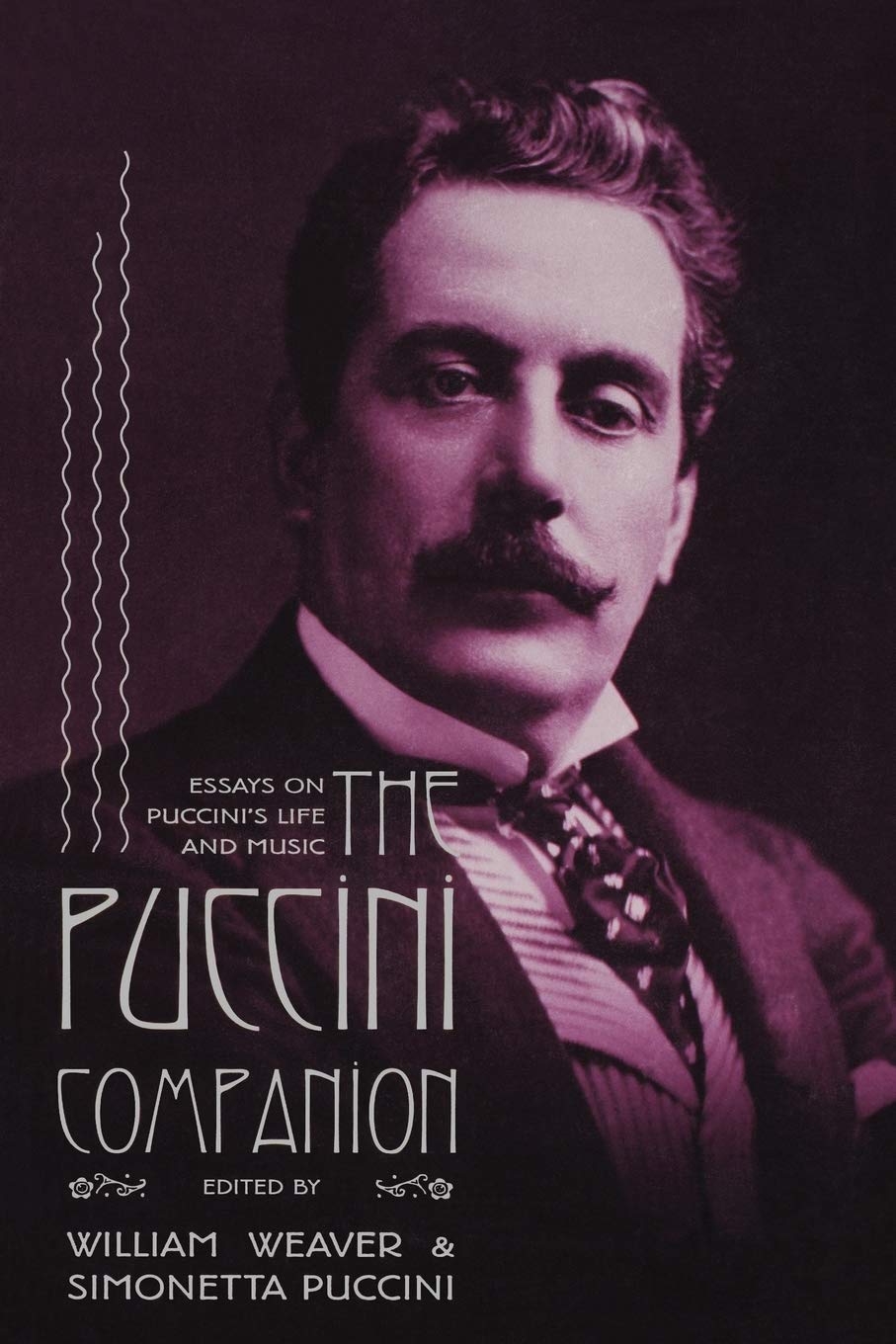
The Puccini Companion — edited by William Weaver and Simonetta Puccini. A collection of scholarly essays examining Puccini’s life, operas and compositional development, including his final work, Turandot. Useful for singers, students and readers interested in the historical and musical context of his operas.

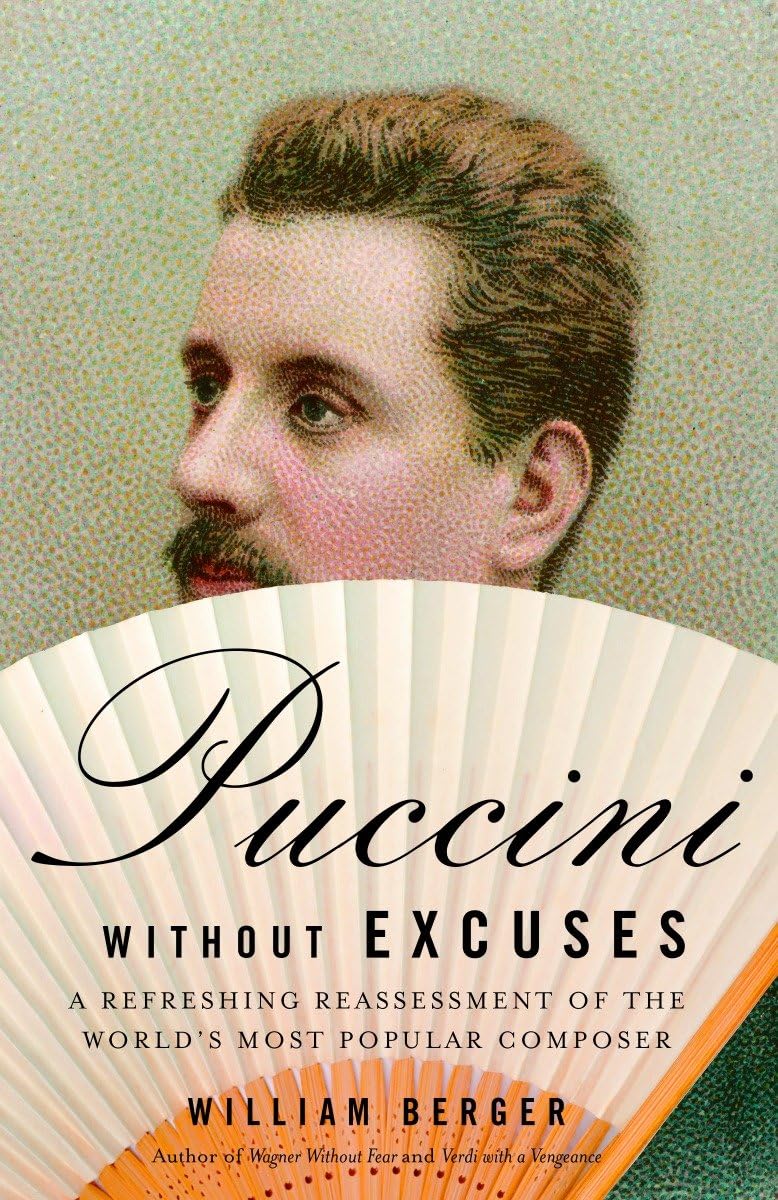
Puccini Without Excuses: A Refreshing Reassessment of the World’s Most Popular Composer — William Berger. An accessible and engaging reassessment of Puccini’s operas, examining his musical techniques, dramatic storytelling and enduring popularity.
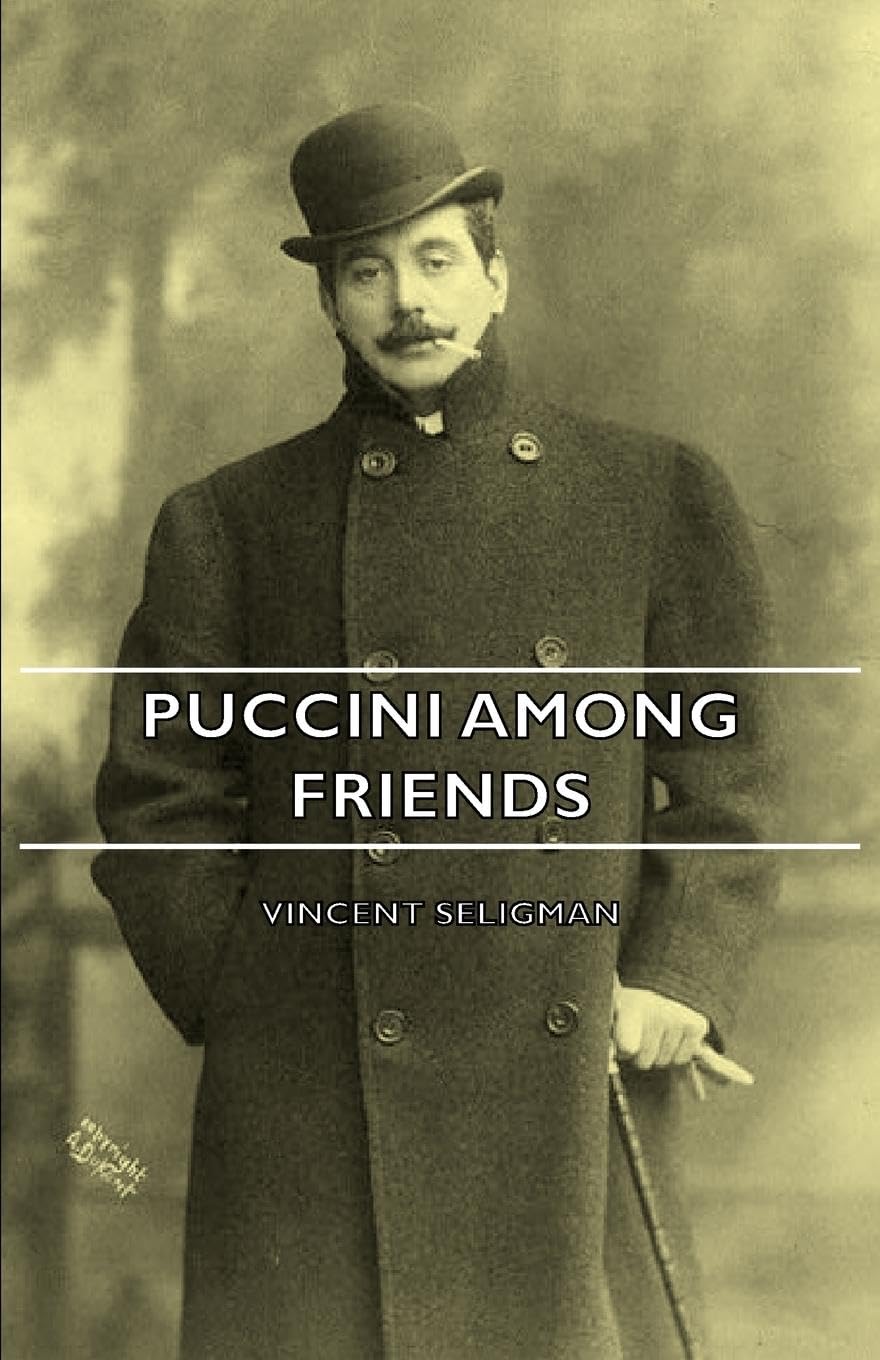
Puccini Among Friends: Letters to Sybil Seligman — edited by Eugenio Montale. A collection of Puccini’s correspondence with Sybil Seligman, offering insight into his personal relationships, artistic concerns and everyday life.
Featured image credit: Photo by Wolf Gang via Flickr (CC BY-SA 2.0).
Featured image: Arena di Verona Turandot performance – courtesy of Touring Club Italiano (CC BY-SA 4.0).
Further Insights into Opera & Vocal Artistry

Planning Opera Events in Edinburgh & Glasgow’s Most Prestigious Venues
Discover Edinburgh and Glasgow’s most prestigious venues for weddings, gala dinners, corporate events, and private celebrations. Explore Scotland’s…


Hire Opera Singers in Wales: Castles, Weddings & Historic Venues
Hire an opera singer in Wales for weddings, gala dinners and private events. Discover Craig-y-Nos Castle, Adelina Patti,…

Hiring Opera Singers in London: A Guide to Venues & Events
A comprehensive guide to hiring opera singers in London for luxury weddings, gala dinners, embassy receptions, corporate events…

Planning an Opera Event in Ireland: Castles, Estates & Coastal Venues
Ireland’s castles, historic estates, cathedrals, and dramatic coastal landscapes create an atmosphere uniquely suited to live opera and…

Opera in Germany’s Castles, Palaces and Historic Venues
Germany’s castles, palaces, and historic cultural venues offer a remarkable setting for opera, private concerts, and luxury events.…

Opera in Switzerland: Grand Hotels, Alpine Resorts & Private Events
Explore Switzerland’s grand hotels, Alpine resorts and lakeside venues for private opera performances, luxury weddings and corporate events,…

Planning Opera Events in France: Châteaux, Private Estates & Exceptional Venues
France’s historic châteaux, Riviera venues, and refined private estates provide an extraordinary setting for live opera performances, elegant…

Italian Opera in Italy’s Historic Villas, Palaces and Theatres
From Lake Como and Venice to historic villas, palaces, and opera houses, Italy remains one of the world’s…

Hire an Opera Singer in Scotland: Castles, Historic Estates & Private Events
Planning to hire an opera singer in Scotland for a wedding, private celebration, gala dinner or special event?…
© VASILI KARPIAK – THE ITALIAN TENOR | OPERA & PRIVATE CONCERTS in London, Scotland, Ireland & Beyond. This original blog content is owned and created by me. No part may be copied, republished, or used elsewhere without written permission.

Comments are closed.