
Photo by Neil Mark Thomas on Unsplash
Contents
- Wales: The Land of Song
- Adelina Patti and Craig-y-Nos Castle
- The Nicolini Theatre: A Private Opera House in the Welsh Countryside
- Craig-y-Nos Castle Today
- Cardiff Castle
- Hensol Castle
- Penrhyn Castle
- Conwy Castle
- Caernarfon Castle
- Weddings and Private Events in Wales
- Planning an Opera Performance in Wales
- Popular Repertoire for Events in Wales
- Why Live Opera Works So Well in Historic Venues
- Hire an Italian Tenor for Events in Wales
- Planning an Opera Performance in Wales: Frequently Asked Questions
- Planning an Event in Wales?
- Recommended Books on Wales
- Opera and Historic Venues Across Europe
Planning a wedding, private celebration, gala dinner or corporate event in Wales? Hiring professional opera singers can bring live classical music into some of the country’s most remarkable castles, historic estates and private event venues. This guide explores distinctive settings across Wales, with practical considerations including acoustics, repertoire, performance format and the guest experience.
From the extraordinary operatic heritage of Adelina Patti at Craig-y-Nos Castle to the grandeur of Cardiff Castle, Hensol Castle and Penrhyn Castle, Wales offers exceptional surroundings for live opera. Castle weddings, drinks receptions, formal dinners and private celebrations can all provide opportunities for performances by a tenor, soprano or other classical singers.
Known as the Land of Song, Wales has a musical identity shaped by generations of choral singing and vocal tradition. Historic theatres, castles and country estates provide a particularly natural setting for the unamplified classical voice, connecting contemporary celebrations with a much older tradition of live performance.
That connection is especially vivid at Craig-y-Nos Castle, the former Welsh home of legendary nineteenth-century soprano Adelina Patti. At the height of her international career, Patti transformed the estate into an extraordinary operatic residence, complete with her own private theatre — creating one of the most fascinating links between opera and a historic British country house.
Today, opera singers perform at weddings, private events, gala dinners and corporate celebrations throughout Wales. Whether presented as a surprise performance during dinner, music for a wedding ceremony or a featured recital in a historic setting, live opera can create a memorable focal point while complementing the character of the venue.
Wales: The Land of Song
Singing occupies a unique place within Welsh culture. For generations, communities gathered in chapels, concert halls, and village meeting places where music formed part of everyday life. The tradition of Welsh male voice choirs became internationally admired, while generations of singers carried the country’s reputation for musical excellence far beyond its borders.
This deep-rooted appreciation for the human voice helps explain why Wales has remained such a natural home for classical music and opera. Historic venues across the country continue to host concerts, recitals, and private performances where audiences can experience the power of live singing in extraordinary surroundings.
Perhaps the most remarkable chapter in this story began when one of the greatest opera stars of the nineteenth century decided to make Wales her home.
Adelina Patti and Craig-y-Nos Castle
Few figures in operatic history achieved the international fame enjoyed by Adelina Patti (1843–1919). Born in Madrid to Italian parents and raised in the United States, Patti became one of the most celebrated sopranos of the nineteenth century. Audiences across Europe and America admired her extraordinary vocal control, effortless technique, and charismatic stage presence.
During the height of her career, Patti performed before royalty, aristocrats, and political leaders throughout Europe. Her admirers included Queen Victoria, and she commanded fees that were virtually unprecedented for a singer of her time. Many regarded her as the finest interpreter of the great bel canto repertoire, and her influence extended far beyond the opera house.

Despite her international success, Patti sought a peaceful retreat away from the demands of public life. In 1878 she purchased Craig-y-Nos Castle in the upper Swansea Valley, surrounded by the dramatic scenery of what is now the Brecon Beacons National Park. Over the following decades, the estate became both her private residence and a centre for artistic life.
Illustration from The Strand Magazine, Vol. 3 (1892). Public Domain via Wikimedia Commons.
Craig-y-Nos was transformed into an elegant Victorian country estate complete with landscaped gardens, ornamental lakes, and luxurious interiors. Patti invested heavily in the property, introducing many modern innovations and welcoming an extraordinary circle of guests that included musicians, actors, politicians, and members of European high society.
What made Craig-y-Nos truly unique, however, was Patti’s determination to bring opera into the heart of the Welsh countryside. Rather than leaving her artistic life behind, she created an environment where music remained central to daily life and entertainment.
“When I am at Craig-y-Nos, I am happy. The air is so pure, the scenery so grand, and the quiet so restful. It is my true home.”
Adelina Patti
Today, Craig-y-Nos Castle remains one of the most fascinating locations in British operatic history. Few venues can claim such a direct connection to one of the greatest singers ever to appear on the international stage. For visitors, wedding guests, and music lovers alike, the castle offers a rare opportunity to experience a place where opera was not simply performed, but lived.
The Nicolini Theatre: A Private Opera House in the Welsh Countryside

The most remarkable feature of Craig-y-Nos Castle is undoubtedly the Nicolini Theatre, a private theatre commissioned by Adelina Patti and opened in 1891. Named after her husband, the French tenor Ernesto Nicolini, the theatre stands as one of the most extraordinary operatic landmarks in the United Kingdom.
The Strand Magazine, Volume 3 (1892) – Public Domain.
While many wealthy Victorian families built music rooms or ballrooms, Patti created something far more ambitious: a fully functioning theatre within her own estate. It reflected both her artistic passion and her desire to continue sharing music with invited guests long after her international touring career had begun to slow.
The theatre was designed on the model of a traditional opera house, albeit on a more intimate scale. Decorative columns, painted ceilings, elegant detailing, and carefully considered acoustics combined to create a venue perfectly suited to the human voice. Here, Patti entertained distinguished visitors with private recitals, concerts, and theatrical performances in an atmosphere far removed from the great public opera houses of Europe.
Unlike modern performance spaces that often rely heavily on amplification, the Nicolini Theatre was designed around the natural projection of the voice. Every architectural element served the purpose of allowing singers to communicate directly with their audience through clarity, resonance, and expressive detail.
Guests attending performances at Craig-y-Nos experienced something exceptionally rare: opera presented not in a vast public theatre, but within the private residence of one of the world’s most celebrated singers. Members of aristocratic society, visiting artists, and distinguished guests gathered in the Welsh countryside to enjoy music in surroundings that combined luxury, intimacy, and artistic excellence.
More than a century later, the Nicolini Theatre remains one of the most significant reminders of Britain’s operatic heritage. Few venues can claim such a direct connection to both a legendary soprano and a renowned tenor, making it a unique destination for those interested in the history of classical singing.
For modern visitors, the theatre also serves as a powerful reminder of why live vocal performance continues to captivate audiences. In a space designed specifically for the unamplified voice, listeners can experience the same immediacy, warmth, and emotional connection that delighted Patti’s guests during the late Victorian era.
Few historic venues in Britain preserve such a direct link between opera, private patronage, and architectural beauty as the Nicolini Theatre at Craig-y-Nos Castle.
Craig-y-Nos Castle Today
More than a century after Adelina Patti welcomed distinguished guests to her Welsh residence, Craig-y-Nos Castle continues to attract visitors from across Britain and beyond. Surrounded by the dramatic landscapes of the Brecon Beacons, the castle remains one of Wales’ most distinctive historic venues for weddings, private celebrations, cultural events, and corporate gatherings. Craig-y-Nos Castle Official website for the castle
Unlike many historic estates, Craig-y-Nos possesses a unique identity shaped by its direct association with opera. Guests arriving at the castle encounter not only a striking Victorian Gothic residence but also a place where some of the greatest traditions of European vocal artistry once flourished. The legacy of Adelina Patti remains visible throughout the estate, giving the venue a character unlike any other castle in Wales.
The castle’s combination of historic architecture, landscaped grounds, and intimate performance spaces creates an atmosphere particularly suited to live music. Whether hosting a wedding ceremony, a private dinner, or a gala celebration, organisers benefit from surroundings that naturally encourage a sense of occasion and elegance.
For couples planning a castle wedding, Craig-y-Nos offers a romantic setting framed by mountains, woodland, and historic interiors. The venue’s rich artistic heritage provides an ideal backdrop for classical music, whether presented during a ceremony, drinks reception, or evening celebration.
Private events also benefit from the castle’s unique atmosphere. An intimate recital of Italian songs, a selection of operatic favourites, or a programme of classical crossover repertoire can complement the historic surroundings while paying tribute to the venue’s extraordinary musical past.
For many visitors, however, the greatest attraction remains the opportunity to experience a venue so closely connected to one of opera’s most celebrated figures. Few castles in Britain can offer such a tangible connection between architecture, music, and cultural history.
Today, Craig-y-Nos Castle stands not only as an important Welsh landmark but also as a living reminder of the enduring relationship between great music and exceptional venues. It remains one of the most compelling locations in the United Kingdom for those who appreciate both historic surroundings and the timeless appeal of the human voice.
Cardiff Castle

Situated in the heart of the Welsh capital, Cardiff Castle is one of the most recognisable landmarks in Wales. Combining Roman origins, Norman military architecture, and extraordinary Victorian interiors, the castle offers a setting that is both historically significant and visually spectacular. Cardiff Castle Official website
Photo by Nick Russill on Unsplash.
For centuries, Cardiff Castle has stood at the centre of Welsh civic life. Today, its magnificent state rooms, banqueting spaces, and historic courtyards provide an impressive backdrop for private celebrations, corporate functions, gala dinners, and cultural events.
The castle underwent a remarkable transformation during the nineteenth century under the patronage of the Bute family. Working with architect William Burges, they created some of the most lavish Gothic Revival interiors in Britain. Rich wood carvings, stained glass, painted ceilings, marble fireplaces, and elaborate decorative schemes contribute to an atmosphere of grandeur rarely found elsewhere in the United Kingdom.
For event organisers, Cardiff Castle offers the advantage of combining historic prestige with the convenience of a city-centre location. Guests can enjoy the experience of a medieval fortress while remaining within easy reach of luxury hotels, transport connections, and Cardiff’s vibrant cultural scene.
Live opera and classical singing are particularly effective within such surroundings. The castle’s historic interiors naturally complement the elegance and theatricality of the operatic tradition. A tenor performing Italian songs during a drinks reception, a soprano singing during a formal dinner, or a surprise operatic performance between courses can create memorable moments that resonate long after the event has concluded.
The scale of Cardiff Castle also makes it well suited to larger gatherings. Corporate receptions, charity galas, diplomatic functions, and luxury private celebrations benefit from the combination of architectural drama and cultural sophistication that live classical performance can provide.
Whether illuminated for an evening banquet or serving as the backdrop to a prestigious daytime event, Cardiff Castle remains one of the foremost historic venues in Wales. Its blend of history, grandeur, and artistic character makes it a natural setting for live opera and classical music.
Hensol Castle
Located in the Vale of Glamorgan, a short distance from Cardiff, Hensol Castle is one of Wales’ most sought-after venues for luxury weddings, private celebrations, and corporate retreats. Surrounded by parkland and overlooking a picturesque lake, the castle combines historic character with modern event facilities, creating a setting that is both elegant and welcoming.

Originally dating from the seventeenth century, the estate has undergone extensive restoration while carefully preserving its architectural heritage. Today, visitors encounter a striking castellated façade, impressive reception spaces, and beautifully maintained grounds that provide a memorable backdrop for special occasions throughout the year. Hensol Castle Official website
Photo by TedColes, via Wikimedia Commons, licensed under CC BY-SA 3.0.
For couples planning a wedding in Wales, Hensol Castle offers a particularly appealing balance between grandeur and intimacy. The venue’s historic atmosphere creates a sense of occasion without sacrificing comfort, making it equally suitable for small family gatherings and larger celebrations.
Live classical music complements these surroundings exceptionally well. During a wedding ceremony, the sound of an unamplified tenor or soprano can bring a heightened sense of emotion and elegance to the occasion. During drinks receptions and evening celebrations, Italian songs, operatic favourites, and classical crossover repertoire provide a sophisticated musical backdrop that enhances the atmosphere without overwhelming conversation.
The castle’s combination of historic stonework, wood-panelled interiors, and contemporary event spaces creates an acoustic environment that supports live performance beautifully. Guests are able to experience the warmth and immediacy of the human voice while enjoying the comfort and luxury expected of a modern event venue.
Corporate events also benefit from Hensol Castle’s distinctive setting. Conferences, leadership retreats, awards dinners, and private receptions can be elevated through carefully curated musical performances that add character and individuality to the programme.
Whether hosting a wedding, a milestone celebration, or an executive gathering, Hensol Castle demonstrates why Wales has become an increasingly attractive destination for luxury events. Its combination of heritage, landscape, and hospitality provides an ideal setting for memorable live performances and special occasions.
Penrhyn Castle
On the northern coast of Wales, between the mountains of Eryri (Snowdonia) and the Menai Strait, Penrhyn Castle stands as one of the most imposing historic buildings in Britain. Built during the nineteenth century in a dramatic neo-Norman style, the castle is remarkable for both its scale and architectural ambition. Penrhyn Castle and Garden (National Trust)

Unlike the romantic atmosphere of many country-house venues, Penrhyn Castle conveys a sense of grandeur and permanence. Massive stone walls, soaring towers, richly decorated interiors, and expansive grounds combine to create a setting that feels almost theatrical in its scale. It is a venue that naturally lends itself to occasions of significance and ceremony.
Photo: Llywelyn2000 / Wikimedia Commons (CC BY-SA 4.0)
The castle occupies a spectacular position overlooking the North Wales landscape. Visitors can enjoy views towards the mountains while experiencing one of the finest examples of nineteenth-century architecture in the country. The contrast between the rugged natural surroundings and the refinement of the interiors contributes greatly to its appeal as an event destination.
For cultural gatherings, charity galas, private dinners, and exclusive receptions, Penrhyn Castle offers an atmosphere unlike any other Welsh venue. Its great halls and state rooms possess a sense of scale that recalls the grand public buildings and opera houses of Europe.
Live opera is particularly effective within such surroundings. The combination of stone architecture, high ceilings, and expansive interior spaces creates an environment where a trained classical voice can make a powerful impression. A dramatic aria by Puccini or Verdi, performed in a historic hall illuminated by candlelight or evening lighting, can transform an event into an unforgettable experience.
The castle is also well suited to repertoire that emphasises grandeur and emotional depth. Works such as Nessun Dorma, E Lucevan le Stelle, and the great Italian songs of the tenor tradition feel entirely at home within surroundings that celebrate both artistic achievement and architectural magnificence.
For organisers seeking a venue that combines Welsh heritage, dramatic scenery, and historic prestige, Penrhyn Castle represents one of the most distinctive options available. Its monumental character creates an ideal backdrop for events where elegance, atmosphere, and memorable live performance are central to the occasion.
Conwy Castle
Rising above the medieval town of Conwy on the north coast of Wales, Conwy Castle is one of the country’s most impressive surviving fortresses. Built for Edward I between 1283 and 1287, the castle forms part of the UNESCO World Heritage Site encompassing the castles and town walls of King Edward in Gwynedd. Its eight great towers, substantial curtain walls and commanding position beside the River Conwy create one of the most recognisable historic landscapes in North Wales.
The castle was designed by the royal architect and military engineer James of St George as part of Edward I’s extensive programme of fortification in Wales. What makes Conwy particularly remarkable is the relationship between the castle and the surrounding medieval town. Sections of the original town walls remain exceptionally well preserved, allowing visitors to experience the fortress not simply as an isolated monument but as part of a much larger historic setting.
Conwy Castle, North Wales. Photo by K. Mitch Hodge / Unsplash.

From elevated viewpoints around Conwy, the castle appears against a landscape of water, hills and historic rooftops. The River Conwy and its estuary give the fortress an especially dramatic setting, while the mountains of North Wales provide a natural backdrop. This combination of architecture and landscape gives Conwy a character quite different from the country estates and Victorian castles found elsewhere in Wales.
Although Conwy Castle is primarily one of Britain’s most important historic monuments rather than a conventional luxury wedding or private-event venue, its scale and atmosphere illustrate the extraordinary architectural settings found throughout Wales. The castle has also formed a backdrop to cultural and ceremonial occasions, demonstrating how historic architecture can create a powerful sense of place for live performance and public events.
For an opera singer, surroundings of this kind have an obvious affinity with dramatic repertoire. Medieval stonework, monumental towers and the theatrical setting above the river evoke the same sense of scale and history that makes classical music particularly compelling in historic environments. Even where performances take place at nearby hotels, estates or private venues rather than within the monument itself, Conwy provides an unmistakably Welsh setting for guests travelling to North Wales.
Together with Penrhyn Castle and Caernarfon Castle, Conwy forms part of an exceptional concentration of historic architecture in North Wales. For anyone planning a celebration or cultural visit to the region, these landmarks demonstrate how closely Welsh history, dramatic landscape and architectural heritage remain connected.
Caernarfon Castle
Few landmarks symbolise Wales quite like Caernarfon Castle. Standing proudly on the shores of the Menai Strait, this magnificent medieval fortress is one of the country’s most recognisable historic monuments and forms part of the UNESCO World Heritage Site of the Castles and Town Walls of King Edward in Gwynedd. Built by Edward I in the late thirteenth century, its imposing polygonal towers, massive curtain walls, and commanding waterfront setting continue to impress visitors from around the world. Castell Caernarfon (Cadw)
Throughout its long history, Caernarfon Castle has played a central role in Welsh and British history. Today it welcomes hundreds of thousands of visitors each year while also providing a spectacular setting for cultural events, concerts, exhibitions, and ceremonial occasions. The combination of medieval architecture, dramatic coastal scenery, and centuries of history creates an atmosphere unlike almost anywhere else in the United Kingdom.
J. M. W. Turner, Caernarfon Castle, c.1830–1835. Oil on canvas. Public domain. São Paulo Museum of Art (MASP) via Wikimedia Commons.

Although primarily preserved as one of Britain’s most important historic monuments, the castle demonstrates why Wales has become such an inspiring destination for prestigious cultural events. Its monumental architecture naturally complements the grandeur of classical music, while the surrounding landscape adds a distinctive sense of place that enhances any memorable occasion.
For visitors exploring the musical heritage of Wales, Caernarfon Castle represents more than an architectural masterpiece. Together with venues such as Craig-y-Nos Castle, Cardiff Castle, Hensol Castle, and Penrhyn Castle, it reflects the remarkable variety of historic settings that continue to shape Wales’ reputation as a destination for culture, celebration, and unforgettable experiences.
Weddings and Private Events in Wales
Wales offers an exceptional variety of settings for luxury weddings, private celebrations, gala dinners, and corporate events. From the mountains of North Wales to the historic estates of the south, the country combines dramatic scenery with architectural heritage in a way that few destinations can match.
One of the greatest advantages of hosting an event in Wales is the diversity of venues available. A celebration might take place within a medieval castle, a Victorian country estate, a grand banqueting hall, or a private theatre with direct connections to operatic history. Each setting offers its own atmosphere while sharing a common sense of history, character, and occasion.
Live music has long played an important role in Welsh celebrations. The country’s reputation as the Land of Song reflects a deep appreciation for the power of the human voice, making classical singing and opera particularly appropriate choices for significant occasions.
For wedding ceremonies, a carefully selected programme of classical music can add elegance and emotional depth to the day. The sound of a live tenor or soprano performing during the entrance of the bridal party, the signing of the register, or the conclusion of the ceremony creates moments that guests often remember long after the event itself.
During drinks receptions, lighter repertoire often works beautifully. Italian songs, Neapolitan favourites, and familiar classical melodies provide a sophisticated musical backdrop while allowing guests to socialise comfortably. Performed without excessive amplification, live singing can enrich the atmosphere while remaining natural and unobtrusive.
Gala dinners and evening celebrations offer opportunities for more dramatic musical moments. A well-timed operatic performance between courses or following a speech can transform the energy of a room, creating a memorable focal point for guests and hosts alike. Historic venues such as Cardiff Castle, Penrhyn Castle, and Craig-y-Nos Castle provide particularly impressive surroundings for this type of presentation.
Corporate events can also benefit from carefully curated live music. Whether welcoming international delegates, marking a company milestone, or hosting a private reception, classical performance adds a level of refinement and distinction that complements prestigious venues and high-profile gatherings.
Above all, successful luxury events rely upon creating experiences that feel authentic to their surroundings. In Wales, where history, architecture, and music are so closely connected, live opera remains one of the most effective ways to enhance the atmosphere of an exceptional venue.
Choosing the Right Historic Venue
Each historic venue offers a distinctive atmosphere. Whether you are planning a wedding, gala dinner, private celebration, or corporate reception, choosing the right setting can help shape the character of the entire event.
| Venue | Best suited for | Highlights |
|---|---|---|
| Craig-y-Nos Castle | Opera enthusiasts, intimate weddings | Historic home of Adelina Patti, private theatre, operatic heritage |
| Cardiff Castle | Gala dinners, corporate receptions, large celebrations | Magnificent Victorian interiors in the heart of Cardiff |
| Hensol Castle | Luxury weddings and private parties | Romantic country estate with elegant reception spaces |
| Penrhyn Castle | Formal occasions and cultural gatherings | Monumental architecture, historic interiors and North Wales setting |
| Conwy Castle | Cultural visits and heritage events | UNESCO World Heritage Site, medieval town walls and dramatic riverside setting |
| Caernarfon Castle | Cultural events and heritage celebrations | UNESCO World Heritage Site, iconic medieval fortress and dramatic waterfront |
Every celebration is unique, and the ideal venue depends on the size of the event, the desired atmosphere, and the style of musical performance. Historic Welsh castles each offer a distinctive setting where live opera and classical singing can become a memorable part of the occasion.
Planning an Opera Performance in Wales
Planning entertainment for a historic venue requires more than simply choosing a performer. The architecture, acoustics, guest numbers and style of the celebration all influence the most suitable programme.
When planning an opera performance in Wales, consider:
- whether the performance will take place during the ceremony, drinks reception or evening celebration
- indoor and outdoor performance spaces, particularly at castles and country estates
- allowing sufficient arrival and preparation time for musicians
- selecting repertoire that reflects both the venue and the atmosphere you wish to create
- whether the performance will be a surprise feature or integrated naturally throughout the event
Historic Welsh venues often possess excellent natural acoustics, making them particularly well suited to live classical singing. Careful planning ensures the music complements the celebration while allowing guests to enjoy an authentic live performance.
Popular Repertoire for Events in Wales
Every venue possesses its own atmosphere, and the most successful performances are those that complement the character of the setting. A historic castle, a private theatre, or an elegant country estate may each inspire a different musical programme, allowing the repertoire to reflect both the occasion and the surroundings.
For wedding ceremonies and formal occasions, sacred and lyrical works remain among the most popular choices. Their timeless melodies and emotional depth lend themselves naturally to historic venues and important life events.
- Ave Maria (Schubert)
- Ave Maria (Gounod)
- Panis Angelicus (Franck)
- Pie Jesu (Lloyd Webber)
- Lascia Ch’io Pianga (Handel)
During drinks receptions and afternoon celebrations, lighter Italian and Neapolitan songs often create a relaxed and welcoming atmosphere. These melodies bring warmth, charm, and a sense of Mediterranean sunshine to Welsh castles and country estates.
- ’O Sole Mio
- Torna a Surriento
- Funiculì, Funiculà
- Mamma
- Non Ti Scordar di Me
For gala dinners and evening events, opera offers some of the most dramatic and recognisable music ever written. Performed live in a historic hall or castle setting, these works can become unforgettable highlights of an event programme.
- Nessun Dorma from Turandot
- La Donna è Mobile from Rigoletto
- E Lucevan le Stelle from Tosca
- Una Furtiva Lagrima from L’Elisir d’Amore
- Che Gelida Manina from La Bohème
Many modern celebrations also incorporate classical crossover repertoire, which bridges the worlds of opera, film music, and contemporary song. These selections are particularly popular for luxury weddings and private events because they combine accessibility with the vocal richness of classical training.
- Time to Say Goodbye (Con te partirò)
- Caruso
- You Raise Me Up
- The Prayer
- Nella Fantasia
A carefully planned repertoire allows the music to evolve naturally throughout the day, from the intimacy of a wedding ceremony to the celebratory atmosphere of a reception or gala dinner. The flexibility of the classical voice makes it possible to create programmes that are both personal and appropriate to the character of each Welsh venue.
Why Live Opera Works So Well in Historic Venues
Historic venues and classical singing have enjoyed a natural relationship for centuries. Long before microphones and modern sound systems existed, castles, theatres, churches, and great houses were designed to carry the human voice across large spaces. As a result, many of Wales’ most remarkable venues continue to provide an ideal setting for live opera and classical performance.
One of the defining characteristics of operatic singing is its ability to fill a room without electronic amplification. Through years of specialised training, singers develop the breath control, resonance, and projection required to communicate clearly across large spaces while preserving beauty of tone and expressive nuance.
In venues such as Craig-y-Nos Castle, Cardiff Castle, Hensol Castle, and Penrhyn Castle, the interaction between architecture and voice creates an experience that recorded music cannot easily replicate. Stone walls, timber ceilings, historic plasterwork, and carefully proportioned rooms contribute to a rich acoustic environment that enhances the natural qualities of the voice.
The result is not simply a performance that can be heard, but one that can be felt. Guests experience the resonance of the voice directly within the space, creating a sense of immediacy and connection that often becomes one of the most memorable aspects of an event.
This relationship between architecture and music is particularly evident at Craig-y-Nos Castle. The Nicolini Theatre was created specifically for live vocal performance, allowing audiences to experience opera in a setting designed around the natural acoustics of the human voice. More than a century after Adelina Patti entertained her guests there, the same principles continue to demonstrate why live singing remains such a powerful art form.
Historic venues also provide an atmosphere that complements the dramatic and emotional qualities of opera. Whether performed beneath vaulted ceilings, beside candlelit stone walls, or within richly decorated state rooms, classical singing feels entirely at home in surroundings that celebrate history, craftsmanship, and cultural heritage.
For weddings, private celebrations, and gala dinners, this combination of architecture, history, and music creates a distinctive sense of occasion. Guests are not simply attending an event; they are participating in an experience shaped by place, tradition, and artistic excellence.
The operatic voice was developed long before modern amplification. Historic venues allow audiences to experience the human voice much as it was intended to be heard: naturally, directly, and with extraordinary emotional impact.
In an age dominated by digital media and recorded sound, live opera offers something increasingly rare: a genuine human experience shared in real time. This is one reason why classical singing continues to hold such enduring appeal at some of Wales’ most prestigious venues.
Hire an Italian Tenor for Events in Wales
Wales provides an exceptional setting for live classical performance, from the historic surroundings of Craig-y-Nos Castle and Cardiff Castle to country estates, private residences, and luxury event venues throughout the country.
A professionally trained tenor can provide music for wedding ceremonies, drinks receptions, gala dinners, corporate events, charity functions, memorial occasions, and private celebrations. Repertoire may include Italian opera, Neapolitan songs, sacred music, classical crossover favourites, and popular concert works, allowing each programme to be tailored to the style of the event and the preferences of hosts and guests.
Whether performing an aria from Puccini, a Neapolitan song, or a selection of classical favourites, live singing brings a level of atmosphere and engagement that recorded music cannot replicate. Historic venues in particular often provide an ideal setting for the natural resonance and expressive qualities of the human voice.
Performances are available throughout Wales, including Cardiff, the Vale of Glamorgan, Pembrokeshire, North Wales, and the Brecon Beacons.
Planning an Opera Performance in Wales: Frequently Asked Questions
Can I hire an opera singer for a castle wedding in Wales?
Yes. Live opera is a popular choice for wedding ceremonies, drinks receptions, gala dinners, and evening celebrations at historic venues throughout Wales. Programmes can be tailored to suit both the venue and the style of the occasion.
Which castles in Wales are suitable for weddings and private events?
Historic venues including Craig-y-Nos Castle, Hensol Castle, Cardiff Castle, and other prestigious Welsh estates regularly host weddings, private celebrations, and corporate events. Each offers its own distinctive atmosphere and architectural character.
Does an opera singer require microphones?
Not always. Many historic castles, churches, and country houses possess excellent natural acoustics. Smaller ceremonies and indoor receptions can often be performed without amplification, while larger events may benefit from discreet sound reinforcement.
How long does an opera performance usually last?
This depends on the event. Wedding ceremonies may include two or three carefully chosen pieces, while drinks receptions often feature 30–60 minutes of music. Gala dinners and corporate events frequently include one or more featured performances throughout the evening.
Can an opera singer perform outdoors?
Yes, provided suitable weather conditions and appropriate sound arrangements are available. Outdoor performances at castles, gardens, and country estates can create an unforgettable atmosphere, particularly during summer weddings and evening celebrations.
What repertoire is most popular for weddings in Wales?
Many couples choose a mixture of sacred music, Italian songs, famous opera arias, and classical crossover favourites. Popular selections include Ave Maria, Nessun Dorma, Time to Say Goodbye, Caruso, and traditional Italian melodies.
Planning an Event in Wales?
If you are planning a wedding at Craig-y-Nos Castle, a private celebration at Hensol Castle, a gala dinner at Cardiff Castle, or a corporate event anywhere in Wales, live opera can provide a memorable focal point for the occasion. Programmes may be tailored to suit the venue, audience, and style of the event, whether the requirement is discreet background music during a drinks reception or a featured performance during a formal dinner.
Repertoire may include Italian opera, Neapolitan songs, sacred music for wedding ceremonies, classical crossover favourites, and well-known concert works. From intimate performances inspired by the musical traditions of Adelina Patti at Craig-y-Nos Castle to larger presentations featuring celebrated arias by Puccini, Verdi, and Donizetti, each engagement is planned individually to complement both the venue and the atmosphere of the day.
View booking information and enquire about availability
Recommended Books on Wales
For readers interested in exploring the history and cultural identity of Wales in greater depth, these two books offer complementary perspectives. One provides an accessible journey through the country’s past, while the other is a substantial history spanning the development of Wales across the centuries.
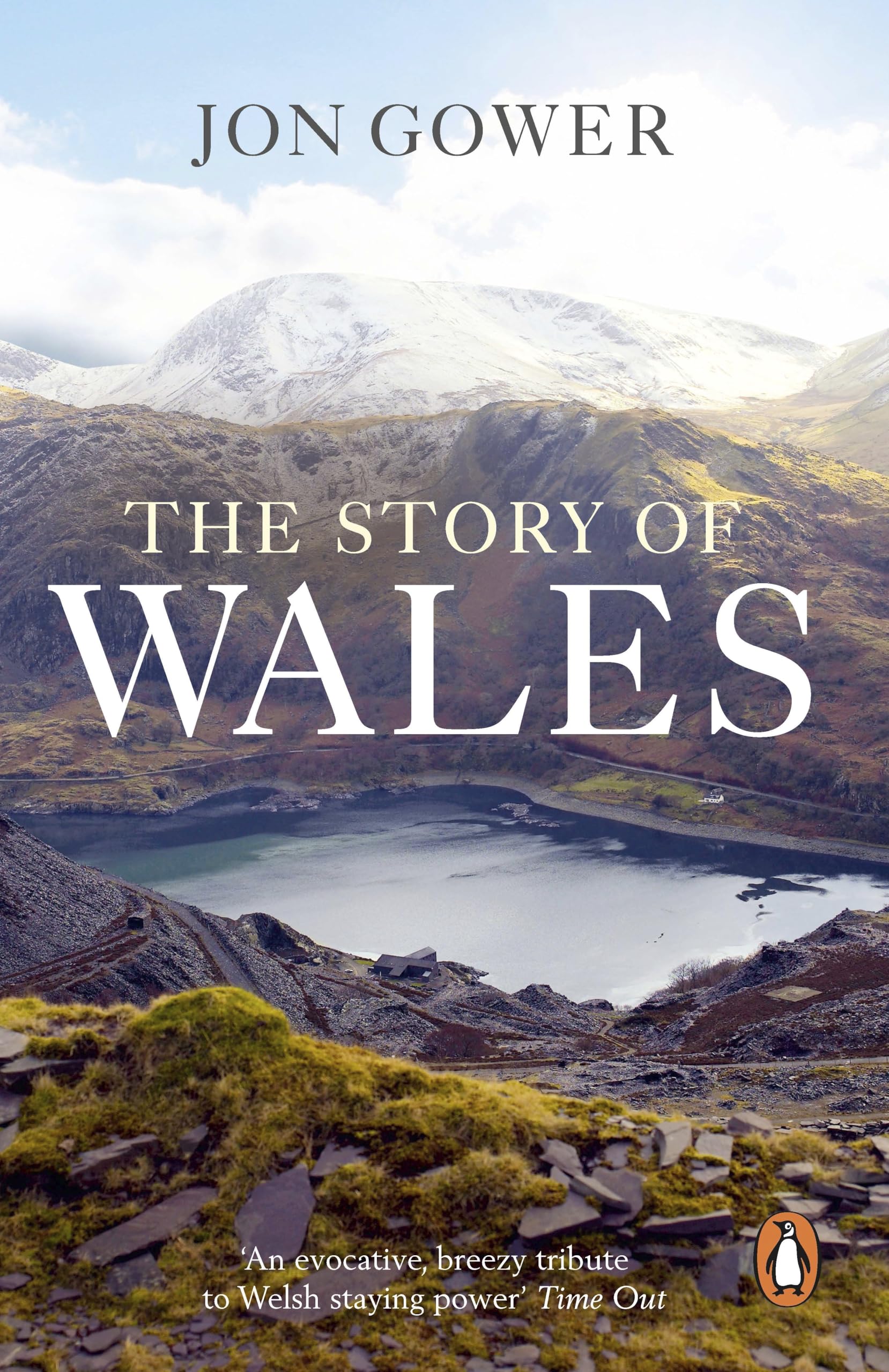
The Story of Wales — Jon Gower Jon Gower’s The Story of Wales presents Welsh history as an engaging narrative, tracing the people, events and landscapes that have shaped the country. Accessible without being superficial, it is a particularly good introduction for readers who want to understand the historical background behind many of the castles, towns and cultural traditions encountered when travelling through Wales.

A History of Wales — John Davies John Davies’s A History of Wales offers a more extensive account of the country’s political, social and cultural development. Its broad historical perspective provides valuable context for understanding medieval Wales, its relationship with England, the development of Welsh national identity and the remarkable architectural heritage represented by landmarks such as Conwy and Caernarfon castles.

As an Amazon Associate, I may earn from qualifying purchases.
Opera and Historic Venues Across Europe
Explore additional guides featuring historic venues, castles, private estates, and distinguished locations across the United Kingdom and Europe.