
In This Guide
- Planning Opera Performances in England’s Historic Estates & Country Houses
- Why Historic English Estates Are Perfect for Live Opera
- Planning the Performance: What to Discuss with the Venue
- The Cotswolds, Oxfordshire & England’s Country House Tradition
- Country House Hotels & Historic Event Venues
- London’s Historic Hotels, Private Clubs & Embassy Culture
- Destination Weddings in England & the Wider British Isles
- Choosing the Perfect Historic Venue for Live Opera
- Frequently Asked Questions About Hiring an Opera Singer in England
- Recommended Books on England’s Historic Houses & Heritage
Considering hiring an opera singer in England for a luxury wedding, private celebration, gala dinner or corporate event? This guide explores some of England’s most distinguished castles, stately homes, country house hotels and historic estates, offering practical guidance on venue acoustics, musical repertoire, accompaniment and the planning of a memorable live opera performance.
I am Vasili Karpiak, a London-based professional opera tenor performing at weddings, private celebrations and events throughout England and the UK. My repertoire includes Italian opera, bel canto and Neapolitan songs.
In this guide, I explore England’s historic venues and the practical considerations involved in arranging live opera, from acoustics and accompaniment to repertoire and performance planning.
For enquiries, view my opera singer booking information.
Planning Opera Performances in England’s Historic Estates & Country Houses
Considering hiring an opera singer in England for a private celebration, gala dinner, wedding or corporate event?This guide explores England’s most distinguished castles, stately homes, manor houses and historic estates, with practical insights into choosing a venue, acoustics, repertoire, guest experience and planning a live opera performance. Whether you’re a private client, wedding planner, luxury venue or international event organiser, it offers ideas and practical guidance for booking opera singers for events across England.
From Blenheim Palace, Highclere Castle and Cliveden House to Castle Howard, Belvoir Castle and England’s renowned country estates, these remarkable venues combine architectural grandeur, refined hospitality and distinctive settings for classical singing. The guide also explores country house weddings, grand hotels, historic estate traditions, London’s private clubs, venue acoustics and the practical considerations involved in hiring an opera singer for a private event in England.
Why Historic English Estates Are Perfect for Live Opera
England’s great country houses, castles and stately homes have long been associated with hospitality, private entertaining and cultural life. Their drawing rooms, galleries and reception halls provided settings for music, conversation and distinguished gatherings, creating a historical connection between the English country house tradition and live classical performance.
For an opera singer, these buildings offer fascinating possibilities, but their architectural character must be considered carefully. A wood-panelled drawing room, a vaulted stone hall and a grand staircase each create different acoustic conditions. Room dimensions, reflective surfaces, reverberation and the position of guests influence vocal clarity, musical balance and the choice of accompaniment. A beautiful historic interior is not automatically an ideal performance space; thoughtful planning allows the music to complement its surroundings.
Today, England’s historic estates provide distinctive settings for luxury weddings, private celebrations, gala dinners and corporate hospitality. A tenor performance might form part of a wedding ceremony, introduce a champagne reception or become the musical centrepiece of an elegant evening gathering. The most successful arrangements consider not only the repertoire, but also the atmosphere of the occasion, the acoustics of the chosen room and the moment at which guests will experience the performance.
Blenheim Palace, England

Blenheim Palace is a UNESCO World Heritage Site celebrated for its baroque architecture, landscaped parkland and long association with British cultural life. Throughout the year, the estate hosts prestigious automotive showcases, seasonal festivals, refined private receptions and cultural events that continue to attract international visitors to Oxfordshire and the English countryside.
British School, eighteenth century — Blenheim Palace, Oxfordshire. National Trust Collection via Art UK.
For a private celebration or gala event at a property of this scale, the choice of performance space is particularly important. A formal reception room, a grand interior and an outdoor terrace can each require a different approach to vocal projection, accompaniment and guest positioning. An operatic aria may provide a memorable centrepiece for an evening reception, while a shorter selection of Italian songs can suit a more intimate gathering. Before confirming the programme, the event organiser should establish the proposed performance location, the availability of a suitable piano or sound system, and the arrangements for access and preparation. Visit Blenheim Palace
Historic engraving of Blenheim Palace from Jones’s Views of the Seats of Noblemen and Gentlemen (1829). Public domain via Wikimedia Commons.

Highclere Castle, Hampshire

Highclere Castle, internationally recognised as the principal filming location for Downton Abbey, offers a distinctive example of England’s country house heritage. When considering a live opera performance at a historic property of this kind, the most important decision is the choice of performance space. A formal interior, reception room or outdoor setting may present different requirements for vocal projection, accompaniment and guest positioning. The proposed location, access arrangements, availability of a piano and timing within the event programme should all be discussed with the venue in advance. Visit Highclere Castle
Cliveden House, Buckinghamshire
Cliveden has a long history as a country estate overlooking the River Thames. The present Italianate house dates from the nineteenth century and was designed by Charles Barry. Its history provides useful context for the tradition of music and private entertaining associated with England’s great country houses, without determining how a modern performance should be organised.

Historic country houses were designed around a variety of reception rooms, dining spaces, terraces and gardens rather than a single purpose-built performance area. For a contemporary event, the specific space being used is therefore more important than the reputation or scale of the estate itself when considering acoustics, guest positioning and accompaniment.
William Tomkins (c.1732–1792), A View of Cliveden, from the National Trust Collection. Public domain image via Wikimedia Commons.
The contrast between the historic view of Cliveden and the estate today also illustrates how these properties have evolved while retaining their architectural character.

Today, Cliveden operates as a luxury country house hotel within National Trust grounds, combining historic surroundings with contemporary hospitality and event services. For a private opera performance, this creates opportunities for close coordination between the singer, the event organiser and the venue’s hospitality team. A featured aria might be arranged around a formal dinner or private celebration, while a more intimate programme of Italian songs could complement a smaller gathering. The precise performance space, guest arrangement, accompaniment, access and timing should be agreed in advance, ensuring that the music becomes an integral part of the occasion rather than an interruption to it. Visit Cliveden House
Leeds Castle, Kent

Leeds Castle, surrounded by its lake and landscaped grounds in Kent, illustrates the particular considerations involved in presenting live opera outdoors. Unlike an enclosed drawing room or historic hall, an open-air setting provides little natural reverberation or acoustic support. Wind, background noise, the distance between performer and guests, and the positioning of accompaniment can all affect the musical experience. For a wedding reception or private celebration, it is therefore important to establish whether discreet sound reinforcement is required and to agree on a suitable indoor alternative in case of poor weather. Visit Leeds Castle
Thornbury Castle, Gloucestershire
Thornbury Castle, Gloucestershire, by John Inigo Richards (1731–1810). Yale Center for British Art.

Thornbury Castle offers a useful contrast with England’s larger palaces and country estates. Its historic Tudor character provides an evocative setting in which a smaller private gathering may benefit from a more intimate approach to live classical music. In a suitably proportioned room, a tenor recital with piano accompaniment can create a direct musical connection between performer and guests, allowing the subtleties of phrasing, diction and expressive interpretation to be appreciated at close range. The precise room dimensions, piano availability, audience arrangement and acoustic conditions should nevertheless be established with the venue before selecting the programme. Visit Thornbury Castle
Hever Castle, Kent
Hever Castle, associated with the childhood of Anne Boleyn, combines historic interiors with extensive gardens and landscaped grounds. For a wedding or private celebration at a property of this kind, the timing of a live opera performance can be as important as the setting itself. A carefully chosen Italian song might provide a musical highlight during a reception, while a more dramatic operatic aria may be better suited to a dedicated moment when guests can give the performance their full attention. Where an event moves between gardens and interior rooms, the singer’s position, accompaniment, guest movements and any necessary sound arrangements should be coordinated with the organiser in advance. Visit Hever Castle

Castle Howard, North Yorkshire

Castle Howard, one of North Yorkshire’s most celebrated historic estates, illustrates the importance of coordinating a live opera performance within a large country house setting. A private celebration may involve several distinct spaces, with guests moving between reception rooms, formal interiors and landscaped grounds. For a featured tenor performance, the organiser should establish not only the chosen location but also how the singer and accompanist will reach it, where musical preparation can take place, and how the performance will be integrated into the event schedule. These arrangements become particularly important when the music is intended as a surprise or a carefully timed highlight of the evening.
Castle Howard in North Yorkshire. Image by Pexels from Pixabay.
The historic image also helps place Castle Howard within the longer development of the English country estate. For a modern event, however, architectural scale alone does not determine whether a space will work well for live opera. The actual room or outdoor area, its acoustic character and the position of guests and accompaniment are the more useful considerations.
Historic view of Castle Howard in North Yorkshire. Public domain artwork via Wikimedia Commons / National Trust.

Warwick Castle, Warwickshire
Warwick Castle illustrates the contrasting acoustic environments found within England’s medieval castles. An enclosed historic chamber may provide natural reverberation and a sense of intimacy, while an open courtyard presents different challenges for vocal projection, accompaniment and audience positioning. For a private celebration or formal event, the choice of performance space should therefore guide the musical programme and technical arrangements. A dramatic operatic aria may be particularly effective when presented as a dedicated musical highlight, provided that the singer can be heard clearly and guests have an unobstructed view. Access, preparation facilities and any amplification requirements should be confirmed with the venue in advance.
Canaletto, Warwick Castle, the East Front from the Courtyard (1752). Original painting in the Birmingham Museum and Art Gallery. Digital photograph by DeFacto, licensed under CC BY-SA 4.0 via Wikimedia Commons.

Dover Castle, Kent
Dover Castle represents a different type of historic property: a large medieval fortress rather than a country house. In a complex of this kind, access and movement between spaces become particularly relevant to event planning. The singer’s arrival route, preparation area, performance position and any equipment required should be considered alongside the musical programme itself.

At an extensive historic fortress such as Dover Castle, practical access can be as important as the musical programme itself. A performance involving a pianist, portable sound equipment or other technical requirements may need additional coordination, particularly where the chosen location is some distance from the arrival point. The event organiser should establish suitable loading arrangements, a private space for vocal preparation, the route to the performance area and sufficient time for any necessary sound checks. These considerations should be discussed with the venue before confirming the performance arrangements.
Belvoir Castle, Leicestershire
Belvoir Castle occupies an elevated position above the surrounding countryside and provides another example of the relationship between a historic building and its wider estate. Where an event uses both interiors and grounds, the musical plan should distinguish clearly between indoor and outdoor performances rather than assuming that the same arrangement will work in both environments.

At an estate such as Belvoir Castle, the relationship between the principal building and its surrounding grounds creates opportunities for different styles of musical presentation. An intimate indoor gathering may suit a focused programme of Italian songs or operatic arias, while an outdoor reception requires greater attention to guest distribution, background noise and the balance between voice and accompaniment. Rather than assuming that one performance arrangement will suit every location, the musical programme and technical requirements should be planned around the specific space selected for the event.
William Daniell, Belvoir Castle, Rutland. Yale Center for British Art. Public domain image via Wikimedia Commons.
Hedingham Castle, Essex

Hedingham Castle provides a particularly instructive example of how historic stone interiors influence the acoustics of live classical singing. Stone walls and a high interior volume can produce a more reverberant response than a carpeted drawing room or modern event space.
That does not automatically make the room better or worse for opera. It means that repertoire, tempo, diction, singer position and the balance with accompaniment need to take the acoustic into account. Guest placement can also affect how directly the performance is heard. Visit Hedingham Castle
Arundel Castle, West Sussex
Arundel Castle, overlooking the River Arun in West Sussex, is another example of a historic property where the wider setting and the individual performance space need to be considered separately. A castle may provide a striking visual context for an event, but the practical suitability of a live opera performance depends on the particular room, terrace, garden or other area selected.
For a private celebration at a historic venue such as Arundel Castle, the timing of a live opera performance deserves particular attention. A tenor singing immediately after a speech, during a formal reception or as a surprise before dinner can create a memorable musical moment, but each arrangement requires careful coordination. The singer should have a clear entrance, an appropriate position in relation to the guests and accompanist, and sufficient time to prepare before performing. Where the event involves movement between different rooms or outdoor areas, the performance schedule should be agreed in advance so that the music becomes a natural part of the occasion rather than an interruption.
Stanley Larpent Allan, View across the River Arun with Arundel Castle in the Background. Public domain image via Wikimedia Commons.

For private opera performances, weddings and events across England and Europe, view performance and booking information.
Planning the Performance: What to Discuss with the Venue
Once the performance space has been chosen, the next stage is to coordinate the practical details with the venue, event planner or organiser. A successful opera performance depends not only on repertoire, but also on where the singer will perform, how the accompaniment will be arranged, when the performance will begin and how it fits into the wider running order of the event.
Performance Position, Sightlines & Cueing
The singer’s position should be established before the event. In a historic house this might be at the end of a reception room, beside a piano, on a staircase or gallery, or at an entrance point for a surprise performance. The singer needs sufficient space to perform comfortably, clear visual contact with the accompanist where relevant, and a position from which guests can both hear and see the performance.
Cueing is particularly important when opera is incorporated into a wedding, dinner or private celebration rather than presented as a formal concert. If the performance follows speeches, dinner service or the movement of guests between rooms, the singer, accompanist and planner should know exactly who will give the cue and when the performance is expected to begin.
Piano, Accompaniment & Setup
If a piano is required, its availability and location should be confirmed with the venue in advance. The presence of a piano somewhere within a country house does not necessarily mean that it is available in the room selected for the performance or that it can easily be moved there. The position of the instrument should also allow the singer and pianist to maintain effective musical and visual communication.
Where a live pianist is impractical or the event calls for a different presentation, professionally prepared accompaniment tracks may offer a suitable alternative. Playback quality is particularly important for classical singing: the equipment should reproduce the accompaniment clearly, with sufficient control over volume and balance. Speaker positioning, power requirements and a sound check should be arranged in advance, ideally before guests enter the performance area.
A Private Space for Vocal Preparation
A professional singer should have access to an appropriate private space before performing. Ideally, this should be a reasonably warm room where the singer can change, organise music, prepare and warm up without being heard by guests.
The location of this space also matters. For a precisely timed or surprise entrance, the singer needs to be able to reach the performance position without unnecessary delay or passing through the main guest area immediately beforehand. This is a small logistical detail that is worth confirming with the venue or planner in advance.
Amplification & Sound Requirements
A professionally trained operatic voice does not automatically require amplification. In many indoor settings, an acoustic performance may be entirely appropriate. The decision should depend on the particular room, its acoustic response, the position and distribution of guests, the accompaniment and the level of background noise rather than simply the number of people attending.
Outdoor performances and marquees require separate consideration. In open-air settings, the absence of enclosing surfaces reduces the reflected sound that would otherwise contribute to the listening experience indoors. Wind, distance, background conversation and the distribution of guests can further affect clarity. Marquees present their own acoustic conditions depending on their construction and layout. Discreet sound reinforcement may therefore be appropriate, particularly where guests are spread across a large area or the accompaniment is amplified.
Timing, Access & Weather Contingencies
The performance should be incorporated into the event schedule rather than treated as an isolated addition. Speeches, dinner service, photography and the movement of guests between rooms can all affect the actual starting time, so it is useful to establish a clear performance window and a reliable cue with the planner or venue team.
Arrival and access should also allow sufficient time for preparation and any necessary coordination with the pianist, planner or sound team. If the performance is planned for a garden, courtyard or terrace, an indoor alternative should be agreed in advance in case weather conditions make the original location unsuitable.
The Cotswolds, Oxfordshire & England’s Country House Tradition
The Cotswolds and neighbouring areas of Oxfordshire, Gloucestershire and Berkshire are associated with some of England’s most distinctive country-house settings, from historic manor houses and landscaped estates to elegant hotels and intimate private residences. These surroundings lend themselves to weddings, anniversary celebrations and bespoke gatherings where live classical music can become part of the occasion. An operatic performance in a drawing room or historic hall offers a different experience from a conventional concert: the audience is closer to the singer, and the music becomes an immediate, personal element of the celebration.
Musical programming can reflect the character of the occasion. A wedding ceremony may call for a lyrical, restrained selection, while an evening celebration might build towards a dramatic operatic aria or a familiar Italian song. For longer private gatherings, a short recital can offer a more developed musical experience, combining contrasting moods and repertoire. The essential consideration is to choose music that suits the audience, setting and atmosphere, rather than selecting famous arias solely for their recognition value.
Country House Hotels & Historic Event Venues
Country house hotels offer a distinctive setting for live opera, combining historic architecture and landscaped grounds with accommodation, dining and dedicated event services. Unlike castles and estates operating primarily as visitor attractions, these properties can provide an integrated setting for weddings, private dinners and multi-day celebrations. The choice of performance space remains important, whether the occasion calls for an intimate recital in a drawing room, a surprise operatic appearance during dinner or a musical highlight at an outdoor reception. The examples below illustrate some of England’s notable country house hotels and their potential for memorable private musical occasions.
Coworth Park, Berkshire
Coworth Park, near Ascot, combines a country-estate setting with the facilities of a hotel and dedicated event venue. For live opera, the important distinction is between performances in an indoor event or dining space and those planned for a terrace, garden or reception outside. The chosen location will influence singer placement, accompaniment and whether any sound reinforcement needs to be considered. Visit Coworth Park
Beaverbrook, Surrey
Beaverbrook offers a mixture of historic interiors, smaller rooms, gardens and event spaces, including the Orangery. This variety is useful when considering how the format of a performance should respond to the space. A close-range performance during dinner, for example, requires different positioning and balance from music presented to guests gathered in a larger reception area or outside. Visit Beaverbrook
Heckfield Place, Hampshire
Heckfield Place combines a Georgian country house with contemporary event spaces and extensive grounds. Where an event moves between interiors and outdoor areas, the performance plan should establish precisely where the music will take place rather than treating the property as a single acoustic environment. Access, guest movement and the transition between different stages of the event can be as important as the repertoire itself. Visit Heckfield Place
Chewton Glen, Hampshire
Chewton Glen, close to the New Forest and Hampshire coast, accommodates both smaller private gatherings and larger celebrations. For an opera performance, the scale and layout of the particular event space should guide the format: an intimate room may suit a short acoustic programme with guests nearby, while a larger reception or outdoor gathering may require a different approach to positioning, accompaniment and sound. Visit Chewton Glen
Lucknam Park, Wiltshire
Lucknam Park combines a historic country house, accommodation and extensive grounds within one property. For weddings and multi-part private events, this can allow live music to be incorporated at a particular point in the day rather than presented as a separate concert. The performance location, preparation space, accompaniment and route between the singer’s preparation area and the guests should still be agreed in advance. Visit Lucknam Park
Planning Live Opera at a Country House Hotel
A country house hotel can accommodate different musical formats within the same celebration, from an operatic appearance during a wedding ceremony or drinks reception to a surprise performance after speeches or a more substantial private recital. The choice of repertoire, duration and accompaniment should reflect the occasion, allowing the music to complement the atmosphere and flow of the event.
The English Tradition of Country House Entertaining
For centuries, England’s great country houses served as centres of social and cultural life, where aristocratic families entertained guests with formal dinners, music and elegant gatherings. Long before public concert halls became widespread, singers and instrumentalists performed in drawing rooms, galleries and reception halls, making live music an integral part of country house hospitality.
Today, luxury weddings and private celebrations at historic English estates continue this tradition in a contemporary setting. With their distinctive architecture, landscaped grounds and intimate reception spaces, these properties provide a natural setting for live opera, connecting modern celebrations with England’s longstanding heritage of private musical entertainment.
From Country Estates to London’s Grand Society
England’s tradition of elegant entertaining has long connected its country estates with London’s historic hotels, private clubs and diplomatic residences. From Mayfair and Belgravia to St James’s and Westminster, the capital continues to host prestigious private celebrations and cultural gatherings. Whether at a country house in the Cotswolds, a five-star London hotel or an exclusive private club, live opera brings a sense of occasion and artistic refinement that connects these distinguished settings.
London’s Historic Hotels, Private Clubs & Embassy Culture
Historic institutions and private members’ clubs throughout Central London remain closely associated with Britain’s long tradition of aristocratic society, diplomacy, cultural patronage and refined private hospitality. Clubs such as Annabel’s in Mayfair, 5 Hertford Street, The Arts Club, White’s in St James’s, Brooks’s, and Boodle’s continue to embody a style of London society shaped by discretion, heritage, private entertaining and longstanding social tradition.
Beyond London’s historic clubs and grand hotels, England’s luxury social calendar also extends into the world of polo tournaments, concours d’élégance gatherings, vintage automotive showcases, historic racing events and country estate celebrations associated with high-net-worth international society. Events such as Guards Polo Club in Windsor, The Hurlingham Club in Fulham, the Goodwood Festival of Speed, the Goodwood Revival, and the Concours of Elegance at Hampton Court Palace remain closely associated with British heritage, luxury lifestyle culture and refined private hospitality.
These environments combine historic architecture, English countryside tradition, collector culture, ceremonial elegance and international luxury tourism in a way uniquely associated with Britain’s social and cultural identity. Within such surroundings, live opera performances naturally complement black-tie receptions, gala evenings, private dinners and refined cultural gatherings, adding atmosphere and artistic presence to events shaped by heritage, prestige and timeless European sophistication.
Historic Private Members’ Clubs Beyond London
England’s private-club tradition extends well beyond the capital, with distinguished institutions offering historic surroundings for weddings, private dinners, corporate hospitality and cultural gatherings. The Royal Automobile Club at Woodcote Park in Surrey combines an extensive country estate with elegant banqueting rooms, while The Clifton Club in Bristol offers Regency interiors for private celebrations and formal entertaining. In northern England, The Athenaeum in Liverpool continues the tradition of distinguished club hospitality, with facilities for private dining, weddings and corporate events.
Such settings offer opportunities to incorporate live opera into a carefully planned occasion, whether through a short tenor performance during a reception, a selection of Italian songs after dinner or a more substantial private recital. The musical programme can be tailored to the character of the gathering, with arrangements for performers and accompaniment agreed with the individual venue.
English Heritage, Aristocratic Architecture & Cultural Atmosphere
England’s historic estates reflect centuries of architectural ambition, artistic patronage and private entertaining. From Tudor residences and Georgian manor houses to Palladian country houses and Victorian halls, these properties have long provided settings for formal gatherings, music and cultural life. Their grand staircases, portrait galleries, libraries and landscaped gardens continue to lend a distinctive atmosphere to weddings, private celebrations and prestigious events.
Historic properties such as Chatsworth House, Wilton House, Woburn Abbey, Harewood House, Blenheim Palace and Hatfield House illustrate the richness of England’s country-house heritage. Within such architectural surroundings, a live operatic performance can bring an additional dimension to a private occasion, connecting classical music with the longstanding tradition of artistic entertainment in historic English settings.
Why Live Opera Creates Lasting Memories at Historic Venues
The most memorable celebrations are defined not only by their surroundings but by the experiences shared within them. Historic architecture provides an extraordinary setting, yet the expressive power of a live operatic voice can transform the atmosphere of a room. Unlike recorded music, a live performance creates an immediate connection between singer and audience, bringing dramatic expression, musical nuance and a sense of anticipation to the occasion.
Whether performed during a wedding ceremony, as a surprise after dinner or as the centrepiece of a private celebration, opera can create a moment of collective attention and emotion. A lyrical Italian song may bring warmth and intimacy, while a dramatic operatic aria can provide a powerful musical climax. Carefully chosen repertoire allows the performance to reflect the character of the event, creating an experience that guests may remember long after the celebration has ended.
Destination Weddings in England & the Wider British Isles
England offers international couples a distinctive setting for destination weddings, from historic country estates and castles to luxury hotels and intimate private residences. Celebrations may extend across several days, combining wedding ceremonies, drinks receptions, formal dinners and private musical performances. For guests travelling from overseas, these occasions can also form part of a wider itinerary incorporating London, Scotland, Wales or Ireland. A professional opera singer can contribute a memorable musical element, with repertoire and performance arrangements tailored to the occasion, venue and international audience.
Choosing the Perfect Historic Venue for Live Opera
Choosing a historic venue for live opera involves more than architectural style. The performance space, audience size, acoustics and format of the celebration all influence the most suitable musical programme. The comparison below outlines how different settings can accommodate operatic performances and the practical considerations that help determine the right approach.
| Venue Type | Suitable Performance Format | Key Considerations | Typical Occasions |
|---|---|---|---|
| Historic Castle | Featured operatic arias or a short formal programme | Performance location, access, reverberation and guest sightlines | Weddings, gala dinners, private celebrations |
| Country House | Italian songs, operatic highlights or an intimate recital | Room dimensions, piano availability and audience proximity | Private dinners, anniversaries, wedding receptions |
| Stately Home | Operatic programme with live piano accompaniment | Instrument availability, room acoustics and event scheduling | Formal receptions, weddings, cultural events |
| Historic Manor House | Acoustic vocal performance or a short classical recital | Audience size, available space and musical balance | Family celebrations, intimate weddings, anniversary dinners |
| Luxury Hotel | Operatic highlights, Italian songs or a surprise performance | Coordination with hospitality staff, timing and background noise | Corporate events, weddings, private dinners |
| Private Members’ Club | Short recital, featured aria or after-dinner performance | Club permissions, room access, guest arrangements and timing | Private functions, formal dinners, receptions |
| Garden or Terrace | Short outdoor programme with suitable accompaniment | Weather contingency, wind, sound coverage and power | Summer weddings, garden parties, drinks receptions |
| Historic Chapel | Ceremony-appropriate classical or sacred repertoire | Venue rules, musical permissions, reverberation and accompaniment | Wedding ceremonies, memorial services |
Frequently Asked Questions About Hiring an Opera Singer in England
These frequently asked questions cover the practical aspects of arranging live opera for weddings, private celebrations and corporate events throughout England, from choosing repertoire and accompaniment to performance duration, venue requirements and booking arrangements.
Can an opera singer perform at castles, manor houses and historic estates?
Yes, subject to the venue’s permission and event arrangements. Castles, country houses and historic estates can provide beautiful settings for live classical singing. The suitability of a particular space depends on its acoustics, available facilities, guest arrangements and any restrictions imposed by the venue.
Is live opera suitable for weddings in England?
Live opera can be incorporated into wedding ceremonies, drinks receptions, wedding breakfasts and evening celebrations. A lyrical Italian song may suit an intimate moment, while a dramatic operatic aria can create a memorable musical highlight. The programme should reflect the couple’s preferences and the character of the occasion.
Can an opera performance take place outdoors?
Yes. Gardens, terraces and courtyards can provide attractive settings for outdoor performances. However, wind, background noise, audience distribution and the absence of natural acoustic reflections may affect sound clarity. Discreet amplification can be considered where appropriate, and an indoor alternative should be arranged in case of unsuitable weather.
Which operatic arias and songs are suitable for weddings and private events?
Popular choices include Puccini’s Nessun dorma, Italian songs such as ‘O sole mio and Torna a Surriento, and familiar crossover repertoire including Time to Say Goodbye. The selection should consider the musical character and dramatic context of each piece, as well as the event’s atmosphere. A balanced programme can combine lyrical, intimate music with more dramatic operatic highlights.
Can an opera singer perform with a pianist or instrumental ensemble?
Yes. Voice and piano is a traditional and particularly effective format for intimate classical performances. Other instrumental arrangements may be possible depending on the repertoire, venue and event requirements. Professionally prepared accompaniment tracks can also be considered where live instrumental accompaniment is impractical.
Is amplification necessary for a professional opera singer?
Not necessarily. A professionally trained operatic voice can often be heard clearly without amplification in suitable indoor spaces. Larger venues, outdoor receptions, marquees or events with significant background noise may benefit from discreet sound reinforcement. The decision should be based on the actual performance environment rather than guest numbers alone.
How much does it cost to hire a professional opera singer in England?
Fees depend on the duration and format of the performance, travel requirements, accompaniment and any additional preparation or technical arrangements. A short appearance at a private dinner will have different requirements from a bespoke recital or multi-part wedding programme. A personalised quotation can be provided once the date, venue, location and intended performance format are known.
How far in advance should an opera singer be booked?
Booking several months in advance is advisable for weddings, major celebrations and events requiring a pianist or bespoke programme. Early enquiries allow more flexibility when coordinating repertoire, performance times and travel. Short-notice bookings may also be possible, depending on availability.
Can an opera performance be arranged as a surprise?
Yes. A surprise tenor performance can be arranged after speeches, during a drinks reception, before dinner or as a featured moment in an evening celebration. Successful surprise performances require discreet coordination with the organiser, including a clear entrance, preparation space and agreed cue.
How long does a typical opera performance last?
There is no fixed duration. A featured performance might last approximately 15–20 minutes, while other events may call for a single aria, several shorter appearances or a more substantial recital. The programme should be planned around the event schedule and the musical experience the host wishes to create.
Can opera be arranged for corporate events, private clubs and diplomatic receptions?
Yes, where the event organiser and venue permit live performance. Opera can provide a distinctive musical element for formal dinners, corporate hospitality, charity galas, private members’ club functions and diplomatic receptions. Repertoire, duration and presentation can be tailored to the occasion, with practical arrangements agreed in advance.
Can a professional opera singer travel throughout England for private events?
Yes. London-based professional tenor Vasili Karpiak accepts enquiries for weddings, private celebrations and corporate events throughout England, including the Cotswolds, Oxfordshire, Surrey, Berkshire, Kent, Yorkshire and other regions. Travel arrangements and any associated costs can be discussed when preparing a quotation.
Recommended Books on England’s Historic Houses & Heritage
Amazon Affiliate Disclosure: As an Amazon Associate I earn from qualifying purchases. These recommendations are curated to enhance your appreciation of opera, heritage venues, and events.
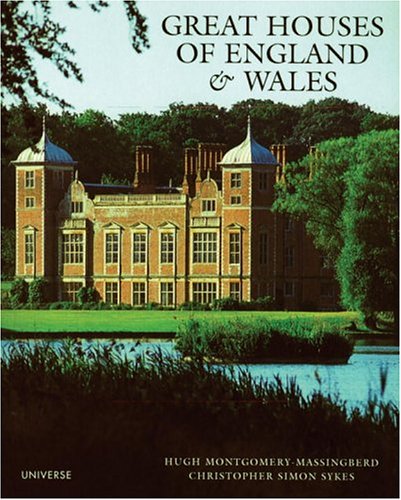
Great Houses of England & Wales
A beautifully illustrated journey through many of Britain’s finest country houses, showcasing their architecture, history and magnificent interiors. An inspiring choice for readers interested in England’s historic estates and elegant heritage venues.
Historic Houses of the United Kingdom
A richly illustrated introduction to Britain’s historic houses, exploring their architecture, heritage and enduring cultural significance. Ideal for readers seeking inspiration from some of the country’s most remarkable historic properties.


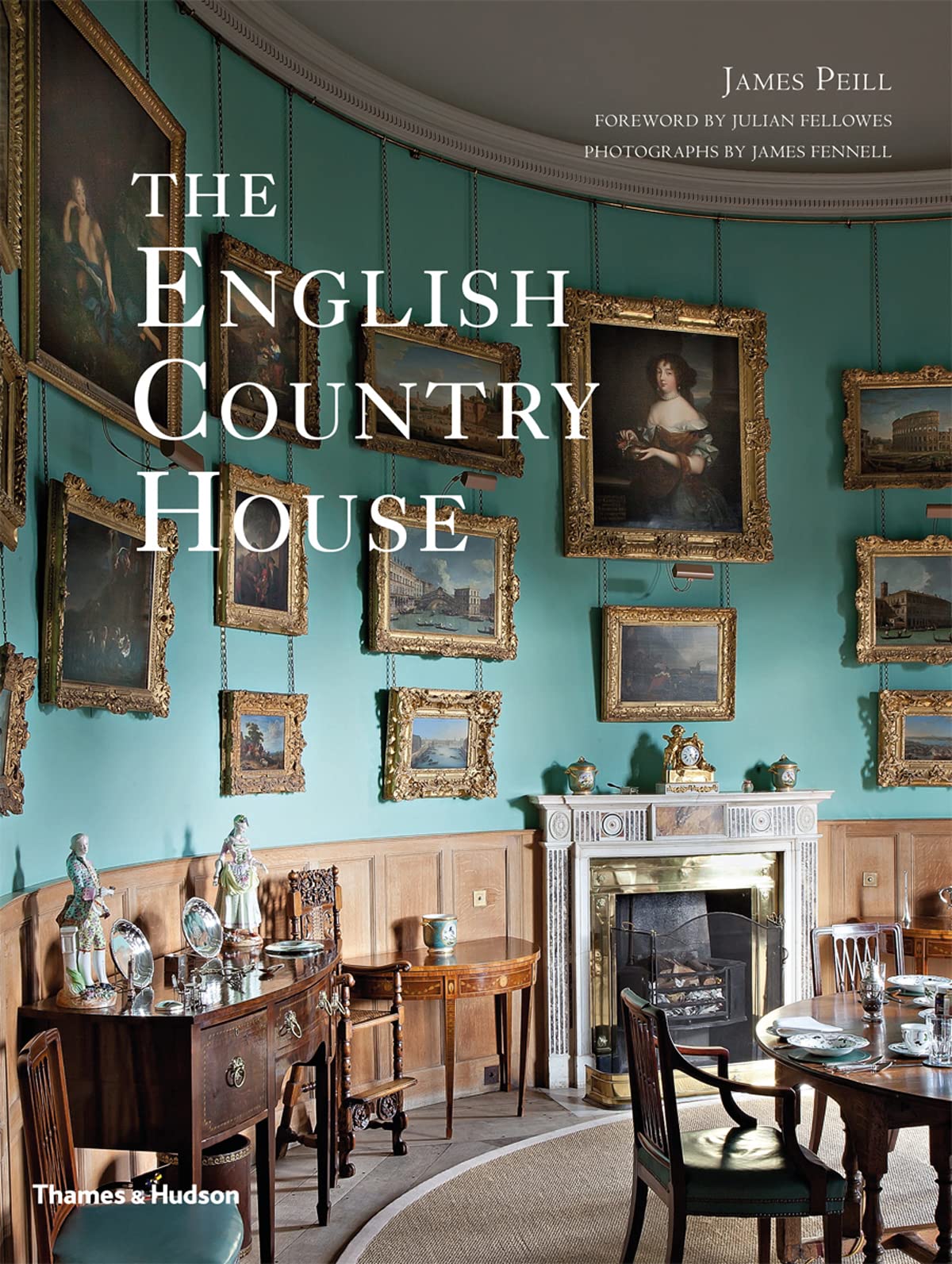
The English Country House – James Peill
A beautifully produced coffee table book celebrating the elegance, interiors and traditions of England’s country houses. Rich photography and engaging commentary make it an excellent companion for heritage enthusiasts and event planners alike.
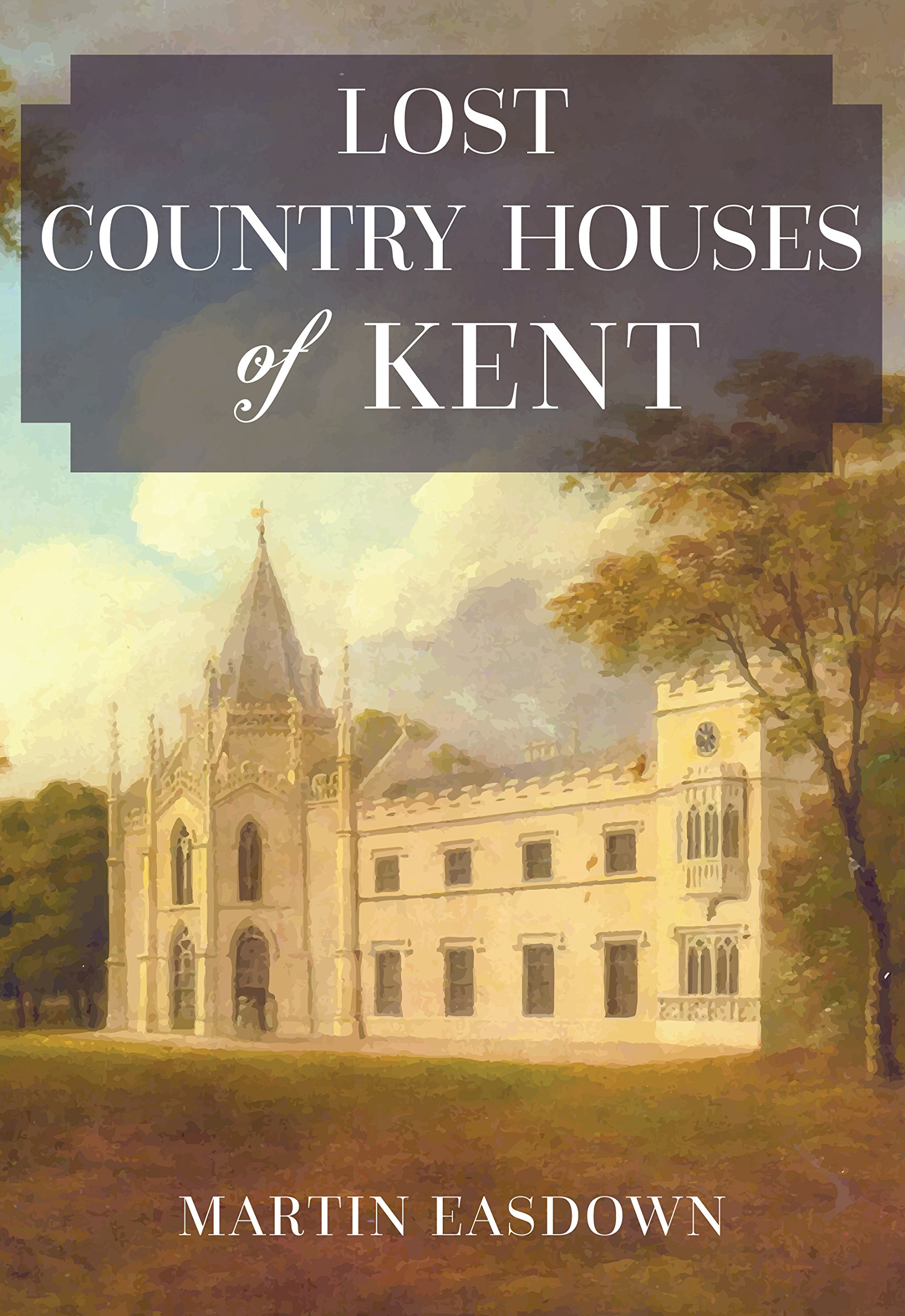
Lost Country Houses of Kent – Martin Easdown
A meticulously researched account of more than 120 lost country houses across Kent, documenting estates that once formed an important part of England’s architectural and social history. Richly illustrated, it offers valuable insight into the heritage of one of Britain’s most historic counties.
Debrett’s Handbook: Coronation Edition – Elizabeth Wyse (Editor)
The definitive modern guide to British etiquette, ceremonial tradition and formal entertaining, updated for the Coronation era. An authoritative reference for anyone interested in protocol, refined hospitality and the enduring traditions of British social life.
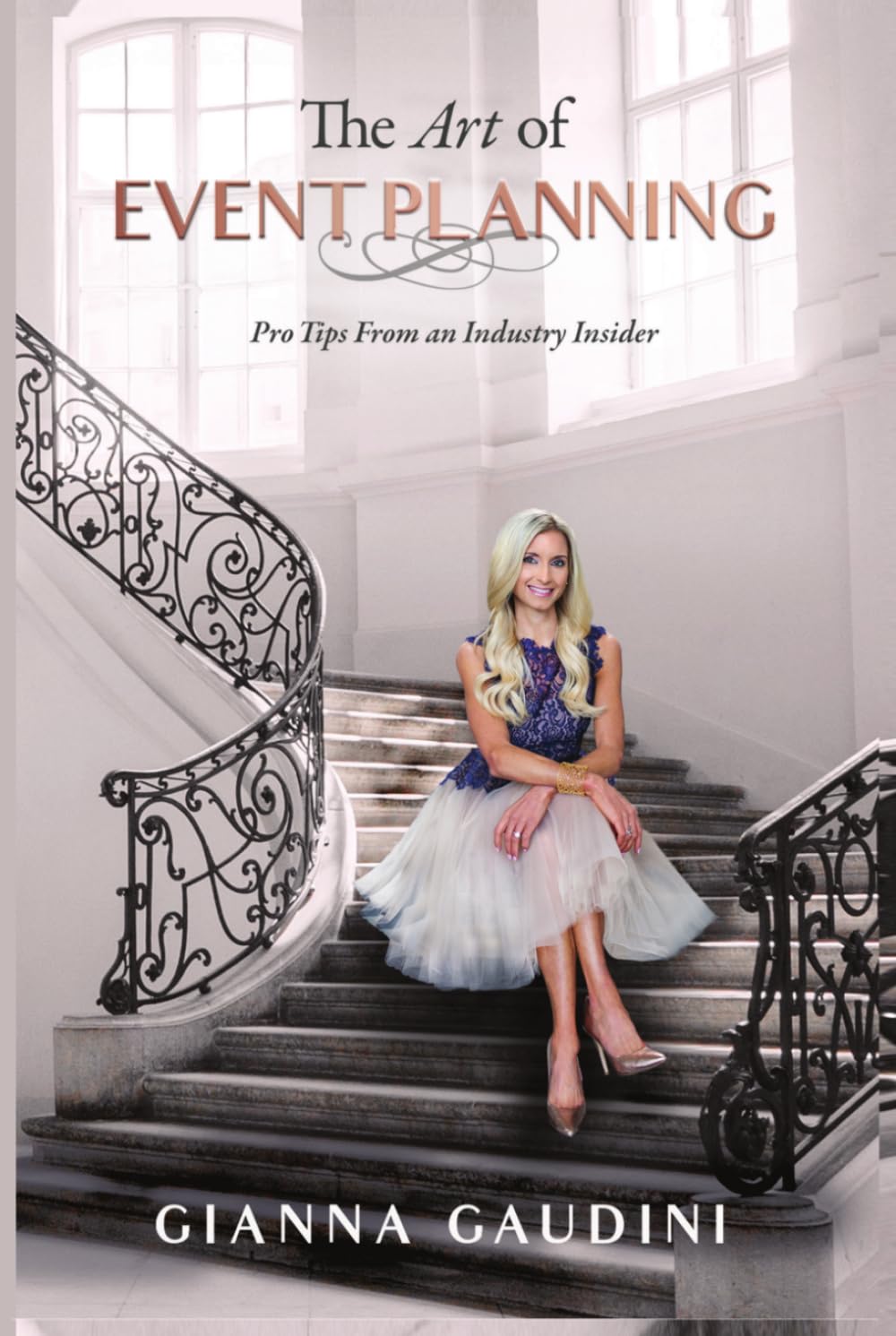
The Art of Event Planning – Gianna Gaudini
A practical guide to organising refined, memorable events, covering guest experience, logistics and working with creative professionals to deliver exceptional occasions.
For those seeking an exceptional operatic performance within England’s finest castles, country houses and historic estates, discover how an internationally trained Italian tenor can become part of your celebration. Enquire About an Opera Performance
Related European Opera & Luxury Event Guides
Luxury Castles & Opera Events in Scotland
Opera for Irish Castle Weddings & Private Events
French Châteaux & Luxury Opera Events
Opera Performances in Switzerland’s Alpine Venues
Opera Performances Across Germany’s Historic Venues
Book an Italian Tenor for Weddings & Luxury Events