
Claude Monet, The Houses of Parliament, Sunset, London (1904). Public domain via Wikimedia Commons
In This Guide
- Hiring an Opera Singer for Mayfair Private Clubs
- Planning Opera Dinners at London’s Grand Hotels
- Rooftop Opera Experiences in London
- Planning Opera for Embassy & Diplomatic Receptions
- Choosing Historic London Venues for Live Opera
- Hiring an Opera Singer for Luxury Weddings in London
- Booking Opera Singers for Corporate Events in London
- Opera Singers for TV Commercials, Film & Advertising Campaigns
- Italian Songs & Neapolitan Music in London
- Planning Seasonal Opera Events in London
- Choosing the Right Venue for Live Opera
- Frequently Asked Questions About Hiring Opera Singers in London
- How to Hire & Book an Opera Singer for an Event in London
- Recommended Books for Planning Events in London
London offers exceptional settings for live opera, from private Mayfair celebrations and intimate wedding receptions to black-tie dinners in historic hotels, diplomatic gatherings and prestigious corporate events. Choosing the right performance involves more than selecting a singer: the venue, repertoire, acoustics, accompaniment and timing all influence how guests experience the music.
I’m Vasili Karpiak, a London-based classical tenor specialising in opera, Italian songs and Neapolitan repertoire. My professional experience includes appearances on ITV and performances for Heart Radio, alongside private and corporate engagements across London and the UK. This guide explores how live opera can be incorporated into London’s distinctive venues, with practical considerations for event planners, private clients and international guests. For a bespoke performance, you can also enquire about booking an opera singer.
Hiring an Opera Singer for Mayfair Private Clubs
Mayfair’s private members’ clubs offer a distinctive setting for live opera, combining historic townhouses, intimate dining rooms and a tradition of private hospitality. For anniversaries, milestone birthdays, exclusive dinners and international celebrations, a professional opera singer can introduce a memorable musical moment without the formality of a staged concert.
Unlike a theatre or large ballroom, a private club requires careful consideration of the relationship between performer and guests. Room proportions, dining arrangements, acoustics and the timing of the performance all influence the choice of repertoire and accompaniment. A short, well-positioned programme will often be more effective than an extended recital.
Mayfair’s intimate interiors can offer a particularly engaging experience of the unamplified operatic voice. Guests seated close to the singer can appreciate subtle changes of vocal colour, phrasing and expression, while the performer can adapt the programme to the atmosphere of the room.
For smaller gatherings, lyrical Italian repertoire, selected opera arias and Neapolitan songs may provide an appropriate balance between musical distinction and accessibility. The programme should be chosen with the room’s acoustic response and the proximity of the audience in mind.
John Atkinson Grimshaw — Blackman Street, London (1885). Public domain

Private Dining and Celebrations in Mayfair’s Members’ Clubs
Annabel’s on Berkeley Square is known for its distinctive interiors and highly curated private hospitality. For a celebration incorporating live opera, the most important consideration is identifying a suitable room and agreeing how the performance will fit into the evening. A dedicated musical interlude can create a stronger impression than singing during active dining or conversation.
The Arts Club on Dover Street has longstanding associations with London’s artistic and cultural life. Its private entertaining spaces provide a different context for classical performance, where repertoire might be selected to complement an intimate dinner, cultural reception or special celebration.
In Shepherd Market, 5 Hertford Street is associated with discreet private hospitality. For events in such settings, the musical arrangements should respect the club’s requirements concerning access, equipment, guest privacy and the use of individual rooms.
Other established Mayfair clubs include Oswald’s, Maison Estelle, Mark’s Club and 67 Pall Mall. Each has its own character and approach to private entertaining, so the availability of a suitable performance space and permission for external musicians should be confirmed directly with the club.
Planning an Opera Performance in a Private Club
Private members’ clubs often operate differently from hotels and dedicated event venues. Membership arrangements, guest access, external suppliers and performance permissions may be subject to specific requirements. The event organiser should confirm these details before finalising the musical engagement.
For a successful performance, several practical considerations deserve attention:
- Room suitability: assess the dimensions, acoustic character, seating arrangement and available space for the singer.
- Performance timing: schedule the music between courses, after speeches or during a dedicated moment when guests can listen without interruption.
- Accompaniment: establish whether a suitable piano is available or whether an alternative arrangement is required.
- Discretion and access: coordinate arrival, equipment, rehearsal requirements and any privacy restrictions with the club’s events team.
- Repertoire: choose music that suits the occasion and the room, balancing lyrical expression with more dramatic operatic highlights where appropriate.
For an anniversary dinner or private celebration, a short programme of Italian songs and selected opera arias can create a memorable focal point without changing the character of the gathering. A carefully chosen final piece may also provide a natural transition into speeches, dessert or the next stage of the evening.
As a London-based classical tenor, I offer bespoke performances for private dinners, celebrations and exclusive events. For enquiries concerning a Mayfair members’ club or another private London venue, visit my opera singer booking page to discuss the occasion and proposed performance arrangements.
Planning Opera Dinners at London’s Grand Hotels

John Atkinson Grimshaw — Reflections on the Thames, Westminster (1880). Leeds Art Gallery. Public domain via Wikimedia Commons.
London’s grand hotels provide some of the capital’s most distinguished settings for live opera, combining architectural heritage, private hospitality and carefully orchestrated celebrations. From Mayfair’s Art Deco interiors to the ceremonial ballrooms of the Strand, these venues accommodate everything from intimate anniversary dinners to large-scale wedding receptions and international gala evenings.
For an opera performance, however, the choice of room is as important as the reputation of the hotel. Ceiling height, seating arrangements, background noise, piano availability and the relationship between performers and guests can significantly affect the musical experience. A short programme designed for a private dining salon requires a different approach from a dramatic operatic finale in a grand ballroom.
Grand Ballrooms for Gala Dinners & Formal Celebrations
Claridge’s is particularly associated with the Art Deco elegance of Mayfair. Its Ballroom provides a setting for formal receptions and large celebrations, while the hotel’s smaller private rooms offer alternatives for more intimate occasions. For live opera, the distinction matters: a ballroom performance may require a defined musical focal point, careful sightlines and coordination with the event’s production team.
At The Savoy, the Lancaster Ballroom and the hotel’s other historic event spaces provide opportunities for theatrical presentation and formal dining. The Savoy’s association with Gilbert and Sullivan adds a distinctive musical dimension to its heritage, making it an especially interesting London setting for celebrations incorporating classical performance.
The Dorchester offers another established setting for prestigious receptions and gala dinners. In larger rooms, the performance should be integrated into the evening’s running order rather than treated as continuous background entertainment. A focused operatic programme between courses, following a speech or as a concluding musical highlight allows guests to experience the voice with their full attention.
Private Dining Rooms & Intimate Opera Performances
For smaller gatherings, London’s grand hotels offer a different musical experience. Guests seated close to a professional tenor can appreciate the subtleties of vocal colour, phrasing and expression without the physical distance of a traditional theatre. Repertoire and vocal dynamics should be chosen with the proportions of the room in mind.
At The Ritz London, the historic William Kent House includes private entertaining spaces such as the Music Room and William Kent Room. These rooms offer a contrasting environment to a large hotel ballroom, making the choice of repertoire, accompaniment and performer placement particularly important.
The Connaught provides another distinctive Mayfair setting for private hospitality. For an intimate dinner, a carefully timed selection of lyrical Italian songs or Neapolitan repertoire may be more appropriate than an extended programme of dramatic operatic arias.
Claude Monet — London, Parliament: Reflections on the Thames (1905). Public domain.

In a private dining room, performance timing is especially important. Introducing live opera after a course has been cleared, during a dedicated musical interlude or immediately following a celebratory speech allows the music to become the focus without competing with conversation or service.
Other Distinguished London Hotels for Private Events
London’s luxury hospitality landscape extends well beyond its most familiar historic hotels. Corinthia London, Rosewood London and Four Seasons Hotel London at Ten Trinity Square offer different architectural settings for private entertaining, corporate hospitality and special celebrations.
Other established options include The Langham, Royal Lancaster London, NoMad London and The Londoner. In Mayfair and its surrounding districts, The Berkeley, The Lanesborough and Beaverbrook Town House provide further possibilities for private celebrations and luxury hospitality.
Rather than choosing a hotel solely for its name or visual grandeur, event organisers should assess the particular room proposed for the performance. A private salon, covered terrace and large ballroom each present different requirements for vocal projection, accompaniment, equipment access and coordination with hotel staff.
Planning the Musical Performance with the Hotel
For a successful opera dinner, the hotel’s events team and the performer should agree on the musical format well in advance. Important considerations include the precise room layout, guest numbers, whether a suitable piano is available, access for a soundcheck and the timing of speeches, dining service and performance sets.
An intimate dinner might benefit from two short lyrical performances, while a larger gala could incorporate a more dramatic programme culminating in a recognised operatic favourite. Where orchestral backing tracks are used, appropriate sound reproduction and careful balancing are essential; where a live pianist is engaged, instrument availability, tuning and rehearsal access should be confirmed with the venue.
The objective is not simply to introduce opera into an impressive room, but to create a musical experience suited to the occasion, the guests and the architectural character of the setting. With thoughtful planning, live classical singing can provide a memorable centrepiece for a luxury wedding, private dinner or formal celebration in London.
Rooftop Opera Experiences in London
London’s rooftop terraces provide a distinctive setting for live opera, particularly during summer receptions, private celebrations and corporate hospitality events. Panoramic views of the Thames and the city’s historic skyline can create a memorable backdrop for Italian songs, Neapolitan repertoire and selected operatic arias. However, an outdoor performance requires different planning from a recital in a hotel salon or historic drawing room.
Unlike enclosed interiors, rooftop spaces offer little natural acoustic reflection. Wind, traffic noise, neighbouring venues and conversations can affect how clearly guests hear the singer. Although a trained operatic voice is capable of substantial acoustic projection, discreet amplification may be appropriate, especially when the audience is spread across a large terrace. Any sound system should be carefully balanced to preserve the natural character of the voice.
Weather and venue restrictions also require attention. A sheltered performance position, suitable equipment, access to electrical power and a practical indoor alternative should be agreed in advance. Rooftop venues may impose restrictions on amplified music, performance hours and equipment placement, so these details should be confirmed with the events team before finalising the arrangements.
For a drinks reception or private dinner, a short dedicated performance is often more effective than continuous singing while guests are socialising. Lyrical Italian songs, repertoire by Francesco Paolo Tosti and familiar Neapolitan favourites can suit an intimate evening reception, while a carefully chosen Puccini aria may provide a more dramatic highlight. The programme should reflect the occasion, the available accompaniment and the acoustic conditions rather than the visual setting alone.
Planning Opera for Embassy & Diplomatic Receptions in London
London’s embassies, ambassadorial residences and international cultural institutions provide distinctive settings for diplomatic hospitality, national celebrations and private receptions. Within these environments, live opera can offer a musical contribution that reflects the international character of the occasion while respecting its formal programme and cultural context.
Italian opera, classical vocal repertoire and traditional Neapolitan songs can be particularly effective for international audiences. The choice of music, however, should be guided by the purpose of the gathering, the guests attending and any cultural or ceremonial considerations established by the organiser.

For an ambassadorial dinner or diplomatic reception, a carefully selected vocal performance can provide a focal point between formal proceedings and private hospitality. The musical programme may be presented as a short recital, a contribution to a cultural celebration or a dedicated performance following speeches and official remarks.
The scale of the room and the character of the occasion should guide the choice of repertoire and accompaniment. An intimate reception within a historic residence may benefit from lyrical Italian songs, while a larger ceremonial gathering may call for a more substantial operatic selection.
Lesser Ury, Victoria Embankment, London (1926). Public domain.
Selecting Repertoire for International Guests
Diplomatic and international receptions often bring together guests with different musical traditions and cultural backgrounds. A successful programme should therefore balance artistic distinction with accessibility, taking account of the event’s purpose and the audience’s expectations.
Recognisable Italian arias and Neapolitan songs may offer a suitable starting point, while more specialised classical repertoire can be selected for cultural programmes or occasions with a particular musical theme. Where a reception celebrates a national occasion, anniversary or bilateral relationship, repertoire may be discussed with the organiser to ensure that it is appropriate to the event.
Care should also be taken with the dramatic context and lyrical meaning of operatic works. A celebrated aria is not automatically appropriate for every formal occasion, particularly when its original text concerns tragedy, conflict or loss.
Protocol, Timing and Performance Arrangements
Diplomatic hospitality frequently involves a carefully managed running order, including official welcomes, speeches, introductions and ceremonial moments. The musical performance should be coordinated with the designated organiser or protocol team so that it complements these proceedings without causing unnecessary interruptions.
Before the event, the following arrangements should be confirmed:
- Programme and protocol: the agreed performance time, introduction, duration and any ceremonial requirements.
- Venue access: arrival arrangements, identification requirements, security procedures and access for accompanying musicians or equipment.
- Repertoire approval: the suitability of musical selections for the occasion, audience and cultural context.
- Accompaniment and acoustics: piano availability, sound requirements, performer placement and opportunities for a soundcheck.
- Photography and recording: any restrictions on filming, publicity or sharing images from the reception.
Requirements vary between diplomatic missions and individual events. Security, photography and access arrangements should always be confirmed with the relevant organiser rather than assumed in advance.
Opera for Cultural Celebrations and International Hospitality
Beyond formal diplomatic receptions, live opera may form part of cultural anniversaries, international business gatherings, charitable events and celebrations involving visiting delegations. In these settings, a short classical vocal programme can create a shared artistic experience without requiring guests to attend a separate concert.
Choosing Historic London Venues for Live Opera
London’s historic houses, ceremonial halls and architectural landmarks offer distinctive settings for private opera performances. Yet the suitability of a venue depends on more than its appearance. The size and proportions of the room, acoustic response, guest seating, accompaniment and event schedule all influence how successfully live classical singing can be incorporated into the occasion.
Spencer House — Private Opera in Historic St James’s
Situated in St James’s overlooking Green Park, Spencer House is one of London’s distinguished eighteenth-century private residences. Its interconnected State Rooms, including the Great Room, Music Room and Lady Spencer’s Room, provide an elegant setting for private dinners, receptions and wedding celebrations.
For an intimate opera performance, the relationship between the singer and the guests is particularly important. A lyrical Italian programme or carefully chosen operatic aria can be presented as a dedicated musical interlude, allowing the natural voice to become the centre of attention without requiring a conventional concert setting.
Spencer House, London (1800). Hand-coloured aquatint. Yale Center for British Art. Public domain via Wikimedia Commons.

Spencer House operates on an exclusive-hire basis, with event arrangements coordinated through its in-house team. Performance placement, access for musicians and any piano or sound requirements should therefore be discussed as part of the wider event plan. Its historic interiors also make early coordination of equipment and staging particularly important.
For further information about the setting and musical possibilities, explore the dedicated guide to opera performances and private events at Spencer House.
Old Royal Naval College — Opera in Greenwich’s Painted Hall
The Old Royal Naval College in Greenwich offers a very different scale of historic entertaining. Its celebrated Painted Hall, with Sir James Thornhill’s monumental Baroque paintings, provides an impressive setting for gala dinners, awards ceremonies, wedding celebrations and formal receptions.

Old Royal Naval College, Greenwich, London. Photo by Joël Vogt on Unsplash.
The Painted Hall is particularly suited to occasions where the performance forms a clearly defined part of the evening. A dramatic operatic aria, a short Italian programme or a carefully planned musical finale could complement a formal dinner or reception, provided the singer’s position, sightlines and acoustic balance are considered in advance.
The venue also offers other event spaces, including the Queen Mary Undercroft, Admiral’s House and the Chapel. These differ considerably in character and scale. The Queen Mary Undercroft, for example, can accommodate receptions and after-dinner celebrations, while the Chapel is an established setting for concerts and ceremonial occasions.
Because the Painted Hall is a protected historic interior and remains open to visitors during the day, performance arrangements require coordination with the venue team. Access times, approved equipment, catering schedules and conservation requirements should be established before finalising the musical programme. Amplification should be assessed according to the actual room layout and event conditions rather than assumed to be necessary or unnecessary.
Explore the dedicated guide to hiring opera singers for events at the Old Royal Naval College, including the possibilities offered by its historic Greenwich setting.
Guildhall — Opera for Ceremonial Dinners and Corporate Galas
In the heart of the City of London, Guildhall combines centuries of civic history with facilities for major corporate events, banquets and formal celebrations. Its medieval Great Hall, distinguished by its high-arched ceiling and Gothic stained-glass windows, provides a particularly dramatic setting for a ceremonial musical performance.
For gala dinners, awards ceremonies and international corporate receptions, live opera can be incorporated into the formal running order as an opening performance, a musical interlude between speeches or a concluding highlight. A recognised operatic aria can provide a strong focal point, particularly when guests are seated and the performance has their full attention.
Guildhall also offers other event spaces, including its historic Crypts and Old Library. The musical approach should reflect the particular room selected: a large ceremonial hall may call for a different staging and sound arrangement from a smaller reception space.
The Guildhall, London (1842), by Thomas Shotter Boys. Art Institute of Chicago on Unsplash.

At an event of this scale, coordination with the production team is essential. The singer’s position, stage access, accompaniment, soundcheck, lighting and performance cues should be established alongside the venue’s technical arrangements. A professional opera performance is most effective when it is planned as part of the event rather than introduced as an isolated addition.
For a closer look at the venue, see the guide to opera performances and prestigious events at London’s Guildhall.
Hiring an Opera Singer for Luxury Weddings in London
London offers an exceptional range of settings for weddings incorporating live classical music, from historic churches and elegant Mayfair hotels to private residences, grand ballrooms and riverside landmarks. A professional opera singer can bring a distinctive musical dimension to the occasion, whether performing during the ceremony, welcoming guests at the reception or presenting a carefully planned musical surprise during the wedding breakfast.
The most successful wedding performances are designed around the couple, the venue and the natural progression of the day. Repertoire, accompaniment, performance length and timing should be agreed in advance, allowing the music to complement the celebration without interrupting its flow.
Opera During Wedding Ceremonies
Live classical singing can provide a memorable musical contribution to a wedding ceremony, particularly during the entrance of the bride or couple, the signing of the register where permitted, or the recessional. The choice of music should reflect the character of the ceremony and the couple’s personal preferences.
For religious ceremonies, sacred repertoire may be appropriate, subject to the requirements of the church and officiant. Civil ceremonies have different rules governing music and readings, so proposed repertoire should be discussed with the registrar or venue in advance. Not every operatic aria or traditional song will be suitable for every ceremony.
A live pianist or organist may provide accompaniment where the venue has an appropriate instrument. Alternatively, a carefully prepared accompaniment arrangement can be considered, provided the venue permits the necessary equipment and the musical balance is suitable for the space.
Champagne Receptions and Private Wedding Celebrations
Following the ceremony, a champagne reception offers an opportunity for a lighter musical programme. Italian art songs, lyrical opera excerpts and traditional Neapolitan favourites can introduce warmth and celebration while guests gather before the wedding breakfast.
In intimate hotel salons, historic drawing rooms or private gardens, a short dedicated performance often creates greater impact than continuous singing throughout the reception. Guests can enjoy conversation and hospitality before being invited to share a musical moment together.
Outdoor receptions require particular consideration. Wind, surrounding noise, the absence of reflective surfaces and the availability of a suitable covered performance area can influence whether discreet amplification is appropriate. A weather contingency should also be agreed with the venue.
Opera During the Wedding Breakfast
The wedding breakfast provides one of the most effective opportunities for a focused operatic performance. A tenor may perform between courses, following the speeches or immediately before the evening celebrations, creating a natural transition from formal dining to a more celebratory atmosphere.
A programme might begin with a lyrical Italian song before moving towards a more dramatic operatic favourite. Familiar repertoire such as ‘O sole mio, Caruso or Nessun dorma can be particularly effective when selected to suit the audience, room and emotional character of the occasion.
Performance timing should be coordinated with the wedding planner, master of ceremonies and catering team. A short programme delivered when guests are seated and service has paused allows the music to receive the attention it deserves.
Surprise Opera Performances for Wedding Guests
A surprise performance can become one of the most memorable moments of a wedding celebration. The singer may be introduced unexpectedly after the speeches, during a planned pause in the wedding breakfast or as a musical tribute arranged by a family member or close friend.
Successful surprise performances depend on discreet preparation. The organiser and venue team should agree on the precise cue, the singer’s entrance, accompaniment, equipment placement and the point at which the performance will begin. Where appropriate, the singer can remain out of view until the agreed moment.
The objective is to create a genuine musical surprise without disrupting the catering schedule, speeches or other important elements of the celebration.
Choosing the Right Repertoire and Performance Format
Wedding programmes should balance musical distinction with accessibility. Romantic Italian songs and lyrical opera excerpts may suit the ceremony or reception, while more dramatic arias and recognisable Neapolitan favourites can provide a celebratory highlight later in the day.
A solo tenor with piano accompaniment offers flexibility for intimate settings, while carefully balanced orchestral backing tracks may be suitable for venues without a piano. The choice should take account of the room’s acoustics, available equipment, guest numbers and the couple’s preferences.
As a London-based classical tenor, I offer bespoke opera and Italian-song performances for wedding ceremonies, private receptions and wedding breakfasts. To discuss repertoire, timing and arrangements for your celebration, visit my opera singer booking page or make an enquiry.
Booking Opera Singers for Corporate Events in London
London’s financial districts, historic institutions and luxury hospitality venues provide a wide range of settings for corporate events incorporating live classical music. From executive dinners in the City of London to international receptions in Canary Wharf and gala celebrations in Mayfair, a professional opera singer can create a distinctive musical highlight within a carefully planned event.
The most effective corporate performances are designed around the purpose of the occasion. A formal awards dinner, private client reception and luxury brand launch each require a different approach to repertoire, timing and presentation. The objective is to create a memorable experience that complements the event without interrupting its commercial or ceremonial priorities.
Executive Hospitality and Private Client Receptions

In the City of London, the districts surrounding the Royal Exchange, Bank, Mansion House and St Paul’s have a longstanding association with international finance and formal hospitality. Corporate receptions in these areas may bring together senior executives, investors, business partners and visiting clients.
For these occasions, a short operatic programme can provide a focal point between networking and formal dining. Italian art songs, lyrical opera excerpts and recognised classical favourites may be selected according to the audience and the character of the venue.
Rather than performing continuously while guests converse, a dedicated musical interlude allows the audience to appreciate the natural projection and expressive range of the operatic voice.
Image: Paolo Sala, Mansion House and Royal Exchange, London (1899). Public domain.
Gala Dinners, Awards Ceremonies and Corporate Celebrations
For gala dinners and awards ceremonies, live opera can form part of the evening’s formal programme. A performance might introduce the event, follow an important speech, mark a company anniversary or provide a concluding musical highlight before guests move into the next stage of the celebration.
In larger ballrooms and ceremonial halls, sightlines, performer placement, lighting and the relationship between the singer and the audience require particular attention. The choice between acoustic performance and sound reinforcement should reflect the room, background noise, guest arrangement and technical facilities rather than the number of attendees alone.
A programme of two or three carefully selected pieces may be more effective than a lengthy recital, particularly when the event includes presentations, awards, speeches and formal dining.
Luxury Brand Launches and International Corporate Events
Luxury brands and international organisations may incorporate classical performance into product launches, anniversary celebrations, private presentations and hospitality events. In these settings, opera can contribute to the artistic identity of the occasion, particularly when the musical programme is coordinated with the venue, visual presentation and wider event concept.
For an international audience, repertoire should be selected with care. Familiar Italian songs and celebrated opera arias can provide an accessible musical experience, while more specialised selections may suit events with a particular cultural or artistic theme.
Image: Wilhelm Trübner, Ludgate Hill, London (1884). Public domain.

Corporate hospitality in Canary Wharf, the Square Mile and London’s leading luxury hotels may involve complex event schedules, multiple suppliers and international guests. A professional musical engagement should therefore be planned alongside the event’s production arrangements, with clear communication between the performer, organiser and technical team.
Planning the Performance and Event Running Order
For corporate organisers, the practical integration of live opera is just as important as the artistic programme. Performance timing, accompaniment, sound requirements and stage access should be agreed before the event, allowing the singer to work efficiently alongside venue managers, production teams and hospitality staff.
Three common approaches illustrate how opera can be incorporated into a corporate occasion:
- Executive dinner: a short programme of Italian songs or lyrical opera arias after the main course or before dessert, when guests can give the performance their attention.
- Awards ceremony: a dramatic operatic performance as an opening or closing highlight, coordinated with lighting, stage management and the master of ceremonies.
- Luxury brand reception: a carefully positioned musical interlude that complements the creative concept, guest experience and presentation schedule.
Where a pianist is engaged, instrument availability, tuning and rehearsal access should be confirmed. For performances using orchestral backing tracks, appropriate playback equipment, sound balance and a reliable cueing arrangement are essential. Any filming or commercial use of the performance should also be discussed as part of the engagement.
As a London-based classical tenor, I offer bespoke opera and Italian-song performances for corporate hospitality, gala dinners, executive receptions and private celebrations. For availability and performance enquiries, visit my opera singer booking page or get in touch to discuss your event.
Opera Singers for TV Commercials, Film & Advertising Campaigns
London’s most distinguished venues are not only sought after for weddings, gala dinners and private celebrations—they also provide exceptional settings for television commercials, feature films, luxury advertising campaigns and branded productions. Historic townhouses, five-star hotels, private members’ clubs and landmark buildings regularly appear in commercials, fashion films and international productions, making live opera a natural artistic element within these cinematic environments.
Opera singers may be engaged for a wide variety of productions, from performing live on camera and recording vocal material in advance to appearing as featured performers within luxury hospitality campaigns, fashion films or destination marketing. Whether filming takes place in a Mayfair private club, a grand ballroom at The Ritz, a riverside hotel overlooking the Thames or one of London’s historic houses, classical singing adds an atmosphere of elegance, heritage and emotional depth that few other musical styles can provide.
Unlike traditional live events, filmed productions require close collaboration with directors, producers, camera operators, lighting specialists and sound engineers. Performances often involve multiple takes, careful synchronisation with camera movement and precise timing to match the creative vision of the production team. Advance planning of repertoire, wardrobe, filming schedule and technical requirements helps ensure a smooth and efficient production process.
My own professional experience includes appearances on ITV and performances for Heart Radio alongside engagements at luxury venues, private celebrations and corporate events throughout London and the UK. Working across both live performance and broadcast environments enables me to adapt confidently to the different artistic and technical demands of television, film and commercial productions.
Productions That May Feature Live Opera
- television commercials and online advertising campaigns
- feature films and television productions
- luxury fashion, jewellery and automotive campaigns
- hotel, hospitality and destination marketing films
- brand launches and promotional videos
- corporate films and executive presentations
- broadcast performances and cultural programming
For television, film and advertising enquiries, it is helpful to discuss the filming location, production schedule, repertoire, wardrobe, intended use of the recording and licensing requirements at an early stage. Commercial fees may vary according to the duration of the campaign, distribution territories, media platforms and whether the performer’s voice, image or both will be featured within the final production.
Italian Songs & Neapolitan Music in London
Alongside operatic arias, Italian art songs and traditional Neapolitan repertoire offer a particularly effective choice for private dinners, weddings and international celebrations in London. Their lyrical character and melodic accessibility make them suitable for occasions where clients want the expressive qualities of classical singing without necessarily presenting a formal opera recital.
These musical traditions have distinct characteristics. Italian art songs, including works by Francesco Paolo Tosti, often favour lyrical phrasing, poetic expression and an intimate relationship between voice and accompaniment. Neapolitan songs draw on a different popular and regional tradition, combining memorable melodies with themes of love, longing and everyday life. Operatic arias, by contrast, belong to larger dramatic works and may require more careful consideration of their original theatrical context.
Well-known songs such as ‘O sole mio, Torna a Surriento, Core ‘ngrato and Non ti scordar di me can provide a welcoming introduction to the Italian vocal tradition. Their expressive melodies are often familiar even to guests who do not regularly attend opera. A programme might combine these favourites with a lyrical song by Tosti or a carefully selected operatic aria, creating variety in musical character and emotional intensity.
The choice of repertoire should reflect the occasion and the listening environment. For an intimate dinner in a Mayfair private club or hotel salon, a short programme of Italian songs may be particularly appropriate. At a wedding breakfast or anniversary celebration, familiar Neapolitan favourites can introduce a more celebratory character, while a dramatic operatic aria may provide a concluding highlight. The singer’s vocal range, accompaniment and the acoustic conditions of the room should also inform the programme.
For clients considering an Italian tenor for a private event in London, combining opera with Italian and Neapolitan songs offers considerable musical flexibility. A thoughtfully constructed programme can move from lyrical intimacy to dramatic expression while remaining coherent, engaging and appropriate to the setting.
Planning Seasonal Opera Events in London
Live opera can be incorporated into private celebrations, weddings and corporate events throughout the year. Seasonal considerations influence the choice of venue, repertoire and performance arrangements, particularly when events involve gardens, rooftop terraces or other outdoor spaces.
Spring and summer offer opportunities for garden receptions, conservatory events and open-air celebrations, although weather protection and amplification may require additional planning. Autumn and winter generally favour indoor performances in private dining rooms, historic houses and grand hotels, where room acoustics, guest seating and the availability of a suitable piano become important considerations.
The following comparison provides a starting point for choosing an appropriate setting and musical programme. Repertoire should ultimately reflect the occasion, audience and performance conditions rather than the season alone.
| Season | Venues & Settings | Planning Considerations | Suggested Repertoire |
|---|---|---|---|
| Spring | Historic houses, Chelsea townhouses, conservatories and garden venues | Allow for changing weather, indoor alternatives and suitable accompaniment arrangements. | Lyrical Italian songs, Mozart and French mélodie |
| Summer | Rooftop terraces, riverside receptions, marquees and private gardens | Consider wind, outdoor acoustics, amplification, venue noise restrictions and weather protection. | Neapolitan favourites, selected Puccini arias and celebratory Italian songs |
| Autumn | Mayfair private clubs, historic drawing rooms and intimate dining spaces | Assess room acoustics, guest proximity, piano availability and performance timing. | Tosti, lyrical opera arias and Italian art songs |
| Winter | Grand hotels, historic halls, private dining rooms and formal reception venues | Coordinate performances with festive programmes, speeches, catering and technical arrangements. | Operatic favourites, appropriate sacred repertoire and classical vocal selections |
Choosing the Right Venue for Live Opera
The success of a live operatic performance depends not only on the singer and repertoire, but also on the acoustic and architectural characteristics of the venue. Room dimensions, surface materials, audience arrangement and background noise all influence how the voice is heard.
Classical operatic singing is trained to project without electronic amplification, using efficient vocal production and the acoustic properties of the performance space. However, a room that looks impressive is not necessarily ideal for singing. A successful venue should provide sufficient acoustic support while allowing guests to hear the words, phrasing and musical detail clearly.
Acoustic Reflectivity vs. Absorption
Sound behaves differently in a marble-lined hall, a wood-panelled drawing room and a heavily furnished hotel suite. Hard surfaces generally reflect more sound, while carpets, curtains and upholstered furniture absorb some of the acoustic energy, particularly at higher frequencies.
Reflections can help the operatic voice carry through a room and create a sense of resonance. Yet excessive reverberation may blur rapid passages, consonants and the distinction between successive musical phrases. Conversely, a highly absorbent room may offer excellent speech clarity but provide less natural acoustic support for an unamplified singer.
The objective is therefore not to maximise reverberation, but to achieve a suitable balance between resonance and clarity. A relatively intimate salon may allow guests to appreciate subtle vocal expression, while a large ceremonial hall requires greater attention to performer placement, audience distance and the acoustic response of the space.
Singer Placement & Spatial Dynamics
The position of the singer can significantly influence both the sound and the audience’s experience. A clear performance area, unobstructed sightlines and an appropriate distance from the guests are often more important than elaborate staging.
For an intimate private dinner, positioning the singer where guests can see and hear comfortably may allow the natural voice to fill the room without amplification. In a larger hall, modest elevation can improve visibility, while nearby reflective surfaces may provide useful acoustic support. The effect depends on the geometry and materials of the particular space.
Practical details also matter. The performance area should allow the singer to breathe and move freely, without being obstructed by dining tables, service routes or decorative installations. Where possible, the performance should take place during a pause in catering and conversation, rather than against competing background noise.
For large receptions, outdoor celebrations or events involving substantial ambient noise, discreet sound reinforcement may be appropriate. The decision should be based on the room, audience arrangement and listening conditions rather than a fixed guest-number threshold.
Piano Quality & Instrumentation
A responsive, well-maintained acoustic piano can provide an excellent accompaniment for opera arias, Italian art songs and Neapolitan repertoire. A grand piano may be particularly suitable for a formal recital or larger room, but a good upright piano can also work effectively in an intimate setting.
When a venue has an existing instrument, its condition should be checked rather than assumed. Tuning, mechanical responsiveness, positioning and the availability of a suitable piano stool and lighting can all affect the performance. Where tuning is required, it should be arranged with sufficient time before the event.
A professional digital piano may be a practical alternative when an acoustic instrument is unavailable. For some private celebrations and corporate events, carefully prepared orchestral backing tracks can also provide a flexible performance format, particularly when the programme includes dramatic operatic excerpts.
Recorded accompaniment requires reliable playback equipment and appropriate sound balance. The singer must be able to hear the accompaniment clearly, while the audience should experience a coherent musical presentation rather than an excessively loud backing track competing with the live voice.
Soundchecks, Background Noise and Event Coordination
Even a brief acoustic assessment before guests arrive can reveal important details about the performance space. Testing the singer’s position, accompaniment level and listening conditions from different parts of the room helps identify potential problems before the event begins.
For private dinners and formal receptions, background noise is often a greater challenge than room size alone. Conversations, catering activity, ventilation systems and adjacent entertainment can affect the clarity of an unamplified performance. Coordinating a short period of attentive listening with the event organiser can make a substantial difference.
Where amplification is necessary, the system should be appropriate for a classical voice, with careful microphone positioning and sufficient time to establish a natural balance. The aim is to preserve the singer’s vocal character while ensuring that guests throughout the performance area can hear comfortably.
These considerations are particularly important in historic buildings, where equipment placement, access and temporary installations may be subject to venue-specific restrictions. Early communication with the events and technical teams helps ensure that musical requirements are incorporated into the wider production plan.

Every performance setting presents a different combination of acoustic, musical and practical considerations. A successful arrangement brings these elements together: a suitable room, carefully selected repertoire, appropriate accompaniment and a performance schedule that allows guests to experience the music fully.
The following frequently asked questions address additional considerations when arranging live opera for private celebrations, weddings and corporate events in London.
Claude Monet — Waterloo Bridge (1904). Public domain via Wikimedia Commons
Frequently Asked Questions About Hiring Opera Singers in London
These answers address practical considerations when arranging live opera for weddings, private dinners, corporate events and celebrations in London, including repertoire, acoustics, accompaniment and event planning.
How long does a typical live opera performance last during a private event?
Performance length depends on the occasion and running order. A private dinner might include one 15–30-minute programme or two shorter sets, while a wedding or corporate event may benefit from several individual musical highlights. The format should be agreed with the organiser in advance.
Is a sound system or microphone always required?
No. A professionally trained opera singer can often perform acoustically in a suitable indoor space. Amplification may be appropriate for outdoor events, noisy receptions or rooms where guests are spread across a large area. The decision depends on acoustics, audience placement and background noise, not simply guest numbers.
Can opera be performed with backing tracks or is a live pianist recommended?
Both are possible. A live pianist offers musical flexibility and direct interaction with the singer, while professionally prepared backing tracks can be practical when a suitable piano is unavailable. The best arrangement depends on the repertoire, venue and available sound equipment.
What repertoire works best for international audiences?
Recognisable Italian arias and Neapolitan songs are often effective choices. Pieces such as Nessun dorma, ‘O sole mio and Torna a Surriento may suit celebratory occasions, while more lyrical or specialised repertoire can be selected for formal recitals. The meaning and dramatic context of each piece should also be considered.
What is the typical dress code for opera singers at luxury events?
Black tie or formal concert attire is appropriate for many gala dinners, private celebrations and evening receptions. White tie may be requested for particularly formal occasions. The dress code should be agreed with the organiser so that the performer is suitably presented for the event.
What acoustic considerations are important for outdoor opera performances?
Outdoor spaces provide less reflected sound than enclosed rooms, while wind, traffic and surrounding activity can affect audibility. Suitable amplification, reliable power, weather protection and a sheltered performance position may be necessary. A contingency plan is advisable for events exposed to changing weather.
How is coordination managed with luxury hotels and event teams?
Arrangements normally include arrival and access times, performance cues, accompaniment, sound requirements and the event running order. Where necessary, the singer also coordinates with the venue’s technical team, wedding planner or master of ceremonies to ensure that the music fits naturally into the occasion.
Can live opera work during corporate drinks receptions?
Yes. A short, dedicated performance can provide a memorable interlude during a corporate reception. Opera is generally better presented when guests can listen attentively rather than as continuous background music competing with conversation.
How does opera work during an intimate private dinner?
An intimate dinner allows guests to experience the operatic voice at close range. A short programme between courses or after the main meal can work particularly well, provided there is adequate space for the singer and the performance does not conflict with service or conversation.
Can opera be performed during wedding ceremonies and receptions?
Yes. Live classical singing can be arranged for ceremonies, champagne receptions, wedding breakfasts and evening celebrations. Repertoire must suit the particular setting: religious ceremonies may have specific musical requirements, while civil ceremonies are subject to rules concerning music and readings.
How does booking work for international clients visiting London?
International clients can arrange a performance remotely by confirming the event date, venue, proposed programme, performance duration and technical requirements. Details such as arrival arrangements, accompaniment and the running order can then be coordinated with the local organiser or venue team.
Which London venues are particularly well suited to live opera?
Historic houses, private dining rooms, hotels and ceremonial halls can all provide suitable settings. Venues worth considering include Claridge’s, The Ritz, The Savoy, Spencer House, One Marylebone and the Old Royal Naval College. Suitability depends on the specific room, its acoustics, event arrangements and permission for live performance.
Can opera singers perform in London’s historic churches and chapels?
Yes, subject to the venue’s approval and the nature of the occasion. Churches and chapels can offer valuable acoustic support, although long reverberation may affect clarity. Sacred repertoire, accompaniment and performance arrangements should be discussed with the relevant clergy or venue representative.
Are opera singers suitable for luxury birthday celebrations and anniversary parties?
Yes. Live opera can be arranged for milestone birthdays, wedding anniversaries and private family celebrations. The programme may include romantic Italian songs, familiar operatic arias or a personalised musical selection reflecting the guest of honour’s preferences.
Can opera performances be arranged as a surprise for guests?
Yes. A surprise performance can be introduced after speeches, between courses or at another agreed moment. The organiser and venue should coordinate the singer’s entrance, accompaniment and performance cue discreetly so that the surprise does not disrupt the event.
Do opera singers perform only in Central London?
No. Performances can be arranged throughout Greater London and surrounding counties, including Surrey, Berkshire, Buckinghamshire, Hertfordshire, Kent and Essex. Travel arrangements and any additional costs should be confirmed when booking.
Can opera performances be adapted to different cultural and international audiences?
Yes. Repertoire can be tailored to the occasion, cultural context and musical preferences of the guests. For diplomatic receptions, international weddings and corporate events, programme choices should be discussed with the organiser to ensure they are appropriate and meaningful.
How to Hire & Book an Opera Singer for an Event in London
Whether planning a luxury wedding, private dinner, corporate celebration or international reception, a successful opera performance begins with understanding the occasion, the venue and the musical experience you would like to create.
I’m Vasili Karpiak, a London-based classical tenor specialising in opera, Italian songs and Neapolitan repertoire. I offer bespoke performances for private clients, weddings, corporate hospitality and prestigious celebrations throughout London and the UK.
When making an enquiry, it is helpful to include the event date, venue or location, approximate number of guests, preferred performance time and any particular repertoire requests. These details allow the musical programme, accompaniment and practical arrangements to be considered from the outset.
To discuss availability and performance arrangements, please visit my opera singer booking page or contact me directly.
Recommended Books for Planning Events in London
The following book recommendations contain affiliate links. This means that if you choose to make a purchase through these links, I may receive a small commission at no additional cost to you.
Event Management & Hosting Essentials
Planning a memorable event involves much more than choosing the right entertainment. These recommended books explore event planning, guest experience and hospitality, offering useful ideas for private celebrations, weddings, gala dinners and corporate events in London and beyond.
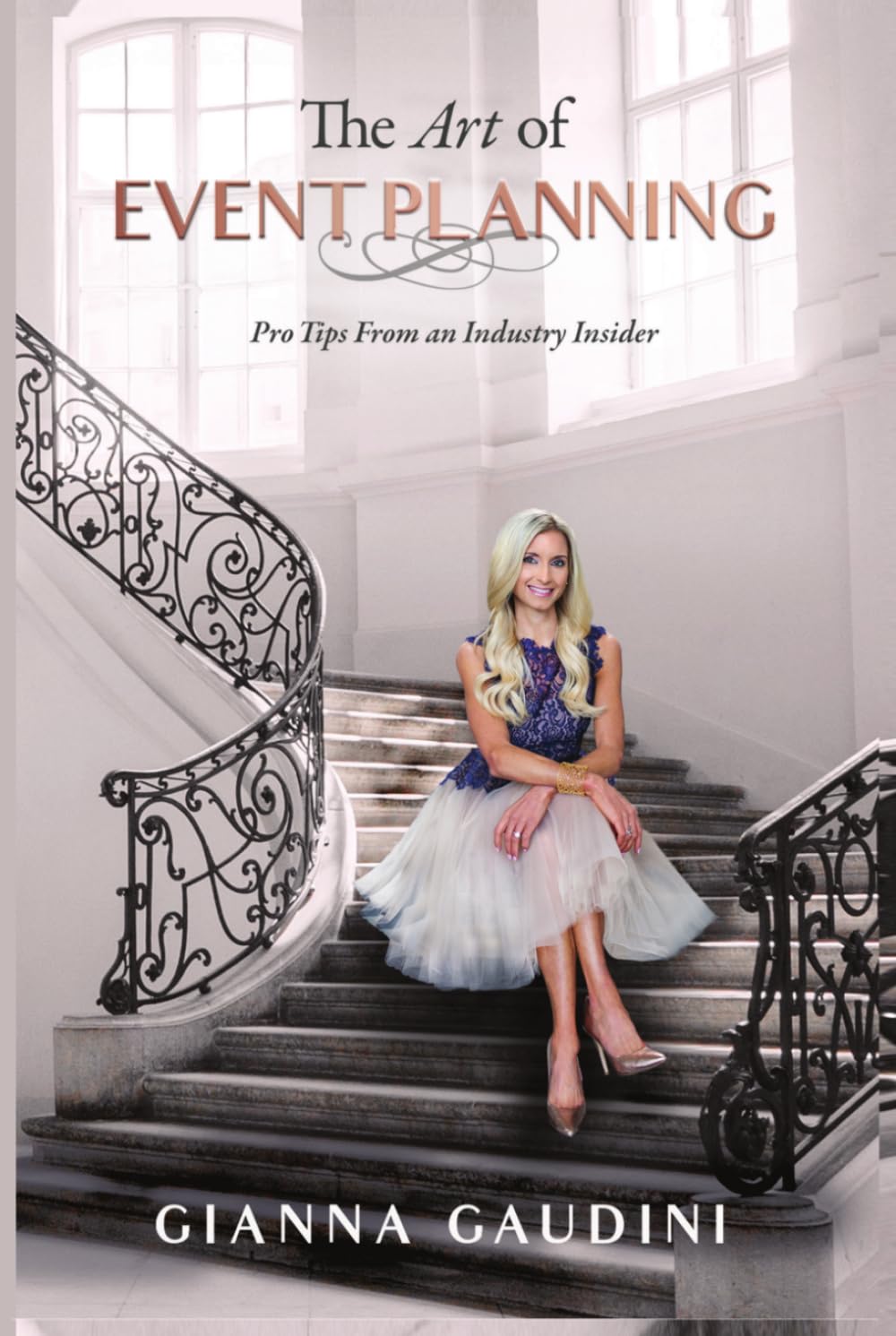
The Art of Event Planning – Gianna Gaudini
A practical guide to planning polished, memorable events with clear advice on organisation, supplier coordination and guest experience. An excellent resource for anyone arranging refined occasions that include live opera entertainment.

Event Design Handbook – Roel Frissen, Ruud Janssen & Dennis Luijer
This book explores how thoughtful event design shapes memorable guest experiences. It offers useful ideas for planning venue layout, timing and atmosphere for elegant celebrations and corporate events.

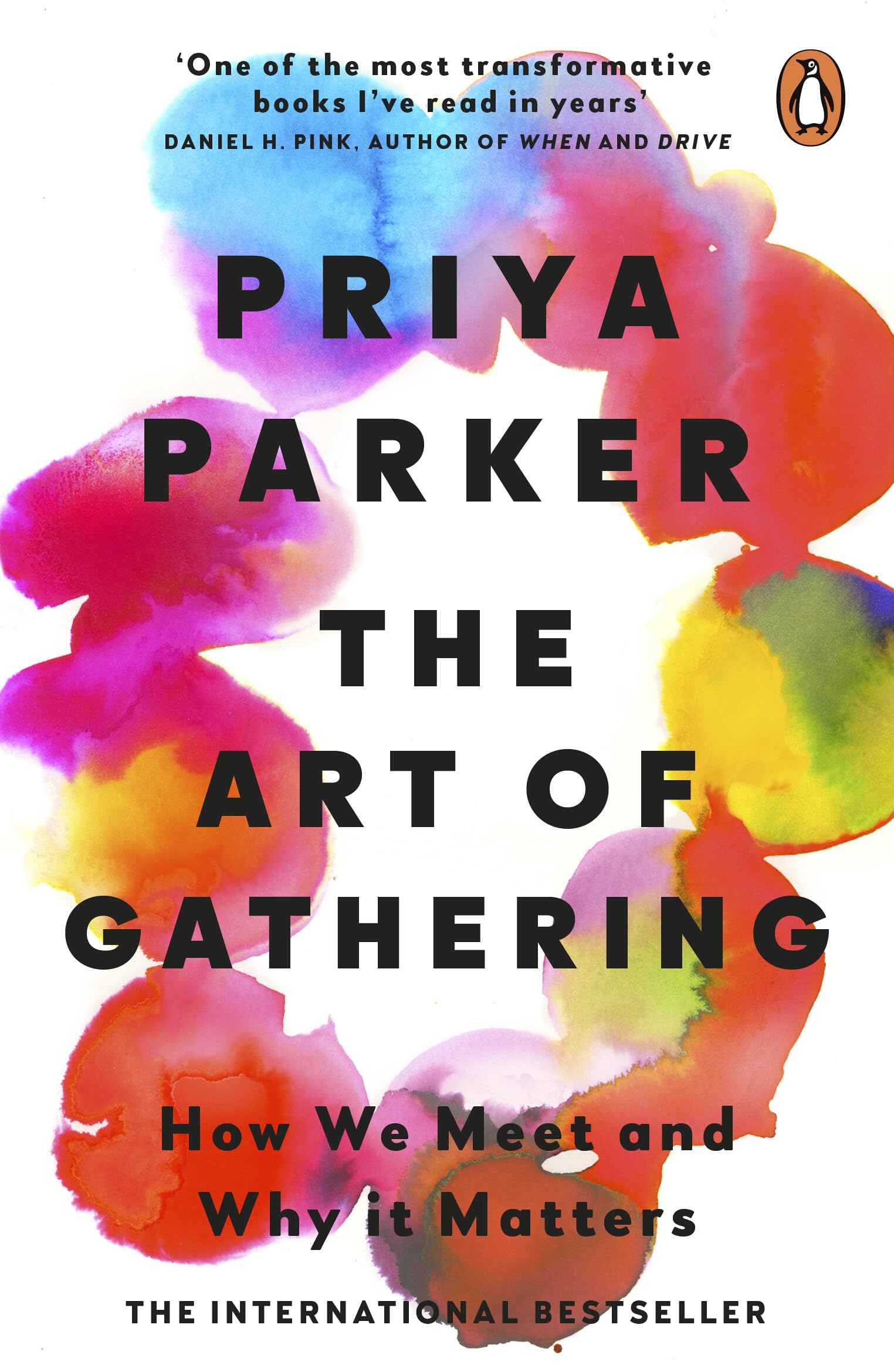
The Art of Gathering – Priya Parker
A bestselling book on creating meaningful gatherings that guests genuinely remember. Its ideas on purpose, atmosphere and connection translate well to events featuring live music and opera.
Start Your Own Event Planning Business – Cheryl Kimball & Entrepreneur Media
A practical introduction to the business side of professional event planning, covering budgeting, client management and supplier coordination. Particularly useful for aspiring event planners and hospitality professionals.


- Historic Estates & Castles in England
- Luxury Castles & Events in Scotland
- Opera Performances in Switzerland
- Book an Italian Tenor for Luxury Events
- Planning an Opera Event in Ireland
- Opera in Wales: Castles, Country Houses, Weddings & the Legacy of Adelina Patti
- Opera in France: Châteaux, Private Estates & Exceptional Events
- Opera in Germany’s Castles, Palaces & Historic Venues
- Italian Opera in Italy’s Historic Villas, Palaces & Theatres