Turandot performed at the Metropolitan Opera. Photo by Wolf Gang (cc-by-sa-2.0)
In This Guide
- Introduction
- Hire an Opera Singer in London & Across the UK
- Synopsis
- Main Characters
- The Music of Turandot
- The Great Arias
- Singing Calaf – A Tenor’s Perspective
- Legendary Interpreters
- Historic Productions
- Stage Costumes
- Turandot’s Enduring Legacy
- Experience Turandot Beyond the Opera House
- Frequently Asked Questions
- Essential Books
Turandot Opera in London – The Enigma of Puccini’s Masterpiece
Turandot is Giacomo Puccini’s final opera and one of the defining works of the twentieth-century repertoire. Left unfinished at the composer’s death in 1924 and completed by Franco Alfano for its 1926 premiere at La Scala, it combines monumental orchestral writing with psychological drama, creating one of opera’s most compelling explorations of power, fear, sacrifice, and redemption.
Set in a legendary imperial China, the opera follows Prince Calaf as he risks his life to solve Princess Turandot’s three riddles. Around this deceptively simple premise, Puccini created a score of extraordinary richness, contrasting scenes of ceremonial grandeur with moments of remarkable lyricism and emotional intimacy.

Original program from the American premiere of Puccini’s Turandot at the Metropolitan Opera in New York, November 16, 1926 — a milestone that shaped grand oera productions worldwide.
For tenors, Turandot occupies a unique place in the repertoire. The role of Calaf demands not only vocal stamina and dramatic authority but also lyrical restraint and expressive nuance. This guide explores the opera’s story, music, principal characters, legendary interpreters, and enduring influence, while offering insights into why Turandot remains one of the greatest achievements of Italian opera.

1926 Opera Poster for Turandot. Public Domain Image, sourced from Wikimedia Commons via Picryl.
Hire an Opera Singer in London & Across the UK
Puccini’s music extends far beyond the opera house. Opera singer and classical tenor Vasili Karpiak performs Italian opera repertoire for weddings, private celebrations, corporate events and gala dinners in London and across the UK. Famous tenor arias such as Nessun dorma can bring the scale and emotional impact of Italian opera to both intimate occasions and larger luxury events.
Performances can combine Puccini’s music with celebrated Italian and Neapolitan repertoire, creating a programme tailored to the venue and occasion. Hire an opera singer in London or across the UK for your private or corporate event.
Synopsis of Turandot
Set in a legendary version of Imperial China, Turandot tells the story of Prince Calaf, an exiled heir who falls in love with the enigmatic Princess Turandot after seeing her for the first time. Determined to win her hand, he accepts the challenge imposed upon every suitor: solve three riddles correctly or face execution. Countless princes have already failed, and the kingdom lives under the shadow of fear created by Turandot’s uncompromising decree.
Turandot’s cruelty is rooted in the memory of her ancestor Princess Lo-u-Ling, who, according to the opera, was abducted and murdered by a foreign prince centuries earlier. Swearing that no man will ever possess her, Turandot uses the riddles as a test that no suitor is expected to survive. Yet Calaf’s courage, intelligence, and unwavering determination allow him to answer each challenge correctly, forcing the princess into a position she never believed possible.
Alongside the central drama runs the deeply human story of Liù, a young servant devoted to Calaf and his blind father, Timur. Unlike Turandot, Liù embodies compassion, loyalty, and self-sacrifice. Her music provides the emotional heart of the opera, culminating in one of Puccini’s most moving scenes as she gives her life rather than betray the identity of the man she loves.
Although Turandot is remembered worldwide for Nessun dorma, the opera is far more than a single aria. It combines monumental choruses, dazzling orchestral colour, psychological drama, and lyrical intimacy, creating a work that moves effortlessly between spectacle and profound human emotion. Completed after Giacomo Puccini’s death and premiered at La Scala in 1926, it remains one of the defining achievements of Italian opera.
Main Characters in Turandot
Puccini’s Turandot is built around a small group of vividly contrasting characters whose relationships drive both the psychological drama and the opera’s musical architecture. Each role represents a distinct emotional and vocal world, contributing to one of the richest ensembles in the Italian operatic repertoire.
Princess Turandot is one of opera’s most formidable dramatic soprano roles. Cold, intelligent, and emotionally guarded, she refuses to marry unless a suitor successfully answers her three riddles, condemning all who fail to execution. Beneath her apparent cruelty lies a profound fear shaped by the fate of her ancestor, Princess Lo-u-Ling. As the opera unfolds, Puccini gradually reveals a woman whose emotional defences are challenged by Calaf’s determination and courage.
Prince Calaf, the opera’s heroic tenor, is the exiled son of King Timur. Drawn irresistibly to Turandot despite the mortal danger she represents, he accepts the challenge of the three riddles. The role demands exceptional vocal stamina, combining moments of heroic declamation with passages of lyrical intimacy, culminating in the celebrated aria Nessun dorma.
Liù serves as the emotional heart of Turandot. A young servant devoted to Calaf and his father, Timur, she embodies compassion, loyalty, and quiet courage. Her two principal arias, Signore, ascolta! and Tu che di gel sei cinta, rank among Puccini’s most moving creations and provide a lyrical counterbalance to the opera’s monumental public scenes.
Timur, the deposed King of Tartary and Calaf’s father, represents dignity in exile. Blind and dependent upon Liù’s devotion, he brings humanity and quiet nobility to the drama, particularly in the opera’s most tragic moments.
The imperial ministers Ping, Pang, and Pong provide both dramatic contrast and social commentary. Although they often introduce moments of wit and satire, they also express nostalgia for peace and ordinary life, reminding the audience of the human cost of Turandot’s relentless cycle of executions. Their finely crafted ensemble writing demonstrates Puccini’s extraordinary skill in balancing grandeur with intimacy.
The Music of Turandot
Turandot represents the culmination of Giacomo Puccini’s musical language. While rooted in the great Italian operatic tradition established by Verdi, the score embraces a far broader orchestral palette, richer harmonic colours, and a more cinematic approach to musical storytelling. The result is a work that combines spectacular public scenes with moments of remarkable psychological intimacy.
Throughout the opera, Puccini contrasts monumental choruses, ceremonial processions, and brilliant orchestral climaxes with passages of lyrical simplicity. This constant interplay between grandeur and intimacy gives Turandot its distinctive dramatic rhythm. Massive crowd scenes are followed by intensely personal conversations, allowing the audience to experience both the spectacle of imperial Beijing and the private emotions of its principal characters.
The composer also drew inspiration from Chinese musical material, incorporating traditional melodies and pentatonic elements into the score without abandoning his unmistakably Italian lyricism. Combined with imaginative orchestration—including prominent percussion, gongs, celesta, and richly coloured brass—the music creates an atmosphere unlike any other opera in Puccini’s catalogue.
Despite its reputation for vocal power, Turandot is equally an opera of contrast and refinement. The score demands precision from every performer, whether in the commanding declamation of Princess Turandot, the heroic lines of Calaf, or the delicate lyricism of Liù. It is this balance between dramatic force and expressive beauty that has secured the opera’s place among the greatest achievements of twentieth-century music theatre.
The Great Arias of Turandot
Although Nessun dorma has become one of the world’s most recognised operatic arias, Turandot is remarkable for the consistency of its musical inspiration. Each principal aria serves a distinct dramatic purpose, revealing the psychology of the characters while demonstrating Puccini’s extraordinary command of melody, orchestration, and vocal writing. Together, these scenes form the emotional and musical foundation of the opera.
Nessun dorma – Calaf’s Night of Triumph
Nessun dorma opens the third act of Turandot. Having solved Princess Turandot’s three riddles, Prince Calaf has won the right to marry her, yet she refuses to accept defeat. In a final attempt to escape her fate, she orders that no one in Beijing shall sleep until the stranger’s name is discovered. Confident that his identity will remain a mystery, Calaf responds with unwavering certainty, convinced that dawn will bring both victory and love.
Puccini constructs the aria as a gradual expansion of musical and dramatic tension. Rather than beginning with heroic declamation, the vocal line unfolds with remarkable restraint, allowing confidence to emerge naturally through increasingly broad phrases and growing orchestral intensity. Every section builds towards the celebrated cry of “Vincerò!”, one of the most recognisable climaxes in all of opera. Its impact lies not simply in volume, but in the careful accumulation of expectation across the entire aria.
Although famous for its final high notes, Nessun dorma demands far more than a dramatic ending. The role requires disciplined breath control, sustained legato, clear Italian diction, and the ability to project effortlessly above Puccini’s richly orchestrated score. The greatest interpretations avoid treating the aria as an isolated showpiece, instead presenting it as the natural culmination of Calaf’s emotional and dramatic journey.
Few operatic arias have achieved the global recognition of Nessun dorma. Popularised beyond the opera house through legendary performances by Luciano Pavarotti and many other distinguished tenors, it has become a universal symbol of hope, determination, and triumph. Yet within Turandot, its greatest power comes from its dramatic context: it is the moment when unwavering confidence confronts fear, setting the stage for the opera’s final transformation.
Watch: Luciano Pavarotti’s legendary performance of Nessun Dorma
Non piangere, Liù – Calaf’s Compassion Revealed
Non piangere, Liù appears early in the first act, shortly after Calaf resolves to face Princess Turandot’s deadly challenge. As Liù pleads with him to abandon his reckless decision, Calaf responds not with heroic bravado but with quiet reassurance, entrusting his blind father, Timur, to her care. The scene reveals a side of the prince that is often overshadowed by Nessun dorma: kindness, gratitude, and genuine compassion.
Puccini reflects this change of mood through music of remarkable lyricism and restraint. Long, flowing vocal phrases replace the tension of the surrounding scenes, while the orchestra withdraws to create an atmosphere of intimacy. Rather than driving the drama forward, the aria allows the audience to pause and understand the emotional stakes before the challenge of the three riddles begins.
For the tenor, the difficulty lies not in vocal power but in control. The music demands sustained legato, careful shaping of each phrase, and absolute clarity of the Italian text. Every line must sound natural and sincere, allowing the character’s humanity to emerge without sentimentality or exaggeration.
Although Non piangere, Liù is less famous than Nessun dorma, it performs an essential dramatic function. Without this moment of tenderness, Calaf could appear driven only by obsession. Instead, Puccini reminds us that beneath the heroic determination stands a man capable of empathy, making his journey throughout the opera far more compelling.
Signore, ascolta! – Liù’s Heartfelt Plea
Signore, ascolta! is Liù’s plea to Calaf before he accepts Princess Turandot’s deadly challenge. Having witnessed countless princes lose their lives, she begs him to abandon his pursuit and spare himself certain death. The aria reveals the depth of Liù’s devotion while providing one of the opera’s first moments of genuine emotional intimacy.
Puccini writes with remarkable restraint, allowing a lyrical vocal line to unfold over delicate orchestral textures. The music demands expressive simplicity rather than dramatic display, making sincerity and elegant phrasing central to a successful performance. In contrast to the grandeur that surrounds it, Signore, ascolta! reminds the audience that the opera’s emotional strength lies not only in spectacle but also in quiet human compassion.
In questa reggia – Turandot’s Declaration
In questa reggia marks Princess Turandot’s first major confrontation with Calaf and provides the psychological foundation of the entire opera. Before the assembled court, she recounts the fate of her ancestor, Princess Lo-u-Ling, whose murder by a foreign prince has shaped her hatred of men and her determination never to submit to marriage. Rather than presenting Turandot as simply cruel, Puccini reveals the fear and inherited trauma that drive her relentless challenge.
Musically, the aria is one of the most demanding in the dramatic soprano repertoire. Brilliant orchestration, soaring vocal lines, and an unyielding dramatic intensity require exceptional vocal power without sacrificing clarity or precision. By the aria’s conclusion, Turandot has become far more than an unattainable princess—she emerges as one of opera’s most complex and psychologically compelling heroines.
Tu che di gel sei cinta – Liù’s Final Farewell
Liù’s final aria, Tu che di gel sei cinta, follows her capture and torture as Turandot demands the name of the unknown prince. Refusing to betray Calaf, Liù chooses death over revealing his identity. In her final moments, she addresses Turandot directly, expressing the hope that love will one day melt the princess’s frozen heart.
Unlike the monumental orchestral writing heard elsewhere in the opera, Puccini strips the music back to its emotional essence. The vocal line unfolds with quiet dignity, allowing Liù’s courage and self-sacrifice to speak without theatrical excess. For many listeners, this aria represents the true emotional climax of Turandot, as Liù’s compassion ultimately achieves what power, fear, and violence cannot, preparing the way for the opera’s final transformation.
Singing Calaf – A Tenor’s Perspective
Among Puccini’s great tenor roles, Calaf occupies a unique position. While Nessun dorma has become one of the most celebrated arias in the repertoire, it represents only a small part of a role that demands sustained vocal stamina, dramatic authority, and complete technical control from beginning to end. Calaf must project effortlessly through Puccini’s richly orchestrated score while preserving the flexibility and lyricism that define Italian vocal writing.
One of the greatest misconceptions is that the role is built around power alone. In reality, Puccini constantly alternates moments of heroic declamation with passages requiring elegance, restraint, and careful attention to text. Non piangere, Liù, for example, demands an entirely different vocal approach from Nessun dorma, reminding both performer and audience that Calaf’s strength lies as much in compassion as in determination.
For many tenors, the challenge is not simply reaching the climactic notes but maintaining vocal freshness throughout the evening. The role sits high in the voice for long stretches and requires careful pacing, secure breath support, and disciplined technique to preserve both stamina and tonal beauty. When these elements come together, Calaf becomes one of the most rewarding roles in the Italian repertoire, combining heroic brilliance with genuine humanity.
Legendary Interpreters of Turandot
Puccini’s Turandot lives through the power of its voices—heroic tenors as Calaf, dramatic sopranos as Turandot, and lyrical sopranos as Liù. From the thunderous impact of “Nessun dorma” to the aching tenderness of “Tu che di gel sei cinta,” these performances reveal the opera’s full spectrum of passion and artistry. For almost a century, Turandot has attracted some of opera’s greatest voices. These historic performances reveal how different singers have approached the roles of Calaf, Turandot, and Liù, each bringing their own vocal personality and dramatic insight to Puccini’s masterpiece.
Great Tenors as Calaf

Calaf is one of Puccini’s most demanding tenor roles because it requires far more than vocal power. Across the opera, the singer must combine heroic declamation with moments of remarkable lyricism, sustaining both vocal freshness and dramatic intensity until the final cry of Nessun dorma.
Watch: Franco Corelli’s incredible interpretation of Calaf
Mario Del Monaco Performs “Nessun Dorma”
Heroic core, impeccable declamation; a textbook example of Italianate ring that fills large houses and prestige galas. Mario Del Monaco performs “Nessun dorma” from Puccini’s Turandot (Act III).
Recording from Il mito dell’opera: Mario del Monaco, Vol. 3 (1948–1962), courtesy of Naxos of America / Bongiovanni. Video auto-generated by YouTube.
Franco Bonisolli’s Thrilling Nessun Dorma in Turandot (1983, Gran Teatre del Liceu)
Thrill-seeking audiences remember Franco Bonisolli’s Calaf for its fearless top notes and uncompromising energy. His 1983 performance of Nessun dorma at the Gran Teatre del Liceu in Barcelona remains an electrifying showcase of Puccini’s power, ideal for gala finales or curated opera evenings. Courtesy of Zoran Stankovic YouTube Channel.
Giuseppe Giacomini’s Powerful Nessun Dorma in Turandot (1981, Carnegie Hall)
Known as “the tenor with granite power,” Giuseppe Giacomini brought both nobility and intensity to Calaf. In this 1981 Carnegie Hall performance under Nicola Rescigno, his ringing high notes and sculpted phrasing reveal how drama and legato can balance in Turandot’s climactic aria. Courtesy of liricadiva YouTube Channel.
Great Sopranos as Turandot
Ghena Dimitrova’s Towering Turandot in In questa reggia (Arena di Verona, 1983)
With architectural power and gleaming top notes, Ghena Dimitrova’s Turandot became a benchmark for large-scale open-air opera productions. This Arena di Verona performance (1983), conducted by Maurizio Arena, also featured Nicola Martinucci, Cecilia Gasdia, and Gianfranco Manganotti. Courtesy of jassenjj YouTube Channel.
Ghena Dimitrova & Plácido Domingo – In questa reggia (Riddle Scene, Turandot)
One of the most thrilling pairings in Puccini’s Turandot: Ghena Dimitrova as Turandot with Plácido Domingo as Calaf in the famous riddle scene In questa reggia. This performance showcases Dimitrova’s steely dramatic soprano against Domingo’s ardent tenor. Courtesy of Viva l’opera YouTube Channel.
Birgit Nilsson & Franco Corelli – In questa reggia (Macerata Opera Festival, 1971)
Steel-bright and unflinching, Birgit Nilsson set the gold standard for Turandot interpretations. Partnered by Franco Corelli’s Calaf, this 1971 Macerata Opera Festival performance of In questa reggia has become a benchmark for singers and opera lovers alike. Footage courtesy of German TV, shared via IDontGetOpera YouTube Channel.
Great Sopranos as Liù
Montserrat Caballé as Liù in “Signore, ascolta!” – Live from Turandot, Barcelona 1975
Velvet legato and refined mezza voce make this rendition a perfect study for intimate luxury dinners and private recitals. Montserrat Caballé performs Liù’s heartfelt plea “Signore, ascolta!” live at the Gran Teatre del Liceu, Barcelona, 1975. Courtesy of Noé Hernández Rodríguez YouTube Channel.
Magda Olivero – “Tu che di gel sei cinta” from Puccini’s Turandot | Historic Italian Soprano Recording
A rare and deeply human reading, Magda Olivero’s Liù breathes both fragility and devotion into every phrase of “Tu che di gel sei cinta.” This historic performance captures her unmatched ability to marry textual sensitivity with dramatic urgency. Shared via Leandro Campagni YouTube Channel.
Renata Scotto – “Tu che di gel sei cinta” | Puccini’s Turandot, Rome Opera with Molinari-Pradelli
Renata Scotto brings an intimate blend of vulnerability and steel to Liù’s farewell. Her soaring pianissimi and seamless phrasing make this “Tu che di gel sei cinta” one of the defining interpretations of Puccini’s heroine. Recorded with the Rome Opera Theater Orchestra & Chorus under Francesco Molinari-Pradelli. Courtesy of José Navarro-Forcada YouTube Channel.
Franco Corelli & Birgit Nilsson – Legendary Turandot Duet at Macerata Opera Festival (1970)
“Step into the golden era of opera with this legendary 1970 live performance of L’enigmi sono tre from Turandot. The fierce battle of wits between Prince Calaf and Princess Turandot reaches its peak in this scene, where Calaf boldly answers the three riddles. With Franco Corelli’s thunderous high Cs and Birgit Nilsson’s ice-cold power, this duet is a true vocal spectacle that has become operatic history.”
Courtesy of OperaMyWorld YouTube Channel.
Franco Corelli – “Nessun Dorma” from Puccini’s Turandot (Live 1964 Performance)
Performed by Franco Corelli | Live in 1964 | Courtesy of EJR. Mario Del Monaco YouTube Channel
Few tenors have captured the heroic intensity of Nessun Dorma like Franco Corelli. In this 1964 live recording, Corelli delivers a performance of staggering power, complete with his signature ringing high notes and dramatic phrasing. His interpretation of Prince Calaf’s ultimate moment of triumph remains one of the most electrifying renditions ever recorded.
Watch: A full-length performance of Turandot at the Arena di Verona and be transported into a world of regal spectacle and musical mastery.
Puccini’s Turandot (1958 RAI TV Production) – Franco Corelli & Lucille Udovich in Historic Opera Recording
Performed by Franco Corelli & Lucille Udovich | Conducted by Fernando Previtali | RAI Milano Studios | Original Broadcast: December 23, 1958 | Courtesy of Franco Corelli Info Center YouTube Channel.
“Celebrate the magic of Puccini’s Turandot with this rare, vintage 1958 TV production, created for Puccini’s 100th birthday. Featuring the legendary Franco Corelli as Prince Calaf and the remarkable Lucille Udovich as Turandot, this historic performance is a true operatic treasure. With a visually striking production directed by Mario Lanfranchi, accompanied by the Orchestra e Coro di Milano della Radiotelevisione Italiana, this film offers exceptional audio-visual quality for its time. A must-watch for opera lovers and Corelli fans alike.” Includes Italian and English subtitles | Original English translation by William Weaver.
For more legendary Corelli performances, explore the full collection at VAI Music.
Historic productions

Few operas reward imaginative staging like Turandot. Whether performed at La Scala, the Royal Opera House, or other leading opera houses, its monumental choruses, ceremonial scenes, and richly coloured orchestration invite productions of exceptional scale.
Image Credit:Il vasto piazzale della Reggia, bozzetto di Galileo Chini per Turandot (1924) – Public Domain, sourced from Wikimedia Commons.
Watch: The Royal Opera House’s stunning production of Turandot
Turandot at Arena di Verona – Iconic Open-Air Staging of Puccini’s Masterpiece

Few venues capture the grandeur of open-air opera like the Arena di Verona in Italy. This stunning photograph, taken during the first act of Turandot in 1958, reminds us how Puccini’s masterpiece has captivated audiences under the stars for generations. From these historic large-scale performances to today’s bespoke events in elegant ballrooms, Turandot continues to inspire audiences worldwide. Its timeless story and dramatic music make it a perfect highlight for any high-profile concert or exclusive gala.
Image Credit: Historic photo courtesy of Touring Club Italiano (CC BY-SA 4.0) Arena di Verona, first act of Turandot by Giacomo Puccini
Lise Lindstrom and Frank Porretta in the final act of Puccini’s *Turandot*, Florida Grand Opera, 2010 — Photo by Gaston De Cardenas, Knight Foundation (CC BY-SA 2.0).


Historical Costumes in Puccini’s Turandot – Timeless Opera Artistry
This historic photograph of Hungarian soprano Walter Rózsi in full Turandot costume, captured by Pál M. Vajda in 1927 at the Hungarian Royal Opera House, reveals the opulent designs and intricate headpieces that defined early productions of the opera.
Public domain in source country and presumed PD in the US based on author’s death date (Vajda, died 1945). Note the URAA caveat: source country was Hungary, copyright likely expired in Hungary but possibly restored in the US; for educational/critical use and fair contextual commentary.


Housed at the Museo Zeffirelli in Florence, this exquisite Turandot costume is a testament to Italy’s dedication to operatic grandeur and historical authenticity. Designed by acclaimed costume designer Maurizio Millenotti.
Photo by Sailko, Creative Commons Attribution 3.0.
Photo: American soprano Elinor Ross in the title role of Puccini’s Turandot at the Metropolitan Opera, 1970s — photograph by Louis Melancon.

Watch: A full-length performance of Turandot at the Arena di Verona and be transported into a world of regal spectacle and musical mastery.
Experience Turandot Beyond the Opera House
The music of Turandot is not confined to the world’s great opera houses. Arias such as Nessun dorma, Non piangere, Liù, and Signore, ascolta! are frequently performed in concert halls, historic venues, private celebrations, and gala evenings, where Puccini’s music can be experienced in a more intimate setting.
If you would like to include highlights from Turandot as part of a private or corporate event in London or elsewhere in the UK, you are welcome to explore my performance repertoire and booking information.
Frequently Asked Questions about Puccini’s Turandot
What is Puccini’s opera Turandot about?
Turandot follows Princess Turandot, who sets three deadly riddles for her suitors, and Prince Calaf, who accepts the challenge and risks everything for love. The opera explores themes of courage, fear, transformation, and redemption through some of Puccini’s most powerful and emotionally charged music.
Why is “Nessun dorma” so famous?
“Nessun dorma” is one of the most celebrated tenor arias in history. Sung by Calaf before the final confrontation, it moves from quiet determination to triumphant glory. The climactic cry of “Vincerò!” has become a universal symbol of hope, strength, and victory.
How did Puccini come to write Turandot?
Puccini began composing Turandot in 1920, inspired by Carlo Gozzi’s fairy-tale drama. He sought to combine the mythical atmosphere of ancient China with rich Italian lyricism. Puccini died before completing the final duet, which was later finished by Franco Alfano for the 1926 premiere at La Scala.
What are the main arias from Turandot?
The opera includes several iconic arias, including Nessun dorma, In questa reggia, Signore, ascolta!, and Non piangere, Liù. Together, they showcase Puccini’s extraordinary blend of orchestral colour, dramatic intensity, and lyrical emotion.
Why is Turandot considered a milestone in Italian opera?
Turandot is Puccini’s boldest and most forward-looking score, combining grand symphonic writing with psychological drama and exotic atmosphere. The opera stands between late Romanticism and modernism, uniting spectacle with emotional depth.
Where can audiences experience Turandot today?
Turandot is regularly performed at major opera houses including the Royal Opera House in London, Teatro alla Scala, Arena di Verona, and the English National Opera. Arias such as Nessun dorma also appear frequently in gala concerts, luxury events, and private performances across the UK and internationally.
Further Resources
An introduction to ‘Turandot’ by Cincinnati Opera (YouTube)
Turandot 1958 (TV film) Franco Corelli GREAT QUALITY + SUBTITLES ( full / complete opera )
Puccini Festival official website
Images on this page are used under Creative Commons or public domain licenses, and are included for educational and artistic reference. Attribution is provided in captions or metadata. No images are used for merchandise or resale.
Essential Books on Puccini & Turandot – History, Music & Interpretation
Disclosure: This section contains affiliate links. If you purchase through these links, I may earn a small commission at no extra cost to you.
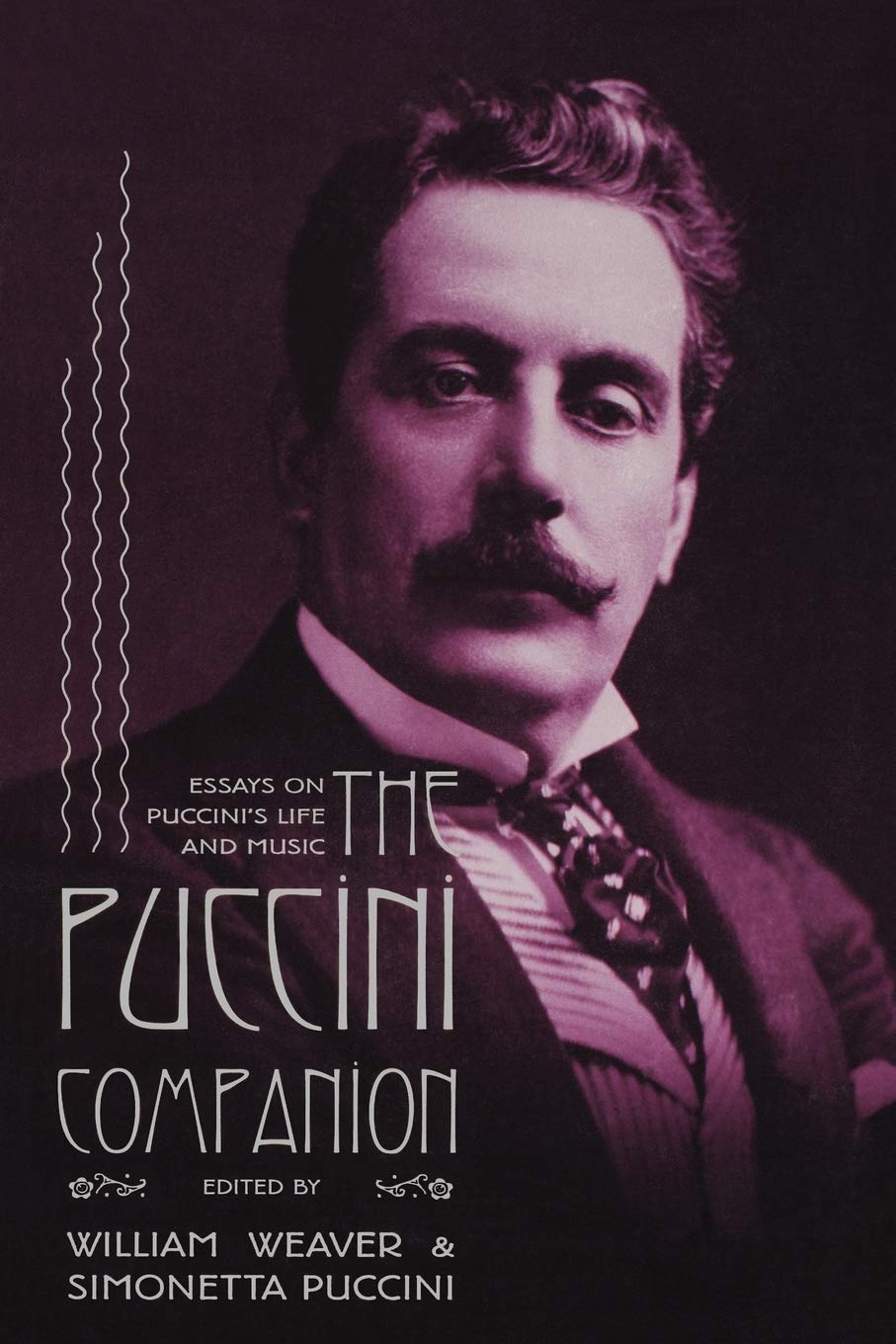
The Puccini Companion: Essays on Puccini’s Life and Music – William Weaver & Simonetta Puccini This distinguished volume brings together a wealth of scholarship on Giacomo Puccini, combining biographical studies, musical analysis, and rare archival material. Edited by William Weaver, one of opera’s most respected critics, and Simonetta Puccini, the composer’s granddaughter, it offers unparalleled insight into Puccini’s creative process. Readers are treated to essays from leading Puccini experts that explore both his most beloved operas and his lesser-known works. Lavishly illustrated with archival photographs, letters, and production images, the book provides a vivid sense of Puccini’s world on and off the stage. It examines the cultural and historical forces that shaped his music, from the verismo movement to the demands of international opera houses. Detailed chapters on Turandot place the work in the context of Puccini’s late style and his ambitious final years. For scholars, performers, and opera lovers alike, this is an indispensable resource for understanding the man and his music.

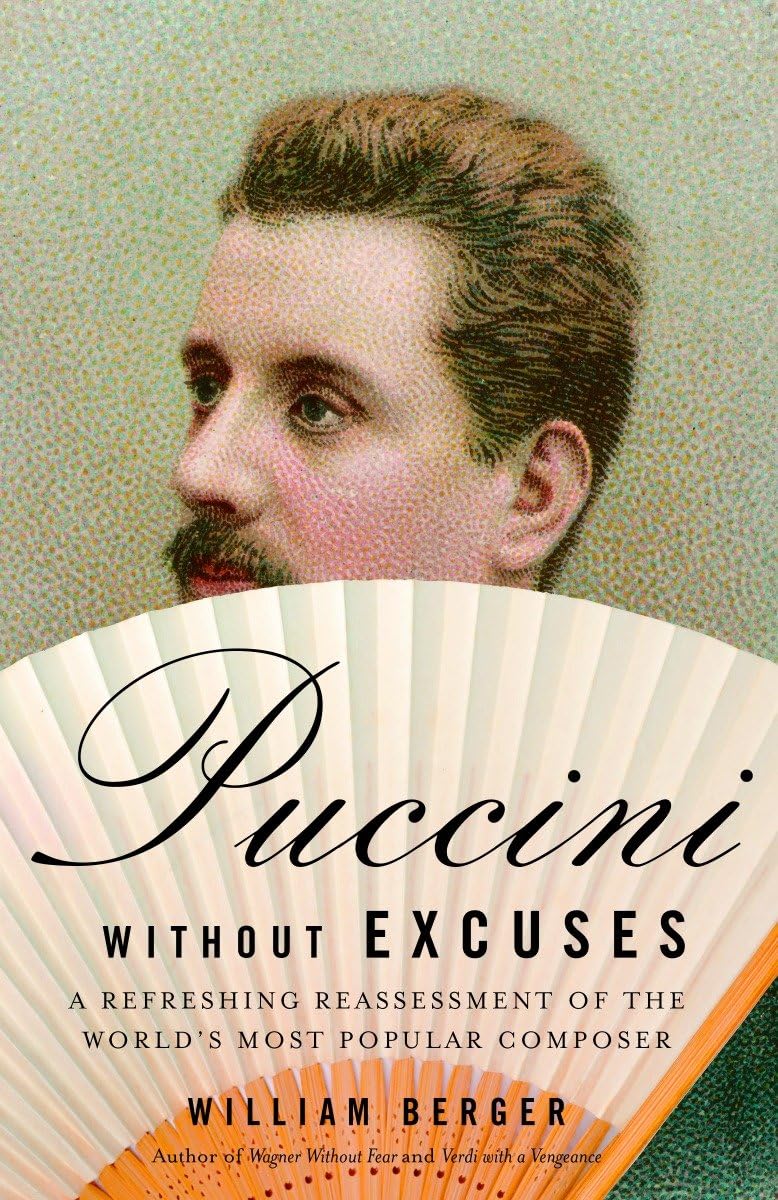
Puccini Without Excuses: A Refreshing Reassessment of the World’s Most Popular Composer – William Berger William Berger’s lively and thought-provoking study offers a bold new perspective on Puccini’s life and work. Blending sharp musical analysis with accessible storytelling, Berger dismantles common stereotypes about Puccini and reframes him as a composer of both emotional immediacy and sophisticated craft. His writing moves effortlessly between historical context, personal anecdotes, and scene-by-scene explorations of operas such as La Bohème, Madama Butterfly, and Turandot. The book also addresses Puccini’s complex personality — his charm, insecurities, and perfectionism — and how these qualities shaped his music. Berger’s wit and conversational style make it an enjoyable read for seasoned opera enthusiasts and newcomers alike. Particularly insightful is his discussion of Puccini’s orchestration and pacing, showing how the composer achieved his trademark dramatic tension. This reassessment invites readers to experience Puccini’s operas with fresh ears and a deeper appreciation.
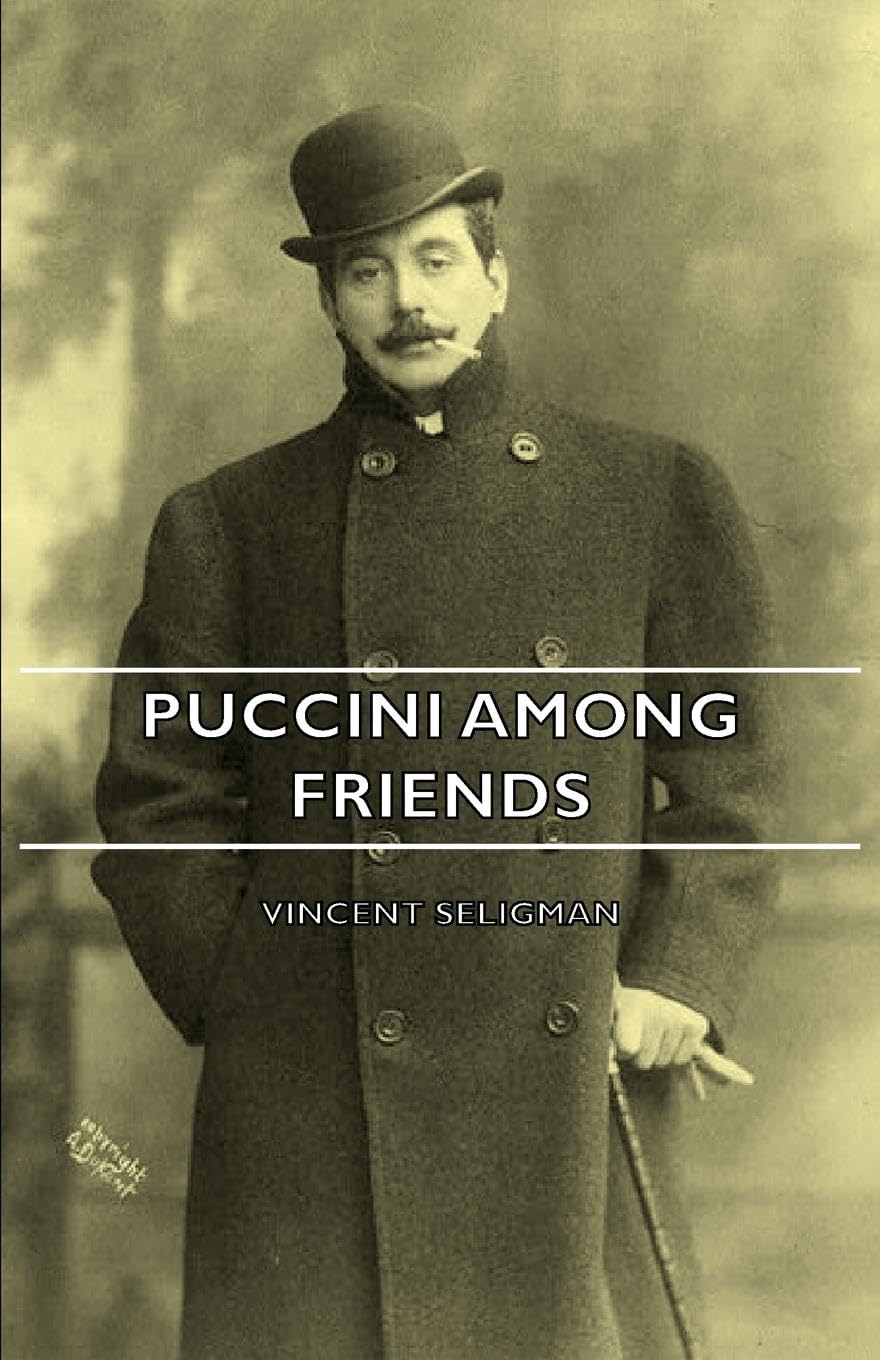
Puccini Among Friends: Letters to Sybil Seligman – Sybil Seligman (Ed. Eugenio Montale)
This intimate collection of Puccini’s personal letters offers a rare, unfiltered view of the composer’s private life and relationships. Addressed to Sybil Seligman, a close confidante and influential figure in the London opera world, the correspondence spans decades of Puccini’s career. Through these letters, readers glimpse his humor, frustrations, vulnerabilities, and joys, from casual observations to passionate reflections on his music. The collection provides candid commentary on the creation and reception of his operas, including revealing thoughts on Turandot. Montale’s editorial notes provide historical context, illuminating the social and artistic circles in which Puccini moved. The letters also capture the rhythm of an artist’s daily life — his travels, friendships, and struggles with ill health. For anyone seeking a personal connection to Puccini beyond the footlights, this volume is both moving and enlightening.
Featured image credit: Photo by Wolf Gang via Flickr (CC BY-SA 2.0).
Featured image: Arena di Verona Turandot performance – courtesy of Touring Club Italiano (CC BY-SA 4.0).
Further Insights into Opera & Vocal Artistry

Planning Opera Events in Edinburgh & Glasgow’s Most Prestigious Venues
Discover Edinburgh and Glasgow’s most prestigious venues for weddings, gala dinners, corporate events, and private celebrations. Explore Scotland’s…


Hire Opera Singers in Wales: Castles, Weddings & Historic Venues
Hire an opera singer in Wales for weddings, gala dinners and private events. Discover Craig-y-Nos Castle, Adelina Patti,…

Hiring Opera Singers in London: A Guide to Venues & Events
A refined guide to planning events, choosing venues, and hiring or booking opera singers in London for luxury…

Planning an Opera Event in Ireland: Castles, Estates & Coastal Venues
Ireland’s castles, historic estates, cathedrals, and dramatic coastal landscapes create an atmosphere uniquely suited to live opera and…

Opera in Germany’s Castles, Palaces and Historic Venues
Germany’s castles, palaces, and historic cultural venues offer a remarkable setting for opera, private concerts, and luxury events.…

Opera in the Swiss Alps: Historic Hotels and Private Celebrations
The Swiss Alps, grand lakeside hotels, and private mountain resorts provide a breathtaking backdrop for luxury opera performances…

Planning Opera Events in France: Châteaux, Private Estates & Exceptional Venues
France’s historic châteaux, Riviera venues, and refined private estates provide an extraordinary setting for live opera performances, elegant…

Italian Opera in Italy’s Historic Villas, Palaces and Theatres
From Lake Como and Venice to historic villas, palaces, and opera houses, Italy remains one of the world’s…

Hire an Opera Singer in Scotland: Castles, Historic Estates & Private Events
Planning to hire an opera singer in Scotland for a wedding, private celebration, gala dinner or special event?…
#TurandotOpera #BookOperaSingerLondon #PucciniTenor #ExclusiveOperaEvents #GrandOperaPerformance
© VASILI KARPIAK – THE ITALIAN TENOR | OPERA & PRIVATE CONCERTS in London, Scotland, Ireland & Beyond. This original blog content is owned and created by me. No part may be copied, republished, or used elsewhere without written permission.

- This article, “Hire an Opera Singer in London & Across the UK – Turandot and Exclusive Opera Events,” is written by Vasili Karpiak, an internationally acclaimed Italian tenor based in London.
- The page explores Puccini’s Turandot, its dramatic power, and how world-class operatic performance can transform luxury events, private celebrations and gala evenings across the United Kingdom.
- Vasili Karpiak specialises in high-end operatic entertainment, offering bespoke performances, Turandot arias and tailored musical programming for prestigious venues, heritage estates and elite clients.


