Turandot performed at the Metropolitan Opera. Photo by Wolf Gang (cc-by-sa-2.0)

Turandot Opera in London – The Enigma of Puccini’s Masterpiece

Spectacular stage set for Puccini’s Turandot at the Metropolitan Opera, showcasing grand production design and elite opera tenor performances for luxury events in London, England, and Scotland.

Few operas haunt me like Turandot. It was Puccini’s last gift to us—left unfinished, and somehow that incompleteness feels right for a story about riddles and courage. Every time I sing music from this score, I’m reminded how fragile and fearless opera can be at the same time. The icy brilliance of Turandot, the quiet loyalty of Liù, and Calaf’s unshakable resolve—these aren’t just characters to me, they are temperatures, colours, and breaths I can feel in the body.

In London, I’ve performed selections from Turandot in grand halls and in the glow of private salons. The atmosphere changes with the room, but one thing never does: the moment the first Puccini line blooms, people lean in. This page gathers a few reflections—part history, part memory—on why this opera continues to move me, and why its music can transform an evening into something truly unforgettable.

1926 Opera Poster for Turandot. Public Domain Image, sourced from Wikimedia Commons via Picryl.

Immerse in the Grandeur of Italian Opera, Live and Unfiltered → Reserve Your Private Performance

Nessun Dorma – Hire an Opera Singer for Weddings & Gala Events in London

When people ask me why Nessun dorma is so beloved, I think about the silence before the final phrase. In that breath, the entire room seems to hold itself still—guests, musicians, even I am listening for the truth of that one word: Vincerò. I’ve sung this aria in intimate gatherings where the piano was close enough to touch and in grand spaces where the resonance arrives like light. Each time feels new, and each time I remember how Puccini wrote victory not as a shout, but as a line that must be earned.

As a tenor, the challenge is to keep the voice noble and centred while the emotion surges. The temptation is to rush. I think of it like a slow sunrise: don’t force the day; let it arrive. When Nessun dorma is shaped patiently, the final cry doesn’t explode—it blooms. That is the moment audiences remember long after the applause fades.

If you’re planning a private performance, this aria is often the heart of the evening. It carries hope, courage, and a quiet promise that beauty still wins. For me, that’s why it belongs not only on great stages, but also in rooms where people can feel the vibration of the voice up close.

Watch: Luciano Pavarotti’s legendary performance of Nessun Dorma

“Non piangere, Liù” – A Beloved Aria in Puccini’s Turandot | Performed by Opera Singers in London

If Nessun dorma is the banner Calaf carries, Non piangere, Liù is the heartbeat that keeps him human. I love this aria for its humility. There is no bravado here—only tenderness and gratitude toward the quiet soul who loves him without demand. As a singer, I approach it differently: the phrasing becomes a kind of whisper in the room, the legato almost like a hand smoothing silk.

When I sing it in private concerts, I often see guests soften; conversations from earlier in the evening dissolve into stillness. Technically, the line must float—supported but weightless—so the words carry first. Dramatically, I think of the aria as a promise to protect someone gentle in a dangerous world. That is why this music matters: it reminds us that strength without kindness is not victory.

For programmes that pair grandeur with intimacy, Non piangere, Liù is the perfect counterbalance to Nessun dorma. Together they show two faces of Puccini’s tenor writing: the public declaration and the private confession.

Turandot – Puccini’s Final Masterpiece and a Centrepiece for Opera Events in London & the UK

Set in a mythical China, Turandot is a story of ice and fire—mystery, pride, sacrifice, and the slow unlocking of a guarded heart. It was Puccini’s last opera, completed after his death by Franco Alfano. As a tenor, I hear the score as a landscape: Calaf’s lines must stand tall against a brilliant, glittering orchestra, while Liù’s music arrives like a lamp carried through the night. That contrast is what makes the piece so intoxicating to sing and to hear.

Historic 1926 program for Puccini’s Turandot premiere at the Metropolitan Opera, a landmark grand opera performance inspiring audiences from New York to London and the UK.

One of Puccini’s most iconic masterpieces is Turandot—a breathtaking opera that continues to enchant audiences worldwide. Read more about the secrets behind Turandot’s success here: Turandot: Puccini’s Grand Operatic Masterpiece.

Puccini’s Turandot has captivated audiences for generations with its sweeping orchestration and unforgettable arias, including the world-renowned “Nessun dorma.” From its Metropolitan Opera premiere in 1926 to today’s luxury performances in London and across the UK, this masterpiece remains a favourite choice for gala concerts and exclusive events. When you hire an opera singer, iconic Turandot highlights bring timeless grandeur and passion to your celebration.

Original program from the American premiere of Puccini’s Turandot at the Metropolitan Opera in New York, November 16, 1926 — a milestone that shaped grand opera productions worldwide.

Franco Corelli & Birgit Nilsson – Legendary Turandot Duet at Macerata Opera Festival (1970)

“Step into the golden era of opera with this legendary 1970 live performance of L’enigmi sono tre from Turandot. The fierce battle of wits between Prince Calaf and Princess Turandot reaches its peak in this scene, where Calaf boldly answers the three riddles. With Franco Corelli’s thunderous high Cs and Birgit Nilsson’s ice-cold power, this duet is a true vocal spectacle that has become operatic history.” Courtesy of OperaMyWorld YouTube Channel.

Franco Corelli – “Nessun Dorma” from Puccini’s Turandot (Live 1964 Performance)

Performed by Franco Corelli | Live in 1964 | Courtesy of EJR. Mario Del Monaco YouTube Channel

Few tenors have captured the heroic intensity of Nessun Dorma like Franco Corelli. In this 1964 live recording, Corelli delivers a performance of staggering power, complete with his signature ringing high notes and dramatic phrasing. His interpretation of Prince Calaf’s ultimate moment of triumph remains one of the most electrifying renditions ever recorded.

The Power of the Italian Tenor – Corelli, Del Monaco & Opera Legends in Turandot

 Private Jet Owners & Exclusive Opera Performances at Châteaux

Calaf tests everything a tenor has—stamina, line, and the discipline to sing with courage rather than force. The role asks for steel and tenderness in equal measure. I learned early that the high notes are not the point; the point is to make courage sound inevitable. The greats—from Corelli to modern interpreters—teach us that power is most persuasive when it’s beautiful.

Watch: Franco Corelli’s incredible interpretation of Calaf

Legendary Performances of Puccini’s Turandot: Tenors, Sopranos & Iconic Roles

Puccini’s Turandot lives through the power of its voices—heroic tenors as Calaf, dramatic sopranos as Turandot, and lyrical sopranos as Liù. From the thunderous impact of “Nessun dorma” to the aching tenderness of “Tu che di gel sei cinta,” these performances reveal the opera’s full spectrum of passion and artistry. Whether you are looking to hire an Italian tenor for a gala in London or to experience the brilliance of great sopranos in curated events, the historic interpretations below show why Turandot continues to captivate audiences worldwide.

Here you will find definitive performances that shaped Turandot on the world’s stages. Curated for listeners booking an Italian tenor or planning to hire an opera singer in London for private occasions, these selections highlight how style, diction, and vocal line transform Puccini’s score into unforgettable operatic moments.

Calaf in Puccini’s Turandot – Tenor Legends Who Defined “Nessun Dorma”

Mario Del Monaco Performs “Nessun Dorma” – The Italian Tenor’s Heroic Voice in Turandot

Heroic core, impeccable declamation; a textbook example of Italianate ring that fills large houses and prestige galas. Mario Del Monaco performs “Nessun dorma” from Puccini’s Turandot (Act III). Recording from Il mito dell’opera: Mario del Monaco, Vol. 3 (1948–1962), courtesy of Naxos of America / Bongiovanni. Video auto-generated by YouTube.


Franco Bonisolli’s Thrilling Nessun Dorma in Turandot (1983, Gran Teatre del Liceu)

Thrill-seeking audiences remember Franco Bonisolli’s Calaf for its fearless top notes and uncompromising energy. His 1983 performance of Nessun dorma at the Gran Teatre del Liceu in Barcelona remains an electrifying showcase of Puccini’s power, ideal for gala finales or curated opera evenings. Courtesy of Zoran Stankovic YouTube Channel.

Giuseppe Giacomini’s Powerful Nessun Dorma in Turandot (1981, Carnegie Hall)

Known as “the tenor with granite power,” Giuseppe Giacomini brought both nobility and intensity to Calaf. In this 1981 Carnegie Hall performance under Nicola Rescigno, his ringing high notes and sculpted phrasing reveal how drama and legato can balance in Turandot’s climactic aria. Courtesy of liricadiva YouTube Channel.

Enrico Caruso’s Historic Nessun Dorma from Puccini’s Turandot

Focused metal and ringing squillo — a concise model of projection suited to historic venues across the UK and Europe. This legendary recording captures Enrico Caruso singing Puccini’s Turandot aria Nessun Dorma, a performance that continues to set the standard for tenors. Courtesy of Rosa Enrico Caruso YouTube Channel.

Turandot – Soprano Titans

Ghena Dimitrova’s Towering Turandot in In questa reggia (Arena di Verona, 1983)

With architectural power and gleaming top notes, Ghena Dimitrova’s Turandot became a benchmark for large-scale open-air opera productions. This Arena di Verona performance (1983), conducted by Maurizio Arena, also featured Nicola Martinucci, Cecilia Gasdia, and Gianfranco Manganotti. Courtesy of jassenjj YouTube Channel.

Ghena Dimitrova & Plácido Domingo – In questa reggia (Riddle Scene, Turandot)

One of the most thrilling pairings in Puccini’s Turandot: Ghena Dimitrova as Turandot with Plácido Domingo as Calaf in the famous riddle scene In questa reggia. This performance showcases Dimitrova’s steely dramatic soprano against Domingo’s ardent tenor. Courtesy of Viva l’opera YouTube Channel.

Birgit Nilsson & Franco Corelli – In questa reggia (Macerata Opera Festival, 1971)

Steel-bright and unflinching, Birgit Nilsson set the gold standard for Turandot interpretations. Partnered by Franco Corelli’s Calaf, this 1971 Macerata Opera Festival performance of In questa reggia has become a benchmark for singers and opera lovers alike. Footage courtesy of German TV, shared via IDontGetOpera YouTube Channel.

Liù – The Soul of the Opera

Montserrat Caballé as Liù in “Signore, ascolta!” – Live from Turandot, Barcelona 1975

Velvet legato and refined mezza voce make this rendition a perfect study for intimate luxury dinners and private recitals. Montserrat Caballé performs Liù’s heartfelt plea “Signore, ascolta!” live at the Gran Teatre del Liceu, Barcelona, 1975. Courtesy of Noé Hernández Rodríguez YouTube Channel.

Magda Olivero – “Tu che di gel sei cinta” from Puccini’s Turandot | Historic Italian Soprano Recording

A rare and deeply human reading, Magda Olivero’s Liù breathes both fragility and devotion into every phrase of “Tu che di gel sei cinta.” This historic performance captures her unmatched ability to marry textual sensitivity with dramatic urgency. Shared via Leandro Campagni YouTube Channel.

Renata Scotto – “Tu che di gel sei cinta” | Puccini’s Turandot, Rome Opera with Molinari-Pradelli

Renata Scotto brings an intimate blend of vulnerability and steel to Liù’s farewell. Her soaring pianissimi and seamless phrasing make this “Tu che di gel sei cinta” one of the defining interpretations of Puccini’s heroine. Recorded with the Rome Opera Theater Orchestra & Chorus under Francesco Molinari-Pradelli. Courtesy of José Navarro-Forcada YouTube Channel.


Turandot on the Operatic Stage – Iconic Sopranos and Tenors in Puccini’s Masterpiece

Lise Lindstrom in a regal Turandot costume with Frank Porretta, performing Puccini’s Turandot at Florida Grand Opera, 2010 (Photo by Gaston De Cardenas)
Lise Lindstrom & Frank Porretta in Puccini’s Turandot at Florida Grand Opera, 2010 — Photo by Gaston De Cardenas, Knight Foundation (CC BY-SA 2.0).

Lise Lindstrom as Turandot with Frank Porretta – Florida Grand Opera 2010 Production

This evocative photograph captures soprano Lise Lindstrom in the commanding role of Princess Turandot during Florida Grand Opera’s 2010 production. Lindstrom, celebrated worldwide for her interpretation of Puccini’s enigmatic heroine, embodies the icy splendour and soaring power that define this legendary role. Sharing the stage with tenor Frank Porretta, she channels a tradition of dramatic vocalism and regal bearing that links every modern Turandot to the unforgettable divas who have brought this mythic princess to life for nearly a century. Together with costume artistry and grand stage design, performances like this keep Puccini’s final masterpiece alive for new generations of opera lovers.

The Triumph of Love in Puccini’s Turandot – Final Duet of Turandot & Calaf

Soprano Lise Lindstrom and tenor Frank Porretta smiling together in the final scene of Puccini’s Turandot, Florida Grand Opera 2010 (Photo by Gaston De Cardenas)

This radiant moment captures the resolution of Puccini’s Turandot — a tale where icy cruelty dissolves into human warmth through the redemptive power of love and song. In this scene, Lise Lindstrom and Frank Porretta stand side by side as Turandot and Calaf, their voices having conquered the opera’s fearsome vocal challenges to arrive at this final embrace. This closing tableau embodies hope, forgiveness, and the triumph of the human heart over fear. The role of Princess Turandot is one of the most formidable for a soprano, demanding unyielding vocal power and chilling dramatic precision. Few have etched their names into history with it: legends like Birgit Nilsson, Maria Callas, and Eva Marton each brought unique fire and regal grandeur to the icy princess, inspiring generations to follow. Together, moments like these honour Puccini’s vision and ensure that the timeless magic of Italian opera continues to captivate audiences around the world. Lise Lindstrom and Frank Porretta in the final act of Puccini’s *Turandot*, Florida Grand Opera, 2010 — Photo by Gaston De Cardenas, Knight Foundation (CC BY-SA 2.0).

Staging Puccini’s Turandot – Iconic Productions at La Scala & Royal Opera House

* Exclusive live shows – showcasing exceptional opera singing artistry * Premier event talent – dedicated to renowned opera tenor excellence

Turandot is a feast for the eyes as much as the ears. At La Scala or the Royal Opera House, the stage glows with lacquered reds, moonlit blues, and armour that looks carved from light. In private settings, the palette changes, but the ritual remains: voices, breath, and story. I often tell hosts that you don’t need a thousand costumes to feel the grandeur—Puccini’s harmony is the architecture; the imagination builds the palace. Image Credit:Il vasto piazzale della Reggia, bozzetto di Galileo Chini per Turandot (1924) – Public Domain, sourced from Wikimedia Commons.

Watch: The Royal Opera House’s stunning production of Turandot

Historical Costumes in Puccini’s Turandot – Timeless Opera Artistry

Historic black and white photograph of soprano Walter Rózsi in the title role of Puccini’s Turandot, wearing an elaborate stage costume at the Hungarian Royal Opera House, 1927. Photo by Pál M. Vajda.

Costumes have always played a vital role in bringing Puccini’s Turandot to life, transforming the icy princess into a figure of commanding splendour and mystery. This historic photograph of Hungarian soprano Walter Rózsi in full Turandot costume, captured by Pál M. Vajda in 1927 at the Hungarian Royal Opera House, reveals the opulent designs and intricate headpieces that defined early productions of the opera. Each embroidered robe and jewelled crown echoed the grandeur of Imperial China while amplifying the drama of Puccini’s music. Such timeless costumes continue to inspire modern stage designers, ensuring that every Turandot remains a visual as well as a musical masterpiece. Public domain in source country and presumed PD in the US based on author’s death date (Vajda, died 1945). Note the URAA caveat: source country was Hungary, copyright likely expired in Hungary but possibly restored in the US; for educational/critical use and fair contextual commentary.

Exquisite Turandot costume on display at the Museo Zeffirelli in Florence — showcasing detailed embroidery and rich colours inspired by traditional Chinese court dress, designed for Puccini’s iconic opera.

Housed at the Museo Zeffirelli in Florence, this exquisite Turandot costume is a testament to Italy’s dedication to operatic grandeur and historical authenticity. Designed by acclaimed costume designer Maurizio Millenotti, it reflects the rich colours, elaborate embroidery, and majestic silhouette that make Puccini’s legendary princess unforgettable on stage. Costumes like this are more than fabric — they are wearable works of art that transport audiences into ancient courts and timeless tales of love, power, and sacrifice.

Photo by Sailko, Creative Commons Attribution 3.0.

Elinor Ross performing as Princess Turandot at the Metropolitan Opera in the 1970s, wearing a richly detailed costume and crown in a dramatic pose.

To complement this collection, I’ve included a rare photograph of the celebrated soprano Elinor Ross embodying Turandot in full voice — an image that perfectly captures the spirit and drama of Puccini’s final opera, where music, costume, and powerful storytelling unite in breathtaking harmony. This striking photograph, taken by Louis Melancon at the Metropolitan Opera in the 1970s, reveals Ross’s regal bearing and commanding presence as she brings Puccini’s icy princess to life. Her performance evokes the opera’s timeless themes of untamed passion and elusive power. Historic moments like hers remind us that every note sung on stage is elevated by centuries of tradition, exquisite costume design, and the unforgettable charisma of the great sopranos who dare to wear the crown of Turandot. Photo: American soprano Elinor Ross in the title role of Puccini’s Turandot at the Metropolitan Opera, 1970s — photograph by Louis Melancon.

Puccini’s Turandot – Impact on Opera and Modern Performances in London & Beyond

Even nearly a century after Puccini’s passing, Turandot remains a favourite among seasoned opera enthusiasts and curious newcomers alike. Its sweeping orchestration, intense drama, and unforgettable melodies have secured its place as a centrepiece in major opera houses and open-air festivals worldwide. In London and across the UK, audiences continue to be enthralled by live performances of Turandot sung by world-class sopranos and tenors who bring Puccini’s final masterpiece to life with passion and precision. If you are planning a luxury event or wish to add an unforgettable highlight to an elegant gala, you can hire an opera singer in London who embodies the same dramatic intensity and vocal brilliance that makes Turandot so timeless. Booking a classical singer for a private concert or corporate event brings the grandeur of the opera house directly to your chosen venue, creating an atmosphere of sophistication and cultural depth.

Additionally, for those longing to experience Turandot on the grandest scale, legendary venues such as the Arena di Verona regularly present breathtaking productions under the stars — a testament to the opera’s enduring magic and universal appeal. Image by Russell_Yan from Pixabay

Watch: A full-length performance of Turandot at the Arena di Verona and be transported into a world of regal spectacle and musical mastery.

Turandot – Puccini’s Timeless Opera Inspiring Galas, Concerts & Grand Opera Houses

Luxury opera performance, private opera event, timeless elegance and refinement, Grant Opera house ambience, exclusive salon concert, aristocratic music gathering, black tie opera soirée, classical music and find art, of Rolls-Royce and high culture, be spoken to entertainment for a lead event, Ultra-Luxury Events & Opera

More than just an opera, Turandot is an immersive experience—an opulent blend of grand orchestration, theatrical spectacle, and raw emotion. It has become synonymous with timeless elegance and refinement, much like a private concert in a historic château or an exclusive gala in a world-renowned opera house. Whether performed on the grand stage of La Scala or as part of an intimate luxury event, Turandot continues to define the artistry and sophistication of Italian opera. Image by MustangJoe from Pixabay.

Puccini’s Turandot (1958 RAI TV Production) – Franco Corelli & Lucille Udovich in Historic Opera Recording

Performed by Franco Corelli & Lucille Udovich | Conducted by Fernando Previtali | RAI Milano Studios | Original Broadcast: December 23, 1958 | Courtesy of Franco Corelli Info Center YouTube Channel.

“Celebrate the magic of Puccini’s Turandot with this rare, vintage 1958 TV production, created for Puccini’s 100th birthday. Featuring the legendary Franco Corelli as Prince Calaf and the remarkable Lucille Udovich as Turandot, this historic performance is a true operatic treasure. With a visually striking production directed by Mario Lanfranchi, accompanied by the Orchestra e Coro di Milano della Radiotelevisione Italiana, this film offers exceptional audio-visual quality for its time. A must-watch for opera lovers and Corelli fans alike.” Includes Italian and English subtitles | Original English translation by William Weaver.

For more legendary Corelli performances, explore the full collection at VAI Music.

To truly appreciate why so many choose to hire an opera singer in London or the UK for special occasions, it helps to look back at some of Turandot’s most iconic productions—like this unforgettable staging at the Arena di Verona.

Turandot at Arena di Verona – Iconic Open-Air Staging of Puccini’s Masterpiece

Historic 1958 production of Turandot at Arena di Verona – vintage Italian opera staging inspiring exclusive events and luxury opera performances in London, England, and Scotland.

Few venues capture the grandeur of open-air opera like the Arena di Verona in Italy. This stunning photograph, taken during the first act of Turandot in 1958, reminds us how Puccini’s masterpiece has captivated audiences under the stars for generations. From these historic large-scale performances to today’s bespoke events in elegant ballrooms, Turandot continues to inspire audiences worldwide. Its timeless story and dramatic music make it a perfect highlight for any high-profile concert or exclusive gala.

For hosts planning a sophisticated event in London, England, or Scotland, hiring an opera singer to perform highlights from Turandot brings this legendary spectacle to life in an intimate yet powerful way. Whether paired with a live orchestra or performed with a grand piano, the impact remains unforgettable. Image Credit: Historic photo courtesy of Touring Club Italiano (CC BY-SA 4.0) Arena di Verona, first act of Turandot by Giacomo Puccini

Why Puccini’s Turandot Captivates Audiences in London & Across the UK

Selecting a tenor for Turandot isn’t only about volume; it’s about telling the truth of a brave man without shouting. In my programmes, Nessun dorma and Non piangere, Liù often travel together so guests feel both the triumph and the tenderness of this opera. If you’re planning an evening, I’m happy to help you shape a sequence that fits the room, the acoustics, and the spirit of your celebration.

Signature Arias of Turandot – Nessun Dorma, Non piangere Liù & In questa reggia

Beyond Nessun Dorma and Non Pianger LiùTurandot features exquisite arias like Signore, ascolta! and In questa reggia — each demanding vocal mastery and emotional command. When booking an Italian tenor or soprano for your London or Scotland gala, these arias add a regal flourish and transform any venue into a grand opera stage.

Staging Puccini’s Turandot – Italian Opera for Luxury Events & Private Venues in the UK

Many discerning hosts now choose to recreate highlights from Turandot in bespoke settings — from stately manors in England to heritage castles in Scotland. When you hire an opera singer in London or the UK, you’re not just booking a voice; you’re curating an immersive cultural experience inspired by Puccini’s final masterpiece.

Hiring an Italian Tenor for Puccini’s Turandot – What London & UK Hosts Should Know

Selecting the right tenor for Turandot’s demanding role of Prince Calaf is crucial. Only a few voices can deliver the raw power and lyrical beauty required for Nessun Dorma. Vasili Karpiak’s acclaimed performances of this aria have brought standing ovations from intimate VIP soirées to prestigious concert halls throughout England and Europe.

How to Hire an Opera Singer in London or Scotland for Turandot Highlights

For your luxury event or private concert, consider:

Repertoire choice:

Choose a combination of Turandot’s arias that best match your occasion’s mood.

Venue acoustics:

Historical venues in London or grand estates in Scotland complement the opera’s powerful orchestration.

Accompaniment:

Whether with a grand piano, chamber ensemble, or high-fidelity orchestral track, the right accompaniment ensures an unforgettable performance.

Bring Puccini’s Turandot to Your Celebration – Italian Tenor for London & UK Events

Whether you’re planning a candlelit dinner at a manor in the English countryside or a black-tie gala in central London, bringing Turandot’s splendour to life guarantees an evening of dramatic beauty and musical sophistication.

Discover more about booking a world-class Italian tenor and creating a Turandot-inspired performance for your next private or corporate event in London, England, or Scotland. Enquire Here

Frequently Asked Questions about Puccini’s Turandot

What is Puccini’s opera Turandot about?

Turandot follows Princess Turandot, who sets three deadly riddles for her suitors, and Prince Calaf, who accepts the challenge and risks everything for love. The opera explores themes of courage, fear, transformation, and redemption — all expressed through Puccini’s most powerful, exotic, and emotionally charged music.

Why is “Nessun dorma” so famous?

“Nessun dorma” is one of the most celebrated tenor arias in history. Sung by Calaf before the final confrontation, it moves from quiet determination to triumphant glory. The climactic cry of “Vincerò!” has become a universal symbol of hope, strength, and victory — performed by leading tenors in opera houses, stadiums, and prestigious private events worldwide.

How did Puccini come to write Turandot?

Puccini began composing Turandot in 1920, inspired by Carlo Gozzi’s 18th-century fairy-tale drama. He aimed to combine the mythical atmosphere of ancient China with rich Italian lyricism. Puccini passed away before completing the final duet; the ending was later finished by Franco Alfano for the opera’s 1926 premiere at La Scala under Toscanini.

What are the main arias from Turandot?

The opera includes several iconic arias:

  • Nessun dorma – Calaf’s triumphant declaration
  • In questa reggia – Turandot’s dramatic revelation
  • Signore, ascolta! – Liù’s heartfelt plea
  • Non piangere, Liù – Calaf’s moment of tenderness

Together, they showcase Puccini’s extraordinary ability to blend passion, orchestral colour, and human vulnerability.

Why is Turandot considered a milestone in Italian opera?

Turandot is Puccini’s boldest and most forward-looking score. It unites grand symphonic writing with harmonic innovation and atmospheric world-building. The opera stands at the intersection of late Romanticism and modernism, blending spectacle, symbolism, and deep psychological drama.

Where can audiences experience Turandot today?

Turandot is performed at major opera houses such as the Royal Opera House (London), English National Opera, Teatro alla Scala, and Arena di Verona. Its greatest arias — including Nessun dorma — also feature regularly in gala evenings, luxury receptions, and private concerts across the UK, Italy, and internationally.

Can I hire an Italian tenor in London to perform arias from Turandot?

Yes. Vasili Karpiak performs arias from Turandot — including the iconic Nessun dorma — at gala events, weddings, and exclusive private performances across London, England, Scotland, and the UK. Performances may be accompanied by grand piano or premium orchestral tracks recorded in Italy for concert-level sound quality.

Explore Giacomo Puccini’s Turandot – Videos, Festivals & Opera Resources

An introduction to ‘Turandot’ by Cincinnati Opera (YouTube)

Turandot 1958 (TV film) Franco Corelli GREAT QUALITY + SUBTITLES ( full / complete opera )

Puccini Festival official website

Images on this page are used under Creative Commons or public domain licenses, and are included for educational and artistic reference. Attribution is provided in captions or metadata. No images are used for merchandise or resale.

Essential Books on Puccini & Turandot – History, Music & Interpretation

Disclosure: This section contains affiliate links. If you purchase through these links, I may earn a small commission at no extra cost to you.

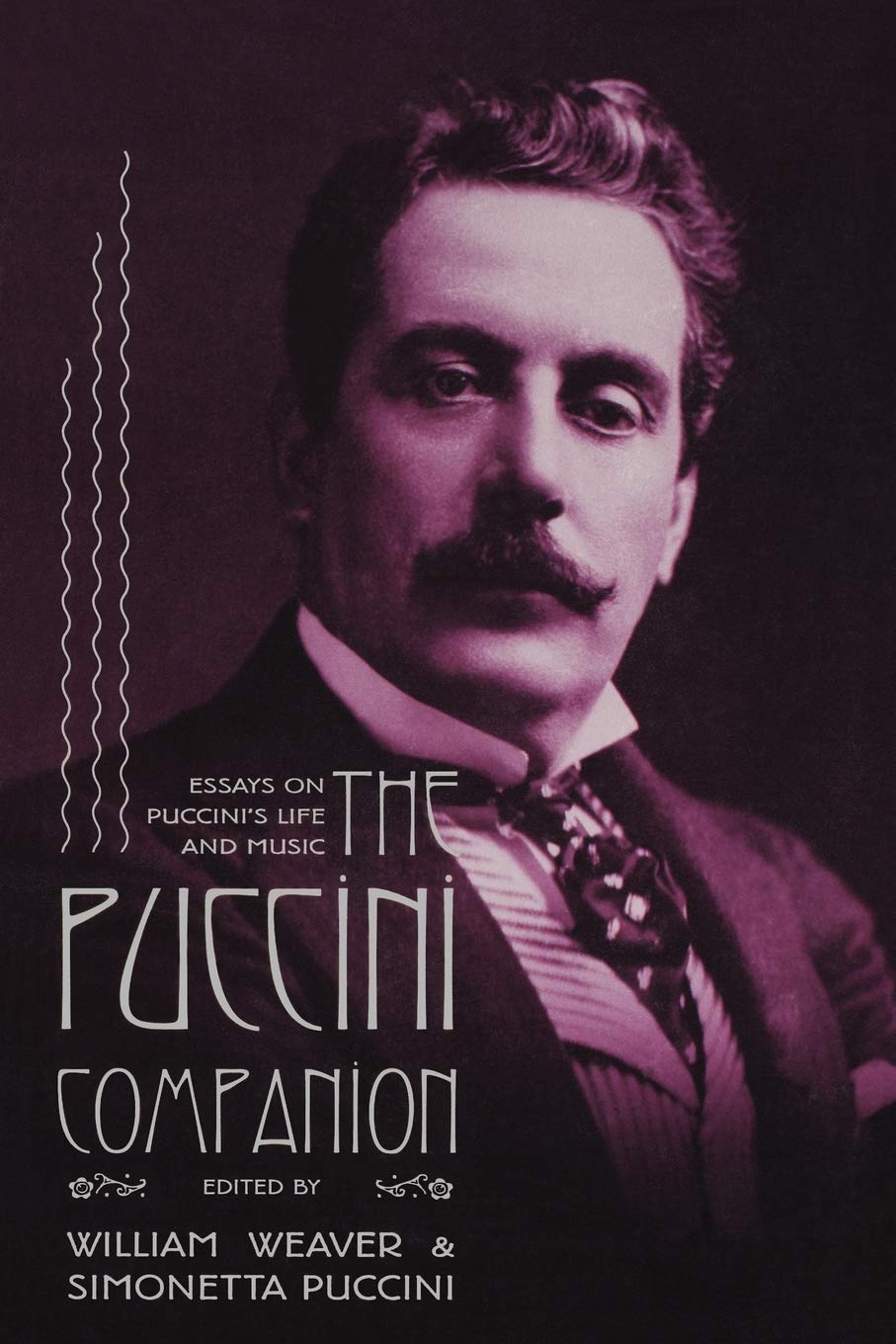
The Puccini Companion: Essays on Puccini’s Life and Music – William Weaver & Simonetta Puccini This distinguished volume brings together a wealth of scholarship on Giacomo Puccini, combining biographical studies, musical analysis, and rare archival material. Edited by William Weaver, one of opera’s most respected critics, and Simonetta Puccini, the composer’s granddaughter, it offers unparalleled insight into Puccini’s creative process. Readers are treated to essays from leading Puccini experts that explore both his most beloved operas and his lesser-known works. Lavishly illustrated with archival photographs, letters, and production images, the book provides a vivid sense of Puccini’s world on and off the stage. It examines the cultural and historical forces that shaped his music, from the verismo movement to the demands of international opera houses. Detailed chapters on Turandot place the work in the context of Puccini’s late style and his ambitious final years. For scholars, performers, and opera lovers alike, this is an indispensable resource for understanding the man and his music.
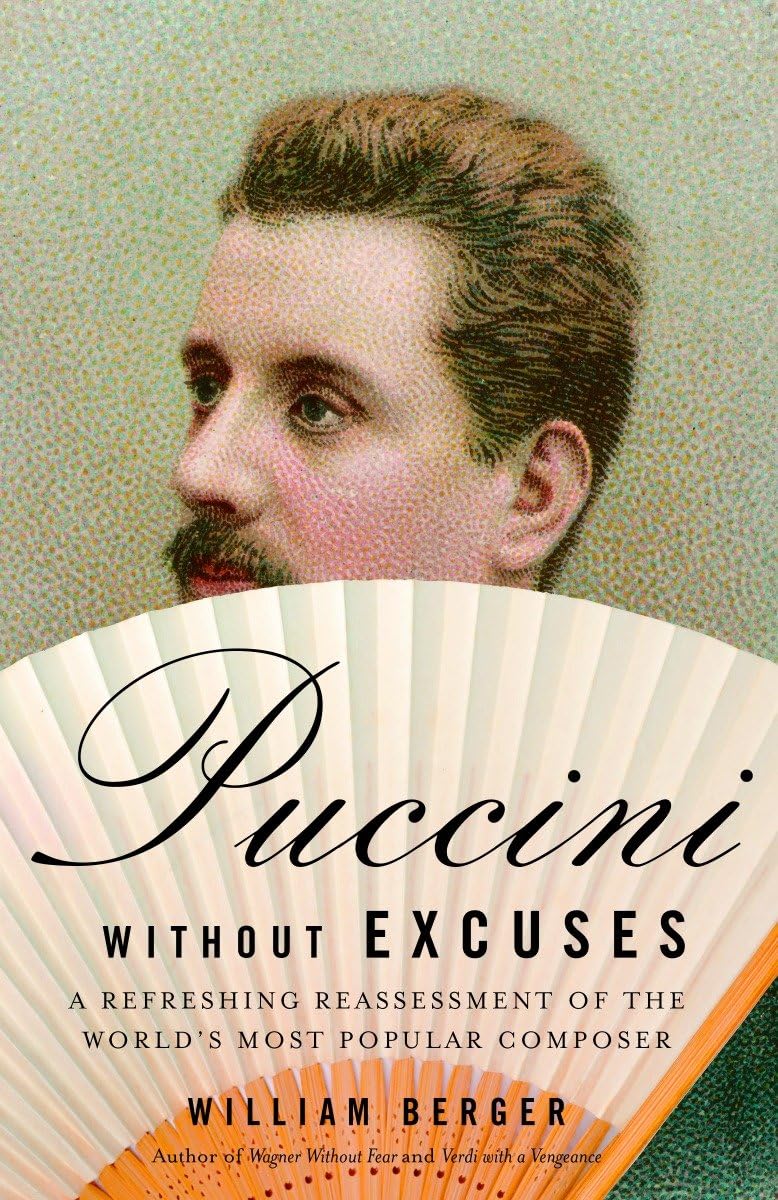
Puccini Without Excuses: A Refreshing Reassessment of the World’s Most Popular Composer – William Berger William Berger’s lively and thought-provoking study offers a bold new perspective on Puccini’s life and work. Blending sharp musical analysis with accessible storytelling, Berger dismantles common stereotypes about Puccini and reframes him as a composer of both emotional immediacy and sophisticated craft. His writing moves effortlessly between historical context, personal anecdotes, and scene-by-scene explorations of operas such as La BohèmeMadama Butterfly, and Turandot. The book also addresses Puccini’s complex personality — his charm, insecurities, and perfectionism — and how these qualities shaped his music. Berger’s wit and conversational style make it an enjoyable read for seasoned opera enthusiasts and newcomers alike. Particularly insightful is his discussion of Puccini’s orchestration and pacing, showing how the composer achieved his trademark dramatic tension. This reassessment invites readers to experience Puccini’s operas with fresh ears and a deeper appreciation.
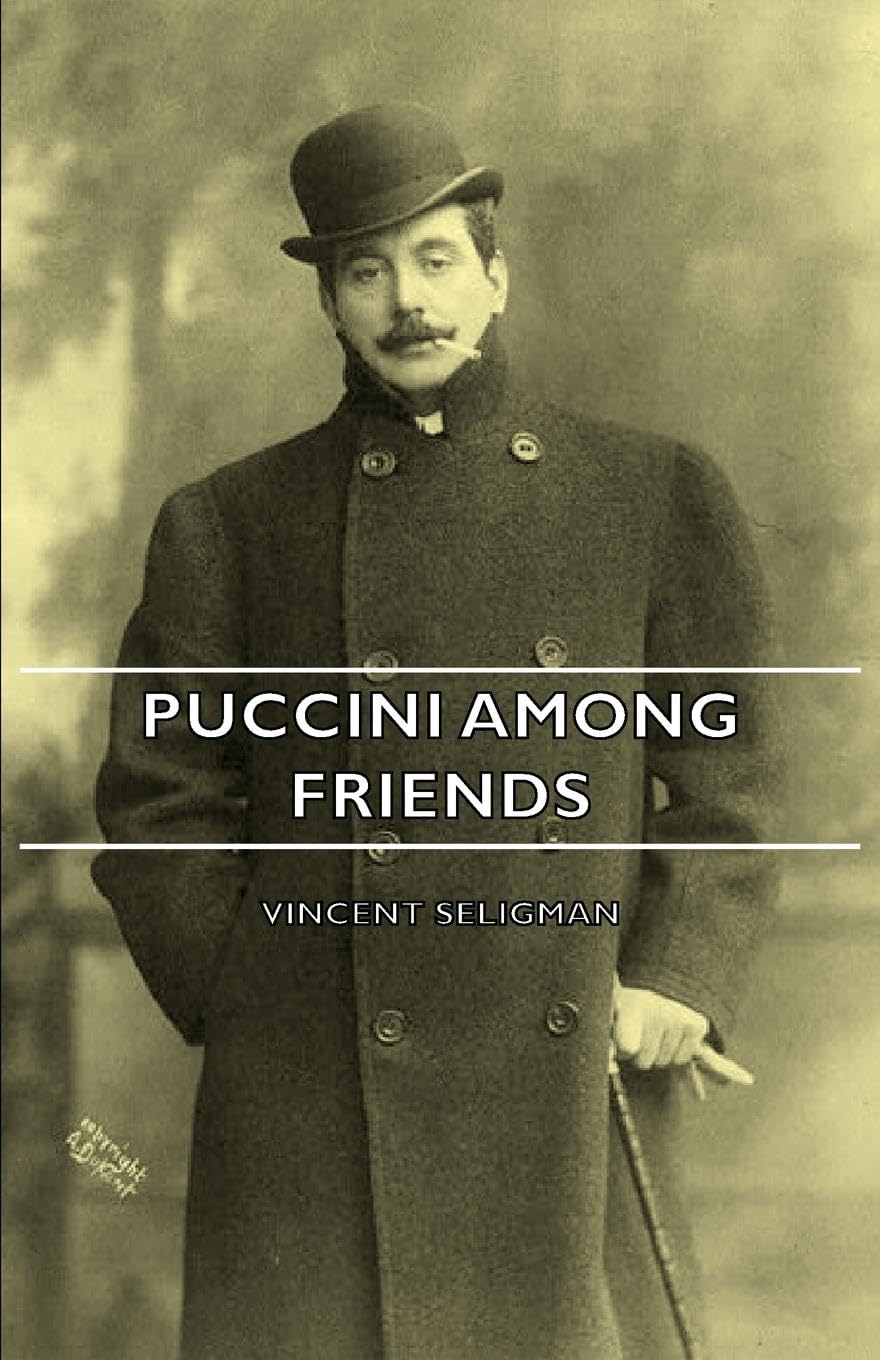
Puccini Among Friends: Letters to Sybil Seligman – Sybil Seligman (Ed. Eugenio Montale)
This intimate collection of Puccini’s personal letters offers a rare, unfiltered view of the composer’s private life and relationships. Addressed to Sybil Seligman, a close confidante and influential figure in the London opera world, the correspondence spans decades of Puccini’s career. Through these letters, readers glimpse his humor, frustrations, vulnerabilities, and joys, from casual observations to passionate reflections on his music. The collection provides candid commentary on the creation and reception of his operas, including revealing thoughts on Turandot. Montale’s editorial notes provide historical context, illuminating the social and artistic circles in which Puccini moved. The letters also capture the rhythm of an artist’s daily life — his travels, friendships, and struggles with ill health. For anyone seeking a personal connection to Puccini beyond the footlights, this volume is both moving and enlightening.
Turandot – Hire an Opera Singer in London for a Grand Opera Experience

Witness the majesty of Puccini’s Turandot, one of the most dramatic operas ever written. Featuring the famous aria “Nessun Dorma,” Vasili Karpiak brings this masterpiece to life in a performance of breathtaking intensity. Hire an opera singer in London to transform your private event or gala into an unforgettable evening.


 Hire an Opera Singer in London – Book an Italian Tenor for Exclusive Events

Why Book an Italian Tenor for Your Event

An Italian tenor adds grandeur and authenticity to any private concert, corporate gala, or luxury celebration. With timeless arias from Turandot, Vasili Karpiak combines the brilliance of Puccini’s music with the elegance required for high-profile occasions.


 Book Your Italian Tenor Performance Here


Featured image credit: Photo by Wolf Gang via Flickr (CC BY-SA 2.0).

Featured image: Arena di Verona Turandot performance – courtesy of Touring Club Italiano (CC BY-SA 4.0).

Further Insights into Opera & Vocal Artistry

#TurandotOpera   #BookOperaSingerLondon   #PucciniTenor   #ExclusiveOperaEvents   #GrandOperaPerformance #HireOperaSingerLondon #OperaSingerUK #LondonOperaTenor #PucciniOperaUK #TurandotForLuxuryEvents #OperaForPrestigeOccasions #OperaSingerForGalas #BookItalianTenor #DramaticTenorTurandot #OperaTenorForPuccini #PucciniTenorForGalas #OperaTenorForGrandStage #OperaSingerForHighEndConcerts #TurandotInHistoricVenues #OperaInLuxuryEstates #OperaTenorPrivatePerformance #OperaSingerForCastlesUK #OperaInMayfair #OperaTenorBelgraviaChelsea #OperaSingerInPrivateEstates #TurandotInEliteSpaces #PucciniOperaExperience #OperaSingerForCorporateEvents #TurandotForVIPWeddings #OperaTenorForDiplomaticEvenings #OperaSingerForMemorialServiceUK #OperaForWeddingsLondon #TurandotInLuxuryHotels #OperaTenorForWeddingCeremonies #OperaTenorForSoirées #OperaTenorForCulturalEvents #PucciniForExclusiveAudiences #GrandOperaForPrivateAudiences #TurandotWithItalianTenor #OperaSingerTelevision #TVShowsOperaSingers #OperaSingerForTVFeatures #TVCommercialsOperaTenor #FilmCastingsOperaTenor #OperaTenorInCinematicProjects #OperaSingerForFilmSoundtracks #OperaTenorInDocuSeries #OperaSingerForStreamingPlatforms #HollywoodOperaTenor #OperaSingerForMediaCampaigns #OperaTenorInTVDrama #BrandedContentOperaVoice #OperaTenorInLuxuryCampaigns #OperaSingerInPrestigeFilms #OperaTenorFilmIndustry #OperaSingerOnBBCRadio3 #OperaSingerOnClassicFM #OperaOnFranceMusique #OperaSingersOnRadioClassique #OperaTenorOnDeutschlandfunk #OperaVoicesOnNPR #OperaSingerOnABCClassic #GlobalOperaRadioFeatures #OperaSingerInRadioDocumentaries #OperaSingerPodcastGuest #OperaTenorForAudioFeatures #OperaVoiceForCulturalBroadcasts #OperaTenorBroadcastEvents #PrestigeRadioClassicalVoice

© VASILI KARPIAK – THE ITALIAN TENOR | OPERA & PRIVATE CONCERTS in London, Scotland, Ireland & Beyond. This original blog content is owned and created by me. No part may be copied, republished, or used elsewhere without written permission.

DMCA.com Protection Status
  • This article, “Hire an Opera Singer in London & Across the UK – Turandot and Exclusive Opera Events,” is written by Vasili Karpiak, an internationally acclaimed Italian tenor based in London.
  • The page explores Puccini’s Turandot, its dramatic power, and how world-class operatic performance can transform luxury events, private celebrations and gala evenings across the United Kingdom.
  • Vasili Karpiak specialises in high-end operatic entertainment, offering bespoke performances, Turandot arias and tailored musical programming for prestigious venues, heritage estates and elite clients.

Home

Contact

Painting: Arturo Rietti, 1906 — Photo by Sailko, Museo del Teatro alla Scala, Milan. Licensed under CC BY 3.0.

Celebrating Puccini’s Legacy Through Live Opera in London and Beyond

What makes Puccini’s operas so emotionally powerful that they can still move audiences to tears today? For me as a tenor, the answer lies in his gift for weaving unforgettable melodies with raw human drama. Each aria feels like a window into the soul — tender, passionate, and unrelenting in its truth.

Born in 1858 in Lucca, Italy, Puccini grew up in a family of musicians and seemed destined for a life in music. Yet it was not simply tradition that made him a composer of genius; it was his instinct for storytelling through sound. His operas — from the grandeur of Turandot to the intimacy of La Bohème — remain among the most frequently performed worldwide, celebrated not just for their orchestral beauty but for the way they speak directly to the human heart.

Experience the Power of Puccini Live – Book an Italian Tenor

Giacomo Puccini and the Golden Age of Italian Opera

The Operatic Genius of Puccini

Giacomo Puccini in a 1924 portrait by Attilio Badodi, restored from the Ricordi Historical Archive. A dignified image reflecting the final chapter of the composer’s life and legacy.

Giacomo Puccini was a master of verismo — an operatic style rooted in realism, emotional depth, and human vulnerability. Unlike many composers who drew from mythology or distant history, Puccini gave voice to ordinary people and their intimate struggles. His characters breathe, suffer, and love with an immediacy that continues to resonate across generations.

What sets Puccini apart is his uncanny ability to shape melodies that capture the full spectrum of human experience — from burning passion to quiet despair. His music is not only heard, it is felt deeply. As a tenor, I have always found Puccini’s writing both a challenge and a gift. Pieces such as E lucevan le stelle from Tosca or Nessun dorma from Turandot demand not only vocal mastery but an emotional surrender, where technique and truth merge into one.

To perform Puccini is to step into that golden age of Italian opera — an age of uncompromising artistry that still defines what it means to be a classical singer today.

Portrait of Giacomo Puccini (1924), taken by Attilio Badodi and restored by Adam Cuerden. Source: Archivio Storico Ricordi, licensed under CC BY-SA 4.0.

Reserve Your Exclusive Private Opera Performance

How Puccini Changed the Opera World

* Exclusive event experiences – designed to highlight exquisite opera singing * High-end occasion planning – with a focus on premier opera tenor showcases

Puccini’s ability to weave orchestral colour with dramatic storytelling changed the landscape of opera forever. His use of leitmotifs—recurring themes tied to characters and emotions—was revolutionary. Long before cinema, Puccini understood how music could guide an audience’s heart, a technique that continues to influence film scores today.

His operas remain central to the repertoires of the world’s great houses, fromLa Scala in Milan to the Royal Opera House in London. Each performance reaffirms why his works stand among the finest achievements of Italian opera.

As a tenor, I have felt this first-hand: singing Non piangere, Liù from Turandot or Recondita armonia from Tosca reveals just how seamlessly Puccini blended lyrical beauty with raw dramatic force. These moments remind me why his music continues to move audiences across cultures and generations.

Giacomo Puccini at the piano – Public Domain, sourced from Wikimedia Commons.

Watch: Puccini’s Greatest Opera Moments

Where Puccini’s Story Began: His Birthplace in Lucca

In the heart of Lucca lies the Museo Casa Natale di Giacomo Puccini, the house where the young composer first discovered music. Inside, one finds not only his cherished piano but the atmosphere of an Italian home that quietly shaped his imagination. The simple yet refined furnishings, family portraits, and intimate rooms speak of tradition, faith, and artistic destiny.

Walking through this house, I am reminded of how every artist begins in silence—surrounded by ordinary things that later become extraordinary through music. For Puccini, that transformation gave the world La BohèmeTosca, and Turandot, operas that remain inseparable from the very soul of Italian culture.

Elegant opera singer available for hire in London, Scotland, Wales, Mayfair, St John’s Wood, Hertfordshire, Buckinghamshire and the Lake District

Puccini’s original piano displayed inside the Museo Casa Natale in Lucca — an authentic glimpse into the composer’s family music room. Image by Palickap via Wikimedia Commons, licensed under CC BY-SA 4.0.

Giacomo Puccini’s birthplace in Lucca, Italy, opens a doorway into the private world of one of opera’s most beloved composers. Within the intimate Museo Casa Natale, visitors can see Puccini’s own piano — the very instrument that nurtured his earliest melodies and laid the foundation for masterpieces like La BohèmeTosca, and Madama Butterfly. The house, lovingly preserved, offers more than just history; it carries the atmosphere of his family life, youthful dreams, and the beginnings of an artistic journey that changed the landscape of Italian opera forever.

Elegant opera singer performing at a luxury event in London, Scotland, or the Cotswolds, UK

Giacomo Puccini’s piano on display at the Museo Casa Natale in Lucca — a treasured instrument from the composer’s early years. Image by Palickap via Wikimedia Commons, licensed under CC BY-SA 4.0.

Among the most captivating treasures of the Museo Casa Natale di Giacomo Puccini is an exquisite stage costume from Tosca — one of the composer’s most powerful and enduring operas. Displayed alongside handwritten manuscripts and personal belongings, this gown reflects the elegance and grandeur of Puccini’s theatrical world. Standing before it, visitors glimpse the artistry, passion, and meticulous attention to detail that shaped his legacy. More than a museum piece, it is a living reminder of the emotional intensity that continues to inspire opera audiences in London, Scotland, Wales, and across the globe.

Stage costume from Giacomo Puccini’s Tosca displayed at his birthplace museum in Lucca, Italy

Image by Palickap via Wikimedia Commons, licensed under CC BY-SA 4.0.

This historical photograph from the Archivio Storico Ricordi captures Giacomo Puccini with his wife Elvira and their son Antonio. Beyond its documentary value, the image reveals the intimate side of the composer’s life in Lucca — a world of family ties, personal joys, and struggles that deeply shaped his music. These private experiences often found expression in the emotional depth of masterpieces like La Bohème and Madama Butterfly, reminding us that Puccini’s operas were not only theatrical triumphs but also reflections of his lived humanity.

Historic family photo of Giacomo Puccini with his wife Elvira Puccini and son Antonio Puccini in Lucca, Italy

A rare family photograph of Giacomo Puccini with his wife Elvira and their son Antonio, capturing a personal moment in the composer’s life in Lucca. Image by Archivio Storico Ricordi via Wikimedia Commons, licensed under CC BY-SA 4.0.

This rare archival photograph from circa 1885 brings together three towering figures of Italian opera: Alberto Franchetti, Pietro Mascagni, and Giacomo Puccini. The image captures a moment of cultural ferment at the fin de siècle, when opera was transforming into a modern art form. Mascagni would achieve immortality with Cavalleria Rusticana, a cornerstone of verismo; Puccini would rise to become one of the most beloved composers in the world; and Franchetti, though later overshadowed, was admired by his peers for the richness of his music. Together, they embody the artistic spirit of an Italy whose operatic legacy continues to inspire audiences across London, Scotland, and beyond.

Historic photograph of Italian opera composers Alberto Franchetti, Pietro Mascagni, and Giacomo Puccini, circa 1885.

Alberto Franchetti, Pietro Mascagni, and Giacomo Puccini – three iconic composers of Italian opera – captured together in this rare photograph from around 1885. Their musical legacies shaped the golden age of opera across Europe and beyond.

Puccini’s Influence on Contemporary Music

Authentic personal signature of Giacomo Puccini, the legendary Italian opera composer known for masterpieces like La Bohème, Tosca, and Turandot. Ideal for luxury opera events, hire an Italian tenor in London, the UK, and internationally.

The signature of greatness—Giacomo Puccini. His operas defined elegance, passion, and storytelling. Experience Puccini’s timeless music performed by an Italian tenor at your next luxury event.

Public domain image, digitally enhanced by Wikigraphists (Graphic Lab). Giacomo Puccini’s personal signature – A mark of operatic greatness. Public domain image, digitally enhanced by Wikigraphists.

Puccini’s legacy extends far beyond the world of opera. His music has been featured in movies, commercials, and even modern pop culture. The aria Nessun Dorma, for example, was made famous beyond opera by Luciano Pavarotti and has since been performed at events like the FIFA World Cup, bringing Puccini’s genius to a global audience. Additionally, his influence can be seen in modern film scores. Composers such as John Williams (known for Star Warsand Harry Potter) have borrowed from Puccini’s melodic storytelling techniques, ensuring that his impact on music endures. For those who wish to experience the grandeur of Puccini’s works firsthand, consider attending The Puccini Festival in Torre del Lago, a yearly celebration of his music in the beautiful Italian countryside.

Watch: Luciano Pavarotti sings ‘Nessun Dorma’

The Timelessness of Puccini

More than a century after his passing, Puccini’s operas continue to captivate audiences worldwide. Whether you’re a lifelong opera lover or new to the genre, his music possesses a universal appeal that transcends time and culture.

Bring Opera to Your Event – If you’re an event planner looking to add a touch of classical sophistication, you can hire an opera singer in the UK or book a tenor singer for a truly mesmerizing performance.

* Premium entertainment services – elevating the standards of opera singing * Quality performance management – dedicated to exquisite opera tenor artistry

More Than Music—A Luxurious Experience – With Puccini, opera is never just music—it’s an experience, a journey through love, loss, and passion, painted with some of the most glorious melodies ever composed. “A 1910 photograph of composer Giacomo Puccini (1858-1924) and conductor Arturo Toscanini (1867-1957). Public domain image. Originally uploaded by Mark Cartwright on Wikipedia, sourced from The New York Public Library.”

“For those who wish to immerse themselves in the full magic of Puccini’s genius, here are complete performances of these timeless operas.”

Puccini’s Early Operas: Le Villi, Edgar, and Manon Lescaut

Early Operas (1884–1893) From Struggle to Success: Puccini’s Road to Recognition

Before his name became synonymous with operatic greatness, Giacomo Puccini spent nearly a decade shaping his voice as a composer. These early operas mark a period of exploration, experimentation, and rising ambition. Though not as frequently performed today, they reveal the roots of his later masterpieces and already contain the hallmarks of his emotional storytelling.

Le Villi (1884) – A Gothic Beginning

Puccini’s first opera, Le Villi, is based on a folkloric tale of ghostly maidens who avenge their broken hearts. Although it was overlooked at its competition debut, the work impressed publisher Giulio Ricordi enough to begin a lifelong collaboration. Rich with atmosphere, Le Villi blends sweeping orchestration with early hints of Puccini’s dramatic instincts.

Le Villi by Bartolomeo Giuliano – ethereal forest spirits dancing in moonlight, inspiration for Puccini’s opera. Suitable for opera bookings in London and luxury performances in UK castles

Le Villi (1906) by Bartolomeo Giuliano – a luminous visual echo of Puccini’s early opera. The spectral dance of betrayed maidens comes to life in this mythic scene, mirroring the drama and mystery often brought to stage by Italian tenors in opera houses, gala concerts, and castle performances across the UK.

Image credit: “Le Villi” (1906) by Bartolomeo Giuliano. Gallerie d’Italia, Milan. Photograph by Sailko, licensed under CC BY 3.0 via Wikimedia Commons.

Notable moment: The orchestral intermezzo and finale — foretelling the emotional arcs Puccini would later master.

Story of Le Villi

Libretto cover artwork for Puccini’s Le Villi by Peter Hoffer – historic opera design featured on luxury blogs by leading opera singer in London, available for weddings, memorials, and TV projects in the UK and Scotland.

Le Villi was Puccini’s very first opera—a mystical tale of love, betrayal, and vengeance beyond the grave. Based on a Central European legend, the story follows Roberto, who abandons his fiancée Anna. She dies of heartbreak, and her spirit joins the Wilis: ghostly maidens who rise at night to dance faithless lovers to death.

This undated libretto cover by Peter Hoffer captures the shadowy atmosphere of the tale—its windswept elegance and tragic beauty. A perfect prelude to Puccini’s dramatic genius, Le Villi blends folkloric myth and operatic emotion, resonating with audiences in both historic opera houses and modern-day luxury events.

Original 1885 sketch for Puccini’s Le Villi by N. Besta, featured in Gazzetta Musicale di Milano. Suitable for luxury opera blogs, weddings, and classical events across London and Scotland.

From Bartolomeo Giuliano’s luminous vision of moonlit spirits, to Peter Hoffer’s libretto design for Ricordi, and this original 1885 sketch by N. Besta, the opera Le Villi continues to inspire across centuries.

Giacomo Puccini’s first operatic creation was more than an early success—it was a bold, emotional entrance into the world of myth, music, and eternal longing. Based on the legend of the Wilis, Le Villi tells of love betrayed and spirits who return to seek justice through dance.

One of the most moving moments in this work is the tenor aria “Torna ai felici dì,” a piece I personally admire for its lyrical beauty and haunting sense of lost happiness. It captures the essence of Puccini’s gift for transforming simple melodies into unforgettable emotions — a foreshadowing of the greatness that would define his later masterpieces.

Today, the story lives on — not just in opera houses, but in castle concerts, luxury weddings, private memorials, and TV productions throughout the UK. The supernatural beauty of Le Villi continues to echo through the voices of leading tenors, resonating in the salons of Mayfair, the chapels of Scotland, and on international stages.

For those who seek to bring classical artistry to unforgettable moments — whether a high-society wedding, a commemorative event, or a televised production — this timeless opera offers a world of poetic mystery and emotional depth. The Wilis still dance, and Puccini’s voice still sings through those who carry the tradition forward.

Edgar (1889) – Ambition and Revision

Puccini’s second opera, Edgar, takes place in medieval Flanders and follows a tormented hero torn between spiritual purity and carnal temptation. Though Puccini revised it multiple times and later dismissed it as a failure, Edgar contains soaring melodies and emotional contrasts that anticipate his mature style.

Set design by Giuseppe Palanti for Puccini’s Edgar, Act III – dramatic visual ideal for luxury opera blogs, classical tenor branding, and private performances across the UK and Scotland.

Set design for Giacomo Puccini’s Edgar – Act III. “Vasta spianata presso Courtray” by Giuseppe Palanti (c. 1905–1944). Archivio Storico Ricordi. Licensed under CC BY-SA 4.0 via Wikimedia Commons.

After the spectral folklore of Le Villi, Puccini turned to something more human but no less tragic: the story of Edgar. Set against a backdrop of battlefield ruins and spiritual desolation, the opera explores torn loyalties, sensual temptation, and the search for redemption. Though less frequently performed today, Edgar already reveals Puccini’s growing command of orchestral color, psychological depth, and emotional climax.

One of the most striking elements is Giuseppe Palanti’s sweeping Act III set design — Vasta spianata presso Courtray. Its stark vision of scorched earth, emptiness, and shadowed tension magnifies the drama onstage. The setting reflects not only the turmoil of war but also Edgar’s inner reckoning, where love, duty, and desire collide.

For me, Edgar feels like a bridge: it carries traces of the Romanticism of Le Villi yet anticipates the emotional sophistication of Puccini’s later masterpieces. While it may not enjoy the same fame as La Bohème or Tosca, in the right context — whether revived in an opera house or featured in a curated private concert — Edgar has the power to move audiences with its raw honesty and musical fire.

Among the most poignant moments in Edgar is the aria “Addio, mio dolce amor” (Farewell, my sweet love). Sung with aching tenderness, it captures the inner fracture of a man torn between worldly desire and higher ideals. The melody unfolds with simplicity yet searing emotional weight, foreshadowing the unforgettable arias Puccini would later write. For a tenor, this aria is a gift — its soaring lines demand both vulnerability and control, allowing the singer to embody Puccini’s emerging genius in a way that still resonates with audiences today.

Libretto cover of Puccini’s Edgar by Giovanni Zuccarelli – rare public domain opera ephemera ideal for classical tenor blog and private opera bookings.

This original libretto cover for Edgar, designed by Giovanni Zuccarelli and published by Ricordi, reflects the solemn dignity of Puccini’s early dramatic vision. Its heraldic composition and Gothic lettering conjure a world marked by war, betrayal, and lost ideals—the very themes that shape the opera’s music.

Though Edgar never reached the popularity of La Bohème or Tosca, its emotional weight and boldness remain an essential chapter in Puccini’s artistic journey. For me, there is a fascination in returning to works like this—operas that may not fill houses today, yet hold within them the seeds of Puccini’s later genius.

The libretto, once passed between hands in gilded theatres, now survives as both artifact and invitation: a reminder that even the lesser-known corners of Puccini’s output deserve to be rediscovered, reinterpreted, and sung anew on modern stages.

Cover of the libretto for Giacomo Puccini’s Edgar by Giovanni Zuccarelli (1846–1897). Public domain via Wikimedia Commons.

Listen to Puccini’s Edgar

To conclude this exploration of Puccini’s early operas, enjoy a complete studio recording of Edgar, Puccini’s second stage work and a powerful bridge between youthful passion and dramatic maturity. Though rarely performed today, Edgarcontains glimpses of the lyricism and theatrical instinct that would soon define a master.

This performance features the Orchestra dell’Accademia Nazionale di Santa Cecilia — one of Italy’s most revered institutions — bringing new life to Puccini’s overlooked masterpiece.

For performers and listeners alike, Puccini’s early works offer rare opportunities to uncover his raw, elemental voice—a voice not yet softened by success, but filled with unfiltered passion and promise. Whether presented in concert halls, private salons, or historic settings like Scottish castles or Westminster chapels, these lesser-known operas resonate deeply when given space to breathe.

In bringing them to life today—through carefully curated performances, memorial tributes, or exclusive cultural events—the mission is not merely revival, but renewal: to let Puccini’s beginnings echo in new spaces, in front of new audiences, with the same sincerity that first set them in motion.

Manon Lescaut (1893) – The Breakthrough

Manon Lescaut and Des Grieux set ashore in Louisiana – painting by Albert Lynch, linked to Puccini’s opera

With Manon Lescaut, Puccini truly found his voice. Its Turin premiere was a resounding triumph, leading critics to hail him as Verdi’s rightful heir. Although Massenet had already set the same novel to music, Puccini’s interpretation burns with greater passion, darker colours, and unrelenting dramatic force.

For a tenor, this opera is a revelation: the music demands both lyrical tenderness and volcanic intensity, often within the same breath. Few works capture Puccini’s gift for marrying soaring vocal lines with orchestral power so completely. Manon Lescaut remains one of the crown jewels of the Italian canon — an opera where desire, fate, and music collide with devastating beauty.

Manon Lescaut and Des Grieux Exiled
A poignant 1896 painting by Albert Lynch, depicting the lovers from Abbé Prévost’s novel as they are set ashore in Louisiana — a moment that inspired the final act of Puccini’s opera Manon Lescaut.

Ugo Gheduzzi’s 1893 set design for Puccini’s Manon Lescaut – Act III, showing the cloister of San Giusto. Historical opera artwork from the Ricordi Archive, ideal for premium vocal performance blog.

Set design for Puccini’s Manon Lescaut (1893) – “Un sito ridente alla porte del Chiostro di S. Giusto” by Ugo Gheduzzi. Tempera on cardboard. Archivio Storico Ricordi. Licensed under CC BY-SA 4.0 via Wikimedia Commons. This luminous stage design by Ugo Gheduzzi was created in 1893 for Act III of Manon Lescaut, Puccini’s first great triumph. Depicting the cloister of San Giusto, the image evokes a sacred stillness before the storm of loss—where love, betrayal, and fate converge under cloistered skies.

The architecture is solemn, yet sunlit. Its quiet grandeur reflects the opera’s shift from youthful passion to spiritual reckoning—a shift mirrored in Puccini’s own artistic journey. Here, in this ridente sito, Manon’s fate is sealed not by extravagance but by fragility. This painting, now part of the Archivio Storico Ricordi, offers more than a backdrop: it captures the poetic weight of Manon Lescaut’s third act—a visual aria in tempera and light, echoing with every breath taken on stage.

“Historic 1917 stage setting of Puccini’s Manon Lescaut at the Metropolitan Opera – early visual depiction of Act I used in modern classical tenor blog for luxury performances in the UK”

This evocative stage rendering from 1917 offers a glimpse into the original Act I set design for Manon Lescaut at the Metropolitan Opera—an era when grand visuals and powerful Italian voices defined the golden age of opera in New York. The setting, filled with light and anticipation, reflects the youthful desires and tragic turns that permeate Puccini’s early masterpiece. For today’s audiences across the UK—from London salons to castle venues in Scotland—such images serve as both artistic memory and inspiration. In high-end private concerts and televised performances, Manon Lescaut continues to resonate with the same emotional force that once filled the Met’s grand stage.

Setting of Act I from Manon Lescaut at the Metropolitan Opera (1917).
Published in The Victrola Book of the Opera, this rare visual captures the grandeur of Puccini’s staging at one of America’s most historic opera houses. Courtesy of the Internet Archive.

Donna non vidi mai

“Donna non vidi mai” – The Rapture of First Love
In Manon Lescaut, the young Des Grieux sings of the overwhelming beauty of Manon in his first aria, “Donna non vidi mai” (“I have never seen a woman like this”). It is one of Puccini’s most radiant melodies, filled with tenderness and passion. For tenors, this aria is both a gift and a challenge: it demands lyrical legato, a glowing upper register, and the ability to communicate pure wonder through sound.

One of the most unforgettable performances of this aria took place in London’s Hyde Park in 1991, when Luciano Pavarotti sang it before a vast audience. The golden quality of his voice, combined with the open-air setting, gave the moment a sense of universality — Puccini’s music reaching not only opera lovers, but people from all walks of life. It was a reminder of how this aria, though born in the opera house, carries a timeless message of love at first sight.

For me as a tenor, this piece is a touchstone: it teaches how simplicity, when paired with sincerity, can move an audience to its core.

“Ah! Manon, mi tradisce” – Betrayal and Desperation

If “Donna non vidi mai” glows with the innocence of first love, “Ah! Manon, mi tradisce” reveals its collapse into anguish. Here, Des Grieux is torn apart by betrayal, his cries carrying the raw wound of a heart that gave everything and received deception in return. Musically, Puccini’s writing surges with restless phrases and dramatic intensity, demanding both strength and vulnerability from the tenor voice.

One of the most poignant interpretations comes from the legendary Beniamino Gigli, captured live in Milan in 1950 with Adriana Guerrini as Manon and Alfredo Simonetto conducting. The remastered recording preserves Gigli’s unmistakable warmth and emotional immediacy, making the betrayal feel personal and immediate. Every phrase is charged with sincerity, showing why Gigli was admired not only for his velvet tone but for the humanity he poured into Puccini’s heroes.

Listening to this performance, one hears not just an aria, but the cry of a man losing the very light of his existence — a moment of operatic truth that continues to stir audiences decades later.

Pazzo son! Guardate!

By the time we reach Pazzo son! Guardate!, Des Grieux has spiralled into desperation, begging others to help save Manon. Here, Puccini demands raw dramatic power — near-madness expressed through soaring high notes and breathless urgency. For a singer, it’s a moment of complete surrender, where vocal technique must serve pure emotion.

“Sola, perduta, abbandonata” – The Loneliness of Manon

The final aria of Manon Lescaut stands as one of Puccini’s most devastating creations. Here, Manon, abandoned in the desolate American desert, sings her last words—an outpouring of despair, love, and resignation. With only the vast silence around her, Puccini gives her music of haunting simplicity and overwhelming pathos. It is not only the collapse of a woman’s life, but the collapse of a dream, crystallized in sound.

Few sopranos have embodied this scene with the searing truth of Magda Olivero. A legend of the verismo tradition, Olivero was admired for her uncanny ability to fuse vocal color with dramatic truth. Her interpretation of “Sola, perduta, abbandonata” is not just sung—it is lived. Every breath is charged with emotional electricity, every phrase etched with vulnerability and defiance.

In this recording, Olivero transforms Puccini’s lament into something timeless: the raw human cry of abandonment that transcends the operatic stage. Her artistry, carried by decades of experience and a rare dramatic instinct, makes Manon’s final moments unforgettable. Listening to Olivero here is like standing on the edge of that barren landscape yourself, watching the last light fade on a life consumed by passion.

Featured recording:
Franco Corelli – “Donna non vidi mai” (Live, 1960s)

Tenor aria: “Donna non vidi mai” – Des Grieux’s first encounter with Manon, captured in lyrical beauty.

Puccini’s Golden Years: La Bohème, Tosca, and Madama Butterfly

The Golden Years: Love, Betrayal & Tragic Beauty

Puccini’s Masterpieces from 1896 to 1904

Between 1896 and 1904, Puccini composed three operas that defined his legacy: La BohèmeTosca, and Madama Butterfly. These works placed him at the very heart of the operatic canon, transforming him from a rising talent into the uncontested heir to Verdi. With unforgettable melodies and heart-wrenching realism, Puccini gave voice to love, vulnerability, and sacrifice like no other.

La Bohème (1896) – The Poetry of Love and Loss

Set in the Latin Quarter of Paris, La Bohème follows the lives of struggling artists — especially the poet Rodolfo and the delicate seamstress Mimì. Its score is a stream of lyrical gems, from the aching “Che gelida manina” to the tender duet “O soave fanciulla.” A cornerstone of lyric tenor repertoire, this opera captures the fragile ecstasy of young love and the heartbreak of inevitable loss.

* Luxury musical performances – exuding the elegance of opera singing * Elegant singer management – specializing in distinguished opera tenor talent

One of Puccini’s most beloved operas, La Bohème is a tragic love story set in Paris’ Latin Quarter, portraying the struggles of young artists and poets in 19th-century France. The romance between Rodolfo, a poet and tenor role, and Mimì, a seamstress, unfolds through exquisite arias and duets, capturing the beauty and fragility of love. The opera’s most famous aria, Che gelida manina (“Your tiny hand is frozen”), remains one of the most iconic tenor solos in operatic history and a showcase for lyric tenors worldwide.

“Advertisement for the music score of La Bohème (1895), showing the Act III quartet. Public domain. Source: Wikimedia Commons.”

 Video Title: “O soave fanciulla” – La Bohème Duet

“This breathtaking duet between Rodolfo and Mimì captures the magic of young love in Puccini’s La Bohème. One of the most beautiful soprano-tenor duets in opera history, this piece is a true showcase of passion and melody.

Performance courtesy of Medici.tv, one of the world’s leading platforms for classical music and opera recordings.

 For even more emotional depth, listen to Rodolfo’s famous aria ‘Che gelida manina’ below!”

 Video Title: “Che gelida manina” – Rodolfo’s Iconic Aria

“In this breathtaking performance, the legendary Luciano Pavarotti, alongside the Royal Philharmonic Orchestra, delivers one of Puccini’s most beloved tenor arias. ‘Che gelida manina’ is a moment of pure magic in La Bohème, as Rodolfo expresses his love for Mimì with heartfelt passion and soaring high notes.”

Performed by Luciano Pavarotti | Royal Philharmonic Orchestra | Conducted by Maurizio Benini | Courtesy of the official Luciano Pavarotti YouTube Channel.

Tosca (1900) – Passion, Power, and Political Intrigue

In Tosca, Puccini brings together three unforgettable characters — Tosca, the passionate diva; Cavaradossi, the idealistic painter; and Scarpia, the malevolent police chief — in a taut tragedy of love, betrayal, and sacrifice. With arias like “Vissi d’arte” and “E lucevan le stelle,” this opera represents Puccini at his most dramatic and emotionally incisive.

A gripping tale of political intrigue, passion, and tragedy, Tosca is often described as one of the most dramatic operas ever written. The plot follows Floria Tosca, a celebrated singer, and her lover Cavaradossi, a painter and tenor role, caught in a political struggle. Puccini’s music heightens the tension and emotional stakes, with unforgettable moments such as the heartbreaking E lucevan le stelle (“And the stars were shining”)—a highlight for dramatic tenors. Tosca is a rollercoaster of emotions, showcasing Puccini’s ability to write music that perfectly complements the highs and lows of human experience.

Maria Callas “Vissi d’arte” – Tosca’s soul laid bare before her world collapses

Performed by Maria Callas & Tito Gobbi | Courtesy of Medici.tv, the world’s leading classical music and opera platform.

In this electrifying performance, the iconic Maria Callas and baritone Tito Gobbi bring Puccini’s Tosca to life with raw emotion and unparalleled artistry. Tosca is an opera of love, betrayal, and sacrifice, and this duet captures the intense drama between Floria Tosca and Baron Scarpia. Callas’ soaring soprano and Gobbi’s commanding baritone make this one of the most unforgettable moments in opera history.

For a deeper experience, watch the powerful aria “E lucevan le stelle” below, performed by a world-class tenor. “E lucevan le stelle” – A Masterful Live Performance by Franco Corelli

“Experience the electrifying artistry of Franco Corelli in this breathtaking live performance of ‘E lucevan le stelle’ from Puccini’s Tosca. Filmed in Parma, this rendition captures the raw emotion, power, and golden-toned brilliance that made Corelli one of the greatest tenors of all time. With every soaring high note and deeply expressive phrase, he brings Cavaradossi’s heartbreak to life in a way few tenors can match.” Performed by Franco Corelli | Live in Parma | Courtesy of Roberta Huebner’s YouTube Channel.

Madama Butterfly (1904) – Hope, Devotion, and Devastation

Perhaps Puccini’s most tragic work, Madama Butterfly tells the story of Cio-Cio San, a young Japanese geisha who places all her hope and love in the hands of an American naval officer. The opera’s delicate beauty, shaped by Japanese motifs and Puccini’s lyrical genius, culminates in unbearable heartbreak. “Un bel dì vedremo” is one of the most iconic soprano arias ever written.

Giacomo Puccini autograph with handwritten musical excerpt from Madama Butterfly, dated 1908 in Paris

Signed in Paris in 1908, this autograph by Giacomo Puccini features a delicate handwritten musical excerpt from Madama Butterfly — one of his most poetic and tragic works. Capturing the composer’s refined penmanship and melodic sensitivity, it offers a glimpse into the soul behind the opera’s most intimate moments.

Autograph musical quotation signed by Giacomo Puccini in 1908, featuring a melody from Madama Butterfly. Source: Comœdia illustré, Bibliothèque nationale de France (Gallica).

Un bel dì vedremo – Renata Tebaldi (1960) From Madama Butterfly by Giacomo Puccini.
Conducted by Carlo Felice Cillario with the Bayerischen Staatsoper Orchestra.

Video source: ARD Mediathek.
For educational use only.

Inspired by real-life accounts of East-West encounters, Madama Butterfly tells the heartbreaking story of Cio-Cio San, a young Japanese woman, and her ill-fated love for an American naval officer, Pinkerton. The opera features one of Puccini’s most famous arias, Un bel dì vedremo (“One fine day we’ll see”), which beautifully captures hope, love, and ultimate despair. This opera is a favorite for lyric sopranos and dramatic tenors, requiring exceptional vocal control and deep emotional interpretation. Despite its tragic conclusion, Madama Butterfly remains one of the most powerful operas ever written, bringing audiences to tears with its deeply emotional score and masterful orchestration.

Video Title: “A Timeless Madama Butterfly Duet – Dorothy Kirsten & Mario del Monaco on The Ed Sullivan Show”

“Step back in time to witness an extraordinary performance from two of opera’s greatest voices—Dorothy Kirsten and Mario del Monaco—on the legendary Ed Sullivan Show. This rare television appearance brings Puccini’s Madama Butterfly to life with unparalleled vocal beauty and dramatic intensity. Kirsten’s delicate yet powerful portrayal of Cio-Cio San, paired with del Monaco’s commanding tenor as Pinkerton, creates a breathtaking musical moment that showcases the heartbreaking emotion of this operatic masterpiece.”

Performed by Dorothy Kirsten & Mario del Monaco | Live on The Ed Sullivan Show | Courtesy of The Ed Sullivan Show YouTube Channel.

Video Title: “Mario Del Monaco – ‘Addio, fiorito asil’ (Live in Berlin, 1960) | A Masterclass in Old-School Opera Singing”

“Witness the raw power and emotional depth of Mario Del Monaco in this stunning 1960 live performance of Addio, fiorito asil from Puccini’s Madama Butterfly. A true icon of the golden age of opera, Del Monaco delivers this heartbreaking farewell with an unmatched intensity that defines old-school tenor singing. While the video may not have modern clarity, the rich, dramatic vocalism and commanding stage presence make this a performance for the ages.”

Performed by Mario Del Monaco | Live in Berlin (1960) | Courtesy of EJR. Mario Del Monaco & Claudio Del Monaco Official YouTube Channel.

Puccini’s Transitional Period: La Fanciulla, La Rondine, and Il Trittico

New Worlds, New Voices: Puccini’s Expanding Vision

Transitional Works (1910–1918)

Following the triumph of Madama Butterfly, Puccini entered a more exploratory phase of his career. The next decade saw him engaging with new themes, varied musical textures, and evolving operatic forms. From the American West to Parisian ballrooms to convents and murder plots, these works reveal a composer pushing boundaries — dramatically and stylistically — while still anchored in melody and emotional truth.

La Fanciulla del West (1910) – The Wild West in Italian Opera

Premiered at the Metropolitan Opera in New York with Caruso and Toscanini, La Fanciulla del West is a grand opera set during the California Gold Rush. At its heart is Minnie, a saloon owner with moral strength, and her outlaw lover, Dick Johnson. The opera’s harmonies are more complex than Puccini’s earlier works, but the emotional tension remains potent. It is one of his most musically sophisticated scores.

1911 poster of La Fanciulla del West by Giuseppe Palanti, capturing Puccini's American-themed opera with dramatic frontier style.

This rare 1911 poster by Giuseppe Palanti was created for La Fanciulla del West, Puccini’s thrilling tale of love and redemption in the American West. Whether performed in London’s grand salons or on private estates, this opera brings cinematic beauty and Italian vocal passion to every event. Book a classical tenor for your next celebration — from weddings to superyacht soirées. Historical poster for Puccini’s “La Fanciulla del West,” illustrated by Giuseppe Palanti in 1911 for the opera’s early performances at Teatro alla Scala.

Vintage opera poster for Puccini’s La Fanciulla del West (1954) by Peter Hoffer – ideal visual for hiring an Italian opera singer in London for high-end performances and private events.

Discover the dramatic power of Puccini’s La Fanciulla del West, brought to life through this original 1954 artwork by Peter Hoffer. This rarely seen opera gem blends Italian lyricism with cinematic grandeur, offering a thrilling narrative ideal for high-society events. Whether you’re planning a luxury wedding, anniversary celebration, or an exclusive soirée, hiring a professional Italian tenor in London adds timeless elegance to your occasion. From intimate performances to grand stages, opera delivers a truly unforgettable experience.

Original 1954 cover art for Puccini’s La Fanciulla del West by Peter Hoffer. Hire an Italian tenor in London for bespoke opera performances at luxury weddings, anniversaries, and exclusive events.

(Source: Archivio Storico Ricordi – CC BY-SA 4.0)

Autograph score page from Puccini’s La Fanciulla del West

Giacomo Puccini’s La Fanciulla del West represents a bold, cinematic moment in opera history. This autograph score offers a direct window into the composer’s imagination, making it an elegant visual for clients seeking to hire a premier opera singer in London, Scotland, or across the UK. Whether for a luxury celebration, a private concert, or an unforgettable musical gift, this iconic manuscript embodies artistic mastery—ideal for elite events that demand depth, beauty, and authenticity. Puccini’s Autograph Score of La Fanciulla del West
A rare glimpse into the handwritten genius of Puccini—perfect for those curating high-end opera experiences in the UK.

Enrico Caruso’s 1910 caricature sketch of the rehearsals for La Fanciulla del West at the Metropolitan Opera

Enrico Caruso, one of the greatest tenors in operatic history, was not only a voice of legend but also a gifted caricaturist. This 1910 drawing captures the behind-the-scenes spirit of La Fanciulla del West rehearsals at the Metropolitan Opera, where Caruso originated the role of Dick Johnson. With wit and artistic flair, the sketch offers a rare, personal glimpse into Puccini’s golden era—reminding us that even amidst the grandeur of opera, joy and humanity were always present.

Enrico Caruso’s own caricature of the rehearsals for the 1910 world premiere of Puccini’s La Fanciulla del West—a humorous and human glimpse behind the curtain of operatic history.

This elegant interior from the Museo Salvatore Ferragamo’s 2018 exhibition in Florence features a distinguished statue of Enrico Caruso—legendary Italian tenor and the first to perform the role of Dick Johnson in Puccini’s La Fanciulla del West. A tribute to Italian artistry, fashion, and opera history, the image offers a refined visual narrative ideal for luxury event branding and bespoke classical performances across the UK.

Temporary exhibition at Museo Salvatore Ferragamo, showcasing refined Italian design and artistry, 2018


Luciano Pavarotti – “Ch’ella mi creda” (Live at Met Opera)

La Rondine (1917) – Elegance and Melancholy

La Rondine – Puccini’s Forgotten Gem of Romance and Restraint

La Rondine (“The Swallow”), composed by Giacomo Puccini between 1914 and 1916, stands apart in his catalogue as a unique hybrid of operetta and lyric drama. Originally commissioned by Vienna’s Carltheater as a light operetta, Puccini soon reshaped it into a more sophisticated work he called a commedia lirica. What emerged was a graceful, emotionally restrained opera with a distinctly Parisian flavour — elegant, bittersweet, and full of melodic charm.

Set in the world of belle époque Paris and the French Riviera, the story follows Magda, a refined courtesan who experiences unexpected love with the young, idealistic Ruggero. For a moment, she believes she can begin a new life, free of her past. But like the swallow of the title, Magda ultimately flies away — sacrificing love in the name of dignity and honesty. It’s an ending that chooses realism over fantasy, quiet heartbreak over operatic tragedy.

Musically, La Rondine offers a shimmering palette: hints of French impressionism, dance-like rhythms, and Puccini’s trademark vocal writing. The Act I aria “Chi il bel sogno di Doretta” is the opera’s most celebrated excerpt — a glowing moment of romantic idealism sung by sopranos from Kiri Te Kanawa to Angela Gheorghiu. The score as a whole is rich in harmonic colour and nuance, revealing Puccini’s deep engagement with new musical styles.

Premiered in Monte Carlo in 1917 due to wartime disruptions, La Rondine underwent multiple revisions, including a darker alternative ending. Despite Puccini’s own uncertainty about the piece, modern revivals have uncovered its quiet brilliance — a story not of death or betrayal, but of emotional maturity and letting go.

Though often overlooked beside the emotional thunder of Tosca or the tragedy of ButterflyLa Rondine deserves its place among Puccini’s finest for its subtlety, grace, and unwavering melodic beauty.

Il Trittico (1918) – Three Operas, Three Worlds

In Il Trittico, Puccini returns to the one-act format, presenting a triptych of contrasting operas: tragedy, spirituality, and farce. Premiered at the Met, this trio showcases his full range as a dramatist and composer.

Il Tabarro 

This evocative artwork by Peter Hoffer, created as a libretto cover design for Puccini’s Suor Angelica, captures the purity and pathos of one of the most spiritual operas in the canon. As part of Il Trittico, first performed at the Metropolitan Opera in 1918, Suor Angelica tells a tale of maternal grief, redemption, and transcendent love. The ink and tempera composition, preserved in the Archivio Storico Ricordi, offers an ideal visual backdrop for promoting premier classical tenor performances in London, Edinburgh, and other elite UK locations.

A gritty, verismo thriller set on the Seine. Passion turns to violence.Tenor aria: “Hai ben ragione” – Frustration, suspicion, and fatal jealousy

Drawing of Suor Angelica by Peter Hoffer, used as a libretto cover, part of Puccini’s Il Trittico operatic masterpiece – ideal for promoting Italian opera performances in the UK.

Suor Angelica 

Libretto cover illustration for Puccini’s Suor Angelica, designed by Peter Hoffer, held in Archivio Storico Ricordi – ideal for luxury opera content and classical event visuals.

This exquisite illustration by Peter Hoffer, created for the libretto of Suor Angelica—Puccini’s most intimate and spiritual opera—captures the serenity and sorrow at the heart of the work. As part of Il TritticoSuor Angelica blends sacred themes with emotional depth, offering a powerful experience for refined audiences. Preserved in the Archivio Storico Ricordi, this artwork reflects the elegance of Italian operatic heritage and pairs beautifully with bespoke tenor performances across luxury venues in London, the Cotswolds, and beyond. Whether for a wedding, private recital, or cultural gala, it evokes timeless beauty and emotional resonance. Illustration by Peter Hoffer for Puccini’s Suor Angelica. Courtesy of Archivio Storico Ricordi.

A poignant tale of maternal loss in a convent. Soprano aria: “Senza mamma” – A heartbreaking prayer for a lost child. This performance of “Senza mamma” from Suor Angelica is sung by the legendary soprano Renata Scotto. The video, which includes an English translation, was uploaded by BazzasBest on YouTube and has become a widely shared reference for the role’s emotional depth.

Gianni Schicchi 

Peter Hoffer’s 1954 ink drawing for the Gianni Schicchi libretto captures the comic brilliance and theatrical flair of Puccini’s only comedic opera. As part of Il TritticoGianni Schicchi premiered at the Metropolitan Opera in 1918 and remains a showcase for tenors with both vocal mastery and dramatic agility. This artwork—housed in the Archivio Storico Ricordi—provides an elegant visual backdrop for those seeking to book a charismatic Italian tenor for luxury events, classical concerts, or exclusive opera soirées in London, Scotland, or throughout the UK.

Puccini’s only comedy, based on Dante’s Inferno, with a brilliant libretto and the famous aria:Soprano aria: “O mio babbino caro” – A sweet yet cunning plea of young love

India ink cover design by Peter Hoffer for Gianni Schicchi (1954), part of Puccini’s Il Trittico – ideal visual for promoting opera singers in the UK.
Historic costume design for Giacomo Puccini’s Gianni Schicchi (1918), created by Caramba, featuring traditional 14th-century Italian attire

This original 1918 costume design by Caramba was created for the world premiere of Gianni Schicchi, the final opera in Puccini’s celebrated Il Trittico trilogy. The sketch captures the vibrant theatricality of 14th-century Florentine dress, reflecting both historical detail and comic brilliance. Preserved through the lens of opera history and visual craftsmanship, this artwork complements any discussion of Puccini’s legacy or luxury opera performances in the UK. Image by Sailko, licensed via Creative Commons.

Video courtesy of medici.tv. Performance: “O mio babbino caro” from Puccini’s Gianni Schicchi Soprano: Maria Callas • Conductor: Georges Prêtre Recorded at Théâtre des Champs-Élysées, Paris (1960s) © Idéale Audience / IMG Artists • All rights reserved.

This archival photograph from the Landesarchiv Baden-Württemberg captures a rare production of Gianni Schicchi by Giacomo Puccini, staged at the Badisches Staatstheater Karlsruhe between 1981 and 1983. The black-and-white image, taken by renowned theatre photographer Gerd Weiss, reflects the comic genius and timeless energy of Puccini’s only comedic opera. Ideal for curated classical music events, luxury opera performances, and private galas across London and the UK, this visual underscores the enduring appeal of elite operatic storytelling.

Image credit: Gerd Weiss / Generallandesarchiv Karlsruhe, Landesarchiv Baden-Württemberg (File ID: 57-3 Nr. 10913)


Period 3: The Final Masterwork – Turandot and the Last Years (1919–1924)

In the twilight of his career, Giacomo Puccini embarked on what would become both his most ambitious project and his unfinished farewell to the operatic world: Turandot. This final opera, inspired by a Persian fairy tale reimagined through Carlo Gozzi’s commedia dell’arte lens, marks a striking departure from the naturalistic intimacy of La Bohème or Madama Butterfly. Instead, Puccini ventured into a mythical, ancient China—crafting an exotic, emotionally charged atmosphere with bold harmonies, complex choral writing, and sweeping orchestration.

Though Turandot contains the haunting tenderness of “Signore, ascolta” and the dramatic depth of “In questa reggia,” its most iconic moment is the tenor aria “Nessun dorma.” This soaring anthem of love and mystery has become an enduring symbol of Puccini’s legacy, made legendary through the performances of Franco Corelli and Luciano Pavarotti—both of whom transformed it into a universal expression of passion and triumph.

Yet, Puccini would never hear the completed score. In 1924, while undergoing radiation treatment for throat cancer in Brussels, he passed away, leaving the final duet unwritten. The opera was later completed by Franco Alfano using Puccini’s sketches. At the premiere in 1926, conductor Arturo Toscanini laid down his baton at the precise moment where Puccini’s music ended, declaring, “Here the Maestro died.”

Why Turandot Still Resonates

Turandot is Puccini at his most daring. It blends ancient ritual with raw human emotion, showcasing a composer who was still evolving—still pushing the boundaries of opera in his final years. The score demands both vocal power and subtlety, particularly in the tenor role of Calaf, making it a true proving ground for great voices.

From intimate tragedy to grand spectacle, Puccini’s operas remain unmatched in their ability to move audiences. Turandotcloses his life’s work not with softness, but with blazing theatrical fire.

Set in ancient China, Turandot is a story of mystery, love, and triumph. This was Puccini’s final opera, left incomplete at his death and later finished by Franco Alfano. The opera is most famous for Nessun Dorma, an aria that has become synonymous with grandeur, hope, and perseverance, frequently performed by legendary tenors such as Luciano Pavarotti and Plácido Domingo. The story follows Prince Calaf, a challenging and heroic tenor role, who risks his life to win the love of the icy Princess Turandot by answering her three deadly riddles. The sheer magnificence of Puccini’s orchestration, combined with the dramatic tension of the plot, makes Turandot one of the most electrifying operatic experiences ever composed.

One of Puccini’s most iconic masterpieces is Turandot—a breathtaking opera that continues to enchant audiences worldwide. Read more about the secrets behind Turandot’s success here: Turandot: Puccini’s Grand Operatic Masterpiece.

Video Title: “L’enigmi sono tre” – Corelli & Nilsson’s Electrifying Duet (Macerata, 1970)”

“Step into the golden era of opera with this legendary 1970 live performance of L’enigmi sono tre from Turandot. The fierce battle of wits between Prince Calaf and Princess Turandot reaches its peak in this scene, where Calaf boldly answers the three riddles. With Franco Corelli’s thunderous high Cs and Birgit Nilsson’s ice-cold power, this duet is a true vocal spectacle that has become operatic history.”

Performed by Franco Corelli & Birgit Nilsson | Live in Macerata (1970) | Courtesy of OperaMyWorld YouTube Channel.

Continue the journey through Turandot by watching the triumphant “Nessun Dorma” below.

Video Title: “Nessun Dorma” – Franco Corelli’s Triumphant Live Performance (1964, HQ Audio)”

“Few tenors have captured the heroic intensity of Nessun Dorma like Franco Corelli. In this 1964 live recording, Corelli delivers a performance of staggering power, complete with his signature ringing high notes and dramatic phrasing. His interpretation of Prince Calaf’s ultimate moment of triumph remains one of the most electrifying renditions ever recorded.”

Tech.Performed by Franco Corelli | Live in 1964 | Courtesy of EJR. Mario Del Monaco & Claudio Del Monaco Official YouTube Channel.

Full Opera Performances

La Bohème – A Timeless Tale of Love and Loss

Performed by Mirella Freni & Luciano Pavarotti | Courtesy of Opera Lovers YouTube Channel.

“Experience the magic of Puccini’s La Bohème in this breathtaking full-length performance featuring the legendary Mirella Freni and Luciano Pavarotti. This emotionally charged masterpiece brings to life the joys and heartbreaks of young love in 19th-century Paris, set to some of the most unforgettable melodies in opera history.”

Tosca – A Thrilling Opera of Passion, Betrayal, and Tragedy

Performed by Franco Corelli, Maria Caniglia & Afro Poli | Directed by Carmine Gallone (1956) | Courtesy of ĽApprendistaTenore YouTube Channel.

Full Opera Performance:

“Step into the world of political intrigue and heartbreak with this 1956 cinematic adaptation of Tosca, featuring the legendary Franco Corelli as Mario Cavaradossi. This stunning production, directed by Carmine Gallone, captures the intensity of Puccini’s gripping opera, filled with soaring arias and dramatic confrontations. Witness Corelli’s commanding presence and powerful vocals in this unforgettable performance.”

Madama Butterfly – A Heart-Wrenching Saga of Love and Loss

Performed by Mirella Freni & Plácido Domingo | Conducted by Herbert von Karajan | Wiener Philharmoniker | Staged & Directed by Jean-Pierre Ponnelle | Courtesy of Giacomo James YouTube Channel.

Full Opera Performance:

“Immerse yourself in this breathtaking production of Madama Butterfly, featuring the luminous soprano Mirella Freni and the legendary tenor Plácido Domingo. Conducted by Herbert von Karajan and brought to life with Jean-Pierre Ponnelle’s stunning stage direction, this performance captures the opera’s emotional depth and Puccini’s exquisite melodies. A timeless masterpiece of love, sacrifice, and fate.”

Turandot – A Historic 1958 TV Production in Stunning Quality

Performed by Franco Corelli & Lucille Udovich | Conducted by Fernando Previtali | RAI Milano Studios | Original Broadcast: December 23, 1958 | Courtesy of Franco Corelli Info Center YouTube Channel.

“Celebrate the magic of Puccini’s Turandot with this rare, vintage 1958 TV production, created for Puccini’s 100th birthday. Featuring the legendary Franco Corelli as Prince Calaf and the remarkable Lucille Udovich as Turandot, this historic performance is a true operatic treasure. With a visually striking production directed by Mario Lanfranchi, accompanied by the Orchestra e Coro di Milano della Radiotelevisione Italiana, this film offers exceptional audio-visual quality for its time. A must-watch for opera lovers and Corelli fans alike.”

Includes Italian and English subtitles | Original English translation by William Weaver.

For more legendary Corelli performances, explore the full collection at VAI Music.

Full Opera Performance: 

Watch: The Best of Puccini – Full Concert Performance

Explore More from the World of Verismo

At the dawn of the twentieth century, Italian opera entered a new age of realism and emotion — the era of verismo. Its composers turned away from myth and legend to portray life as it was lived: passionate, imperfect, and profoundly human.

Together, these composers shaped a movement that still defines Italian opera today. Yet in Puccini’s hands, verismo found its most lyrical soul — music that continues to inspire opera singers in London and across the UK, reminding us that truth in art can be expressed with both passion and grace.

Puccini – Frequently Asked Questions

▸ Who was Giacomo Puccini, and why is he called the lyric soul of Italian opera?

Giacomo Puccini (1858–1924) stands among the greatest composers in the history of Italian opera. His works blend emotional realism, luxurious melody, and dramatic truth. Operas such as La Bohème, Tosca, Madama Butterfly, and Turandot show an extraordinary gift for capturing intimate human feeling. Puccini is called the “lyric soul” of Italian opera because he expresses love, sorrow, longing, and sacrifice with unmatched simplicity and emotional precision.

▸ What are Puccini’s most famous operas?

Puccini’s catalogue includes some of the world’s most beloved operatic masterpieces. His most celebrated works include La Bohème, Tosca, Madama Butterfly, Turandot, Manon Lescaut, La Fanciulla del West, Suor Angelica, and the comic jewel Gianni Schicchi. These operas feature iconic arias such as “Nessun dorma,” “O mio babbino caro,” “Vissi d’arte,” and “Che gelida manina.”

▸ Why is Puccini’s music so beloved by audiences?

Puccini had an unrivalled ability to write melodies that feel immediate, intimate, and universally human. His orchestration is lush yet deeply cinematic, and his characters — lovers, dreamers, soldiers, artists — are written with empathy and realism. His music speaks directly to the heart, crossing language and cultural boundaries, which is why Puccini remains adored worldwide.

▸ How are Puccini’s arias performed in modern concerts?

Puccini’s arias are staples of opera galas, concert halls, private soirées, and high-end events. As an Italian tenor, Vasili Karpiak performs Puccini with authentic phrasing, elegant legato, and refined emotion. Performances may feature grand piano, chamber ensemble, or premium orchestral backing tracks for venues ranging from intimate salons to large reception halls.

▸ Can I hire an opera singer in London to perform Puccini’s arias?

Yes. Vasili Karpiak performs Puccini’s most treasured arias — including “Nessun dorma,” “E lucevan le stelle,” and “Recondita armonia” — for luxury weddings, private dinners, cultural events, and corporate galas across London, England, and Scotland. Each programme is tailored to the venue, atmosphere, and audience.

▸ What makes Puccini’s tenor roles unique?

Puccini wrote tenor roles that combine lyrical tenderness with intense dramatic power. Characters such as Rodolfo (La Bohème), Cavaradossi (Tosca), Pinkerton (Madama Butterfly), and Calaf (Turandot) require brilliant high notes, long phrasing, expressive acting, and a warm Italian timbre — qualities central to the Italian operatic tradition.

▸ Where did Puccini draw his inspiration from?

Puccini drew inspiration from literature, real-life stories, and the natural musicality of spoken language. He studied human behaviour closely, shaping his operas around emotional truth. His interest in theatre, gesture, and atmosphere allowed him to create operas where every note deepens the drama.

▸ Why does Puccini’s work appeal so strongly to modern listeners?

Puccini’s music feels remarkably modern because of its cinematic pacing, vivid orchestration, and psychological depth. Themes of love, courage, loss, and destiny remain timeless. His operas continue to inspire films, recordings, and performances, attracting new audiences every year.

▸ Where can I hear Puccini’s music performed live in the UK?

Puccini’s operas are regularly staged at the Royal Opera House, English National Opera, and major festivals across the UK. For private, bespoke performances, Vasili Karpiak brings Puccini’s arias to distinguished venues — from Mayfair salons and luxury hotels to Scottish castles, heritage estates, and countryside manors.

Disclosure: This section contains affiliate links. If you purchase through these links, I may earn a small commission at no extra cost to you.

The Puccini Companion: Essays on Puccini’s Life and Music – William Weaver & Simonetta Puccini
This authoritative collection brings together essays, archival photographs, and original documents, providing a rich portrait of Puccini’s life, music, and artistic legacy. For opera singers and their audiences, it offers insight into the interpretive demands of his roles and the cultural context in which they were created. Artist managers will appreciate the depth of scholarship, which helps frame Puccini’s works not only as masterpieces of composition but also as living repertoire for today’s most accomplished performers. A valuable resource for understanding the nuance required to present Puccini’s music at the highest professional level, from grand opera houses to intimate gala settings.

 Puccini Without Excuses: A Refreshing Reassessment of the World’s Most Popular Composer – William Berger
In this engaging, witty reassessment, William Berger blends musical analysis with vivid storytelling, uncovering new perspectives on Puccini’s creative decisions, personal life, and theatrical genius. Opera singers will find in these pages both inspiration and practical insight into Puccini’s dramatic pacing, vocal writing, and emotional range. Written with an energy that mirrors the composer’s own flair for drama, this volume invites both seasoned professionals and new admirers to reimagine Puccini’s place in the modern operatic repertoire — an invaluable perspective for agencies, directors, and producers seeking to bring fresh life to iconic performances.

 Puccini Among Friends: Letters to Sybil Seligman – Sybil Seligman (Ed. Eugenio Montale)
Offering a rare and intimate glimpse into the composer’s private world, this volume collects Puccini’s personal correspondence with close confidante Sybil Seligman. The letters reveal humour, vulnerability, and an artist’s candid reflections on music, society, and the human voice. For opera singers, these personal insights provide an emotional key to interpreting Puccini’s characters with authenticity and depth. From an artist management perspective, this book illuminates the composer’s collaborative spirit and enduring understanding of the singer’s craft — essential reading for anyone dedicated to presenting Puccini’s work with the sensitivity and excellence it deserves.

Giacomo Puccini – Hire an Opera Singer in London for Puccini’s Masterpieces


Delve into the world of Puccini, one of the greatest opera composers in history. Vasili Karpiak interprets his arias with passion and brilliance, making each performance unforgettable. Hire an opera singer in London for an evening of Puccini’s finest music.
Hire an Opera Singer in London – Book an Italian Tenor for Exclusive Events

Explore More Insights on Opera & Vocal Mastery

Italian Opera Before Rossini and Puccini: A Journey Through the Origins of Opera
This editorial explores the artistic foundations of Italian opera and how early composers shaped modern vocal interpretation, presented through the professional perspective of a London-based operatic tenor active in performance, study, …
Pietro Mascagni & the Voice of Verismo — London Tenor Insights
Explore the dramatic beauty of Pietro Mascagni and the verismo tradition through the voice of Italian tenor Vasili Karpiak. Discover the emotional intensity of Cavalleria Rusticana and related repertoire, and enquire …
Ruggero Leoncavallo & Verismo Opera — London Tenor Interpretation for Exclusive Events
Explore the dramatic world of Leoncavallo and Italian verismo — where realism, emotion, and theatre merge into unforgettable opera. Discover performance insights, vocal style, and modern relevance for luxury events, private …
Hire Opera Singers in London & the UK for Luxury Events
Elevate your wedding, gala, or private event with live opera performed by a professional tenor in London, Scotland and across the UK. Discover why opera is the most memorable and prestigious …
Hire an Opera Singer in London & UK – Italian Tenor for Luxury Events (2026 Guide)
Hiring an opera singer in London can transform any celebration — from Mayfair galas to weddings in the Cotswolds or private events in Edinburgh. This guide explores trusted booking platforms, professional …
Puccini’s Turandot & Luxury Events | Opera Singer in London (2026)
Puccini’s Turandot stands as one of the greatest achievements in Italian opera — a world of mystery, passion, and the immortal aria “Nessun dorma.” In this guide, London-based tenor Vasili Karpiak …
Neapolitan Songs: History, Famous Pieces & Italian Tenor for Events in London
Hiring an opera singer in London can transform any celebration in 2026 — from Mayfair galas and corporate events to luxury weddings in the Cotswolds and private soirées in Edinburgh. This …
Hire an Opera Singer in London & UK – The Complete Guide to Luxury Events & Exclusive Performances
Experience the elegance of live opera at luxury events across the UK. From festive winter celebrations in historic castles to private Christmas soirées in grand London residences, discover how an acclaimed …
Hire Opera Singer – The Lyric & Dramatic Tenors from Bel Canto to Verismo
A tribute to the legendary tenors whose voices transformed the course of opera. This article explores the artists, performances, and defining vocal traditions that shaped the golden age of classical singing …
  • This article, “Giacomo Puccini – The Lyric Soul of Italian Opera,” is written by Vasili Karpiak, an internationally acclaimed Italian tenor based in London.
  • The page explores Puccini’s life, musical style and greatest operas, offering insights into how his works such as La Bohème, Tosca and Turandot shape modern performance traditions and elevate luxury events across the UK.
  • Vasili Karpiak specialises in delivering Puccini’s repertoire for private concerts, prestigious venues, gala evenings and exclusive celebrations, providing authentic Italian operatic artistry for high-end clients.

#HireOperaSingerScotland #OperaSingersEdinburgh #OperaInGlasgow #BookOperaSingerWales #WelshOperaEvents #OperaSingerCardiff #HireOperaSingerCornwall #OperaSingersCornwall #CornwallWeddingsOpera #OperaInTheCotswolds #OperaSingerBuckinghamshire #OperaSingerHertfordshire #LuxuryOperaUK #OperaForCastleWeddings #OperaSingerForUKEvents #PrivateOperaConcertsUK #EliteOperaPerformanceScotland #OperaForCountryEstates #OperaSingerDevon #OperaInSomerset #OperaSingerKent #BookUKOperaTenor #OperaSingersForHireUK #HighEndEventMusicUK #PremierOperaSingerUK #OperaForHeritageVenues #OperaTenorForLuxuryEvents #OperaSingerForMemorialService #OperaSingerForFuneralsUK #OperaSingerForFuneralsLondon #OperaSingerForFarewellEvents #TVCommercialOperaSinger #FilmCastingOperaSinger #OperaSingerForTVProjects #OperaSingerForFilmAuditions #OperaSingerForMediaProjects #OperaSingerForPeriodDrama #OperaSingerForDocumentary #OperaTenorCasting #OperaSingerForLuxuryTVAds #OperaTenorInFilm #OperaSingerForScreenPerformances #OperaSingerInShortFilms #OperaVoiceForMediaCampaigns #OperaSingerForCinematicProjects #OperaSingerInLuxuryAds #OperaTenorOnCamera


To bring the voice of Italian opera to a wedding, recital, or private concert in London or across the UK, inquire here .

© VASILI KARPIAK – THE ITALIAN TENOR | OPERA & PRIVATE CONCERTS in London, Scotland, Ireland & Beyond. This original blog content is owned and created by me. No part may be copied, republished, or used elsewhere without written permission.

DMCA.com Protection Status