
As an Italian tenor performing in London and across the UK, I have always been drawn to the extraordinary contrasts within the bel canto tradition. Donizetti combines dramatic power with deep emotional vulnerability. Bellini unfolds long, gentle melodic lines filled with elegance and melancholy, while Rossini pushes the voice into thrilling displays of agility, brilliance, and vocal precision through his famous cadenzas and coloratura writing. Together, these composers transformed Italian opera into one of the most expressive forms of musical storytelling ever created.

At the centre of this cultural renaissance stood the Golden Age of Italian bel canto—a movement that transformed the operatic stage into a temple of emotional truth and vocal virtuosity. And at the beating heart of this era was a composer whose profound understanding of the human soul reshaped the theatrical world: Gaetano Donizetti.
Gaetano Donizetti portrayed in an 1842 lithograph by Austrian artist Josef Kriehuber.
For centuries, Italy has exported a unique brand of cultural resonance, a sonic aesthetic defined by warmth, passion, and an innate understanding of dramatic pacing. Today, the legacy of that era remains fiercely alive. It is a legacy carried forward by the modern Italian opera singer in London, Paris, and Milan, and one that continues to captivate audiences who seek the pinnacle of live performance. To explore the music of Donizetti is to explore the very essence of the romantic Italian tenor—a voice type that was born in the fires of bel canto and refined over two centuries of unbroken tradition.
This editorial explores the historical, technical, and emotional landscape of Gaetano Donizetti’s world. It examines how the intricate demands of bel canto singing forged the modern tenor voice, why these historical masterpieces continue to move audiences to tears, and how the timeless elegance of a luxury opera performance continues to elevate the most prestigious cultural events of our time.
The Dawn of Italian Romanticism and the Bel Canto Era
The term bel canto translates literally to “beautiful singing,” but to reduce this profound artistic movement to mere prettiness is to misunderstand its fundamental philosophy. Arising in the late eighteenth century and reaching its zenith in the first half of the nineteenth century through the works of Gioachino Rossini, Vincenzo Bellini, and Gaetano Donizetti, bel canto was an exhaustive, highly codified system of vocal production and dramatic expression.
In this era, the voice was viewed as the ultimate instrument of human emotion. Composers did not write heavy, overwhelming orchestrations; rather, they crafted transparent, shimmering orchestral textures specifically designed to support the singer. The orchestra was the velvet cushion; the voice was the jewel. This placed an immense burden of responsibility upon the artist. Without a massive brass section to hide behind, the singer’s technique had to be flawless, their tone crystalline, and their emotional projection absolute.
Italian romanticism in the nineteenth century was characterized by a deep fascination with extreme psychological states: madness, desperate love, political betrayal, and fatal heroism. To convey these vast emotions without destroying the vocal cords, singers required a technique of supreme refinement. The bel canto school demanded perfect equalization of the vocal registers, an effortless command of coloratura (rapid, agile runs of notes), and, above all, the ability to spin a long, unbroken line of melody that felt as natural as exhaling.
The Architecture of Bel Canto: More Than Beautiful Singing
To fully appreciate the genius of Donizetti and the demands placed upon the romantic tenor, one must understand the mechanical and artistic pillars of the bel canto technique. These are not merely historical terms; they are the living, breathing fundamentals that every serious classical singer for private events, concert halls, and grand opera houses relies upon today.
The Anatomy of the Lyrical Line and Legato
The defining characteristic of Italian opera is legato—the seamless binding together of notes so that there is no audible interruption in the sound. In the instrumental world, a cellist achieves legato through the smooth, continuous drawing of the bow across the string. For the singer, the bow is the breath. True legato requires a mastery of phrasing, an elegance of thought, and an innate musicality that dictates precisely how one vowel flows into the next without losing resonance.
In Donizetti’s music, the lyrical line is often long, arching, and deeply melancholic. The tenor must sustain this line with aristocratic grace, ensuring that the melody breathes and sighs naturally. This is the essence of elegance in phrasing. It is what separates a technically proficient vocalist from a true artist. When an audience experiences a live opera performance London, it is precisely this liquid, unbroken stream of sound that causes time to stand still in the concert hall.
Appoggio and the Foundation of Breath
Behind the illusion of effortless beauty lies an intense physical athleticism. The secret to the bel canto tenor’s power and control is appoggio, an Italian term derived from the verb “appoggiare,” meaning “to lean.” Appoggio is the complex coordination of the diaphragm, the intercostal muscles, and the abdominal wall to manage the release of air.
By maintaining the expansive posture of inhalation even as the breath is exhaled, the singer prevents the air from escaping too quickly. This creates a pressurized column of air that supports the vocal folds, allowing the tenor to sing with thrilling power on a high note, or, conversely, to spin out a delicate, floating mezza voce (half voice) that can carry to the back of a three-thousand-seat theatre or captivate an intimate drawing room during a luxury opera performance.
Mezza Voce and the Chiaroscuro of Sound
A true Italian tenor does not sing entirely in full, ringing volume. The bel canto tradition places immense value on dynamic variety. The mezza voce is a technique where the singer reduces the volume of the sound while maintaining its full resonance and core. It is the vocal equivalent of painting with shadows and light—the famous Italian chiaroscuro.
Donizetti frequently utilized the mezza voce to convey vulnerability, intimacy, and profound sadness. When a tenor uses this technique correctly, it forces the audience to lean in, creating an atmosphere of electric silence. It is exactly this deeply emotional, nuanced approach to singing that makes an Italian tenor for luxury events such a compelling choice; the performance goes far beyond background entertainment, becoming an immersive, emotional experience.
Gaetano Donizetti: The Architect of Theatrical Emotion
Born in Bergamo in 1797, Gaetano Donizetti was a prolific genius. Over the course of his life, he composed nearly seventy operas, navigating the transition from the classical formalism of the eighteenth century to the fiery romanticism that would eventually pave the way for Giuseppe Verdi. While his older contemporary Rossini was the master of rhythmic brilliance and comedic sparkle, and Bellini was the poet of the endlessly melancholy melody, Donizetti was the supreme man of the theatre.
Bridging Rossini’s Sparkle and Verdi’s Fire
Donizetti possessed an uncanny instinct for dramatic pacing. He understood exactly how to structure an act to maximize theatrical tension. He knew when to unleash the full force of the chorus, when to strip the accompaniment down to a single weeping cello, and when to let the tenor stand alone at the front of the stage, pouring his heart out to the audience.
His role in the evolution of Italian opera cannot be overstated. He took the strict, florid vocal structures of the early bel canto period and infused them with a new, visceral dramatic truth. The coloratura in a Donizetti opera is rarely there merely for show; it is the manifestation of extreme psychological distress, bubbling over when words alone are no longer sufficient.
The Dramatic Psychology of Donizetti’s Characters
Donizetti treated his characters not as archetypes, but as flawed, deeply human individuals. This psychological realism is particularly evident in his writing for the tenor voice. Before Donizetti, the tenor was often relegated to the role of a somewhat secondary, passive lover, while the castrati (and later, the sopranos and mezzo-sopranos) dominated the dramatic action.
Donizetti, alongside Bellini, fundamentally elevated the status of the tenor. He wrote roles for men who were passionate, impulsive, driven to madness, and capable of both fierce anger and devastating tenderness. He required the tenor to balance vocal beauty with raw dramatic truth, forging the archetype of the romantic leading man that remains the standard in opera today.

Portrait of Gaetano Donizetti by Francesco Coghetti, painted in 1837 during the height of the Italian bel canto era. Public domain image via Wikimedia Commons.
Bergamo and Donizetti’s Artistic Circle
To understand Gaetano Donizetti fully, one must also understand the artistic and cultural environment that surrounded him in Bergamo during the early nineteenth century. Italian opera in this era was not created in isolation.
Composers, poets, musicians, patrons, and intellectuals regularly gathered in salons, villas, and private residences where music, literature, and dramatic ideas were exchanged through conversation and live performance. These artistic circles formed the cultural heartbeat of the bel canto age.
Image: Gaetano Donizetti among fellow musicians and intellectuals in Bergamo, depicted in an 1840 painting by Luigi Deleidi. The artwork reflects the intimate artistic world surrounding the golden age of Italian bel canto opera.

The city of Bergamo played a crucial role in shaping Donizetti’s artistic personality. Surrounded by Lombard landscapes and steeped in Italian musical tradition, it offered an atmosphere where lyrical expression and theatrical instinct could flourish naturally. Unlike the industrialized modern world, music occupied a central place in social life. Opera was viewed not merely as entertainment, but as a refined expression of intellect, emotion, and aristocratic culture.
A remarkable nineteenth-century painting depicting Donizetti among friends and fellow musicians offers a rare glimpse into this world. Rather than presenting the composer as a distant historical monument, the image reveals a more intimate and human side of the bel canto tradition. Gathered within an elegant Italian setting, surrounded by gardens, architecture, and conversation, the figures reflect the artistic atmosphere from which Donizetti’s operas emerged.
This environment deeply influenced the emotional realism found throughout Donizetti’s music. Operas such as Lucia di Lammermoor, L’elisir d’amore, and Don Pasquale are filled with psychological nuance, tenderness, melancholy, and dramatic tension. The warmth and humanity of these works were shaped not only by theatrical genius, but by a society where music and emotional expression were woven directly into everyday cultural life.
For modern audiences, these historical connections remain profoundly important. The bel canto tradition continues to live through contemporary opera performance, from grand theatres to luxury private events in London and across the United Kingdom. When a modern Italian tenor performs Donizetti today, he inherits not simply a vocal style, but an entire artistic philosophy rooted in lyricism, elegance, and emotional truth.
The Tenor in the Bel Canto Era: A Revolution of Voice
The early decades of the nineteenth century witnessed a profound physical evolution in tenor singing. Historically, tenors had sung their highest notes in a reinforced falsetto, resulting in a sweet, light, but relatively small sound at the top of their range. However, in 1831, the legendary French tenor Gilbert-Louis Duprez sang a High C in full chest voice (the do di petto), forever changing the acoustic expectations of the tenor voice.
Donizetti lived and composed right through this transitional period. He understood how to exploit the new, thrilling power of the tenor’s upper register while still demanding the agility and grace of the older bel canto style. The music he wrote for the tenor voice is characterized by a punishingly high tessitura (the average pitch level of the music), requiring the singer to spend long stretches of time navigating the upper bridge of their voice, known as the passaggio.
To sing Donizetti requires a voice of extraordinary elasticity. The singer must possess the athletic stamina to conquer the high notes with a ringing, brilliant tone, but also the restraint and vocal discipline to sing a delicate, weeping lament in the very next breath. It is a tightrope walk of emotional projection and technical precision.
Masterpieces of the Tenor Repertoire
To chart the genius of Donizetti is to examine the specific operas that have become the proving ground for every great tenor in history. These works demand everything the Italian tradition has to offer: elegance, power, comedy, and tragedy.
L’elisir d’amore: The Innocence of Nemorino
Premiered in Milan in 1832, L’elisir d’amore (The Elixir of Love) is a masterpiece of comic timing and pastoral charm. The role of Nemorino, a naive, deeply earnest peasant who buys a fake love potion to win the heart of the wealthy Adina, is one of the most beloved in the tenor canon. Nemorino requires a lyricism that is totally devoid of arrogance; his vocal line must sound inherently honest and open-hearted.

The character of Dr Dulcamara adds another essential dimension to L’elisir d’amore: theatrical comedy. A travelling charlatan who sells Nemorino a supposed love potion, Dulcamara embodies the playful wit and social satire that made Donizetti’s comic operas so beloved across Europe. His rapid vocal delivery, exaggerated personality, and sparkling stage presence create a brilliant contrast with Nemorino’s sincerity, giving the opera its distinctive balance of humour, tenderness, and emotional humanity.
Credit / Source: George Augustus Sala — Yale Center for British Art / Wikimedia Commons (Public Domain CC0)
The opera features the aria “Una furtiva lagrima” (A furtive tear), arguably the most famous tenor aria of the bel canto period. It is written in a minor key, accompanied initially by a solitary bassoon, creating a deeply intimate atmosphere. The aria demands absolute mastery of the messa di voce (a technique where a single note is gradually swelled in volume and then diminished back to a whisper). The emotional projection required to make this aria work is immense; the tenor must convey the sudden, overwhelming realization that he is truly loved. It is this specific aria that so often brings tears to the eyes of audiences, making an opera singer for weddings in the UK a highly sought-after addition for couples wishing to infuse their ceremony with profound emotional weight.
Lucia di Lammermoor: The Tragic Destiny of Edgardo
If Nemorino is the height of innocent lyricism, Edgardo in Lucia di Lammermoor (1835) is the pinnacle of romantic tragedy. Set in the misty, blood-feud-ridden highlands of Scotland, the opera is famous for Lucia’s towering “Mad Scene.” However, the final act of the opera belongs entirely to the tenor.

Adelina Patti in costume for Donizetti’s Lucia di Lammermoor, photographed by French photographer Camille Silvy (1834–1910). Archival image via Bibliothèque nationale de France / Public Domain.
In the tomb scene (“Tombe degli avi miei”), Edgardo, believing Lucia has betrayed him, awaits his rival to fight to the death. When he learns that Lucia has died of madness, he stabs himself to join her in heaven, singing the devastating final aria “Tu che a Dio spiegasti l’ali.” The vocal writing here is a masterclass in Italian romanticism. Donizetti forces the tenor into the highest, most emotionally fraught part of his voice. The lyrical line must remain noble and aristocratic, even as the character bleeds to death. The balance between vocal beauty and dramatic truth has never been more perfectly realized.
La fille du régiment: The Mount Everest of Tenors
Composed for Paris in 1840, La fille du régiment (The Daughter of the Regiment) is a brilliant, effervescent comedy. However, for the tenor, it represents an athletic feat of terrifying proportions. The role of Tonio features the aria “Ah! mes amis, quel jour de fête!” which concludes with a cabaletta that requires the tenor to sing nine consecutive High Cs in full voice.
This aria requires a phenomenal mastery of breath support and forward vocal placement. It is a show-stopping display of youthful exuberance and vocal fireworks. When executed flawlessly, it generates a physical reaction from the audience—a visceral thrill that only the extreme limits of the unamplified human voice can provoke.
Don Pasquale: The Elegance of Ernesto
In his late masterpiece Don Pasquale (1843), Donizetti returned to the traditional Italian comic structure but elevated it with a sophisticated, autumnal melancholy. The tenor role, Ernesto, is the epitome of aristocratic elegance. Unlike the rustic Nemorino, Ernesto is a young gentleman, and his vocal lines are correspondingly refined, requiring an immaculate legato and an inherently noble tone.
His off-stage serenade in the final act, “Com’è gentil,” accompanied by a guitar and a tambourine, is a moment of pure atmosphere and romance. This kind of elegant, floating melody is exactly why a classical singer for private events is so highly prized; the music possesses an innate sophistication that effortlessly elevates the ambiance of a refined gathering.
The Tudor Queens: Anna Bolena, Maria Stuarda, and Roberto Devereux
Donizetti held a deep fascination with British history, composing a trilogy of operas centered around the Tudor monarchs. These works—Anna Bolena, Maria Stuarda, and Roberto Devereux—feature some of Donizetti’s most dramatic and demanding writing for the tenor. Characters like Percy, Leicester, and Essex require a voice that bridges the gap between the lyricism of bel canto and the heavier, more heroic demands of early Verdi. They are men caught in the lethal webs of royal politics, and their music is consequently fraught with tension, high tessitura, and dramatic outbursts.
The Lineage of Great Interpreters
The survival and continuous revival of Donizetti’s operas are entirely dependent on the existence of tenors capable of executing his punishing demands. Throughout the recording era, a lineage of great artists has defined and redefined how this music is performed.
From Caruso and Schipa to Pavarotti and Kraus
At the dawn of the twentieth century, Enrico Caruso brought a new, baritonal warmth and verismo weight to the bel canto repertoire. His recording of “Una furtiva lagrima” remains a monument of expansive phrasing and deep emotional resonance. In contrast, his contemporary Tito Schipa represented the ultimate refinement of grace; possessing a relatively small voice, Schipa used perfect diction, masterful mezza voce, and unmatched musicality to become one of the greatest Donizetti interpreters in history.
Later in the century, Beniamino Gigli captivated the world with his honeyed, sweet tone, pouring pure emotion into the lyrical lines of Edgardo and Nemorino. However, the modern standard for the bel canto tenor was perhaps most famously established by two distinct masters: Alfredo Kraus and Luciano Pavarotti.
Alfredo Kraus was the aristocrat of tenors. His technique was a marvel of preservation and placement. His Ernesto and Edgardo were characterized by flawless diction, a brilliant, laser-like top register, and an elegance of phrasing that felt almost sculptural. Luciano Pavarotti, on the other hand, brought a sun-drenched, golden tone and an infectious joy to the repertoire. Pavarotti’s Nemorino and Tonio became the definitive interpretations for a generation, defined by his impeccable legato and effortless, ringing High Cs.
Other great artists, such as José Carreras in his early lyric years, brought a desperate, heart-wrenching passion to Edgardo, while Carlo Bergonzi, though primarily known as the greatest stylist of Verdi, applied his flawless bel canto schooling to Donizetti, demonstrating that a true legato line is the foundation of all great Italian singing.

Scene from Act II of Gaetano Donizetti’s Marino Faliero, presented at the Théâtre-Italien in Paris in 1835. Lithograph by Luigi Verardi after stage designs by Domenico Ferri, restored by Adam Cuerden via Wikimedia Commons.
Source: Gallica Digital Library, Bibliothèque nationale de France
Digital ID: btv1b84384386/f1
This historical stage lithograph reflects the dramatic architectural atmosphere and visual imagination surrounding early nineteenth-century Italian bel canto opera.
Donizetti’s Influence on Modern Opera Performance
The legacy of Gaetano Donizetti is not confined to museums or historical archives. His compositional techniques laid the direct foundation for Giuseppe Verdi, who took Donizetti’s propulsion of the drama and expanded it into the monumental works of the late nineteenth century. Even Giacomo Puccini’s heart-wrenching melodies owe a debt to the harmonic and melodic structures established by Donizetti.
In the modern era, the bel canto revival (spearheaded in the mid-twentieth century by sopranos like Maria Callas and Joan Sutherland, alongside great tenors) has ensured that Donizetti remains central to the repertoire. Today, performing Donizetti requires a deep historical understanding. The modern Italian tenor must be a scholar as well as an athlete, understanding the performance practices, the ornamentation, and the stylistic nuances that make the music authentic.
The Resonance of Italian Opera in London and the UK
The connection between the United Kingdom and Italian opera is deep, historic, and enduring. During Donizetti’s lifetime, London was one of the premier operatic capitals of the world. Impresarios at Her Majesty’s Theatre and Covent Garden vied fiercely to secure the latest Italian masterpieces and the most celebrated bel canto stars of the age. The British aristocracy and the cultural elite recognized that Italian opera was the ultimate expression of artistic sophistication.
A Historic Affair with Bel Canto
This historical love affair has never waned. The UK audience possesses a highly cultivated appreciation for the lyrical line and the emotional projection of the Italian repertoire. When a modern audience sits down for a live opera performance London, they are participating in a tradition that stretches back two hundred years. The architecture of the city’s great historical venues—from the grand concert halls to the intimate, wood-paneled drawing rooms of Mayfair and St James’s—seems perfectly designed to capture the acoustic warmth of the unamplified tenor voice.
The Modern Audience’s Emotional Response
In an age dominated by digital media, heavily produced pop music, and electronic amplification, the raw, acoustic power of an operatic tenor represents a rare and shocking authenticity. When an Italian tenor UK begins to sing an aria like “Una furtiva lagrima” in a reverberant space, the physical impact of the sound waves creates a visceral reaction. It is a reminder of the extraordinary capabilities of the human body. British audiences, known for their refined cultural tastes, continue to respond with deep emotional resonance to the vulnerability, power, and beauty of this art form.
The Aesthetics of Luxury: Live Italian Opera at Exclusive Events
The association between Italian opera and high society is as old as the art form itself. Historically, opera was the entertainment of kings, dukes, and the aristocracy. Today, that heritage of exclusivity and refinement makes the inclusion of bel canto singing the ultimate statement of luxury for high-end events.
Elevating Weddings, Gala Dinners, and Cultural Receptions
Event curators and luxury planners understand that true luxury is not just about visual aesthetics; it is about creating an unforgettable atmosphere. When commissioning an Italian tenor for luxury events, the goal is to weave a thread of European aristocratic heritage into the fabric of the evening.
Imagine the ambiance of a high-profile corporate gathering or an embassy reception. The clinking of crystal and the hum of conversation fill a beautifully lit ballroom. Suddenly, the introductory chords of a grand piano or a string quartet cut through the air. The tenor takes his place, and the room falls silent. The performance of a Donizetti aria or a sweeping Neapolitan song instantly elevates the gathering from a mere dinner to a profound cultural event. This is the alchemy of opera entertainment for gala dinners; it provides a focal point of supreme elegance, commanding attention and leaving a lasting imprint on the memory of every guest.
The Romance of the Bel Canto Wedding
The emotional depth of Donizetti’s music makes it particularly resonant for romantic occasions. The soaring, passionate melodies that were written to convey the heights of romantic devotion are perfectly suited for nuptial celebrations. As an opera singer for weddings in the UK, a tenor can transform the atmosphere of a ceremony or a reception.
Whether it is a historic country estate in the Cotswolds, a grand cathedral, or an exclusive hotel in central London, the acoustics of these venues are ideal for Italian opera. A carefully chosen aria performed during the signing of the register, or a joyous, ringing toast delivered through song at the wedding breakfast, infuses the day with a sense of timeless grandeur. Italian opera for events is not merely background music; it is a dedicated performance that honors the importance of the occasion.
The Atmosphere Created by Live Tenor Performance
There is a distinct psychology to introducing a classical singer into a private environment. In a massive opera house, the audience is separated from the performer by the orchestra pit and the proscenium arch. But in the context of a private cultural reception or a luxury gala, the barrier is removed. The audience experiences the physical power of the voice up close.
Intimacy and Grandeur in Private Environments
To witness a tenor hit a ringing high note from only a few meters away is a breathtaking experience. One can see the physical effort, the expansion of the ribcage, the intense focus in the eyes, and the absolute control of the breath. It is a display of mastery that commands absolute respect.
Yet, the true magic of bel canto lies equally in its quietest moments. When a tenor utilizes the mezza voce to spin a delicate, thread-like high note, the resulting silence in the room is electric. Guests stop breathing; time is temporarily suspended. This interplay between overwhelming grandeur and whispering intimacy is the hallmark of a premier luxury opera performance. It brings the sophistication of La Scala or Covent Garden directly into the private sphere, offering guests an exclusive encounter with high art.
The Eternal Currency of Emotion
Gaetano Donizetti lived in a world of candlelight, horse-drawn carriages, and handwritten scores, yet the music he created remains strikingly, urgently relevant. Why? Because while technology and society evolve, the human heart does not. The emotions that Donizetti mapped out in his operas—the desperation of lost love, the euphoric joy of a stolen kiss, the tragic weight of destiny, and the noble elegance of the aristocratic soul—are permanent fixtures of the human condition.
The bel canto era forged a method of singing that bypassed the intellect and struck directly at the soul. It utilized the lyrical line, the appoggio, and the seamless legato to turn the tenor voice into an instrument of pure emotional translation. The lineage of great interpreters, from Caruso to Pavarotti, has preserved this flame, ensuring that the demanding, thrilling standards of Italian romanticism are never lost.
Today, the decision to feature a live Italian tenor at a significant event is a homage to this magnificent tradition. It is an acknowledgment that some things cannot be improved upon by modernity. The unamplified human voice, trained in the grueling and glorious fires of the bel canto tradition, remains the most luxurious, deeply affecting acoustic experience in the world. Whether echoing through the velvet-draped boxes of a grand theatre or illuminating the exquisite intimacy of a London gala, the golden age of Italian opera continues to sing, timeless and triumphant.
Further Reading on Donizetti and Italian Bel Canto Opera
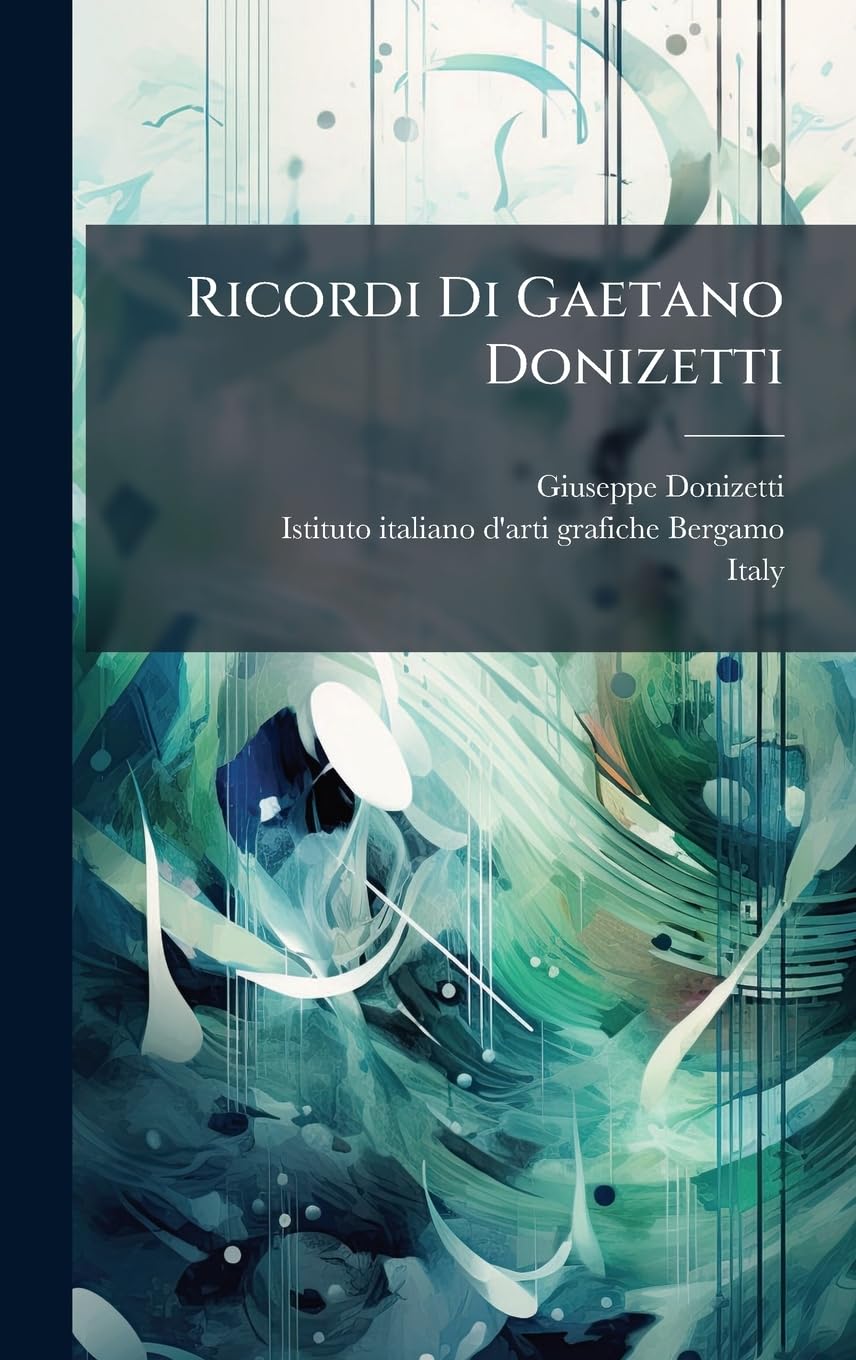
For readers interested in exploring the historical world of Gaetano Donizetti in greater depth, the following Italian-language publication offers a visually rich archival perspective on the composer’s artistic legacy and the cultural atmosphere surrounding the golden age of bel canto opera.
Ricordi Di Gaetano Donizetti This Italian-language publication presents historical material connected to Gaetano Donizetti’s life, artistic circle, and enduring influence on nineteenth-century opera culture. Featuring archival imagery and commemorative material linked to Bergamo and the bel canto tradition, the volume offers an elegant glimpse into the historical world that shaped one of Italy’s most influential opera composers.

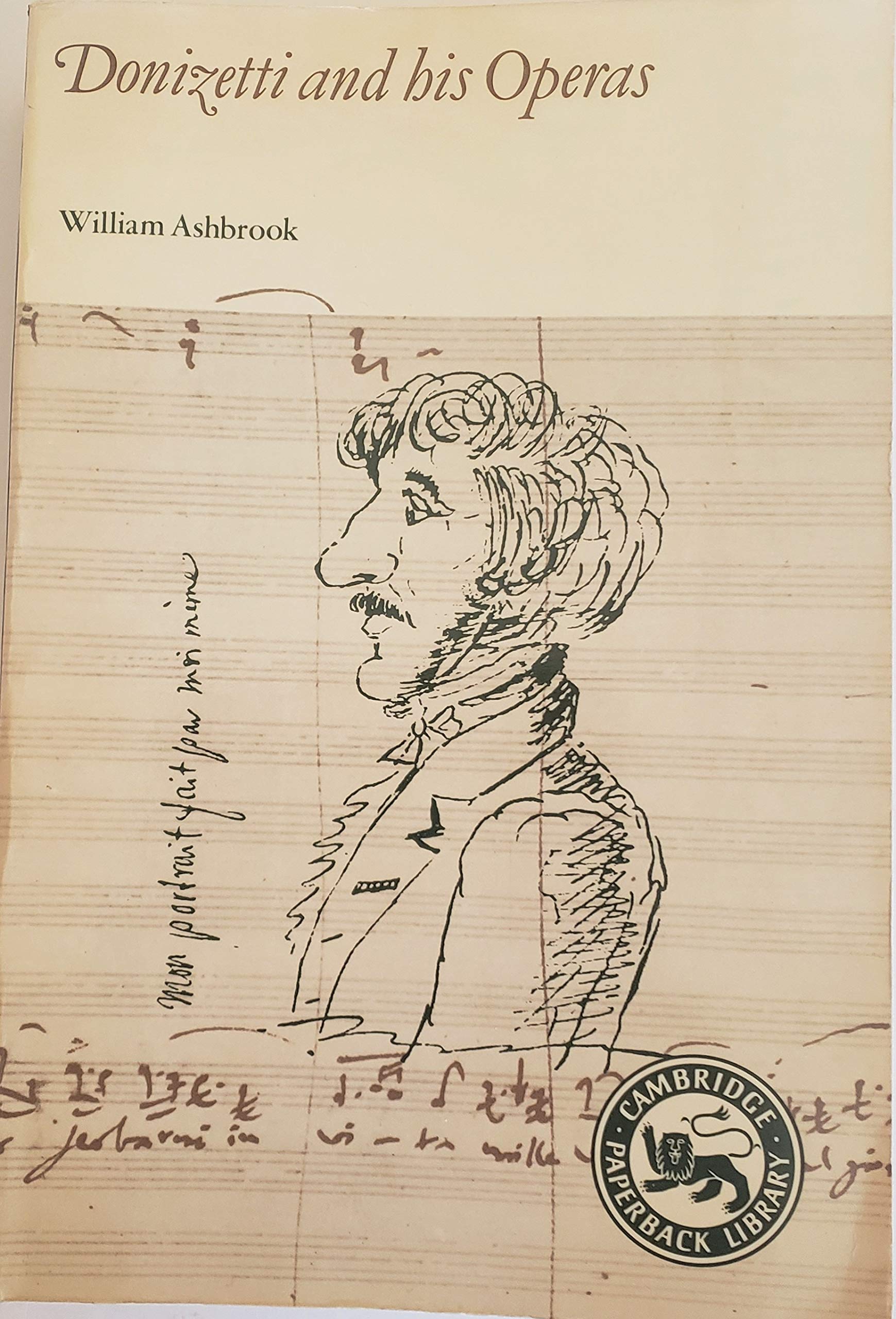
Donizetti and His Operas — William Ashbrook Widely regarded as one of the most respected English-language studies on Gaetano Donizetti, William Ashbrook’s Donizetti and His Operas explores the composer’s life, musical style, and complete operatic output in remarkable detail. Published by Cambridge University Press, the book examines both the historical evolution of Donizetti’s career and the dramatic structure of the individual operas that shaped the golden age of Italian bel canto.
Particularly valued among opera enthusiasts and researchers, the volume is often praised for bringing clarity to lesser-known works while illuminating the emotional and theatrical richness that continues to define Donizetti’s music today.
Affiliate disclosure: As an Amazon Associate, this website may earn from qualifying purchases.
Explore More Italian Opera and Luxury Performance Guides
Discover additional editorial features exploring the world of Italian opera, bel canto singing, luxury cultural events, and the enduring tradition of the romantic Italian tenor across London, the UK, and Europe.