Opera Composers explores the lives, masterpieces and musical innovations of the composers who shaped opera history. Discover detailed guides to Italian opera, Bel Canto and Verismo, alongside insights into famous operas, unforgettable arias and the artistic legacy of composers whose music continues to inspire audiences worldwide.
Among the great masters of Verismo, Francesco Cilea stands apart. While others painted passion in broad dramatic strokes, Cilea preferred nuance — a more refined emotional language shaped by lyricism, silence, and inner tension. His art spoke not through violence or spectacle, but through tenderness.
For audiences discovering Italian opera in London and across the UK, Cilea’s music offers a different side of the Verismo tradition — one built not only on dramatic intensity, but also on intimacy, elegance, and psychological depth. When I first encountered Adriana Lecouvreur, I was struck by the humanity of its emotion. It was as if Cilea had taken the realism and fire of Verismo and distilled it into something quieter and more personal.
Over the years, several of Cilea’s works entered my own repertoire, particularly Federico’s lament È la solita storia del pastore from L’Arlesiana, alongside the tenor arias L’anima ho stanca and La dolcissima effigie from Adriana Lecouvreur. What continues to fascinate me about these pieces is the extraordinary balance between vocal line and emotional restraint. The music never forces expression; instead, it invites the singer to reveal vulnerability through phrasing, colour, and breath.
Early Years
Cilea was born in Calabria in 1866, far from the great cultural centres of Milan and Florence. From the beginning, he was drawn not to spectacle but to beauty itself. When he entered the Naples Conservatory, his teachers quickly recognised a rare melodic sensitivity. Unlike Mascagni’s explosive theatrical instincts, Cilea pursued sincerity — a style of composition rooted in lyrical elegance and emotional truth.
He absorbed influences from both Italian and French traditions. One can hear in his music traces of Massenet’s elegance and Bellini’s lyrical purity, yet Cilea transformed these influences into something entirely personal: a form of Verismo shaped by the grace and vocal refinement of the bel canto tradition.
L’Arlesiana
Cilea’s first significant success, L’Arlesiana (1897), emerged from a story by Alphonse Daudet — a deeply human tale of longing, innocence, and emotional fragility.
What fascinates me most about this opera is its emotional restraint. Rather than relying on violent confrontation or theatrical excess, Cilea gives us quiet pain — the kind that lingers long after the curtain falls. Federico’s lament, È la solita storia del pastore (“The same old story of the shepherd”), remains one of the most touching tenor arias of the Verismo era.
Public domain image via Wikimedia Commons. Francesco Cilea – L’Arlesiana libretto title page, Milan, 1897. Publisher: Edoardo Sonzogno.
Whenever I sing or listen to this music, I feel that Cilea captures something profoundly universal: the loneliness of devotion, the vulnerability of a soul that loves too deeply, and the fragile space between hope and resignation. Every phrase seems suspended in breath rather than theatrical effect.
Adriana Lecouvreur and the Theatre
Public domain image via Wikimedia Commons. Artwork by Aleardo Villa (1865–1906). Historic poster for Adriana Lecouvreur by Francesco Cilea, 1902.
If L’Arlesiana was Cilea’s youthful confession, Adriana Lecouvreur (1902) became his mature masterpiece — a work where theatrical elegance and emotional realism achieve extraordinary balance. Inspired by the life of the celebrated eighteenth-century French actress Adrienne Lecouvreur, the opera explores jealousy, devotion, ambition, and the fragile boundary between performance and reality.
What makes the opera so compelling to me is not simply its drama, but its humanity. Beneath the luxurious orchestration and refined Belle Époque atmosphere lies an intensely personal emotional world. Cilea does not overwhelm the listener with force; instead, he draws the audience inward through psychological nuance, lyrical tension, and vocal intimacy.
Cilea’s score is a remarkable study in emotional chiaroscuro. Delicate orchestral colours intertwine with long, arching vocal lines, allowing the inner lives of the characters to emerge naturally through sound. The writing for the human voice feels deeply organic — every phrase breathes with elegance, and every cadence unfolds with inevitability rather than theatrical excess.
Among the works from Adriana Lecouvreur that entered my own repertoire, I have always felt especially connected to the tenor arias L’anima ho stanca and La dolcissima effigie. Both reveal Cilea’s extraordinary sensitivity to lyrical phrasing and emotional atmosphere. Rather than demanding sheer vocal power, these arias require restraint, colour, and the ability to sustain emotional tension through line and breath.
I have always admired how Cilea gives the singer room to think through the music. Adriana’s famous monologue, Io son l’umile ancella (“I am the humble handmaid of the creative spirit”), is not written as a conventional showpiece. It feels closer to a meditation on the role of the artist — a quiet act of surrender to creativity itself.
Bel Canto and Verismo
Cilea stands as a bridge between two important traditions in Italian opera: the lyrical grace of Bel Canto and the emotional realism of Verismo. While many of his contemporaries explored extremes of theatrical intensity, Cilea pursued refinement, melodic clarity, and psychological subtlety.
His music reminds me that Verismo is not always defined by force or confrontation. Sometimes it exists in fragility — in the hesitation before a confession, the stillness of memory, or the softness of a final farewell. That emotional restraint is precisely what gives Cilea’s music its lasting power.
Whenever I prepare Cilea’s repertoire, I find myself thinking less about theatrical effect and more about breath, phrasing, and sincerity of expression. His music demands concentration, patience, and emotional honesty from the singer. This is Verismo not as spectacle, but as intimacy.
Cilea’s Legacy and Influence
Although Francesco Cilea gradually withdrew from operatic composition earlier than some of his contemporaries, his artistic influence never disappeared. In later years, he devoted much of his life to teaching, musical education, and the preservation of Italian lyrical tradition — a path that reflected the same refinement and discipline found within his music.
Throughout the twentieth century, many of the greatest singers of the Italian repertoire — including Beniamino Gigli, Renata Tebaldi, and later generations of Verismo interpreters — continued to cherish Cilea’s works for their purity of line, emotional sincerity, and vocal elegance. His music demands not only technical control, but also sensitivity, patience, and the ability to sustain atmosphere through phrasing rather than theatrical force.
For me, Cilea’s lasting importance lies in how he preserved lyricism within a musical world that was becoming increasingly dramatic and outwardly intense. While other composers pushed Verismo toward explosive emotional confrontation, Cilea retained a sense of intimacy and restraint. His art often whispers where others shout — and that quieter emotional language can sometimes leave the deepest impression.
Even today, when I return to Adriana Lecouvreur or L’Arlesiana, I am reminded that true beauty in opera does not depend on fashion or spectacle. It survives because it speaks directly to human emotion. The atmosphere may belong to another century, yet the emotional truth remains timeless.
Singing Cilea
Cilea’s music reminds me that strength and gentleness can coexist within the same phrase. Whenever I approach his repertoire, I feel invited into a more introspective form of expression — one where emotional intensity is shaped not through excess, but through restraint, colour, and sincerity.
In many ways, his art reflects what I continue to seek as a performer: emotional honesty supported by discipline, lyrical freedom guided by structure, and expressive singing rooted in breath rather than theatrical exaggeration. Cilea reminds the singer that vulnerability itself can become a form of strength.
Whenever I interpret Federico’s lament È la solita storia del pastore, or return to the lyrical atmosphere of L’anima ho stanca and La dolcissima effigie, I am reminded how uniquely Cilea understood the human voice. His music does not simply ask the singer to produce sound — it asks for reflection, sensitivity, and emotional truth.
For singers, listeners, and lovers of Italian opera, Francesco Cilea remains one of the most refined voices of the Verismo era — a composer who transformed emotional realism into something intimate, lyrical, and enduring.
Questions About Francesco Cilea
Was Francesco Cilea a Verismo composer? Yes, although his approach to Verismo differed from many of his contemporaries. While composers such as Mascagni and Giordano often explored dramatic intensity and outward emotional conflict, Cilea refined Verismo into something more lyrical and psychologically nuanced, combining realism with the elegance of the bel canto tradition.
What is Francesco Cilea best known for? Francesco Cilea is best known for the opera Adriana Lecouvreur (1902), considered his masterpiece and one of the most refined works of the Italian Verismo era. He is also admired for L’Arlesiana, particularly the famous tenor aria È la solita storia del pastore.
Why is Adriana Lecouvreur still performed today? Adriana Lecouvreur continues to captivate audiences because of its combination of theatrical elegance, emotional intimacy, and lyrical beauty. The opera explores timeless themes including artistic devotion, jealousy, love, ambition, and the emotional tension between public performance and private life.
What makes Cilea’s music unique among Verismo composers? Cilea brought extraordinary refinement to Verismo opera. His music is distinguished by its lyrical phrasing, emotional restraint, delicate orchestration, and sensitivity to the natural flow of the human voice. Rather than relying on theatrical excess, he often achieves emotional depth through subtlety and atmosphere.
Which tenor arias by Francesco Cilea are most famous? The most celebrated tenor aria by Francesco Cilea is È la solita storia del pastore from L’Arlesiana. Other important tenor moments include L’anima ho stanca and La dolcissima effigie from Adriana Lecouvreur, admired for their lyrical elegance and emotional sensitivity.
Why does Francesco Cilea remain important in Italian opera? Cilea remains important because he preserved lyricism, refinement, and emotional sincerity during a period when Italian opera was becoming increasingly dramatic. His works continue to attract singers and audiences who value expressive nuance, vocal beauty, and psychological depth within the Verismo tradition.
Few composers understood the emotional power of the human voice more profoundly than Vincenzo Bellini. In his operas, time seems to slow. Long melodic lines unfold with extraordinary calm, intimacy, and emotional clarity, creating the unmistakable atmosphere of Italian bel canto opera.
To understand the romantic soul of the Italian lyric tenor tradition, one must return to the early nineteenth century — the golden age of bel canto. In the theatres of Milan, Venice, and Paris, opera was becoming more poetic, intimate, and emotionally direct. At the centre of this transformation stood Bellini, a composer whose gift for melody would shape the future of European music.
Today, Bellini’s operas continue to hold a special place in the repertoire of opera singers in London, across the UK, and throughout Europe. His music demands exceptional breath control, elegance of phrasing, and emotional restraint from the tenor voice. Whether performed in major opera houses, historic concert venues, luxury weddings, or private gala events, Bellini’s melodies continue to create an atmosphere of refinement, romance, and timeless Italian artistry. This editorial explores Bellini’s musical world, the bel canto tenor tradition, and the enduring appeal of Italian opera performance in modern cultural life.
Vincenzo Bellini and the Bel Canto Tradition
Born in 1801 in Catania, Sicily, Vincenzo Bellini possessed a temperament that contrasted sharply with his vibrant Mediterranean birthplace.
Image: Catania. La casa di Bellini (1876), woodcut print by Bonamore, originally published in L’Illustrazione Italiana (No. 49), via Wikimedia Commons.
If Gioachino Rossini was the master of sparkling theatrical brilliance, and Gaetano Donizetti the architect of dramatic intensity, Bellini became the poet of melancholy and lyrical introspection. His music carried a rare sense of refinement, emotional restraint, and lyrical elegance.
Although Bellini died at just 33 years old, his influence on Romantic Italian opera was immense. He composed relatively few operas, yet each one helped move Italian opera away from decorative virtuosity toward deeper emotional expression. Bellini believed music should not simply ornament the text, but reveal its emotional truth. He famously declared that opera must “make people weep, shudder, and die through the singing.”
Bellini achieved this not through overwhelming orchestral power, but through the expressive beauty of the human voice itself. In many of his operas, the orchestra becomes transparent and restrained, leaving the singer completely exposed. Without orchestral weight to hide behind, the tenor must rely on purity of tone, breath control, and expressive simplicity — qualities that continue to define great bel canto singing today.
Bellini’s Long Melodic Line
One of Bellini’s defining qualities was what Giuseppe Verdi later described as “melodie lunghe, lunghe, lunghe” — melodies that are long, long, long. To the listener, a Bellini aria may sound effortless and natural. In reality, sustaining these endless melodic lines requires extraordinary breath control, technical discipline, and emotional restraint from the singer.
Legato and the Breath-Driven Melody
At the heart of Bellini’s vocal writing lies the art of legato. In the bel canto tradition, legato means far more than simply singing smoothly. It is the seamless connection of vowels and phrases into one continuous stream of sound, supported entirely by breath.
For the lyric tenor, this requires a voice that feels suspended on air rather than pushed from the throat. Great opera singers performing Bellini in London, the UK, and major European venues often create an atmosphere of remarkable stillness through this unbroken vocal line. The audience instinctively follows the singer’s phrasing, creating a sense of stillness and emotional focus.
Appoggio and Lyrical Phrasing
To sustain Bellini’s long phrases, singers rely on appoggio — the classical Italian method of breath support. Through careful coordination of the diaphragm, ribs, and lower back, the singer controls the release of air with extraordinary precision.
This allows Bellini’s melodies to expand and contract naturally, often rising gently toward moments of emotional intensity before fading into near-whispered lyricism. The challenge is not loudness, but control, elegance, and continuity of tone.
Expressive Simplicity in Bellini
Unlike the later verismo composers such as Puccini or Mascagni, Bellini avoided excessive theatrical weight and vocal force. Emotion in bel canto opera is conveyed through phrasing, colour, and melodic beauty rather than dramatic outbursts.
This expressive simplicity gives Bellini’s music its aristocratic elegance. Even in moments of heartbreak or despair, the music retains dignity, refinement, and balance. That atmosphere continues to make Bellini especially effective for opera performances in historic venues, luxury cultural events, and refined private concerts.
Bellini and the Lyric Tenor
Bellini composed during a period of major transformation for the tenor voice. To understand his music fully, one must look at the singers for whom these operas were written — above all, the legendary Giovanni Battista Rubini.
Giovanni Battista Rubini and the High Tessitura
Rubini was considered the leading tenor of the 1820s and 1830s and became Bellini’s most important muse. Unlike many modern dramatic tenors, Rubini sang with remarkable lightness, flexibility, and ease in the upper register. His voice could ascend to astonishing heights while retaining sweetness and lyrical elegance.
Because Bellini composed specifically for Rubini, many of his tenor roles sit unusually high in the voice. The singer must spend extended periods in the passaggio — the transitional area between registers — while maintaining smooth phrasing and tonal beauty. Even today, Bellini remains one of the most demanding composers for the lyric tenor repertoire.
Mezza Voce and Purity of Tone
Rubini was also celebrated for his mastery of mezza voce — the ability to sing softly while preserving clarity, resonance, and projection. In Bellini’s music, the quietest moments are often the most emotionally devastating.
When a skilled Italian tenor performs Bellini with true mezza voce, the atmosphere in the room changes instantly. Conversations stop, the audience grows silent, and attention narrows completely toward the voice. This vulnerability and purity of tone remain among the greatest challenges — and greatest rewards — of bel canto singing.
Major Bellini Operas for Tenor
Bellini’s operas helped shape the image of the Romantic tenor hero — poetic, emotionally intense, and deeply lyrical. Across these works, the tenor voice became not only dramatic, but profoundly expressive and psychologically human.
Il Pirata and La Straniera: The Birth of the Romantic Hero
With Il Pirata (1827), Bellini and librettist Felice Romani transformed Italian opera. The tenor role of Gualtiero introduced a new type of Romantic hero — emotionally tormented, isolated, and consumed by doomed love.
Image: Stage design for Bellini’s Il Pirata by Alessandro Sanquirico (1777–1849) via Wikimedia Commons.
In La Straniera, Bellini moved even further away from decorative vocal display. Instead of florid ornamentation, the tenor expresses emotion through sustained melodic lines, subtle phrasing, and tonal colour. The result is music of haunting psychological intensity.
I Capuleti e i Montecchi: Lyricism and Tragedy
Bellini’s I Capuleti e i Montecchi (1830), inspired by the Romeo and Juliet story, presents another refined bel canto challenge. Although Romeo is written for mezzo-soprano, the tenor role of Tebaldo remains central to the opera’s emotional tension.
Tebaldo combines noble lyricism with flashes of martial energy. His music demands elegant phrasing, vocal control, and emotional balance — qualities that define the bel canto tenor tradition.
La Sonnambula: Pastoral Elegance and Expressive Simplicity
If Il Pirata represents dark Romantic drama, La Sonnambula (1831) offers a world of pastoral innocence and lyrical delicacy. The role of Elvino requires exceptional sweetness of tone and refined emotional control.
Image: Albina Maray as Amina in Vincenzo Bellini’s La Sonnambula (1851), lithograph by Eduard Kaiser via Wikimedia Commons.
Albina Maray (1832–1889) was an Austrian soprano associated with the refined bel canto tradition of the nineteenth century. This lithograph portrays her as Amina, Bellini’s celebrated sleepwalking heroine, reflecting the graceful theatrical style and visual elegance of Romantic Italian opera.
Elvino’s music leaves no room for vocal heaviness or exaggeration. Arias such as “Prendi, l’anel ti dono” demand floating lyrical phrasing, emotional sensitivity, and remarkable vocal purity. Bellini’s expressive simplicity remains one of the greatest challenges for any lyric tenor.
Norma: Vocal Elegance and Patrician Restraint
For many listeners, Norma (1831) represents Bellini’s greatest achievement. Set in ancient Gaul, the opera combines classical grandeur with intense emotional drama through the tragic relationship between Norma, Adalgisa, and the Roman proconsul Pollione.
Image: Tempio d’Irminsul (1832), stage design for Vincenzo Bellini’s Norma by Alessandro Sanquirico, digitized by the Bibliothèque nationale de France via Wikimedia Commons.
The tenor role of Pollione requires both authority and refinement. Although he is a Roman military leader, Bellini’s writing demands elegance rather than brute force. In arias such as “Meco all’altar di Venere,” the singer must sustain long heroic phrases while maintaining lyrical control and flawless legato.
Even at its most dramatic, Bellini’s music avoids excess. The emotional tension comes not from shouting or vocal weight, but from restraint, phrasing, and tonal beauty — qualities that remain central to great bel canto performance today.
I Puritani: The Zenith of Bel Canto Tenor Singing
Bellini’s final opera, I Puritani, premiered in Paris in 1835 only months before the composer’s death. The role of Arturo remains one of the most difficult achievements in the lyric tenor repertoire.
Image: Théâtre Royal Italien. Salle d’armes from I Puritani (1835) by Luigi Verardi after Domenico Ferri, restored by Adam Cuerden via Wikimedia Commons.
Arturo’s famous aria “A te, o cara” unfolds with extraordinary lyrical tenderness, demanding complete control of breath, line, and tone. Later in the opera, Bellini pushes the tenor voice to astonishing heights, including the legendary high F in “Credeasi, misera!” — a note that still challenges even the greatest bel canto specialists.
To sing Arturo successfully requires exceptional vocal freedom, elegance, and technical discipline. For many opera singers, I Puritani remains the ultimate test of bel canto artistry.
Great Interpreters of Bellini
The survival of Bellini’s operas has depended on generations of singers dedicated to the discipline of bel canto. Across the twentieth century and into the modern era, a remarkable lineage of lyric tenors preserved this refined vocal tradition.
Tito Schipa became legendary for his elegance of phrasing, expressive simplicity, and refined mezza voce. Later, Nicolai Gedda brought extraordinary technical ease and brilliance to Bellini’s demanding high tessitura, particularly in the role of Arturo.
Alfredo Kraus represented the aristocratic ideal of bel canto singing. His disciplined technique, vocal focus, and effortless control allowed him to perform Bellini with remarkable purity and stylistic elegance.
Carlo Bergonzi demonstrated how deeply Bellini’s legato tradition influenced later Italian opera, particularly Verdi. Luciano Pavarotti introduced the beauty of bel canto singing to a global audience through the radiant clarity of his upper register and lyrical phrasing. José Carreras, meanwhile, brought youthful passion and emotional vulnerability to Bellini’s Romantic heroes.
Today, true bel canto tenors remain highly specialized artists. Singing Bellini convincingly requires not only vocal beauty, but also discipline, breath control, stylistic intelligence, and emotional restraint — qualities that continue to define the finest traditions of Italian opera performance.
Bellini, Melody, and Emotion
Nearly two centuries after his death, Bellini’s music continues to affect audiences with remarkable emotional intensity. Much of this power comes from his extraordinary understanding of melody and the human voice.
In Bellini’s operas, melody does more than express emotion — it becomes the emotion itself. His long vocal lines often resemble sighs, whispered confessions, or moments of quiet longing. Even without elaborate orchestration, the emotional atmosphere remains direct and deeply human.
Bellini’s influence extended far beyond Italian opera. Frédéric Chopin admired his lyrical style, and many of Chopin’s Nocturnes echo the long, flowing phrases of Bellini’s vocal writing. Even Richard Wagner openly acknowledged the emotional beauty and expressive power of the Italian melodic tradition.
Bellini and Italian Opera in Modern London
The relationship between Britain and Italian opera has deep historical roots. During Bellini’s lifetime, London became one of Europe’s most important operatic centres, with audiences gathering to hear the great bel canto singers perform works such as La Sonnambula and I Puritani.
That tradition continues today. Across London and the UK, Bellini’s music remains central to the repertoire of lyric tenors and opera singers specialising in the bel canto style. In an age dominated by amplification and fast-moving media, the natural resonance of the operatic voice continues to offer audiences a rare sense of intimacy and authenticity.
Whether experienced in a major concert hall, a historic church, or an elegant private venue, Bellini’s music creates an atmosphere of refinement and emotional stillness. The combination of breath-driven phrasing, lyrical beauty, and acoustic resonance remains one of the defining experiences of live Italian opera performance.
Bellini at Luxury Cultural Events
The elegance of Bellini’s music makes it especially suited to refined cultural events, gala evenings, and historic venues. Throughout history, Italian opera has been closely associated with aristocratic patronage, architectural grandeur, and ceremonial occasions.
Today, live opera performance continues to bring a distinctive atmosphere to luxury events across London and Europe. In candlelit halls, historic estates, embassies, and private residences, the sound of an Italian tenor singing Bellini can transform the emotional character of a room within moments.
Unlike background music, bel canto singing naturally commands attention through the beauty and projection of the unamplified human voice. The long lyrical phrases and emotional restraint of Bellini’s music create a sense of stillness, elegance, and dramatic intimacy that remains uniquely powerful in live performance.
Italian Opera for Weddings and Private Events
Bellini’s operas were built around themes of love, devotion, longing, and emotional vulnerability — qualities that continue to resonate strongly in modern weddings and private celebrations.
Whether performed in a cathedral, a country estate, or an intimate candlelit setting, the lyric tenor voice brings a sense of ceremony and timeless elegance to important occasions. A floating Bellini melody or Italian romantic aria can create an atmosphere that feels both deeply personal and unmistakably cinematic.
For many couples and event hosts, live Italian opera offers more than entertainment. It creates a lasting emotional experience rooted in European musical tradition, acoustic beauty, and the expressive power of the human voice.
The Lasting Legacy of Bel Canto
Bellini believed opera should move the listener completely through the beauty of singing itself. Nearly two centuries later, his music continues to embody the essence of the bel canto tradition: breath, legato, emotional restraint, and lyrical purity.
The great lyric tenors who perform Bellini today preserve one of the most refined traditions in European music. Their artistry depends not on vocal force alone, but on control, elegance, phrasing, and emotional intelligence.
Whether heard in a world-famous opera house or during an intimate live performance in London, Bellini’s music still creates moments of rare stillness and beauty. In those suspended melodic lines, the modern world briefly disappears, leaving only the timeless resonance of the human voice.
Further Reading on Bellini
Readers interested in Bellini’s life and the atmosphere of nineteenth-century Italian opera may also explore this well-reviewed Italian-language biography by Gioacchino Lanza Tomasi, former superintendent of the Teatro Massimo in Palermo. The book offers a concise introduction to Bellini’s artistic world, Sicilian background, and the development of the bel canto tradition.
As an Italian tenor performing in London and across the UK, I have always been drawn to the extraordinary contrasts within the bel canto tradition. Donizetti combines dramatic power with deep emotional vulnerability. Bellini unfolds long, gentle melodic lines filled with elegance and melancholy, while Rossini pushes the voice into thrilling displays of agility, brilliance, and vocal precision through his famous cadenzas and coloratura writing. Together, these composers transformed Italian opera into one of the most expressive forms of musical storytelling ever created.
At the centre of this cultural renaissance stood the Golden Age of Italian bel canto—a movement that transformed the operatic stage into a temple of emotional truth and vocal virtuosity. And at the beating heart of this era was a composer whose profound understanding of the human soul reshaped the theatrical world: Gaetano Donizetti.
Gaetano Donizetti portrayed in an 1842 lithograph by Austrian artist Josef Kriehuber.
For centuries, Italy has exported a unique brand of cultural resonance, a sonic aesthetic defined by warmth, passion, and an innate understanding of dramatic pacing. Today, the legacy of that era remains fiercely alive. It is a legacy carried forward by the modern Italian opera singer in London, Paris, and Milan, and one that continues to captivate audiences who seek the pinnacle of live performance. To explore the music of Donizetti is to explore the very essence of the romantic Italian tenor—a voice type that was born in the fires of bel canto and refined over two centuries of unbroken tradition.
This editorial explores the historical, technical, and emotional landscape of Gaetano Donizetti’s world. It examines how the intricate demands of bel canto singing forged the modern tenor voice, why these historical masterpieces continue to move audiences to tears, and how the timeless elegance of a luxury opera performance continues to elevate the most prestigious cultural events of our time.
The Dawn of Italian Romanticism and the Bel Canto Era
The term bel canto translates literally to “beautiful singing,” but to reduce this profound artistic movement to mere prettiness is to misunderstand its fundamental philosophy. Arising in the late eighteenth century and reaching its zenith in the first half of the nineteenth century through the works of Gioachino Rossini, Vincenzo Bellini, and Gaetano Donizetti, bel canto was an exhaustive, highly codified system of vocal production and dramatic expression.
In this era, the voice was viewed as the ultimate instrument of human emotion. Composers did not write heavy, overwhelming orchestrations; rather, they crafted transparent, shimmering orchestral textures specifically designed to support the singer. The orchestra was the velvet cushion; the voice was the jewel. This placed an immense burden of responsibility upon the artist. Without a massive brass section to hide behind, the singer’s technique had to be flawless, their tone crystalline, and their emotional projection absolute.
Italian romanticism in the nineteenth century was characterized by a deep fascination with extreme psychological states: madness, desperate love, political betrayal, and fatal heroism. To convey these vast emotions without destroying the vocal cords, singers required a technique of supreme refinement. The bel canto school demanded perfect equalization of the vocal registers, an effortless command of coloratura (rapid, agile runs of notes), and, above all, the ability to spin a long, unbroken line of melody that felt as natural as exhaling.
The Architecture of Bel Canto: More Than Beautiful Singing
To fully appreciate the genius of Donizetti and the demands placed upon the romantic tenor, one must understand the mechanical and artistic pillars of the bel canto technique. These are not merely historical terms; they are the living, breathing fundamentals that every serious classical singer for private events, concert halls, and grand opera houses relies upon today.
The Anatomy of the Lyrical Line and Legato
The defining characteristic of Italian opera is legato—the seamless binding together of notes so that there is no audible interruption in the sound. In the instrumental world, a cellist achieves legato through the smooth, continuous drawing of the bow across the string. For the singer, the bow is the breath. True legato requires a mastery of phrasing, an elegance of thought, and an innate musicality that dictates precisely how one vowel flows into the next without losing resonance.
In Donizetti’s music, the lyrical line is often long, arching, and deeply melancholic. The tenor must sustain this line with aristocratic grace, ensuring that the melody breathes and sighs naturally. This is the essence of elegance in phrasing. It is what separates a technically proficient vocalist from a true artist. When an audience experiences a live opera performance London, it is precisely this liquid, unbroken stream of sound that causes time to stand still in the concert hall.
Appoggio and the Foundation of Breath
Behind the illusion of effortless beauty lies an intense physical athleticism. The secret to the bel canto tenor’s power and control is appoggio, an Italian term derived from the verb “appoggiare,” meaning “to lean.” Appoggio is the complex coordination of the diaphragm, the intercostal muscles, and the abdominal wall to manage the release of air.
By maintaining the expansive posture of inhalation even as the breath is exhaled, the singer prevents the air from escaping too quickly. This creates a pressurized column of air that supports the vocal folds, allowing the tenor to sing with thrilling power on a high note, or, conversely, to spin out a delicate, floating mezza voce (half voice) that can carry to the back of a three-thousand-seat theatre or captivate an intimate drawing room during a luxury opera performance.
Mezza Voce and the Chiaroscuro of Sound
A true Italian tenor does not sing entirely in full, ringing volume. The bel canto tradition places immense value on dynamic variety. The mezza voce is a technique where the singer reduces the volume of the sound while maintaining its full resonance and core. It is the vocal equivalent of painting with shadows and light—the famous Italian chiaroscuro.
Donizetti frequently utilized the mezza voce to convey vulnerability, intimacy, and profound sadness. When a tenor uses this technique correctly, it forces the audience to lean in, creating an atmosphere of electric silence. It is exactly this deeply emotional, nuanced approach to singing that makes an Italian tenor for luxury events such a compelling choice; the performance goes far beyond background entertainment, becoming an immersive, emotional experience.
Gaetano Donizetti: The Architect of Theatrical Emotion
Born in Bergamo in 1797, Gaetano Donizetti was a prolific genius. Over the course of his life, he composed nearly seventy operas, navigating the transition from the classical formalism of the eighteenth century to the fiery romanticism that would eventually pave the way for Giuseppe Verdi. While his older contemporary Rossini was the master of rhythmic brilliance and comedic sparkle, and Bellini was the poet of the endlessly melancholy melody, Donizetti was the supreme man of the theatre.
Bridging Rossini’s Sparkle and Verdi’s Fire
Donizetti possessed an uncanny instinct for dramatic pacing. He understood exactly how to structure an act to maximize theatrical tension. He knew when to unleash the full force of the chorus, when to strip the accompaniment down to a single weeping cello, and when to let the tenor stand alone at the front of the stage, pouring his heart out to the audience.
His role in the evolution of Italian opera cannot be overstated. He took the strict, florid vocal structures of the early bel canto period and infused them with a new, visceral dramatic truth. The coloratura in a Donizetti opera is rarely there merely for show; it is the manifestation of extreme psychological distress, bubbling over when words alone are no longer sufficient.
The Dramatic Psychology of Donizetti’s Characters
Donizetti treated his characters not as archetypes, but as flawed, deeply human individuals. This psychological realism is particularly evident in his writing for the tenor voice. Before Donizetti, the tenor was often relegated to the role of a somewhat secondary, passive lover, while the castrati (and later, the sopranos and mezzo-sopranos) dominated the dramatic action.
Donizetti, alongside Bellini, fundamentally elevated the status of the tenor. He wrote roles for men who were passionate, impulsive, driven to madness, and capable of both fierce anger and devastating tenderness. He required the tenor to balance vocal beauty with raw dramatic truth, forging the archetype of the romantic leading man that remains the standard in opera today.
Portrait of Gaetano Donizetti by Francesco Coghetti, painted in 1837 during the height of the Italian bel canto era. Public domain image via Wikimedia Commons.
Bergamo and Donizetti’s Artistic Circle
To understand Gaetano Donizetti fully, one must also understand the artistic and cultural environment that surrounded him in Bergamo during the early nineteenth century. Italian opera in this era was not created in isolation.
Composers, poets, musicians, patrons, and intellectuals regularly gathered in salons, villas, and private residences where music, literature, and dramatic ideas were exchanged through conversation and live performance. These artistic circles formed the cultural heartbeat of the bel canto age.
Image: Gaetano Donizetti among fellow musicians and intellectuals in Bergamo, depicted in an 1840 painting by Luigi Deleidi. The artwork reflects the intimate artistic world surrounding the golden age of Italian bel canto opera.
The city of Bergamo played a crucial role in shaping Donizetti’s artistic personality. Surrounded by Lombard landscapes and steeped in Italian musical tradition, it offered an atmosphere where lyrical expression and theatrical instinct could flourish naturally. Unlike the industrialized modern world, music occupied a central place in social life. Opera was viewed not merely as entertainment, but as a refined expression of intellect, emotion, and aristocratic culture.
A remarkable nineteenth-century painting depicting Donizetti among friends and fellow musicians offers a rare glimpse into this world. Rather than presenting the composer as a distant historical monument, the image reveals a more intimate and human side of the bel canto tradition. Gathered within an elegant Italian setting, surrounded by gardens, architecture, and conversation, the figures reflect the artistic atmosphere from which Donizetti’s operas emerged.
This environment deeply influenced the emotional realism found throughout Donizetti’s music. Operas such as Lucia di Lammermoor, L’elisir d’amore, and Don Pasquale are filled with psychological nuance, tenderness, melancholy, and dramatic tension. The warmth and humanity of these works were shaped not only by theatrical genius, but by a society where music and emotional expression were woven directly into everyday cultural life.
For modern audiences, these historical connections remain profoundly important. The bel canto tradition continues to live through contemporary opera performance, from grand theatres to luxury private events in London and across the United Kingdom. When a modern Italian tenor performs Donizetti today, he inherits not simply a vocal style, but an entire artistic philosophy rooted in lyricism, elegance, and emotional truth.
The Tenor in the Bel Canto Era: A Revolution of Voice
The early decades of the nineteenth century witnessed a profound physical evolution in tenor singing. Historically, tenors had sung their highest notes in a reinforced falsetto, resulting in a sweet, light, but relatively small sound at the top of their range. However, in 1831, the legendary French tenor Gilbert-Louis Duprez sang a High C in full chest voice (the do di petto), forever changing the acoustic expectations of the tenor voice.
Donizetti lived and composed right through this transitional period. He understood how to exploit the new, thrilling power of the tenor’s upper register while still demanding the agility and grace of the older bel canto style. The music he wrote for the tenor voice is characterized by a punishingly high tessitura (the average pitch level of the music), requiring the singer to spend long stretches of time navigating the upper bridge of their voice, known as the passaggio.
To sing Donizetti requires a voice of extraordinary elasticity. The singer must possess the athletic stamina to conquer the high notes with a ringing, brilliant tone, but also the restraint and vocal discipline to sing a delicate, weeping lament in the very next breath. It is a tightrope walk of emotional projection and technical precision.
Masterpieces of the Tenor Repertoire
To chart the genius of Donizetti is to examine the specific operas that have become the proving ground for every great tenor in history. These works demand everything the Italian tradition has to offer: elegance, power, comedy, and tragedy.
L’elisir d’amore: The Innocence of Nemorino
Premiered in Milan in 1832, L’elisir d’amore (The Elixir of Love) is a masterpiece of comic timing and pastoral charm. The role of Nemorino, a naive, deeply earnest peasant who buys a fake love potion to win the heart of the wealthy Adina, is one of the most beloved in the tenor canon. Nemorino requires a lyricism that is totally devoid of arrogance; his vocal line must sound inherently honest and open-hearted.
The character of Dr Dulcamara adds another essential dimension to L’elisir d’amore: theatrical comedy. A travelling charlatan who sells Nemorino a supposed love potion, Dulcamara embodies the playful wit and social satire that made Donizetti’s comic operas so beloved across Europe. His rapid vocal delivery, exaggerated personality, and sparkling stage presence create a brilliant contrast with Nemorino’s sincerity, giving the opera its distinctive balance of humour, tenderness, and emotional humanity.
Credit / Source: George Augustus Sala — Yale Center for British Art / Wikimedia Commons (Public Domain CC0)
The opera features the aria “Una furtiva lagrima” (A furtive tear), arguably the most famous tenor aria of the bel canto period. It is written in a minor key, accompanied initially by a solitary bassoon, creating a deeply intimate atmosphere. The aria demands absolute mastery of the messa di voce (a technique where a single note is gradually swelled in volume and then diminished back to a whisper). The emotional projection required to make this aria work is immense; the tenor must convey the sudden, overwhelming realization that he is truly loved. It is this specific aria that so often brings tears to the eyes of audiences, making an opera singer for weddings in the UK a highly sought-after addition for couples wishing to infuse their ceremony with profound emotional weight.
Lucia di Lammermoor: The Tragic Destiny of Edgardo
If Nemorino is the height of innocent lyricism, Edgardo in Lucia di Lammermoor (1835) is the pinnacle of romantic tragedy. Set in the misty, blood-feud-ridden highlands of Scotland, the opera is famous for Lucia’s towering “Mad Scene.” However, the final act of the opera belongs entirely to the tenor.
Adelina Patti in costume for Donizetti’s Lucia di Lammermoor, photographed by French photographer Camille Silvy (1834–1910). Archival image via Bibliothèque nationale de France / Public Domain.
In the tomb scene (“Tombe degli avi miei”), Edgardo, believing Lucia has betrayed him, awaits his rival to fight to the death. When he learns that Lucia has died of madness, he stabs himself to join her in heaven, singing the devastating final aria “Tu che a Dio spiegasti l’ali.” The vocal writing here is a masterclass in Italian romanticism. Donizetti forces the tenor into the highest, most emotionally fraught part of his voice. The lyrical line must remain noble and aristocratic, even as the character bleeds to death. The balance between vocal beauty and dramatic truth has never been more perfectly realized.
La fille du régiment: The Mount Everest of Tenors
Composed for Paris in 1840, La fille du régiment (The Daughter of the Regiment) is a brilliant, effervescent comedy. However, for the tenor, it represents an athletic feat of terrifying proportions. The role of Tonio features the aria “Ah! mes amis, quel jour de fête!” which concludes with a cabaletta that requires the tenor to sing nine consecutive High Cs in full voice.
This aria requires a phenomenal mastery of breath support and forward vocal placement. It is a show-stopping display of youthful exuberance and vocal fireworks. When executed flawlessly, it generates a physical reaction from the audience—a visceral thrill that only the extreme limits of the unamplified human voice can provoke.
Don Pasquale: The Elegance of Ernesto
In his late masterpiece Don Pasquale (1843), Donizetti returned to the traditional Italian comic structure but elevated it with a sophisticated, autumnal melancholy. The tenor role, Ernesto, is the epitome of aristocratic elegance. Unlike the rustic Nemorino, Ernesto is a young gentleman, and his vocal lines are correspondingly refined, requiring an immaculate legato and an inherently noble tone.
His off-stage serenade in the final act, “Com’è gentil,” accompanied by a guitar and a tambourine, is a moment of pure atmosphere and romance. This kind of elegant, floating melody is exactly why a classical singer for private events is so highly prized; the music possesses an innate sophistication that effortlessly elevates the ambiance of a refined gathering.
The Tudor Queens: Anna Bolena, Maria Stuarda, and Roberto Devereux
Donizetti held a deep fascination with British history, composing a trilogy of operas centered around the Tudor monarchs. These works—Anna Bolena, Maria Stuarda, and Roberto Devereux—feature some of Donizetti’s most dramatic and demanding writing for the tenor. Characters like Percy, Leicester, and Essex require a voice that bridges the gap between the lyricism of bel canto and the heavier, more heroic demands of early Verdi. They are men caught in the lethal webs of royal politics, and their music is consequently fraught with tension, high tessitura, and dramatic outbursts.
The Lineage of Great Interpreters
The survival and continuous revival of Donizetti’s operas are entirely dependent on the existence of tenors capable of executing his punishing demands. Throughout the recording era, a lineage of great artists has defined and redefined how this music is performed.
From Caruso and Schipa to Pavarotti and Kraus
At the dawn of the twentieth century, Enrico Caruso brought a new, baritonal warmth and verismo weight to the bel canto repertoire. His recording of “Una furtiva lagrima” remains a monument of expansive phrasing and deep emotional resonance. In contrast, his contemporary Tito Schipa represented the ultimate refinement of grace; possessing a relatively small voice, Schipa used perfect diction, masterful mezza voce, and unmatched musicality to become one of the greatest Donizetti interpreters in history.
Later in the century, Beniamino Gigli captivated the world with his honeyed, sweet tone, pouring pure emotion into the lyrical lines of Edgardo and Nemorino. However, the modern standard for the bel canto tenor was perhaps most famously established by two distinct masters: Alfredo Kraus and Luciano Pavarotti.
Alfredo Kraus was the aristocrat of tenors. His technique was a marvel of preservation and placement. His Ernesto and Edgardo were characterized by flawless diction, a brilliant, laser-like top register, and an elegance of phrasing that felt almost sculptural. Luciano Pavarotti, on the other hand, brought a sun-drenched, golden tone and an infectious joy to the repertoire. Pavarotti’s Nemorino and Tonio became the definitive interpretations for a generation, defined by his impeccable legato and effortless, ringing High Cs.
Other great artists, such as José Carreras in his early lyric years, brought a desperate, heart-wrenching passion to Edgardo, while Carlo Bergonzi, though primarily known as the greatest stylist of Verdi, applied his flawless bel canto schooling to Donizetti, demonstrating that a true legato line is the foundation of all great Italian singing.
Scene from Act II of Gaetano Donizetti’s Marino Faliero, presented at the Théâtre-Italien in Paris in 1835. Lithograph by Luigi Verardi after stage designs by Domenico Ferri, restored by Adam Cuerden via Wikimedia Commons.
Source:Gallica Digital Library, Bibliothèque nationale de France Digital ID: btv1b84384386/f1
This historical stage lithograph reflects the dramatic architectural atmosphere and visual imagination surrounding early nineteenth-century Italian bel canto opera.
Donizetti’s Influence on Modern Opera Performance
The legacy of Gaetano Donizetti is not confined to museums or historical archives. His compositional techniques laid the direct foundation for Giuseppe Verdi, who took Donizetti’s propulsion of the drama and expanded it into the monumental works of the late nineteenth century. Even Giacomo Puccini’s heart-wrenching melodies owe a debt to the harmonic and melodic structures established by Donizetti.
In the modern era, the bel canto revival (spearheaded in the mid-twentieth century by sopranos like Maria Callas and Joan Sutherland, alongside great tenors) has ensured that Donizetti remains central to the repertoire. Today, performing Donizetti requires a deep historical understanding. The modern Italian tenor must be a scholar as well as an athlete, understanding the performance practices, the ornamentation, and the stylistic nuances that make the music authentic.
The Resonance of Italian Opera in London and the UK
The connection between the United Kingdom and Italian opera is deep, historic, and enduring. During Donizetti’s lifetime, London was one of the premier operatic capitals of the world. Impresarios at Her Majesty’s Theatre and Covent Garden vied fiercely to secure the latest Italian masterpieces and the most celebrated bel canto stars of the age. The British aristocracy and the cultural elite recognized that Italian opera was the ultimate expression of artistic sophistication.
A Historic Affair with Bel Canto
This historical love affair has never waned. The UK audience possesses a highly cultivated appreciation for the lyrical line and the emotional projection of the Italian repertoire. When a modern audience sits down for a live opera performance London, they are participating in a tradition that stretches back two hundred years. The architecture of the city’s great historical venues—from the grand concert halls to the intimate, wood-paneled drawing rooms of Mayfair and St James’s—seems perfectly designed to capture the acoustic warmth of the unamplified tenor voice.
The Modern Audience’s Emotional Response
In an age dominated by digital media, heavily produced pop music, and electronic amplification, the raw, acoustic power of an operatic tenor represents a rare and shocking authenticity. When an Italian tenor UK begins to sing an aria like “Una furtiva lagrima” in a reverberant space, the physical impact of the sound waves creates a visceral reaction. It is a reminder of the extraordinary capabilities of the human body. British audiences, known for their refined cultural tastes, continue to respond with deep emotional resonance to the vulnerability, power, and beauty of this art form.
The Aesthetics of Luxury: Live Italian Opera at Exclusive Events
The association between Italian opera and high society is as old as the art form itself. Historically, opera was the entertainment of kings, dukes, and the aristocracy. Today, that heritage of exclusivity and refinement makes the inclusion of bel canto singing the ultimate statement of luxury for high-end events.
Elevating Weddings, Gala Dinners, and Cultural Receptions
Event curators and luxury planners understand that true luxury is not just about visual aesthetics; it is about creating an unforgettable atmosphere. When commissioning an Italian tenor for luxury events, the goal is to weave a thread of European aristocratic heritage into the fabric of the evening.
Imagine the ambiance of a high-profile corporate gathering or an embassy reception. The clinking of crystal and the hum of conversation fill a beautifully lit ballroom. Suddenly, the introductory chords of a grand piano or a string quartet cut through the air. The tenor takes his place, and the room falls silent. The performance of a Donizetti aria or a sweeping Neapolitan song instantly elevates the gathering from a mere dinner to a profound cultural event. This is the alchemy of opera entertainment for gala dinners; it provides a focal point of supreme elegance, commanding attention and leaving a lasting imprint on the memory of every guest.
The Romance of the Bel Canto Wedding
The emotional depth of Donizetti’s music makes it particularly resonant for romantic occasions. The soaring, passionate melodies that were written to convey the heights of romantic devotion are perfectly suited for nuptial celebrations. As an opera singer for weddings in the UK, a tenor can transform the atmosphere of a ceremony or a reception.
Whether it is a historic country estate in the Cotswolds, a grand cathedral, or an exclusive hotel in central London, the acoustics of these venues are ideal for Italian opera. A carefully chosen aria performed during the signing of the register, or a joyous, ringing toast delivered through song at the wedding breakfast, infuses the day with a sense of timeless grandeur. Italian opera for events is not merely background music; it is a dedicated performance that honors the importance of the occasion.
The Atmosphere Created by Live Tenor Performance
There is a distinct psychology to introducing a classical singer into a private environment. In a massive opera house, the audience is separated from the performer by the orchestra pit and the proscenium arch. But in the context of a private cultural reception or a luxury gala, the barrier is removed. The audience experiences the physical power of the voice up close.
Intimacy and Grandeur in Private Environments
To witness a tenor hit a ringing high note from only a few meters away is a breathtaking experience. One can see the physical effort, the expansion of the ribcage, the intense focus in the eyes, and the absolute control of the breath. It is a display of mastery that commands absolute respect.
Yet, the true magic of bel canto lies equally in its quietest moments. When a tenor utilizes the mezza voce to spin a delicate, thread-like high note, the resulting silence in the room is electric. Guests stop breathing; time is temporarily suspended. This interplay between overwhelming grandeur and whispering intimacy is the hallmark of a premier luxury opera performance. It brings the sophistication of La Scala or Covent Garden directly into the private sphere, offering guests an exclusive encounter with high art.
The Eternal Currency of Emotion
Gaetano Donizetti lived in a world of candlelight, horse-drawn carriages, and handwritten scores, yet the music he created remains strikingly, urgently relevant. Why? Because while technology and society evolve, the human heart does not. The emotions that Donizetti mapped out in his operas—the desperation of lost love, the euphoric joy of a stolen kiss, the tragic weight of destiny, and the noble elegance of the aristocratic soul—are permanent fixtures of the human condition.
The bel canto era forged a method of singing that bypassed the intellect and struck directly at the soul. It utilized the lyrical line, the appoggio, and the seamless legato to turn the tenor voice into an instrument of pure emotional translation. The lineage of great interpreters, from Caruso to Pavarotti, has preserved this flame, ensuring that the demanding, thrilling standards of Italian romanticism are never lost.
Today, the decision to feature a live Italian tenor at a significant event is a homage to this magnificent tradition. It is an acknowledgment that some things cannot be improved upon by modernity. The unamplified human voice, trained in the grueling and glorious fires of the bel canto tradition, remains the most luxurious, deeply affecting acoustic experience in the world. Whether echoing through the velvet-draped boxes of a grand theatre or illuminating the exquisite intimacy of a London gala, the golden age of Italian opera continues to sing, timeless and triumphant.
Further Reading on Donizetti and Italian Bel Canto Opera
For readers interested in exploring the historical world of Gaetano Donizetti in greater depth, the following Italian-language publication offers a visually rich archival perspective on the composer’s artistic legacy and the cultural atmosphere surrounding the golden age of bel canto opera.
Ricordi Di Gaetano Donizetti This Italian-language publication presents historical material connected to Gaetano Donizetti’s life, artistic circle, and enduring influence on nineteenth-century opera culture. Featuring archival imagery and commemorative material linked to Bergamo and the bel canto tradition, the volume offers an elegant glimpse into the historical world that shaped one of Italy’s most influential opera composers.
Donizetti and His Operas — William Ashbrook Widely regarded as one of the most respected English-language studies on Gaetano Donizetti, William Ashbrook’s Donizetti and His Operas explores the composer’s life, musical style, and complete operatic output in remarkable detail. Published by Cambridge University Press, the book examines both the historical evolution of Donizetti’s career and the dramatic structure of the individual operas that shaped the golden age of Italian bel canto.
Particularly valued among opera enthusiasts and researchers, the volume is often praised for bringing clarity to lesser-known works while illuminating the emotional and theatrical richness that continues to define Donizetti’s music today.
Affiliate disclosure: As an Amazon Associate, this website may earn from qualifying purchases.
Explore More Italian Opera and Luxury Performance Guides
Discover additional editorial features exploring the world of Italian opera, bel canto singing, luxury cultural events, and the enduring tradition of the romantic Italian tenor across London, the UK, and Europe.
Pietro Mascagni (1863–1945), Italian composer of Cavalleria Rusticana. Photograph by Gavo Studio, 1902. Library of Congress, public domain.
When I think of Pietro Mascagni, I think of a composer who managed, with one stroke of genius, to redefine Italian opera at the end of the 19th century. With Cavalleria Rusticana (1890), he brought to the stage a new truth: the raw, unpolished emotions of ordinary people, expressed in music that was both lyrical and brutal. Mascagni’s verismo is not the refined elegance of bel canto — it is life itself, in all its contradictions.
The Life of Pietro Mascagni
Pietro Mascagni was born in Livorno in 1863, the son of a baker who wished him to follow a more conventional path. Instead, Mascagni’s determination carried him to the Milan Conservatory and later into the modest role of bandmaster in provincial towns. His breakthrough came in 1890 with Cavalleria Rusticana, written for a competition while he was still a young and relatively unknown musician. The opera’s success transformed his life overnight, making him a central figure in Italian music. Yet Mascagni’s journey was not defined by one triumph alone. Over the following decades he experimented with comedy, exoticism, and symbolism, and he engaged in both friendship and rivalry with his contemporaries. To understand Mascagni fully, we must look not only at Cavalleria but also at the cultural dialogue that shaped him, and at the works that reveal the breadth of his restless imagination.
Mascagni’s rise to fame did not happen in isolation. He was part of a generation of composers who were redefining Italian opera in the years after Verdi. His friendships and rivalries with figures such as Giacomo Puccini and Alberto Franchetti not only shaped his career, but also placed him in the heart of a cultural movement that was transforming opera at the close of the nineteenth century.
Mascagni in Dialogue with His Contemporaries
This photograph, taken around 1885, shows three important voices in Italian opera: Alberto Franchetti, Pietro Mascagni, and Giacomo Puccini. It reflects not only a moment in time but also the vibrant atmosphere of exchange between composers of that generation. Mascagni’s career was deeply intertwined with those of his contemporaries. Puccini, his exact contemporary, shared both friendship and rivalry with him, as the two navigated the path of Italian verismo after Verdi’s dominance. Franchetti, though less remembered today, was a respected figure whose opera Germania was admired by Toscanini and later inspired the young Puccini. Mascagni’s collaborations and conversations with these composers reveal how the world of Italian opera at the end of the nineteenth century was shaped not by isolated genius, but by a community of artists responding to each other, challenging each other, and at times even competing for the same stages. This dialogue enriched Mascagni’s own work, situating Cavalleria Rusticana within a wider cultural movement that transformed the operatic landscape.
Cavalleria Rusticana – my personal connection
Like so many tenors, my strongest bond with Mascagni lies in Cavalleria Rusticana. The role of Turiddu is short, but every note counts.
It begins with the haunting off-stage Siciliana “O Lola ch’ai di latti la cammisa.” To me, this moment is like a folk song rising from the soil of Sicily — rustic, tender, and yet already marked by longing. I have always felt that it sets the atmosphere of the whole opera: the collision of passion and fate in a small village.
Illustration of Mascagni’s Cavalleria Rusticana, Teatro alla Scala (1891). Engraving by Gaetano Colantoni, published in L’illustrazione popolare, Milan. Public domain.
And then there is the closing aria, “Mamma, quel vino è generoso” It is not only one of my favourites in Mascagni’s output — it is one of my favourites in the entire tenor repertoire. Few arias demand such vulnerability: Turiddu, moments before his death, turning to his mother with a confession of fear, regret, and filial love. Every time I approach this aria, I feel its emotional weight. It is not about vocal fireworks; it is about truth.
Beyond Cavalleria Rusticana – exploring Mascagni’s other operas
Although Mascagni is remembered above all for Cavalleria Rusticana, he was a far more versatile composer than this single work suggests. I have spent time exploring his other operas, and each reveals a different side of his artistry.
L’amico Fritz (1891)
After the raw violence of Cavalleria, Mascagni turned to an entirely different register with L’amico Fritz. To me, this shift is proof of his courage: instead of repeating the verismo formula that had brought him fame, he wrote a gentle comedy about friendship, seasons, and the blossoming of love. The pastoral atmosphere of Alsace comes alive in his score — one can almost smell the orchards and hear the rustling of the countryside.
The famous duet “Suzel, buon dì” is more than a love song; it feels like an invocation of spring itself. When I sing or listen to it, I am struck by the way Mascagni captures innocence without sentimentality. The orchestra shimmers softly, supporting the voices as if nature itself were part of the conversation. It is music of serenity, but also of honesty — a reminder that Mascagni could write tenderness with the same intensity as tragedy.
Iris (1898)
Lucrezia Bori as Iris in Mascagni’s opera Iris, illustration from The Victrola Book of the Opera (1917). Source: Internet Archive Book Images / Flickr Commons. Public domain.
With Iris, Mascagni stepped boldly into exoticism and symbolism. The libretto takes us to Japan, but the true landscape is psychological: a world of innocence, temptation, and violation. For me, this opera feels like Mascagni’s dream world, where beauty and menace exist side by side.
The Hymn to the Sun is perhaps one of the most overwhelming choruses of its time — radiant, blazing, like Puccini’s Madama Butterfly seen through fire. Yet behind the splendour lies fragility. Iris herself is not a heroine of action, but of suffering; her purity becomes her downfall. I have always felt that Mascagni wrote this score as a painter working with colours — impressionistic, layered, at times almost hallucinatory. Listening to Iris, I hear him stretching the boundaries of Italian opera, testing how far music could mirror the subconscious.
Adolfo Hohenstein — Distesa di iris, set design for Act III of Pietro Mascagni’s Iris (1898). Archivio Storico Ricordi. CC BY-SA 4.0.
Isabeau (1911)
Isabeau is Mascagni’s return to grand pageantry, and it fascinates me because of its unusual subject: the legend of Lady Godiva, reimagined with medieval colour and modern intensity. This is not an intimate village story but a sweeping tale of innocence, sacrifice, and public spectacle.
When I study this score, I hear Mascagni reaching for the kind of breadth one associates with Wagner or Massenet — broad lines, thick orchestration, and a sense of ritual. And yet, in the middle of this grandeur, there are lyrical passages of surprising intimacy. It is uneven, yes, but it reveals a side of Mascagni that was restless, always seeking new subjects. For me, Isabeau reminds us that he was not content with repeating past successes; he wanted to expand Italian opera into new mythical and legendary realms.
Lodoletta (1917)
With Lodoletta, Mascagni returned to the intimate sphere. It is the story of a poor orphan girl, filled with tenderness and quiet despair. What touches me most is the way Mascagni paints her innocence — not with sugary sweetness, but with deep compassion.
The music is simple in design, yet full of emotional resonance. I think of it as a sister work to L’amico Fritz: both believe in the dignity of fragile lives, in the poetry of everyday emotions. Whenever I encounter Lodoletta, I feel Mascagni speaking not as a revolutionary, but as a humanist. It is music that leans close, that listens to the smallest sighs of the heart.
Other works
Il piccolo Marat (1921)
Il piccolo Marat is Mascagni at his most dramatic and political. Set during the French Revolution, it is filled with fire, blood, and confrontation. I often think of it as his attempt to answer the turbulence of his own time, when Europe was still shaken by war and revolution.
The music is harsh, driving, almost cinematic in its intensity. There are moments of sheer brutality, but also passages of noble defiance. I see in this opera Mascagni’s determination to stay relevant, to write works that spoke to contemporary anxieties. It may never rival Cavalleria in popularity, but as a singer, I admire its courage: it is Mascagni refusing to retreat into nostalgia, still trying to use opera as a mirror of society’s upheavals.
Even in his lesser-known operas — Silvano, Zanetto, Parisina, Nerone — Mascagni leaves traces of his gift. Each is like a sketchbook, where his melodic instinct and dramatic sense flicker in unexpected ways. For me, listening to these scores is like discovering forgotten corners of Italian opera, full of echoes and possibilities. They may not be revived often, but they add depth to the portrait of a composer who was always more than one work.
Legacy
Mascagni lived a long life, and he remained proud of his role in bringing verismo to the stage. For audiences, his name will always be linked first to Cavalleria Rusticana. But for singers like me, there is more to explore. His other operas — from the rustic charm of L’amico Fritz to the exotic shadows of Iris, the tragic simplicity of Lodoletta, and the fire of Il piccolo Marat — all show a composer who was never content to repeat himself.
And yet, when I sing Turiddu’s Siciliana “O Lola” or his farewell “Mamma, quel vino è generoso,” I feel I am closest to Mascagni’s heart: a composer who gave the tenor voice the gift of truth, stripped of ornament, burning with humanity.
Recommended Recordings
Every singer has their own relationship with Mascagni, but some interpretations have left a lasting mark on me:
Franco Corelli – His “Mamma, quel vino” is fiery, uncompromising, and yet full of vulnerability. Corelli embodied Turiddu’s defiance and fear in equal measure. The video is embedded from the Franco Corelli Info Center channel on YouTube. It is shared here for educational and illustrative purposes, offering readers a chance to experience Mascagni’s Cavalleria Rusticana in a historic 1963 La Scala performance. All rights remain with the original copyright holders.
Enrico Caruso -No discussion of Mascagni’s Cavalleria Rusticana would be complete without mentioning Enrico Caruso, whose interpretations set the standard for verismo singing in the early 20th century. In this digitally remastered recording of the Siciliana, Caruso’s voice conveys the raw passion and vulnerability at the heart of Mascagni’s music. His phrasing and timbre remain a masterclass in Italian operatic tradition, reminding us why he is still celebrated as one of the greatest tenors in history. The following audio is embedded from YouTube via the Enrico Caruso – Topic channel. It is provided here for educational and illustrative purposes, allowing readers to experience Mascagni’s Cavalleria Rusticana through one of Enrico Caruso’s legendary interpretations. All rights remain with the original copyright holders.
Beniamino Gigli – Another jewel from Mascagni’s repertoire is L’Amico Fritz, an opera that balances warmth, lyricism, and intimate character expression. In this recording, Beniamino Gigli, one of the most beloved tenors of the 20th century, performs the duet “Ah! Ditela per me quella parola” alongside Rina. Gigli’s golden tone and effortless legato showcase the tenderness at the heart of Mascagni’s music, reminding us of the composer’s gift for blending simplicity with emotional depth.
The following video is embedded from the Addiobelpassato YouTube channel. It is shared here for educational and illustrative purposes, offering readers a chance to hear Mascagni’s L’Amico Fritz as interpreted by Beniamino Gigli. All rights remain with the original copyright holders.
Before exploring Mascagni’s legacy, it is helpful to address several key questions that often arise among opera lovers, event planners, and performers working with verismo repertoire. Mascagni’s music carries a unique emotional weight, shaped by realism, raw human conflict, and an unmistakable Sicilian spirit. The following FAQ offers concise, insightful guidance to deepen understanding and support artistic, scholarly, and performance-related decision-making.
Frequently Asked Questions about Pietro Mascagni & Verismo
▸ Who was Pietro Mascagni, and why is he linked to verismo?
Pietro Mascagni stands among the architects of verismo: a fiercely human artistic movement rooted in truth, blood, faith, and honour. His work illuminated ordinary lives with symphonic grandeur, proving that even the simplest soul carries operatic fire.
▸ Why is Cavalleria Rusticana considered a turning point?
It was not merely a success — it was a shockwave. Mascagni unveiled music where love, betrayal, and destiny bled openly on stage, changing the emotional temperature of European opera forever.
▸ Why is it paired with Leoncavallo’s Pagliacci?
They share dramatic voltage, rural truth, and perfect duration. Together they form a diptych of pain and revelation — two mirrors held up to the human soul.
▸ What vocal qualities define Mascagni performance?
His music demands molten legato, chiaroscuro breath, volcanic emotional control, and the courage to reveal truth without theatrical disguise. Technique must be immaculate — yet invisible.
▸ Does Sicilian folk lineage influence Mascagni’s sound world?
Yes — its modal colours, religious cadence, and village ritual pulse through every measure, giving Cavalleria a sacred, earth-born resonance distinct from northern Italian lyricism.
▸ Is Mascagni suitable for cinematic and film-score adaptation?
Absolutely. His tonal palette is already cinematic — widescreen harmony, devotional strings, and psychological pacing. Directors recognise it as “pre-film emotional architecture.”
▸ Can Mascagni be performed at private and luxury events?
Yes — when curated with reverence and precision. His music resonates powerfully in candlelit salons, chapels, heritage estates, and intimate international engagements.
Mascagni’s verismo remains timeless because it speaks not to myth or fantasy, but to real human experience — longing, betrayal, courage, forgiveness, and fate. When sensitively performed, his music becomes not merely entertainment, but revelation. Whether presented in an historic venue, an intimate salon, a private estate, or a gala setting, Mascagni’s artistry can elevate an evening into a moment of shared emotional truth. For enquiries regarding bespoke performances, curatorial programming, or private recitals, personalised proposals are available upon request.
Explore More from the World of Verismo
At the dawn of the twentieth century, Italian opera entered a new age of realism and emotion — the era of verismo. Its composers turned away from myth and legend to portray life as it was lived: passionate, imperfect, and profoundly human.
Giacomo Puccini – La Bohème, Tosca, and Madama Butterfly — verismo refined through tenderness and lyrical grace.
Together, these composers ignited a movement that still shapes the spirit of Italian opera. Their music continues to inspire opera singers and classical tenors in London and throughout the UK, reminding us that authenticity and beauty in performance are forever intertwined.
Conclusion
Listening to these singers is both inspiring and humbling. Each brings out a different facet of Mascagni’s music — from raw Sicilian earthiness to lyrical refinement. When I return to the score, I carry their voices in my memory, but I always search for my own truth within Mascagni’s lines.
Mascagni’s legacy continues to inspire me as a tenor. His music — from O Lola to Mamma, quel vino — remains a central part of my repertoire, and it is a privilege to bring this tradition to life in concerts and private events. If you are looking to hire an opera singer in the UK, Mascagni’s music is one of the treasures I most love to share.
Recommended Books
Amazon Affiliate Disclosure: As an Amazon Associate, I earn from qualifying purchases.
Opera: The Definitive Illustrated Story by Alan Riding & Leslie Dunton-Downer (Hardcover, July 2022). This beautifully illustrated guide spans more than 400 years of operatic history, covering the great composers, singers, and productions that shaped the art form. From Monteverdi’s L’Orfeo to Puccini, Wagner, and modern masterpieces, the book offers both accessible storytelling and sumptuous imagery — making it a perfect resource for newcomers and opera lovers alike.
Opera 101: A Complete Guide to Learning and Loving Opera — Fred Plotkin Opera 101 is one of the most respected introductory guides for anyone wishing to deepen their understanding of opera from the inside out. Plotkin leads readers through listening skills, vocal types, musical structure, etiquette, and interpretive awareness, while also sharing insights drawn from his professional experience within major opera houses. Ideal for newcomers, students, and curious listeners who want to enhance their appreciation of both live and recorded performances.
The History of Opera — Carolyn Abbate & Roger Parker This acclaimed volume offers a detailed yet accessible exploration of opera’s evolution, from its Renaissance beginnings through Baroque splendour, Romantic innovation, and modern reinvention. Abbate and Parker illuminate how musical language, dramatic priorities, staging, and cultural context shifted across centuries, while also addressing key composers, works, and performance traditions. A valuable reference for readers seeking a comprehensive historical framework behind the repertoire.
Vasili Karpiak brings the dramatic operatic works of Pietro Mascagni to luxury events and exclusive performances across the UK, offering powerful renditions of arias like “L’amico Fritz,” “Cavalleria Rusticana” and orchestral-led gala concert pieces.
With a rich operatic background and Italian heritage, Vasili blends authenticity and stage-craft to deliver emotive performances that elevate weddings, private concerts and high-profile cultural gatherings.
Clients seeking an Italian tenor specialising in verismo opera for upscale venues, heritage estates or bespoke celebrations will find Vasili’s presentation and vocal artistry ideally suited.
Portrait of Ruggero Leoncavallo, painted by Giovanni Boldini in 1906, now in the collection of the Minneapolis Institute of Art.
From Pagliacci to La Bohème: The Passion of Italian Verismo
Ruggero Leoncavallo (1857–1919) stands as one of the defining figures of Italian opera’s verismo movement. Best remembered for his masterpiece Pagliacci, Leoncavallo brought realism, intensity, and unforgettable melody to the stage. His works spoke not of kings or gods but of ordinary people, torn apart by jealousy, betrayal, and passion. For tenors, his music remains both a technical challenge and an emotional journey, demanding truth at every note.
The Life and Artistic Journey of Ruggero Leoncavallo
Born in Naples in 1857, Ruggero Leoncavallo grew up during a period of profound political and cultural change following the unification of Italy. His father served as a magistrate, exposing the young composer to real criminal trials and the complexities of human behaviour. Many historians believe these early experiences helped shape Leoncavallo’s lifelong fascination with jealousy, revenge, and the emotional conflicts that later became defining features of his operas.
Leoncavallo studied composition at the Naples Conservatory, where he developed a solid grounding in Italian musical tradition while also absorbing the wider artistic currents transforming Europe during the late nineteenth century. Unlike many composers of his generation, he possessed remarkable literary ability and frequently wrote his own libretti, allowing him to unite drama and music with unusual consistency.
Success did not arrive immediately. Before Pagliacci established his international reputation in 1892, Leoncavallo spent years pursuing ambitious operatic projects that struggled to reach the stage. Those early disappointments strengthened rather than discouraged him, ultimately leading to the work that would secure his place among the great figures of Italian verismo.
Key Dates in Leoncavallo’s Life
Year
Event
Why It Matters
1857
Born in Naples, Italy.
Born into a family that exposed him to law, literature, and Italian culture during the years following national unification.
1870s
Studied at the Naples Conservatory.
Received formal musical training while developing the literary skills that later enabled him to write many of his own libretti.
1880s
Early career and artistic struggles.
Spent years seeking recognition before achieving international success.
1892
Pagliacci premiered in Milan.
Established Leoncavallo as one of the leading composers of Italian verismo.
1897
La Bohème premiered in Venice.
Presented his own interpretation of Henri Murger’s stories, competing directly with Puccini.
1900
Zazà premiered.
Confirmed that Leoncavallo’s success extended beyond Pagliacci.
1900s
Worked extensively as a conductor and impresario.
Travelled widely, conducting his own music and promoting Italian opera internationally.
1919
Died in Montecatini Terme, Tuscany.
Left a lasting legacy as one of the principal composers of the verismo movement.
The Rise of Verismo
At the end of the 19th century, Italian opera entered a new chapter. Inspired by literary realism, composers sought to portray life with unflinching honesty. Verismo opera, pioneered by Pietro Mascagni’s Cavalleria Rusticana (1890) and soon after by Leoncavallo’s Pagliacci (1892), shocked audiences with its raw emotion and violent themes.
Instead of grand myths, verismo brought the struggles of everyday people into the spotlight. Leoncavallo, trained as both composer and librettist, infused his music with dramatic immediacy. In doing so, he gave opera one of its most enduring tragedies.
The word verismo comes from the Italian vero, meaning “truth”. Inspired by writers such as Giovanni Verga and the wider European movement of literary naturalism, composers rejected the idealised heroes of Romantic opera in favour of ordinary people whose lives were shaped by love, poverty, jealousy, violence, and social reality. Rather than distant legends or royal courts, verismo placed recognisable human experience at the centre of the operatic stage.
Alongside Pietro Mascagni, Ruggero Leoncavallo became one of the movement’s defining voices. While Mascagni shocked audiences with Cavalleria Rusticana, Leoncavallo expanded the dramatic possibilities of verismo through Pagliacci, creating a work in which theatrical illusion and real life collide with devastating emotional force. Together, these operas transformed the direction of Italian opera at the end of the nineteenth century.
Few operas embody the verismo spirit more vividly than Ruggero Leoncavallo’s Pagliacci. From its 1892 premiere to its global presence on stage and screen, this opera has inspired generations of tenors and audiences alike. Below, we explore the passion, history, and unforgettable performances that make this work one of Italian opera’s greatest legacies. If you are planning a luxury wedding, gala, or private concert, you can hire a professional Italian opera singer in London or the UK to bring this repertoire to life.
Pagliacci – A Tragedy of Love and Betrayal
Premiered in Milan in 1892, Pagliacci tells the story of a travelling commedia dell’arte troupe. The lines between theatre and life blur as jealousy drives Canio, the troupe’s leader, into despair and ultimately violence.
At its centre lies one of opera’s most demanding tenor roles: Canio, the tragic clown. His torment is revealed first in the famous aria “Vesti la giubba”, where he must don the clown’s costume and entertain the crowd even as his heart breaks. The words “Ridi, Pagliaccio” (“Laugh, clown”) have become symbolic of the performer’s paradox — joy on the surface, agony underneath.
Illustration of Enrico Caruso as Canio in Ruggero Leoncavallo’s Pagliacci, drawn by Maurice Lourdey in 1910. Preserved at the Bibliothèque nationale de France. A timeless symbol of Italian verismo opera, connecting the golden age of tenors with today’s opportunities to hire an opera singer in London for prestigious events.
Vesti la giubba – Canio’s Lament
Few arias in the tenor repertoire are as instantly recognisable as “Vesti la giubba”. Sung by Canio as he prepares to step on stage, it is a heartbreaking moment of contradiction: the clown must make the audience laugh while his own heart is breaking. The soaring lines, culminating in the famous cry of “Ridi, Pagliaccio” (“Laugh, clown”), have come to symbolise the performer’s eternal paradox — joy on the surface, despair within.
Great Performances of Vesti la giubba
Generations of tenors whom I greatly admire have left unforgettable interpretations of this aria. Below are four historic interpretations that show how differently great tenors have revealed Canio’s anguish.
Enrico Caruso He made one of the first recordings in 1904, which became one of the best-selling records of the early 20th century. This video features Enrico Caruso’s legendary 1907 recording of “Vesti la giubba” from Ruggero Leoncavallo’s opera Pagliacci, digitally remastered. Caruso became the first gramophone star to sell more than a million copies with this performance, making it one of the most historic recordings in opera. The aria captures the essence of the “tragic clown”—smiling on the outside while crying within—and remains one of the most moving moments in the operatic repertoire.
Credit: Tom Frøkjær – YouTube Channel (uploaded June 1, 2013).
Mario Del Monaco Mario Del Monaco brought volcanic passion and dramatic weight to the role. This rare clip captures him performing “Vesti la giubba” from Ruggero Leoncavallo’s Pagliacci on The Ed Sullivan Show (November 16, 1952). Del Monaco’s commanding tenor voice and dramatic intensity made him one of the defining interpreters of Canio, bringing raw passion and tragic power to this famous aria.
Credit: The Ed Sullivan Show – YouTube Channel, published February 1, 2021.
Luciano Pavarotti Luciano Pavarotti delivers a brilliant interpretation of “Vesti la giubba” from Ruggero Leoncavallo’s opera Pagliacci. With his unmatched tenor voice, Pavarotti captures the anguish of Canio—the tragic clown forced to perform while heartbroken. This aria, one of opera’s most iconic moments, has become inseparable from Pavarotti’s name and artistry.
Credit: Brother Cron – YouTube Channel, published June 22, 2010.
Franco Corelli Franco Corelli performs “Vesti la giubba” from Ruggero Leoncavallo’s Pagliacci in a 1954 production with the Orchestra and Chorus of RAI, conducted by Alfredo Simonetto and directed by Franco Enriques. Corelli’s dramatic tenor voice brings raw intensity and emotional power to Canio’s anguish, making this performance one of the most unforgettable interpretations of the aria.
Credit: Juan Upegui – YouTube Channel, published April 26, 2022.
Each interpretation of “Vesti la giubba” reveals a new shade of Canio’s anguish. Together, they show why Leoncavallo’s music continues to inspire tenors and captivate audiences more than a century after its premiere.
The Tenor’s Cry in Leoncavallo’s Pagliacci – No! Pagliaccio non son! | Opera Singer London & UK Events
While “Vesti la giubba” is the opera’s most celebrated aria, the dramatic climax comes later, in Canio’s searing outburst: “No! Pagliaccio non son!” — “No! I am not a clown!”
This is the moment when Canio tears the mask away. No longer able to separate performance from reality, he declares himself not a clown but a man consumed by rage and grief. For the tenor, this passage is among the most demanding in the repertoire: it calls for heroic vocal power, sustained dramatic tension, and an unflinching emotional truth.
Great interpreters — from Caruso and Del Monaco to Pavarotti and Corelli — have made this cry unforgettable. Each showed how Leoncavallo gave the tenor voice not just melody but the rawest expression of human suffering.
Zeffirelli and Pagliacci on Stage and Screen
The 20th century saw Pagliacci not only in opera houses but also brought to wider audiences through film and television. One of the most influential interpreters was Franco Zeffirelli, whose productions combined cinematic realism with operatic grandeur.
Zeffirelli’s staging of Pagliacci, often paired with Mascagni’s Cavalleria Rusticana, gave vivid life to Leoncavallo’s verismo vision. His ability to capture both intimacy and spectacle made these works resonate with audiences far beyond the traditional opera stage. For many, his productions became the definitive way of seeing Canio’s tragedy — the greasepaint, the costumes, and the devastating collapse of comedy into blood-stained reality.
By bringing Pagliacci to international cinema and television audiences, Zeffirelli ensured that Leoncavallo’s masterpiece remained not only part of operatic tradition but also a living, breathing drama accessible to all.
Beyond Pagliacci
Although Pagliacci secured Ruggero Leoncavallo’s place in operatic history, it was only one part of a much broader creative career. Throughout his life he sought to demonstrate that he was far more than the composer of a single masterpiece, writing operas, songs, operettas, and serving as both conductor and librettist.
His version of La Bohème, premiered in 1897, offered a dramatically different interpretation of Henri Murger’s stories from the one made famous by Puccini. Leoncavallo emphasised realism, sharper dialogue, and psychological conflict, reflecting the ideals of verismo more directly than Puccini’s lyrical and romantic approach.
Another important success was Zazà, first performed in 1900. Set within the world of popular theatre rather than aristocratic society, the opera explores love, sacrifice, and emotional honesty through characters whose lives felt immediately recognisable to contemporary audiences. Although performed less frequently today, Zazà confirmed Leoncavallo’s ability to create compelling music beyond Pagliacci.
Leoncavallo also composed orchestral works, songs, operettas, and several other stage works throughout his career. While none achieved the universal fame of Pagliacci, together they reveal a composer of remarkable versatility whose artistic ambitions extended well beyond the single opera for which he is most widely remembered.
He also wrote his own libretti, demonstrating his literary talent as well as musical imagination. Yet history remembers him primarily as the composer who distilled the essence of verismo into a single, unforgettable opera.
Leoncavallo’s La Bohème and Puccini’s Masterpiece: Two Visions of Verismo
While Giacomo Puccini’s La Bohème is celebrated worldwide as the quintessential opera of youthful passion and tragic love, Ruggero Leoncavallo’s version—premiered in Venice in 1897—offers a strikingly different lens. Both composers drew inspiration from the same source material, Henri Murger’s Scènes de la vie de bohème, yet their approaches reveal the distinct personalities of Italian verismo. Puccini emphasized soaring lyricism, orchestral color, and unforgettable arias that immortalized Rodolfo and Mimì in the hearts of audiences. Leoncavallo, by contrast, brought sharper dramatic lines and a closer alignment to verismo ideals, focusing on raw realism, spoken intensity, and the gritty struggles of Bohemian life. Though Puccini’s opera quickly overshadowed Leoncavallo’s in popularity, Leoncavallo’s La Bohème remains a fascinating testament to the diversity of verismo expression.
For readers exploring this duality, works such as Opera 101 by Fred Plotkin or The History of Opera by Abbate & Parker highlight why Italian opera produced parallel masterpieces that reflect both artistic rivalry and creative abundance. To hear either score performed live—whether Puccini’s immortal melodies or Leoncavallo’s more austere realism—is to experience opera as both history and living art, a tradition still alive in London and Scotland today when one chooses to hire an opera singer for private events or celebrations.
A rare 1899 photograph of Ruggero Leoncavallo’s La Bohème, staged at the Théâtre de la Renaissance in Paris. This Verismo masterpiece reflects the raw emotion and storytelling power that continues to inspire Italian opera singers for luxury weddings, galas, and high-end events in London and the UK.
Ruggero Leoncavallo’s Principal Operas
Opera
Premiere
Why It Matters
Chatterton
1896
A lyrical drama based on the life of the English poet Thomas Chatterton, demonstrating Leoncavallo’s literary ambitions beyond Pagliacci.
Pagliacci
1892
The defining masterpiece of Italian verismo and one of the most frequently performed operas in the world.
La Bohème
1897
Leoncavallo’s own adaptation of Henri Murger’s stories, offering a more realistic alternative to Puccini’s celebrated version.
Zazà
1900
His greatest success after Pagliacci, admired for its emotional realism and strong central female character.
Der Roland von Berlin
1904
Commissioned for Berlin, reflecting Leoncavallo’s growing international reputation.
Maia
1910
An ambitious opera inspired by classical mythology, showing his willingness to explore subjects beyond verismo.
Zingari
1912
A passionate one-act drama based on Alexander Pushkin’s poem The Gypsies, which enjoyed considerable popularity.
Edipo Re
1920*
Premiered after the composer’s death, completing the final chapter of his operatic career.
*Premiered posthumously.
*Premiered after Leoncavallo’s death.
The Musical Style of Ruggero Leoncavallo
Leoncavallo’s music combines memorable Italian melody with an unusually direct sense of dramatic realism. Rather than interrupting the action with display for its own sake, he shaped his vocal writing around the emotions of his characters, allowing the music to grow naturally from conversation, conflict, and psychological tension. This approach became one of the defining characteristics of Italian verismo.
His orchestration is rich without overwhelming the singers, supporting the drama while colouring moments of tenderness, jealousy, and violence with remarkable clarity. Leoncavallo understood how orchestral texture could heighten emotional intensity without distracting from the human voice, creating a balance that continues to challenge conductors and performers alike.
For singers, Leoncavallo demands more than vocal power. His music requires expressive freedom, clear diction, dramatic conviction, and the ability to move seamlessly between lyrical beauty and explosive emotion. This combination explains why roles such as Canio remain among the most rewarding—and demanding—in the Italian tenor repertoire.
The Man Behind the Music
Leoncavallo as Conductor and Impresario
In this rare 1906 portrait, Ruggero Leoncavallo is seen with his orchestra, a striking reminder of the composer’s multifaceted career. Though remembered above all for Pagliacci, Leoncavallo was also an active conductor and impresario, often touring with his own ensemble to bring his works directly to audiences. This image highlights his dual role as both creator and interpreter, embodying the verismo spirit of immediacy and authenticity. More than a historical curiosity, the photograph captures a moment when composers shaped not only the notes on the page but also the living sound of performance. It is a testament to Leoncavallo’s determination to present his vision in full, surrounded by the musicians who gave life to his dramatic worlds.
Historic 1906 portrait of Ruggero Leoncavallo with his orchestra, a reminder of the golden age of Italian opera. Today, the same tradition inspires audiences when you hire opera singers in London, Scotland, and across the UK for luxury weddings and events.
Ruggero Leoncavallo: The Man Behind the Music
In 1912, Ruggero Leoncavallo was photographed with his wife, offering a rare view into the private world of the composer best known for Pagliacci. While history remembers him for the raw power of verismo opera, this image reminds us of the man behind the music — seated not at a conductor’s podium, but in quiet companionship. Such moments reveal that the creators of Italian opera were not only dramatists of the stage but also individuals shaped by love, family, and daily life. For audiences today, these glimpses into Leoncavallo’s world enrich the experience of his operas, adding humanity to the artistry that continues to inspire performances across London and the UK.
Historic 1912 photograph of Ruggero Leoncavallo seated with his wife, capturing the private world of the Italian composer of Pagliacci. A rare glimpse into the personal life of a master whose verismo operas continue to inspire singers and audiences in London, Scotland, and across the UK.
Montecatini Terme: Leoncavallo’s Creative Retreat
The historic home of Ruggero Leoncavallo in Montecatini Terme, Tuscany. This villa was where the composer of Pagliacci and La Bohème lived and created, a place that reflects the enduring spirit of Italian verismo opera.
In Montecatini Terme, Tuscany, stands the villa once inhabited by Ruggero Leoncavallo. More than a residence, it became a retreat where the composer of Pagliacci could reflect and create. Nestled in the heart of Italy, the house connects the intimate life of Leoncavallo with the broader cultural movement of verismo, which sought to bring truth and realism to the stage. To know this place is to understand how environment and artistry intertwined, shaping music that continues to inspire singers and audiences worldwide.
Leoncavallo and the Tenor Tradition
Leoncavallo’s music continues to inspire me as a tenor and many other opera singers because it demands more than very secure vocal technique. To sing Canio, for example, is to expose vulnerability, anger, and despair — to embody a man who cannot hide behind laughter. This duality makes the role a pinnacle of the tenor repertoire.
Every great interpreter has had to balance vocal brilliance with dramatic truth. In this sense, Leoncavallo gave the tenor voice not just notes to sing, but a character to live fully, painfully, and passionately.
The Composer’s Personal Legacy
The handwritten signature of Ruggero Leoncavallo, the celebrated composer of Pagliacci, offers a glimpse into the personal mark of one of Italy’s greatest verismo masters. His autograph reminds us that behind the timeless aria Vesti la giubba stood a man of vision whose music continues to stir audiences more than a century later.
Historic signature of Ruggero Leoncavallo, the Italian composer of Pagliacci and a pioneer of verismo opera — an enduring legacy that inspires today’s Italian opera singers for hire in London and across the UK.
Image credit: [“Firma leoncavallo.png” by Ανδραμοιεννεπε, licensed under CC BY-SA 4.0, via Wikimedia Commons
Leoncavallo’s Lasting Legacy in Verismo Opera & Italian Tenor Tradition
Though Ruggero Leoncavallo’s output was not as vast as Verdi’s or Puccini’s, his contribution to opera is eternal. Pagliacci remains one of the most performed operas worldwide, a work that speaks to audiences as directly today as it did at its premiere.
For listeners, it is a tale of jealousy and betrayal that resonates across time. For singers, it is a test of artistry: to laugh while in tears, to sing through despair, to reveal the truth behind the mask.
Leoncavallo gave opera one of its most poignant treasures — and gave the tenor voice one of its greatest challenges.
Explore More from the World of Verismo
At the dawn of the twentieth century, Italian opera entered a new age of realism and emotion — the era of verismo. Its composers turned away from myth and legend to portray life as it was lived: passionate, imperfect, and profoundly human.
Pietro Mascagni– Cavalleria Rusticana and the birth of verismo.
Giacomo Puccini – La Bohème, Tosca, and Madama Butterfly — verismo refined through tenderness and lyrical grace.
Together, these composers shaped a movement that still defines Italian opera today. Their works continue to inspire opera singers in London and across the UK, reminding us that truth and beauty in music are inseparable.
Ruggero Leoncavallo stands as one of the defining voices of Italian verismo — a movement where theatre, psychology, and human truth fuse with music of volcanic emotional power. His masterpiece Pagliacci continues to captivate audiences worldwide with its intensity, realism, and unmistakable dramatic arc. Below is a curated FAQ section designed to illuminate his legacy, vocal style, and modern performance relevance for today’s most discerning listeners and event planners.
Ruggero Leoncavallo – Frequently Asked Questions
What is verismo in Italian opera? Verismo is a late nineteenth-century operatic movement that focuses on realism, psychological intensity, and powerful human emotion. Rather than telling stories of kings or mythology, verismo explores the lives of ordinary people. Leoncavallo’s Pagliacci is one of its defining masterpieces.
Why is Vesti la giubba from Pagliacci so famous? It captures the heartbreaking conflict of a performer forced to entertain an audience while suffering deep personal anguish. Enrico Caruso’s historic recordings helped make it one of the world’s most famous operatic arias.
How is Leoncavallo’s La Bohème different from Puccini’s? Both composers based their operas on Henri Murger’s Scènes de la vie de bohème. Puccini’s version is celebrated for its lyrical beauty, while Leoncavallo’s places greater emphasis on realism, dramatic dialogue, and the ideals of verismo.
What kind of vocal technique does verismo require? Verismo demands secure vocal technique combined with dramatic honesty. Singers must maintain a beautiful legato while expressing intense emotion without forcing the voice.
How should a tenor approach Vesti la giubba? The aria should be built on balanced breath support, expressive phrasing, and emotional truth rather than vocal force. The climax becomes most effective when it grows naturally from the drama.
Why are Pagliacci and Cavalleria Rusticana often performed together? Both operas are concise masterpieces of Italian verismo. Their similar dramatic themes, emotional intensity, and practical running time have made them a traditional double bill in opera houses worldwide.
Which famous tenors are associated with Leoncavallo’s music? Among the greatest interpreters are Enrico Caruso, Beniamino Gigli, Mario Del Monaco, Franco Corelli, and Luciano Pavarotti, each bringing a distinctive interpretation to Canio and Pagliacci.
How important is acting in verismo opera? Acting is fundamental. Verismo demands believable characters whose emotions feel genuine, requiring singers to combine vocal artistry with convincing dramatic performance.
Is Leoncavallo’s music suitable for private concerts and luxury events? Yes. Selected arias from Pagliacci and other Italian operas can create memorable moments at luxury weddings, gala dinners, corporate events, private concerts, and cultural celebrations.
Can Leoncavallo’s repertoire be performed internationally? Yes. Leoncavallo’s music is regularly performed at prestigious venues throughout the UK, Europe, and worldwide, making it an excellent choice for international private events and concerts.
How can I enquire about a performance featuring Leoncavallo’s repertoire? If you are planning a wedding, private celebration, gala dinner, or corporate event, you are welcome to get in touch to discuss a bespoke programme featuring highlights from Leoncavallo and the Italian operatic repertoire.
For gala performances, private recitals, luxury hospitality events, art salons, or cinematic productions, Leoncavallo’s repertoire offers exceptional emotional depth and dramatic impact. Bespoke programmes are available throughout London, the UK, Europe, and internationally.
Explore More Insights on Opera & Vocal Mastery
To explore the artistic world that produced Leoncavallo, Puccini, Giordano, and Verdi, the books below offer clear context on Italian opera, verismo, and the golden age of tenors.
As an Amazon Associate, I earn from qualifying purchases. The following book links are affiliate links that help support the work on this site at no extra cost to you.
Opera 101: A Complete Guide to Learning and Loving Opera – Fred Plotkin Fred Plotkin’s celebrated guide is an open door into the dramatic world of opera. His chapters help readers grasp why verismo works like Leoncavallo’s Pagliacci revolutionised the stage with raw emotion and realism. For admirers of the golden-age tenors — Tamagno, Caruso, Gigli, Pertile, Lauri-Volpi, and Bonci — Opera 101 explains the traditions and repertoire that made their artistry timeless. It is a practical resource for anyone wishing to experience opera as the tenors of the past lived it: a union of voice, drama, and truth.
The Penguin Concise Guide to Opera – Amanda Holden (Editor) This authoritative reference distills centuries of opera into clear profiles of composers and works. It highlights the verismo era and Leoncavallo’s Pagliacci, a defining piece for tenors like Caruso and Corelli. With concise synopses, the guide allows readers to connect directly with the music that shaped the Italian tenor tradition. For those inspired by golden-age voices, it provides context that deepens appreciation of the verismo style — passionate, direct, and unflinching in its depiction of human experience.
Opera: The Definitive Illustrated Story – DK Publishing A richly illustrated history, this book brings opera’s great traditions vividly to life. With its striking imagery and storytelling, it recalls the dramatic presence of singers such as Caruso, Gigli, Tamagno, and Corelli in works like Pagliacci. The visual journey through opera houses and performances captures not just the sound, but the spectacle of verismo: the heightened realism, the tears, and the triumphs of the tenor voice at full power. It’s a volume that celebrates opera as a total experience — both visual and vocal.
The History of Opera – Carolyn Abbate & Roger Parker This sweeping history places Italian opera and verismo within the broader arc of cultural and theatrical change. From Tamagno’s heroic tones to Caruso’s emotional intensity and Corelli’s thrilling verismo style, the book traces how tenors brought the new realism of Leoncavallo, Mascagni, and Puccini to life. It shows how Pagliacci became not just a score but a symbol of operatic truth, carried forward by generations of Italian tenors who defined the genre.
Discover Edinburgh and Glasgow's most prestigious venues for weddings, gala dinners, corporate events, and private celebrations. Explore Scotland's leading historic event spaces and learn why many organisers choose to hire an …
Hire an opera singer in Wales for weddings, gala dinners and private events. Discover Craig-y-Nos Castle, Adelina Patti, Cardiff Castle and Wales' finest historic venues.
A refined guide to planning events, choosing venues, and hiring or booking opera singers in London for luxury weddings, gala dinners, embassy receptions, corporate events and private celebrations.
Ireland’s castles, historic estates, cathedrals, and dramatic coastal landscapes create an atmosphere uniquely suited to live opera and refined private celebrations. Explore Ireland’s most atmospheric venues for castle weddings, cultural events, …
Germany’s castles, palaces, and historic cultural venues offer a remarkable setting for opera, private concerts, and luxury events. This guide explores some of the country’s most distinguished locations where history, architecture, …
The Swiss Alps, grand lakeside hotels, and private mountain resorts provide a breathtaking backdrop for luxury opera performances and refined celebrations. Explore elegant venues and exclusive destinations where live opera meets …
France’s historic châteaux, Riviera venues, and refined private estates provide an extraordinary setting for live opera performances, elegant weddings, and exclusive celebrations. Discover the atmosphere of French opera evenings within some …
From Lake Como and Venice to historic villas, palaces, and opera houses, Italy remains one of the world’s most iconic destinations for live classical performance. This guide explores the elegance, romance, …
Planning to hire an opera singer in Scotland for a wedding, private celebration, gala dinner or special event? Live opera can bring a distinctive sense of occasion to Scotland’s castles, historic …
England’s manor houses, private estates, gardens, and historic venues provide an elegant setting for live opera and refined celebrations. This guide explores some of England’s most distinguished locations for luxury weddings, …
Explore the lyrical world of Francesco Cilea through Adriana Lecouvreur, L’Arlesiana, and the refined emotional language of Italian Verismo. This editorial guide examines Cilea’s operatic style, tenor repertoire, and enduring influence …
Few composers understood the emotional power of the human voice more profoundly than Vincenzo Bellini. In his operas, time seems to slow. Long melodic lines unfold with extraordinary calm, intimacy, and …
Vasili Karpiak is an Italian tenor based in London and available for luxury event performances across Scotland, the UK and Europe, combining operatic artistry with an international event-presence.
His bespoke performance services cater to iconic London venues, Scottish castles and high-end private celebrations, delivering sophisticated vocal programmes and seamless event integration.
Whether for a Scottish Highlands wedding or a London city gala, clients seeking operatic excellence for luxury events will find Vasili’s refined style, theatrical presence and international reach ideal.
Why Giacomo Puccini Still Captivates Audiences Worldwide
Giacomo Puccini transformed Italian opera through his extraordinary ability to unite unforgettable melodies with deeply human storytelling. More than a century after his greatest masterpieces premiered, operas such as La Bohème, Tosca, Madama Butterfly and Turandot continue to move audiences around the world, remaining among the most frequently performed works in the operatic repertoire.
What makes Puccini unique is not simply the beauty of his music, but his remarkable understanding of human emotion. His characters love, hope, suffer and sacrifice with an honesty that allows every generation to recognise something of themselves on stage.
As a professional tenor, I have always found Puccini’s music both inspiring and demanding. Every aria requires far more than vocal technique alone. His writing asks the singer to combine technical control with complete emotional honesty, creating performances that continue to resonate long after the final note.
Giacomo Puccini and the Golden Age of Italian Opera
Puccini and the Rise of Verismo
Giacomo Puccini was a master of verismo — an operatic style rooted in realism, emotional depth, and human vulnerability. Unlike many composers who drew from mythology or distant history, Puccini gave voice to ordinary people and their intimate struggles. His characters breathe, suffer, and love with an immediacy that continues to resonate across generations.
What sets Puccini apart is his uncanny ability to shape melodies that capture the full spectrum of human experience — from burning passion to quiet despair. His music is not only heard, it is felt deeply. As a tenor, I have always found Puccini’s writing both a challenge and a gift. Pieces such as E lucevan le stelle from Tosca or Nessun dorma from Turandot demand not only vocal mastery but an emotional surrender, where technique and truth merge into one.
To perform Puccini is to step into that golden age of Italian opera — an age of uncompromising artistry that still defines what it means to be a classical singer today.
Portrait of Giacomo Puccini (1924), taken by Attilio Badodi and restored by Adam Cuerden. Source: Archivio Storico Ricordi, licensed under CC BY-SA 4.0.
How Puccini Changed the Opera World
Puccini inherited the great traditions of Italian opera from Verdi but developed a more intimate and psychologically realistic style. Rather than presenting heroic historical figures, he placed ordinary people at the centre of his dramas, allowing audiences to experience love, jealousy, sacrifice and despair with unprecedented emotional immediacy.
Puccini’s ability to weave orchestral colour with dramatic storytelling changed the landscape of opera forever. His use of leitmotifs—recurring themes tied to characters and emotions—was revolutionary. Long before cinema, Puccini understood how music could guide an audience’s heart, a technique that continues to influence film scores today. Working closely with the publisher Giulio Ricordi and librettists Luigi Illica and Giuseppe Giacosa, Puccini created some of the defining masterpieces of nineteenth- and early twentieth-century Italian opera.
His operas remain central to the repertoires of the world’s great houses, fromLa Scala in Milan to the Royal Opera House in London. Each performance reaffirms why his works stand among the finest achievements of Italian opera.
As a tenor, I have felt this first-hand: singing Non piangere, Liù from Turandot or Recondita armonia from Tosca reveals just how seamlessly Puccini blended lyrical beauty with raw dramatic force. These moments remind me why his music continues to move audiences across cultures and generations.
Giacomo Puccini at the piano – Public Domain, sourced from Wikimedia Commons.
The Creative Partnerships Behind Puccini’s Greatest Operas
Although Giacomo Puccini is rightly celebrated as one of history’s greatest opera composers, his masterpieces were also shaped by remarkable creative partnerships. Behind many of his finest works stood publisher Giulio Ricordi and the librettists Luigi Illica and Giuseppe Giacosa, whose combined talents transformed literary ideas into some of the most enduring operas ever written.
Giulio Ricordi – The Visionary Publisher
As head of the renowned Casa Ricordi publishing house in Milan, Giulio Ricordi recognised Puccini’s extraordinary potential long before the composer achieved international fame. More than a publisher, Ricordi acted as mentor, adviser and artistic collaborator, encouraging Puccini through early setbacks and helping him secure commissions, refine librettos and develop ambitious new projects. Without Ricordi’s confidence and guidance, masterpieces such as La Bohème, Tosca and Madama Butterfly might never have reached the stage in the form we know today.
Luigi Illica and Giuseppe Giacosa – The Words Behind the Music
Puccini’s greatest successes were built upon an exceptional collaboration with librettists Luigi Illica and Giuseppe Giacosa. Illica developed dramatic structure and theatrical pacing, while Giacosa refined the poetry and dialogue into elegant, emotionally expressive verse. Together with Puccini, they created the librettos for La Bohème, Tosca and Madama Butterfly—three operas that remain central to the international repertoire more than a century later.
As a performer, I find this collaboration especially fascinating. Puccini’s melodies feel inseparable from the words they carry, allowing music and text to express emotion with remarkable naturalness. It is this rare unity between composer and librettists that gives so many of his operas their extraordinary dramatic power.
Puccini’s Musical Style
Verismo and Emotional Realism Puccini is often associated with verismo, an Italian operatic movement that sought to portray real people, genuine emotions, and everyday human experiences rather than mythological heroes or legendary kings. While earlier operas frequently centred on royalty and historical figures, Puccini brought ordinary lives to the stage, inviting audiences to experience love, jealousy, hope, sacrifice, and heartbreak with remarkable honesty.
Yet Puccini’s music goes beyond realism alone. His characters are never simply tragic or heroic—they are profoundly human. Whether it is the young lovers of La Bohème, the desperate Cio-Cio-San in Madama Butterfly, the passionate Tosca, or the mysterious Princess Turandot, every character is given emotional depth that allows audiences to connect with them across generations. This ability to transform deeply personal stories into universal experiences remains one of the defining qualities of Puccini’s operas.
A Master of Melody Few composers possessed Puccini’s gift for writing melodies that remain unforgettable after a single hearing. His music flows naturally with the human voice, allowing emotion to emerge effortlessly through long, expressive musical lines. From the youthful tenderness of La Bohème, to the dramatic intensity of Tosca, the heartbreaking beauty of Madama Butterfly, and the triumphant grandeur of Turandot, Puccini created melodies that continue to inspire audiences, singers, and orchestras throughout the world. These memorable themes are one of the reasons his operas remain among the most frequently performed works in the international repertoire.
Music That Feels Like Cinema Long before the arrival of cinema, Puccini understood how music could shape emotion and tell a story without words. His orchestras do far more than accompany the singers—they create atmosphere, build suspense, foreshadow dramatic events, and guide the audience through every emotional turn. Listening to a Puccini opera often feels remarkably cinematic, with the orchestra acting almost like the soundtrack to an unfolding film. It is one of the reasons modern listeners continue to find his music so immediate and accessible. Although composed more than a century ago, Puccini’s operas possess a dramatic language that still feels surprisingly contemporary.
Puccini’s Life and Major Operas: Timeline
Puccini’s Complete Operas at a Glance
Opera
Premiere
Period
Why It Matters
Le Villi
1884
Early
Puccini’s first opera and the beginning of his rise within Italian musical life.
Edgar
1889
Early
An ambitious early work that helped Puccini develop his dramatic and orchestral voice.
Manon Lescaut
1893
Breakthrough
The opera that established Puccini as Verdi’s most important successor.
La Bohème
1896
Golden Years
One of the most beloved operas in the world, admired for its tenderness, youth and heartbreak.
Tosca
1900
Golden Years
A masterpiece of theatrical tension, political danger and emotional intensity.
Madama Butterfly
1904
Golden Years
A devastating tragedy of devotion, hope and abandonment, centred on one of Puccini’s most unforgettable heroines.
La Fanciulla del West
1910
Mature Period
A bold and harmonically adventurous work premiered at the Metropolitan Opera in New York.
La Rondine
1917
Mature Period
A refined and lyrical opera with the elegance of operetta and the emotional warmth of Puccini’s mature style.
Il Tabarro
1918
Late Period
The dark, atmospheric first opera of Il Trittico, set among working people on the Seine.
Suor Angelica
1918
Late Period
The spiritual and deeply moving second opera of Il Trittico, centred on grief, motherhood and redemption.
Gianni Schicchi
1918
Late Period
Puccini’s brilliant comic opera and the source of the famous aria O mio babbino caro.
Turandot
1926*
Final Masterpiece
Puccini’s final, unfinished opera, completed after his death by Franco Alfano.
*Turandot premiered after Puccini’s death.
Where Puccini’s Story Began: His Birthplace in Lucca
In the heart of Lucca lies the Museo Casa Natale di Giacomo Puccini, the house where the young composer first discovered music. Inside, one finds not only his cherished piano but the atmosphere of an Italian home that quietly shaped his imagination. The simple yet refined furnishings, family portraits, and intimate rooms speak of tradition, faith, and artistic destiny.
Walking through this house, I am reminded of how every artist begins in silence—surrounded by ordinary things that later become extraordinary through music. For Puccini, that transformation gave the world La Bohème, Tosca, and Turandot, operas that remain inseparable from the very soul of Italian culture.
Puccini’s original piano displayed inside the Museo Casa Natale in Lucca — an authentic glimpse into the composer’s family music room.Image by Palickap via Wikimedia Commons, licensed under CC BY-SA 4.0.
Giacomo Puccini’s piano on display at the Museo Casa Natale in Lucca — a treasured instrument from the composer’s early years.Image by Palickap via Wikimedia Commons, licensed under CC BY-SA 4.0.
Among the most captivating treasures of the Museo Casa Natale di Giacomo Puccini is an exquisite stage costume from Tosca — one of the composer’s most powerful and enduring operas. Displayed alongside handwritten manuscripts and personal belongings, this gown reflects the elegance and grandeur of Puccini’s theatrical world. Standing before it, visitors glimpse the artistry, passion, and meticulous attention to detail that shaped his legacy. More than a museum piece, it is a living reminder of the emotional intensity that continues to inspire opera audiences in London, Scotland, Wales, and across the globe.
This historical photograph from the Archivio Storico Ricordi captures Giacomo Puccini with his wife Elvira and their son Antonio. Beyond its documentary value, the image reveals the intimate side of the composer’s life in Lucca — a world of family ties, personal joys, and struggles that deeply shaped his music. These private experiences often found expression in the emotional depth of masterpieces like La Bohème and Madama Butterfly, reminding us that Puccini’s operas were not only theatrical triumphs but also reflections of his lived humanity.
A rare family photograph of Giacomo Puccini with his wife Elvira and their son Antonio, capturing a personal moment in the composer’s life in Lucca. Image by Archivio Storico Ricordi via Wikimedia Commons, licensed under CC BY-SA 4.0.
This rare archival photograph from circa 1885 brings together three towering figures of Italian opera: Alberto Franchetti, Pietro Mascagni, and Giacomo Puccini. The image captures a moment of cultural ferment at the fin de siècle, when opera was transforming into a modern art form. Mascagni would achieve immortality with Cavalleria Rusticana, a cornerstone of verismo; Puccini would rise to become one of the most beloved composers in the world; and Franchetti, though later overshadowed, was admired by his peers for the richness of his music. Together, they embody the artistic spirit of an Italy whose operatic legacy continues to inspire audiences across London, Scotland, and beyond.
Alberto Franchetti, Pietro Mascagni, and Giacomo Puccini – three iconic composers of Italian opera – captured together in this rare photograph from around 1885. Their musical legacies shaped the golden age of opera across Europe and beyond.
Puccini’s Influence on Contemporary Music
The signature of greatness—Giacomo Puccini. His operas defined elegance, passion, and storytelling. Experience Puccini’s timeless music performed by an Italian tenor at your next luxury event.
Public domain image, digitally enhanced by Wikigraphists (Graphic Lab).Giacomo Puccini’s personal signature – A mark of operatic greatness.
Puccini’s legacy extends far beyond the world of opera. His music has been featured in movies, commercials, and even modern pop culture. The aria Nessun Dorma, for example, was made famous beyond opera by Luciano Pavarotti and has since been performed at events like the FIFA World Cup, bringing Puccini’s genius to a global audience. Additionally, his influence can be seen in modern film scores. Composers such as John Williams (known for Star Warsand Harry Potter) have borrowed from Puccini’s melodic storytelling techniques, ensuring that his impact on music endures. For those who wish to experience the grandeur of Puccini’s works firsthand, consider attending The Puccini Festival in Torre del Lago, a yearly celebration of his music in the beautiful Italian countryside.
More than a century after his passing, Puccini’s operas continue to captivate audiences worldwide. Whether you’re a lifelong opera lover or new to the genre, his music possesses a universal appeal that transcends time and culture.
Bring Opera to Your Event – If you’re an event planner looking to add a touch of classical sophistication, you can hire an opera singer in the UK or book a tenor singer for a truly mesmerizing performance.
More Than Music—A Luxurious Experience – With Puccini, opera is never just music—it’s an experience, a journey through love, loss, and passion, painted with some of the most glorious melodies ever composed.
“A 1910 photograph of composer Giacomo Puccini (1858-1924) and conductor Arturo Toscanini (1867-1957). Public domain image. Originally uploaded by Mark Cartwright on Wikipedia, sourced from The New York Public Library.”
“For those who wish to immerse themselves in the full magic of Puccini’s genius, here are complete performances of these timeless operas.”
Puccini’s Early Operas: Le Villi, Edgar, and Manon Lescaut
Early Operas (1884–1893)From Struggle to Success: Puccini’s Road to Recognition
Before his name became synonymous with operatic greatness, Giacomo Puccini spent nearly a decade shaping his voice as a composer. These early operas mark a period of exploration, experimentation, and rising ambition. Though not as frequently performed today, they reveal the roots of his later masterpieces and already contain the hallmarks of his emotional storytelling.
Le Villi (1884) – A Gothic Beginning
Puccini’s first opera, Le Villi, is based on a folkloric tale of ghostly maidens who avenge their broken hearts. Although it was overlooked at its competition debut, the work impressed publisher Giulio Ricordi enough to begin a lifelong collaboration. Rich with atmosphere, Le Villi blends sweeping orchestration with early hints of Puccini’s dramatic instincts.
Le Villi (1906) by Bartolomeo Giuliano – a luminous visual echo of Puccini’s early opera. The spectral dance of betrayed maidens comes to life in this mythic scene, mirroring the drama and mystery often brought to stage by Italian tenors in opera houses, gala concerts, and castle performances across the UK.
Image credit: “Le Villi” (1906) by Bartolomeo Giuliano. Gallerie d’Italia, Milan. Photograph by Sailko, licensed under CC BY 3.0 via Wikimedia Commons.
Notable moment: The orchestral intermezzo and finale — foretelling the emotional arcs Puccini would later master.
Story of Le Villi
Le Villi was Puccini’s very first opera—a mystical tale of love, betrayal, and vengeance beyond the grave. Based on a Central European legend, the story follows Roberto, who abandons his fiancée Anna. She dies of heartbreak, and her spirit joins the Wilis: ghostly maidens who rise at night to dance faithless lovers to death.
This undated libretto cover by Peter Hoffer captures the shadowy atmosphere of the tale—its windswept elegance and tragic beauty. A perfect prelude to Puccini’s dramatic genius, Le Villi blends folkloric myth and operatic emotion, resonating with audiences in both historic opera houses and modern-day luxury events.
From Bartolomeo Giuliano’s luminous vision of moonlit spirits, to Peter Hoffer’s libretto design for Ricordi, and this original 1885 sketch by N. Besta, the opera Le Villi continues to inspire across centuries.
Giacomo Puccini’s first operatic creation was more than an early success—it was a bold, emotional entrance into the world of myth, music, and eternal longing. Based on the legend of the Wilis, Le Villi tells of love betrayed and spirits who return to seek justice through dance.
Original 1885 sketch for Puccini’s Le Villi by N. Besta, featured in Gazzetta Musicale di Milano.
One of the most moving moments in this work is the tenor aria “Torna ai felici dì,” a piece I personally admire for its lyrical beauty and haunting sense of lost happiness. It captures the essence of Puccini’s gift for transforming simple melodies into unforgettable emotions — a foreshadowing of the greatness that would define his later masterpieces.
Today, the story lives on — not just in opera houses, but in castle concerts, luxury weddings, private memorials, and TV productions throughout the UK. The supernatural beauty of Le Villi continues to echo through the voices of leading tenors, resonating in the salons of Mayfair, the chapels of Scotland, and on international stages.
For those who seek to bring classical artistry to unforgettable moments — whether a high-society wedding, a commemorative event, or a televised production — this timeless opera offers a world of poetic mystery and emotional depth. The Wilis still dance, and Puccini’s voice still sings through those who carry the tradition forward.
Edgar (1889) – Ambition and Revision
Puccini’s second opera, Edgar, takes place in medieval Flanders and follows a tormented hero torn between spiritual purity and carnal temptation. Though Puccini revised it multiple times and later dismissed it as a failure, Edgar contains soaring melodies and emotional contrasts that anticipate his mature style.
Set design for Giacomo Puccini’s Edgar – Act III. “Vasta spianata presso Courtray” by Giuseppe Palanti (c. 1905–1944). Archivio Storico Ricordi. Licensed under CC BY-SA 4.0 via Wikimedia Commons.
After the spectral folklore of Le Villi, Puccini turned to something more human but no less tragic: the story of Edgar. Set against a backdrop of battlefield ruins and spiritual desolation, the opera explores torn loyalties, sensual temptation, and the search for redemption. Though less frequently performed today, Edgar already reveals Puccini’s growing command of orchestral color, psychological depth, and emotional climax.
One of the most striking elements is Giuseppe Palanti’s sweeping Act III set design — Vasta spianata presso Courtray. Its stark vision of scorched earth, emptiness, and shadowed tension magnifies the drama onstage. The setting reflects not only the turmoil of war but also Edgar’s inner reckoning, where love, duty, and desire collide.
For me, Edgar feels like a bridge: it carries traces of the Romanticism of Le Villi yet anticipates the emotional sophistication of Puccini’s later masterpieces. While it may not enjoy the same fame as La Bohème or Tosca, in the right context — whether revived in an opera house or featured in a curated private concert — Edgar has the power to move audiences with its raw honesty and musical fire.
Among the most poignant moments in Edgar is the aria “Addio, mio dolce amor” (Farewell, my sweet love). Sung with aching tenderness, it captures the inner fracture of a man torn between worldly desire and higher ideals. The melody unfolds with simplicity yet searing emotional weight, foreshadowing the unforgettable arias Puccini would later write. For a tenor, this aria is a gift — its soaring lines demand both vulnerability and control, allowing the singer to embody Puccini’s emerging genius in a way that still resonates with audiences today.
This original libretto cover for Edgar, designed by Giovanni Zuccarelli and published by Ricordi, reflects the solemn dignity of Puccini’s early dramatic vision. Its heraldic composition and Gothic lettering conjure a world marked by war, betrayal, and lost ideals—the very themes that shape the opera’s music.
Though Edgar never reached the popularity of La Bohème or Tosca, its emotional weight and boldness remain an essential chapter in Puccini’s artistic journey. For me, there is a fascination in returning to works like this—operas that may not fill houses today, yet hold within them the seeds of Puccini’s later genius.
The libretto, once passed between hands in gilded theatres, now survives as both artifact and invitation: a reminder that even the lesser-known corners of Puccini’s output deserve to be rediscovered, reinterpreted, and sung anew on modern stages.
Cover of the libretto for Giacomo Puccini’s Edgar by Giovanni Zuccarelli (1846–1897). Public domain via Wikimedia Commons.
Listen to Puccini’s Edgar
To conclude this exploration of Puccini’s early operas, enjoy a complete studio recording of Edgar, Puccini’s second stage work and a powerful bridge between youthful passion and dramatic maturity. Though rarely performed today, Edgarcontains glimpses of the lyricism and theatrical instinct that would soon define a master.
This performance features the Orchestra dell’Accademia Nazionale di Santa Cecilia — one of Italy’s most revered institutions — bringing new life to Puccini’s overlooked masterpiece.
For performers and listeners alike, Puccini’s early works offer rare opportunities to uncover his raw, elemental voice—a voice not yet softened by success, but filled with unfiltered passion and promise. Whether presented in concert halls, private salons, or historic settings like Scottish castles or Westminster chapels, these lesser-known operas resonate deeply when given space to breathe.
In bringing them to life today—through carefully curated performances, memorial tributes, or exclusive cultural events—the mission is not merely revival, but renewal: to let Puccini’s beginnings echo in new spaces, in front of new audiences, with the same sincerity that first set them in motion.
Manon Lescaut (1893) – The Breakthrough
Manon Lescaut and Des Grieux set ashore in Louisiana – painting by Albert Lynch, linked to Puccini’s opera
With Manon Lescaut, Puccini truly found his voice. Its Turin premiere was a resounding triumph, leading critics to hail him as Verdi’s rightful heir. Although Massenet had already set the same novel to music, Puccini’s interpretation burns with greater passion, darker colours, and unrelenting dramatic force.
For a tenor, this opera is a revelation: the music demands both lyrical tenderness and volcanic intensity, often within the same breath. Few works capture Puccini’s gift for marrying soaring vocal lines with orchestral power so completely. Manon Lescaut remains one of the crown jewels of the Italian canon — an opera where desire, fate, and music collide with devastating beauty.
Manon Lescaut and Des Grieux Exiled A poignant 1896 painting by Albert Lynch, depicting the lovers from Abbé Prévost’s novel as they are set ashore in Louisiana — a moment that inspired the final act of Puccini’s opera Manon Lescaut.
Set design for Puccini’s Manon Lescaut (1893) – “Un sito ridente alla porte del Chiostro di S. Giusto” by Ugo Gheduzzi. Tempera on cardboard. Archivio Storico Ricordi. Licensed under CC BY-SA 4.0 via Wikimedia Commons.
This luminous stage design by Ugo Gheduzzi was created in 1893 for Act III of Manon Lescaut, Puccini’s first great triumph. Depicting the cloister of San Giusto, the image evokes a sacred stillness before the storm of loss—where love, betrayal, and fate converge under cloistered skies.
The architecture is solemn, yet sunlit. Its quiet grandeur reflects the opera’s shift from youthful passion to spiritual reckoning—a shift mirrored in Puccini’s own artistic journey. Here, in this ridente sito, Manon’s fate is sealed not by extravagance but by fragility. This painting, now part of the Archivio Storico Ricordi, offers more than a backdrop: it captures the poetic weight of Manon Lescaut’s third act—a visual aria in tempera and light, echoing with every breath taken on stage.
Setting of Act I from Manon Lescaut at the Metropolitan Opera (1917). Published in The Victrola Book of the Opera, this rare visual captures the grandeur of Puccini’s staging at one of America’s most historic opera houses. Courtesy of the Internet Archive.
This evocative stage rendering from 1917 offers a glimpse into the original Act I set design for Manon Lescaut at the Metropolitan Opera—an era when grand visuals and powerful Italian voices defined the golden age of opera in New York. The setting, filled with light and anticipation, reflects the youthful desires and tragic turns that permeate Puccini’s early masterpiece. For today’s audiences across the UK—from London salons to castle venues in Scotland—such images serve as both artistic memory and inspiration. In high-end private concerts and televised performances, Manon Lescaut continues to resonate with the same emotional force that once filled the Met’s grand stage.
“Donna non vidi mai” – The Rapture of First Love In Manon Lescaut, the young Des Grieux sings of the overwhelming beauty of Manon in his first aria, “Donna non vidi mai” (“I have never seen a woman like this”). It is one of Puccini’s most radiant melodies, filled with tenderness and passion. For tenors, this aria is both a gift and a challenge: it demands lyrical legato, a glowing upper register, and the ability to communicate pure wonder through sound.
One of the most unforgettable performances of this aria took place in London’s Hyde Park in 1991, when Luciano Pavarotti sang it before a vast audience. The golden quality of his voice, combined with the open-air setting, gave the moment a sense of universality — Puccini’s music reaching not only opera lovers, but people from all walks of life. It was a reminder of how this aria, though born in the opera house, carries a timeless message of love at first sight.
For me as a tenor, this piece is a touchstone: it teaches how simplicity, when paired with sincerity, can move an audience to its core.
“Ah! Manon, mi tradisce” – Betrayal and Desperation
If “Donna non vidi mai” glows with the innocence of first love, “Ah! Manon, mi tradisce” reveals its collapse into anguish. Here, Des Grieux is torn apart by betrayal, his cries carrying the raw wound of a heart that gave everything and received deception in return. Musically, Puccini’s writing surges with restless phrases and dramatic intensity, demanding both strength and vulnerability from the tenor voice.
One of the most poignant interpretations comes from the legendary Beniamino Gigli, captured live in Milan in 1950 with Adriana Guerrini as Manon and Alfredo Simonetto conducting. The remastered recording preserves Gigli’s unmistakable warmth and emotional immediacy, making the betrayal feel personal and immediate. Every phrase is charged with sincerity, showing why Gigli was admired not only for his velvet tone but for the humanity he poured into Puccini’s heroes.
Listening to this performance, one hears not just an aria, but the cry of a man losing the very light of his existence — a moment of operatic truth that continues to stir audiences decades later.
Pazzo son! Guardate!
By the time we reach Pazzo son! Guardate!, Des Grieux has spiralled into desperation, begging others to help save Manon. Here, Puccini demands raw dramatic power — near-madness expressed through soaring high notes and breathless urgency. For a singer, it’s a moment of complete surrender, where vocal technique must serve pure emotion.
“Sola, perduta, abbandonata” – The Loneliness of Manon
The final aria of Manon Lescaut stands as one of Puccini’s most devastating creations. Here, Manon, abandoned in the desolate American desert, sings her last words—an outpouring of despair, love, and resignation. With only the vast silence around her, Puccini gives her music of haunting simplicity and overwhelming pathos. It is not only the collapse of a woman’s life, but the collapse of a dream, crystallized in sound.
Few sopranos have embodied this scene with the searing truth of Magda Olivero. A legend of the verismo tradition, Olivero was admired for her uncanny ability to fuse vocal color with dramatic truth. Her interpretation of “Sola, perduta, abbandonata” is not just sung—it is lived. Every breath is charged with emotional electricity, every phrase etched with vulnerability and defiance.
In this recording, Olivero transforms Puccini’s lament into something timeless: the raw human cry of abandonment that transcends the operatic stage. Her artistry, carried by decades of experience and a rare dramatic instinct, makes Manon’s final moments unforgettable. Listening to Olivero here is like standing on the edge of that barren landscape yourself, watching the last light fade on a life consumed by passion.
Tenor aria: “Donna non vidi mai” – Des Grieux’s first encounter with Manon, captured in lyrical beauty.
Puccini’s Golden Years: La Bohème, Tosca, and Madama Butterfly
The Golden Years: Love, Betrayal & Tragic Beauty
Puccini’s Masterpieces from 1896 to 1904
Between 1896 and 1904, Puccini composed three operas that defined his legacy: La Bohème, Tosca, and Madama Butterfly. These works placed him at the very heart of the operatic canon, transforming him from a rising talent into the uncontested heir to Verdi. With unforgettable melodies and heart-wrenching realism, Puccini gave voice to love, vulnerability, and sacrifice like no other.
La Bohème (1896) – The Poetry of Love and Loss
Set in the Latin Quarter of Paris, La Bohème follows the lives of struggling artists — especially the poet Rodolfo and the delicate seamstress Mimì. Its score is a stream of lyrical gems, from the aching “Che gelida manina” to the tender duet “O soave fanciulla.” A cornerstone of lyric tenor repertoire, this opera captures the fragile ecstasy of young love and the heartbreak of inevitable loss.
One of Puccini’s most beloved operas, La Bohème is a tragic love story set in Paris’ Latin Quarter, portraying the struggles of young artists and poets in 19th-century France. The romance between Rodolfo, a poet and tenor role, and Mimì, a seamstress, unfolds through exquisite arias and duets, capturing the beauty and fragility of love. The opera’s most famous aria, Che gelida manina (“Your tiny hand is frozen”), remains one of the most iconic tenor solos in operatic history and a showcase for lyric tenors worldwide.
Advertisement for the music score of La Bohème (1895), showing the Act III quartet. Public domain. Source: Wikimedia Commons.
“O soave fanciulla” – La Bohème Duet
“This breathtaking duet between Rodolfo and Mimì captures the magic of young love in Puccini’s La Bohème. One of the most beautiful soprano-tenor duets in opera history, this piece is a true showcase of passion and melody.
Performance courtesy of Medici.tv, one of the world’s leading platforms for classical music and opera recordings.
For even more emotional depth, listen to Rodolfo’s famous aria ‘Che gelida manina’ below
“Che gelida manina” – Rodolfo’s Iconic Aria
“In this breathtaking performance, the legendary Luciano Pavarotti, alongside the Royal Philharmonic Orchestra, delivers one of Puccini’s most beloved tenor arias. ‘Che gelida manina’ is a moment of pure magic in La Bohème, as Rodolfo expresses his love for Mimì with heartfelt passion and soaring high notes.”
Performed by Luciano Pavarotti | Royal Philharmonic Orchestra | Conducted by Maurizio Benini | Courtesy of the official Luciano Pavarotti YouTube Channel.
Tosca (1900) – Passion, Power, and Political Intrigue
In Tosca, Puccini brings together three unforgettable characters — Tosca, the passionate diva; Cavaradossi, the idealistic painter; and Scarpia, the malevolent police chief — in a taut tragedy of love, betrayal, and sacrifice. With arias like “Vissi d’arte” and “E lucevan le stelle,” this opera represents Puccini at his most dramatic and emotionally incisive.
A gripping tale of political intrigue, passion, and tragedy, Tosca is often described as one of the most dramatic operas ever written. The plot follows Floria Tosca, a celebrated singer, and her lover Cavaradossi, a painter and tenor role, caught in a political struggle. Puccini’s music heightens the tension and emotional stakes, with unforgettable moments such as the heartbreaking E lucevan le stelle (“And the stars were shining”)—a highlight for dramatic tenors. Tosca is a rollercoaster of emotions, showcasing Puccini’s ability to write music that perfectly complements the highs and lows of human experience.
Maria Callas “Vissi d’arte” – Tosca’s soul laid bare before her world collapses
Performed by Maria Callas & Tito Gobbi | Courtesy of Medici.tv, the world’s leading classical music and opera platform.
In this electrifying performance, the iconic Maria Callas and baritone Tito Gobbi bring Puccini’s Tosca to life with raw emotion and unparalleled artistry. Tosca is an opera of love, betrayal, and sacrifice, and this duet captures the intense drama between Floria Tosca and Baron Scarpia. Callas’ soaring soprano and Gobbi’s commanding baritone make this one of the most unforgettable moments in opera history.
For a deeper experience, watch the powerful aria “E lucevan le stelle” below, performed by a world-class tenor. “E lucevan le stelle” – A Masterful Live Performance by Franco Corelli
“Experience the electrifying artistry of Franco Corelli in this breathtaking live performance of ‘E lucevan le stelle’ from Puccini’s Tosca. Filmed in Parma, this rendition captures the raw emotion, power, and golden-toned brilliance that made Corelli one of the greatest tenors of all time. With every soaring high note and deeply expressive phrase, he brings Cavaradossi’s heartbreak to life in a way few tenors can match.” Performed by Franco Corelli | Live in Parma | Courtesy of Roberta Huebner’s YouTube Channel.
Madama Butterfly (1904) – Hope, Devotion, and Devastation
Perhaps Puccini’s most tragic work, Madama Butterfly tells the story of Cio-Cio San, a young Japanese geisha who places all her hope and love in the hands of an American naval officer. The opera’s delicate beauty, shaped by Japanese motifs and Puccini’s lyrical genius, culminates in unbearable heartbreak. “Un bel dì vedremo” is one of the most iconic soprano arias ever written.
Signed in Paris in 1908, this autograph by Giacomo Puccini features a delicate handwritten musical excerpt from Madama Butterfly — one of his most poetic and tragic works. Capturing the composer’s refined penmanship and melodic sensitivity, it offers a glimpse into the soul behind the opera’s most intimate moments.
Autograph musical quotation signed by Giacomo Puccini in 1908, featuring a melody from Madama Butterfly. Source: Comœdia illustré, Bibliothèque nationale de France (Gallica).
Un bel dì vedremo – Renata Tebaldi (1960) From Madama Butterfly by Giacomo Puccini. Conducted by Carlo Felice Cillario with the Bayerischen Staatsoper Orchestra.
Video source: ARD Mediathek. For educational use only.
Inspired by real-life accounts of East-West encounters, Madama Butterfly tells the heartbreaking story of Cio-Cio San, a young Japanese woman, and her ill-fated love for an American naval officer, Pinkerton. The opera features one of Puccini’s most famous arias, Un bel dì vedremo (“One fine day we’ll see”), which beautifully captures hope, love, and ultimate despair. This opera is a favorite for lyric sopranos and dramatic tenors, requiring exceptional vocal control and deep emotional interpretation. Despite its tragic conclusion, Madama Butterfly remains one of the most powerful operas ever written, bringing audiences to tears with its deeply emotional score and masterful orchestration.
“A Timeless Madama Butterfly Duet – Dorothy Kirsten & Mario del Monaco on The Ed Sullivan Show”
“Step back in time to witness an extraordinary performance from two of opera’s greatest voices—Dorothy Kirsten and Mario del Monaco—on the legendary Ed Sullivan Show. This rare television appearance brings Puccini’s Madama Butterfly to life with unparalleled vocal beauty and dramatic intensity. Kirsten’s delicate yet powerful portrayal of Cio-Cio San, paired with del Monaco’s commanding tenor as Pinkerton, creates a breathtaking musical moment that showcases the heartbreaking emotion of this operatic masterpiece.”
Performed by Dorothy Kirsten & Mario del Monaco | Live on The Ed Sullivan Show | Courtesy of The Ed Sullivan Show YouTube Channel.
“Mario Del Monaco – ‘Addio, fiorito asil’ (Live in Berlin, 1960) | A Masterclass in Old-School Opera Singing”
“Witness the raw power and emotional depth of Mario Del Monaco in this stunning 1960 live performance of Addio, fiorito asil from Puccini’s Madama Butterfly. A true icon of the golden age of opera, Del Monaco delivers this heartbreaking farewell with an unmatched intensity that defines old-school tenor singing. While the video may not have modern clarity, the rich, dramatic vocalism and commanding stage presence make this a performance for the ages.”
Performed by Mario Del Monaco | Live in Berlin (1960) | Courtesy of EJR. Mario Del Monaco & Claudio Del Monaco Official YouTube Channel.
Puccini’s Transitional Period: La Fanciulla, La Rondine, and Il Trittico
New Worlds, New Voices: Puccini’s Expanding Vision
Transitional Works (1910–1918)
Following the triumph of Madama Butterfly, Puccini entered a more exploratory phase of his career. The next decade saw him engaging with new themes, varied musical textures, and evolving operatic forms. From the American West to Parisian ballrooms to convents and murder plots, these works reveal a composer pushing boundaries — dramatically and stylistically — while still anchored in melody and emotional truth.
La Fanciulla del West (1910) – The Wild West in Italian Opera
Premiered at the Metropolitan Opera in New York with Caruso and Toscanini, La Fanciulla del West is a grand opera set during the California Gold Rush. At its heart is Minnie, a saloon owner with moral strength, and her outlaw lover, Dick Johnson. The opera’s harmonies are more complex than Puccini’s earlier works, but the emotional tension remains potent. It is one of his most musically sophisticated scores.
This rare 1911 poster by Giuseppe Palanti was created for La Fanciulla del West, Puccini’s thrilling tale of love and redemption in the American West. Whether performed in London’s grand salons or on private estates, this opera brings cinematic beauty and Italian vocal passion to every event. Book a classical tenor for your next celebration — from weddings to superyacht soirées.
Historical poster for Puccini’s “La Fanciulla del West,” illustrated by Giuseppe Palanti in 1911 for the opera’s early performances at Teatro alla Scala.
Discover the dramatic power of Puccini’s La Fanciulla del West, brought to life through this original 1954 artwork by Peter Hoffer. This rarely seen opera gem blends Italian lyricism with cinematic grandeur, offering a thrilling narrative ideal for high-society events. Whether you’re planning a luxury wedding, anniversary celebration, or an exclusive soirée, hiring a professional Italian tenor in London adds timeless elegance to your occasion. From intimate performances to grand stages, opera delivers a truly unforgettable experience.
Original 1954 cover art for Puccini’s La Fanciulla del West by Peter Hoffer. Source: Archivio Storico Ricordi – CC BY-SA 4.0
Giacomo Puccini’s La Fanciulla del West represents a bold, cinematic moment in opera history. This autograph score offers a direct window into the composer’s imagination, making it an elegant visual for clients seeking to hire a premier opera singer in London, Scotland, or across the UK. Whether for a luxury celebration, a private concert, or an unforgettable musical gift, this iconic manuscript embodies artistic mastery—ideal for elite events that demand depth, beauty, and authenticity.
Puccini’s Autograph Score of La Fanciulla del West
Enrico Caruso, one of the greatest tenors in operatic history, was not only a voice of legend but also a gifted caricaturist. This 1910 drawing captures the behind-the-scenes spirit of La Fanciulla del West rehearsals at the Metropolitan Opera, where Caruso originated the role of Dick Johnson. With wit and artistic flair, the sketch offers a rare, personal glimpse into Puccini’s golden era—reminding us that even amidst the grandeur of opera, joy and humanity were always present.
Enrico Caruso’s own caricature of the rehearsals for the 1910 world premiere of Puccini’s La Fanciulla del West—a humorous and human glimpse behind the curtain of operatic history.
This gallery at the Museo Salvatore Ferragamo in Florence features a statue of Enrico Caruso (1873–1921), one of the most influential tenors in opera history. Displayed as part of the museum’s 2018 exhibition, the sculpture honours Caruso’s contribution to Italian culture and his enduring place within the history of opera.
La Rondine (“The Swallow”), composed by Giacomo Puccini between 1914 and 1916, stands apart in his catalogue as a unique hybrid of operetta and lyric drama. Originally commissioned by Vienna’s Carltheater as a light operetta, Puccini soon reshaped it into a more sophisticated work he called a commedia lirica. What emerged was a graceful, emotionally restrained opera with a distinctly Parisian flavour — elegant, bittersweet, and full of melodic charm.
Set in the world of belle époque Paris and the French Riviera, the story follows Magda, a refined courtesan who experiences unexpected love with the young, idealistic Ruggero. For a moment, she believes she can begin a new life, free of her past. But like the swallow of the title, Magda ultimately flies away — sacrificing love in the name of dignity and honesty. It’s an ending that chooses realism over fantasy, quiet heartbreak over operatic tragedy.
Musically, La Rondine offers a shimmering palette: hints of French impressionism, dance-like rhythms, and Puccini’s trademark vocal writing. The Act I aria “Chi il bel sogno di Doretta” is the opera’s most celebrated excerpt — a glowing moment of romantic idealism sung by sopranos from Kiri Te Kanawa to Angela Gheorghiu. The score as a whole is rich in harmonic colour and nuance, revealing Puccini’s deep engagement with new musical styles.
Premiered in Monte Carlo in 1917 due to wartime disruptions, La Rondine underwent multiple revisions, including a darker alternative ending. Despite Puccini’s own uncertainty about the piece, modern revivals have uncovered its quiet brilliance — a story not of death or betrayal, but of emotional maturity and letting go.
Though often overlooked beside the emotional thunder of Tosca or the tragedy of Butterfly, La Rondine deserves its place among Puccini’s finest for its subtlety, grace, and unwavering melodic beauty.
Il Trittico (1918) – Three Operas, Three Worlds
In Il Trittico, Puccini returns to the one-act format, presenting a triptych of contrasting operas: tragedy, spirituality, and farce. Premiered at the Met, this trio showcases his full range as a dramatist and composer.
Il Tabarro
This evocative artwork by Peter Hoffer, created as a libretto cover design for Puccini’s Suor Angelica, captures the purity and pathos of one of the most spiritual operas in the canon. As part of Il Trittico, first performed at the Metropolitan Opera in 1918, Suor Angelica tells a tale of maternal grief, redemption, and transcendent love. The ink and tempera composition, preserved in the Archivio Storico Ricordi, offers an ideal visual backdrop for promoting premier classical tenor performances in London, Edinburgh, and other elite UK locations.
A gritty, verismo thriller set on the Seine. Passion turns to violence.Tenor aria: “Hai ben ragione” – Frustration, suspicion, and fatal jealousy
Suor Angelica
This exquisite illustration by Peter Hoffer, created for the libretto of Suor Angelica—Puccini’s most intimate and spiritual opera—captures the serenity and sorrow at the heart of the work. As part of Il Trittico, Suor Angelica blends sacred themes with emotional depth, offering a powerful experience for refined audiences. Preserved in the Archivio Storico Ricordi, this artwork reflects the elegance of Italian operatic heritage and pairs beautifully with bespoke tenor performances across luxury venues in London, the Cotswolds, and beyond. Whether for a wedding, private recital, or cultural gala, it evokes timeless beauty and emotional resonance. Illustration by Peter Hoffer for Puccini’s Suor Angelica. Courtesy of Archivio Storico Ricordi.
A poignant tale of maternal loss in a convent. Soprano aria: “Senza mamma” – A heartbreaking prayer for a lost child. This performance of “Senza mamma” from Suor Angelica is sung by the legendary soprano Renata Scotto. The video, which includes an English translation, was uploaded by BazzasBest on YouTube and has become a widely shared reference for the role’s emotional depth.
Gianni Schicchi
Peter Hoffer’s 1954 ink drawing for the Gianni Schicchi libretto captures the comic brilliance and theatrical flair of Puccini’s only comedic opera. As part of Il Trittico, Gianni Schicchi premiered at the Metropolitan Opera in 1918 and remains a showcase for tenors with both vocal mastery and dramatic agility. This artwork—housed in the Archivio Storico Ricordi—provides an elegant visual backdrop for those seeking to book a charismatic Italian tenor for luxury events, classical concerts, or exclusive opera soirées in London, Scotland, or throughout the UK.
Puccini’s only comedy, based on Dante’s Inferno, with a brilliant libretto and the famous aria:Soprano aria: “O mio babbino caro” – A sweet yet cunning plea of young love
This original 1918 costume design by Caramba was created for the world premiere of Gianni Schicchi, the final opera in Puccini’s celebrated Il Trittico trilogy. The sketch captures the vibrant theatricality of 14th-century Florentine dress, reflecting both historical detail and comic brilliance. Preserved through the lens of opera history and visual craftsmanship, this artwork complements any discussion of Puccini’s legacy or luxury opera performances in the UK. Image by Sailko, licensed via Creative Commons.
This archival photograph from the Landesarchiv Baden-Württemberg captures a rare production of Gianni Schicchi by Giacomo Puccini, staged at the Badisches Staatstheater Karlsruhe between 1981 and 1983. The black-and-white image, taken by renowned theatre photographer Gerd Weiss, reflects the comic genius and timeless energy of Puccini’s only comedic opera. Ideal for curated classical music events, luxury opera performances, and private galas across London and the UK, this visual underscores the enduring appeal of elite operatic storytelling.
Period 3: The Final Masterwork – Turandot and the Last Years (1919–1924)
In the twilight of his career, Giacomo Puccini embarked on what would become both his most ambitious project and his unfinished farewell to the operatic world: Turandot. This final opera, inspired by a Persian fairy tale reimagined through Carlo Gozzi’s commedia dell’arte lens, marks a striking departure from the naturalistic intimacy of La Bohème or Madama Butterfly. Instead, Puccini ventured into a mythical, ancient China—crafting an exotic, emotionally charged atmosphere with bold harmonies, complex choral writing, and sweeping orchestration.
Though Turandot contains the haunting tenderness of “Signore, ascolta” and the dramatic depth of “In questa reggia,” its most iconic moment is the tenor aria “Nessun dorma.” This soaring anthem of love and mystery has become an enduring symbol of Puccini’s legacy, made legendary through the performances of Franco Corelli and Luciano Pavarotti—both of whom transformed it into a universal expression of passion and triumph.
Yet, Puccini would never hear the completed score. In 1924, while undergoing radiation treatment for throat cancer in Brussels, he passed away, leaving the final duet unwritten. The opera was later completed by Franco Alfano using Puccini’s sketches. At the premiere in 1926, conductor Arturo Toscanini laid down his baton at the precise moment where Puccini’s music ended, declaring, “Here the Maestro died.”
Why Turandot Still Resonates
Turandot is Puccini at his most daring. It blends ancient ritual with raw human emotion, showcasing a composer who was still evolving—still pushing the boundaries of opera in his final years. The score demands both vocal power and subtlety, particularly in the tenor role of Calaf, making it a true proving ground for great voices. From intimate tragedy to grand spectacle, Puccini’s operas remain unmatched in their ability to move audiences. Turandotcloses his life’s work not with softness, but with blazing theatrical fire.
Set in ancient China, Turandot is a story of mystery, love, and triumph. This was Puccini’s final opera, left incomplete at his death and later finished by Franco Alfano. The opera is most famous for Nessun Dorma, an aria that has become synonymous with grandeur, hope, and perseverance, frequently performed by legendary tenors such as Luciano Pavarotti and Plácido Domingo. The story follows Prince Calaf, a challenging and heroic tenor role, who risks his life to win the love of the icy Princess Turandot by answering her three deadly riddles. The sheer magnificence of Puccini’s orchestration, combined with the dramatic tension of the plot, makes Turandot one of the most electrifying operatic experiences ever composed.
One of Puccini’s most iconic masterpieces is Turandot—a breathtaking opera that continues to enchant audiences worldwide. Read more about the secrets behind Turandot’s success here: Turandot: Puccini’s Grand Operatic Masterpiece.
“Step into the golden era of opera with this legendary 1970 live performance of L’enigmi sono tre from Turandot. The fierce battle of wits between Prince Calaf and Princess Turandot reaches its peak in this scene, where Calaf boldly answers the three riddles. With Franco Corelli’s thunderous high Cs and Birgit Nilsson’s ice-cold power, this duet is a true vocal spectacle that has become operatic history.”
Performed by Franco Corelli & Birgit Nilsson | Live in Macerata (1970) | Courtesy of OperaMyWorld YouTube Channel.
Continue the journey through Turandot by watching the triumphant “Nessun Dorma” below.
“Few tenors have captured the heroic intensity of Nessun Dorma like Franco Corelli. In this 1964 live recording, Corelli delivers a performance of staggering power, complete with his signature ringing high notes and dramatic phrasing. His interpretation of Prince Calaf’s ultimate moment of triumph remains one of the most electrifying renditions ever recorded.”
Tech.Performed by Franco Corelli | Live in 1964 | Courtesy of EJR. Mario Del Monaco & Claudio Del Monaco Official YouTube Channel.
Full Opera Performances
La Bohème – A Timeless Tale of Love and Loss
Performed by Mirella Freni & Luciano Pavarotti | Courtesy of Opera Lovers YouTube Channel.
“Experience the magic of Puccini’s La Bohème in this breathtaking full-length performance featuring the legendary Mirella Freni and Luciano Pavarotti. This emotionally charged masterpiece brings to life the joys and heartbreaks of young love in 19th-century Paris, set to some of the most unforgettable melodies in opera history.”
Tosca – A Thrilling Opera of Passion, Betrayal, and Tragedy
Performed by Franco Corelli, Maria Caniglia & Afro Poli | Directed by Carmine Gallone (1956) | Courtesy of ĽApprendistaTenore YouTube Channel.
Full Opera Performance:
“Step into the world of political intrigue and heartbreak with this 1956 cinematic adaptation of Tosca, featuring the legendary Franco Corelli as Mario Cavaradossi. This stunning production, directed by Carmine Gallone, captures the intensity of Puccini’s gripping opera, filled with soaring arias and dramatic confrontations. Witness Corelli’s commanding presence and powerful vocals in this unforgettable performance.”
Madama Butterfly – A Heart-Wrenching Saga of Love and Loss
Performed by Mirella Freni & Plácido Domingo | Conducted by Herbert von Karajan | Wiener Philharmoniker | Staged & Directed by Jean-Pierre Ponnelle | Courtesy of Giacomo James YouTube Channel.
Full Opera Performance: Immerse yourself in this breathtaking production of Madama Butterfly, featuring the luminous soprano Mirella Freni and the legendary tenor Plácido Domingo. Conducted by Herbert von Karajan and brought to life with Jean-Pierre Ponnelle’s stunning stage direction, this performance captures the opera’s emotional depth and Puccini’s exquisite melodies. A timeless masterpiece of love, sacrifice, and fate.”
Turandot – A Historic 1958 TV Production in Stunning Quality
Performed by Franco Corelli & Lucille Udovich | Conducted by Fernando Previtali | RAI Milano Studios | Original Broadcast: December 23, 1958 | Courtesy of Franco Corelli Info Center YouTube Channel.
“Celebrate the magic of Puccini’s Turandot with this rare, vintage 1958 TV production, created for Puccini’s 100th birthday. Featuring the legendary Franco Corelli as Prince Calaf and the remarkable Lucille Udovich as Turandot, this historic performance is a true operatic treasure. With a visually striking production directed by Mario Lanfranchi, accompanied by the Orchestra e Coro di Milano della Radiotelevisione Italiana, this film offers exceptional audio-visual quality for its time. A must-watch for opera lovers and Corelli fans alike.”
Includes Italian and English subtitles | Original English translation by William Weaver.
For more legendary Corelli performances, explore the full collection at VAI Music.
At the dawn of the twentieth century, Italian opera entered a new age of realism and emotion — the era of verismo. Its composers turned away from myth and legend to portray life as it was lived: passionate, imperfect, and profoundly human.
Pietro Mascagni– Cavalleria Rusticana and the birth of verismo.
Together, these composers shaped a movement that still defines Italian opera today. Yet in Puccini’s hands, verismo found its most lyrical soul — music that continues to inspire opera singers in London and across the UK, reminding us that truth in art can be expressed with both passion and grace.
Puccini – Frequently Asked Questions
Who was Giacomo Puccini, and why is he called the lyric soul of Italian opera?
Giacomo Puccini (1858–1924) stands among the greatest composers in the history of Italian opera. His works blend emotional realism, luxurious melody, and dramatic truth. Operas such as La Bohème, Tosca, Madama Butterfly, and Turandot show an extraordinary gift for capturing intimate human feeling. Puccini is called the “lyric soul” of Italian opera because he expresses love, sorrow, longing, and sacrifice with unmatched simplicity and emotional precision.
What are Puccini’s most famous operas?
Puccini’s catalogue includes some of the world’s most beloved operatic masterpieces. His most celebrated works include La Bohème, Tosca, Madama Butterfly, Turandot, Manon Lescaut, La Fanciulla del West, Suor Angelica, and the comic jewel Gianni Schicchi.
Why is Puccini’s music so beloved by audiences?
Puccini had an unrivalled ability to write melodies that feel immediate, intimate, and universally human. His orchestration is lush yet deeply cinematic, and his characters are written with empathy and realism. His music speaks directly to the heart, crossing language and cultural boundaries, which is why Puccini remains adored worldwide.
How are Puccini’s arias performed in modern concerts?
Puccini’s arias are staples of opera galas, concert halls, private soirées, and cultural events. Performances may feature piano accompaniment, chamber ensemble, or full orchestra, allowing audiences to experience the emotional richness of Italian opera in many different settings.
Can I hire an opera singer in London to perform Puccini’s arias?
Yes. Puccini’s most famous tenor arias, including Nessun dorma, E lucevan le stelle, and Recondita armonia, are frequently performed at weddings, private dinners, cultural events, and corporate gatherings throughout London and the United Kingdom.
What makes Puccini’s tenor roles unique?
Puccini wrote tenor roles that combine lyrical beauty with dramatic intensity. Characters such as Rodolfo, Cavaradossi, Pinkerton, and Calaf require elegant legato, expressive phrasing, brilliant upper notes, and the ability to communicate deep emotion through music.
Recommended Books about Puccini: Life, Letters, and Legacy
Disclosure: This section contains affiliate links. If you purchase through these links, I may earn a small commission at no extra cost to you.
The Puccini Companion: Essays on Puccini’s Life and Music – William Weaver & Simonetta Puccini This authoritative collection combines essays, archival photographs, and original documents to illuminate Puccini’s life, music, and legacy. Richly researched and highly readable, it offers valuable context for understanding the composer behind some of opera’s most enduring masterpieces.
Puccini Without Excuses: A Refreshing Reassessment of the World’s Most Popular Composer – William Berger In this engaging reassessment, William Berger examines Puccini’s music, personality, and theatrical genius with wit and insight. Blending musical analysis with cultural commentary, the book offers a fresh perspective on one of opera’s most influential composers and the lasting power of his works.
Puccini Among Friends: Letters to Sybil Seligman – Sybil Seligman (Ed. Eugenio Montale) Through his correspondence with Sybil Seligman, Puccini emerges not only as a great composer but also as a thoughtful, witty, and deeply human individual. These letters provide valuable insight into his daily life, friendships, and artistic outlook, offering readers a more personal understanding of one of opera’s most beloved figures.
Giacomo Puccini – Hire an Opera Singer in London for Puccini’s Masterpieces
Delve into the world of Puccini, one of the greatest opera composers in history. Vasili Karpiak interprets his arias with passion and brilliance, making each performance unforgettable. Hire an opera singer in London for an evening of Puccini’s finest music. Hire an Opera Singer in London – Book an Italian Tenor for Exclusive Events
This article, “Giacomo Puccini – The Lyric Soul of Italian Opera,” is written by Vasili Karpiak, an internationally acclaimed Italian tenor based in London.
The page explores Puccini’s life, musical style and greatest operas, offering insights into how his works such as La Bohème, Tosca and Turandot shape modern performance traditions and elevate luxury events across the UK.
Vasili Karpiak specialises in delivering Puccini’s repertoire for private concerts, prestigious venues, gala evenings and exclusive celebrations, providing authentic Italian operatic artistry for high-end clients.
Among the constellation of Italian opera composers, Umberto Giordano has always fascinated me as a tenor. Best known for Andrea Chénier and Fedora, he stood at the heart of the verismo movement — that raw, emotionally charged style of opera that demands as much truth as it does vocal power.
For me, Giordano’s music is not just about lyricism or orchestral colour; it is about stepping into characters who live on the edge of history and passion. Andrea Chénier, premiered at La Scala in 1896, remains one of the most thrilling works for any tenor: the revolutionary fire of “Un dì all’azzurro spazio” tests not only vocal stamina but emotional honesty. His operas ask singers to give everything — vocally, dramatically, and humanly — and that is what makes them unforgettable to perform.
In this article, I want to look at Giordano not just as a name in the verismo canon, but as a composer whose scores continue to challenge and inspire singers today. From the Revolutionary Paris of Andrea Chénier to the romantic intrigue of Fedora and the desolate landscapes of Siberia, Giordano left us music that still resonates deeply — both in the theatre and in the hearts of audiences.
Biography & Early Life
Umberto Giordano was born on 28 August 1867 in Foggia, a city in southern Italy far from the great cultural capitals of Milan, Turin, or Naples. Yet from the beginning, music was in his blood. His parents recognised his talent and sent him to the Conservatorio di San Pietro a Majella in Naples — a place that has shaped so many of Italy’s great musicians.
Naples in those days was a city of energy and turmoil, full of opportunity but also fierce competition. I always find it striking that Giordano’s earliest effort, his student opera Marina, placed last in a composition competition — the same one where Mascagni’s Cavalleria Rusticana came first and lit the fire of the verismo movement. For most people, that might have been the end. For Giordano, it was the beginning.
He stayed the course, refining his craft, absorbing the traditions of bel canto and the modern realism that was sweeping the stage. That persistence led to Mala Vita (1892), his first opera — a raw verismo tale set in the working-class streets of Naples. Its brutal honesty shocked audiences, but for me that’s what makes it fascinating: Giordano was never afraid to step into uncomfortable truths. He wanted opera to be alive, even if it unsettled people.
Soon he attracted the support of Edoardo Sonzogno, a publisher who championed the verismo composers and put Giordano alongside names like Leoncavallo and Cilea. Yet the path was still not smooth. His next work, Regina Diaz, collapsed after two performances. And yet — out of that failure came the determination to write the opera that would change everything: Andrea Chénier.
Breakthrough: Andrea Chénier (1896)
Giordano’s life changed forever on 28 March 1896, when Andrea Chénier premiered at La Scala in Milan. Luigi Illica’s libretto gave him a subject that was pure gold: the French poet André Chénier, swept into the violence of the Revolution, caught between passion, politics, and fate. For Giordano, it was the perfect canvas — high drama and tender intimacy, painted with the colours of verismo.
To fully grasp the intensity of Giordano’s Andrea Chénier, it helps to remember the real poet behind the role—André Chénier himself, whose life and tragic death inspired one of opera’s greatest verismo dramas.
André Chénier (1790), drawing by Louis-Léopold Boilly, Angers Musée des Beaux-Arts. The historical poet whose fate inspired Giordano’s opera, still brought to life by premier opera singers in London and across the UK.
Plácido Domingo and Josella Ligi in Andrea Chénier, San Francisco Opera, 1975 — a landmark performance remembered for its dramatic intensity.
For a tenor, Andrea Chénier is a world unto itself. The Act I aria “Un dì all’azzurro spazio” is one of the most thrilling pieces ever written for our voice — it demands that you soar with lyricism, but also strike like lightning with declamation. Later, in Act IV, “Come un bel dì di maggio” offers the opposite: a farewell sung with disarming fragility, almost like a whispered prayer before the guillotine.
And then there is the duet “Vicino a te.” Every time I listen to it, or imagine singing it, I think of how some productions almost dissolve into another reality during this music. It feels suspended outside of time, two voices clinging together as if the world around them no longer exists. That’s Giordano’s genius: he makes the theatre vanish, and suddenly all that’s left is human truth.
Umberto Borsò with Renata Tebaldi in Giordano’s Andrea Chénier, Miami (1961). A legendary staging of the verismo masterpiece, still inspiring premier opera singers in London and across the UK.
Of course, sopranos have their jewel too — “La mamma morta,” which has become iconic well beyond the opera house. But it’s the tenor’s journey through Chénier’s music that makes this role such a pinnacle.
The opera was an instant triumph, and it remains Giordano’s most performed work to this day. Critics admired its blend of passionate melody and orchestral sweep, and audiences responded to its raw sincerity. For singers, it continues to be one of the most demanding but rewarding challenges: a role where you cannot hide, where you must give everything — voice, spirit, and soul.
Andrea Chénier on Film
While Andrea Chénier is most often celebrated on the opera stage, its power has also reached the cinema. In 1955, Italian director Clemente Fracassi brought Giordano’s verismo masterpiece to the big screen, casting Raf Vallone as the passionate poet and Antonella Lualdi as Maddalena. This adaptation offered audiences a rare chance to see the drama of the French Revolution reimagined for film, blending operatic emotion with Italian cinematic style.
Raf Vallone and Antonella Lualdi in Clemente Fracassi’s 1955 film adaptation of Umberto Giordano’s opera Andrea Chénier. A rare cinematic interpretation of this verismo masterpiece.
For modern audiences, the film remains a fascinating document — a reminder of how Giordano’s music and storytelling transcend the theatre. Today, the arias “Un dì all’azzurro spazio,” “Come un bel dì di maggio,” and the duet “Vicino a te” continue to inspire both opera houses and exclusive performances across London and the UK, where a premier tenor can bring this same intensity to private events and gala stages.
Mala Vita (1892) — Verismo Without a Mask
Depiction of Act I from Umberto Giordano’s opera Mala Vita (Teatro San Carlo, Naples, April 1892). Illustration by Edoardo Matania, published in Il Secolo Illustrato (8 May 1892).
This rare illustration captures the premiere of Mala Vita at Teatro San Carlo in Naples, 1892. Considered one of the earliest verismo operas, Mala Vita shows Giordano’s bold style that later gave rise to masterpieces like Andrea Chénierand Fedora. The work, depicting the struggles of Naples’ working class, helped position Giordano among Italy’s leading composers of the verismo movement. Today, images like this are invaluable for understanding the evolution of Italian opera — and for appreciating the cultural settings that continue to inspire performances by leading tenors and classical singers in London and beyond.
Giordano’s first real step into the world of opera came with Mala Vita, premiered at the Teatro San Carlo in Naples in 1892. Today it is rarely performed, but at the time it caused a stir for its unflinching subject matter. The story centres on a tubercular tailor who vows to reform a prostitute if he recovers his health — a plot that placed the harsh realities of working-class Naples on stage with no veil of romance.
For me, Mala Vita is fascinating because it shows Giordano’s courage from the very beginning. Instead of playing safe with mythological or aristocratic stories, he plunged straight into the grit of everyday life. The music reflects this daring: passionate, rough-edged, sometimes almost brutal in its declamation. It doesn’t yet have the sweep and polish of Andrea Chénier, but you can already hear the young composer testing how far opera could go in reflecting the rawness of life.
Audiences were divided. Some were shocked by the realism, others drawn to its immediacy. Yet it was enough to catch the attention of Edoardo Sonzogno, the influential publisher who would support Giordano and introduce him into the circle of verismo composers that included Leoncavallo and Mascagni.
Looking at the photograph from the 1892 production, one can almost feel the tension of the stage: the cramped set, the stark faces of the characters, the attempt to capture Naples not as an opera postcard but as it really was. For singers, this opera is rarely touched today, but historically it is a reminder that Giordano’s journey began not in refinement, but in raw, uncomfortable truth.
Fedora (1898) — Passion in One Breath
If Andrea Chénier gave Giordano his place in history, Fedora confirmed that he could capture passion with an economy of means. Premiered at La Scala in 1898, it is a work full of intrigue, elegance, and high-stakes emotion.
For tenors, Fedora holds one of the most treasured gems of our repertoire: “Amor ti vieta.” It lasts barely a minute, yet it carries the weight of a lifetime’s confession. To sing it is to distil passion into a single breath — no flourishes, no excess, just pure melody. Caruso made it famous, Gigli adored it, and countless tenors since have carried it into their recitals as a calling card of Italian lyricism. I often think that in this aria Giordano shows his genius most clearly: the ability to say everything in the simplest line.
But the opera itself is far more than this aria. The story, drawn from Victorien Sardou’s play, is drenched in political drama, romance, and tragedy. The title role demands a soprano of charisma and vocal steel, while the tenor must navigate moments of intimacy and explosive passion. Together, they create an atmosphere where every phrase feels heightened, where reality and theatre blur into one.
Though Fedora is not staged as often as Andrea Chénier, its revival always reminds audiences how Giordano could weave together elegance and fire. For singers, it remains one of those works that teaches restraint as much as abandon — an opera where every note must burn, but never overstay its welcome.
Siberia (1903) – Love and Redemption in Exile
After the success of Andrea Chénier and Fedora, Giordano looked beyond Italy and turned his gaze eastward. With Siberia, premiered at La Scala in 1903, he left the heat of revolutionary Paris and aristocratic salons for the frozen landscapes of Russia. The opera tells of Stephana, a courtesan who abandons her comfortable life to follow her lover, Vassili, into exile. It is a story of sacrifice, redemption, and love tested by harsh fate.
Lina Cavalieri and Lucien Muratore in Siberia by Umberto Giordano, Act III – Paris, 1911.
What makes Siberia so striking is its atmosphere. Giordano paints the icy wilderness with orchestral colour — long, sweeping lines that feel as vast as the frozen plains themselves. For a singer, entering this score is like stepping into an endless horizon: you feel the cold in the orchestra, and the human voices glow against it like fire.
Though it never enjoyed the universal success of Andrea Chénier or Fedora, Siberia has a sincerity that draws you in. When I listen, I hear Giordano reaching for something bigger — a music of space and stillness, not just intensity. Stephana’s music is full of warmth and tenderness, her sacrifice etched in every phrase. The tenor role of Vassili demands strength and vulnerability in equal measure, reminding us that verismo is not only about shouting passion but also about baring quiet humanity.
Madame Sans-Gêne (1915) – Comedy in the Time of Napoleon
After the intensity of Andrea Chénier, Fedora, and Siberia, Giordano surprised his audiences with something completely different: a comic opera. Madame Sans-Gêne, premiered in 1915, is based on Victorien Sardou’s play about Catherine Hübscher — the laundress whose wit and charm eventually make her a duchess in Napoleon’s court.
What fascinates me is how Giordano, usually associated with verismo fire and tragic passion, managed to turn to comedy without losing his dramatic instinct. The score sparkles with dances, waltzes, and playful orchestral touches. Listening to it, you feel as if you’re walking through Revolutionary France, surrounded by bustling markets, soldiers’ banter, and the glamour of court life.
As a tenor, I find it refreshing to hear how Giordano’s sense of melody adapts to laughter and wit. There is still lyricism, but here it is wrapped in lightness rather than tragedy. It shows us another side of him — a composer capable of smiling, of letting music breathe with humour and charm.
Though Madame Sans-Gêne is rarely staged today, it remains proof of Giordano’s versatility. It reminds me that even composers known for their storms of passion could also capture the sparkle of everyday humanity. When it returns to the stage, it feels like a glimpse of Giordano relaxing, enjoying the theatre, and giving audiences a different kind of delight.
La cena delle beffe (1924) – The Dark Side of Renaissance Intrigue
With La cena delle beffe (“The Jester’s Supper”), premiered in 1924, Giordano returned to a world of cruelty and psychological intensity. The story, set in Renaissance Florence, is one of betrayal, revenge, and aristocratic games that spiral into violence. It is theatre at its most unsettling — a reminder that verismo could be as much about brutality as about beauty.
Musically, Giordano paints with sharper colours here. The orchestration bites, the rhythms unsettle, and the harmonies often feel restless and dissonant. It is a far cry from the lyrical glow of Fedora or the sweeping horizons of Siberia. Instead, the music claws at you, reflecting the malice of the characters and the pitiless cruelty of their world.
As a singer, I find works like this fascinating. They push performers into places where beauty isn’t the goal — truth is. To embody a role in La cena delle beffe is to step into the shadows of human psychology, to sing lines that cut rather than soothe. It reminds us that opera is not only about transporting audiences into dreamlike realities but also about confronting the darker mirrors of life.
Though it never reached the popularity of Andrea Chénier, the opera earned respect for its boldness. In recent revivals, it has been appreciated as one of Giordano’s most daring statements — a score that strips away glamour and plunges us into raw theatrical cruelty.
Il re (1929) – A Light, One-Act Farewell to Comedy
After the darkness of La cena delle beffe, Giordano surprised audiences once again with Il re (“The King”), premiered in 1929. This one-act comic opera feels almost like a playful epilogue to his career — short, witty, and charming in its simplicity.
The story, set in a fairy-tale kingdom, follows a young girl faced with the choice between marrying for love or for the crown. It is a far cry from the blood and fire of verismo, yet Giordano treats it with the same theatrical instinct. The music sparkles with melodic grace, moving with an economy that proves he could be just as effective in thirty minutes as in three acts.
When I listen to Il re, I hear a composer smiling at his own craft. There is no heavy drama here, no shocking realism — just lightness, wit, and a kind of affectionate farewell to the stage. For singers, it offers a refreshing challenge: the art of precision, of phrasing that must be clear and nimble, leaving no room to hide behind grandeur.
Though rarely performed today, Il re reminds me of the breadth of Giordano’s voice as a composer. He could roar with passion, brood in darkness, and — here — laugh with music that sparkles like champagne. It is a fitting reminder that even a master of verismo knew when to bow out with lightness and charm.
Fedora Revisited and the Final Years
Although Giordano composed other works after Il re — songs, orchestral pieces, and smaller projects — his reputation continued to rest on the enduring popularity of Andrea Chénier and Fedora. In the later decades of his life, he became a respected elder of Italian opera, attending revivals of his works and encouraging younger composers.
For me, it is always Fedora that lingers as his other great gift to tenors. The aria “Amor ti vieta” may last less than a minute, but it contains a whole world: a rush of passion, distilled into one soaring phrase. Caruso made it immortal, Gigli embraced it, and singers today still return to it in recitals because it says everything with nothing wasted. To perform it is to feel Giordano’s ability to fuse urgency and beauty in a single breath.
Giordano lived through a time of immense change — from the decline of verismo to the rise of neoclassicism, and even the new dominance of cinema. Yet he held his ground, his operas remaining a vital part of the repertoire for singers who wanted to test not just their voices but their dramatic soul.
Umberto Giordano legacy in Italian opera
Giordano’s place in Italian opera is unique. He may never have reached Puccini’s universal fame, but his works burn with a particular fire — the verismo flame that refuses to smooth away the rough edges of human life.
As a tenor, I think of him as a composer who gives us both grandeur and intimacy: the blazing idealism of “Un dì all’azzurro spazio,” the fragile poetry of “Come un bel dì di maggio,” the searing cry of “La mamma morta,” and the distilled passion of “Amor ti vieta.” These are not just arias — they are moments where theatre and reality blur, where the singer is asked to give everything and hold nothing back.
More than a century later, Giordano’s operas still move audiences because they demand truth. They ask us to sing not only with technique but with courage, to embody characters who live and love without compromise. That, I believe, is why his music endures: because it speaks directly to the heart, unfiltered, and leaves echoes long after the curtain falls.
Explore More from the World of Verismo
At the dawn of the twentieth century, Italian opera entered a new age of realism and emotion — the era of verismo. Its composers turned away from myth and legend to portray life as it was lived: passionate, imperfect, and profoundly human.
Pietro Mascagni– Cavalleria Rusticana and the birth of verismo.
Giacomo Puccini – La Bohème, Tosca, and Madama Butterfly — verismo refined through tenderness and lyrical grace.
Together, these composers shaped a movement that still defines Italian opera today. Their works — especially Giordano’s fearless blend of poetry and truth — continue to inspire opera singers in London and across the UK, reminding us that music’s deepest beauty often lies in its honesty.
Recommended Books on Giordano and Italian Opera
Disclosure: As an Amazon Associate, I earn from qualifying purchases.
A History of Opera by Carolyn Abbate & Roger Parker Widely regarded as a definitive, scholarly survey of the form. Its verismo chapter helps place Giordano in broader operatic trends. The Guardian+15Reddit+15Encyclopedia Britannica+15
Divas and Scholars: Performing Italian Opera by Philip Gossett Part memoir, part cultural history, this book by one of opera studies’ leading authorities shines light on how opera is interpreted and brought to life—a perfect companion for singers tackling Giordano’s works.
Photo Credit: Close-up of Giuseppe Verdi from Giovanni Boldini’s 1886 portrait — a timeless tribute to one of Italy’s greatest opera composers. This masterpiece is housed at Casa Verdi in Milan, where the composer spent his final years surrounded by music and fellow artists. Image: Public domain via Wikimedia Commons
Giuseppe Verdi was born in 1813 in the small Italian village of Le Roncole, near Busseto. From modest beginnings, he rose to become one of the towering figures of 19th-century music — not only in Italy, but across the world. His operas gave voice to the hopes and heartbreak of an emerging nation, capturing human passion with a depth and honesty that still moves audiences today. Whether portraying a jester’s grief, a courtesan’s redemption, or a soldier’s fate, Verdi had an unmatched ability to turn personal drama into universal truth.
From Tragedy to Triumph
Verdi’s path to greatness was far from smooth. After losing his first wife and children early in life, he nearly abandoned composing altogether. But out of sorrow came strength — and a turning point arrived with Nabucco in 1842, the opera that first marked his genius. Over the following decades, Verdi poured his soul into works that redefined the operatic stage. Each new score seemed to grow in psychological richness and musical sophistication. His heroes and heroines were no longer mythical figures from afar; they were human beings with fears, desires, and moral struggles — characters that singers still love to inhabit.
Image Credit: Public domain image — faithfully reproduced from the original artwork by Giovanni Boldini. Source: Wikimedia Commons.
The Enduring Power of Verdi’s Voice
To perform Verdi well is to carry forward a living tradition. His music demands more than just technique; it requires courage, depth, and emotional clarity. For tenors especially, the Verdi repertoire offers some of the most dramatic, vocally rich roles in all of opera — from the defiant Don Carlo to the tormented Otello. These roles continue to test singers at the highest level, whether on the grand stage, in a luxury event, or in a cinematic TV project.
For those looking to hire a classical opera singer in London or anywhere in the UK, Verdi’s music remains a natural centerpiece — powerful, moving, and timeless. His legacy isn’t just in scores and theatres, but in every performance that dares to meet his emotional truth head-on.
Verdi Through the Lens of Nadar
Captured around 1866 by the legendary photographer Nadar, this portrait reveals Giuseppe Verdi not just as a composer, but as a cultural force of Europe’s Romantic era. With thoughtful intensity in his eyes and unmistakable gravitas, this image speaks of a man whose music reshaped the soul of Italian opera.
For any classical tenor singing Verdi’s repertoire in London today, this photograph is a powerful reminder of the living humanity behind the masterworks — music born not just of technique, but of fire, experience, and vision.
Image: Public domain via Zeno.org / Photograph by Nadar (1820–1910)
A Life in Music and Legacy
Painted in 1886 by Giovanni Boldini, this portrait of Verdi reveals more than a likeness — it distills the presence of a composer who reshaped the course of Italian opera. Captured in his later years, Verdi appears both introspective and resolute, his gaze echoing the authority of Otello and the intimacy of Falstaff.
Today, this portrait hangs in the Casa di Riposo per Musicisti in Milan, the retirement home Verdi founded for fellow artists. For any operatic tenor, especially one rooted in the Italian tradition, Verdi’s legacy is not merely historical — it is lived, studied, and deeply felt.
Image: Public domain via Wikimedia Commons
Giuseppe Verdi’s signature- a timeless mark of one of Italy’s greatest opera composers. This elegant script recalls the genius of a man whose operas defined the golden age of Italian music. From La Traviata to Otello, Verdi’s legacy lives on in theatres and concert halls around the world.
Image credit: Dumi / Wikimedia Commons / CC BY-SA 3.0
The Heart of Busseto
The Teatro Giuseppe Verdi in Busseto — captured in its full splendour. Named after the great composer, this historic theatre remains a jewel of Italian opera culture.
Named in his honour, the Teatro Giuseppe Verdi is not just a building — it is a shrine to music, craftsmanship, and the spirit of Italian opera. From its gilded balconies to its celestial ceiling, the theatre stands as a living tribute to Verdi’s genius and the community that celebrates him to this day.
For any opera singer, standing on this stage is not just a performance — it’s an honour. This is where the echo of Verdi’s spirit still resonates, in every overture and final curtain.
Image by Lorenzo Gaudenzi / Wikimedia Commons / CC BY-SA 4.0
The Composer at Rest
Taken in 1900 at Villa Verdi in Sant’Agata, this photograph captures Verdi surrounded by those closest to his heart — including his wife Barberina Strepponi, his trusted publisher Giulio Ricordi, and soprano Teresa Stolz, famed for her portrayal of Aida.
This rare image reminds us that behind the genius of Verdi stood a community of artists and supporters who helped carry his music into immortality.
Image: Archivio Storico Ricordi / CC BY-SA 4.0
Timeline of Giuseppe Verdi’s Life and Career
Year
Event
Historical Importance
1813
Born in Le Roncole, near Busseto
Birth of one of Italy’s greatest opera composers.
1839
Oberto premieres at La Scala
Verdi’s first staged opera.
1842
Nabucco
Breakthrough success and beginning of Verdi’s international reputation.
1842–1850
“Galley Years”
Period of intense creativity that shaped Verdi’s mature style.
1851
Rigoletto
Beginning of Verdi’s celebrated Great Trilogy.
1853
Il trovatore and La traviata
Two masterpieces premiered in the same remarkable year.
1861
Elected to the first Italian Parliament
Recognition of Verdi’s importance during the Risorgimento.
1867
Don Carlo
One of Verdi’s most ambitious historical operas.
1871
Aida
International triumph and mature masterpiece.
1874
Messa da Requiem
One of the greatest sacred choral works ever composed.
1887
Otello
Verdi’s dramatic masterpiece.
1893
Falstaff
Final opera and one of history’s greatest comic masterpieces.
1901
Death in Milan
The end of one of the most influential careers in opera history.
This timeline illustrates Giuseppe Verdi’s extraordinary artistic development over more than sixty years. From the early success of Nabucco to the late masterpieces Otello and Falstaff, his career closely paralleled the emergence of modern Italy and permanently transformed the history of opera.
Giuseppe Verdi and the Italian Risorgimento
Giuseppe Verdi’s career unfolded during one of the most transformative periods in Italian history. Throughout the nineteenth century, the Italian peninsula remained divided into separate kingdoms and duchies, many under foreign influence. The movement for national unification, known as the Risorgimento, sought to create a single independent Italian nation. Although Verdi rarely wrote overtly political operas, his music became closely associated with the hopes, struggles, and patriotic aspirations of the Italian people.
The chorus Va, pensiero from Nabucco, in which the exiled Hebrews long for their homeland, was widely interpreted by contemporary audiences as reflecting Italy’s own desire for freedom and unity. Whether or not Verdi intended this political symbolism, the emotional power of the music resonated deeply with audiences and helped establish him as a cultural symbol of the Risorgimento.
Verdi’s name itself acquired political significance. During the campaign for Italian unification, the slogan “Viva VERDI” appeared on walls throughout Italy. While it celebrated the composer, it also served as a discreet political message, standing for Vittorio Emanuele Re D’Italia (“Victor Emmanuel, King of Italy”), the monarch who would become the first king of a unified Italy in 1861. This clever double meaning allowed patriots to express support for unification while avoiding censorship.
As Italy moved towards nationhood, Verdi increasingly became recognised not only as its greatest composer but also as one of its defining cultural figures. His operas reflected universal themes of liberty, justice, sacrifice, love, and human dignity that transcended politics while speaking directly to the aspirations of nineteenth-century audiences. Today, understanding the historical context of the Risorgimento provides a deeper appreciation of why Verdi occupies such a unique place in both Italian history and the international operatic tradition.
The Early Masterworks of Giuseppe Verdi: Passion, Patriotism, and Rising Genius
Before the worldwide triumphs of La Traviata, Rigoletto, and Aida, Giuseppe Verdi’s early operas laid the foundation for his enduring legacy. Emerging from personal tragedy and national upheaval, Verdi’s initial compositions — including Oberto, Nabucco, Ernani, and Macbeth — were charged with emotional urgency and a sense of defiance that resonated with 19th-century audiences.
From the rousing choruses of Nabucco to the brooding ambition of Macbeth, these works reveal the young composer’s fiery spirit and political awareness. Each opera demands bold vocal characterisation and dramatic conviction, offering a rich repertoire for any classical singer performing at grand events or luxury opera evenings in the UK. Verdi’s early style blended the bel canto tradition with new dramatic intensity — a voice of Italy in a time of transformation.
The “Galley Years”: Forging a Master Composer
Following the extraordinary success of Nabucco in 1842, Giuseppe Verdi entered one of the most demanding periods of his professional life. Looking back many years later, he described this relentless decade as his anni di galera—literally “galley years”—comparing himself to a galley slave working without rest. Between the early 1840s and 1850, Verdi composed opera after opera to satisfy theatres across Italy, often working under intense deadlines while travelling constantly between major cultural centres.
Although Verdi later spoke of this period as exhausting, it proved essential to his artistic development. Operas such as I Lombardi alla prima crociata, Ernani, Attila, Macbeth and Luisa Miller allowed him to refine his dramatic instincts, strengthen his orchestral writing, and develop increasingly complex characters. Each new commission expanded his experience and gradually moved him beyond the conventions inherited from earlier bel canto composers.
Rather than viewing these operas simply as stepping stones towards the famous middle-period masterpieces, many musicologists now recognise the “Galley Years” as a laboratory of experimentation. During this remarkable decade, Verdi developed the dramatic intensity, psychological realism, and musical confidence that would soon culminate in the celebrated trilogy of Rigoletto, Il trovatore, and La traviata.
The experience also established Verdi as Italy’s leading operatic composer. By the beginning of the 1850s, he possessed not only extraordinary technical command but also a unique dramatic voice capable of combining memorable melodies with powerful theatrical storytelling. The “Galley Years” therefore represent one of the most important periods in the evolution of nineteenth-century Italian opera.
Nabucco (1842): The Birth of Verdi’s Voice and a Timeless Opera
Image: Touring Club Italiano Archive / Verona Arena, 1958 – Verdi’s Nabucco, Act IV. Licensed under CC BY-SA 4.0 via Wikimedia Commons. Perfect example of a grand opera performance inspiring modern UK productions.
Before Verdi became the master of grand psychological drama, he was the composer of bold, patriotic passion. Nabucco(short for Nebuchadnezzar) marked his true breakthrough — a work that stirred the heart of Italy and established Verdi as a rising force in European opera.
Premiered in 1842 at La Scala, this opera tells the story of the Babylonian king and the exile of the Hebrews. But beyond its biblical themes, Nabucco resonated with the Italian public for its spirit of resistance, especially in the famous chorus “Va, pensiero” — still one of the most beloved pieces in the entire repertoire.
The 1958 performance at Verona Arena, captured in the photograph above, shows how enduring and visually grand this opera remains. Whether performed on Italy’s largest open-air stage or in a London concert hall, Nabucco demands power, precision, and emotional depth from every singer — particularly the baritone and tenor leads.
For anyone seeking to hire a professional opera singer in the UK, this early Verdi masterpiece offers thrilling musical storytelling. Its blend of chorus, dramatic solos, and vivid character roles makes it ideal for gala events, theatrical concerts, or even special occasions like luxury weddings.
Francesco Maria Piave: The Librettist Behind Verdi’s Greatest Successes
Although Giuseppe Verdi is rightly celebrated as one of history’s greatest opera composers, many of his finest achievements were the result of close collaboration with gifted librettists. Among them, Francesco Maria Piave occupies a unique position. Working together for more than two decades, Verdi and Piave created some of the defining masterpieces of nineteenth-century Italian opera, developing a partnership built upon mutual trust, artistic ambition, and an unwavering commitment to dramatic truth.
Piave wrote the librettos for ten of Verdi’s operas, including Ernani, Macbeth, Rigoletto, La traviata, and La forza del destino. His ability to adapt complex literary works for the operatic stage gave Verdi an ideal foundation upon which to build music of extraordinary emotional power. Throughout their collaboration, however, Verdi remained deeply involved in shaping every libretto, frequently requesting revisions to improve dramatic pacing, character development, and theatrical effectiveness.
The relationship between composer and librettist was therefore far more collaborative than is sometimes assumed. Verdi viewed the libretto as the dramatic architecture of an opera, believing that compelling music could emerge only from equally compelling theatre. His extensive correspondence with Piave reveals countless discussions about structure, dialogue, pacing, and emotional intensity, demonstrating the composer’s meticulous attention to every aspect of dramatic storytelling.
Understanding Piave’s contribution offers valuable insight into Verdi’s creative process. Rather than working in isolation, Verdi relied upon trusted literary collaborators who helped transform great plays and novels into operatic masterpieces. Their partnership produced works that continue to form the heart of the international operatic repertoire and remain among the most frequently performed operas in the world.
Rigoletto: Tragedy, Power, and the Eternal Voice of Verdi
Giuseppe Verdi’s Rigoletto remains one of the most gripping operas in the classical repertoire — a tale of courtly cruelty, paternal love, and irreversible fate. Premiered in 1851, this masterpiece marked a bold evolution in Italian opera, blending raw emotional realism with unforgettable melodies like La donna è mobile and Caro nome. Set in a decadent Renaissance court, Rigoletto challenges both baritones and tenors with roles that demand theatrical intensity and elite vocal control.
Whether staged in grand theatres or adapted for intimate, high-end events, Rigoletto continues to captivate audiences across generations. For those seeking to book a classical tenor or opera singer in London, Scotland, or the UK, this opera offers a powerful centrepiece — one that balances dramatic weight with vocal brilliance.
This evocative historical image shows legendary Italian baritone Titta Ruffo in the title role of Rigoletto, as featured in the Victrola Book of the Opera (1917). Giuseppe Verdi’s Rigoletto marked a turning point in 19th-century opera — a daring fusion of emotional intensity and dramatic realism. With unforgettable arias like “Caro nome” and the chilling “La donna è mobile,” the opera demands both emotional vulnerability and technical brilliance, especially from the tenor and baritone leads.
For those looking to hire an opera singer in London, or to book a classical Italian tenor for high-profile events in England or Scotland, Rigoletto remains a touchstone of vocal and theatrical mastery. It is an ideal showcase for performers who combine commanding stage presence with elite vocal artistry — perfect for luxury events, cultural programmes, or TV productions seeking operatic excellence.
Image: Baritone Titta Ruffo as Rigoletto, published in The Victrola Book of the Opera, 1917. Source: Internet Archive / Public Domain.
Atmosphere and Shadows: Rigoletto Through the Artist’s Eye
This breathtaking set design by Philippe Chaperon captures the chilling atmosphere of Act III of Verdi’s Rigoletto, staged at the Palais Garnier in 1885. With its moonlit sky, looming architecture, and ominous silhouette of Sparafucile’s inn, the artwork heightens the drama of one of opera’s most gripping scenes — a father’s desperation, a daughter’s sacrifice, and fate unfolding by the river.
For those planning high-end events or cultural performances in the UK, this image reminds us why Rigoletto remains a top choice when booking a classical opera singer in London or an Italian tenor for gala performances in Scotland or central England. The opera’s iconic arias and emotional tension make it a showpiece of vocal and theatrical excellence.
Image Credit: Philippe Chaperon, Set design for Act III of Rigoletto, 1885. Source: Gallica / Public Domain. Restoration by Adam Cuerden.
Why Rigoletto Changed Opera History
Premiered in Venice in 1851, Rigoletto marked a decisive turning point in Giuseppe Verdi’s artistic career and remains one of the defining works of nineteenth-century Italian opera. Based on Victor Hugo’s controversial play Le Roi s’amuse, the opera challenged contemporary expectations by placing a physically deformed court jester—rather than a noble hero—at the centre of an emotionally complex tragedy. This bold dramatic choice reflected Verdi’s growing determination to explore flawed, psychologically believable characters instead of conventional operatic stereotypes.
Musically, Rigoletto demonstrates Verdi’s increasing ability to unite memorable melody with dramatic purpose. Famous arias such as La donna è mobile remain instantly recognisable, yet their popularity never overshadows the opera’s emotional depth. Throughout the score, Verdi carefully balances moments of lyrical beauty with scenes of mounting tension, creating a powerful narrative that culminates in one of the most devastating finales in the operatic repertoire.
Today, Rigoletto is regarded as the first opera of Verdi’s celebrated “Great Trilogy,” followed by Il trovatore and La traviata. Together, these masterpieces established Verdi as the leading Italian opera composer of his generation and transformed expectations of what opera could achieve as a dramatic art form.
La Traviata: Passion, Sacrifice & the Voice of Verdi’s Romantic Genius
Few operas touch the heart quite like La Traviata. Giuseppe Verdi’s intimate masterpiece, inspired by La Dame aux Camélias, tells the poignant story of Violetta — a courtesan torn between love and social duty. Featuring some of the most recognizable arias in the operatic canon, this work demands not only vocal brilliance but deep emotional insight from its performers.
Whether you’re planning an elegant birthday soirée, a televised production, or a high-profile event in London or Scotland, La Traviata offers unforgettable musical drama. To hire an opera singer in the UK for private performances or luxury events, this opera remains one of the most requested and emotionally impactful choices.
This historic portrait shows Geraldine Farrar as Violetta in Verdi’s La Traviata — a signature soprano role cherished across the opera world. First performed in 1853, La Traviata blends emotional truth with melodic brilliance, making it an ideal centrepiece for luxury opera events in London or across the UK.
Whether you’re planning a milestone birthday celebration, a prestigious corporate function, or a TV or film production requiring elite vocal artistry, this opera offers a deeply moving experience. Its arias, such as Sempre liberaand Addio del passato, demand both vocal mastery and emotional presence — qualities essential when you book a classical singer or Italian tenor in England or Scotland for unforgettable live performance.
This rare archival image captures a live performance of Verdi’s La Traviata at the Badisches Staatstheater Karlsruhe, with Christa Lehnert as Violetta and Anton de Ridder as Alfredo. The emotional depth and vocal elegance demanded by this opera remain a benchmark for elite performers. For those planning luxury events, weddings, or cultural galas in London, Scotland, or across the UK, La Traviata continues to be a defining work — one where a professional opera singer can deliver unforgettable theatrical impact.
When La traviata premiered at Venice’s Teatro La Fenice in 1853, it challenged many of the conventions that audiences expected from Italian opera. Rather than depicting kings, warriors, or legendary heroes, Verdi chose to tell the story of Violetta Valéry, a Parisian courtesan whose personal struggle unfolds within the society of his own time. This contemporary setting was highly unusual for nineteenth-century opera and initially proved controversial among audiences and critics alike.
Adapted from Alexandre Dumas fils’ novel and play La Dame aux Camélias, the opera explores themes of love, social prejudice, sacrifice, illness, and personal redemption with remarkable psychological realism. Verdi rejected idealised characters in favour of deeply human individuals whose emotional conflicts remain universally recognisable. Violetta’s journey from glamour and independence to selfless sacrifice continues to rank among the most moving portrayals in the operatic repertoire.
Although the first performance received a disappointing reception, La traviata was quickly revised and soon achieved international success. Today it stands as one of the world’s most frequently performed operas, admired for its unforgettable melodies, dramatic pacing, and extraordinary emotional honesty. Together with Rigoletto and Il trovatore, it forms Verdi’s celebrated “Great Trilogy,” a sequence of masterpieces that permanently transformed nineteenth-century Italian opera.
Il Trovatore: Fire, Fate & the Shadows of Verdi’s Imagination
Il Trovatore is another example of Verdi’s dramatic genius, filled with fire, vengeance, and fatal misunderstandings…
This beautifully restored 19th-century poster by Luigi Morgari captures the dramatic essence of Verdi’s Il Trovatore, one of the most passionate and fate-driven operas in the Italian repertoire. Featuring bold imagery of its central characters, this artwork visually represents the emotional intensity of Verdi’s music — fire, vengeance, love, and sacrifice. A masterpiece of visual storytelling, the illustration complements any high-end classical music blog, luxury opera event marketing, or content showcasing leading Italian tenors in the UK. Ideal for promoting opera performances in London, private galas, and castle concerts across affluent areas such as Chelsea, Knightsbridge, Mayfair, and the Cotswolds. Image: Il Trovatore poster by Luigi Morgari – Verdi opera illustration
This rare 1856 lithograph captures the powerful presence of Lucy Escott as Leonora in Il Trovatore, during a celebrated London performance. Alongside tenor Augustus Braham and baritone Henri Drayton, this trio brought Verdi’s fiery tale to life for Victorian high society. Today, Il Trovatore remains a defining opera for world-class tenors — its passion and drama echoing through elite concert halls, castles, and television productions alike.
Image: Lucy Escott as Leonora, Augustus Braham as Manrico, and Henri Drayton as Count di Luna in “Il Trovatore” (1856 London production). Contemporary lithograph. Public Domain (via uploader Jack1956, Wikimedia Commons).
This striking 1910 illustration below by Byam Shaw captures the high drama of Il Trovatore — Verdi’s opera of vengeance, fate, and fiery passion.
Originally published in Favourite Operas from Mozart to Mascagni, the scene evokes the rich theatricality and timeless power of Verdi’s music. For modern audiences across the UK, Il Trovatore remains a favourite at elite venues, castle performances, and televised opera specials. It is an iconic choice for tenors seeking to embody the grandeur and emotional weight of Italian opera at its peak.
Aida: Power, Destiny & the Echo of Verdi’s Eternal Voice
Aida (1871) stands as one of Verdi’s grandest achievements — a deeply emotional love story set against the grandeur of Ancient Egypt. With sweeping choruses, ceremonial marches, and the intimate aria “Celeste Aida,” this opera captures both majesty and vulnerability. It was a defining work that showcased Verdi’s ability to unite political spectacle with heartfelt intimacy — a dramatic high point before his later Shakespearean works.
This evocative 19th-century illustration captures Giuseppe Verdi conducting the Paris Opera premiere of Aida—an extraordinary moment in music history. Drawn by Adrien Marie and published in 1881, it offers a rare glimpse of the maestro shaping his own score at the height of his creative powers. Such performances defined a golden age of opera—where the composer, conductor, and singer were united in artistic intent. Today, that tradition continues through tenors who honour the Italian classical style in concert halls and refined private events. Whether in London, the Cotswolds, or other distinguished settings, opera remains a living art—elegant, powerful, and deeply moving.
Why Aida Remains One of Verdi’s Greatest Achievements
Premiered in Cairo in 1871, Aida is often associated with magnificent processions, elaborate stage designs, and the grandeur of ancient Egypt. While its spectacular visual scale has become legendary, the opera’s enduring success lies in its deeply personal story of love, loyalty, duty, and impossible choices. Verdi masterfully balances scenes of public celebration with intimate moments of emotional vulnerability, ensuring that the human drama remains at the heart of the work.
Commissioned by the Khedivial Opera House in Cairo, Aida was created during a period when European interest in ancient Egypt was growing rapidly. Although the opera premiered in Egypt, it was not written for the opening of the Suez Canal in 1869, a misconception that continues to be repeated today. Instead, political events, including the Franco-Prussian War, delayed the delivery of costumes and scenery from Paris, resulting in the first performance taking place in December 1871.
Musically, Aida demonstrates Verdi at the height of his creative powers. The score combines memorable melodies with increasingly sophisticated orchestration, dramatic pacing, and psychological characterisation. Rather than relying solely on spectacle, Verdi explores the emotional conflict between personal happiness and public responsibility, allowing the tragic relationship between Aida, Radamès, and Amneris to unfold with remarkable depth and humanity.
Today, Aida remains one of the most frequently performed operas in the world. Its unique combination of musical brilliance, theatrical grandeur, and emotional intimacy has secured its place among the defining masterpieces of nineteenth-century opera and one of the crowning achievements of Giuseppe Verdi’s career.
Verdi’s Mature Period: The Voice of Destiny and Drama
As Giuseppe Verdi grew in fame and personal strength, his music also deepened. From the late 1850s onward, he entered a period of remarkable artistic evolution. No longer writing just to meet theatrical demand, Verdi began exploring moral ambiguity, political intrigue, and the human soul with profound psychological insight. This mature phase of his career gave rise to some of his most powerful and enduring masterpieces — works that continue to test and inspire the world’s greatest voices.
Un ballo in maschera (1859)
Set in a world of courtly splendour and hidden danger, Un ballo in maschera (A Masked Ball) tells the story of a ruler’s downfall amid jealousy, prophecy, and forbidden love. Verdi masterfully blends political tension with tender lyricism, crafting one of his most theatrical and emotionally charged scores. The final scene, “È tardi… addio!,” is a haunting farewell filled with noble restraint — a hallmark of Verdi’s mature style.
A Masquerade of Fate and Politics
This 1860 frontispiece, published by Ricordi for the first vocal score of Un Ballo in maschera, is more than a decorative title page — it is a portal into the opera’s climactic moment of revelation and collapse. A masked ball, intended for celebration, becomes the setting for betrayal, political assassination, and unspoken love laid bare. The image encapsulates the very themes Verdi wove so masterfully into his score: hidden identities, fatal choices, and the cost of truth in a world ruled by appearances.
At the time of its premiere, the opera had already endured significant censorship. Originally set in Sweden and centered on the assassination of King Gustav III, Verdi was forced by Neapolitan authorities to relocate the plot to colonial Boston — a compromise that, paradoxically, deepened the opera’s sense of displacement and ambiguity. Yet despite these imposed alterations, Un Ballo in maschera emerged as one of Verdi’s most psychologically refined works: a study in duality, where public duty and private longing collide under the glitter of courtly ritual.
The frontispiece reminds us that Verdi’s genius extended beyond the staff lines of music. He understood opera as a total art form — one in which engraving, typography, libretto, and visual imagination all served a unified dramatic purpose. Today, this score remains a treasured object of historical and artistic value. And for those who sing, conduct, or stage Verdi’s work, Un Ballo in maschera continues to offer both technical demands and deep interpretive rewards — a mirror held up not only to the stage, but to the soul.
Image: Harvard Library / Restoration by Adam Cuerden / Public Domain
La forza del destino (1862, revised 1869)
Few operas sweep the listener through fate, war, love, and tragedy like La forza del destino (The Force of Destiny). Verdi’s expansive score moves from grand choruses to intimate confessions, with an unmistakable sense of fatalism woven throughout. The famous overture alone — a storm of destiny-laden brass — signals a bold, visionary composer in full command of his power.
Destiny in Colour and Canvas
This magnificent 19th-century poster for La forza del destino captures the emotional sweep of one of Verdi’s most complex operas. A story of forbidden love, vengeance, and fate, the opera challenged both audiences and performers with its bold structure and tragic beauty.
Visual ephemera like this reminds us of opera’s golden era — when poster art was theatre in miniature, and every image echoed with music. Today, as a classical tenor interpreting Verdi’s work, one cannot help but feel that this “force of destiny” still flows through the voice.
Image: Gallica / Restored by Adam Cuerden / Public Domain
This evocative 1869 set design by Carlo Ferrario for Act IV of Verdi’s La Forza del Destino captures the sacred stillness of the monastery cloister before the opera’s final tragedy. Originally crafted for Italian theaters, this visual masterpiece evokes the grandeur still echoed today in luxury opera events across the UK. A perfect staging reference for tenors interpreting the role of Alvaro at elite venues and television productions.
Image: Carlo Ferrario, Cortile del Chiostro — set design for Act IV, Scene 1 of La Forza del Destino (1869). Public Domain via Archivio Storico Ricordi / Wikimedia Commons.
Don Carlo (1867; revised multiple times)
With Don Carlo, Verdi embraced complex political and psychological drama on an epic scale. Set in the court of King Philip II of Spain, the opera weaves themes of freedom, love, sacrifice, and the crushing weight of power. The music is rich with shadows and inner conflict — from the king’s tormented aria “Ella giammai m’amò” to the soul-searching duets between Don Carlo and Rodrigo. Verdi called this one of his most challenging works — and one of his most personal.
Verdi’s Don Carlo is a sweeping political epic infused with human longing. From royal betrayal to forbidden love, the opera’s vast emotional landscape is paired with some of Verdi’s richest orchestration. The title role, sung by a lyric-dramatic tenor, calls for passion and strength, while Rodrigo and King Philip offer baritone and bass arias of remarkable gravitas. Don Carlo is increasingly selected for televised concerts, festival premieres, and high-end classical events across the UK — where nuance and vocal nobility matter most.
Scene from Verdi’s Don Carlo at La Scala (1884).
Artwork by Carlo Cornaglia, engraving by Giuseppe Barberis. Restored image via Wikimedia Commons.
Image credit: Gallica Digital Library / Adam Cuerden / Wikimedia Commons / Public Domain
Verdi’s Messa da Requiem: An Operatic Vision of Sacred Music
Although Giuseppe Verdi is remembered primarily as an opera composer, one of his greatest masterpieces was written for the concert hall rather than the theatre. Completed in 1874, the Messa da Requiem was composed in memory of the celebrated Italian writer Alessandro Manzoni, whom Verdi deeply admired as both a literary figure and a symbol of Italian national identity.
Unlike many earlier sacred settings, Verdi’s Requiem possesses an unmistakably operatic character. The work combines profound spiritual reflection with dramatic orchestral writing, intensely expressive solo voices, and monumental choral scenes. Its famous Dies Irae, depicting the Day of Judgement, remains one of the most powerful passages in the entire choral repertoire, contrasting explosive orchestral outbursts with moments of remarkable intimacy and prayer.
The score demonstrates that Verdi’s extraordinary gift for musical drama extended far beyond the opera stage. Throughout the Requiem, he explores universal themes of mortality, redemption, fear, hope, and human compassion with the same emotional honesty that characterises his greatest operas. Many listeners have described the work as “Verdi’s greatest opera without scenery” because of its theatrical intensity and vivid emotional contrasts.
Today, the Messa da Requiem stands alongside Bach’s Mass in B Minor, Mozart’s Requiem, and Brahms’s Ein deutsches Requiem as one of the defining masterpieces of Western sacred music. Frequently performed by the world’s leading orchestras, choirs, and opera singers, it remains an essential part of Verdi’s artistic legacy and demonstrates the remarkable breadth of his musical imagination.
Verdi’s Musical Style: From Bel Canto to Music Drama
One of Giuseppe Verdi’s greatest achievements was his ability to transform Italian opera while remaining firmly rooted in its lyrical traditions. Beginning his career in the final years of the bel canto era established by Rossini, Bellini, and Donizetti, Verdi gradually developed a musical language that placed increasing emphasis on dramatic truth, psychological realism, and the close relationship between music and theatre.
In Verdi’s early operas, audiences can still hear many features of the bel canto tradition, including expressive melodies, clearly defined arias, and brilliant opportunities for vocal virtuosity. As his style matured, however, these formal structures became increasingly integrated into the dramatic action. Rather than interrupting the story with display pieces, Verdi sought to ensure that every musical idea served the emotional development of the characters.
The orchestra also assumed a far more significant dramatic role. Instead of merely accompanying singers, it became an active participant in the storytelling, reinforcing psychological tension, illustrating changing emotions, and shaping the atmosphere of entire scenes. This growing orchestral sophistication reached its highest expression in Otello and Falstaff, where music, text, and drama flow together with remarkable continuity.
Perhaps Verdi’s greatest innovation lay in his ability to portray complex human emotions with extraordinary musical directness. His operas explore love, jealousy, political ambition, revenge, sacrifice, faith, and redemption through melodies of remarkable expressive power. This combination of unforgettable lyricism and dramatic intensity explains why Verdi’s operas continue to occupy a central place in the international repertoire more than a century after his death.
A Professional Tenor’s Perspective: What Makes Verdi So Challenging?
From a singer’s perspective, Giuseppe Verdi occupies a unique position in the operatic repertoire. His music demands not only vocal power and technical security but also exceptional control of phrasing, breath management, textual clarity, and dramatic expression. Unlike many earlier bel canto composers, Verdi rarely allows beautiful singing to exist for its own sake; every phrase must serve the emotional truth of the character.
For tenors, Verdi’s roles require a careful balance between lyric elegance and heroic intensity. Characters such as the Duke of Mantua in Rigoletto, Alfredo in La traviata, Radamès in Aida, and Otello each present very different vocal and dramatic challenges. Some demand effortless lyrical singing, while others require sustained dramatic power across an entire evening, making Verdi one of the greatest tests of vocal versatility.
One of Verdi’s greatest gifts as a composer was his instinctive understanding of the human voice. Even in moments of enormous emotional intensity, his vocal lines remain fundamentally singable when supported by secure technique. Rather than writing music that simply impresses, Verdi wrote music that allows singers to reveal the emotional lives of his characters with extraordinary directness and honesty.
This combination of technical discipline and dramatic truth explains why Verdi remains central to professional vocal training. For many singers, mastering Verdi represents a significant artistic milestone, requiring years of vocal development and musical maturity. It is precisely this balance of expressive beauty and dramatic depth that continues to make his operas some of the most rewarding works in the entire operatic repertoire.
Arrigo Boito and Verdi’s Extraordinary Final Masterpieces
By the late 1870s, many believed Giuseppe Verdi had already completed his greatest achievements. Having composed Aida and the monumental Messa da Requiem, the ageing composer appeared content to retire from the operatic stage. It was the poet, composer, and librettist Arrigo Boito who ultimately persuaded Verdi to return, initiating one of the most remarkable creative partnerships in operatic history.
Unlike Francesco Maria Piave, whose collaboration with Verdi had shaped the composer’s middle period, Boito belonged to a younger generation of artists influenced by literature, philosophy, and European musical developments. His refined literary style, intellectual depth, and profound understanding of Shakespeare provided Verdi with librettos of exceptional dramatic quality. Their collaboration resulted in two masterpieces that many historians regard as the culmination of Verdi’s artistic career: Otello (1887) and Falstaff (1893).
Boito’s librettos allowed Verdi to move beyond many of the formal conventions that had characterised earlier Italian opera. Instead of relying on clearly separated recitatives and arias, the music flows with remarkable dramatic continuity, creating scenes of extraordinary psychological realism. Characters develop naturally through music and text, while the orchestra assumes an increasingly important role in shaping atmosphere, tension, and emotional expression.
The partnership between Verdi and Boito demonstrated that the composer remained a remarkable musical innovator even in his seventies and eighties. Far from repeating earlier successes, Verdi embraced new dramatic possibilities while preserving the melodic richness that had always defined his music. The result was a pair of operas that continue to rank among the greatest achievements in the entire history of Italian opera.
The Storm Within: Verdi’s Otello
With Otello, Verdi reached a new level of dramatic power. Based on Shakespeare’s tragedy, the opera tells the story of a great military leader — a Moorish tenor role — destroyed by jealousy and manipulation. Verdi’s music captures both the thunder of war and the quiet heartbreak of love. The famous storm in Act I and Desdemona’s final aria show his genius for blending passion with subtle emotion. Otello is a powerful portrait of love, betrayal, and the human soul in crisis — and one of the greatest challenges for any dramatic tenor. Verdi’s Otello is an electrifying masterpiece of psychological tension, orchestral brilliance, and Shakespearean tragedy. Premiered in 1887, this opera showcases the composer’s late-career genius — combining thunderous choral scenes with searing vocal drama. As Otello spirals into jealousy and despair, Verdi’s score paints a soul in collapse, with music that demands unmatched vocal and dramatic power. It is a towering role for a dramatic tenor — and a cornerstone of Italian operatic heritage still performed by leading artists today.
Image: “Otello and Desdemona,” from the 1917 Victrola Book of the Opera.
After the painting by Becker. Digitized by the Internet Archive. Public Domain
(via Brigham Young University / Flickr Commons).
This exquisite 1887 costume design by Alfredo Edel captures Desdemona’s tragic vulnerability in Act IV of Verdi’s Otello. The pale gown and delicate hairstyle reflect her innocence and impending fate — ideal symbolism for sopranos interpreting this role today. Whether performed in grand UK theatres or adapted for screen, Desdemona’s final aria remains one of Verdi’s most emotionally charged legacies.
Image: Alfredo Edel, Desdemona (soprano) – costume design for Otello, Act IV (1887).
Watercolor and tempera. Public Domain via Archivio Storico Ricordi / Wikimedia Commons.
This striking image from the Opéra Garnier costume collection features a historic stage
design for Verdi’s Otello. Showcasing the rich theatrical wardrobe of the late
19th century, it continues to inspire opera singers, stylists, and creative directors
staging productions across London, Edinburgh, and exclusive venues throughout the UK.
Ideal for classical tenor performances at luxury events, castles, or television and
media appearances.
Otello on the Parisian Stage
With Otello, Verdi redefined late-career genius. Every act of this Shakespearean
adaptation burns with orchestral tension and vocal magnitude. The role of Otello requires
a tenor of heroic range, matched by the tragic nobility of Desdemona and the sinister
brilliance of Iago. This opera is not just sung — it’s lived. Whether for prestigious events,
high-level stagings, or television interpretations, Otello stands as a thrilling
showcase for elite classical singers in the UK and abroad.
Image: Set Design for Verdi’s Otello, Act I (1895) by Marcel Jambon.
Courtesy of Gallica / Bibliothèque nationale de France. Public Domain.
Premiered at La Scala in Milan in 1887, Otello is widely regarded as Giuseppe Verdi’s greatest dramatic achievement and one of the supreme masterpieces of the operatic repertoire. Based on William Shakespeare’s tragedy, the opera demonstrates the extraordinary artistic evolution that Verdi achieved during the final decades of his career. Rather than relying on a sequence of self-contained arias and ensembles, the music unfolds with remarkable dramatic continuity, allowing the psychological tension to build naturally from the opening storm to the devastating final scene.
Working with the librettist Arrigo Boito, Verdi created an opera in which music, poetry, and drama function as a unified whole. The orchestra assumes an increasingly expressive role, illuminating the emotional lives of the characters while heightening the atmosphere of jealousy, suspicion, and tragedy. This seamless integration of orchestral colour and vocal writing represented a significant development in Verdi’s mature style without abandoning the lyrical qualities that had always distinguished his music.
The title role of Otello is considered one of the most demanding parts in the tenor repertoire, requiring exceptional vocal stamina, dramatic authority, and emotional range. From heroic military commander to a man consumed by manipulation and self-doubt, the role demands not only technical mastery but also profound psychological insight. Similarly, Iago has become one of opera’s greatest baritone roles, while Desdemona embodies lyrical beauty, dignity, and tragic innocence.
Today, Otello is recognised as the culmination of Verdi’s lifelong pursuit of dramatic truth. Its combination of Shakespearean depth, sophisticated orchestration, and compelling vocal writing has secured its place among the greatest operas ever composed, standing as a testament to Verdi’s remarkable ability to continue innovating more than four decades after his first major success with Nabucco.
Verdi’s Final Masterpiece: Wit, Warmth, and Vocal Genius
This striking 1894 poster by Adolfo Hohenstein announces the first French production of Falstaff at the Théâtre de l’Opéra-Comique. Created for Verdi’s final opera — a brilliant comic work for a mature audience — the artwork captures the exuberance, mischief, and theatricality of the piece. Based on Shakespeare’s The Merry Wives of Windsor, Falstaff showcases rapid-fire ensemble writing and character-rich arias that demand not only vocal skill but refined intelligence from the performers.
For clients looking to hire an opera singer in London, Scotland, or across the UK — especially for TV projects, private galas, or luxury music events — this opera remains a touchstone of mastery. The role of Falstaff, while comedic, is a triumph of musical sophistication, character immersion, and baritone artistry.
Image: Poster for the 1894 Paris premiere of Falstaff by Giuseppe Verdi, designed by Adolfo Hohenstein. Source: Gallica / Public Domain.
A Bold Farewell to the Stage: Verdi’s Falstaff (1893)
Premiered at Teatro alla Scala in 1893, Falstaff was Giuseppe Verdi’s final opera — a radiant departure from tragedy into the world of sophisticated comedy. Drawing from Shakespeare’s The Merry Wives of Windsor, Verdi crafted a score full of sparkling wit, rhythmic brilliance, and rapid-fire vocal ensembles that require both technical finesse and theatrical flair.
This period costume design by Adolfo Hohenstein, commissioned by Ricordi for the premiere, reflects the lively mischief at the heart of the work. For those looking to hire an Italian opera singer for events in London or Scotland, Falstaff remains a celebrated triumph of musical storytelling, ideal for gala evenings, castle performances, and special appearances at luxury venues.
Image Credit: Adolfo Hohenstein / Wikimedia Commons / Public Domain
Why Falstaff Is Verdi’s Remarkable Farewell to Opera
Premiered at La Scala in Milan in 1893, Falstaff was Giuseppe Verdi’s final opera and one of the most extraordinary achievements of his long career. At nearly eighty years of age, after decades spent composing some of opera’s greatest tragedies, Verdi surprised audiences by returning to comedy with a work of remarkable freshness, wit, and musical invention. Rather than repeating earlier successes, he produced an opera that many scholars regard as one of the finest comic masterpieces ever written.
Based on William Shakespeare’s The Merry Wives of Windsor, with additional inspiration from the Falstaff episodes in Henry IV, the libretto by Arrigo Boito provided Verdi with characters of exceptional vitality and humour. Instead of relying on traditional comic formulas, the opera combines sophisticated ensemble writing with fast-moving dialogue, intricate orchestration, and continuous dramatic flow, reflecting the composer’s fully mature musical style.
Unlike many nineteenth-century comic operas, Falstaff avoids caricature in favour of genuine humanity. Sir John Falstaff is boastful, vain, and frequently ridiculous, yet he remains an irresistibly charismatic character whose optimism and resilience give the opera its enduring charm. Verdi’s music captures these shifting emotions with extraordinary subtlety, demonstrating a level of craftsmanship that continues to inspire admiration among conductors, singers, and musicologists alike.
The opera concludes with the celebrated fugue Tutto nel mondo è burla (“Everything in the world is a joke”), a joyful reflection on human nature that serves as Verdi’s final musical statement. Rather than ending his career with tragedy, Verdi chose laughter, wisdom, and forgiveness, bringing to a close one of the most influential careers in the history of Western music with a work of astonishing originality and artistic confidence.
Giuseppe Verdi’s operas continue to define the gold standard of Italian vocal drama — from the defiant strains of Nabucco to the bittersweet intimacy of La Traviata, and the rich comedy of Falstaff. His music calls not just for vocal brilliance but for depth, intelligence, and stage presence. Whether performed in a grand theatre, at a private gala, or within the historic walls of a castle in Scotland or England, Verdi’s genius remains timeless. For those looking to hire a classical opera singer in London or book an Italian tenor for exclusive events, his repertoire offers some of the most unforgettable music ever written — powerful, poetic, and utterly human.
Giuseppe Verdi’s Most Important Operas at a Glance
Opera
Premiere
Why It Matters
Nabucco
1842
Verdi’s breakthrough success and the opera most closely associated with the ideals of the Italian Risorgimento.
Ernani
1844
Confirmed Verdi as one of Italy’s leading young opera composers and demonstrated his growing dramatic confidence.
Macbeth
1847
Verdi’s first Shakespeare adaptation, marking a major step towards greater psychological depth and dramatic realism.
Rigoletto
1851
The first opera of the celebrated Great Trilogy and a landmark in psychological characterisation.
Il trovatore
1853
One of the nineteenth century’s most popular operas, celebrated for its powerful drama and unforgettable melodies.
La traviata
1853
A revolutionary opera portraying contemporary society through one of opera’s most moving personal tragedies.
Don Carlo
1867
An ambitious historical drama exploring politics, religion, personal freedom, and moral responsibility.
Aida
1871
Masterfully combines grand spectacle with intimate human drama and some of Verdi’s finest orchestral writing.
Otello
1887
Widely regarded as Verdi’s dramatic masterpiece, inspired by Shakespeare’s tragedy and characterised by continuous musical drama.
Falstaff
1893
Verdi’s final opera and one of the greatest comic masterpieces in the history of opera.
Across nearly six decades, Giuseppe Verdi composed operas that transformed Italian musical theatre and continue to define the international operatic repertoire. From the patriotic spirit of Nabucco to the psychological sophistication of Otello and the wit of Falstaff, these masterpieces illustrate the extraordinary artistic evolution of one of history’s greatest composers.
Complete List of Giuseppe Verdi’s Operas
Between 1839 and 1893, Giuseppe Verdi composed 26 operas that chart his remarkable artistic evolution from a promising young composer to one of the greatest figures in the history of Western music. The table below presents his complete operatic output in chronological order.
Premiere
Opera
Creative Period
Why It Matters
1839
Oberto
Early
Verdi’s first staged opera.
1840
Un giorno di regno
Early
His only early comic opera.
1842
Nabucco
Early
The breakthrough that established Verdi internationally.
1843
I Lombardi alla prima crociata
Galley Years
Expanded Verdi’s growing reputation across Italy.
1844
Ernani
Galley Years
Victor Hugo adaptation showing increasing dramatic confidence.
1844
I due Foscari
Galley Years
Psychological historical tragedy set in Venice.
1845
Giovanna d’Arco
Galley Years
Inspired by the story of Joan of Arc.
1845
Alzira
Galley Years
Based on Voltaire’s tragedy.
1846
Attila
Galley Years
Historical opera associated with patriotic themes.
1847
Macbeth
Galley Years
First of Verdi’s Shakespeare operas.
1847
I masnadieri
Galley Years
Adaptation of Friedrich Schiller’s drama.
1848
Il corsaro
Galley Years
Based on Lord Byron’s romantic poem.
1849
La battaglia di Legnano
Galley Years
Strongly connected with the ideals of the Risorgimento.
1849
Luisa Miller
Galley Years
Important bridge towards Verdi’s mature dramatic style.
1850
Stiffelio
Transition
Remarkably modern domestic drama.
1851
Rigoletto
Mature
Beginning of the celebrated Great Trilogy.
1853
Il trovatore
Mature
One of opera’s greatest dramatic successes.
1853
La traviata
Mature
Revolutionary contemporary social drama.
1855
Les vêpres siciliennes
Mature
Written for the Paris Opéra in the French Grand Opera tradition.
1857
Simon Boccanegra
Mature
Political drama extensively revised in 1881.
1859
Un ballo in maschera
Mature
Blends political intrigue with personal tragedy.
1862
La forza del destino
Mature
Epic opera exploring destiny and redemption.
1867
Don Carlo
Mature
One of Verdi’s most profound historical dramas.
1871
Aida
Mature
Masterpiece combining spectacle with intimate human drama.
1887
Otello
Late
Verdi’s Shakespearean dramatic masterpiece.
1893
Falstaff
Late
Final opera and one of history’s greatest comic masterpieces.
Verdi’s complete operatic catalogue reveals an extraordinary artistic journey spanning more than five decades. From the youthful ambition of Oberto to the astonishing sophistication of Falstaff, his works document the evolution of nineteenth-century Italian opera while continuing to inspire performers and audiences throughout the world.
Verdi’s Greatest Musical Innovations
Giuseppe Verdi did not simply compose memorable operas; he fundamentally transformed Italian opera over the course of more than fifty years. His innovations influenced composers across Europe and helped bridge the gap between the traditions of bel canto and the increasingly realistic music dramas of the late nineteenth century. The table below highlights some of Verdi’s most significant artistic contributions.
Innovation
Verdi’s Contribution
Lasting Influence
Psychological characterisation
Created complex, emotionally believable protagonists driven by internal conflict.
Influenced later composers including Puccini and the Italian verismo movement.
Integration of music and drama
Reduced the separation between arias and dramatic action, particularly in his later operas.
Prepared audiences for increasingly continuous musical drama.
Orchestral development
Expanded the expressive role of the orchestra beyond accompaniment.
Greater dramatic unity and emotional depth.
Shakespeare adaptations
Successfully transformed Shakespeare’s plays into operatic masterpieces.
Macbeth, Otello, and Falstaff remain benchmark literary adaptations.
Realistic human drama
Placed ordinary human emotions at the centre of works such as La traviata.
Helped move Italian opera towards greater realism.
Political symbolism
Captured the aspirations of the Italian Risorgimento without writing overt political propaganda.
Strengthened opera’s role within nineteenth-century Italian national identity.
Taken together, these innovations explain why Verdi occupies such a central position in the history of opera. While preserving the lyrical beauty of the Italian tradition, he expanded its dramatic possibilities, creating works that continue to define the international operatic repertoire.
Why Giuseppe Verdi Still Dominates Opera Houses Today
More than a century after his death, Giuseppe Verdi remains one of the most frequently performed opera composers in the world. His masterpieces continue to form the backbone of the international repertoire, appearing regularly in the seasons of leading opera houses across Europe, North America, Asia, and Australia. Whether presented in traditional productions or modern reinterpretations, Verdi’s operas continue to attract audiences through their emotional honesty, memorable melodies, and timeless dramatic themes.
One reason for this enduring popularity is Verdi’s remarkable understanding of human nature. His characters are rarely simple heroes or villains. Instead, they struggle with love, jealousy, political conflict, sacrifice, ambition, guilt, and redemption—universal emotions that remain as compelling today as they were in the nineteenth century. This psychological depth allows each new generation of performers to discover fresh interpretations while remaining faithful to the composer’s intentions.
For singers, Verdi’s operas represent both an artistic aspiration and a technical challenge. His music demands vocal security, expressive phrasing, dramatic conviction, and exceptional stamina, making Verdi roles an important milestone in many professional careers. Conductors and directors likewise value the richness of his scores, which offer endless opportunities for musical interpretation while maintaining extraordinary theatrical momentum.
Perhaps most importantly, Verdi succeeded in creating operas that speak simultaneously to the intellect and the emotions. His works combine unforgettable melodies with profound explorations of power, freedom, justice, loyalty, compassion, and the human condition. This rare balance explains why his music continues to resonate with audiences around the world and why Giuseppe Verdi remains one of the defining figures in the history of Western classical music.
Verdi – Frequently Asked Questions
▸ Why is Giuseppe Verdi considered one of the most influential composers in opera history?
Giuseppe Verdi (1813–1901) shaped the voice of Italian opera with unparalleled dramatic instinct. His music combines lyrical beauty, human depth, and theatrical power. Works such as La Traviata, Rigoletto, Aida, Il Trovatore, and Otello transformed the operatic stage and continue to captivate audiences around the world — from Europe and the United States to the United Kingdom. Verdi’s characters feel real, vulnerable, and profoundly human, which is why his music remains timeless.
▸ Why are Verdi’s arias so popular at luxury events, weddings, and gala evenings?
Verdi’s melodies carry emotional clarity that audiences respond to instantly. Whether it’s the passion of Celeste Aida, the elegance of La donna è mobile, the tenderness of Parigi, o cara, or the soaring lyricism of De’ miei bollenti spiriti, his arias elevate atmospheres effortlessly. For gala dinners, castle weddings, and exclusive celebrations in London and Scotland, Verdi’s music adds depth, warmth, and grandeur that guests remember.
▸ Which Verdi arias are most requested by audiences at private and corporate events?
The most frequently requested arias include “La donna è mobile”, “Celeste Aida”, “Di quella pira”, “De’ miei bollenti spiriti”, and “Addio del passato”. These pieces are ideal for luxury receptions, high-profile business gatherings, birthday soirées, and destination events across Europe, the US, and the UK. They create a powerful emotional connection even for those new to opera.
▸ Why does Verdi’s music resonate so universally with modern audiences?
Verdi wrote from life — passion, honour, fate, heartbreak, and courage. His music captures these emotions with extraordinary clarity, making his operas accessible to listeners everywhere. Whether performed in a theatre or at a private event, Verdi’s work feels cinematic, expressive, and deeply human. This universal quality is why audiences from London to New York to Milan respond so strongly to his masterpieces.
▸ Is Verdi suitable for televised, cinematic, and media productions?
Absolutely. Verdi’s music is frequently used in film, television, documentary, and advertising because of its emotional impact and dramatic immediacy. His scores enhance narrative atmosphere and create powerful moments — making them ideal for UK film studios, documentary makers, and luxury brand campaigns.
▸ What makes Verdi ideal for an Italian tenor performing in London and across the UK?
Verdi’s repertoire combines vocal strength with pure Italian lyricism. For an Italian tenor, it offers the ideal balance of expressive legato, heroic phrasing, and emotional storytelling. These qualities make Verdi’s music a highlight of luxury events, corporate galas, heritage venues, and private performances in London, Scotland, the Cotswolds, and beyond.
▸ Are Verdi’s arias appropriate for weddings and romantic ceremonies?
Yes. Verdi’s music is one of the most requested choices for elegant weddings across Europe and the UK. Romantic selections such as “Parigi, o cara”, the love duets from La Traviata, and lyrical excerpts from Rigoletto and Il Trovatore create unforgettable moments during ceremonies, receptions, and first dances.
▸ How often is Verdi performed at private events compared to Puccini or other composers?
Verdi is one of the top three most requested composers globally for private events. His music is chosen for its emotional impact, dramatic elegance, and immediate recognisability. In London’s luxury event scene, his arias are requested as frequently as Puccini, particularly for grand entrances, gala moments, and sophisticated evening programmes.
▸ Can I hire an opera singer to perform Verdi at my event?
Yes. Verdi’s repertoire is central to private performances by Vasili Karpiak, including arias from Rigoletto, Aida, La Traviata, Il Trovatore, and Otello. These performances are available for luxury weddings, corporate gatherings, VIP celebrations, and special events throughout London, England, and Scotland. Each programme is tailor-made for your venue and occasion.
Recommended Books about Verdi: Life, Letters, and Legacy
Disclosure: This section contains affiliate links. If you purchase through these links, I may earn a small commission at no extra cost to you.
Verdi: A Biography – Mary Jane Phillips-Matz Regarded as the definitive English-language biography of Giuseppe Verdi, Mary Jane Phillips-Matz’s monumental work draws from decades of archival research to offer an intimate, fully dimensional portrait of the composer. It reveals Verdi’s personal struggles, political convictions, and artistic triumphs with vivid narrative detail. For opera singers preparing to interpret Verdi’s roles — from La Traviata to Otello — this biography provides the historical and emotional context that can elevate a performance from accomplished to unforgettable. Event producers, artist managers, and cultural institutions will find it an indispensable reference for framing Verdi’s works within gala evenings, festival programming, or high-profile operatic events that honour both the man and his music.
The Verdi-Boito Correspondence – ed. Marcello Conati & Mario Medici This remarkable collection of letters between Verdi and his trusted librettist Arrigo Boito offers a rare, behind-the-scenes glimpse into the creative process behind Otello and Falstaff. Their exchanges reveal a deep mutual respect and a shared commitment to musical and dramatic excellence. For opera singers, the correspondence sheds light on Verdi’s meticulous attention to text setting, dramatic pacing, and vocal colour — invaluable insights for crafting authentic interpretations. For artist management professionals and directors, these letters illustrate the collaborative alchemy that can occur when composer and librettist work in perfect harmony, inspiring today’s productions to capture the same unity of vision on the modern stage.
Verdi’s Shakespeare: Men of the Theater – Garry Wills In this compelling study, Pulitzer Prize–winning author Garry Wills examines how Verdi transformed Shakespeare’s plays into operatic masterpieces, focusing on Macbeth, Otello, and Falstaff. Wills explores Verdi’s ability to translate Shakespeare’s psychological depth, linguistic richness, and theatrical vitality into music that demands both vocal power and dramatic truth from the singer. Opera professionals will appreciate the book’s detailed analysis of how Verdi shapes character through musical phrasing, orchestration, and dramatic timing. For cultural programmers and event organisers, it provides the intellectual and artistic grounding to present Verdi’s Shakespeare works in festivals, special concerts, and high-society galas that highlight the enduring marriage of theatre and opera at its finest.


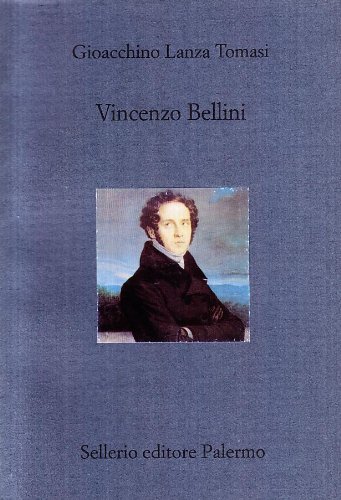


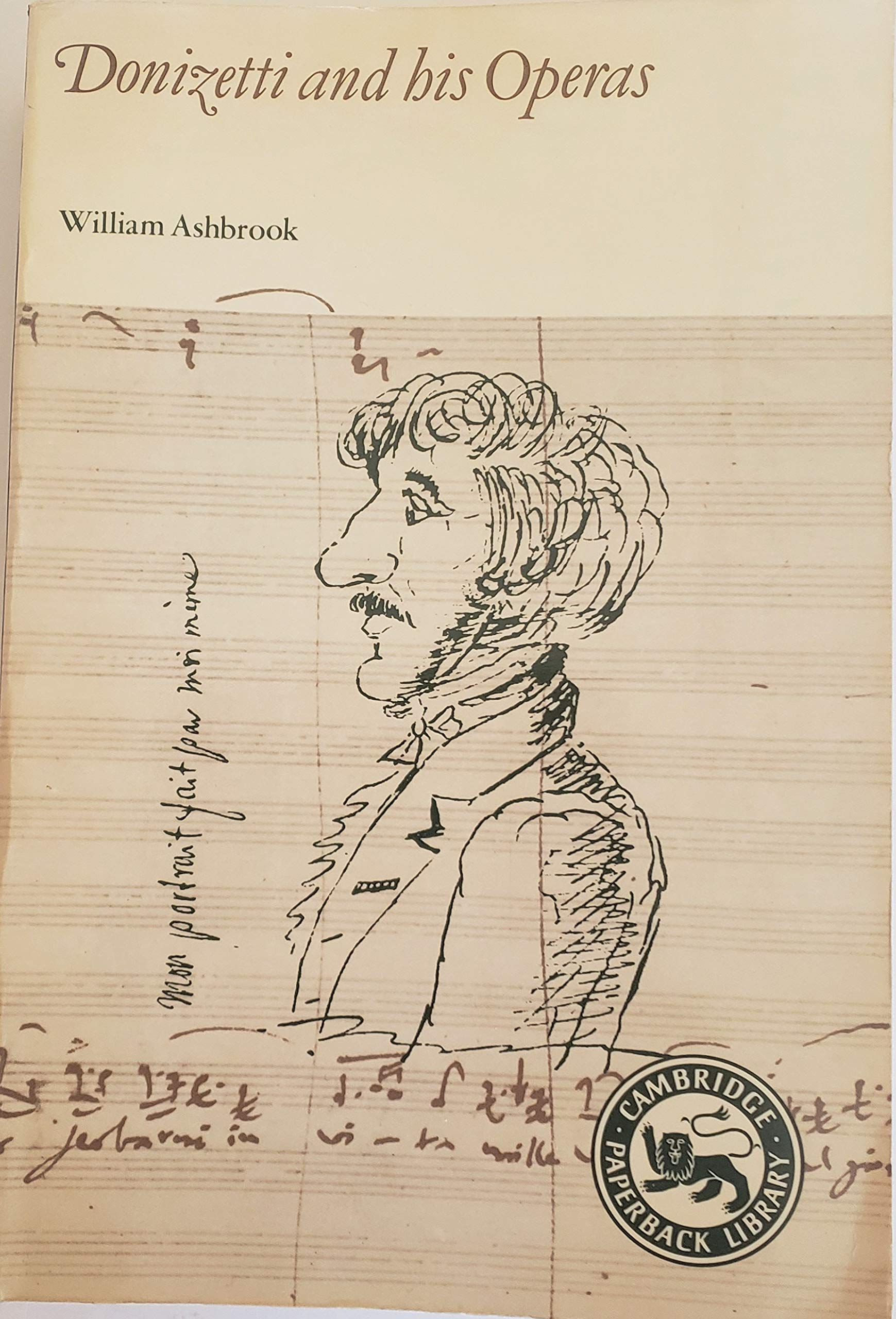



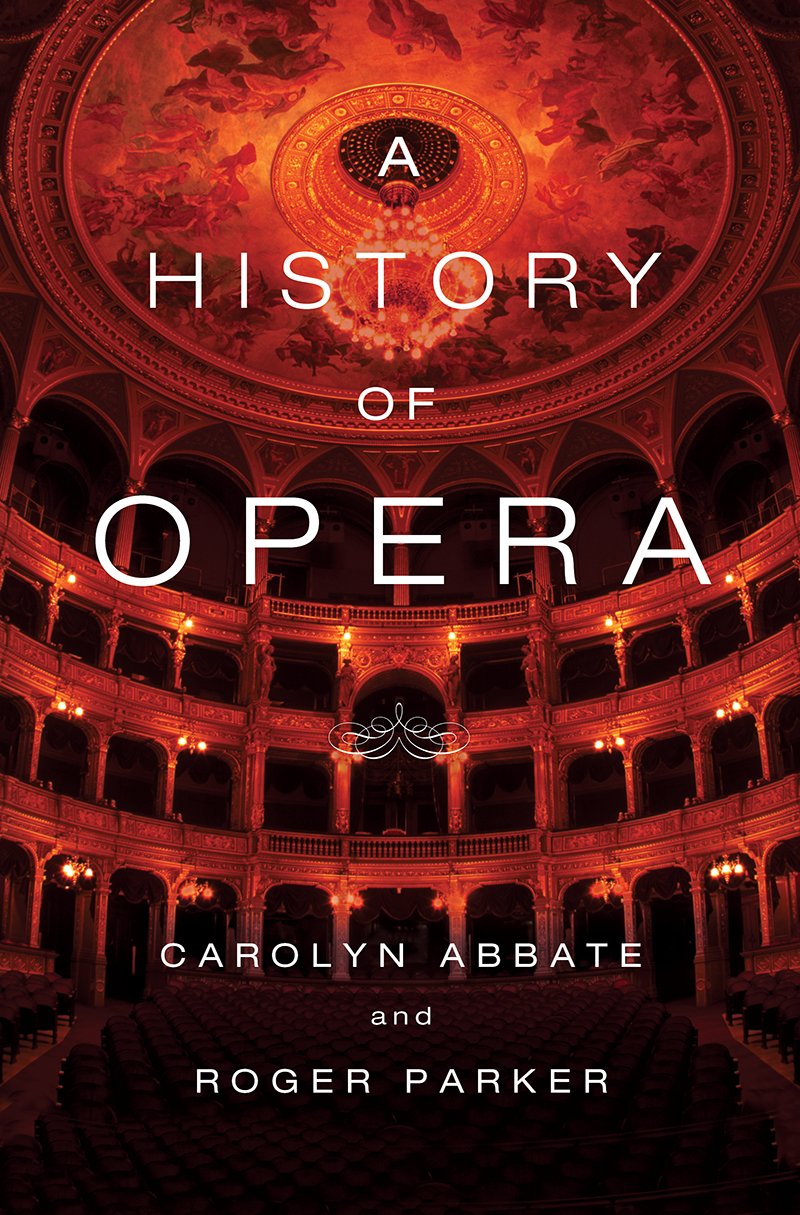


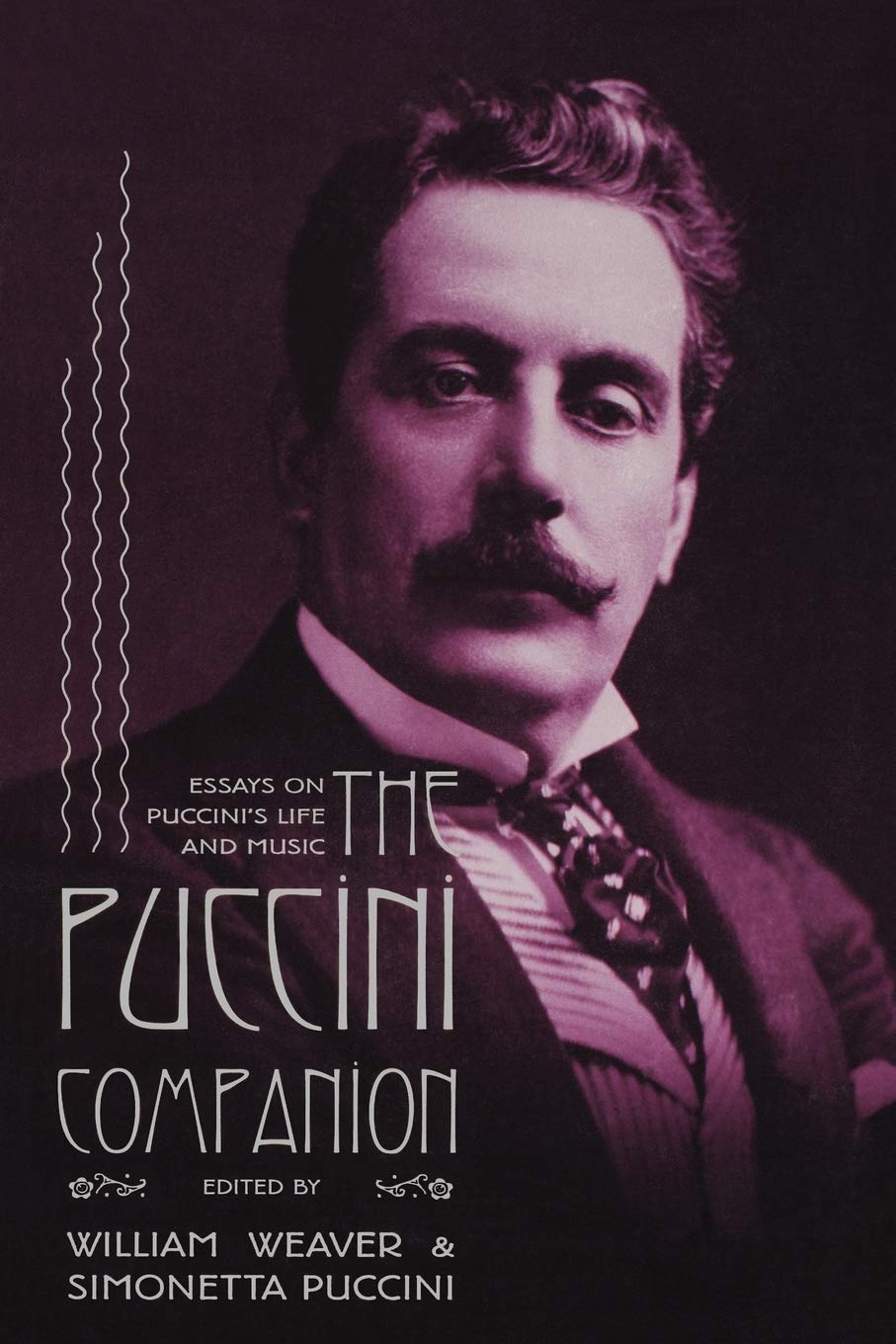
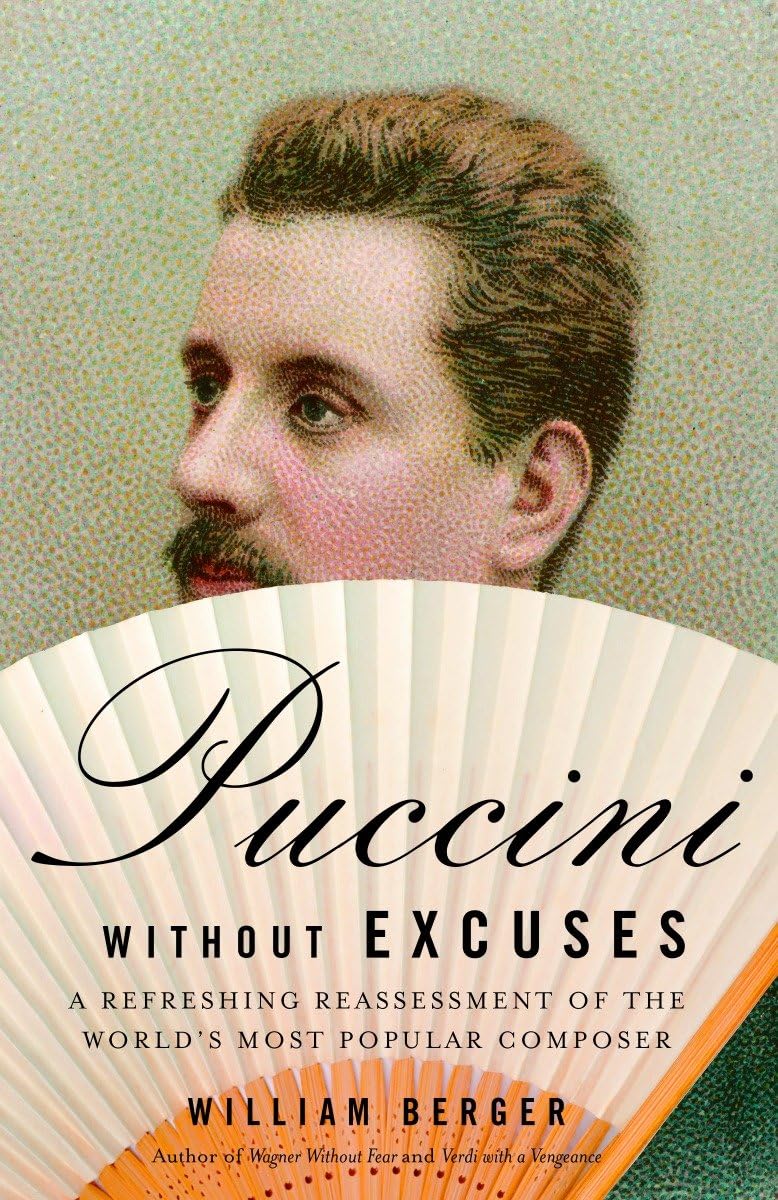
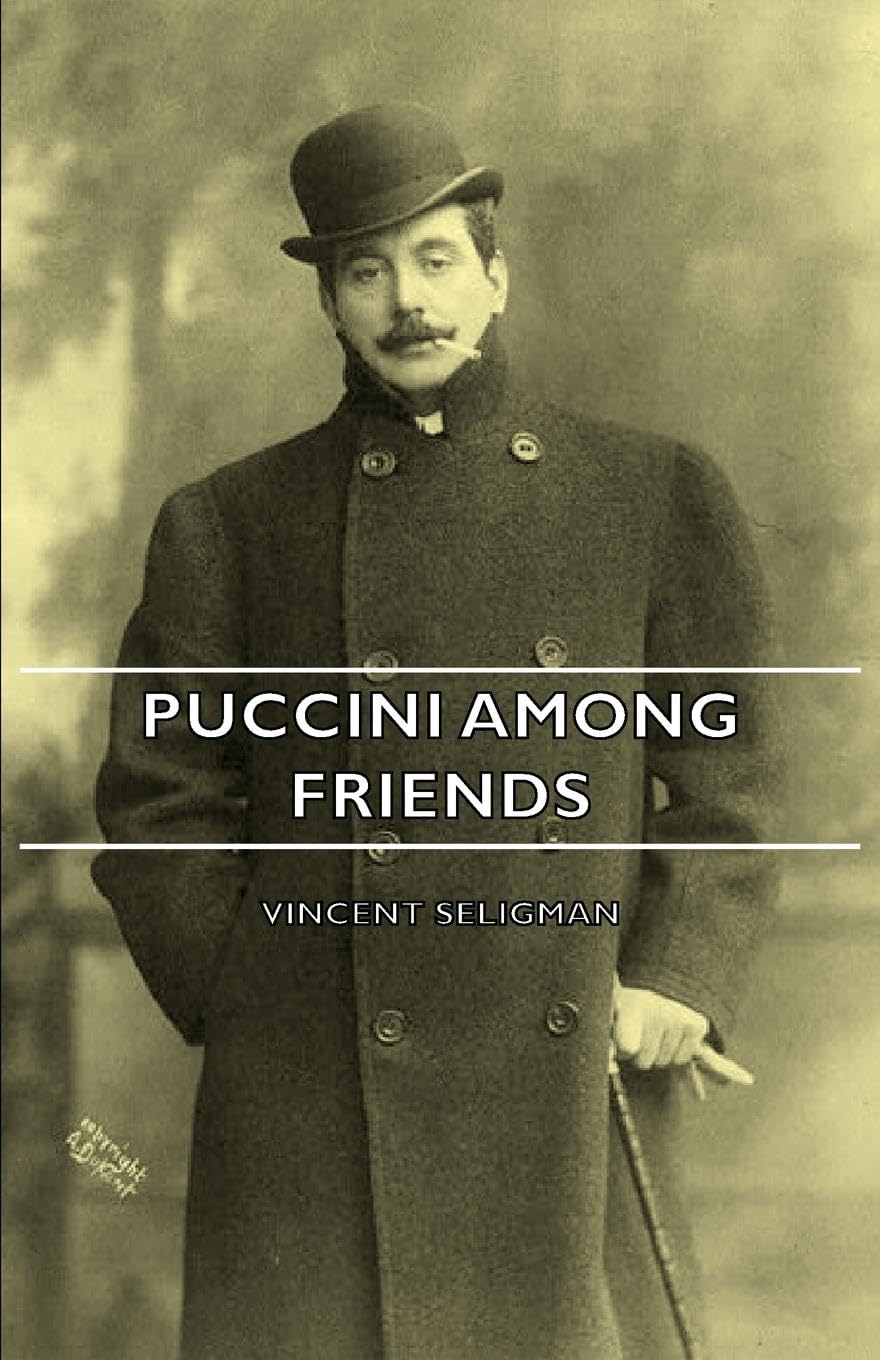


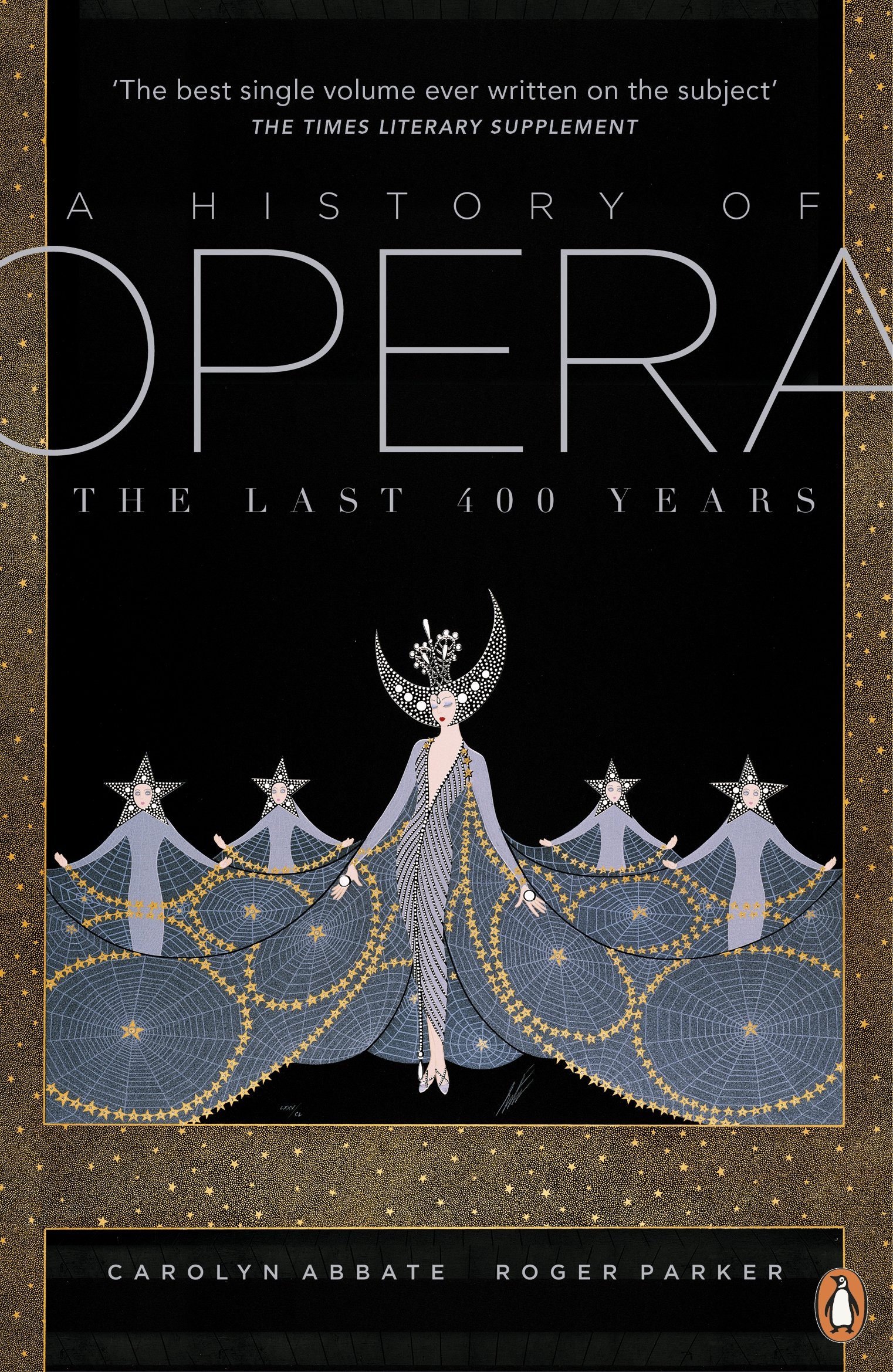


.jpg)

-2-2.jpg)
