Luxury Opera Performances for Castles, Weddings & Historic Venues Across Europe
By Vasili Karpiak
Photo: Geir Joar Hval / Wikimedia Commons – Licensed under CC BY-SA 4.0. View License
In This Guide
- The Magic of Live Opera in London’s Most Exclusive Events
- From Intimate Weddings to Grand Galas
- Why Live Opera Remains the Ultimate Expression of Elegance
- Opera Singer Prices in London & UK
- Historic Venues & Iconic Locations
- Frequently Asked Questions – Hiring Opera Singers for Events
- England & Scotland – Opera in Historic Castles and Stately Homes
- France – Château Elegance & Opera
- Italy – Private Opera in the Birthplace of Bel Canto
- Germany, Monaco, Netherlands & Belgium
- Distinguished English Venues
- Recommended Books
- Explore More Insights
The Magic of Live Opera in London’s Most Exclusive Events
There is nothing like the soaring voice of a live opera singer in London to transform an event into something unforgettable. Whether you wish to hire an opera singer in London for an intimate dinner party, book a performance for a luxury wedding in a historic estate, or engage an artist for a gala in a Mayfair townhouse, live opera adds elegance and emotional depth that no recording can replicate.
This guide explores not only how to book an opera singer in London but also the grand castles and prestigious concert halls of England, Scotland, Ireland, Wales, and the Isle of Man — extending further across Europe to Germany, France, Italy, Belgium, and Monaco. From candlelit chapels to royal palaces, these settings reveal how opera brings majesty and intimacy to the world’s most distinguished events.
A single aria — Nessun Dorma or O sole mio — carries centuries of tradition and fills the room with grandeur, leaving guests with memories long after the last note fades.
From London’s ballrooms to castles in Scotland, discerning hosts turn to live opera to elevate their celebrations. Hiring an opera singer for weddings, gala dinners, or exclusive soirées adds artistry, intimacy, and grandeur in equal measure.
Imagine E lucevan le stelle at a candlelit reception or La donna è mobile lighting up a champagne toast — moments like these make private events extraordinary.
From Intimate Weddings to Grand Galas – Opera at the Heart of Luxury Events
Every celebration deserves a personal touch. From Italian arias to Neapolitan songs, Vasili Karpiak curates each programme to suit the atmosphere and the guests. Couples may request a wedding duet, hosts may commission a gala opener, or clients can trust Vasili’s expertise to design an elegant, flowing programme.
Enquire About a Custom Programme for Your Opera Entertainment
Event Experience
| Event Phase | Performance Style | Example Repertoire | Atmospheric Effect |
|---|---|---|---|
| Guest Arrival | Light classical background | Instrumental / soft Italian repertoire | Creates immediate refinement and sets the tone |
| Ceremony / Entrance | Featured vocal moment | O Sole Mio / Ave Maria | Elegant and uplifting, establishing emotional depth |
| Drinks Reception | Flowing live performance | Torna a Surriento / Core ’ngrato | Warm, engaging, encourages connection |
| Dinner Performance | Focused musical set | E lucevan le stelle | Creates a memorable emotional centrepiece |
| Key Highlight Moment | Signature aria | Nessun dorma | Powerful climax — silence followed by emotional impact |
| Finale / Encore | Celebratory close | Granada / Time to Say Goodbye | Unifies the event with a lasting impression |
Italian Tenor in London – Tradition Meets Modern Luxury
As an Italian tenor based in London, Vasili bridges great operatic tradition with contemporary event culture. His repertoire spans Puccini, Verdi, Donizetti, and timeless Neapolitan classics. Performances may be heroic or lyrical, but always honour the discipline of the Italian vocal school — a tradition that has captivated audiences worldwide.
Bespoke Opera Performances Designed Around Your Celebration
Opera is more than music; it is atmosphere, culture, and emotion. Booking an opera singer in London means curating an experience that elevates a wedding, gala, or corporate event into something unforgettable. Live opera provides sophistication, intimacy, and passion — qualities that define high-end occasions.
Enquire Today to Elevate Your Event with Live Opera →
Why Live Opera Remains the Ultimate Expression of Elegance in the UK
Prestigious Venues for Opera in the UK
Vasili’s performances have brought the elegance of opera to some of Britain’s most exclusive settings — from candlelit Cotswold houses and Mayfair clubs to five-star hotels and castle banquets in Scotland. His artistry adds distinction to weddings, VIP soirées, corporate galas, and private memorial events alike.
Opera at Luxury Events – Voices That Transform an Evening
Opera is, above all, an experience of voice, presence, and drama. Whether a soaring tenor, a luminous soprano, a resonant baritone, or a velvety mezzo-soprano, each voice type introduces its own tonal colour and emotional texture. Together, they shape an atmosphere that captivates audiences and heightens the sense of occasion.
Luxury event planners increasingly recognise live opera not as entertainment alone, but as a defining artistic statement within unforgettable evenings.
Opera Singer Prices in London & UK — Event Cost Guide
Performance & Investment
| Performance Type | Typical Format | Best Suited For | Investment Range (UK) |
|---|---|---|---|
| Professional Solo Tenor | Backing track or streamlined technical setup | Private events, receptions, and refined intimate settings | £500 – £900 |
| Tenor + Pianist | Live classical accompaniment | Wedding ceremonies, luxury receptions, and formal gatherings | £900 – £1,400 |
| Tenor + Ensemble | String duo, trio, or quartet | Luxury weddings, corporate events, and gala dinners | £1,200 – £4,000+ |
| Opera Ensemble | Multiple singers or staged operatic features | Immersive events, themed evenings, and large-scale celebrations | £1,500 – £5,000+ |
| Full Production | Expanded musicians or orchestral scale | Major luxury events, international occasions, and flagship productions | £3,000 – £40,000+ |
Grand Galas, Charitable Balls & Corporate Celebrations
Charitable galas and high-profile corporate events demand presence, impact, and memorability. Opera naturally provides all three. From Puccini’s soaring lyricism to Verdi’s dramatic intensity, live performance introduces prestige, theatricality, and emotional resonance that recorded music rarely achieves. Such moments elevate the event while inspiring generosity, admiration, and lasting impressions.
Opera at Royal & National Celebrations
Throughout history, opera singers have been chosen to mark moments of cultural and ceremonial importance. The human voice — paired with orchestral brilliance — has long symbolised dignity, refinement, and grandeur. Today, opera continues to serve as the sound of majesty across significant celebrations throughout the United Kingdom.
Luxury Weddings with Opera Singers – The Soundtrack of Romance
Opera lends weddings an atmosphere of cinematic romance and timeless beauty. A tenor serenading the bride, a soprano illuminating the reception, or a duet woven into the ceremony transforms fleeting moments into memories of lasting emotional depth.
A Bespoke Experience for Every Couple From O Sole Mio to Nessun Dorma, couples may curate repertoire that reflects their personal story. Opera seamlessly enhances both classic and contemporary celebrations, often evoking the elegance and passion of Italian tradition.
The Gift of Opera – Vows, Proposals & Anniversaries Commissioning a live opera performance for vows, proposals, or anniversaries remains one of the most refined gestures imaginable — transforming intimate occasions into profoundly personal artistic experiences.
Exclusive Gatherings & VIP Private Events

At high-end private dinners, yacht receptions, and luxury brand gatherings, a live recital by an acclaimed opera singer creates an atmosphere of intimacy, refinement, and quiet spectacle. Increasingly, themed Italian evenings merge cuisine, wine, and music — transporting guests into a world of cultivated elegance.
Enquire to Book an Opera Singer for Your London, Scotland, or UK Event
Historic Venues and Iconic Locations Where Opera Comes to Life in Britain
Selecting the right performer for an elite event requires experience and artistry. A world-class opera singer understands both the technical demands of the repertoire and the sensitivity required in luxury environments.
The Voice of Tradition at Britain’s Most Important Celebrations The combination of stunning venues, refined planning, and extraordinary voices ensures every performance becomes a lasting memory. Whether for corporate galas, weddings, or VIP soirées, live opera guarantees distinction and beauty.

Opera in Europe’s Grandest Castles, Palaces and Private Estates
From London to the Cotswolds, Edinburgh to Venice, Europe offers historic castles, châteaux, and estates that become perfect stages for private opera events. Each venue merges heritage with artistry to create extraordinary celebrations.
Private Opera in the UK – From Mayfair to the Highlands
Across the UK, families and hosts commission opera for private moments: Mayfair salons, Cotswold estates, Highland castles. A single aria can transform a familiar home or garden into a memory of lasting resonance. From Hertfordshire to Surrey, the Lake District to Wales, private opera concerts blend heritage, craft, and intimacy.
Opera and the World’s Finest Brands
Opera is craftsmanship — like a handmade watch or a coach-built car. No surprise that brands from Rolls-Royce to Ferrari align with opera when unveiling their finest work. At private gatherings with vintage cars and fine champagne, an aria reminds every guest of timeless artistry.
How to Commission a World-Class Opera Performance for Your Event
If you are wondering “Where can I hire an opera singer in London, Scotland, or the UK?” the answer is simple: your private opera experience is only a conversation away. From milestone birthdays to garden concerts, from charity galas to exclusive dinners, booking an opera singer brings timeless musical perfection to your event.
FAQ – Hire Singers and Opera Performers for Exclusive Events in London, England & UK
This ultimate FAQ gathers the most frequently asked questions from private clients, artistic agencies, and event management companies seeking to hire professional singers and opera performers for exclusive events in London, England, Scotland, and across the UK.
Festive & Christmas Performances — A Seasonal Highlight
Opera brings extraordinary warmth and splendour to Christmas celebrations, winter weddings, corporate festive gatherings and December gala evenings across the UK. A live tenor performance during a candlelit dinner, reception, or seasonal celebration creates an atmosphere of elegance and reverence. Whether performing sacred classics, timeless Italian arias or refined festive selections, Vasili Karpiak transforms winter events into memorable, emotionally rich experiences.
Enquire Today – Hire an Opera Singer in London or the UK
Bring the grandeur of Italian opera to your event. From Mayfair dinners to Highland castles, Vasili Karpiak offers bespoke performances that leave lasting memories.
Historic Castle Venues Across England & Scotland
Across England and Scotland, historic castles, aristocratic estates, and grand manor houses provide some of Europe’s most distinguished settings for live opera, luxury weddings, gala dinners, and refined private celebrations. From the English countryside to the dramatic Scottish Highlands, these remarkable venues combine heritage, architecture, atmosphere, and cinematic landscape in a way uniquely suited to opera and classical performance.
When it comes to hiring an opera singer or Italian tenor for elegant cultural events, many discerning hosts choose historic estates and castle venues for their sense of timelessness, privacy, and grandeur. Whether for destination weddings, private concerts, luxury celebrations, or exclusive corporate gatherings, these extraordinary locations transform live music into a memorable artistic experience.
Opera in England’s Historic Estates
England’s stately homes, baroque palaces, Tudor castles, and grand country estates remain among the most prestigious venues in Europe for luxury weddings, refined cultural events, and private opera performances. From Castle Howard and Highclere Castle to Blenheim Palace and historic manor houses across the English countryside, these remarkable venues combine architectural beauty with centuries of heritage.
Explore opera performances in England’s castles, manor houses, and luxury estates
Opera in Scotland’s Highland Castles & Historic Estates
Scotland offers one of Europe’s most dramatic and atmospheric settings for luxury weddings, destination celebrations, and private opera events. From the Highlands and Argyll to the Scottish Borders and historic castle estates surrounding lochs and mountains, Scotland’s venues provide an unforgettable backdrop for refined cultural gatherings and elegant live performances.
Discover opera performances in Scotland’s castles, Highland estates, and historic venues
Castles and Prestigious Venues in Wales, Ireland, and the Isle of Man
Opera and classical song reach a new level of resonance when performed in settings of architectural beauty and historical significance. From ancient castle halls to restored Edwardian theatres, atmospheric cathedrals, and dramatic coastal estates — the British Isles offer a wealth of venues where tenor voices truly shine. Discover these remarkable places across Wales, Ireland, and the Isle of Man.
Wales: Castles & Cultural Festivals
Gregynog Hall Gregynog Hall, in the rolling hills of Mid Wales, is a historic timber-framed mansion that has become synonymous with music and culture. Its annual Gregynog Festival is among the UK’s oldest classical music festivals, once hosting giants like Elgar and Vaughan Williams. Today, the intimate drawing rooms and serene gardens provide a refined yet welcoming setting for chamber music, vocal recitals, and scholarly gatherings. The hall embodies the Welsh tradition of music woven into community and heritage.
Cardigan Castle Standing on the banks of the River Teifi, Cardigan Castle is a medieval fortress transformed into a vibrant cultural centre. Restored with care, its grounds now host summer concerts, where audiences gather beneath stone walls that once witnessed centuries of history. For singers, the open-air courtyards create a sense of grandeur and openness, allowing the voice to blend with the evening air. Cardigan’s dual role as heritage site and performance venue makes it a jewel of West Wales.
Royal Welsh College of Music & Drama, Cardiff Located next to Cardiff Castle, the Royal Welsh College of Music & Drama is both a training ground for future artists and a hub of performance. Its modern concert hall and theatre spaces stand in striking contrast to the medieval castle nearby, symbolising the fusion of tradition and innovation. Audiences can enjoy opera, drama, and orchestral performances of the highest standard, often presented by the stars of tomorrow. For a singer, it offers the excitement of performing in a space designed for clarity, resonance, and artistry.
BBC Hoddinott Hall, Cardiff Named after the Welsh composer Alun Hoddinott, this purpose-built hall is home to the BBC National Orchestra of Wales. With its warm acoustic and intimate 350-seat layout, it provides an ideal stage for chamber concerts, vocal recitals, and live radio broadcasts. Unlike the grandeur of larger concert halls, Hoddinott Hall allows for a closeness between artist and audience that is rare in modern venues.
Gower Festival Each summer, the churches of the Gower Peninsula — some dating back to medieval times — become concert spaces for the Gower Festival. World-class performers travel to this coastal landscape to share music in surroundings of remarkable beauty. For the tenor voice, the natural stone walls and quiet intimacy of these churches offer acoustics that heighten clarity and emotional depth. The festival reflects Wales’s deep-rooted identity as a land of song.
Isle of Man: The Island’s Cultural Heart
Villa Marina & Gaiety Theatre, Douglas At the heart of Douglas’s seafront, the Villa Marina and Gaiety Theatre form the Isle of Man’s cultural centre. Built during the Edwardian era, the Villa Marina features a stately colonnaded façade, with gardens and a concert hall that have welcomed performers from across the world. Alongside it stands the Gaiety Theatre, a lavishly decorated opera house designed in 1900, recently restored to its original splendour. Together, they provide spaces where classical music and theatre thrive on this island rich in tradition.
Gaiety Theatre and Opera House Opened in 1900 under the vision of theatre impresario Frank Matcham, the Gaiety Theatre is considered one of the finest surviving examples of Victorian theatre architecture. Its ornate plasterwork, painted act-drop curtain, and even original stage machinery — including the rare Corsican Trap — remain intact. Today, it is both a working opera house and a living museum, where audiences can step back into the golden age of performance while hearing opera and concerts brought vividly to life.
Isle of Man Symphony Orchestra (IOMSO) Founded in 1917, the Isle of Man Symphony Orchestra represents over a century of dedication to music-making on the island. It combines local talent with guest soloists, bringing symphonic and vocal works to Manx audiences who have long valued their cultural traditions. For singers, performing with IOMSO offers a chance to connect with a community deeply proud of its musical heritage, in venues that carry both intimacy and dignity.
Ireland: Castles, Cathedrals & Concert Halls
Kilkenny Castle One of Ireland’s most iconic landmarks, Kilkenny Castle has stood since the 12th century as a symbol of Norman power and later aristocratic refinement. Each August, it becomes a stage during the Kilkenny Arts Festival, where chamber ensembles and singers perform in its stately rooms and gardens. The combination of medieval walls, elegant interiors, and festival atmosphere creates a uniquely Irish blend of grandeur and warmth for classical performance.
National Concert Hall, Dublin The National Concert Hall is Ireland’s foremost centre for classical music. Located on Earlsfort Terrace in Dublin, its auditorium has hosted the world’s greatest orchestras, conductors, and singers. Home to the RTÉ National Symphony Orchestra, it combines modern clarity with a sense of national pride. For the tenor voice, it is a stage of international standing, where every note resonates with the weight of tradition and the excitement of a contemporary audience.
Lismore Castle Arts Perched above the River Blackwater in County Waterford, Lismore Castle is both a medieval fortress and a Victorian mansion. While best known for its art exhibitions, it occasionally opens its historic spaces to concerts and recitals. Singing within its walls means engaging with nearly 1,400 years of history, where the echoes of the past mingle with the creativity of the present. The castle’s atmosphere lends performances an almost timeless quality.
St Patrick’s Cathedral, Dublin Ireland’s largest cathedral, founded in 1191, is not only a place of worship but a national cultural treasure. Its Gothic arches soar above the choir stalls, creating acoustics that are both resonant and spiritual. With a choral tradition stretching back centuries, St Patrick’s remains one of the most moving settings for sacred and classical music in Ireland. For singers, to perform here is to join a lineage of voices that have filled the cathedral for over 800 years.
A Stage for the Tenor Voice Performing in such illustrious venues is an immersive experience. Each space carries with it centuries of presence—its architecture, ambiance, and legacy responding to every note. Whether singing beneath castle arches or in time-touched churches, a tenor’s voice is elevated by history and presence.
France: Historic Châteaux, Paris & Riviera Elegance
France’s historic châteaux, Riviera venues, and refined private estates provide an extraordinary setting for live opera performances, elegant weddings, and exclusive celebrations. From the Loire Valley to Paris and the Côte d’Azur, French cultural venues continue to inspire sophisticated private events and luxury opera evenings.
Château de Vaux-le-Vicomte, France
Château de Vaux-le-Vicomte is one of France’s most celebrated baroque estates, renowned for its formal gardens, candlelit interiors, and architectural grandeur. The château creates an exceptional setting for luxury opera performances, elegant receptions, and refined private celebrations. Visit Château de Vaux-le-Vicomte
Palais Garnier, Paris
Palais Garnier remains one of the world’s most iconic opera houses, celebrated for its golden chandeliers, monumental staircases, painted ceilings, and Belle Époque splendour. The historic Paris landmark continues to symbolise French opera culture, artistic prestige, and luxury cultural events. Visit Palais Garnier
French Riviera & Saint-Tropez
The French Riviera introduces a more contemporary atmosphere of Mediterranean luxury, from Monaco and Cannes to Saint-Tropez and the Côte d’Azur coastline. Private villas, yacht gatherings, sunset receptions, and elegant cultural celebrations continue to attract international guests seeking refined destination events beside the sea.
Italy remains one of the world’s most prestigious destinations for luxury opera events, from historic Venetian palazzi to private castles overlooking Florence and Lake Como.
For a deeper exploration of Italy’s most exclusive opera venues, castles, villas, and historic performance settings, explore the complete guide below.
Luxury Italian Castles & Opera Venues for Private Events
Germany, Monaco, Netherlands & Belgium – Exclusive Castles and Venues for Private Opera Events
From the fairy-tale towers of Neuschwanstein in Germany to Monaco’s Riviera elegance, the Netherlands’ grand estates, and Belgium’s historic châteaux, this region offers hidden gems for luxury opera performances. Discerning hosts often choose to hire an opera singer or Italian tenor to bring Puccini, Verdi, and other masterpieces to life in these remarkable settings. Whether for a gala dinner, a private wedding, or a high-profile corporate celebration, live opera in these European venues transforms gatherings into cultural events of timeless refinement.
Neuschwanstein Castle, Germany

Neuschwanstein Castle is the epitome of fairytale magic, offering a dramatic and inspiring setting for classical music performances and private events. Its breathtaking architecture and scenic surroundings provide an enchanting backdrop for exclusive opera presentations and corporate cultural gatherings. The castle’s storied history and majestic beauty create an atmosphere of unparalleled grandeur and sophistication. Neuschwanstein Castle is an iconic venue that elevates every event to a celebration of artistic excellence. Visit Neuschwanstein Castle Castle Neuschwanstein Image by Hans-Jürgen Münzer from Pixabay
Herrenchiemsee Palace, Germany

Herrenchiemsee Palace, a Bavarian gem reminiscent of Versailles, offers an ideal venue for refined operatic events and elite corporate functions. Its lavish interiors and meticulously designed gardens set a standard of luxury and cultural prestige. The palace’s historic opulence and architectural brilliance make it a perfect setting for private engagements and exclusive performances. Herrenchiemsee Palace provides an extraordinary blend of art, history, and modern event sophistication. Visit Herrenchiemsee Palace Herrenchiemsee Palace-Image by FelixMittermeier from Pixabay
Linderhof Palace, Germany With its stunning rococo design, Linderhof Palace offers an intimate and elegant space for exclusive classical concerts and private opera engagements. The palace’s artistic interiors and lush gardens create a sophisticated atmosphere ideal for corporate cultural events. Its historical charm and refined elegance make Linderhof Palace a favored venue among those seeking a unique blend of heritage and modern luxury. The venue is perfect for creating memorable experiences that celebrate both tradition and innovation. Visit Linderhof Palace
Schwerin Castle, Germany

Schwerin Castle, set by a picturesque lake, provides a majestic atmosphere that is perfect for hosting luxury opera nights and high-end corporate events. The castle’s awe-inspiring architecture and historic surroundings create a dramatic setting for private performances. Its blend of natural beauty and cultural heritage makes Schwerin Castle an outstanding venue for exclusive engagements. This venue exudes elegance and grandeur, promising an unforgettable experience for every guest. Visit Schwerin Castle Image by Anja from Pixabay
Hohenzollern Castle, Germany

Perched on a hilltop, Hohenzollern Castle offers breathtaking views and a historic setting that enhances any grand musical performance or private event. The castle’s impressive fortifications and storied past create a dramatic backdrop for exclusive opera presentations and corporate gatherings. Its regal ambiance and architectural splendor evoke a sense of timeless elegance and artistic inspiration. Hohenzollern Castle is a prestigious venue that leaves a lasting impression on discerning audiences. Visit Hohenzollern Castle Image by Paul Henri Degrande from Pixabay
Casino de Monte-Carlo, Monaco Synonymous with luxury and glamour, Casino de Monte-Carlo in Monaco hosts exclusive operatic evenings and elite cultural events. Its lavish interiors and world-renowned reputation provide an exceptional setting for high-profile private engagements. The venue’s sophisticated atmosphere and historic charm make it a magnet for those seeking unparalleled artistic and corporate experiences. Casino de Monte-Carlo stands as a symbol of opulence and refined cultural celebration. Visit Casino de Monte-Carlo
Muiderslot Castle, Netherlands

One of the Netherlands’ oldest castles, Muiderslot Castle is a dramatic backdrop for classical performances and private opera events. Its medieval charm and well-preserved architecture create an authentic historical atmosphere that captivates audiences. The castle offers a unique blend of heritage and cultural vibrancy, making it a favored venue for exclusive corporate events and artistic soirées. Muiderslot Castle embodies a timeless elegance that enriches every performance. Visit Muiderslot Castle Muiderslot Castle-Image by Eveline de Bruin from Pixabay
Château de La Hulpe, Belgium Château de La Hulpe, a picturesque château near Brussels, is an enchanting venue ideal for intimate opera nights and upscale corporate events. Its serene surroundings and elegant architecture set a refined stage for cultural gatherings. The château’s tranquil beauty and historic charm create a warm and inviting atmosphere that enhances every private engagement. For those seeking a venue that exudes both artistic sophistication and natural allure, Château de La Hulpe is a perfect choice. Visit Château de La Hulpe
Each of these stunning venues carries its own unique charm, history, and grandeur, making them the perfect location for an unforgettable operatic event. Whether hosting an exclusive gala, a wedding, or a cultural celebration, these castles and châteaux ensure an immersive and luxurious experience where music and elegance intertwine.
Enquire to book an opera singer for your London, England, or UK event→
Additional Distinguished English Venues for a Bespoke Opera Performance
Alongside Europe’s renowned estates and grand hotels, England offers a treasure trove of venues perfectly suited to an exclusive opera experience. These suggestions are provided as additional inspiration — each one a setting where those who hire opera singers in England or Scotland can expect an unforgettable blend of heritage, luxury, and artistry.
Relais & Châteaux Hideaways England’s Relais & Châteaux retreats are celebrated for their intimate atmosphere and impeccable hospitality. When you hire an opera singer to perform in one of these charming country hideaways, you elevate your gathering to a level of quiet grandeur and refined taste. Visit website
Iconic Country Estates Estates like Cliveden House, Coworth Park, and Hedsor House represent the pinnacle of English elegance. These venues are ideal for clients wishing to hire opera singers for garden soirées, candlelit recitals, or gala dinners under historic chandeliers. Visit Cliveden House, Visit Coworth Park, Visit Hedsor House
Luxury London Hotels In the heart of London, distinguished addresses such as The Ritz London and The Lanesborough offer sophisticated urban settings for a private opera performance. Couples and hosts who hire an opera singer in London for weddings or corporate receptions find these hotels deliver timeless charm and five-star service. Visit The Ritz, Visit The Lanesborough
Boutique Culinary Manors Le Manoir aux Quat’Saisons and Chewton Glen marry world-class gastronomy with the tranquility of the English countryside. For clients planning to hire opera singers for a culinary celebration, these manors create an enchanting blend of music and fine dining. Visit Le Manoir, Visit Chewton Glen
Unique Heritage Venues Goodwood House and Heckfield Place exemplify Britain’s stately tradition with a contemporary twist. When you hire an opera singer for an event at these historic properties, the result is an atmosphere of dignified splendour and moving musical artistry. Visit Goodwood House, Visit Heckfield Place
A Touch of Prestige: Hire an Opera Singer for Celebrity and Luxury Events
When you hire an opera singer for a luxury occasion — whether it’s a celebrity wedding at a private estate, an exclusive party in Mayfair, or a Scotland castle event — you create a moment that stays with your guests forever. Live opera brings an atmosphere of elegance and emotional impact that recorded music simply cannot match.
Clients often work directly with their chosen London opera singer to design a bespoke performance: favourite arias, a romantic duet, or a crossover piece that delights a diverse audience.
To ensure everything runs perfectly, confirm staging, piano or ensemble accompaniment, and venue acoustics well in advance. This attention to detail guarantees that your chosen opera singer blends seamlessly into the flow of your luxury event, leaving guests inspired long after the final note.
Enquire now to hire a London opera singer for your luxury event: Book an Opera Performance→
The Ultimate Opera Experience: Why It Matters
For event organizers, casting directors, and luxury event agencies looking to hire an opera singer for prestigious international events, these breathtaking venues provide the ideal setting for unparalleled musical elegance. Hosting a live opera event at these castles enhances the prestige of any occasion, ensuring a world-class experience that resonates long after the final note.
The Pinnacle of Luxury Entertainment: Hire an Opera Singer in London & Across the UK
For those seeking the ultimate operatic experience, nothing compares to the elegance of a private classical performance set in an exclusive castle, château, or historic estate. Whether you’re organizing a luxury gala, VIP corporate event, or an intimate private concert, hiring an opera singer in London, England, and the UK elevates your occasion to extraordinary heights.
A Timeless Finale of Elegance and Emotion
When the final note fades, what remains is the impression of a truly refined gathering — guests touched by the emotional depth of live opera and memories that linger long after the last glass of champagne. For those seeking a luxury entertainment experience, Vasili Karpiak’s voice brings exactly that: a timeless aura of sophistication, grace, and heartfelt artistry.
Request a Booking of an Opera Performance →
Why Choose an Italian Opera Singer for Your Luxury Event?
- Unparalleled Artistry A world-class tenor performing the greatest Italian arias, Neapolitan songs, and Spanish classics.
- Exclusivity & Prestige Bespoke musical experiences tailored for high-net-worth individuals, corporate elites, and luxury event planners.
- Awe-Inspiring Venues Performances designed for grand estates, five-star hotels, luxury yachts, and elite private clubs. By integrating opera’s rich heritage with the grandeur of these exclusive venues, every performance becomes an unforgettable celebration of culture, refinement, and timeless beauty.
Book an opera singer in London, England, and the UK today to curate a prestigious event that captivates your audience with musical brilliance and operatic passion.
Book an Italian Opera Tenor for Your Next Event→
Tailored Operatic Performances for Luxury Events – Hire an Opera Singer in London, England & the UK
For those seeking an authentic operatic experience, I offer a diverse selection of world-class repertoire spanning multiple languages and styles. Whether you envision the power of Italian opera arias, the charm of Neapolitan classics, or the passion of Spanish & Portuguese songs, each performance is tailored to bring a touch of sophistication, exclusivity, and timeless elegance to your luxury event.
Hire an opera singer in London, England & the UK for:
- Private concerts in prestigious venues
- Gala dinners & exclusive soirées
- Luxury weddings & high-profile celebrations
- VIP corporate events & private estates
Bespoke Repertoire for a Prestigious Event
Each performance is crafted to complement the grandeur of private estates, historic castles, luxury hotels, and VIP venues across the UK and Europe. Explore a selection of refined operatic styles:
Italian Opera & Neapolitan Songs Featuring the timeless beauty of Puccini, Verdi, and Tosti, these iconic arias and songs bring true Italian passion to the stage. Perfect for private concerts, gala dinners, and luxury soirées.
French Operatic Repertoire The lyrical elegance of Massenet, Bizet, and Fauré, perfect for an evening of refined classical artistry. Ideal for sophisticated audiences seeking an exclusive opera experience.
German Lieder & Opera Arias Deep, emotional melodies from Schubert, Wagner, and Strauss, ideal for high-profile classical events and exclusive private performances.
Spanish & Portuguese Repertoire The passion of No Puede Ser, Granada, and Corcovado, bringing the soul of Spanish zarzuela and Portuguese fadoto elite audiences across London, England, and the UK.
Book an opera singer in London, England & the UK for your private gala or exclusive event, and let music elevate the ambiance of your evening.
Recommended Books
Amazon Affiliate Disclosure: As an Amazon Associate I earn from qualifying purchases. These recommendations are curated to enhance your appreciation of opera, heritage venues, and luxury events.
Opera & Performance
Opera 101: A Complete Guide to Learning and Loving Opera – Fred Plotkin Fred Plotkin offers an eloquent and passionate masterclass in opera appreciation, guiding readers from the orchestra pit to the spotlight. With insider knowledge drawn from years of experience, he explores music, staging, libretti, and the traditions that make opera the most all-encompassing of the arts. Newcomers will find the mysteries of the opera house demystified, while seasoned aficionados will deepen their understanding of interpretation and performance. A trusted companion for anyone wishing to attend luxury opera events with confidence — whether at grand international houses or exclusive private concerts.

The Penguin Concise Guide to Opera – Amanda Holden (Editor) Adapted from the acclaimed New Penguin Opera Guide, this concise edition distils opera’s vast landscape into an authoritative reference focused on the most frequently performed works. Composer biographies, plot synopses, and musical insights cover the masters from Mozart and Verdi to Wagner and Britten, offering clear commentary for both first-time listeners and devoted followers. Compact yet comprehensive, it is an ideal travel companion for those attending operatic galas, celebrity-studded premieres, or intimate performances at heritage venues.


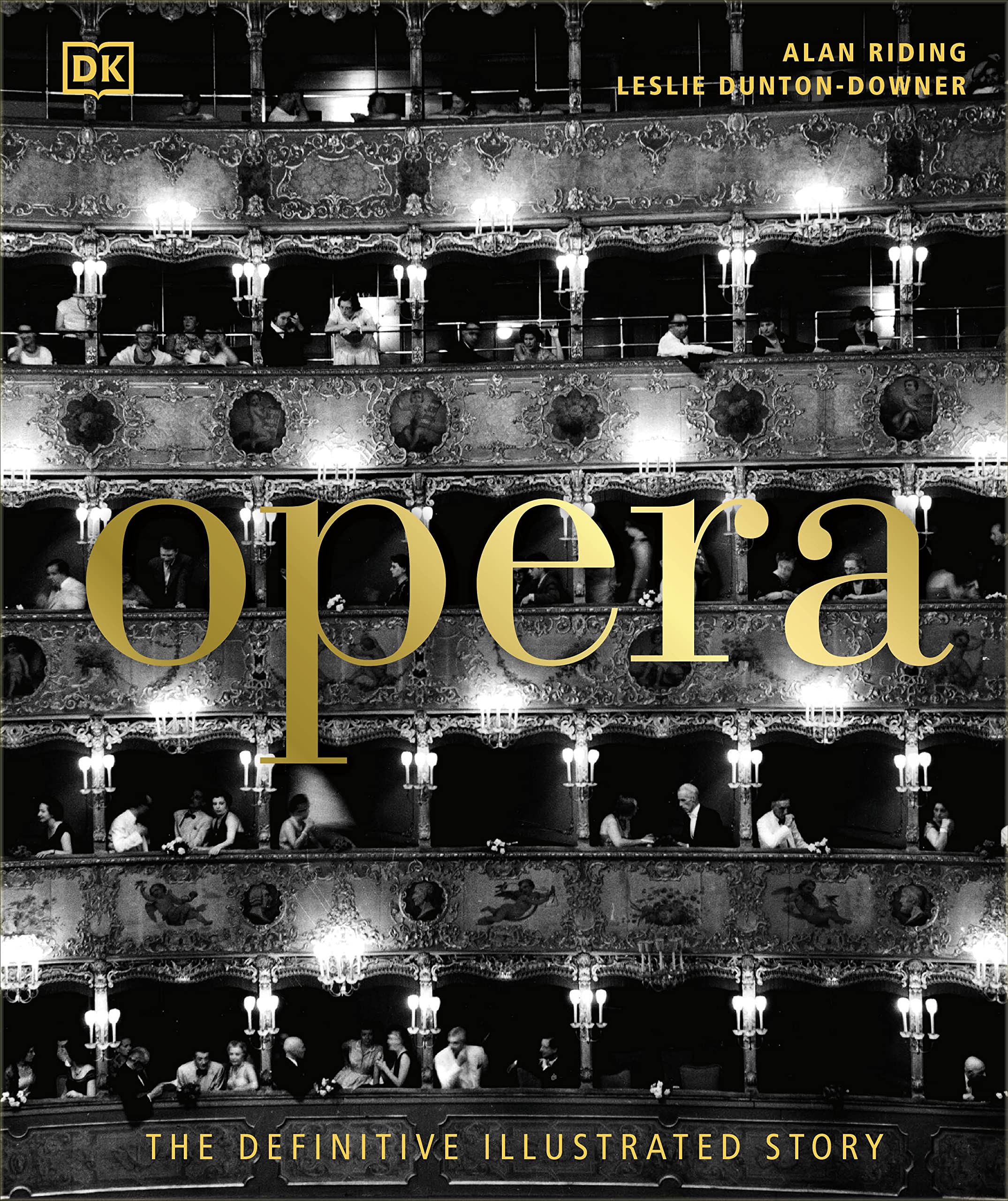
Opera: The Definitive Illustrated Story – DK Publishing A visually stunning celebration of opera’s history, productions, and legendary performers, this volume brings the drama and grandeur of the stage to life. Rich imagery captures iconic venues, from La Scala to the Metropolitan Opera, while engaging text reveals the evolution of repertoire and performance styles. Perfectly aligned with the world of luxury cultural experiences, it inspires readers to imagine hosting or attending operatic evenings in venues steeped in heritage and artistic excellence.
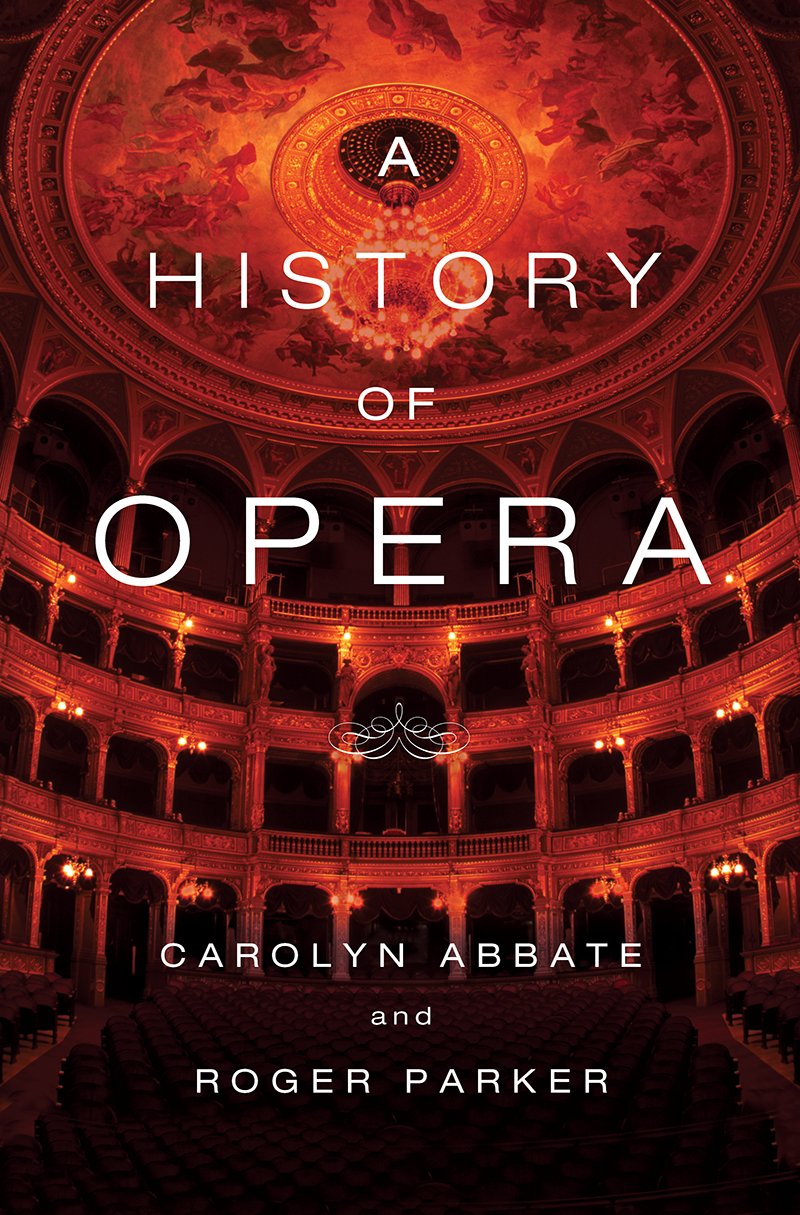
The History of Opera – Carolyn Abbate & Roger Parker This scholarly yet accessible work traces opera’s journey from its Renaissance origins to its place in today’s cultural landscape. Abbate and Parker illuminate how royal courts, aristocratic patronage, and magnificent opera houses shaped the art form’s evolution. They explore both the social history and the architectural splendour of the venues where opera flourished, offering readers a deeper appreciation for the settings and traditions that still frame world-class performances — from state occasions to exclusive private galas.
Luxury Event Culture
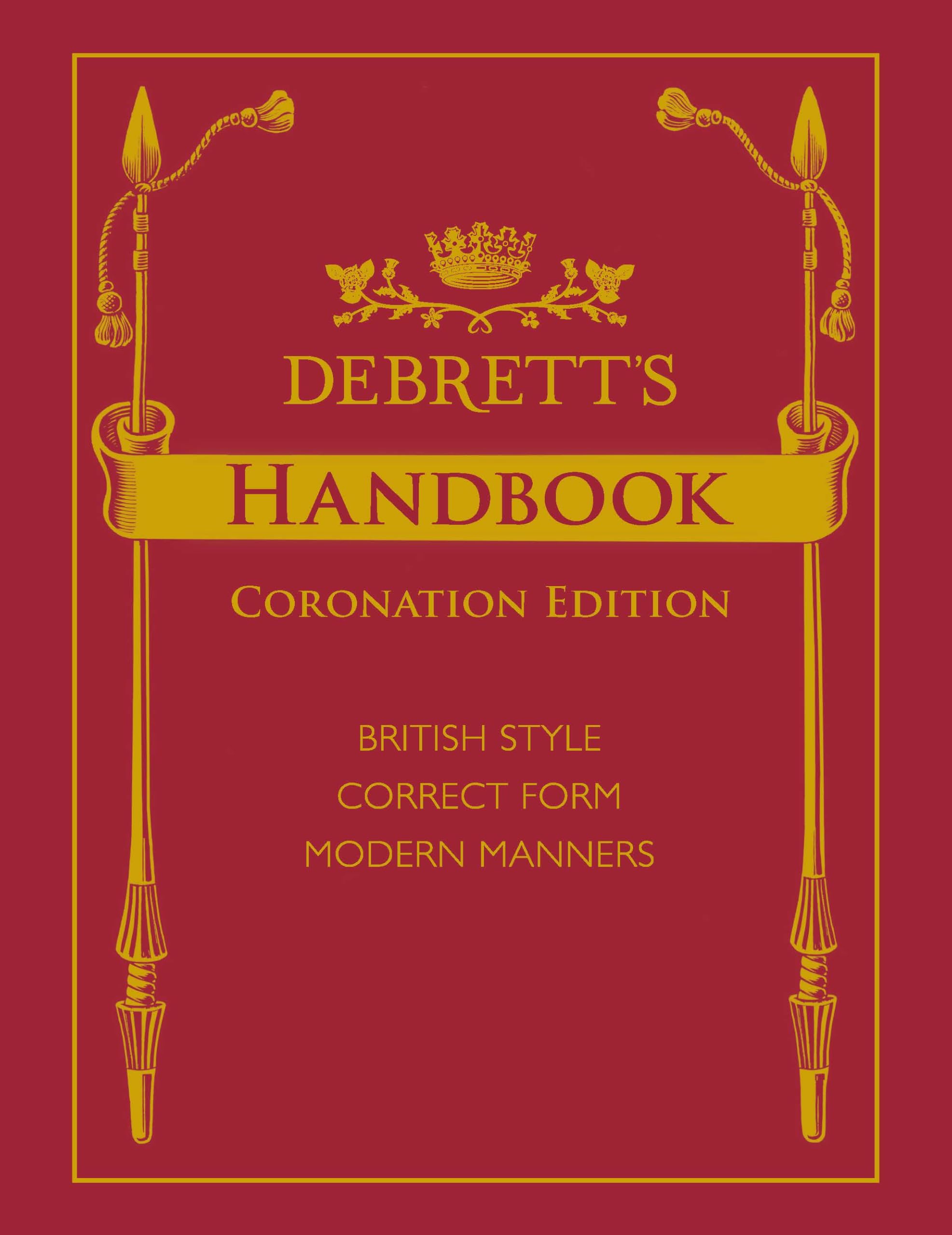
Debrett’s Handbook Coronation Edition – Elizabeth Wyse (Editor) This authoritative guide to modern manners and the refined art of hosting offers an insider’s view into Britain’s elite social world. Updated for the Coronation era, it covers royal protocol, forms of address, and the finer points of etiquette for occasions ranging from state banquets and gala receptions to private soirées and intimate dinners. For hosts who wish to welcome guests with poise and grace, Debrett’s provides invaluable insights that extend naturally to luxury opera evenings, where polished hospitality and cultural elegance go hand in hand. A definitive companion for anyone navigating prestigious gatherings.
Gorgeous Gatherings: Designing Unforgettable Weddings and Events – Alison Hotchkiss A visually stunning and practical guide to crafting awe-inspiring celebrations, this volume reveals the secrets behind unforgettable weddings and high-end events worldwide. From curating colour palettes and floral chandeliers to orchestrating music selections and atmospheric lighting, Alison Hotchkiss shows how every detail contributes to a seamless luxury experience. Perfect for event planners, private hosts, and couples seeking to elevate their celebrations, this book inspires occasions where the setting, the cuisine, and even a live opera performance merge to create truly magical memories.

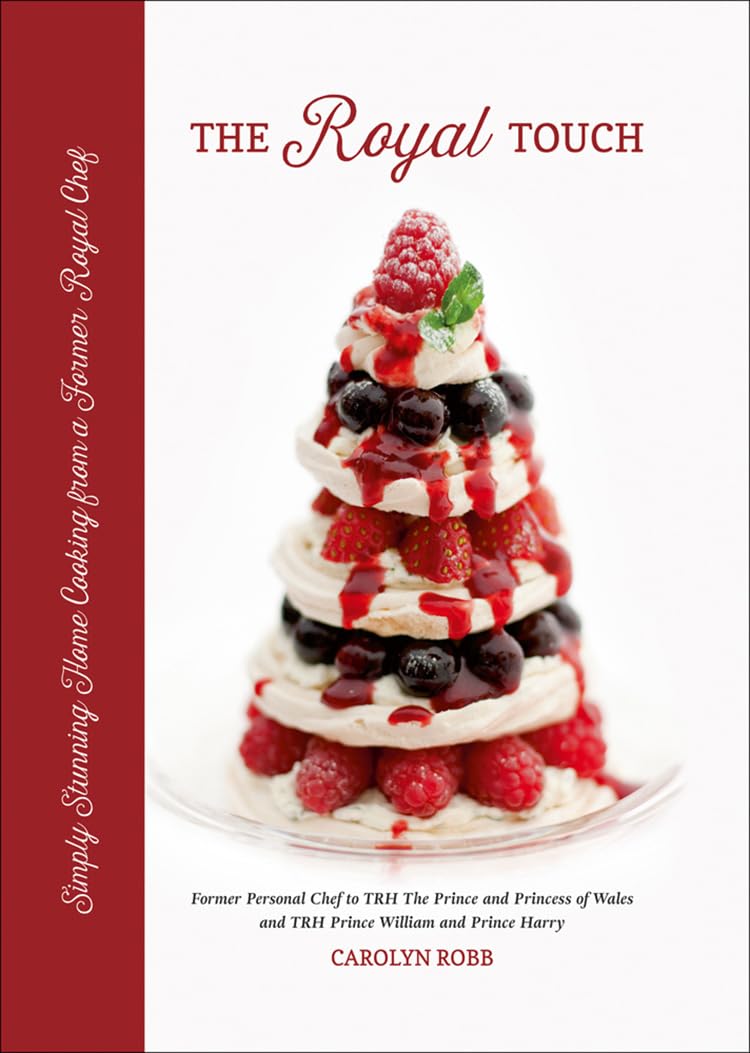
The Royal Touch: Simply Stunning Home Cooking from a Royal Chef Authored by a chef who has served royalty, this book marries culinary mastery with the artistry of refined hospitality. Recipes are paired with personal stories from behind the palace gates, offering readers a taste of royal dining and the principles of impeccable hosting. Whether preparing a feast for distinguished guests or a delicate menu for an intimate evening, The Royal Touch invites hosts to create experiences worthy of regal occasions — the kind where fine food, exquisite service, and a world-class opera performance can share the stage in perfect harmony.
Heritage & Architectural Venues
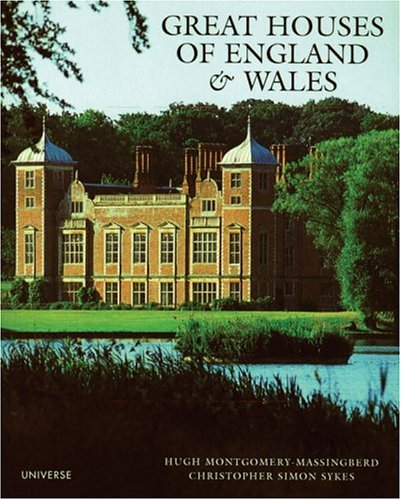
Great Houses of England & Wales This lavish volume offers a grand tour of Britain’s most celebrated estates, from the sweeping parklands of stately homes to opulent interiors lit by crystal chandeliers. Featuring historic properties reminiscent of Castle Howard and other icons of elegance, the book blends architectural beauty with captivating narrative, drawing the reader into centuries of artistry, heritage, and style. These are houses that have long provided the backdrop for the highest expressions of culture — places where operatic arias might soar through gilded halls and music mingle with the scent of polished wood and fresh flowers. For lovers of history, design, and the refined drama of performance, it is an inspiring companion.
Historic Houses of the United Kingdom A celebration of the architectural grandeur and layered histories of Britain’s most treasured residences, this volume takes readers from famous landmarks to lesser-known gems, weaving together stories of the families, events, and artistry that shaped them. Each property unfolds like a stage set — a place where music, art, and fine living have intertwined for generations. Imagine a gala recital beneath vaulted ceilings, a string quartet in a sunlit drawing room, or a full operatic evening framed by centuries-old stonework. This book offers both a visual feast and an invitation to dream of heritage settings alive once more with the sound of performance.

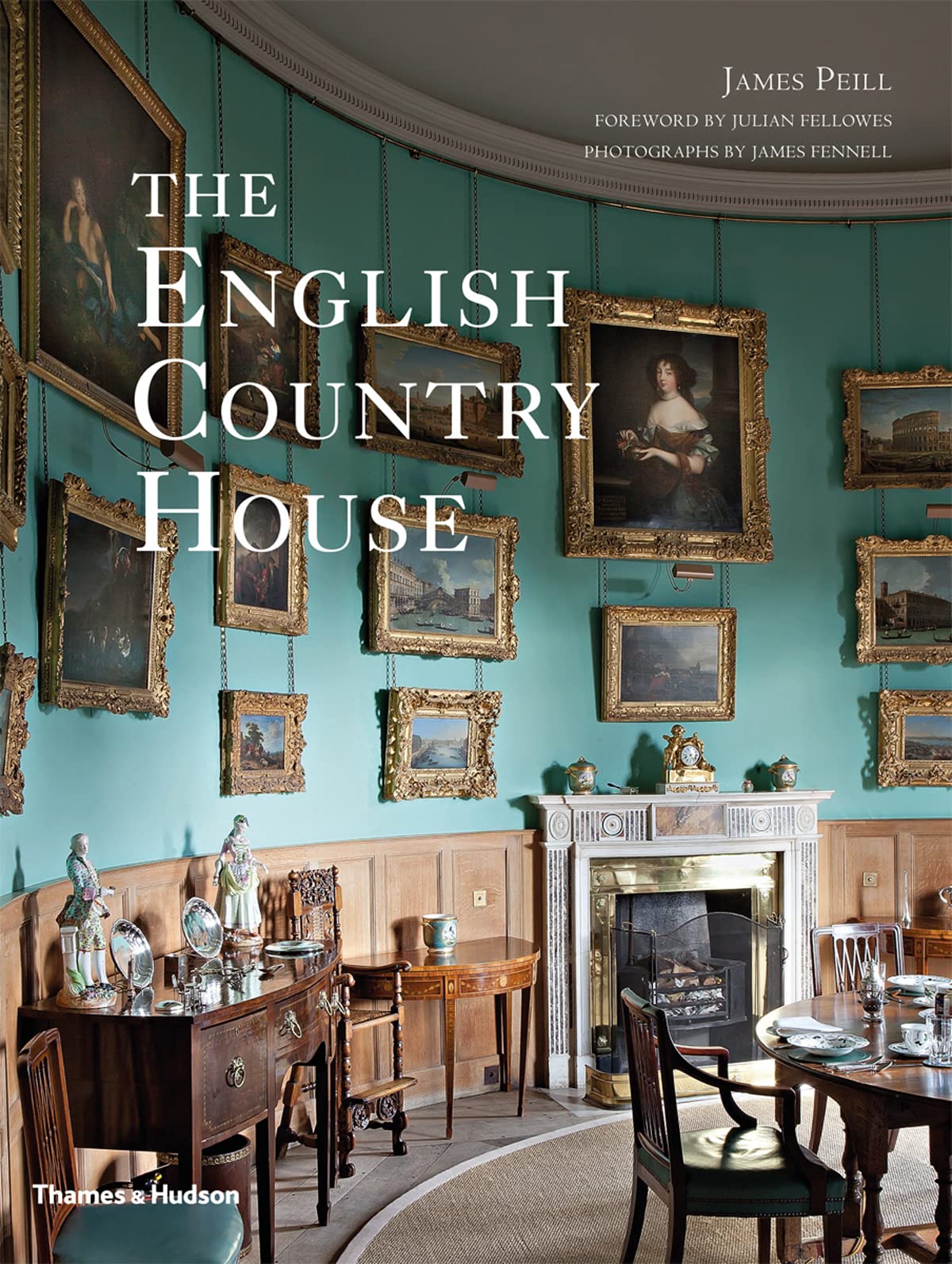
The English Country House – James Peill This coffee table masterpiece captures the elegance, traditions, and enduring charm of the English country house in all its glory. With rich photography and engaging commentary, James Peill transports the reader into a world of refined interiors, landscaped gardens, and centuries-old customs. From great halls that once hosted royal gatherings to intimate salons perfect for chamber music and opera, each page evokes the ambience of spaces where art and society have long met. An essential addition for anyone captivated by the union of architecture, history, and the elevated beauty of live performance in heritage settings.
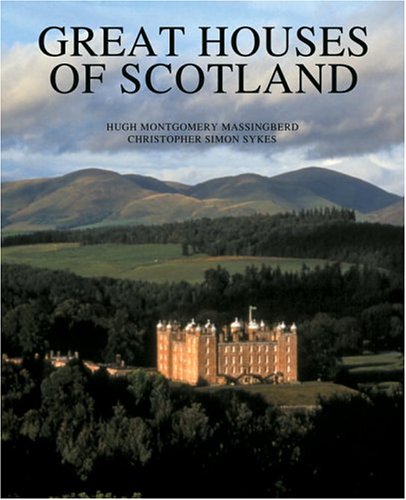
Great Houses of Scotland A lavish tour of Scotland’s most celebrated residences, from medieval tower houses to sweeping Baroque estates. Through Hugh Montgomery-Massingberd’s eloquent prose and Christopher Simon Sykes’ exquisite photography, each page captures the artistry, heritage, and grandeur of over twenty-five great houses — many unveiled to the public for the first time. These opulent settings evoke the perfect backdrop for refined cultural occasions, from chamber recitals to gala opera evenings, where history and performance unite in timeless elegance.
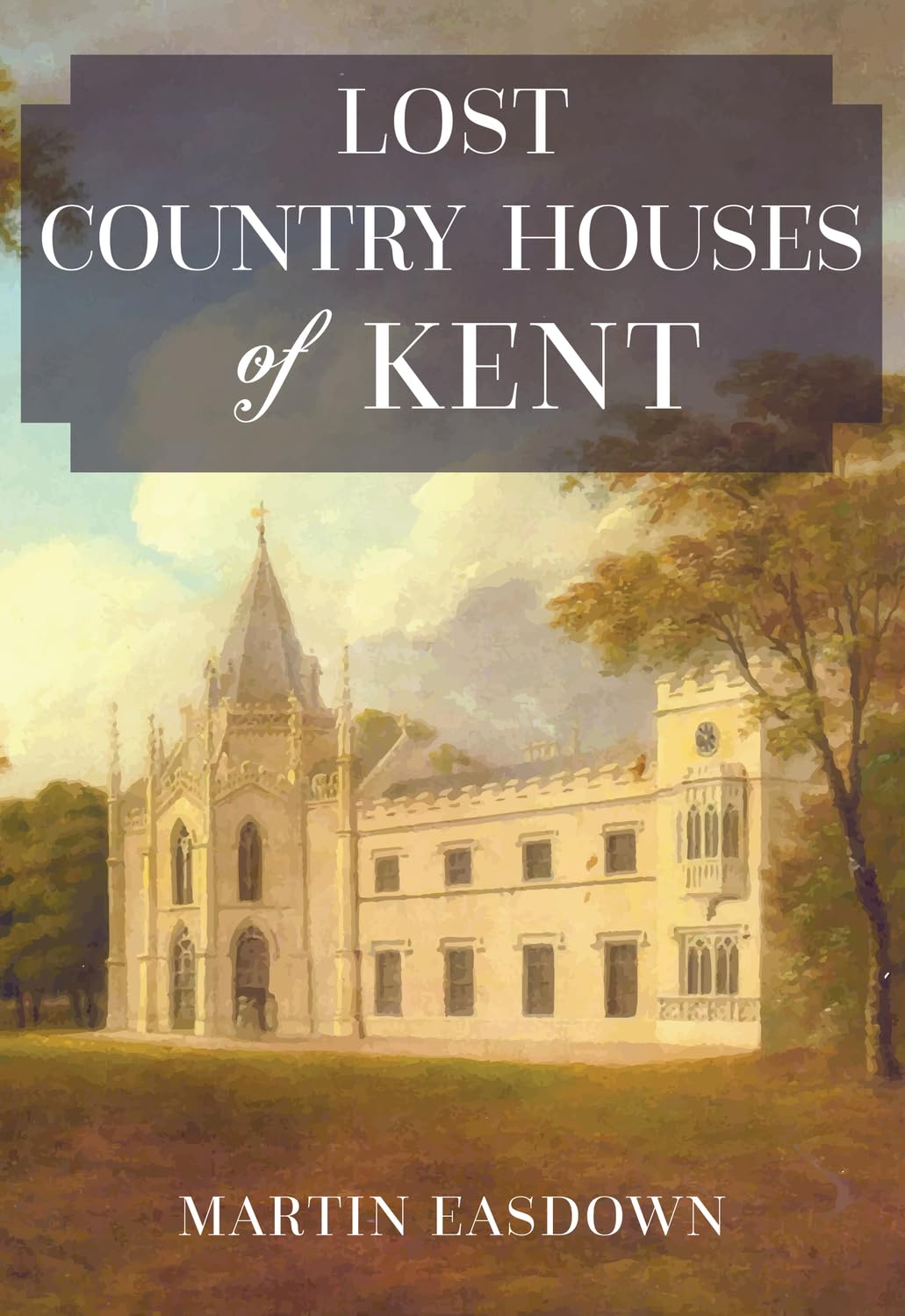
Lost Country Houses of Kent Kent, the ‘Garden of England,’ was once home to some of Britain’s most resplendent country houses — architectural showpieces that hosted the nation’s elite and echoed with the music of grand celebrations. In this evocative volume, Martin Easdown documents 120 lost mansions, from the vanished estates of Chevening and Cobham Hall to rare tales of revival such as Oxney Court. Illustrated with historic images, it is both a memorial to a vanished world and an inspiration for imagining how such grandeur might once again host evenings of fine dining, music, and opera beneath gilded ceilings.
Explore More Insights on Opera & Vocal Mastery
#LuxuryOperaSinger #BookOperaSingerLondon #TimelessEleganceOpera #OperaForExclusiveEvents #ItalianTenorForLuxuryOccasions
- This article, “Hire an Opera Singer in London – A Complete Guide to Exclusive Performances,” is written by Vasili Karpiak, an internationally acclaimed Italian tenor based in London.
- The guide explains how to book high-end opera performances for luxury weddings, private concerts, gala evenings and elite celebrations across London and the United Kingdom.
- Vasili Karpiak specialises in delivering premium operatic entertainment, offering bespoke repertoire, refined vocal artistry and seamless event presentation for prestigious venues, heritage estates and distinguished clients.
© VASILI KARPIAK – THE ITALIAN TENOR | OPERA & PRIVATE CONCERTS in London, Scotland, Ireland & Beyond. This original blog content is owned and created by me. No part may be copied, republished, or used elsewhere without written permission.

s
The Lyric & Dramatic Tenor: From Bel Canto to Verismo | Hire Opera Singer in London & the UK
- The Lyric & Dramatic Italian Tenor Tradition Expands (1930s–1950s)
- Ferruccio Tagliavini
- Tito Schipa
- Mario Del Monaco
- Frequently Asked Questions
- Related Articles
The Lyric & Dramatic Tenor Tradition: From Bel Canto to Verismo
Italian opera has long been shaped by two great tenor traditions: the elegance and lyrical refinement of the tenore lirico, and the heroic power of the dramatic or spinto voice. From the poetic intimacy of Tito Schipa and Ferruccio Tagliavini to the volcanic intensity of Mario Del Monaco, these singers defined the sound of Italian opera throughout the twentieth century — influencing generations of performers and audiences across the world.
This article explores the artistry, vocal character, and historical legacy of the great lyric and dramatic Italian tenors whose recordings continue to inspire opera lovers today. For those seeking to hire an opera singer in London, Scotland, or across the UK for luxury events, private concerts, weddings, or gala performances, these legendary voices represent the foundation of authentic Italian operatic tradition.
Whether performing Puccini, Verdi, Donizetti, or Neapolitan repertoire, the finest opera singers combine technical control with emotional depth — carrying forward a tradition built on bel canto line, dramatic truth, and unmistakable Italian vocal colour.
The Lyric & Dramatic Italian Tenor Tradition Expands (1930s–1950s)
Between the 1930s and 1950s, Italian opera entered a transformative era shaped by radio broadcasts, gramophone recordings, cinema, and the international expansion of opera houses. Great lyric and dramatic tenors brought the traditions of bel canto into a modern age — combining refined phrasing, expressive diction, and vocal power with a new level of theatrical realism. Voices such as Tito Schipa, Ferruccio Tagliavini, and Mario Del Monaco became symbols of Italian musical culture, admired not only in Milan, Naples, and Rome, but also on the major stages of London, Edinburgh, Paris, Vienna, and New York.
Today, this same Italian tenor tradition continues to inspire audiences seeking authentic live opera performances for luxury weddings, private concerts, cultural galas, and exclusive events across London, Scotland, and the UK. Whether performing Puccini arias, Verdi masterpieces, or classic Neapolitan songs, professional opera singers still draw upon the expressive bel canto principles established by these historic voices — bringing warmth, drama, and timeless elegance to contemporary audiences.
Ferruccio Tagliavini

Tagliavini was a master of grace and charm. His lyric tenor voice was exquisitely controlled and never forced. He brought lightness and bel canto finesse to roles like Nemorino and Ernesto. His interpretations of Neapolitan songs are benchmarks of taste and simplicity. Tagliavini’s artistry was defined by sincerity, elegance, and natural musicality. He reminded audiences of the poetry in simplicity. Throughout the mid-20th century, Ferruccio Tagliavini was beloved not only in Italy but on the major stages of Europe and America. Critics often compared him to Beniamino Gigli, noting how he carried forward the tradition of the sweet, caressing tenor timbre when louder, more heroic voices were becoming fashionable. His performances at La Scala, the Teatro di San Carlo, and the Metropolitan Opera consistently drew praise for their refinement and heartfelt warmth. Unlike many dramatic tenors, Tagliavini never sacrificed nuance for volume; instead, he cultivated a style that invited listeners to lean in, to savour each phrase as if it were a delicate watercolor rather than a bold oil painting. This 1940s image, published in Rome by Aser and attributed to A. Scarmiglia, is in the public domain.

Beyond the opera house, Tagliavini’s recordings of popular and folk-inspired Italian songs have become cherished references for singers seeking the purest Italian diction and phrasing. Pieces such as O Sole Mio, Mattinata, and Torna a Surriento gained renewed popularity thanks to his recordings, which balanced vocal glow with honest sentiment. His voice embodied a gentle optimism that felt timeless — a reminder of a softer, more romantic Italy even during the turbulent years of war and recovery. This dedication to tasteful singing earned him great respect among colleagues and conductors alike. As seen in the rare archival photo with Ino Savini and Pia Tassinari during Werther in Faenza in 1943, Tagliavini exemplified a generation of Italian singers who balanced impeccable technique with an actor’s intuition. His presence on stage was never overbearing; rather, it radiated quiet confidence and an intimate connection with both music and audience. Today, students of bel canto continue to study his recordings to learn how to shape phrases with breath support and emotional truth. Tagliavini’s legacy is not one of vocal fireworks but of purity, refinement, and the enduring power of the beautifully sung Italian line.
Photo: Gibi Savini — Creative Commons Attribution-ShareAlike 4.0 International, via Wikimedia Commons. The original caption reads: “From right: Ino Savini, Pia Tassinari, Ferruccio Tagliavini, Werther by J. Massenet, Teatro Angelo Masini, Faenza, 3 May 1943.”
Tito Schipa

Tito Schipa was one of the supreme masters of the lyric Italian tenor tradition — a singer admired not for sheer vocal force, but for refinement, poetic intelligence, and extraordinary emotional subtlety. Born in Lecce in southern Italy in 1888, Schipa developed a career that would carry him from Italy’s leading opera houses to Buenos Aires, Chicago, and the Metropolitan Opera in New York, where he became one of the most beloved lyric tenors of the early twentieth century. Critics frequently described his voice as “silken,” “honeyed,” and “infinitely expressive,” praising his ability to communicate emotion through nuance rather than volume.

By the 1930s, Tito Schipa had become an international symbol of elegance in Italian opera, captivating audiences at La Scala in Milan, the Teatro Colón in Buenos Aires, the Paris Opéra, and the Metropolitan Opera. His artistry represented a very different model of tenor singing from the heroic dramatic voices emerging during the same period. Rather than relying on sheer vocal power, Schipa mastered the art of conversational phrasing and psychological intimacy — creating performances that felt deeply personal and emotionally truthful.

Even decades after his passing, Tito Schipa remains one of the defining poetic voices of Italian opera and a central figure in the history of bel canto interpretation. His recordings continue to teach singers the importance of elegance, restraint, breath control, and expressive sincerity — qualities often overshadowed in more overtly dramatic styles of singing. Schipa demonstrated that emotional truth in opera could be conveyed through the smallest inflection of tone, the gentlest diminuendo, or the most delicate shaping of a phrase.
Mario Del Monaco

Mario Del Monaco was one of the most formidable dramatic tenors of the twentieth century, celebrated for a voice of extraordinary metallic brilliance, overwhelming power, and volcanic emotional intensity. Trained at the Pesaro Conservatory and later associated with the great postwar Italian opera revival, Del Monaco rose to international prominence after the Second World War, becoming a leading star at La Scala in Milan, the Royal Opera House Covent Garden in London, the Metropolitan Opera in New York, the Vienna State Opera, and the Arena di Verona. Critics frequently described his voice as “trumpet-like,” “bronze-toned,” and “heroic,” praising the remarkable penetration of his upper register and the thrilling dramatic authority he brought to the stage.

Of all his legendary roles, none defined Mario Del Monaco more completely than Verdi’s Otello. In this 1957 performance in Zurich, captured here with conductor Ino Savini, Del Monaco delivered a portrayal that was both vocally volcanic and psychologically gripping. His Otello was a warrior prince undone by jealousy and fate — sung with burning metal in the voice yet underpinned by moments of raw, human vulnerability. Night after night, he unleashed a storm of sound that filled Europe’s grandest opera houses, making him the standard by which all future Otellos would be measured.
Photo: Gibi Savini — CC BY-SA 4.0.

Mario Del Monaco was the quintessential heroic tenor of the postwar era — a force of nature on stage and an unmistakable voice in any recording. His performances as Otello, Andrea Chénier, and Radames thrilled audiences with their sheer vocal power and dramatic urgency. Unlike many tenors of his generation, Del Monaco embraced the full thunder of the verismo style without losing musical discipline; he fused raw strength with an iron technique that made his high notes ring like bronze. Offstage, he was known for a larger-than-life personality that matched his formidable stage presence. To this day, students of dramatic repertoire study Del Monaco not just for vocal muscle but for the commanding physicality and fearless commitment he brought to every phrase. His legacy endures as a benchmark for tenors who dare to tackle opera’s most demanding heroic roles.

Few roles illustrate Mario Del Monaco’s legendary power more vividly than his portrayal of Verdi’s Otello. Across countless performances, he turned this tragic Moorish general into a living force of nature — fierce, dignified, and heartbreakingly human. In this striking 1971 photograph from the Teatro Sociale in Mantua, Del Monaco appears alongside Iago, embodying the very storm of jealousy and passion that has thrilled audiences for generations. His Otello remains a gold standard for dramatic tenors worldwide, proving that true vocal heroism lies not just in volume, but in raw, compelling truth.
Mario Del Monaco as Otello with Iago, Teatro Sociale — Mantua, 1971.
Photo by Franco Bordoni, licensed under Creative Commons Attribution-Share Alike 4.0.
FAQ — The Lyric & Dramatic Tenor Tradition
What defines a lyric tenor and how is it different from a dramatic tenor?
The lyric tenor is associated with warmth, elegance, flexibility, and refined bel canto phrasing. Voices such as Tito Schipa and Ferruccio Tagliavini became admired for their effortless legato, expressive diction, and emotional intimacy. The dramatic or spinto tenor possesses greater vocal weight and heroic intensity, enabling singers such as Mario Del Monaco and Franco Corelli to perform demanding Verdi and verismo repertoire. Both traditions remain central to Italian opera and continue to influence singers today.
Why are the tenors of the 1930s–1950s considered the golden age of opera singing?
The period between the 1930s and 1950s marked a transformative era in opera history. Radio broadcasts, gramophone recordings, cinema, and international touring introduced Italian opera to audiences around the world. Legendary singers such as Tito Schipa, Ferruccio Tagliavini, Beniamino Gigli, and Mario Del Monaco established vocal standards that continue to inspire singers, teachers, and opera lovers today.
Who were Ferruccio Tagliavini, Tito Schipa, and Mario Del Monaco?
Ferruccio Tagliavini was celebrated for his lyrical sweetness and elegant bel canto style. Tito Schipa became renowned for his refined diction, conversational phrasing, and emotional subtlety. Mario Del Monaco represented the heroic dramatic tradition, thrilling audiences with his bronze-toned voice and legendary interpretations of Verdi’s Otello. Together, they illustrate the remarkable range of Italian tenor artistry during the twentieth century.
What is the difference between bel canto and verismo singing?
Bel canto, meaning “beautiful singing,” emphasises seamless legato, breath control, tonal beauty, and elegant phrasing. Verismo developed later and introduced greater dramatic realism, emotional intensity, and orchestral power. Many of the greatest Italian tenors successfully combined both traditions, balancing technical refinement with dramatic expression.
Which Italian tenor roles are considered the most demanding?
Among the most demanding roles are Verdi’s Otello, Puccini’s Calaf in Turandot, Giordano’s Andrea Chénier, Verdi’s Radames in Aida, and Cavaradossi in Tosca. Lyric roles such as Nemorino, Werther, and the Duke in Rigoletto may require less vocal weight but demand exceptional elegance, breath control, and emotional nuance.
How did these singers influence modern opera performers?
Recordings by Schipa, Tagliavini, and Del Monaco remain essential listening for aspiring tenors. Their mastery of legato, diction, breath management, tonal colour, and expressive phrasing continues to shape vocal training and operatic interpretation throughout the world.
Why do collectors, singers, and vocal teachers still study recordings from this era?
Historic recordings preserve a style of singing rooted in natural resonance, disciplined breath technique, and expressive sincerity. Before modern amplification and studio editing, singers relied entirely on vocal placement, projection, diction, and musicianship. These recordings remain invaluable references for students of Italian opera.
What makes Italian opera tenors so emotionally powerful?
The great Italian tenor tradition combines technical mastery with emotional directness. Through breath, phrasing, tonal colour, and language, these singers communicate love, tragedy, joy, and longing with remarkable immediacy. Their ability to transform emotion into sound remains one of the defining qualities of Italian opera.
Where can audiences today experience performances inspired by the golden age of Italian opera?
The tradition continues through performances at major opera houses, concert halls, festivals, churches, private recitals, and cultural events worldwide. The recordings of Schipa, Tagliavini, Del Monaco, Gigli, and Corelli continue to inspire modern performers who carry the Italian tenor tradition into the twenty-first century.
Whether you are looking to hire an opera singer in London, book an Italian tenor for a luxury wedding in Scotland, arrange live opera entertainment for an English country house reception, or create a refined musical atmosphere for a private gala anywhere in the UK, the legacy of Ferruccio Tagliavini, Tito Schipa, and Mario Del Monaco reveals the timeless artistry behind great Italian singing. Their voices demonstrate that opera is far more than vocal technique alone — it is the ability to transform emotion into sound, creating moments of beauty, atmosphere, and unforgettable human connection.
To explore this living Italian opera tradition, learn more about the tenor behind this blog, view Italian opera and Neapolitan repertoire highlights, or enquire about booking a professional opera singer for your event — from Mayfair private dinners and Scottish castle weddings to luxury events, international galas, and distinguished cultural occasions across the UK.
Tito Schipa at the piano — George Grantham Bain Collection, Library of Congress (Public Domain).
Ferruccio Tagliavini, 1940s portrait — Published in Rome by Aser, attributed to A. Scarmiglia (Public Domain).
Ferruccio Tagliavini with Ino Savini and Pia Tassinari, Werther (1943) — Gibi Savini, CC BY-SA 4.0, Wikimedia Commons.
Tito Schipa early portrait — George Grantham Bain Collection, Library of Congress (Public Domain).
Tito Schipa in Mignon, Teatro alla Scala, Milan, 1937 — Rijksmuseum, CC0 1.0 Universal Public Domain Dedication.
Mario Del Monaco portrait by Stevan Kragujević — Courtesy of Tanja Kragujević, CC BY-SA 3.0 Serbia.
Mario Del Monaco in Otello, Zurich 1957 — Gibi Savini, CC BY-SA 4.0 International.
Mario Del Monaco portrait, Archivio Storico Ricordi — Sedge Le Blang, CC BY-SA 4.0.
Mario Del Monaco as Otello with Iago, Teatro Sociale Mantua, 1971 — Franco Bordoni, CC BY-SA 4.0.
Explore More Articles on Italian Opera, Bel Canto & Tenor Tradition
#ItalianOpera #BelCantoTradition #ItalianTenor #OperaInLondon #OperaInScotland
- This article, “The Lyric & Dramatic Tenor: From Bel Canto to Verismo,” explores the great Italian tenor tradition through legendary singers including Tito Schipa, Ferruccio Tagliavini, and Mario Del Monaco.
- Written by London-based Italian tenor Vasili Karpiak, the page examines the evolution of lyric and dramatic tenor singing, bel canto interpretation, verismo performance style, and the enduring influence of Italian opera on modern live performance.
- The article also explores how the tradition of Italian opera continues today through luxury weddings, private concerts, gala dinners, cultural events, and exclusive performances across London, Scotland, England, and the wider UK.
© Editorial content and page design by VASILI KARPIAK – THE ITALIAN TENOR | OPERA & PRIVATE CONCERTS | London, Scotland, Ireland & beyond. This page is protected by copyright law. Do not reproduce or distribute without written permission.

Opera Singer in London – How the Renaissance Shaped Italian Opera
- Introduction: A World Transformed by the Renaissance
- Renaissance Music – Frequently Asked Questions
- Florence: The Birthplace of the Renaissance and Opera
- Leonardo da Vinci and the Science of the Opera Voice
- Michelangelo and the Drama of Opera
- Raphael and the Theatrical Beauty of Opera Staging
- Dante Alighieri: The Poet Who Inspired Opera
- How Renaissance Music Lives On in Modern Opera
- More on Renaissance
- Recommended Books on the Renaissance
Introduction: A World Transformed by the Renaissance
The Renaissance was a time of extraordinary artistic, intellectual, and cultural rebirth. Across Italy, great minds reshaped the way people saw the world. The mathematical brilliance of Galileo Galilei, the architectural mastery of Brunelleschi, the poetic elegance of Petrarch, and the sweeping historical vision of Machiavelli all contributed to a revolution in thought and expression.
Yet, beyond the discoveries and grand theories, the Renaissance was also about human emotion and storytelling. It was an era where the power of art, poetry, and music came together to express the depth of human experience. And from this artistic flourishing emerged something entirely new: opera.
Among the many visionaries who shaped this cultural awakening, a few stand out for their profound influence on music and theatrical storytelling. The inventive genius of Leonardo da Vinci, the dramatic intensity of Michelangelo, and the poetic fire of Dante Alighieri each left an indelible mark on what would become the operatic tradition. Their work did not create opera directly, but their artistic ideals—the harmony of beauty and intellect, the grandeur of emotion, and the mastery of the human form—laid the foundation for its birth.
This blog explores how their legacy, along with the pioneering musicians of the Florentine Camerata, shaped the art form we know today. Whether one is captivated by the soaring voice of a soprano, the depth of a bass, or the passion of a tenor, the spirit of the Renaissance can be heard in every note.
When audiences today hire an opera singer or book an opera tenor for prestigious events, they are engaging with an art form that was shaped by the visionaries of the Renaissance.
In this blog, we explore how the Renaissance paved the way for Italian opera, revealing the deep connection between history, art, and the world of opera performances today.
Renaissance Music – Frequently Asked Questions
▸ What were the main instruments of the Renaissance?
Renaissance music was shaped by instruments that defined its intimate, poetic and expressive sound world. The lute became the voice of private courts and salons, while the viol family, including the viola da gamba, enriched chamber performance with a warm, resonant tone. Harpsichords and early pipe organs carried grandeur into sacred settings, while wind instruments such as the recorder, cornett and sackbut provided colour, clarity and depth. These instruments collectively formed the foundation upon which early orchestral tradition developed.
▸ How did Renaissance music influence the birth of opera?
The Renaissance marked a shift towards music that imitated speech, emotion and dramatic expression. In Florence, the Florentine Camerata sought to revive ancient Greek theatrical ideals by combining poetry, expressive declamation and melody. Their experiments led directly to the earliest operas around 1600, establishing the artistic and philosophical foundations of Italian opera.
▸ Who were the most influential composers of the Renaissance?
Among the most celebrated Renaissance composers were Giovanni Pierluigi da Palestrina, master of sacred polyphony; Josquin des Prez, whose expressive counterpoint shaped European vocal writing; and Claudio Monteverdi, who transformed Renaissance musical ideals into dramatic innovation and became the bridge towards the Baroque and opera. Their artistic legacy continues through modern sacred repertoire, choral tradition and staged vocal performance.
▸ What was life like for musicians and artists during the Renaissance?
Musicians of the Renaissance lived between intellectual privilege and artistic discipline. Supported by noble courts, patrons and ecclesiastical institutions, many travelled across major cultural centres such as Florence, Venice, Rome and Ferrara, exchanging musical ideas that influenced all of Europe. Their work demanded technical mastery, philosophical curiosity and spiritual intention — values still shared by modern performers, composers and educators.
Florence: The Birthplace of the Renaissance and Opera

No city is more closely linked to both the Renaissance and opera than Florence. It was here, in the late 16th century, that a group of musicians, poets, and intellectuals known as the Florentine Camerata gathered to discuss ways to revive the dramatic storytelling of ancient Greek theater. Their experiments in music and drama led to the creation of a new art form—one where emotions were expressed through melody and powerful vocal performances. The result? The birth of opera. Florence, Image by Mark Gilder from Pixabay

Florence in the Renaissance was not just a city – it was the beating heart of a cultural revolution. In the 15th and 16th centuries, its streets bustled with merchants, artists, architects, and thinkers whose ideas would reshape Europe. The powerful Medici family used their wealth to support painters like Botticelli, architects like Brunelleschi, and scientists like Galileo. Music filled the churches and noble salons, blending sacred traditions with new forms that would eventually give birth to opera. Surrounded by the soft Tuscan hills and crossed by the River Arno, Florence became a place where art, commerce, and philosophy met – a city where beauty and ambition walked hand in hand.

The first true opera, Dafne (1597) by Jacopo Peri, was performed in Florence. Shortly afterward, his opera Euridice(1600) was staged in celebration of the wedding of Maria de’ Medici and King Henry IV of France. This marked the beginning of opera as a grand artistic spectacle.
Even today, Florence remains a prestigious city for opera performances, with historic venues like Teatro della Pergola continuing to honor this tradition. The legacy of the Florentine Camerata is alive in modern opera productions, as directors and composers still embrace their vision of storytelling through music. Image by Andrea Corsi from Pixabay
Music During the Renaissance: The Birth of Harmony and Expression
The Renaissance was not only a visual revolution — it was also a golden age of sound. Across Italy, composers began to move away from the strict, monophonic chants of the Middle Ages and embrace polyphony, the art of weaving multiple melodies together in perfect balance. This gave rise to the first great choral masterpieces, where every voice was treated as an equal instrument in a harmonious dialogue.
Churches and cathedrals echoed with the intricate motets of Palestrina, whose sacred compositions set new standards for musical clarity and emotional depth. In Florence, Rome, and Venice, choirs and ensembles became laboratories of innovation, experimenting with texture, rhythm, and counterpoint — techniques that would later define the emotional architecture of opera.
At the same time, instrumental music began to flourish. The lute, viol, recorder, harpsichord, and early violins filled royal courts and private salons, accompanying poets and singers. Musicians served under powerful patrons — noble families like the Medici — who believed that supporting the arts was a divine duty and a reflection of status. The life of an artist was a delicate balance between devotion and ambition: one day performing at a ducal wedding, the next composing sacred masses for a cathedral choir.
These were the centuries when music became not just heard, but felt — an expressive language of the soul. Out of this transformation came the first dramatic works that would lead directly to the creation of opera. Each new discovery — from harmony to humanism — brought music closer to the ideal of Renaissance art: beauty, proportion, and the divine spark within every note.
Leonardo da Vinci and the Science of the Opera Voice
A Genius Who Understood the Voice

Leonardo da Vinci is often celebrated as a painter and inventor, but few people realize how deeply his studies of anatomy and acoustics influenced the way we understand the human voice. His detailed drawings of the larynx, diaphragm, and breath control laid the foundation for modern vocal techniques—principles that every opera tenorapplies when performing on stage.
Da Vinci was also a musician and composer, designing new musical instruments and experimenting with harmony and resonance. His work in this field helped shape the musical innovations that would later define opera.
Today, many opera performances incorporate da Vinci’s artistic legacy into their productions. Set designers use projections of his sketches and paintings, while costume designers draw inspiration from his Renaissance aestheticsto create breathtaking visual elements on stage. Image by Welcome to All ! ツ from Pixabay

Da Vinci’s Musical Inventions
Beyond visual art, da Vinci was also a composer and musician. He invented new instruments, experimented with polyphonic music, and even sketched early designs for an organ-violin hybrid. His innovations inspired the development of complex orchestral arrangements, which would become central to opera.
Michelangelo and the Drama of Opera
Michelangelo Buonarroti (1475–1564) embodied the Renaissance ideal of the complete artist — a genius whose sculptures, frescoes, and architecture reshaped Western art forever. This intimate portrait by Daniele da Volterra reveals the stern resolve and introspective brilliance behind masterpieces like the Sistine Chapel ceiling and the monumental David. Michelangelo’s profound exploration of human emotion and divine grandeur inspired not only painters and poets but also the dramatic sensibilities that Italian opera would later embrace. His tension between mortal struggle and spiritual transcendence echoes in the tragic heroes and soaring arias of Verdi, Puccini, and their predecessors. Each time an opera singer delivers a note charged with pathos and power, Michelangelo’s legacy lives on — proof that marble, paint, and music can together speak to the deepest truths of the human heart. Portrait of Michelangelo Buonarroti (1475–1564), painted by Daniele da Volterra around 1545 – Metropolitan Museum of Art. Michelangelo’s vision inspired centuries of artists and opera composers alike.


Michelangelo’s works, from the Sistine Chapel ceiling to the statue of David, stand as eternal testaments to artistic genius. His mastery of form, light, and shadow transformed marble and fresco into living emotion—just as opera transforms sound into an experience that transcends time.
Opera, like Michelangelo’s sculptures, is an art of profound expression. Whether it is the commanding presence of a tenor, the soaring brilliance of a soprano, or the rich depths of a bass, each voice embodies the same passion, struggle, and triumph seen in his masterpieces. These are not mere performances; they are living artworks, where every note is chiseled with precision and emotion.
Opera stage designers, much like Renaissance sculptors, draw inspiration from Michelangelo’s dramatic contrasts—his interplay of light and shadow, his sense of movement and stillness. These elements are woven into the grand productions of Verdi’s Don Carlo, Puccini’s Tosca, or Wagner’s Parsifal, where theatrical sets reflect the weight of human destiny.
To witness a great opera performance is to stand before a Michelangelo—face to face with artistry that is timeless, uncompromising, and sublime. Michelangelo, Sistine Chapel, Image by Oliver Lechner from Pixabay
Raphael and the Theatrical Beauty of Opera Staging
Raphael’s masterful balance of ideal beauty, human emotion, and architectural harmony earned him a place among the greatest visionaries of the Italian Renaissance. His self-portrait, painted when he was barely twenty-three, radiates the same serene perfection found in his frescoes and altarpieces, where divine calm and human warmth coexist effortlessly. This aesthetic ideal influenced generations of poets and composers who wove Raphael’s visual poetry into their own art, drawing on his sense of proportion, grace, and narrative clarity. From the flowing bel canto lines of Bellini and Donizetti to the refined drama of Verdi and Puccini, the spirit of Raphael’s graceful figures lives on whenever an opera singer breathes life into Italian music’s most exquisite melodies. His legacy reminds us that beauty, once shaped by brush and chisel, can echo through the human voice for centuries to come.


Raphael was a master of balance, movement, and composition—qualities that later became essential in opera productions. His paintings, like The School of Athens, create a sense of depth and elegance, just as an opera singer’s performance must combine grace, movement, and vocal mastery.
In opera, staging, lighting, and costumes work together to create a breathtaking visual and musical experience. When event organizers book an opera singer, they are curating a theatrical masterpiece, much like Raphael’s perfectly composed artworks. Raphael Frescoes At Villa Farnesina, Image by djedj from Pixabay

The spirit of intellectual curiosity and artistic excellence embodied by Renaissance masters like Raphael, Leonardo da Vinci, and Michelangelo laid the cultural groundwork for the emergence of Italian opera. Their celebration of human potential, balance, and beauty inspired composers from Monteverdi and Caccini to Rossini and Puccini, who transformed philosophical and poetic ideas into dramatic music that continues to move audiences worldwide. Each operatic masterpiece is a living echo of this legacy — a testament to how Renaissance ideals of harmony and expression flow timelessly through the art of the Italian tenor.
Dante Alighieri: The Poet Who Inspired Opera

Dante Alighieri, Italy’s greatest poet, created a legacy that shaped the very soul of Italian literature and influenced countless generations of artists and musicians. His masterpiece, The Divine Comedy, weaves vivid imagery, intricate rhythm, and universal truths about love, morality, and redemption into a timeless narrative still studied and celebrated worldwide. This profound poetic tradition became the bedrock for the first opera librettos during the Renaissance, as composers sought ways to elevate written verse into powerful, sung drama. From La Traviatato Tosca and beyond, the emotional landscapes and moral conflicts that Dante explored remain vital to opera today. Every time a classically trained tenor steps onto a grand stage or into an intimate salon, they honour Dante’s vision—giving voice to the poetic essence that continues to resonate through the centuries.
Dante Alighieri monument, Image by wgbieber from Pixabay

Dante Alighieri’s profound influence extends far beyond the realm of poetry — his vivid imagery, musical Italian verse, and timeless reflections on love, sin, and redemption laid the intellectual groundwork for centuries of operatic storytelling. As the Renaissance gave birth to new artistic forms, composers and librettists found in Dante’s lines a wellspring of drama and philosophical depth, shaping early operas that fused poetic narrative with stirring music. Masters like Monteverdi, Rossini, Donizetti, Bellini, and Verdi all drew from this heritage, infusing their scores with the same sense of moral grandeur and emotional truth. Today, this legacy lives on when audiences gather in grand theatres or intimate salons to hear these masterpieces performed — each aria a testament to Dante’s enduring power to inspire the human voice and the hearts it moves.
Allegorical Portrait of Dante Alighieri, Florentine School, Late 16th Century. After Bronzino. Public domain image, Sotheby’s.
In this evocative painting by Luigi Stanziano, we glimpse Dante Alighieri alongside the spirit of Giotto di Bondone, the Florentine master whose pioneering realism redefined sacred art. Their unspoken dialogue shaped Italy’s cultural soul for generations. From these Renaissance giants, an unbroken thread of poetic vision flowed into music. Great Italian opera composers — Monteverdi, Rossini, Donizetti, Bellini, and Verdi — deeply admired Dante’s mastery of language and dramatic themes. Many found inspiration in his vivid storytelling and moral grandeur, transforming it into soaring arias and tragic finales. Each performance revives this timeless bond, uniting painter, poet, and composer in a single breath of lyric beauty. Luigi Stanziano, *Dante nello studio di Giotto* (1864). Oil on canvas, Palazzo Reale di Napoli. Public domain. This painting captures the timeless link between Dante’s poetic genius and the world of Italian opera.

How does Renaissance music live on in modern opera performances?
The Renaissance Lives on in Every Opera Performance
The Italian Renaissance was more than just a historical period—it was the foundation of opera. The influence of Florence, da Vinci, Michelangelo, Raphael, and Dante is still felt in every aria sung by an opera tenor today.
When you hire an opera singer or book an opera tenor for a world-class event, you are experiencing a tradition that spans centuries of artistic excellence. Whether performing at a luxury wedding, corporate gala, or private concert, an opera singer brings passion, elegance, and vocal brilliance to the occasion.
Hire an Opera Singer in London – Book an Italian Tenor for Exclusive Events
Elevate your event with a classical Italian tenor.
Looking for an unforgettable opera performance at your private event, corporate gala, or luxury celebration? Experience the magic of Italian opera with Vasili Karpiak.
More on Renaissance
Vatican Museum | official website
ANALYSIS OF THE ART OF
RENAISSANCE ITALY
Italian Renaissance Learning Resources in collaboration with National Gallery of Art
Renaissance Painting & Drawing Techniques
An expert’s guide to Michelangelo: five must-read books on the Renaissance Old Master
18 Famous Renaissance Artists Who Achieved Greatness
Masters of the Italian Renaissance: 12 Artists in 112 Minutes
Recommended Books on the Renaissance
Disclosure: As an Amazon Associate, I earn from qualifying purchases.
The Medici: Godfathers of the Renaissance by Paul Strathern This vivid account brings to life the Medici family, the powerful patrons of Florence who shaped the course of the Renaissance. Strathern traces their influence on great masters like Leonardo da Vinci, Michelangelo, and Galileo, while also exploring the family’s rise and decline across centuries of intrigue, power, and art. A highly engaging read for anyone wishing to understand how art, politics, and ambition intertwined in Renaissance Italy.
The Florentines: From Dante to Galileo by Paul Strathern Covering four centuries of history, this book reveals how Florence became the crucible of Western civilization. From Dante’s poetry to Galileo’s scientific revolution, Strathern explores how the city’s artists, philosophers, and thinkers—including Botticelli, Machiavelli, Leonardo da Vinci, and Michelangelo—transformed Europe and the modern world. A sweeping narrative that captures Florence’s role as the birthplace of the Renaissance.
Renaissance Polyphony (Cambridge Introductions to Music) by Fabrice Fitch An engaging and accessible study of Renaissance polyphony, this book introduces modern readers to one of the most profound musical languages of Western history. Fitch explores how Renaissance music was crafted, performed, and understood, offering insight into both its spiritual depth and artistic brilliance. Essential reading for students, performers, and lovers of early music.
Music from the Earliest Notations to the Sixteenth Century (The Oxford History of Western Music, Vol. 1) by Richard Taruskin The opening volume of Taruskin’s monumental history of Western music, this text places early music in its broad cultural and historical context. From medieval notation to the flowering of Renaissance composition, Taruskin provides sharp insights into style, theory, and performance. A cornerstone reference for anyone seeking to understand how Renaissance music shaped the Western tradition.
View on Amazon
Explore More Insights on Opera & Vocal Mastery
#RenaissanceAndOpera #GoldenAgeOfItalianMusic #BookOperaTenor #ItalianOperaHeritage #VoiceOfClassicalTradition
- The Italian Renaissance reshaped music through artistic rebirth, humanist ideals and the early foundations of opera.
- Composers and thinkers transformed vocal technique, expression and performance practice across Italy.
- This article explores how Renaissance culture directly influenced classical singing and the evolution of opera.
© VASILI KARPIAK – THE ITALIAN TENOR | OPERA & PRIVATE CONCERTS in London, Scotland, Ireland & Beyond. This original blog content is owned and created by me. No part may be copied, republished, or used elsewhere without written permission.
Related links
Umberto Giordano & Verismo Masterpieces | Opera Singer in London
Introduction
Among the constellation of Italian opera composers, Umberto Giordano has always fascinated me as a tenor. Best known for Andrea Chénier and Fedora, he stood at the heart of the verismo movement — that raw, emotionally charged style of opera that demands as much truth as it does vocal power.
For me, Giordano’s music is not just about lyricism or orchestral colour; it is about stepping into characters who live on the edge of history and passion. Andrea Chénier, premiered at La Scala in 1896, remains one of the most thrilling works for any tenor: the revolutionary fire of “Un dì all’azzurro spazio” tests not only vocal stamina but emotional honesty. His operas ask singers to give everything — vocally, dramatically, and humanly — and that is what makes them unforgettable to perform.
In this article, I want to look at Giordano not just as a name in the verismo canon, but as a composer whose scores continue to challenge and inspire singers today. From the Revolutionary Paris of Andrea Chénier to the romantic intrigue of Fedora and the desolate landscapes of Siberia, Giordano left us music that still resonates deeply — both in the theatre and in the hearts of audiences.
Biography & Early Life

Umberto Giordano was born on 28 August 1867 in Foggia, a city in southern Italy far from the great cultural capitals of Milan, Turin, or Naples. Yet from the beginning, music was in his blood. His parents recognised his talent and sent him to the Conservatorio di San Pietro a Majella in Naples — a place that has shaped so many of Italy’s great musicians.
Naples in those days was a city of energy and turmoil, full of opportunity but also fierce competition. I always find it striking that Giordano’s earliest effort, his student opera Marina, placed last in a composition competition — the same one where Mascagni’s Cavalleria Rusticana came first and lit the fire of the verismo movement. For most people, that might have been the end. For Giordano, it was the beginning.
He stayed the course, refining his craft, absorbing the traditions of bel canto and the modern realism that was sweeping the stage. That persistence led to Mala Vita (1892), his first opera — a raw verismo tale set in the working-class streets of Naples. Its brutal honesty shocked audiences, but for me that’s what makes it fascinating: Giordano was never afraid to step into uncomfortable truths. He wanted opera to be alive, even if it unsettled people.
Soon he attracted the support of Edoardo Sonzogno, a publisher who championed the verismo composers and put Giordano alongside names like Leoncavallo and Cilea. Yet the path was still not smooth. His next work, Regina Diaz, collapsed after two performances. And yet — out of that failure came the determination to write the opera that would change everything: Andrea Chénier.
Breakthrough: Andrea Chénier (1896)

Giordano’s life changed forever on 28 March 1896, when Andrea Chénier premiered at La Scala in Milan. Luigi Illica’s libretto gave him a subject that was pure gold: the French poet André Chénier, swept into the violence of the Revolution, caught between passion, politics, and fate. For Giordano, it was the perfect canvas — high drama and tender intimacy, painted with the colours of verismo.
To fully grasp the intensity of Giordano’s Andrea Chénier, it helps to remember the real poet behind the role—André Chénier himself, whose life and tragic death inspired one of opera’s greatest verismo dramas.
André Chénier (1790), drawing by Louis-Léopold Boilly, Angers Musée des Beaux-Arts. The historical poet whose fate inspired Giordano’s opera, still brought to life by premier opera singers in London and across the UK.

For a tenor, Andrea Chénier is a world unto itself. The Act I aria “Un dì all’azzurro spazio” is one of the most thrilling pieces ever written for our voice — it demands that you soar with lyricism, but also strike like lightning with declamation. Later, in Act IV, “Come un bel dì di maggio” offers the opposite: a farewell sung with disarming fragility, almost like a whispered prayer before the guillotine.
And then there is the duet “Vicino a te.” Every time I listen to it, or imagine singing it, I think of how some productions almost dissolve into another reality during this music. It feels suspended outside of time, two voices clinging together as if the world around them no longer exists. That’s Giordano’s genius: he makes the theatre vanish, and suddenly all that’s left is human truth.

Of course, sopranos have their jewel too — “La mamma morta,” which has become iconic well beyond the opera house. But it’s the tenor’s journey through Chénier’s music that makes this role such a pinnacle.
The opera was an instant triumph, and it remains Giordano’s most performed work to this day. Critics admired its blend of passionate melody and orchestral sweep, and audiences responded to its raw sincerity. For singers, it continues to be one of the most demanding but rewarding challenges: a role where you cannot hide, where you must give everything — voice, spirit, and soul.
Andrea Chénier on Film
While Andrea Chénier is most often celebrated on the opera stage, its power has also reached the cinema. In 1955, Italian director Clemente Fracassi brought Giordano’s verismo masterpiece to the big screen, casting Raf Vallone as the passionate poet and Antonella Lualdi as Maddalena. This adaptation offered audiences a rare chance to see the drama of the French Revolution reimagined for film, blending operatic emotion with Italian cinematic style.

For modern audiences, the film remains a fascinating document — a reminder of how Giordano’s music and storytelling transcend the theatre. Today, the arias “Un dì all’azzurro spazio,” “Come un bel dì di maggio,” and the duet “Vicino a te” continue to inspire both opera houses and exclusive performances across London and the UK, where a premier tenor can bring this same intensity to private events and gala stages.
Mala Vita (1892) — Verismo Without a Mask

Depiction of Act I from Umberto Giordano’s opera Mala Vita (Teatro San Carlo, Naples, April 1892). Illustration by Edoardo Matania, published in Il Secolo Illustrato (8 May 1892).
This rare illustration captures the premiere of Mala Vita at Teatro San Carlo in Naples, 1892. Considered one of the earliest verismo operas, Mala Vita shows Giordano’s bold style that later gave rise to masterpieces like Andrea Chénierand Fedora. The work, depicting the struggles of Naples’ working class, helped position Giordano among Italy’s leading composers of the verismo movement. Today, images like this are invaluable for understanding the evolution of Italian opera — and for appreciating the cultural settings that continue to inspire performances by leading tenors and classical singers in London and beyond.
Giordano’s first real step into the world of opera came with Mala Vita, premiered at the Teatro San Carlo in Naples in 1892. Today it is rarely performed, but at the time it caused a stir for its unflinching subject matter. The story centres on a tubercular tailor who vows to reform a prostitute if he recovers his health — a plot that placed the harsh realities of working-class Naples on stage with no veil of romance.
For me, Mala Vita is fascinating because it shows Giordano’s courage from the very beginning. Instead of playing safe with mythological or aristocratic stories, he plunged straight into the grit of everyday life. The music reflects this daring: passionate, rough-edged, sometimes almost brutal in its declamation. It doesn’t yet have the sweep and polish of Andrea Chénier, but you can already hear the young composer testing how far opera could go in reflecting the rawness of life.
Audiences were divided. Some were shocked by the realism, others drawn to its immediacy. Yet it was enough to catch the attention of Edoardo Sonzogno, the influential publisher who would support Giordano and introduce him into the circle of verismo composers that included Leoncavallo and Mascagni.
Looking at the photograph from the 1892 production, one can almost feel the tension of the stage: the cramped set, the stark faces of the characters, the attempt to capture Naples not as an opera postcard but as it really was. For singers, this opera is rarely touched today, but historically it is a reminder that Giordano’s journey began not in refinement, but in raw, uncomfortable truth.
Fedora (1898) — Passion in One Breath
If Andrea Chénier gave Giordano his place in history, Fedora confirmed that he could capture passion with an economy of means. Premiered at La Scala in 1898, it is a work full of intrigue, elegance, and high-stakes emotion.
For tenors, Fedora holds one of the most treasured gems of our repertoire: “Amor ti vieta.” It lasts barely a minute, yet it carries the weight of a lifetime’s confession. To sing it is to distil passion into a single breath — no flourishes, no excess, just pure melody. Caruso made it famous, Gigli adored it, and countless tenors since have carried it into their recitals as a calling card of Italian lyricism. I often think that in this aria Giordano shows his genius most clearly: the ability to say everything in the simplest line.
But the opera itself is far more than this aria. The story, drawn from Victorien Sardou’s play, is drenched in political drama, romance, and tragedy. The title role demands a soprano of charisma and vocal steel, while the tenor must navigate moments of intimacy and explosive passion. Together, they create an atmosphere where every phrase feels heightened, where reality and theatre blur into one.
Though Fedora is not staged as often as Andrea Chénier, its revival always reminds audiences how Giordano could weave together elegance and fire. For singers, it remains one of those works that teaches restraint as much as abandon — an opera where every note must burn, but never overstay its welcome.
Siberia (1903) – Love and Redemption in Exile
After the success of Andrea Chénier and Fedora, Giordano looked beyond Italy and turned his gaze eastward. With Siberia, premiered at La Scala in 1903, he left the heat of revolutionary Paris and aristocratic salons for the frozen landscapes of Russia. The opera tells of Stephana, a courtesan who abandons her comfortable life to follow her lover, Vassili, into exile. It is a story of sacrifice, redemption, and love tested by harsh fate.

What makes Siberia so striking is its atmosphere. Giordano paints the icy wilderness with orchestral colour — long, sweeping lines that feel as vast as the frozen plains themselves. For a singer, entering this score is like stepping into an endless horizon: you feel the cold in the orchestra, and the human voices glow against it like fire.
Though it never enjoyed the universal success of Andrea Chénier or Fedora, Siberia has a sincerity that draws you in. When I listen, I hear Giordano reaching for something bigger — a music of space and stillness, not just intensity. Stephana’s music is full of warmth and tenderness, her sacrifice etched in every phrase. The tenor role of Vassili demands strength and vulnerability in equal measure, reminding us that verismo is not only about shouting passion but also about baring quiet humanity.
Madame Sans-Gêne (1915) – Comedy in the Time of Napoleon
After the intensity of Andrea Chénier, Fedora, and Siberia, Giordano surprised his audiences with something completely different: a comic opera. Madame Sans-Gêne, premiered in 1915, is based on Victorien Sardou’s play about Catherine Hübscher — the laundress whose wit and charm eventually make her a duchess in Napoleon’s court.
What fascinates me is how Giordano, usually associated with verismo fire and tragic passion, managed to turn to comedy without losing his dramatic instinct. The score sparkles with dances, waltzes, and playful orchestral touches. Listening to it, you feel as if you’re walking through Revolutionary France, surrounded by bustling markets, soldiers’ banter, and the glamour of court life.
As a tenor, I find it refreshing to hear how Giordano’s sense of melody adapts to laughter and wit. There is still lyricism, but here it is wrapped in lightness rather than tragedy. It shows us another side of him — a composer capable of smiling, of letting music breathe with humour and charm.
Though Madame Sans-Gêne is rarely staged today, it remains proof of Giordano’s versatility. It reminds me that even composers known for their storms of passion could also capture the sparkle of everyday humanity. When it returns to the stage, it feels like a glimpse of Giordano relaxing, enjoying the theatre, and giving audiences a different kind of delight.
La cena delle beffe (1924) – The Dark Side of Renaissance Intrigue
With La cena delle beffe (“The Jester’s Supper”), premiered in 1924, Giordano returned to a world of cruelty and psychological intensity. The story, set in Renaissance Florence, is one of betrayal, revenge, and aristocratic games that spiral into violence. It is theatre at its most unsettling — a reminder that verismo could be as much about brutality as about beauty.
Musically, Giordano paints with sharper colours here. The orchestration bites, the rhythms unsettle, and the harmonies often feel restless and dissonant. It is a far cry from the lyrical glow of Fedora or the sweeping horizons of Siberia. Instead, the music claws at you, reflecting the malice of the characters and the pitiless cruelty of their world.
As a singer, I find works like this fascinating. They push performers into places where beauty isn’t the goal — truth is. To embody a role in La cena delle beffe is to step into the shadows of human psychology, to sing lines that cut rather than soothe. It reminds us that opera is not only about transporting audiences into dreamlike realities but also about confronting the darker mirrors of life.
Though it never reached the popularity of Andrea Chénier, the opera earned respect for its boldness. In recent revivals, it has been appreciated as one of Giordano’s most daring statements — a score that strips away glamour and plunges us into raw theatrical cruelty.
Il re (1929) – A Light, One-Act Farewell to Comedy
After the darkness of La cena delle beffe, Giordano surprised audiences once again with Il re (“The King”), premiered in 1929. This one-act comic opera feels almost like a playful epilogue to his career — short, witty, and charming in its simplicity.
The story, set in a fairy-tale kingdom, follows a young girl faced with the choice between marrying for love or for the crown. It is a far cry from the blood and fire of verismo, yet Giordano treats it with the same theatrical instinct. The music sparkles with melodic grace, moving with an economy that proves he could be just as effective in thirty minutes as in three acts.
When I listen to Il re, I hear a composer smiling at his own craft. There is no heavy drama here, no shocking realism — just lightness, wit, and a kind of affectionate farewell to the stage. For singers, it offers a refreshing challenge: the art of precision, of phrasing that must be clear and nimble, leaving no room to hide behind grandeur.
Though rarely performed today, Il re reminds me of the breadth of Giordano’s voice as a composer. He could roar with passion, brood in darkness, and — here — laugh with music that sparkles like champagne. It is a fitting reminder that even a master of verismo knew when to bow out with lightness and charm.
Fedora Revisited and the Final Years
Although Giordano composed other works after Il re — songs, orchestral pieces, and smaller projects — his reputation continued to rest on the enduring popularity of Andrea Chénier and Fedora. In the later decades of his life, he became a respected elder of Italian opera, attending revivals of his works and encouraging younger composers.
For me, it is always Fedora that lingers as his other great gift to tenors. The aria “Amor ti vieta” may last less than a minute, but it contains a whole world: a rush of passion, distilled into one soaring phrase. Caruso made it immortal, Gigli embraced it, and singers today still return to it in recitals because it says everything with nothing wasted. To perform it is to feel Giordano’s ability to fuse urgency and beauty in a single breath.
Giordano lived through a time of immense change — from the decline of verismo to the rise of neoclassicism, and even the new dominance of cinema. Yet he held his ground, his operas remaining a vital part of the repertoire for singers who wanted to test not just their voices but their dramatic soul.
Umberto Giordano legacy in Italian opera
Giordano’s place in Italian opera is unique. He may never have reached Puccini’s universal fame, but his works burn with a particular fire — the verismo flame that refuses to smooth away the rough edges of human life.
As a tenor, I think of him as a composer who gives us both grandeur and intimacy: the blazing idealism of “Un dì all’azzurro spazio,” the fragile poetry of “Come un bel dì di maggio,” the searing cry of “La mamma morta,” and the distilled passion of “Amor ti vieta.” These are not just arias — they are moments where theatre and reality blur, where the singer is asked to give everything and hold nothing back.
More than a century later, Giordano’s operas still move audiences because they demand truth. They ask us to sing not only with technique but with courage, to embody characters who live and love without compromise. That, I believe, is why his music endures: because it speaks directly to the heart, unfiltered, and leaves echoes long after the curtain falls.
Explore More from the World of Verismo
At the dawn of the twentieth century, Italian opera entered a new age of realism and emotion — the era of verismo. Its composers turned away from myth and legend to portray life as it was lived: passionate, imperfect, and profoundly human.
- Pietro Mascagni – Cavalleria Rusticana and the birth of verismo.
- Ruggero Leoncavallo – Pagliacci and the theatre of truth.
- Giacomo Puccini – La Bohème, Tosca, and Madama Butterfly — verismo refined through tenderness and lyrical grace.
Together, these composers shaped a movement that still defines Italian opera today. Their works — especially Giordano’s fearless blend of poetry and truth — continue to inspire opera singers in London and across the UK, reminding us that music’s deepest beauty often lies in its honesty.
Recommended Books on Giordano and Italian Opera
Disclosure: As an Amazon Associate, I earn from qualifying purchases.
A History of Opera by Carolyn Abbate & Roger Parker Widely regarded as a definitive, scholarly survey of the form. Its verismo chapter helps place Giordano in broader operatic trends. The Guardian+15Reddit+15Encyclopedia Britannica+15
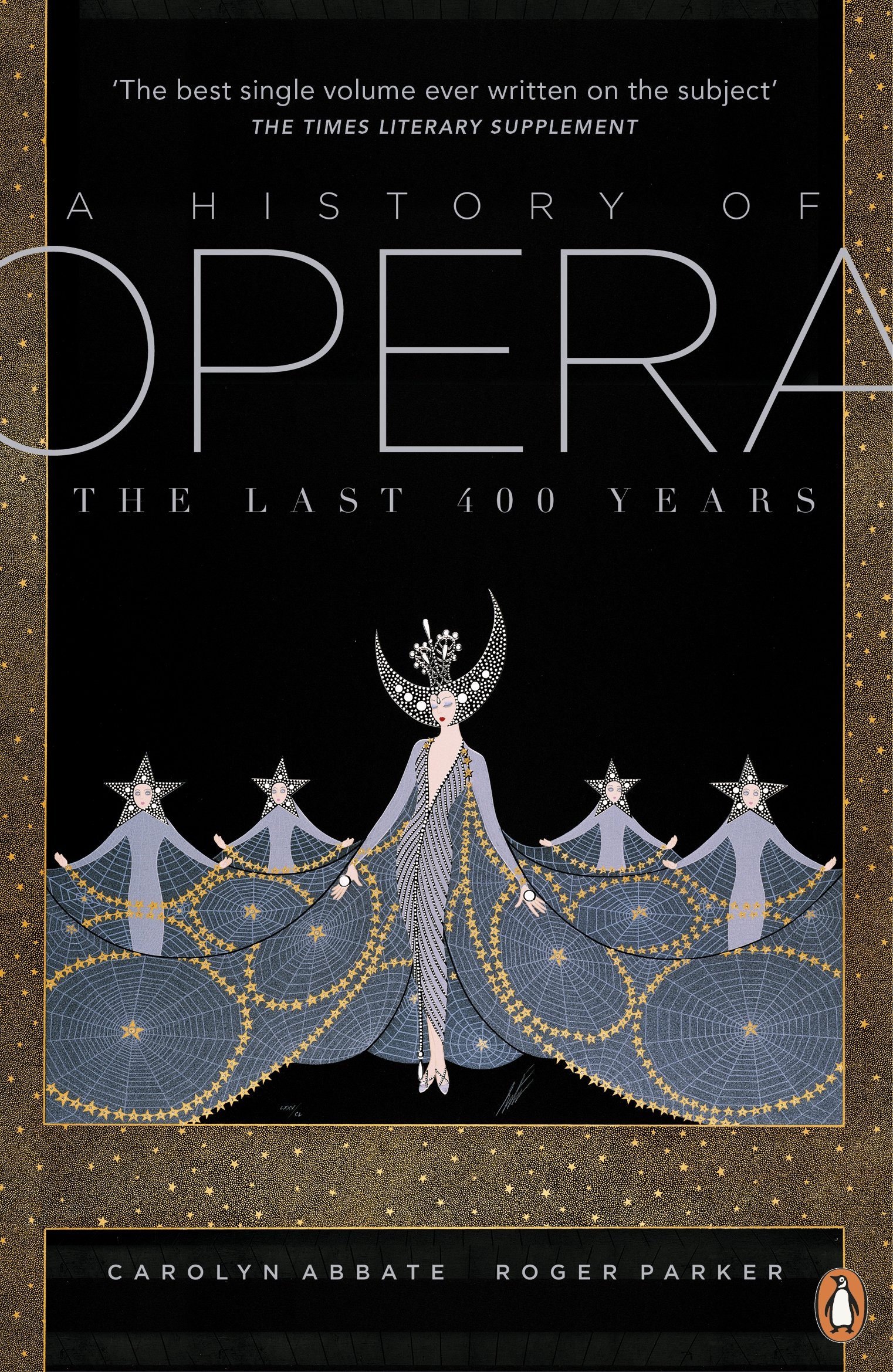
Divas and Scholars: Performing Italian Opera by Philip Gossett Part memoir, part cultural history, this book by one of opera studies’ leading authorities shines light on how opera is interpreted and brought to life—a perfect companion for singers tackling Giordano’s works.
To bring the voice of Italian opera to a wedding, recital, or private concert in London or across the UK, inquire here .
Explore More Insights on Opera & Vocal Mastery
#UmbertoGiordano #VerismoOpera #ItalianOperaComposer #AndreaChenier #ClassicalOperaLondon #OperaSingerUK #ItalianTenor #ClassicalOperaPerformance
- Umberto Giordano was a leading composer of the Italian verismo movement, known for dramatic realism and emotional vocal writing.
- His operas such as Andrea Chénier and Fedora demand powerful tenor phrasing, expressive detail and cinematic intensity.
- This article explores Giordano’s style, his legacy and the vocal challenges for modern opera performers.
Image credit: Public domain portrait of Umberto Giordano (1868–1948). Courtesy of Sinaloa Archivo Histórico via Flickr .
Great Tenors Who Shaped Opera History
Featured image: Portrait of Enrico Caruso by Hugo Ballin (1906), courtesy of the Metropolitan Opera House, New York. Public domain.
Opera is an art form where history lives not only in the score, but in the voice. From the twilight of the 19th century to the golden recordings of the early 20th, legendary tenors carried the emotion, drama, and refinement of music across generations. Each voice featured here — from the silver-etched bel canto of Bonci to the thunderous passion of Del Monaco and the lyrical grace of Di Stefano — represents a chapter in the ongoing story of vocal excellence. This tribute is not a ranked list, but the first part of a broader reflection: a gallery of artists who defined their time and continue to inspire the singers of today, to be explored further in our upcoming companion articles on mid-century legends and modern icons.
The Founders of Modern Tenor Singing (c. 1880–1930)
Spanning from the late 19th century into the mid-20th, the golden era of Italian tenors produced voices that would come to define operatic singing for generations. These artists emerged at a time when the stage was sovereign, recordings were rare and precious, and the voice alone had to carry the weight of drama, poetry, and beauty. Their singing embodied a deep respect for bel canto tradition while embracing the evolving expressive demands of the repertoire. Each tenor brought his own shade of lyricism, fire, or nobility — yet all shared a commitment to artistry rooted in style, discipline, and emotional truth.
Enrico Caruso

Enrico Caruso is universally regarded as the true origin of modern tenor singing, a legend whose impact still shapes the expectations for any leading man on the opera stage. At the turn of the 20th century, Caruso did not just perform in the great theatres of Italy and New York — he brought opera into people’s homes through groundbreaking early recordings, ensuring that audiences far beyond the gilded balconies could experience the power and intimacy of an Italian tenor’s voice. His tone carried a masculine warmth and an honesty that transcended the stylised conventions of his era, allowing each aria to feel heartbreakingly real. In iconic roles such as “Celeste Aida” from Aida and “Vesti la giubba” from Pagliacci, he balanced heroic vocal projection with a vulnerability that touched audiences deeply. Today, for those wishing to bring a hint of that golden age magic to an event, booking an accomplished opera singer in London or anywhere in the UK echoes Caruso’s legacy: pure vocal excellence, timeless emotional impact, and an atmosphere of true Italian grandeur.
This photograph is preserved in the public domain by the Library of Congress, ensuring that the immortal image of Caruso continues to inspire singers and opera lovers alike

Enrico Caruso’s legacy shines through in this dignified portrait, capturing the commanding yet approachable presence that made him a household name. Beyond the warmth of his voice, Caruso was a master of stagecraft: his bearing radiated the noble confidence required to embody kings, poets, and betrayed clowns with equal conviction. He understood that an operatic tenor must communicate with more than sound alone — posture, expression, and subtle gesture were tools in his dramatic arsenal. In an era before televised performances, Caruso’s photographs and recordings combined to create one of the first truly international opera stars. He remains a symbol of how Italian opera can bridge cultures and generations. For discerning hosts in London, England, and throughout the United Kingdom who desire to recreate this aura at a luxury event, hiring a professional opera tenor carries forward this tradition of elegance, artistry, and unforgettable storytelling that Caruso set in motion over a century ago. Enrico Caruso, head-and-shoulders portrait (1907).
This timeless image captures the quiet confidence and refined artistry of the world’s first global opera tenor superstar. Public domain image courtesy of the Library of Congress.

In Bizet’s The Pearl Fishers, Caruso’s interpretation of Nadir remains one of his most enchanting portrayals, showcasing the gentle, romantic side of his artistry. Unlike the more bombastic verismo roles, Nadir demands a tenor to weave delicate, floating high notes into an atmosphere of longing and poetic sweetness. Caruso’s soft, silvery phrasing in the famous aria “Je crois entendre encore” revealed his exceptional breath control and his gift for sustaining tension through the quietest musical phrases. Modern tenors still study these recordings to learn the subtle art of balancing power with tenderness — an essential skill for any singer performing in the intimate setting of a private recital or a high-end celebration. In London and across the UK, audiences seeking to hire an opera singer for an elegant wedding, anniversary, or gala can experience this very tradition: lyrical purity that turns a moment into living poetry, just as Caruso did when he first captivated listeners with the role of Nadir.
Enrico Caruso as Nadir in Bizet’s The Pearl Fishers (1908). This romantic role highlights the lyrical and expressive side of the Italian tenor voice. Public domain image courtesy of the Library of Congress.

As Canio in Leoncavallo’s Pagliacci, Caruso delivered one of the most searing portrayals in operatic history — a performance that defines the dramatic tenor archetype to this day. Canio is the tragic clown: on stage, he must sing with all the sweetness of a lover, yet erupt with anguish and rage when betrayal strikes. Caruso mastered this duality, layering each phrase with raw emotion that cut straight to the audience’s heart. His “Vesti la giubba” recording remains one of the best-selling arias ever, setting the gold standard for verismo intensity. This same balance of dramatic power and lyrical beauty is what clients in London and the UK cherish when they hire a top-tier Italian tenor for a private performance. Whether for a luxury wedding or a corporate gala, an operatic rendition of Canio’s heartbreak can transform an event into a timeless, unforgettable experience — carrying forward Caruso’s spirit of fearless, passionate singing that moves people to tears.
Enrico Caruso as Canio in Leoncavallo’s Pagliacci (1908). This role exemplifies the dramatic intensity and vocal mastery that define the great Italian tenor tradition. Public domain image courtesy of the Library of Congress.
What is less widely known is that Caruso was also a talented sketch artist. He often captured fellow singers, theatrical scenes, and even himself in operatic roles. One such drawing, preserved in the Bibliothèque nationale de France, shows Caruso as Canio in Pagliacci. This dual gift — the ability to both sing and sketch the tragedy — reveals his extraordinary sensitivity as an artist. He not only embodied Canio on stage but could also etch the role’s pathos onto paper, uniting music and visual art in a way few performers ever have.

Beniamino Gigli

Beniamino Gigli succeeded Caruso at the Met, but his voice was of a different essence—tender, devotional, and fluid. He was known for his heart-melting legato and his emotional sincerity. Gigli had a unique ability to caress the musical line, particularly in sacred and romantic repertoire. His interpretations of “Mamma” and “Panis Angelicus” are still beloved. He was often described as having a “teardrop in his voice.” Gigli offered lyric beauty at its most natural and unforced.
Beniamino Gigli, one of the most beloved lyric tenors of the 20th century. Photo courtesy of the Library of Congress. Image from the George Grantham Bain Collection, Library of Congress. No known copyright restrictions
Beniamino Gigli embodied the golden warmth and lyrical sweetness that define the Italian tenor voice at its most romantic. Praised as the natural successor to Caruso, he was cherished for the heartfelt sincerity he brought to Puccini, Verdi, and sacred music alike. Gigli’s rich tone and elegant phrasing made him a favourite among audiences worldwide — a voice of devotion, gentleness, and unmistakable Italian beauty.
Beniamino Gigli (1890–1957), celebrated Italian tenor whose luminous voice and deeply felt phrasing made him one of the 20th century’s beloved operatic artists. Public domain image courtesy of the Library of Congress.
“Beniamino Gigli, Italian tenor.” Bain News Service. Public domain, Library of Congress Prints and Photographs Division.”

This evocative photograph reminds us how Beniamino Gigli’s voice travelled far beyond opera houses, thanks to early recordings. At the dawn of the phonograph age, tenors like Gigli brought Italian lyricism and warmth into living rooms worldwide — a revolution that forever changed the way audiences experience operatic singing.
Beniamino Gigli captured near a phonograph, around 1900 — a tribute to the era when great tenors began sharing their voices beyond the theatre. Public domain image courtesy of the Library of Congress, George Grantham Bain Collection.
“Man near phonograph,” Library of Congress, George Grantham Bain Collection. Public domain.

Aureliano Pertile
A voice of steel and drama, Aureliano Pertile was Toscanini’s favored Otello. He was not known for conventional beauty but for intense expressive power. His top register had an urgency that made his portrayals unforgettable. In roles like Andrea Chénier and Otello, he brought a visceral, almost dangerous presence to the stage. His phrasing was sculptural, direct, and alive with meaning. Pertile’s voice could pierce the orchestra and still move the soul.
This portrait, sourced from the Bain Collection at the Library of Congress, is in the public domain.

Aureliano Pertile’s legacy continues to shape the modern tenor ideal. His fearless approach to vocal color and text brought raw authenticity to every performance, qualities still admired by audiences and sought after by those who hire opera singers in London today. For clients wishing to experience the electrifying force of classic Italian opera, Pertile remains a timeless symbol of vocal heroism and dramatic truth.
Aureliano Pertile (1885–1952), renowned Italian tenor, captured here in a classic portrait from the 1920s. Image courtesy of Bibliothèque nationale de France, public domain. Source: Bibliothèque nationale de France / Agence Rol. Public domain.

Francesco Tamagno
Chosen by Verdi to create the role of Otello, Francesco Tamagno possessed a gigantic voice. His upper register was thunderous and unshakable. He combined vocal grandeur with a deep sense of dignity. Even in his primitive recordings, his force and nobility come through. Tamagno sang like a prophet, declaring the drama with sacred weight. He remains one of the most awe-inspiring tenors of the pre-electric era.
This rare image is part of the George Grantham Bain Collection at the Library of Congress and is in the public domain.

Francesco Tamagno was the original Otello for Verdi himself — a thunderous voice famed for its heroic top notes and powerful declamation. Singing in an era when dramatic tenors shaped the grand Italian style, Tamagno brought an electrifying force to the stage that made him a legend. His partnership with Verdi remains a benchmark for any dramatic tenor today.
Francesco Tamagno with Giuseppe Verdi at Monte Catini, 1899. Photo by Tempestini. Bibliothèque nationale de France. Public domain. Image credit: Photo by Tempestini, Monte Catini, Italy (1899). Bibliothèque nationale de France. Public domain.

Giacomo Lauri-Volpi
Lauri-Volpi possessed a bright, penetrating sound and an almost philosophical approach to singing. His upper register had astonishing brilliance, and he was fearless in roles like Manrico and Calaf. Though eccentric at times, his interpretations were undeniably thrilling. He brought intellect as well as power to the operatic stage. His writing on vocal technique reflects his deep engagement with the art form. He was both a gladiator and a scholar of voice.
Photographed in 1923, this portrait is preserved in the public domain by the Library of Congress Bain Collection.

A Tenor’s Timeless Influence
Giacomo Lauri-Volpi stands among the true giants of operatic history — a tenor whose radiant voice and masterful artistry defined an era when Italian opera reigned supreme. His legendary performances continue to inspire today’s finest tenors, whose voices now grace exclusive soirées, luxury weddings, and distinguished corporate events across London, England, and the United Kingdom. For discerning hosts who wish to elevate a celebration with the grandeur of classical music, booking a world-class opera singer brings the same elegance and passion that Lauri-Volpi embodied on stages from La Scala to Covent Garden. This historic portrait reminds us that when you hire an opera singer in the UK, you invite an enduring tradition of vocal excellence and timeless cultural sophistication into your event.
Historic image of Giacomo Lauri-Volpi, celebrated Italian tenor, remembered for his magnificent stage presence and vocal brilliance — an enduring inspiration for exclusive opera bookings in London and throughout the United Kingdom.

Giacomo Lauri-Volpi’s signature stands as a testament to an era when Italian tenors defined the gold standard of opera singing. Today, that same spirit inspires discerning hosts across London and the UK to hire exceptional classical singers who embody this timeless vocal artistry. Elevate your private event or gala with the legacy of true bel canto mastery.
Historic signature of Giacomo Lauri-Volpi (1929) — a reminder of the golden age of Italian tenors who continue to inspire exclusive opera performances today.

Alessandro Bonci
Bonci was the last great bel canto tenor before the verismo era fully took hold, celebrated for a voice of silvery purity that was ideally suited to the music of Rossini, Bellini, and Donizetti. He maintained the noble traditions of 19th-century Italian singing with remarkable style and discipline, serving as a guardian of vocal clarity in an age when dramatic power was becoming the new fashion. His phrasing was consistently graceful, his legato seamless, and his technique impeccable — qualities that made him a beloved standard-bearer for the older bel canto school. Standing at the pivotal moment between romantic lyricism and the rising tide of verismo passion, Bonci represents the refined artistry that still inspires the world’s finest tenors today.
This rare photograph, taken by the distinguished Italian photographer Mario Nunes Vais, is preserved in the public domain as a testament to Bonci’s timeless legacy.

Stepping onto the world’s grandest stages in regal costume, Alessandro Bonci embodied the very soul of Italian bel canto. Captured here around 1908, this rare image shows him in character, ready to enchant audiences with his bright, flexible tenor and exquisite phrasing. Whether performing in Rossini’s Il Barbiere di Siviglia or Bellini’s I Puritani, Bonci’s vocal control and elegant style preserved the golden age of Italian singing amid changing operatic trends. His dedication to pure, ornamented bel canto continues to guide modern tenors, reminding us that timeless technique and noble artistry never go out of fashion — a legacy carried forward today by distinguished tenors performing for luxury private events and grand opera houses across London and the UK.
Alessandro Bonci fully costumed for an operatic role, 1908 – Harvard Theatre Collection, Harvard University. Public domain.


Alessandro Bonci was one of Italy’s most exquisite bel canto tenors, whose legacy shaped an entire generation of vocal mastery and remains a reference point for aspiring singers today. Renowned for his crystalline tone, effortless phrasing, and impeccable control across the full tenor range, Bonci brought a uniquely refined elegance to every stage he graced. His interpretations of the great bel canto roles — especially Count Almaviva in Il barbiere di Siviglia, Elvino in La sonnambula, and Arturo in I puritani — were legendary for their purity of line and the delicate ornamentation he executed with almost supernatural finesse. Unlike many of his contemporaries, Bonci preferred to highlight the noble beauty and musicality of a piece rather than overpower it with raw force, making him the beloved choice for audiences who valued finesse over bombast.
During the golden years of the early 20th century, Bonci was frequently compared to Enrico Caruso, but true connoisseurs recognised his artistry as a distinct branch of Italian tenor tradition: intimate, aristocratic, and steeped in the ideals of 19th-century bel canto technique. His performances across London, Paris, and the United States inspired countless young singers to pursue the elusive mastery of legato phrasing and clean, expressive diction — qualities that remain hallmarks of exceptional vocal coaching today.
For modern clients seeking to hire an opera singer for a luxurious event in London or anywhere in the UK, Bonci’s style is an enduring benchmark: a reminder that the soul of Italian opera lies in the marriage of vocal brilliance and tasteful restraint. When you hear a top-tier tenor today deliver Una furtiva lagrima or Ah! mes amis with perfect breath control and poetic nuance, you’re witnessing echoes of Bonci’s delicate art. His legacy lives on in the best voices of our era — voices that can elevate your gala, wedding, or private concert into an experience of pure Italian sophistication and timeless musical elegance.
While legends like Lauri-Volpi and Bonci embodied the golden age of bel canto tradition, a new wave of great tenors soon followed — bridging lyric grace with dramatic power, and ultimately carrying opera’s passion to the global stage. Discover their stories in my upcoming companion pieces. If you wish to experience this magic live, hire an opera singer for your event in London or the UK here.
Bring the Golden Era to Your Event
If you’ve enjoyed this tribute to the timeless Italian tenors, imagine this same spirit at your private gala, wedding, or luxury soirée. You can hire an opera singer in London or anywhere in the UK to recreate the nobility and brilliance of classic bel canto — ensuring your occasion is unforgettable and steeped in authentic Italian elegance.
This article and all images are protected by copyright. Please do not copy or reproduce without written permission
Books by and About the Great Tenors
Disclosure: This section contains Amazon affiliate links. If you make a purchase through these links, I may earn a small commission at no additional cost to you.
Enrico Caruso: My Father and My Family – Enrico Caruso Jr. Written by the legendary tenor’s son, this memoir paints a vivid portrait of Enrico Caruso’s life on and off stage. It’s filled with personal anecdotes, rare details about his voice and technique, and reflections on the Neapolitan songs he made famous.
Caruso and Tetrazzini on the Art of Singing – Enrico Caruso & Luisa Tetrazzini A classic guide where two of opera’s greatest voices share the fundamentals of singing — breath, tone, and expression — in simple, practical terms. Caruso and Tetrazzini’s advice, drawn from stage experience, offers timeless insight into what makes operatic performance both powerful and moving. For readers inspired by the golden age of tenors, it remains an essential window into the art that defined a generation.
Francesco Tamagno: Vita e Arte (Italian Edition) Written in Italian, this volume is a specialist resource on Francesco Tamagno, the legendary dramatic tenor who created Verdi’s Otello. It offers detailed accounts of his career, vocal technique, and the critical reception of his performances at the height of the golden age of opera.
While accessible only to those who read Italian, the book remains an invaluable reference for singers, scholars, and dedicated enthusiasts who wish to explore Tamagno’s artistry in depth. His voice and stage presence set the model for heroic tenors, and his influence continues to shape interpretations of Verdi’s music today.
Aureliano Pertile, il tenore di Toscanini – Vito Stabile & Valerio Lopane (Italian Edition) This short but passionate Italian-language study pays tribute to Aureliano Pertile (1885–1952), one of the greatest tenors of all time and a favourite of conductor Arturo Toscanini. With affectionate detail, the book recalls the beauty, completeness, and modernity of Pertile’s singing — qualities that remain unmatched nearly a century after his legendary performances.
Though available only in Italian, this volume is a valuable resource for serious collectors and readers who wish to understand why Pertile is still regarded as one of opera’s supreme interpreters.
Explore More Insights on Opera & Vocal Mastery
Opera 101: A Complete Guide to Learning and Loving Opera – Fred Plotkin Fred Plotkin’s classic guide opens the doors to understanding opera as both an art form and a living experience. For readers inspired by the great Italian tenors of the past — Caruso, Gigli, Tamagno, Lauri-Volpi, Pertile, and Bonci — this book provides the context that explains why their voices shaped entire generations of audiences. Plotkin demystifies staging, traditions, and repertoire, making opera accessible to those new to it while deepening the appreciation of seasoned listeners. For hosts in London, Opera 101 demonstrates how a live operatic performance can elevate a wedding, gala, or private celebration into something unforgettable, echoing the grandeur of the golden age while captivating today’s audiences.
The Penguin Concise Guide to Opera – Amanda Holden (Editor) This concise and authoritative reference distils centuries of operatic history into a practical companion. With clear synopses of major works and insightful profiles of composers, it helps readers connect more deeply with the repertoire that defined the careers of tenors such as Caruso, Gigli, Tamagno, Lauri-Volpi, Pertile, and Bonci. For modern event organisers and private hosts, this guide serves as a reliable resource when planning or attending a performance. It equips you to introduce guests to opera with confidence, ensuring that every occasion — whether in a heritage venue or a contemporary London setting — resonates with knowledge, elegance, and authenticity.
Opera: The Definitive Illustrated Story – DK Publishing This lavishly illustrated volume captures opera’s sweeping history, from the golden voices of the past to the opera houses they made legendary. Its images and narratives evoke the dramatic artistry of great singers like Caruso, Gigli, Tamagno, Lauri-Volpi, Pertile, and Bonci, whose interpretations continue to inspire modern tenors. For London event planners and hosts, the book sparks ideas for ambience, staging, and artistic presentation — showing how grandeur and artistry can be woven into a wedding, gala, or private concert. It reminds us that opera is more than music: it is an atmosphere of elegance and storytelling that transforms an event into a timeless celebration.
The History of Opera – Carolyn Abbate & Roger Parker This sweeping history places opera in the grand settings of courts, theatres, and cultural milestones. It highlights the tradition of great tenors — from Tamagno’s heroic tones to Caruso’s verismo intensity, Bonci’s lyrical refinement, Gigli’s velvet phrasing, Pertile’s dramatic bite, and Lauri-Volpi’s brilliance. For today’s organisers and private hosts, the book explains why opera has always been linked to prestige, artistry, and the marking of life’s most important occasions. To hire an opera singer in London is to participate in this lineage: a continuation of the same tradition that made these legendary tenors central to great celebrations and cultural history.
#GreatTenorsOfOpera #OperaVoiceLegacy #BookOperaTenor #TimelessOperaVoices #ClassicalSingersUK
- Opera history has been shaped by legendary tenors whose voices defined eras from bel canto to verismo.
- Figures such as Caruso, Lauri-Volpi and Corelli influenced technique, style and the global perception of opera singing.
- This article highlights the greatest tenors and explains their contribution to the evolution of classical performance.
© All rights reserved. Original content created by VASILI KARPIAK – THE ITALIAN TENOR | OPERA & PRIVATE CONCERTS | London, Scotland, Ireland & Beyond. This page and its materials are protected by copyright law. Please do not copy, reproduce, or distribute without written permission.
Giuseppe Verdi and the World of Italian Opera
Photo Credit: Close-up of Giuseppe Verdi from Giovanni Boldini’s 1886 portrait — a timeless tribute to one of Italy’s greatest opera composers. This masterpiece is housed at Casa Verdi in Milan, where the composer spent his final years surrounded by music and fellow artists. Image: Public domain via Wikimedia Commons
In This Article
- Giuseppe Verdi: A Life Shaped by Music
- From Tragedy to Triumph
- The Enduring Power of Verdi’s Voice
- Verdi Through the Lens of Nadar
- A Life in Music and Legacy
- The Heart of Busseto
- The Composer at Rest
- Verdi’s Mature Period: The Voice of Destiny and Drama
- Verdi’s Final Masterpiece: Wit, Warmth, and Vocal Genius
- Recommended Books on Verdi
Giuseppe Verdi: A Life Shaped by Music
Giuseppe Verdi was born in 1813 in the small Italian village of Le Roncole, near Busseto. From modest beginnings, he rose to become one of the towering figures of 19th-century music — not only in Italy, but across the world. His operas gave voice to the hopes and heartbreak of an emerging nation, capturing human passion with a depth and honesty that still moves audiences today. Whether portraying a jester’s grief, a courtesan’s redemption, or a soldier’s fate, Verdi had an unmatched ability to turn personal drama into universal truth.
From Tragedy to Triumph

Verdi’s path to greatness was far from smooth. After losing his first wife and children early in life, he nearly abandoned composing altogether. But out of sorrow came strength — and a turning point arrived with Nabucco in 1842, the opera that first marked his genius. Over the following decades, Verdi poured his soul into works that redefined the operatic stage. Each new score seemed to grow in psychological richness and musical sophistication. His heroes and heroines were no longer mythical figures from afar; they were human beings with fears, desires, and moral struggles — characters that singers still love to inhabit.
Image Credit: Public domain image — faithfully reproduced from the original artwork by Giovanni Boldini. Source: Wikimedia Commons.
The Enduring Power of Verdi’s Voice
To perform Verdi well is to carry forward a living tradition. His music demands more than just technique; it requires courage, depth, and emotional clarity. For tenors especially, the Verdi repertoire offers some of the most dramatic, vocally rich roles in all of opera — from the defiant Don Carlo to the tormented Otello. These roles continue to test singers at the highest level, whether on the grand stage, in a luxury event, or in a cinematic TV project.
For those looking to hire a classical opera singer in London or anywhere in the UK, Verdi’s music remains a natural centerpiece — powerful, moving, and timeless. His legacy isn’t just in scores and theatres, but in every performance that dares to meet his emotional truth head-on.
Verdi Through the Lens of Nadar
Captured around 1866 by the legendary photographer Nadar, this portrait reveals Giuseppe Verdi not just as a composer, but as a cultural force of Europe’s Romantic era. With thoughtful intensity in his eyes and unmistakable gravitas, this image speaks of a man whose music reshaped the soul of Italian opera.
For any classical tenor singing Verdi’s repertoire in London today, this photograph is a powerful reminder of the living humanity behind the masterworks — music born not just of technique, but of fire, experience, and vision.
Image: Public domain via Zeno.org / Photograph by Nadar (1820–1910)

A Life in Music and Legacy

Painted in 1886 by Giovanni Boldini, this portrait of Verdi reveals more than a likeness — it distills the presence of a composer who reshaped the course of Italian opera. Captured in his later years, Verdi appears both introspective and resolute, his gaze echoing the authority of Otello and the intimacy of Falstaff.
Today, this portrait hangs in the Casa di Riposo per Musicisti in Milan, the retirement home Verdi founded for fellow artists. For any operatic tenor, especially one rooted in the Italian tradition, Verdi’s legacy is not merely historical — it is lived, studied, and deeply felt.
Image: Public domain via Wikimedia Commons
Giuseppe Verdi’s signature- a timeless mark of one of Italy’s greatest opera composers.
This elegant script recalls the genius of a man whose operas defined the golden age of Italian music. From La Traviata to Otello, Verdi’s legacy lives on in theatres and concert halls around the world.

Image credit: Dumi / Wikimedia Commons / CC BY-SA 3.0
The Heart of Busseto

Named in his honour, the Teatro Giuseppe Verdi is not just a building — it is a shrine to music, craftsmanship, and the spirit of Italian opera. From its gilded balconies to its celestial ceiling, the theatre stands as a living tribute to Verdi’s genius and the community that celebrates him to this day.
For any opera singer, standing on this stage is not just a performance — it’s an honour. This is where the echo of Verdi’s spirit still resonates, in every overture and final curtain.
Image by Lorenzo Gaudenzi / Wikimedia Commons / CC BY-SA 4.0
The Composer at Rest

Taken in 1900 at Villa Verdi in Sant’Agata, this photograph captures Verdi surrounded by those closest to his heart — including his wife Barberina Strepponi, his trusted publisher Giulio Ricordi, and soprano Teresa Stolz, famed for her portrayal of Aida.
This rare image reminds us that behind the genius of Verdi stood a community of artists and supporters who helped carry his music into immortality.
Image: Archivio Storico Ricordi / CC BY-SA 4.0
The Early Masterworks of Giuseppe Verdi: Passion, Patriotism, and Rising Genius
Before the worldwide triumphs of La Traviata, Rigoletto, and Aida, Giuseppe Verdi’s early operas laid the foundation for his enduring legacy. Emerging from personal tragedy and national upheaval, Verdi’s initial compositions — including Oberto, Nabucco, Ernani, and Macbeth — were charged with emotional urgency and a sense of defiance that resonated with 19th-century audiences.
From the rousing choruses of Nabucco to the brooding ambition of Macbeth, these works reveal the young composer’s fiery spirit and political awareness. Each opera demands bold vocal characterisation and dramatic conviction, offering a rich repertoire for any classical singer performing at grand events or luxury opera evenings in the UK. Verdi’s early style blended the bel canto tradition with new dramatic intensity — a voice of Italy in a time of transformation.
Nabucco (1842): The Birth of Verdi’s Voice and a Timeless Opera

Image: Touring Club Italiano Archive / Verona Arena, 1958 – Verdi’s Nabucco, Act IV. Licensed under CC BY-SA 4.0 via Wikimedia Commons. Perfect example of a grand opera performance inspiring modern UK productions.
Before Verdi became the master of grand psychological drama, he was the composer of bold, patriotic passion. Nabucco(short for Nebuchadnezzar) marked his true breakthrough — a work that stirred the heart of Italy and established Verdi as a rising force in European opera.
Premiered in 1842 at La Scala, this opera tells the story of the Babylonian king and the exile of the Hebrews. But beyond its biblical themes, Nabucco resonated with the Italian public for its spirit of resistance, especially in the famous chorus “Va, pensiero” — still one of the most beloved pieces in the entire repertoire.
The 1958 performance at Verona Arena, captured in the photograph above, shows how enduring and visually grand this opera remains. Whether performed on Italy’s largest open-air stage or in a London concert hall, Nabucco demands power, precision, and emotional depth from every singer — particularly the baritone and tenor leads.
For anyone seeking to hire a professional opera singer in the UK, this early Verdi masterpiece offers thrilling musical storytelling. Its blend of chorus, dramatic solos, and vivid character roles makes it ideal for gala events, theatrical concerts, or even special occasions like luxury weddings.
Rigoletto: Tragedy, Power, and the Eternal Voice of Verdi
Giuseppe Verdi’s Rigoletto remains one of the most gripping operas in the classical repertoire — a tale of courtly cruelty, paternal love, and irreversible fate. Premiered in 1851, this masterpiece marked a bold evolution in Italian opera, blending raw emotional realism with unforgettable melodies like La donna è mobile and Caro nome. Set in a decadent Renaissance court, Rigoletto challenges both baritones and tenors with roles that demand theatrical intensity and elite vocal control.
Whether staged in grand theatres or adapted for intimate, high-end events, Rigoletto continues to captivate audiences across generations. For those seeking to book a classical tenor or opera singer in London, Scotland, or the UK, this opera offers a powerful centrepiece — one that balances dramatic weight with vocal brilliance.

This evocative historical image shows legendary Italian baritone Titta Ruffo in the title role of Rigoletto, as featured in the Victrola Book of the Opera (1917). Giuseppe Verdi’s Rigoletto marked a turning point in 19th-century opera — a daring fusion of emotional intensity and dramatic realism. With unforgettable arias like “Caro nome” and the chilling “La donna è mobile,” the opera demands both emotional vulnerability and technical brilliance, especially from the tenor and baritone leads.
For those looking to hire an opera singer in London, or to book a classical Italian tenor for high-profile events in England or Scotland, Rigoletto remains a touchstone of vocal and theatrical mastery. It is an ideal showcase for performers who combine commanding stage presence with elite vocal artistry — perfect for luxury events, cultural programmes, or TV productions seeking operatic excellence.
Image: Baritone Titta Ruffo as Rigoletto, published in The Victrola Book of the Opera, 1917.
Source: Internet Archive / Public Domain.
Atmosphere and Shadows: Rigoletto Through the Artist’s Eye

This breathtaking set design by Philippe Chaperon captures the chilling atmosphere of Act III of Verdi’s Rigoletto, staged at the Palais Garnier in 1885. With its moonlit sky, looming architecture, and ominous silhouette of Sparafucile’s inn, the artwork heightens the drama of one of opera’s most gripping scenes — a father’s desperation, a daughter’s sacrifice, and fate unfolding by the river.
For those planning high-end events or cultural performances in the UK, this image reminds us why Rigoletto remains a top choice when booking a classical opera singer in London or an Italian tenor for gala performances in Scotland or central England. The opera’s iconic arias and emotional tension make it a showpiece of vocal and theatrical excellence.
Image Credit: Philippe Chaperon, Set design for Act III of Rigoletto, 1885. Source: Gallica / Public Domain. Restoration by Adam Cuerden.
La Traviata: Passion, Sacrifice & the Voice of Verdi’s Romantic Genius
Few operas touch the heart quite like La Traviata. Giuseppe Verdi’s intimate masterpiece, inspired by La Dame aux Camélias, tells the poignant story of Violetta — a courtesan torn between love and social duty. Featuring some of the most recognizable arias in the operatic canon, this work demands not only vocal brilliance but deep emotional insight from its performers.
Whether you’re planning an elegant birthday soirée, a televised production, or a high-profile event in London or Scotland, La Traviata offers unforgettable musical drama. To hire an opera singer in the UK for private performances or luxury events, this opera remains one of the most requested and emotionally impactful choices.

This historic portrait shows Geraldine Farrar as Violetta in Verdi’s La Traviata — a signature soprano role cherished across the opera world. First performed in 1853, La Traviata blends emotional truth with melodic brilliance, making it an ideal centrepiece for luxury opera events in London or across the UK.
Whether you’re planning a milestone birthday celebration, a prestigious corporate function, or a TV or film production requiring elite vocal artistry, this opera offers a deeply moving experience. Its arias, such as Sempre liberaand Addio del passato, demand both vocal mastery and emotional presence — qualities essential when you book a classical singer or Italian tenor in England or Scotland for unforgettable live performance.

This rare archival image captures a live performance of Verdi’s La Traviata at the Badisches Staatstheater Karlsruhe, with Christa Lehnert as Violetta and Anton de Ridder as Alfredo. The emotional depth and vocal elegance demanded by this opera remain a benchmark for elite performers. For those planning luxury events, weddings, or cultural galas in London, Scotland, or across the UK, La Traviata continues to be a defining work — one where a professional opera singer can deliver unforgettable theatrical impact.
Image: Live performance of La Traviata (1967–68), featuring Christa Lehnert and Anton de Ridder.
© Gerd Weiss / Landesarchiv Baden-Württemberg, Generallandesarchiv Karlsruhe
Il Trovatore: Fire, Fate & the Shadows of Verdi’s Imagination
Il Trovatore is another example of Verdi’s dramatic genius, filled with fire, vengeance, and fatal misunderstandings…

This beautifully restored 19th-century poster by Luigi Morgari captures the dramatic essence of Verdi’s Il Trovatore, one of the most passionate and fate-driven operas in the Italian repertoire. Featuring bold imagery of its central characters, this artwork visually represents the emotional intensity of Verdi’s music — fire, vengeance, love, and sacrifice. A masterpiece of visual storytelling, the illustration complements any high-end classical music blog, luxury opera event marketing, or content showcasing leading Italian tenors in the UK. Ideal for promoting opera performances in London, private galas, and castle concerts across affluent areas such as Chelsea, Knightsbridge, Mayfair, and the Cotswolds. Image: Il Trovatore poster by Luigi Morgari – Verdi opera illustration

This rare 1856 lithograph captures the powerful presence of Lucy Escott as Leonora in Il Trovatore, during a celebrated London performance. Alongside tenor Augustus Braham and baritone Henri Drayton, this trio brought Verdi’s fiery tale to life for Victorian high society. Today, Il Trovatore remains a defining opera for world-class tenors — its passion and drama echoing through elite concert halls, castles, and television productions alike.
Image: Lucy Escott as Leonora, Augustus Braham as Manrico, and Henri Drayton as Count di Luna in “Il Trovatore” (1856 London production). Contemporary lithograph. Public Domain (via uploader Jack1956, Wikimedia Commons).
This striking 1910 illustration below by Byam Shaw captures the high drama of Il Trovatore — Verdi’s opera of vengeance, fate, and fiery passion.

Originally published in Favourite Operas from Mozart to Mascagni, the scene evokes the rich theatricality and timeless power of Verdi’s music. For modern audiences across the UK, Il Trovatore remains a favourite at elite venues, castle performances, and televised opera specials. It is an iconic choice for tenors seeking to embody the grandeur and emotional weight of Italian opera at its peak.
Aida: Power, Destiny & the Echo of Verdi’s Eternal Voice
Aida (1871) stands as one of Verdi’s grandest achievements — a deeply emotional love story set against the grandeur of Ancient Egypt. With sweeping choruses, ceremonial marches, and the intimate aria “Celeste Aida,” this opera captures both majesty and vulnerability. It was a defining work that showcased Verdi’s ability to unite political spectacle with heartfelt intimacy — a dramatic high point before his later Shakespearean works.

This evocative 19th-century illustration captures Giuseppe Verdi conducting the Paris Opera premiere of Aida—an extraordinary moment in music history. Drawn by Adrien Marie and published in 1881, it offers a rare glimpse of the maestro shaping his own score at the height of his creative powers. Such performances defined a golden age of opera—where the composer, conductor, and singer were united in artistic intent. Today, that tradition continues through tenors who honour the Italian classical style in concert halls and refined private events. Whether in London, the Cotswolds, or other distinguished settings, opera remains a living art—elegant, powerful, and deeply moving.
Verdi’s Mature Period: The Voice of Destiny and Drama
As Giuseppe Verdi grew in fame and personal strength, his music also deepened. From the late 1850s onward, he entered a period of remarkable artistic evolution. No longer writing just to meet theatrical demand, Verdi began exploring moral ambiguity, political intrigue, and the human soul with profound psychological insight. This mature phase of his career gave rise to some of his most powerful and enduring masterpieces — works that continue to test and inspire the world’s greatest voices.
Un ballo in maschera (1859)
Set in a world of courtly splendour and hidden danger, Un ballo in maschera (A Masked Ball) tells the story of a ruler’s downfall amid jealousy, prophecy, and forbidden love. Verdi masterfully blends political tension with tender lyricism, crafting one of his most theatrical and emotionally charged scores. The final scene, “È tardi… addio!,” is a haunting farewell filled with noble restraint — a hallmark of Verdi’s mature style.
A Masquerade of Fate and Politics
This 1860 frontispiece, published by Ricordi for the first vocal score of Un Ballo in maschera, is more than a decorative title page — it is a portal into the opera’s climactic moment of revelation and collapse. A masked ball, intended for celebration, becomes the setting for betrayal, political assassination, and unspoken love laid bare. The image encapsulates the very themes Verdi wove so masterfully into his score: hidden identities, fatal choices, and the cost of truth in a world ruled by appearances.

At the time of its premiere, the opera had already endured significant censorship. Originally set in Sweden and centered on the assassination of King Gustav III, Verdi was forced by Neapolitan authorities to relocate the plot to colonial Boston — a compromise that, paradoxically, deepened the opera’s sense of displacement and ambiguity. Yet despite these imposed alterations, Un Ballo in maschera emerged as one of Verdi’s most psychologically refined works: a study in duality, where public duty and private longing collide under the glitter of courtly ritual.
The frontispiece reminds us that Verdi’s genius extended beyond the staff lines of music. He understood opera as a total art form — one in which engraving, typography, libretto, and visual imagination all served a unified dramatic purpose. Today, this score remains a treasured object of historical and artistic value. And for those who sing, conduct, or stage Verdi’s work, Un Ballo in maschera continues to offer both technical demands and deep interpretive rewards — a mirror held up not only to the stage, but to the soul.
Image: Harvard Library / Restoration by Adam Cuerden / Public Domain
La forza del destino (1862, revised 1869)
Few operas sweep the listener through fate, war, love, and tragedy like La forza del destino (The Force of Destiny). Verdi’s expansive score moves from grand choruses to intimate confessions, with an unmistakable sense of fatalism woven throughout. The famous overture alone — a storm of destiny-laden brass — signals a bold, visionary composer in full command of his power.
Destiny in Colour and Canvas
This magnificent 19th-century poster for La forza del destino captures the emotional sweep of one of Verdi’s most complex operas. A story of forbidden love, vengeance, and fate, the opera challenged both audiences and performers with its bold structure and tragic beauty.
Visual ephemera like this reminds us of opera’s golden era — when poster art was theatre in miniature, and every image echoed with music. Today, as a classical tenor interpreting Verdi’s work, one cannot help but feel that this “force of destiny” still flows through the voice.
Image: Gallica / Restored by Adam Cuerden / Public Domain

This evocative 1869 set design by Carlo Ferrario for Act IV of Verdi’s La Forza del Destino captures the sacred stillness of the monastery cloister before the opera’s final tragedy. Originally crafted for Italian theaters, this visual masterpiece evokes the grandeur still echoed today in luxury opera events across the UK. A perfect staging reference for tenors interpreting the role of Alvaro at elite venues and television productions.

Image: Carlo Ferrario, Cortile del Chiostro — set design for Act IV, Scene 1 of La Forza del Destino (1869). Public Domain via Archivio Storico Ricordi / Wikimedia Commons.
Don Carlo (1867; revised multiple times)
With Don Carlo, Verdi embraced complex political and psychological drama on an epic scale. Set in the court of King Philip II of Spain, the opera weaves themes of freedom, love, sacrifice, and the crushing weight of power. The music is rich with shadows and inner conflict — from the king’s tormented aria “Ella giammai m’amò” to the soul-searching duets between Don Carlo and Rodrigo. Verdi called this one of his most challenging works — and one of his most personal.
Verdi’s Don Carlo is a sweeping political epic infused with human longing. From royal betrayal to forbidden love, the opera’s vast emotional landscape is paired with some of Verdi’s richest orchestration. The title role, sung by a lyric-dramatic tenor, calls for passion and strength, while Rodrigo and King Philip offer baritone and bass arias of remarkable gravitas. Don Carlo is increasingly selected for televised concerts, festival premieres, and high-end classical events across the UK — where nuance and vocal nobility matter most.
Scene from Verdi’s Don Carlo at La Scala (1884). Artwork by Carlo Cornaglia, engraving by Giuseppe Barberis. Restored image via Wikimedia Commons. Image credit: Gallica Digital Library / Adam Cuerden / Wikimedia Commons / Public Domain

The Storm Within: Verdi’s Otello

With Otello, Verdi reached a new level of dramatic power. Based on Shakespeare’s tragedy, the opera tells the story of a great military leader — a Moorish tenor role — destroyed by jealousy and manipulation. Verdi’s music captures both the thunder of war and the quiet heartbreak of love. The famous storm in Act I and Desdemona’s final aria show his genius for blending passion with subtle emotion. Otello is a powerful portrait of love, betrayal, and the human soul in crisis — and one of the greatest challenges for any dramatic tenor.
Verdi’s Otello is an electrifying masterpiece of psychological tension, orchestral brilliance, and Shakespearean tragedy. Premiered in 1887, this opera showcases the composer’s late-career genius — combining thunderous choral scenes with searing vocal drama. As Otello spirals into jealousy and despair, Verdi’s score paints a soul in collapse, with music that demands unmatched vocal and dramatic power. It is a towering role for a dramatic tenor — and a cornerstone of Italian operatic heritage still performed by leading artists today.
Image: “Otello and Desdemona,” from the 1917 Victrola Book of the Opera. After the painting by Becker. Digitized by the Internet Archive. Public Domain (via Brigham Young University / Flickr Commons).
This exquisite 1887 costume design by Alfredo Edel captures Desdemona’s tragic vulnerability in Act IV of Verdi’s Otello. The pale gown and delicate hairstyle reflect her innocence and impending fate — ideal symbolism for sopranos interpreting this role today. Whether performed in grand UK theatres or adapted for screen, Desdemona’s final aria remains one of Verdi’s most emotionally charged legacies.

Image: Alfredo Edel, Desdemona (soprano) – costume design for Otello, Act IV (1887). Watercolor and tempera. Public Domain via Archivio Storico Ricordi / Wikimedia Commons.
This striking image from the Opéra Garnier costume collection features a historic stage design for Verdi’s Otello. Showcasing the rich theatrical wardrobe of the late 19th century, it continues to inspire opera singers, stylists, and creative directors staging productions across London, Edinburgh, and exclusive venues throughout the UK. Ideal for classical tenor performances at luxury events, castles, or television and media appearances.

Otello on the Parisian Stage
With Otello, Verdi redefined late-career genius. Every act of this Shakespearean adaptation burns with orchestral tension and vocal magnitude. The role of Otello requires a tenor of heroic range, matched by the tragic nobility of Desdemona and the sinister brilliance of Iago. This opera is not just sung — it’s lived. Whether for prestigious events, high-level stagings, or television interpretations, Otello stands as a thrilling showcase for elite classical singers in the UK and abroad.
Image: Set Design for Verdi’s Otello, Act I (1895) by Marcel Jambon. Courtesy of Gallica / Bibliothèque nationale de France. Public Domain.

Verdi’s Final Masterpiece: Wit, Warmth, and Vocal Genius
This striking 1894 poster by Adolfo Hohenstein announces the first French production of Falstaff at the Théâtre de l’Opéra-Comique. Created for Verdi’s final opera — a brilliant comic work for a mature audience — the artwork captures the exuberance, mischief, and theatricality of the piece. Based on Shakespeare’s The Merry Wives of Windsor, Falstaff showcases rapid-fire ensemble writing and character-rich arias that demand not only vocal skill but refined intelligence from the performers.
For clients looking to hire an opera singer in London, Scotland, or across the UK — especially for TV projects, private galas, or luxury music events — this opera remains a touchstone of mastery. The role of Falstaff, while comedic, is a triumph of musical sophistication, character immersion, and baritone artistry.
Image: Poster for the 1894 Paris premiere of Falstaff by Giuseppe Verdi, designed by Adolfo Hohenstein. Source: Gallica / Public Domain.

A Bold Farewell to the Stage: Verdi’s Falstaff (1893)
Premiered at Teatro alla Scala in 1893, Falstaff was Giuseppe Verdi’s final opera — a radiant departure from tragedy into the world of sophisticated comedy. Drawing from Shakespeare’s The Merry Wives of Windsor, Verdi crafted a score full of sparkling wit, rhythmic brilliance, and rapid-fire vocal ensembles that require both technical finesse and theatrical flair.
This period costume design by Adolfo Hohenstein, commissioned by Ricordi for the premiere, reflects the lively mischief at the heart of the work. For those looking to hire an Italian opera singer for events in London or Scotland, Falstaff remains a celebrated triumph of musical storytelling, ideal for gala evenings, castle performances, and special appearances at luxury venues.
Image Credit: Adolfo Hohenstein / Wikimedia Commons / Public Domain

Giuseppe Verdi’s operas continue to define the gold standard of Italian vocal drama — from the defiant strains of Nabucco to the bittersweet intimacy of La Traviata, and the rich comedy of Falstaff. His music calls not just for vocal brilliance but for depth, intelligence, and stage presence. Whether performed in a grand theatre, at a private gala, or within the historic walls of a castle in Scotland or England, Verdi’s genius remains timeless. For those looking to hire a classical opera singer in London or book an Italian tenor for exclusive events, his repertoire offers some of the most unforgettable music ever written — powerful, poetic, and utterly human.
Verdi – Frequently Asked Questions
▸ Why is Giuseppe Verdi considered one of the most influential composers in opera history?
Giuseppe Verdi (1813–1901) shaped the voice of Italian opera with unparalleled dramatic instinct. His music combines lyrical beauty, human depth, and theatrical power. Works such as La Traviata, Rigoletto, Aida, Il Trovatore, and Otello transformed the operatic stage and continue to captivate audiences around the world — from Europe and the United States to the United Kingdom. Verdi’s characters feel real, vulnerable, and profoundly human, which is why his music remains timeless.
▸ Why are Verdi’s arias so popular at luxury events, weddings, and gala evenings?
Verdi’s melodies carry emotional clarity that audiences respond to instantly. Whether it’s the passion of Celeste Aida, the elegance of La donna è mobile, the tenderness of Parigi, o cara, or the soaring lyricism of De’ miei bollenti spiriti, his arias elevate atmospheres effortlessly. For gala dinners, castle weddings, and exclusive celebrations in London and Scotland, Verdi’s music adds depth, warmth, and grandeur that guests remember.
▸ Which Verdi arias are most requested by audiences at private and corporate events?
The most frequently requested arias include “La donna è mobile”, “Celeste Aida”, “Di quella pira”, “De’ miei bollenti spiriti”, and “Addio del passato”. These pieces are ideal for luxury receptions, high-profile business gatherings, birthday soirées, and destination events across Europe, the US, and the UK. They create a powerful emotional connection even for those new to opera.
▸ Why does Verdi’s music resonate so universally with modern audiences?
Verdi wrote from life — passion, honour, fate, heartbreak, and courage. His music captures these emotions with extraordinary clarity, making his operas accessible to listeners everywhere. Whether performed in a theatre or at a private event, Verdi’s work feels cinematic, expressive, and deeply human. This universal quality is why audiences from London to New York to Milan respond so strongly to his masterpieces.
▸ Is Verdi suitable for televised, cinematic, and media productions?
Absolutely. Verdi’s music is frequently used in film, television, documentary, and advertising because of its emotional impact and dramatic immediacy. His scores enhance narrative atmosphere and create powerful moments — making them ideal for UK film studios, documentary makers, and luxury brand campaigns.
▸ What makes Verdi ideal for an Italian tenor performing in London and across the UK?
Verdi’s repertoire combines vocal strength with pure Italian lyricism. For an Italian tenor, it offers the ideal balance of expressive legato, heroic phrasing, and emotional storytelling. These qualities make Verdi’s music a highlight of luxury events, corporate galas, heritage venues, and private performances in London, Scotland, the Cotswolds, and beyond.
▸ Are Verdi’s arias appropriate for weddings and romantic ceremonies?
Yes. Verdi’s music is one of the most requested choices for elegant weddings across Europe and the UK. Romantic selections such as “Parigi, o cara”, the love duets from La Traviata, and lyrical excerpts from Rigoletto and Il Trovatore create unforgettable moments during ceremonies, receptions, and first dances.
▸ How often is Verdi performed at private events compared to Puccini or other composers?
Verdi is one of the top three most requested composers globally for private events. His music is chosen for its emotional impact, dramatic elegance, and immediate recognisability. In London’s luxury event scene, his arias are requested as frequently as Puccini, particularly for grand entrances, gala moments, and sophisticated evening programmes.
▸ Can I hire an opera singer to perform Verdi at my event?
Yes. Verdi’s repertoire is central to private performances by Vasili Karpiak, including arias from Rigoletto, Aida, La Traviata, Il Trovatore, and Otello. These performances are available for luxury weddings, corporate gatherings, VIP celebrations, and special events throughout London, England, and Scotland. Each programme is tailor-made for your venue and occasion.
Recommended Books about Verdi: Life, Letters, and Legacy
Disclosure: This section contains affiliate links. If you purchase through these links, I may earn a small commission at no extra cost to you.
Verdi: A Biography – Mary Jane Phillips-Matz Regarded as the definitive English-language biography of Giuseppe Verdi, Mary Jane Phillips-Matz’s monumental work draws from decades of archival research to offer an intimate, fully dimensional portrait of the composer. It reveals Verdi’s personal struggles, political convictions, and artistic triumphs with vivid narrative detail. For opera singers preparing to interpret Verdi’s roles — from La Traviata to Otello — this biography provides the historical and emotional context that can elevate a performance from accomplished to unforgettable. Event producers, artist managers, and cultural institutions will find it an indispensable reference for framing Verdi’s works within gala evenings, festival programming, or high-profile operatic events that honour both the man and his music.
The Verdi-Boito Correspondence – ed. Marcello Conati & Mario Medici This remarkable collection of letters between Verdi and his trusted librettist Arrigo Boito offers a rare, behind-the-scenes glimpse into the creative process behind Otello and Falstaff. Their exchanges reveal a deep mutual respect and a shared commitment to musical and dramatic excellence. For opera singers, the correspondence sheds light on Verdi’s meticulous attention to text setting, dramatic pacing, and vocal colour — invaluable insights for crafting authentic interpretations. For artist management professionals and directors, these letters illustrate the collaborative alchemy that can occur when composer and librettist work in perfect harmony, inspiring today’s productions to capture the same unity of vision on the modern stage.
Verdi’s Shakespeare: Men of the Theater – Garry Wills In this compelling study, Pulitzer Prize–winning author Garry Wills examines how Verdi transformed Shakespeare’s plays into operatic masterpieces, focusing on Macbeth, Otello, and Falstaff. Wills explores Verdi’s ability to translate Shakespeare’s psychological depth, linguistic richness, and theatrical vitality into music that demands both vocal power and dramatic truth from the singer. Opera professionals will appreciate the book’s detailed analysis of how Verdi shapes character through musical phrasing, orchestration, and dramatic timing. For cultural programmers and event organisers, it provides the intellectual and artistic grounding to present Verdi’s Shakespeare works in festivals, special concerts, and high-society galas that highlight the enduring marriage of theatre and opera at its finest.
#VerdiOpera #ItalianOperaMastery #BookOperaTenor #OperaSingerUK #LeadingRoleOperaSinger
The Great Tenors Who Shaped Global Opera
Image credit: Youflavio, Wikimedia Commons (CC BY-SA 4.0)
Modern Icons: The Global Tenor Age (1960s–1990s)
The Global Tenor Age: Icons Who Brought Opera to Millions
Across centuries and continents, the tenor voice has carried the emotional pulse of opera into concert halls, living rooms, cathedrals, and stadiums. These remarkable singers did more than hit the high notes—they shaped culture, bridged nations, and brought Italian, French, and German masterpieces to global audiences. In this curated tribute, we honour tenors whose voices soared beyond the opera house—through radio broadcasts, international tours, television specials, and appearances at royal events, luxury weddings, state ceremonies, and beyond. Each tenor featured here is not only a voice, but a living vessel of storytelling, style, and resonance that continues to inspire generations. Celebrate how these legendary voices transcended the opera house to reach stadiums, TV, recordings, and new generations — creating the archetype of the “celebrity tenor” and ensuring opera’s mass appeal without losing vocal integrity.
The Global Tenor Age (1960s–1990s)
In the latter half of the 20th century, opera left the confines of elite theatres and entered the global stage — through television, recordings, arena concerts, and cross-genre collaborations. A new generation of tenors became household names, blending vocal excellence with star presence. Their interpretations brought both grandeur and intimacy to vast audiences, many of whom were encountering opera for the first time. These were not just voices — they were ambassadors of the art form.
Franco Corelli

Franco Corelli was not just a tenor — he was a phenomenon. With a voice that soared effortlessly from velvet pianissimi to thunderous climaxes, Corelli redefined what it meant to be a heroic tenor in the 20th century. Tall, striking, and magnetic on stage, he captivated audiences from La Scala to the Met. Born in Ancona in 1921, Corelli initially trained as an engineer before destiny led him to the stage. His performances in Aida, Turandot, and Tosca are legendary, combining vocal brilliance with raw emotional power. He wasn’t simply singing roles; he was living them. His portrayal of Radamès in Naples, captured in this portrait, remains one of the most iconic interpretations of Verdi’s music ever recorded. Franco Corelli at Teatro di San Carlo, Naples, 1956.
Photo via Archivio Storico del Touring Club Italiano – Wikimedia Commons, CC BY-SA 4.0.

#GlobalTenorIcons #OperaSingers1960sTo1990s #TenorVoiceLegacy #ModernOperaMasters #LegendaryOperaVoices
Today, Corelli’s legacy inspires a new generation of performers — and clients seeking to hire a truly premium opera singer in London or the UK can still experience echoes of this golden voice through bespoke live performances tailored for unforgettable events. Photographed at Teatro alla Scala during the 1962 recording of Norma with Maria Callas and Nicola Zaccaria, Franco Corelli stands as one of opera’s most electrifying tenors. His voice combined sculpted resonance with cinematic intensity — thrilling in roles like Calaf, Chénier, and Manrico. Corelli wasn’t just a singer; he was an event. With his commanding presence and fearless top notes, he defined the heroic Italian tenor for a new era. Today, his legacy inspires casting producers and directors seeking authentic operatic brilliance for TV projects, high-end concerts, and luxury events in London, Mayfair, Windsor, and beyond. For those looking to hire a premium opera singer in the UK, Corelli remains a timeless benchmark of vocal mastery and charisma.

Franco Corelli, Maria Callas, and Nicola Zaccaria during the 1962 recording of Bellini’s Norma at Teatro alla Scala, Milan.
Photo via Touring Club Italiano – Wikimedia Commons, CC BY-SA 4.0.

#TheGlobalTenorAge #WorldStageTenors #ModernTenorGiants #OperaLegendsLate20thCentury #CulturalOperaLegacy
Luciano Pavarotti
A Portrait of Greatness
Among the handful of voices that have truly defined opera for the modern world, Luciano Pavarotti stands peerless. Revered not only for his vocal brilliance but for his ability to connect with audiences beyond the opera house, he brought the passion of Italian singing into the hearts of millions. Whether in concert halls, televised events, or grand opera productions, Pavarotti’s presence was always larger than life — joyful, generous, and unforgettable.

Luciano Pavarotti, captured here in a striking formal portrait, remains one of the most iconic tenors in operatic history. His unmistakable voice, radiant stage presence, and unforgettable performances brought Italian opera to millions across the world. This image by John Mathew Smith beautifully reflects the dignity and charisma that defined Pavarotti’s international legacy — from the grand stages of La Scala and the Met to concert halls and open-air arenas worldwide.
#TenorVoicesOfTheWorld #OperaGoldenVoices #TenorTrioEra #ModernBelCantoRevival #EpicOperaCareers
Luciano Pavarotti – Photo by John Mathew Smith / Kingkongphoto, licensed under CC BY-SA 2.0.

Luciano Pavarotti was more than a tenor — he was a phenomenon. With his unmistakable voice, radiant smile, and generous spirit, he opened the doors of opera to millions. From the golden stages of La Scala and the Metropolitan Opera to the world’s largest stadiums, Pavarotti carried the heart of Italian music across continents. His voice could shimmer with playfulness or thunder with majesty, always underpinned by flawless technique and a deep love for the art. As you scroll through the following images — each costume a window into a specific operatic role — you witness the grandeur, personality, and emotional range that made Pavarotti one of the greatest voices of all time. Maison de Luciano Pavarotti, Modena – Photo by Marie Thérèse Hébert & Jean Robert Thibault / CC BY-SA 2.0

Luciano Pavarotti’s legendary career helped shape the golden era of Italian opera. This image, taken at the Casa Museo Luciano Pavarotti in Modena, offers a glimpse of his original stage costumes — worn in landmark productions such as Pagliacci and Un ballo in maschera. A symbol of vocal mastery, dramatic flair, and enduring artistry, these garments speak to the timeless influence of one of history’s most beloved tenors.
Photo by Marie Thérèse Hébert & Jean Robert Thibault, via Flickr. Licensed under CC BY-SA 2.0.
#OperaIcons20thCentury #GreatestTenorsAlive #OperaFromLaScalaToMet #BelCantoAndBeyond #SingersOfLegacy

This stage costume belonged to Luciano Pavarotti for his role as Enzo Grimaldo in La Gioconda by Amilcare Ponchielli, performed at the War Memorial Opera House in San Francisco in 1979. Preserved at the Casa Museo Luciano Pavarotti in Modena, this garment offers a rare glimpse into the grandeur and craftsmanship behind some of the tenor’s most memorable roles. For any admirer of Italian opera or aspiring tenor, it serves as a tangible connection to a golden age of performance, where voice, presence, and dramatic flair combined to create operatic legend.
#ThreeTenorsEra #ModernOperaHistory #VoiceOfTheCentury #TenorTriumphs #ClassicalIconsOnStage
Photo by Marie Thérèse Hébert & Jean Robert Thibault / Flickr, licensed under CC BY-SA 2.0.
Following the elegance of Pavarotti’s San Francisco appearance as Enzo Grimaldo, we now glimpse another iconic costume—this time from his 1995 performance as Riccardo in Verdi’s Un ballo in maschera at the Royal Opera House, Covent Garden. Both garments, photographed by Marie Thérèse Hébert & Jean Robert Thibault at the Casa Museo Luciano Pavarotti, offer more than theatrical memory—they reflect the stylistic refinement and stature of one of the most celebrated Italian opera singers in history. Together, these images trace the arc of a stage legacy that continues to inspire tenors and audiences alike across the UK and beyond.

As we move through these stage relics, each costume invites us deeper into the world of Luciano Pavarotti’s legendary performances. This final ensemble, worn as Riccardo in Verdi’s Un Ballo in Maschera at London’s Royal Opera House in 1995, embodies the grandeur and emotional weight of Verdi’s music, as well as Pavarotti’s deep connection to the Italian operatic tradition. Displayed here in his Modena home, the costume stands as a testament not only to a role masterfully interpreted but also to a life dedicated to the expressive power of the voice. Together, these garments form a quiet yet vivid narrative—one that traces the arc of a premier Italian opera tenor whose influence continues to resonate on stages and screens across the world.
Costume worn by Luciano Pavarotti as Riccardo in Verdi’s Un Ballo in Maschera, Royal Opera House, London (1995) – Photo by Marie Thérèse Hébert & Jean Robert Thibault / Flickr, licensed under CC BY-SA 2.0.
#TenorLegacyOfTheLateCentury #InternationalOperaLegends #TimelessVoices #ModernOperaInfluence #EpicTenorTimelines
Together, these treasured costumes—preserved within the walls of Luciano Pavarotti’s Modena home—offer more than fabric and thread; they carry the essence of unforgettable performances, each one etched into operatic history. From San Francisco to Covent Garden, from Ponchielli’s La Gioconda to Verdi’s Un Ballo in Maschera, Pavarotti inhabited each role with warmth, majesty, and unmistakable vocal brilliance. For anyone seeking to understand the heart of an Italian opera singer, it is not enough to hear the voice—you must witness the life he wove around it. These garments, silent yet eloquent, whisper of standing ovations, emotional heights, and a career that helped define what it means to be a true tenor of the world stage.
Pavarotti’s voice was one of the most naturally beautiful ever recorded—radiant, effortless, and filled with joy. His Nessun Dorma became an anthem that transcended genres and generations. He brought opera to stadiums and television screens without ever compromising its soul. A global ambassador for vocal art, Pavarotti sang not only with golden tone, but with sincerity, generosity, and the unmistakable smile that lived within his sound.
Plácido Domingo
Few tenors have embodied such a sweeping range of roles as Plácido Domingo. With a repertoire spanning over 150 roles — more than any tenor in operatic history — he has brought heroic stature to Verdi’s Otello, poignant lyricism to Puccini’s Cavaradossi, and profound humanity to the title role in Andrea Chénier. Beyond the opera house, Domingo’s influence has extended to conducting, arts leadership, and global humanitarian efforts, cementing his reputation not only as a world-class performer but as a cultural ambassador for classical music. His voice, rich with bronze warmth and emotional intensity, made him a natural fit for both televised concerts and intimate gala appearances. For those seeking to hire an opera singer for a wedding, a vow renewal, or a prestigious event across London or the UK, Domingo’s legacy serves as a golden standard — inspiring the next generation of Italian opera singers and tenors alike.
A Tenor of Noble Fire and Dramatic Command
Renowned for his powerful voice and dramatic versatility, Plácido Domingo stands as one of the greatest operatic tenors of the 20th and 21st centuries. His stage presence, vocal intensity, and deep musical intelligence have captivated audiences from Vienna to San Francisco. This image, taken during a 1975 performance of Andrea Chénier, captures not only a moment of musical and theatrical brilliance, but also the very essence of Domingo’s artistry — passionate, commanding, and timeless.
#TenorsAcrossGenerations #LegendaryOperaSingers #WorldOperaMovement #IconicVoices1960sTo1990s #OperaTimelineOfPower
Plácido Domingo and Josella Ligi in *Andrea Chénier*, San Francisco Opera, 1975 – Photo via Wikimedia Commons, licensed under CC BY-SA 4.0.
From the grand stages of San Francisco to televised arenas around the world, Plácido Domingo’s career has always embraced both depth and breadth. As a tenor, his voice carried the emotional gravity of roles like Andrea Chénier, where artistry met dramatic fire. Yet Domingo was never confined to the opera house. His curiosity, versatility, and commitment to expanding the reach of classical music brought him into unexpected collaborations—bridging worlds that once stood apart. Whether performing Verdi or recording crossover albums, his musical identity remained unmistakably his own: expressive, noble, and full of conviction. This evolution is captured in the next image, where Domingo appears not in costume, but in company—standing beside Andrew Lloyd Webber and Sarah Brightman at a moment of cultural crossover. It reflects not only his prominence as a tenor, but his rare ability to move with grace between tradition and reinvention.

In 1985, three worlds met—opera, theatre, and global stardom. This rare photograph of Plácido Domingo with composer Andrew Lloyd Webber and soprano Sarah Brightman marks a pivotal moment in music history: the birth of crossover appeal. Domingo’s voice transcended opera houses, reaching stadiums, film, and television. Today, this spirit of versatility lives on through tenors who, like Domingo, move effortlessly between genres—bringing vocal grandeur to modern stages, weddings, and screen productions alike.
Andrew Lloyd Webber, Sarah Brightman, and Plácido Domingo in 1985. Public domain image via Wikimedia Commons.
#OperaAsGlobalPhenomenon #TenorsBeyondBorders #BelCantoForTheModernWorld #TenorCulturalAmbassadors #OperaOnEveryContinent
Domingo combined elegance with strength across a wide range of roles. He was not only a superb singer but also an actor and conductor. His longevity and adaptability are unmatched in operatic history. Whether in Verdi, Wagner, or Puccini, he brought credibility and command. Domingo sang with intelligence and generosity. He remains a towering figure in the operatic world.
José Carreras
Carreras brought lyric sweetness and intense feeling to every performance. His phrasing had a Mediterranean warmth and honesty. He excelled in roles like Don José and Cavaradossi, where passion meets tragedy. His career was a story of both brilliance and resilience. Carreras’s voice was instantly recognisable—like a flame that glowed rather than burned. He sang with conviction, even through adversity.

One of his most profound achievements was his portrayal of Don Carlos—Verdi’s troubled, noble prince caught between duty, love, and despair. Carreras gave the role a haunting vulnerability, capturing the torment of a man torn apart by political expectation and unfulfilled love. His interpretation illuminated the character’s humanity with elegant phrasing and an almost prayerful tone.
In the 1972 Toulouse production at the Théâtre du Capitole, Carreras—still early in his career—already showed the gravitas of a seasoned master. His Carlos was not just a royal figure, but a wounded soul searching for meaning amid betrayal and loss. He sang the famous aria “Io la vidi” not as a mere declaration, but as a confession of a man overcome. Legendary tenor José Carreras in a 1972 performance of Verdi’s Don Carlos at the Théâtre du Capitole, Toulouse. Photograph by André Cros. Courtesy of the Municipal Archives of Toulouse (CC BY-SA 4.0).
#TenorsOfTheModernEra #GlobalOperaVoices #RisingOperaGiants #CulturalTenorIcons #LegendaryVoicesStillHeard
Don Carlos demands vocal flexibility, dramatic intelligence, and moral intensity. Carreras possessed all three. He gave weight to the silences as much as to the notes. His presence onstage—elegant, but never aloof—brought the prince’s inner world to life.
This role remained central to his identity as an operatic artist. His Carlos was both dignified and desperate—an embodiment of lyrical suffering. In his hands, the young Infante became a timeless figure: fragile, noble, and unforgettable.

In this remarkable archival image from 1972, José Carreras appears as Don Carlos at the Théâtre du Capitole in Toulouse—a role that would become a milestone in his early career. At just 25 years old, he was already channeling the anguish, idealism, and romantic nobility of the Infante of Spain. Don Carlos, one of Verdi’s most psychologically complex operas, demands both stamina and soul. Carreras brought both.
Unlike many tenors who power through the role with sheer vocal muscle, Carreras sang with emotional transparency. His Carlos was tender, haunted by loyalty and betrayal, torn between love and political duty. He understood that this was not just a prince, but a man imprisoned by history and heartache.
His youthful timbre—clear, golden, intensely focused—captured the character’s fragility as well as his bursts of righteous fury. Carreras’s phrasing, rich in Mediterranean nuance, illuminated Verdi’s long, arching melodies with natural elegance. He did not just sing Don Carlos—he suffered with him, dreamt with him, rebelled with him.
This performance in Toulouse stands as a document of a voice at the dawn of greatness—before superstardom, before illness, before redemption. It reminds us that Carreras was not only a voice of lyric beauty, but a deeply dramatic artist with rare instinct for theatrical truth.
#ModernOperaTenors #LegacyVoicesOnStage #OperaFrom1960sTo1990s #TenorResonanceWorldwide #CelebratedVoicesOfOpera

In this 1984 production of La Gioconda at Barcelona’s Gran Teatre del Liceu, José Carreras embodied the tortured role of Enzo Grimaldo with signature intensity. His voice, youthful yet already weathered by experience, soared with Mediterranean fire. Carreras brought a poetic nobility to Enzo—a character torn between love and vengeance. Each phrase glowed with lyrical sensitivity, yet hinted at emotional collapse beneath. What set Carreras apart was not only his golden tone, but his deep humanity. Photo by Franco Bordoni. Licensed under CC BY-SA 4.0.
#OperaLegendsOfTheLate20th #VoicesThatMovedTheWorld #TenorArtistryWithoutBorders #OperaMemoryLineage #TimelessOperaImpact
In La Gioconda, where passions burn and destinies collide, Carreras never resorted to excess. He delivered grandeur through sincerity, using subtle dynamics to suggest vulnerability behind defiance. His stage presence in Barcelona was magnetic—neither aloof nor overly theatrical. Audiences sensed that every note he sang was lived.
This performance stood at a peak moment in his early career, just before illness threatened to silence him. The role of Enzo became, in a way, a premonition—a romantic hero on the brink of darkness. And yet, like Carreras himself, the voice refused to surrender. It rang out over the Mediterranean city like a vow.
Few tenors have sung with such ardent clarity. Fewer still have returned from silence with such dignity. In this photo, time seems to hold its breath around a voice that burned—and survived.
José Carreras’s portrayal of Don Carlos remains one of the defining interpretations of the 20th century—a performance shaped by regal restraint, inner torment, and unwavering dignity. In this role, he brought not only the vocal brilliance expected of a world-class tenor, but also a deep emotional truth that resonated far beyond the footlights. His voice, once described as “Mediterranean sunshine wrapped in velvet,” had the unique ability to illuminate the psychological depths of Verdi’s most introspective prince. Whether gracing the stages of Europe’s grandest opera houses or appearing on global broadcasts, Carreras combined sincerity, beauty, and intelligence with effortless elegance. For many, he remains the embodiment of lyric heroism—an icon of operatic storytelling at its finest.
In an era where classical tenors are again stepping into the limelight—performing at luxury weddings, televised galas, and private palace soirées—Carreras’s legacy serves as both inspiration and benchmark. His artistry lives on, not only in recordings but in the memories of those who experienced him live. As we now turn our attention to another luminous tenor whose performances have captivated modern audiences, we continue our journey through the voices that have defined—and redefined—opera for contemporary stages and exclusive events alike.
Jussi Björling
Jussi Björling remains one of the purest voices in operatic history—his tone, unwavering breath control, and Scandinavian clarity unmatched even decades later.

Few tenors have left a legacy as enduring as Jussi Björling. Captured here in 1958 at the Royal Dramatic Theatre in Stockholm, he represents an era when operatic singing reached a rare balance of purity and emotional depth. With his unmistakable Scandinavian timbre and seamless phrasing, Björling became a reference point for generations of classical singers across Europe and beyond.
His interpretations—particularly in Puccini, Verdi, and French lyric roles—set standards still admired today. In the UK and Scotland, his name continues to resonate with those seeking authentic vocal artistry for commemorative events, cultural tributes, and refined celebrations. Whether heard in opera houses, at memorial services, or featured in heritage performances and television documentaries, Björling’s voice remains a benchmark for emotional truth and technical mastery.
#TenorsInOperaHistory #GlobalOperaEra #ModernVoiceMasters #OperaAcrossDecades #LegacyInOperaVoice
Björling’s voice was a model of balance and elegance. His Swedish clarity fused perfectly with Italianate warmth. He was equally compelling in Verdi, Puccini, and French roles. His breath control and legato were unmatched. Björling never exaggerated—he let the music speak. He remains one of the most universally respected tenors of the 20th century.
Regarded as one of the most naturally gifted opera singers of the 20th century, Jussi Björling left an indelible imprint on the world’s most revered stages. Born in Sweden, his artistry resonated far beyond Scandinavia, with performances that defined elegance and sincerity. His voice, often described as crystalline yet robust, brought clarity to even the most emotionally charged music.
Audiences across Europe, North America, and the UK were captivated by his interpretations of romantic and lyric roles. With a technique that seemed effortless, he sang with a golden line and expressive phrasing that touched listeners deeply. Opera lovers in London and beyond continue to admire archival recordings of his performances, which have become reference points for aspiring classical tenors.
Unlike performers driven by grandeur or theatrics, Björling remained focused on the music’s inner truth. His presence was never forced—each note seemed to bloom from a quiet confidence. Today, his influence is still felt in the training of young opera singers preparing for roles at weddings, memorials, and television projects that call for refined vocal storytelling.
Though few visual records remain of his career, the sound alone speaks volumes. As we look to other celebrated voices, Björling reminds us that true greatness needs no embellishment.
The Eternal Echo of Tenor Voices in a Global Age
The journey of these operatic tenors reminds us that the human voice—when shaped by artistry, discipline, and soul—transcends boundaries. From José Carreras’s poignant performances in Don Carlos to Jussi Björling’s Nordic nobility and deep spiritual clarity, these voices are etched into the collective memory of audiences worldwide.
In today’s landscape, their legacy lives on not only in recordings but in the growing demand for classical singers for luxury weddings, television broadcasts, celebrity charity galas, and state occasions. Whether it’s an elegant performance in a historic Scottish castle, an operatic interlude at a private London event, or a televised concert reaching millions—these tenors paved the way.
Opera, often seen as a timeless art form, is continually being reinvented in the hands of those who know how to channel its power into new settings. These voices weren’t limited to the stage—they became ambassadors of high art, shaping the image of the opera singer as not only a performer but a cultural figure capable of connecting with presidents, pop stars, royalty, and everyday people alike.
To hire a classical singer for your event in London or abroad is to connect with this rich lineage. It is to honour an era when the tenor was a household name—and to bring that passion, that scale, that elegance into the present.
Let this tribute inspire not just admiration for the past, but curiosity for what’s possible now. Because the world still needs great voices. And someone, somewhere, is listening.
Hire an Opera Singer in London or the UK
Whether you’re planning an elegant wedding, a black-tie gala, or a televised event, the right tenor can transform your occasion into something unforgettable. Inspired by the legacy of global icons like José Carreras and Jussi Björling, Vasili Karpiak brings world-class artistry to every performance—perfect for audiences in London, Oxfordshire, the Cotswolds, and beyond.
Book a Modern Italian Tenor for Exclusive Events
From intimate soirées to grand concert stages, Vasili’s voice resonates with timeless power and finesse. His repertoire spans beloved arias and songs by Puccini, Verdi, and Donizetti—making him the ideal choice for luxury weddings, private concerts, and classical music festivals across the UK.
Bring the Grandeur of Opera to Your Celebration
If you’re looking to hire a professional opera singer in London or the UK, Vasili Karpiak offers a truly elevated experience. Performances can be tailored to your venue, audience, and desired mood—be it passionate, romantic, or regal. For clients in Surrey, Hampshire, or even Scottish castles, this is opera at its most refined.
Hire a Classical Tenor – Book Vasili Karpiak feel free to reach out and discuss a bespoke performance perfectly matched to your occasion.
Recommended Books
Explore the lives, voices, and legacies of the tenors who shaped opera in the modern era through these carefully selected biographies and memoirs.
Disclosure: This section contains Amazon affiliate links. If you make a purchase through these links, I may earn a small commission at no additional cost to you.
Books About Luciano Pavarotti
Pavarotti: My Own Story
By Luciano Pavarotti and William Wright
A candid, engaging memoir tracing the tenor’s rise to global fame, filled with reflections on technique, family, and the demands of opera.
Books About Plácido Domingo
My First Forty Years
By Plácido Domingo
Domingo shares the milestones of his life and career, offering insight into his broad repertoire and early foundations.
Plácido Domingo: A Musical Life
By Helena Matheopoulos
A rich narrative chronicling Domingo’s vocal achievements and his roles as conductor, administrator, and cultural figure.
Books About José Carreras
Singing from the Soul: An Autobiography
By José Carreras
Carreras recounts his musical journey, personal setbacks, and triumphant return to the stage after illness.
Franco Corelli: Prince of Tenors
By René Seghers
An extensively researched biography tracing Corelli’s journey from engineering student to internationally acclaimed tenor. Drawing on interviews with family, colleagues, and rare archives, the book offers rich insight into both the backstage drama and vocal mastery that made Corelli opera royalty.de.wikipedia.org+10francocorelli.nl+10operanostalgia.be+10
Jussi Björling: Jussi
By Anna‑Lisa Björling and Andrew Farkas
This is the first English‑language biography of Sweden’s beloved tenor, written with the cooperation of his widow. It weaves together archival material and intimate recollections to depict both the man and his uniquely lyrical voice.
Elevate Your Event with a Classical Italian Tenor
Planning a private event, corporate gala, or luxury celebration in London or anywhere in the UK? Experience the timeless magic of Italian opera performed by Vasili Karpiak. Book an Italian Tenor for your event.
Explore More Insights on Opera & Vocal Mastery
#GreatTenorsOfOpera #EliteOperaVoices #BookItalianTenor #OperaSingerUK #LuxuryOperaEventsLondon
© VASILI KARPIAK – THE ITALIAN TENOR | OPERA & PRIVATE CONCERTS in London, Scotland, Ireland & Beyond. This original blog content is owned and created by me. No part may be copied, republished, or used elsewhere without written permission.
- The tenor voice has played a central role in carrying opera across continents and into modern global culture.
- Iconic tenors from the twentieth century helped bring classical music to international audiences.
- This article examines the global influence of major tenors and how they shaped operatic performance worldwide.