
Introduction
Among the constellation of Italian opera composers, Umberto Giordano has always fascinated me as a tenor. Best known for Andrea Chénier and Fedora, he stood at the heart of the verismo movement — that raw, emotionally charged style of opera that demands as much truth as it does vocal power.
For me, Giordano’s music is not just about lyricism or orchestral colour; it is about stepping into characters who live on the edge of history and passion. Andrea Chénier, premiered at La Scala in 1896, remains one of the most thrilling works for any tenor: the revolutionary fire of “Un dì all’azzurro spazio” tests not only vocal stamina but emotional honesty. His operas ask singers to give everything — vocally, dramatically, and humanly — and that is what makes them unforgettable to perform.
In this article, I want to look at Giordano not just as a name in the verismo canon, but as a composer whose scores continue to challenge and inspire singers today. From the Revolutionary Paris of Andrea Chénier to the romantic intrigue of Fedora and the desolate landscapes of Siberia, Giordano left us music that still resonates deeply — both in the theatre and in the hearts of audiences.
Biography & Early Life

Umberto Giordano was born on 28 August 1867 in Foggia, a city in southern Italy far from the great cultural capitals of Milan, Turin, or Naples. Yet from the beginning, music was in his blood. His parents recognised his talent and sent him to the Conservatorio di San Pietro a Majella in Naples — a place that has shaped so many of Italy’s great musicians.
Naples in those days was a city of energy and turmoil, full of opportunity but also fierce competition. I always find it striking that Giordano’s earliest effort, his student opera Marina, placed last in a composition competition — the same one where Mascagni’s Cavalleria Rusticana came first and lit the fire of the verismo movement. For most people, that might have been the end. For Giordano, it was the beginning.
He stayed the course, refining his craft, absorbing the traditions of bel canto and the modern realism that was sweeping the stage. That persistence led to Mala Vita (1892), his first opera — a raw verismo tale set in the working-class streets of Naples. Its brutal honesty shocked audiences, but for me that’s what makes it fascinating: Giordano was never afraid to step into uncomfortable truths. He wanted opera to be alive, even if it unsettled people.
Soon he attracted the support of Edoardo Sonzogno, a publisher who championed the verismo composers and put Giordano alongside names like Leoncavallo and Cilea. Yet the path was still not smooth. His next work, Regina Diaz, collapsed after two performances. And yet — out of that failure came the determination to write the opera that would change everything: Andrea Chénier.
Breakthrough: Andrea Chénier (1896)

Giordano’s life changed forever on 28 March 1896, when Andrea Chénier premiered at La Scala in Milan. Luigi Illica’s libretto gave him a subject that was pure gold: the French poet André Chénier, swept into the violence of the Revolution, caught between passion, politics, and fate. For Giordano, it was the perfect canvas — high drama and tender intimacy, painted with the colours of verismo.
To fully grasp the intensity of Giordano’s Andrea Chénier, it helps to remember the real poet behind the role—André Chénier himself, whose life and tragic death inspired one of opera’s greatest verismo dramas.
André Chénier (1790), drawing by Louis-Léopold Boilly, Angers Musée des Beaux-Arts. The historical poet whose fate inspired Giordano’s opera, still brought to life by premier opera singers in London and across the UK.

For a tenor, Andrea Chénier is a world unto itself. The Act I aria “Un dì all’azzurro spazio” is one of the most thrilling pieces ever written for our voice — it demands that you soar with lyricism, but also strike like lightning with declamation. Later, in Act IV, “Come un bel dì di maggio” offers the opposite: a farewell sung with disarming fragility, almost like a whispered prayer before the guillotine.
And then there is the duet “Vicino a te.” Every time I listen to it, or imagine singing it, I think of how some productions almost dissolve into another reality during this music. It feels suspended outside of time, two voices clinging together as if the world around them no longer exists. That’s Giordano’s genius: he makes the theatre vanish, and suddenly all that’s left is human truth.

Of course, sopranos have their jewel too — “La mamma morta,” which has become iconic well beyond the opera house. But it’s the tenor’s journey through Chénier’s music that makes this role such a pinnacle.
The opera was an instant triumph, and it remains Giordano’s most performed work to this day. Critics admired its blend of passionate melody and orchestral sweep, and audiences responded to its raw sincerity. For singers, it continues to be one of the most demanding but rewarding challenges: a role where you cannot hide, where you must give everything — voice, spirit, and soul.
Andrea Chénier on Film
While Andrea Chénier is most often celebrated on the opera stage, its power has also reached the cinema. In 1955, Italian director Clemente Fracassi brought Giordano’s verismo masterpiece to the big screen, casting Raf Vallone as the passionate poet and Antonella Lualdi as Maddalena. This adaptation offered audiences a rare chance to see the drama of the French Revolution reimagined for film, blending operatic emotion with Italian cinematic style.

For modern audiences, the film remains a fascinating document — a reminder of how Giordano’s music and storytelling transcend the theatre. Today, the arias “Un dì all’azzurro spazio,” “Come un bel dì di maggio,” and the duet “Vicino a te” continue to inspire both opera houses and exclusive performances across London and the UK, where a premier tenor can bring this same intensity to private events and gala stages.
Mala Vita (1892) — Verismo Without a Mask

Depiction of Act I from Umberto Giordano’s opera Mala Vita (Teatro San Carlo, Naples, April 1892). Illustration by Edoardo Matania, published in Il Secolo Illustrato (8 May 1892).
This rare illustration captures the premiere of Mala Vita at Teatro San Carlo in Naples, 1892. Considered one of the earliest verismo operas, Mala Vita shows Giordano’s bold style that later gave rise to masterpieces like Andrea Chénierand Fedora. The work, depicting the struggles of Naples’ working class, helped position Giordano among Italy’s leading composers of the verismo movement. Today, images like this are invaluable for understanding the evolution of Italian opera — and for appreciating the cultural settings that continue to inspire performances by leading tenors and classical singers in London and beyond.
Giordano’s first real step into the world of opera came with Mala Vita, premiered at the Teatro San Carlo in Naples in 1892. Today it is rarely performed, but at the time it caused a stir for its unflinching subject matter. The story centres on a tubercular tailor who vows to reform a prostitute if he recovers his health — a plot that placed the harsh realities of working-class Naples on stage with no veil of romance.
For me, Mala Vita is fascinating because it shows Giordano’s courage from the very beginning. Instead of playing safe with mythological or aristocratic stories, he plunged straight into the grit of everyday life. The music reflects this daring: passionate, rough-edged, sometimes almost brutal in its declamation. It doesn’t yet have the sweep and polish of Andrea Chénier, but you can already hear the young composer testing how far opera could go in reflecting the rawness of life.
Audiences were divided. Some were shocked by the realism, others drawn to its immediacy. Yet it was enough to catch the attention of Edoardo Sonzogno, the influential publisher who would support Giordano and introduce him into the circle of verismo composers that included Leoncavallo and Mascagni.
Looking at the photograph from the 1892 production, one can almost feel the tension of the stage: the cramped set, the stark faces of the characters, the attempt to capture Naples not as an opera postcard but as it really was. For singers, this opera is rarely touched today, but historically it is a reminder that Giordano’s journey began not in refinement, but in raw, uncomfortable truth.
Fedora (1898) — Passion in One Breath
If Andrea Chénier gave Giordano his place in history, Fedora confirmed that he could capture passion with an economy of means. Premiered at La Scala in 1898, it is a work full of intrigue, elegance, and high-stakes emotion.
For tenors, Fedora holds one of the most treasured gems of our repertoire: “Amor ti vieta.” It lasts barely a minute, yet it carries the weight of a lifetime’s confession. To sing it is to distil passion into a single breath — no flourishes, no excess, just pure melody. Caruso made it famous, Gigli adored it, and countless tenors since have carried it into their recitals as a calling card of Italian lyricism. I often think that in this aria Giordano shows his genius most clearly: the ability to say everything in the simplest line.
But the opera itself is far more than this aria. The story, drawn from Victorien Sardou’s play, is drenched in political drama, romance, and tragedy. The title role demands a soprano of charisma and vocal steel, while the tenor must navigate moments of intimacy and explosive passion. Together, they create an atmosphere where every phrase feels heightened, where reality and theatre blur into one.
Though Fedora is not staged as often as Andrea Chénier, its revival always reminds audiences how Giordano could weave together elegance and fire. For singers, it remains one of those works that teaches restraint as much as abandon — an opera where every note must burn, but never overstay its welcome.
Siberia (1903) – Love and Redemption in Exile
After the success of Andrea Chénier and Fedora, Giordano looked beyond Italy and turned his gaze eastward. With Siberia, premiered at La Scala in 1903, he left the heat of revolutionary Paris and aristocratic salons for the frozen landscapes of Russia. The opera tells of Stephana, a courtesan who abandons her comfortable life to follow her lover, Vassili, into exile. It is a story of sacrifice, redemption, and love tested by harsh fate.

What makes Siberia so striking is its atmosphere. Giordano paints the icy wilderness with orchestral colour — long, sweeping lines that feel as vast as the frozen plains themselves. For a singer, entering this score is like stepping into an endless horizon: you feel the cold in the orchestra, and the human voices glow against it like fire.
Though it never enjoyed the universal success of Andrea Chénier or Fedora, Siberia has a sincerity that draws you in. When I listen, I hear Giordano reaching for something bigger — a music of space and stillness, not just intensity. Stephana’s music is full of warmth and tenderness, her sacrifice etched in every phrase. The tenor role of Vassili demands strength and vulnerability in equal measure, reminding us that verismo is not only about shouting passion but also about baring quiet humanity.
Madame Sans-Gêne (1915) – Comedy in the Time of Napoleon
After the intensity of Andrea Chénier, Fedora, and Siberia, Giordano surprised his audiences with something completely different: a comic opera. Madame Sans-Gêne, premiered in 1915, is based on Victorien Sardou’s play about Catherine Hübscher — the laundress whose wit and charm eventually make her a duchess in Napoleon’s court.
What fascinates me is how Giordano, usually associated with verismo fire and tragic passion, managed to turn to comedy without losing his dramatic instinct. The score sparkles with dances, waltzes, and playful orchestral touches. Listening to it, you feel as if you’re walking through Revolutionary France, surrounded by bustling markets, soldiers’ banter, and the glamour of court life.
As a tenor, I find it refreshing to hear how Giordano’s sense of melody adapts to laughter and wit. There is still lyricism, but here it is wrapped in lightness rather than tragedy. It shows us another side of him — a composer capable of smiling, of letting music breathe with humour and charm.
Though Madame Sans-Gêne is rarely staged today, it remains proof of Giordano’s versatility. It reminds me that even composers known for their storms of passion could also capture the sparkle of everyday humanity. When it returns to the stage, it feels like a glimpse of Giordano relaxing, enjoying the theatre, and giving audiences a different kind of delight.
La cena delle beffe (1924) – The Dark Side of Renaissance Intrigue
With La cena delle beffe (“The Jester’s Supper”), premiered in 1924, Giordano returned to a world of cruelty and psychological intensity. The story, set in Renaissance Florence, is one of betrayal, revenge, and aristocratic games that spiral into violence. It is theatre at its most unsettling — a reminder that verismo could be as much about brutality as about beauty.
Musically, Giordano paints with sharper colours here. The orchestration bites, the rhythms unsettle, and the harmonies often feel restless and dissonant. It is a far cry from the lyrical glow of Fedora or the sweeping horizons of Siberia. Instead, the music claws at you, reflecting the malice of the characters and the pitiless cruelty of their world.
As a singer, I find works like this fascinating. They push performers into places where beauty isn’t the goal — truth is. To embody a role in La cena delle beffe is to step into the shadows of human psychology, to sing lines that cut rather than soothe. It reminds us that opera is not only about transporting audiences into dreamlike realities but also about confronting the darker mirrors of life.
Though it never reached the popularity of Andrea Chénier, the opera earned respect for its boldness. In recent revivals, it has been appreciated as one of Giordano’s most daring statements — a score that strips away glamour and plunges us into raw theatrical cruelty.
Il re (1929) – A Light, One-Act Farewell to Comedy
After the darkness of La cena delle beffe, Giordano surprised audiences once again with Il re (“The King”), premiered in 1929. This one-act comic opera feels almost like a playful epilogue to his career — short, witty, and charming in its simplicity.
The story, set in a fairy-tale kingdom, follows a young girl faced with the choice between marrying for love or for the crown. It is a far cry from the blood and fire of verismo, yet Giordano treats it with the same theatrical instinct. The music sparkles with melodic grace, moving with an economy that proves he could be just as effective in thirty minutes as in three acts.
When I listen to Il re, I hear a composer smiling at his own craft. There is no heavy drama here, no shocking realism — just lightness, wit, and a kind of affectionate farewell to the stage. For singers, it offers a refreshing challenge: the art of precision, of phrasing that must be clear and nimble, leaving no room to hide behind grandeur.
Though rarely performed today, Il re reminds me of the breadth of Giordano’s voice as a composer. He could roar with passion, brood in darkness, and — here — laugh with music that sparkles like champagne. It is a fitting reminder that even a master of verismo knew when to bow out with lightness and charm.
Fedora Revisited and the Final Years
Although Giordano composed other works after Il re — songs, orchestral pieces, and smaller projects — his reputation continued to rest on the enduring popularity of Andrea Chénier and Fedora. In the later decades of his life, he became a respected elder of Italian opera, attending revivals of his works and encouraging younger composers.
For me, it is always Fedora that lingers as his other great gift to tenors. The aria “Amor ti vieta” may last less than a minute, but it contains a whole world: a rush of passion, distilled into one soaring phrase. Caruso made it immortal, Gigli embraced it, and singers today still return to it in recitals because it says everything with nothing wasted. To perform it is to feel Giordano’s ability to fuse urgency and beauty in a single breath.
Giordano lived through a time of immense change — from the decline of verismo to the rise of neoclassicism, and even the new dominance of cinema. Yet he held his ground, his operas remaining a vital part of the repertoire for singers who wanted to test not just their voices but their dramatic soul.
Umberto Giordano legacy in Italian opera
Giordano’s place in Italian opera is unique. He may never have reached Puccini’s universal fame, but his works burn with a particular fire — the verismo flame that refuses to smooth away the rough edges of human life.
As a tenor, I think of him as a composer who gives us both grandeur and intimacy: the blazing idealism of “Un dì all’azzurro spazio,” the fragile poetry of “Come un bel dì di maggio,” the searing cry of “La mamma morta,” and the distilled passion of “Amor ti vieta.” These are not just arias — they are moments where theatre and reality blur, where the singer is asked to give everything and hold nothing back.
More than a century later, Giordano’s operas still move audiences because they demand truth. They ask us to sing not only with technique but with courage, to embody characters who live and love without compromise. That, I believe, is why his music endures: because it speaks directly to the heart, unfiltered, and leaves echoes long after the curtain falls.
Explore More from the World of Verismo
At the dawn of the twentieth century, Italian opera entered a new age of realism and emotion — the era of verismo. Its composers turned away from myth and legend to portray life as it was lived: passionate, imperfect, and profoundly human.
- Pietro Mascagni – Cavalleria Rusticana and the birth of verismo.
- Ruggero Leoncavallo – Pagliacci and the theatre of truth.
- Giacomo Puccini – La Bohème, Tosca, and Madama Butterfly — verismo refined through tenderness and lyrical grace.
Together, these composers shaped a movement that still defines Italian opera today. Their works — especially Giordano’s fearless blend of poetry and truth — continue to inspire opera singers in London and across the UK, reminding us that music’s deepest beauty often lies in its honesty.
Recommended Books on Giordano and Italian Opera
Disclosure: As an Amazon Associate, I earn from qualifying purchases.
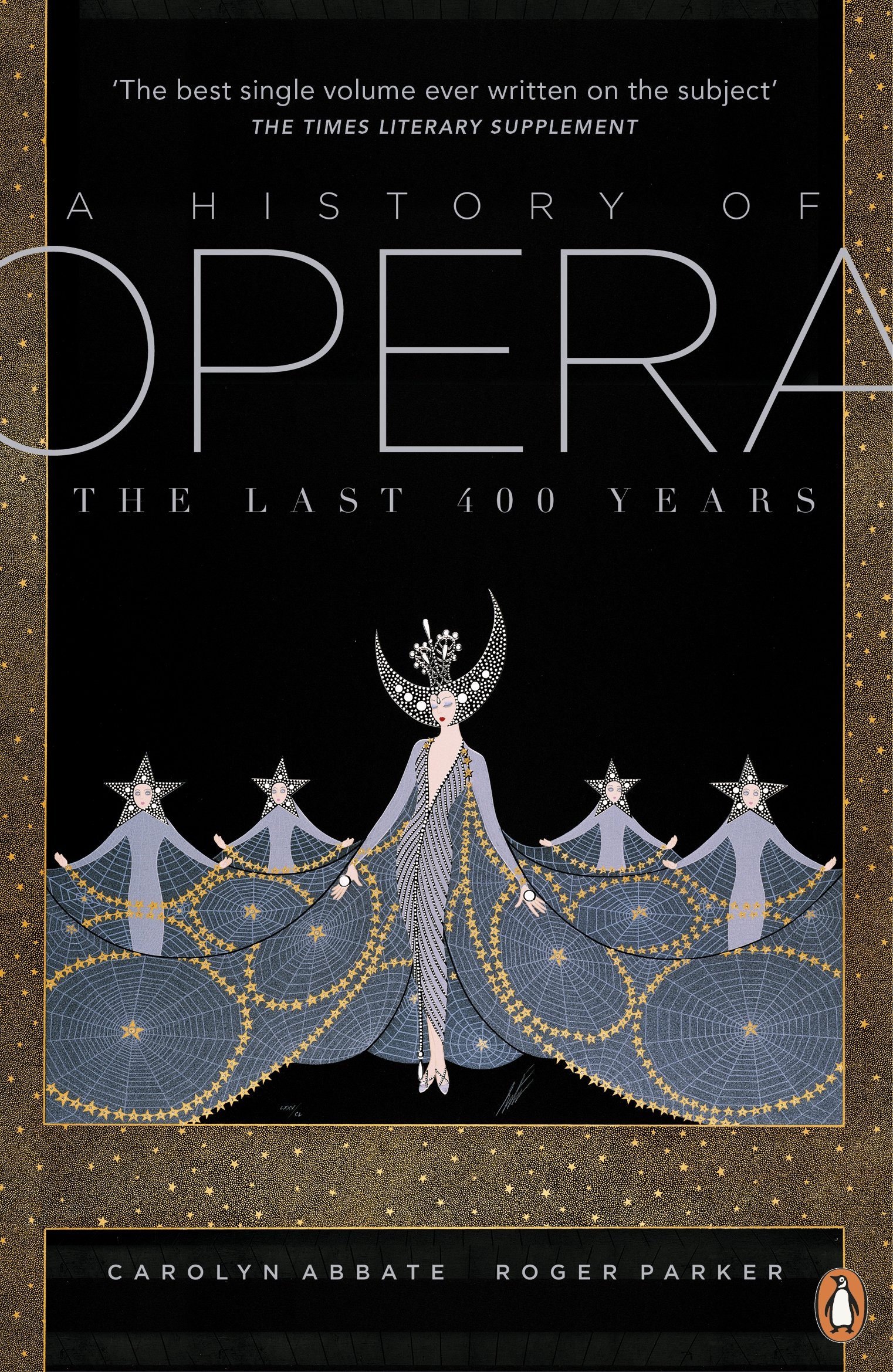
A History of Opera by Carolyn Abbate & Roger Parker Widely regarded as a definitive, scholarly survey of the form. Its verismo chapter helps place Giordano in broader operatic trends. The Guardian+15Reddit+15Encyclopedia Britannica+15

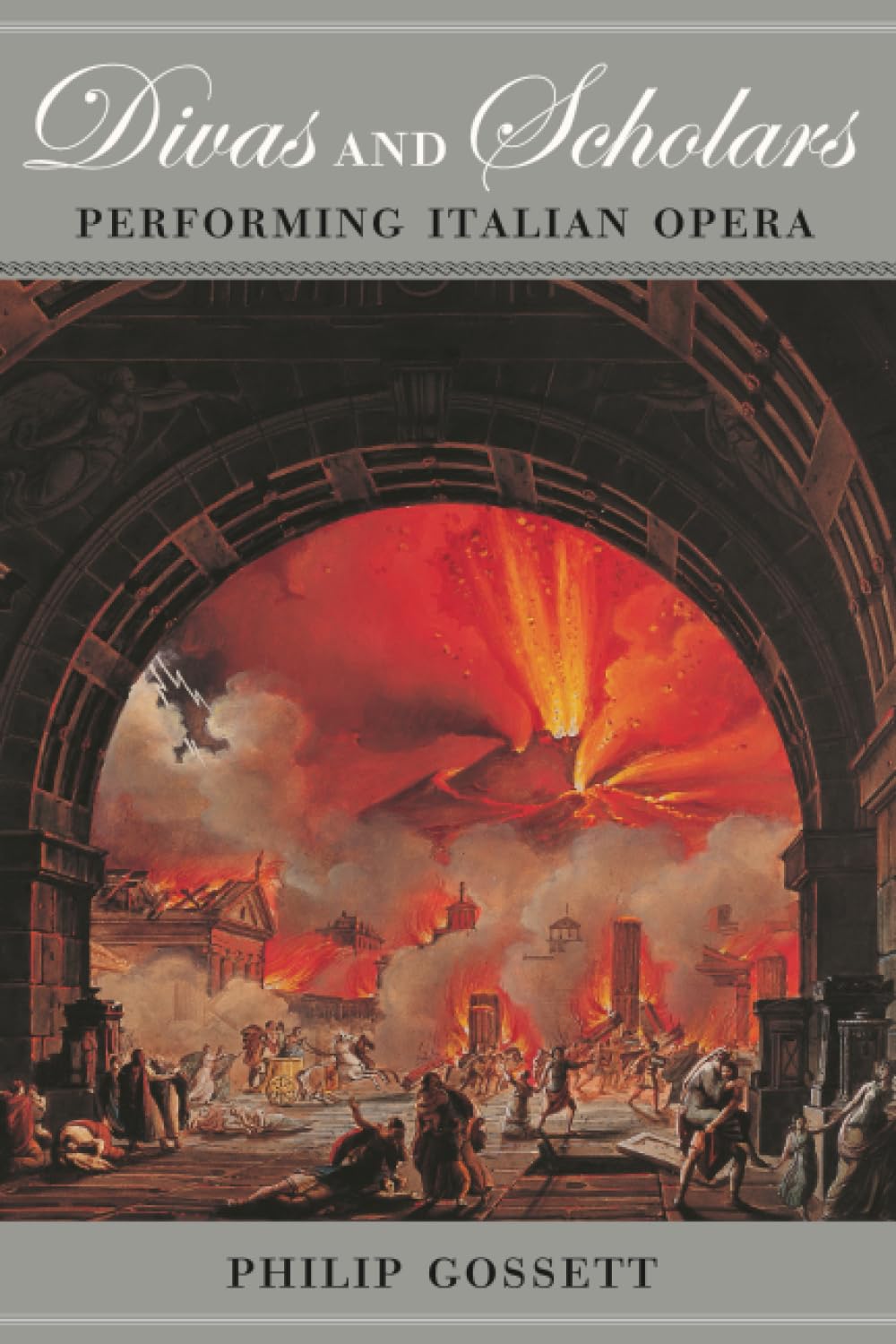
Divas and Scholars: Performing Italian Opera by Philip Gossett Part memoir, part cultural history, this book by one of opera studies’ leading authorities shines light on how opera is interpreted and brought to life—a perfect companion for singers tackling Giordano’s works.
To bring the voice of Italian opera to a wedding, recital, or private concert in London or across the UK, inquire here .
Explore More Insights on Opera & Vocal Mastery
#UmbertoGiordano #VerismoOpera #ItalianOperaComposer #AndreaChenier #ClassicalOperaLondon #OperaSingerUK #ItalianTenor #ClassicalOperaPerformance
- Umberto Giordano was a leading composer of the Italian verismo movement, known for dramatic realism and emotional vocal writing.
- His operas such as Andrea Chénier and Fedora demand powerful tenor phrasing, expressive detail and cinematic intensity.
- This article explores Giordano’s style, his legacy and the vocal challenges for modern opera performers.
Image credit: Public domain portrait of Umberto Giordano (1868–1948). Courtesy of Sinaloa Archivo Histórico via Flickr .