Booking Guides provides practical advice for planning unforgettable live opera performances at weddings, corporate events, private celebrations and exclusive occasions. Discover expert guidance on choosing repertoire, selecting the right performance style, understanding pricing and creating memorable experiences with professional live music.

In This Guide

Why Choose Live Opera?

Opera Repertoire for Different Occasions

Opera in Historic and Contemporary Venues

Opera Singer Fees & Pricing

Performance Arrangements & Packages

A Real Private Performance Example

Opera Singers for TV, Film & Advertising

How to Book an Opera Singer

Frequently Asked Questions

Explore More Insights on Opera & Vocal Mastery

Live opera brings a distinctive musical presence to weddings, private celebrations, gala dinners and corporate events. From a single aria to a carefully planned programme, an operatic performance can create a memorable moment for guests.

As a professional opera tenor based in London, I perform across the UK, working with hosts and event planners to tailor repertoire and performance arrangements to each occasion. This guide explores the benefits of live opera, repertoire choices, booking costs and opportunities in television, film and advertising.

For enquiries about a forthcoming event or production, you can contact me to discuss a performance.

The Distinctive Atmosphere of Live Opera

Opera brings centuries of musical tradition into a contemporary setting. Its expressive melodies, dramatic character and association with European cultural life make it particularly suited to private concerts, formal dinners, weddings and ceremonial occasions. Yet its appeal extends beyond historic surroundings: a carefully chosen performance can be equally effective in a modern London venue or an intimate private residence.

Unlike music intended to accompany conversation, a featured operatic performance invites guests to pause and listen. The atmosphere changes as attention turns towards the singer, creating a shared musical experience without necessarily requiring elaborate staging or production.

The Emotional Impact of the Operatic Voice

One of opera’s greatest strengths is its ability to communicate emotion through the human voice. Even when listeners are unfamiliar with the language or the story behind an aria, the relationship between melody, vocal expression and dramatic intensity can be immediately compelling.

When I perform pieces such as Nessun dorma or E lucevan le stelle, the response often comes from guests who have little previous experience of opera. A familiar melody may bring recognition, while a quieter passage can create an unexpectedly intimate moment. The effect depends not simply on vocal power, but on the choice of repertoire and its place within the occasion.

For weddings, anniversary celebrations, gala dinners and corporate events, this emotional range allows a performance to serve different purposes: marking an entrance, introducing a formal moment, providing a musical centrepiece or bringing an evening to a memorable close.

A Versatile Repertoire for Different Occasions

One of the advantages of booking a professional opera singer is the variety of music available. A programme can move from dramatic operatic arias to Italian songs, sacred music and familiar classical favourites, depending on the occasion and audience.

As a tenor, my repertoire includes works by Puccini, Verdi, Mascagni, Giordano and Bellini, alongside Neapolitan songs such as ’O sole mio, Core ’ngrato and Tu ca nun chiagne. For suitable occasions, programmes may also include crossover favourites such as Time to Say Goodbye and selected film music.

Repertoire is selected according to the setting, musical accompaniment and purpose of the performance. A wedding ceremony may call for a reflective piece, while a gala dinner or private celebration might benefit from a more dramatic programme with a recognisable finale.

Choosing the Right Moment for Live Opera

The timing of a performance can be as important as the music itself. Live opera works particularly well when guests are invited to focus on a shared moment, rather than when conversation and other activities are taking place.

Depending on the event, a performance might accompany a wedding ceremony, introduce a formal dinner, follow a speech, mark an anniversary or provide the musical highlight of a corporate celebration. Short appearances can be just as effective as longer programmes when they are thoughtfully placed within the schedule.

I work with hosts and event planners to coordinate repertoire, performance duration and practical arrangements, including entrances, speeches and technical cues where required. The aim is to make the music feel like a natural part of the occasion.

Opera in Historic and Contemporary Venues

From London townhouses and country estates to historic chapels and contemporary event spaces, live opera can be adapted to a wide range of venues. Each setting presents different considerations for acoustics, audience placement and accompaniment.

Some historic rooms provide a naturally resonant environment for an unamplified classical voice, while others have challenging reverberation or limited performance space. Outdoor venues, marquees and larger receptions may require discreet sound reinforcement to ensure clarity and balance.

For more detailed guidance on selecting historic locations and planning performances at castles, country houses and distinguished estates, explore my guide to opera events at historic venues across the UK and Europe.

Suggested Opera Repertoire for Different Event Moments

Different musical selections can suit different stages of an event. The examples below illustrate how repertoire might be arranged, with final choices depending on the occasion, venue and available accompaniment.

Event Moment Suggested Repertoire Musical Character
Ceremony / Entrance Ave Maria or a suitable classical selection Reflective and ceremonial, suited to a formal or intimate setting.
Drinks Reception Torna a Surriento / Core ’ngrato Warm and lyrical Italian songs, suitable for a short featured performance.
Dinner Performance E lucevan le stelle An intimate, dramatic aria best presented when guests can give the music their attention.
Key Highlight Moment Nessun dorma A powerful operatic climax suited to a significant moment in the programme.
Finale / Encore Time to Say Goodbye / Granada Recognisable, expansive repertoire for a celebratory conclusion.

Opera Singer Fees & Performance Formats in the UK

The cost of hiring an opera singer depends on the number of performers, musical accompaniment, performance duration, location and technical requirements. A solo tenor appearance may be suitable for an intimate celebration, while larger events may call for a pianist, additional singers or an instrumental ensemble.

The following indicative UK price ranges illustrate how different performance formats may be budgeted. They are planning estimates rather than fixed quotations.

Performance Format Typical Arrangement Suitable Occasions Indicative UK Fee
Professional Solo Tenor Featured vocal performance with suitable recorded accompaniment Private celebrations, receptions and short featured performances £500–£900+
Tenor with Pianist Live piano accompaniment for a classical vocal programme Private concerts, wedding ceremonies and formal dinners £900–£1,400+
Tenor with String Ensemble Vocal performance with a duo, trio or quartet, subject to suitable arrangements Gala evenings, private concerts and larger celebrations £1,200–£4,000+
Multiple Opera Singers Duets, ensembles or a programme featuring several voices Corporate events, gala dinners and themed performances £1,500–£5,000+
Large-Scale Production Expanded instrumental forces, multiple performers and production support Major private events and bespoke staged productions £3,000–£40,000+

Planning note: Fees vary with repertoire, rehearsal requirements, travel, venue access, sound equipment and the number of musicians involved. Larger productions require individual budgeting, and the ranges above should not be interpreted as guaranteed prices or availability.

For a private concert, wedding or corporate event, I can discuss the most suitable performance format and provide a quotation based on your plans. Enquire about availability and performance arrangements.

Opera Performance Arrangements for Private Events

Live opera can be arranged around a single important moment or presented as a longer musical programme. The most suitable format depends on the occasion, the number of guests, the venue and the role music will play within the event.

Performance Arrangement Typical Structure Suitable Occasions
Featured Aria One or two carefully selected pieces at a significant moment Wedding ceremonies, anniversary celebrations, formal entrances and special presentations
Short Opera Recital A focused programme of operatic arias and Italian songs Private concerts, drinks receptions, intimate gatherings and gala dinners
Two Performance Sets Two separate musical appearances coordinated with the event schedule Private celebrations, corporate dinners and events with several distinct stages
Bespoke Opera Programme An individually planned performance, with the option of additional singers or instrumental accompaniment Private concerts, larger celebrations, cultural events and specially commissioned occasions

Performance duration, repertoire and accompaniment are agreed individually. Musical appearances can be coordinated with speeches, dinner service and other elements of the programme, with appropriate time allowed for preparation and technical arrangements.

For indicative costs, see the opera singer pricing guide above. A personalised quotation can be provided once the event date, location and preferred performance arrangement are known.

A Real Performance Example: An Intimate Private Celebration

A private celebration in Cheltenham provides an example of how an operatic programme can be adapted to a smaller gathering. The event brought together approximately 20 guests for an evening that included a featured live vocal performance.

The repertoire combined operatic arias such as Una furtiva lagrima and E lucevan le stelle with Italian songs including Caruso, Core ’ngrato and ’O sole mio. More dramatic selections, including Nessun dorma, provided contrast within the programme.

For a gathering of this size, the practical priorities included choosing an appropriate performance position, preparing the sound equipment and ensuring that the musical programme suited the available space and event schedule.

This example illustrates an important consideration when hiring an opera singer: a memorable performance does not necessarily require a large venue or elaborate production. Repertoire, preparation and the relationship between performer and audience can be equally important.

Opera for International and Multicultural Audiences

Opera has a distinctive ability to communicate across linguistic and cultural boundaries. Although understanding the text can deepen the experience, the expressive qualities of the human voice, melody and musical phrasing allow listeners to respond to a performance without necessarily knowing the language.

This makes live opera particularly suitable for international weddings, diplomatic receptions, corporate gatherings and private celebrations bringing together guests from different countries. Familiar arias and Italian songs can provide a shared musical experience, while a carefully introduced lesser-known piece can offer something equally rewarding.

For events with an international audience, repertoire can be selected to balance musical character, accessibility and the preferences of the hosts. A short introduction to an aria or its dramatic context may also help guests appreciate the performance more fully.

The Value of an Experienced Opera Singer

Professional operatic performance requires years of vocal training, musical preparation and stage experience. For private events, this expertise extends beyond singing: an experienced performer must understand the venue, select appropriate repertoire, coordinate with organisers and adapt to the practical demands of the occasion.

Whether performing at a wedding, corporate dinner or private celebration, careful preparation helps ensure that the music is presented confidently and at the right moment. The quality of the experience depends not only on the voice, but also on musical judgement, reliability and attention to detail.

Opera Singers for Television, Film & Advertising

Professional opera singers are engaged for television commercials, feature films, advertising campaigns and other screen productions. Depending on the creative brief, an operatic performance may provide a dramatic focal point, contribute to a soundtrack or form part of a filmed scene.

Projects may require a singer to perform on camera, record vocals separately or synchronise a filmed performance with a pre-recorded track. Each approach presents different musical and technical requirements, particularly when coordinating with directors, sound engineers and camera crews.

My broadcast experience includes appearances on ITV and performances for Heart Radio, alongside professional engagements at private and corporate events. This experience informs my approach to musical preparation, presentation and working within a production schedule.

Performance and Production Requirements

For filmed productions, important considerations include repertoire selection, recording arrangements, rehearsal time, continuity between takes and the practical requirements of the location. Where a performance involves synchronisation with recorded music, the vocal and visual elements should be planned together.

Commercial projects may also involve separate agreements covering performance fees, recording rights and the use of the singer’s voice or likeness. The intended media, territories, campaign duration and any exclusivity requirements should be established before confirming the engagement. Rights relating to the musical composition and any existing recordings may require separate clearance.

For television, film or advertising enquiries, production companies and casting teams are welcome to contact me to discuss availability, repertoire and production requirements. Providing the proposed filming dates, location, creative brief and intended use of the performance will help establish a suitable arrangement.

A Memorable Musical Finale

A well-chosen finale can bring a performance to a satisfying conclusion. Familiar pieces such as Granada, Funiculì, Funiculà or Nessun dorma offer contrasting possibilities, from lively Italian song to a dramatic operatic climax.

The choice depends on the character of the occasion. A celebratory song may suit a private party, while a more dramatic aria can provide a fitting conclusion to a formal dinner or concert. When coordinated with the event schedule, the final performance can also provide a natural transition into speeches, dancing or the next part of the evening.

How to Book an Opera Singer in London and the UK

Opera singers can be booked directly, through an entertainment agency or with the assistance of an event planner. The most suitable approach depends on the scale of the occasion and the level of coordination required.

Booking directly with a singer allows you to discuss repertoire, performance arrangements, accompaniment and practical requirements without an intermediary. For private concerts, weddings and corporate events, I work directly with clients and organisers to plan performances around the occasion.

To enquire about a performance, please contact me with your event date, location and preferred musical arrangements. These details provide a useful starting point for discussing availability and preparing a quotation.

Booking Through Entertainment Agencies

For events involving several performers or wider entertainment requirements, specialist agencies can provide an alternative booking route. UK agencies and platforms offering live entertainment services include:

Musician Booking Platforms

Online musician booking platforms offer another way to explore available performers and compare different musical arrangements.

  • Last Minute Musicians – A UK platform for finding and booking musicians for private events, weddings and corporate occasions.
  • Encore Musicians – A booking platform connecting clients with musicians and ensembles across the UK.

Frequently Asked Questions About Hiring Opera Singers

How far in advance should I book an opera singer?

For weddings and events on popular dates, booking several months ahead is advisable, particularly when live accompaniment or additional musicians are required. Short-notice bookings may also be possible, depending on availability and the arrangements involved.

What types of events are suitable for live opera?

Opera can be arranged for weddings, private celebrations, gala dinners, corporate events, charity functions and private concerts. Professional opera singers may also be engaged for television, film and advertising productions.

Can the repertoire be tailored to my event?

Yes. Repertoire can be selected according to the occasion, venue and audience. Programmes may include operatic arias, Italian songs, sacred music and selected classical crossover pieces, subject to the singer’s repertoire and the available accompaniment.

Will the performance require microphones or amplification?

Not necessarily. A trained operatic voice can often be heard without amplification in a suitable indoor acoustic. Larger spaces, outdoor locations and venues with significant background noise may require sound reinforcement. The arrangements should be assessed before the event.

Is opera suitable for a small private gathering?

Yes. A short recital or featured performance can work particularly well for an intimate dinner or private celebration. The repertoire, accompaniment and performance position should be appropriate for the size and acoustics of the room.

Do guests need to understand Italian or be familiar with opera?

No previous knowledge is necessary. Melody, vocal expression and musical character can make a performance engaging even when guests do not understand the original language. Brief introductions to selected pieces can provide additional context.

Can opera be included in a corporate event or brand launch?

Yes. A featured operatic performance can be incorporated into a corporate dinner, awards ceremony, product presentation or private brand event. Repertoire and timing should be coordinated with the organiser and any technical production team.

How long does a typical opera performance last?

Performance duration depends on the occasion. Options include a single featured aria, a short recital, two separate musical sets or a longer programme. The structure is agreed in advance to suit the event schedule and musical requirements.

Can an opera singer perform outdoors?

Yes, provided the conditions are suitable. Outdoor performances require consideration of weather protection, wind, temperature, power supply and sound equipment. A covered performance area and an appropriate contingency plan are advisable.

Do you perform outside London?

Yes. I am based in London and accept performance enquiries from across the UK, including England, Scotland and Wales, as well as selected international engagements. Travel and other logistical requirements are discussed when preparing a quotation.

How can I enquire about availability and fees?

Please provide your event date, location, type of occasion and any initial repertoire or performance preferences. I can then discuss availability, suitable arrangements and a quotation based on your requirements.

Contact me about a performance.

Amazon Affiliate Disclosure: As an Amazon Associate I earn from qualifying purchases.

Event Management & Hosting Essentials for UK Luxury Events

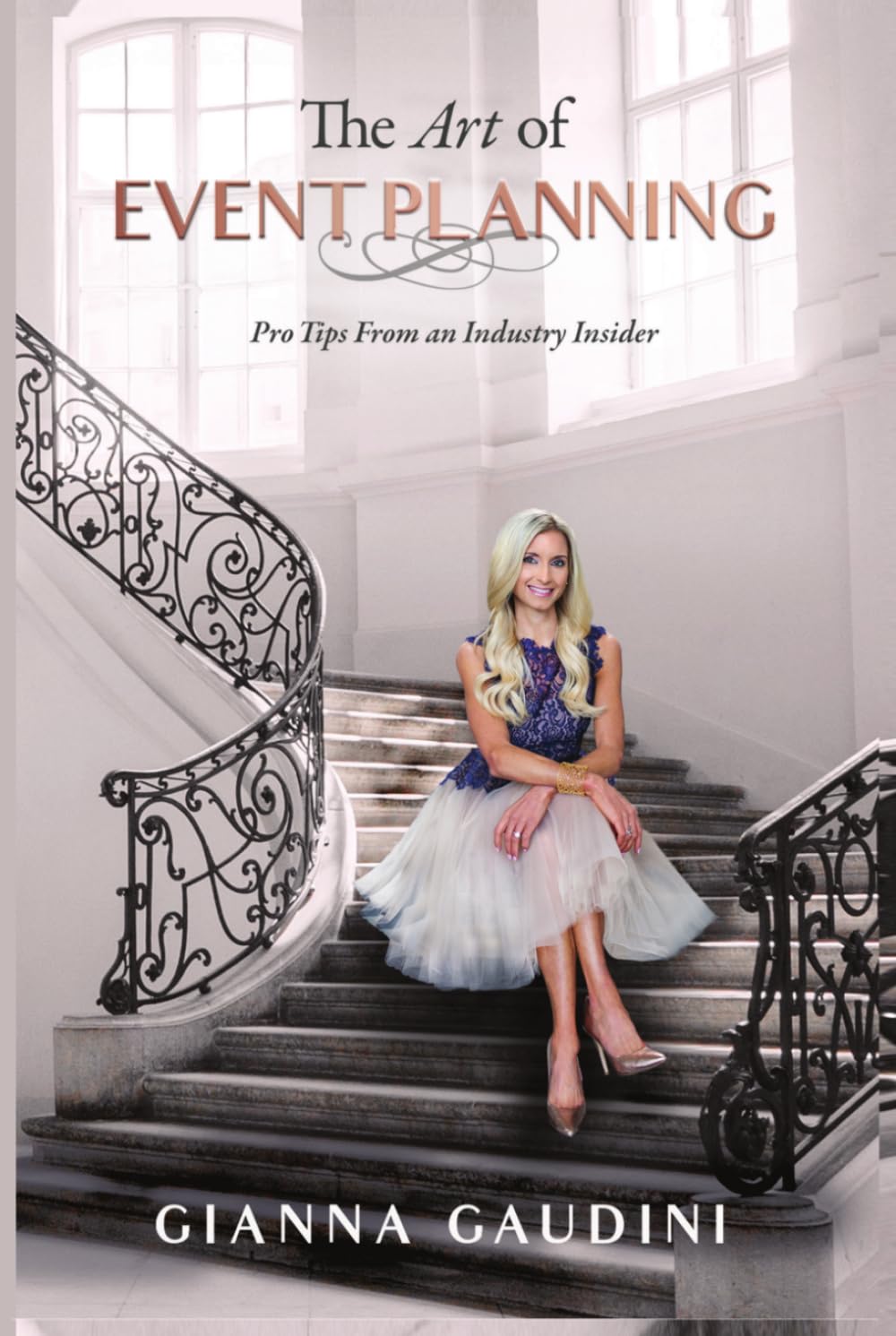
The Art of Event Planning – Gianna Gaudini offers practical guidance on organising events, covering budgets, timelines, team coordination and the details of successful event delivery.
Event Design Handbook – Roel Frissen, Ruud Janssen & Dennis Luijer introduces the EventCanvas methodology, a structured approach to designing events around audience needs and experiences.

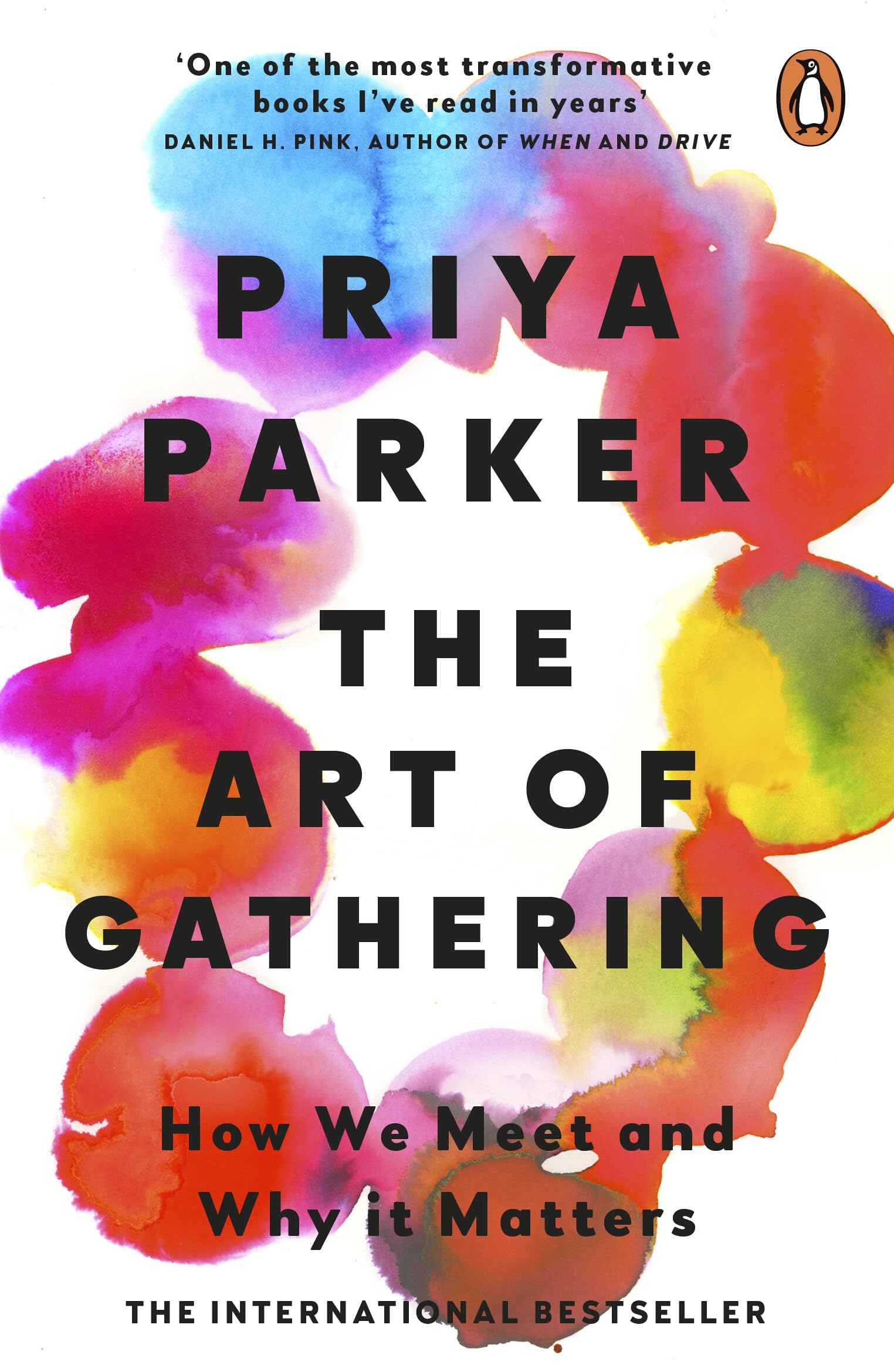
The Art of Gathering – Priya Parker explores how thoughtful planning, clear purpose and meaningful interaction can make gatherings more engaging and memorable.
Opera & Performance in the UK and Beyond

Opera 101: A Complete Guide to Learning and Loving Opera – Fred Plotkin provides an accessible introduction to opera, explaining its music, composers, performers and theatrical traditions.

The Penguin Concise Guide to Opera – Amanda Holden (Editor) is a compact reference covering major operas, composers and storylines, useful for readers exploring the repertoire.

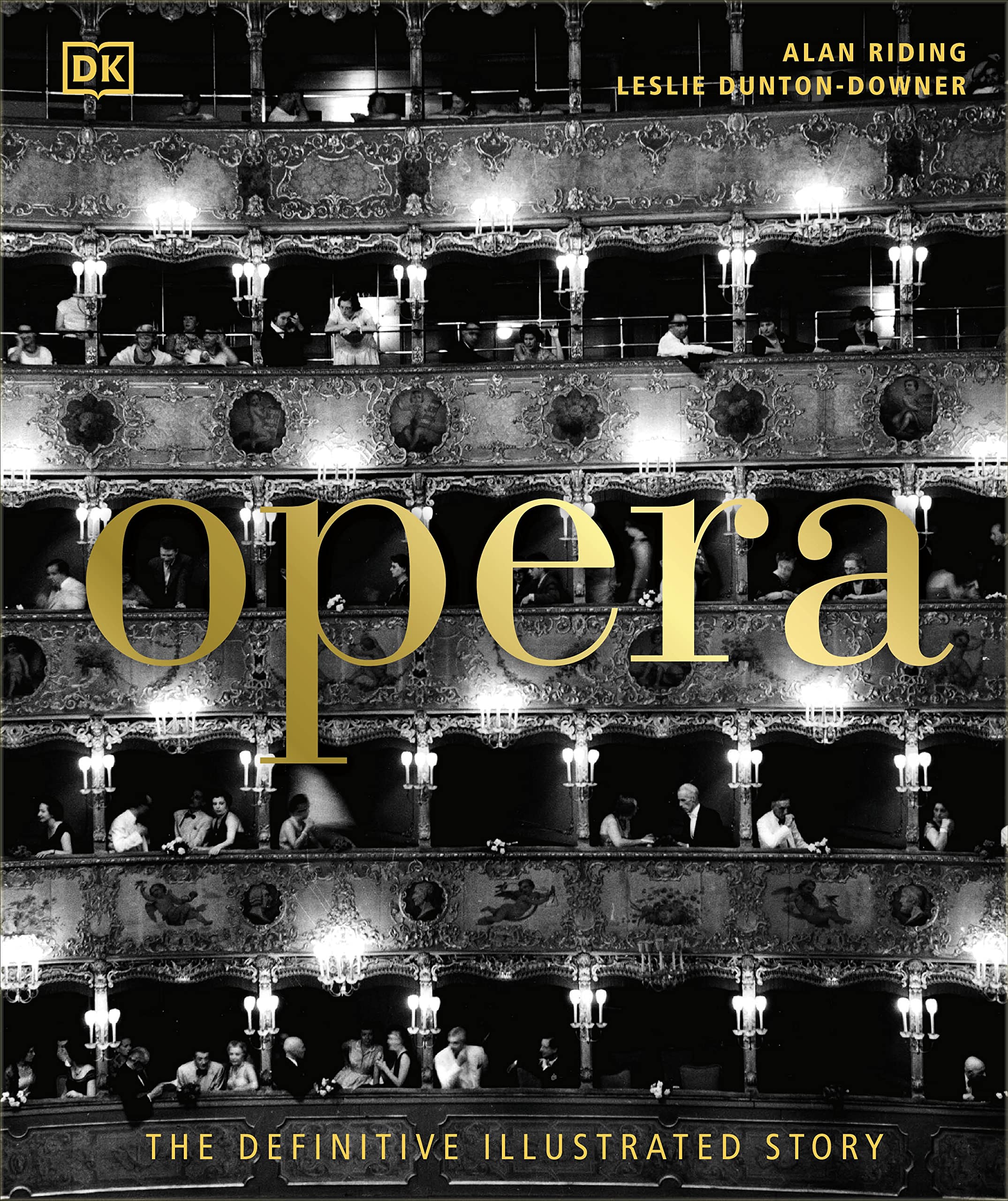
Opera: The Definitive Illustrated Story – DK Publishing traces the development of opera through historical commentary, photographs and illustrations of notable productions and performers.
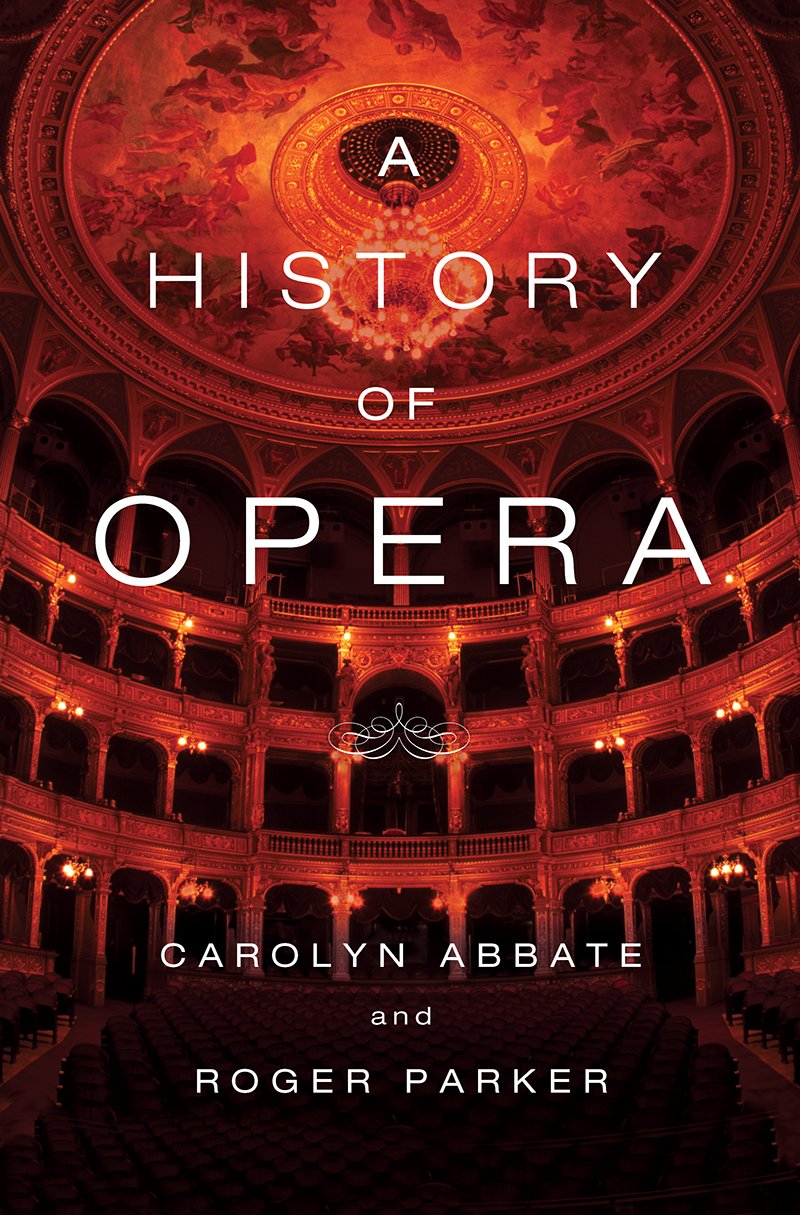
The History of Opera – Carolyn Abbate & Roger Parker examines the evolution of opera, its musical traditions and its relationship with European cultural and social history.
Luxury Event Culture in Britain

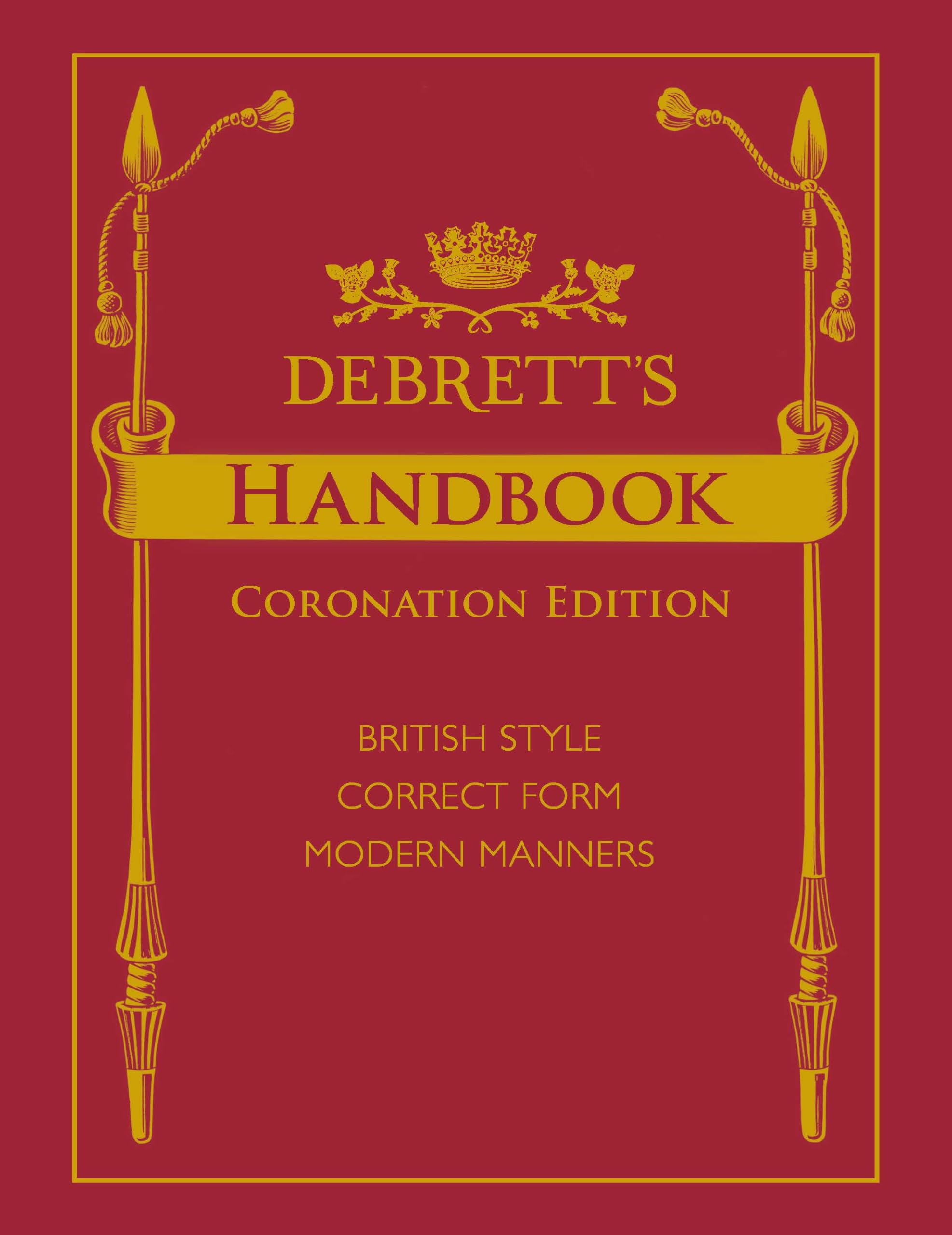
Debrett’s Handbook Coronation Edition – Elizabeth Wyse (Editor) provides guidance on British etiquette, social conventions, formal occasions and contemporary manners.
Gorgeous Gatherings: Designing Unforgettable Weddings and Events – Alison Hotchkiss explores event design through photography and practical ideas for creating distinctive weddings and celebrations.

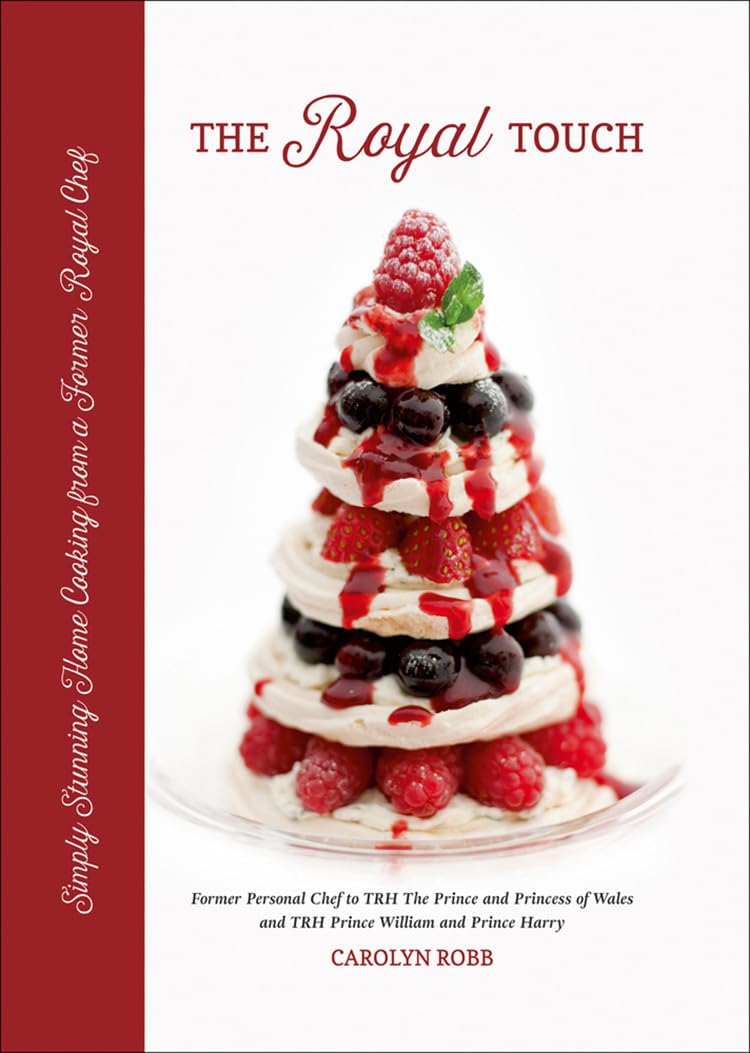
The Royal Touch: Simply Stunning Home Cooking from a Royal Chef combines recipes and insights from royal kitchens, offering inspiration for entertaining and hospitality.
Heritage & Architectural Venues in the UK

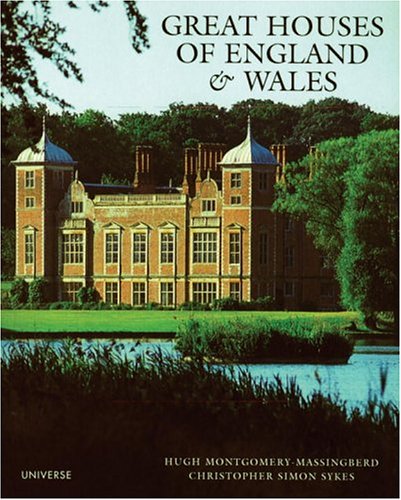
Great Houses of England & Wales explores historic country houses and estates, offering an introduction to Britain’s architectural and cultural heritage.
Historic Houses of the United Kingdom presents Britain’s historic residences and their architectural character, providing inspiration for those interested in heritage venues.

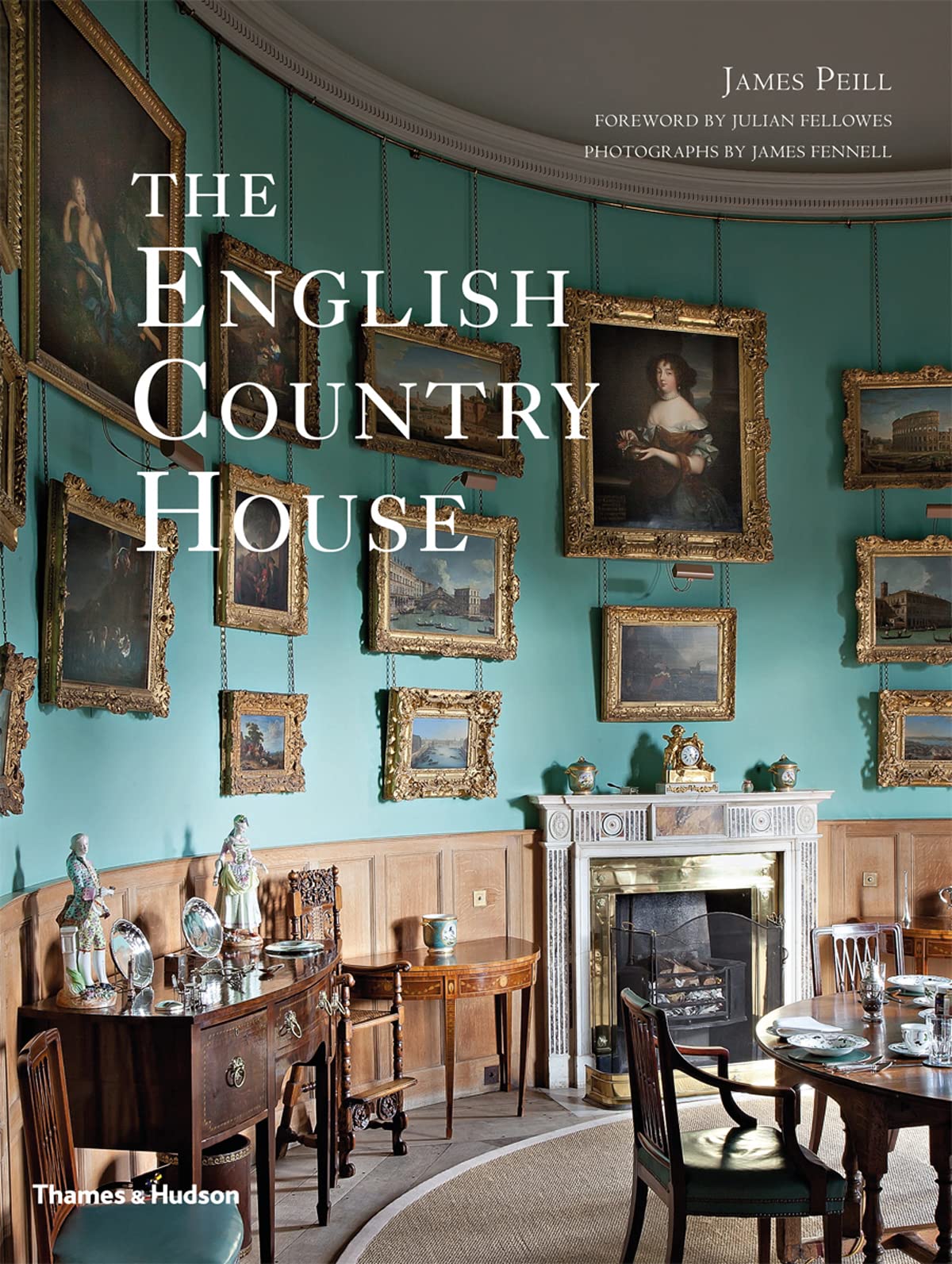
The English Country House – James Peill explores the architecture, interiors and traditions of English country houses through photography and historical commentary.
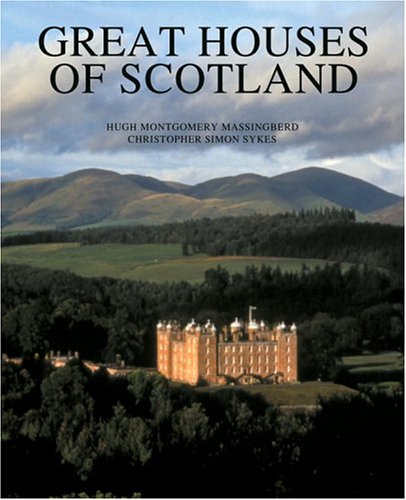
Great Houses of Scotland introduces Scotland’s historic estates and country houses, highlighting their architectural heritage and distinctive settings.
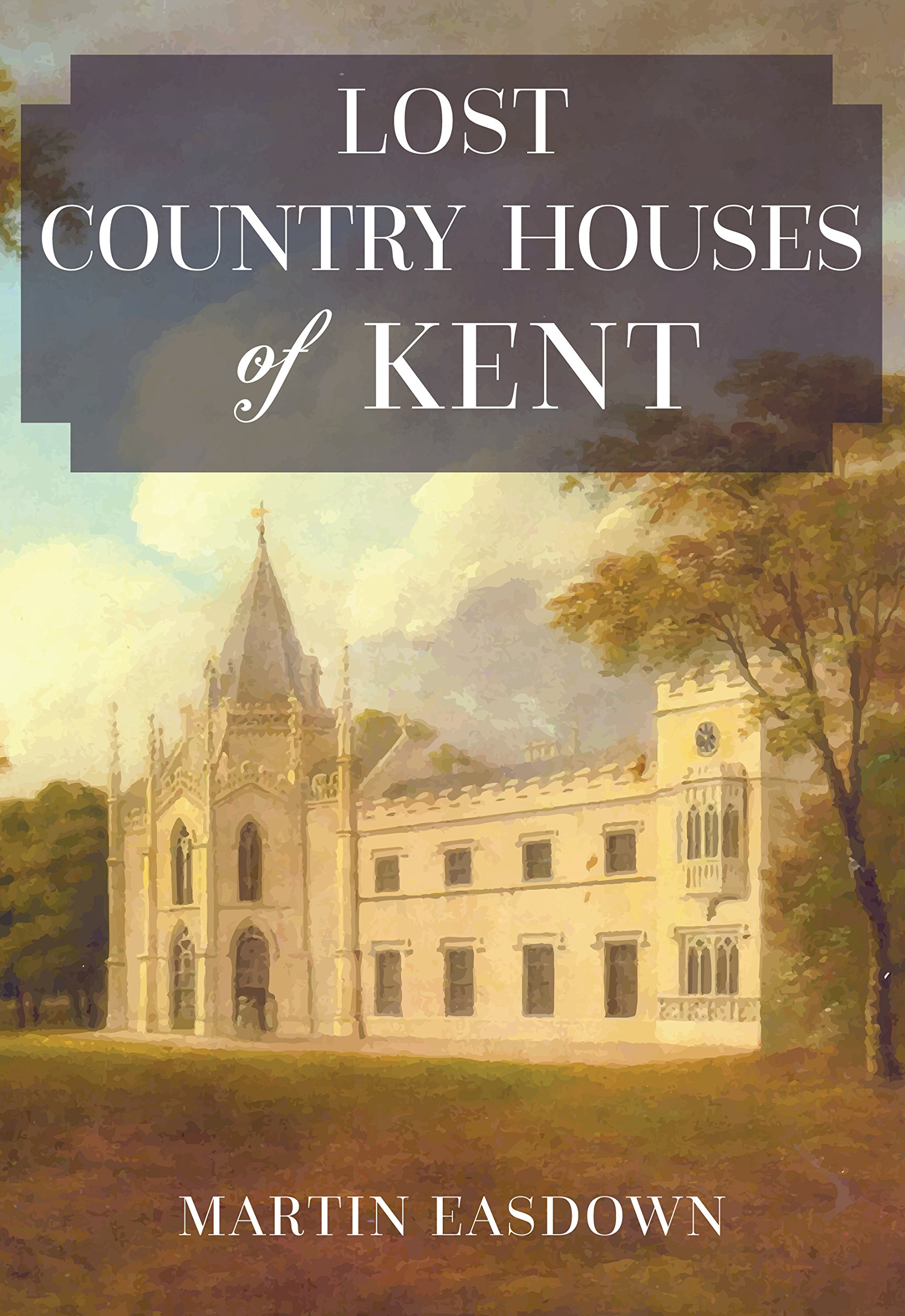
Lost Country Houses of Kent – Martin Easdown examines the history of Kent’s vanished country houses, documenting an important part of the county’s architectural past.
Explore More Insights on Opera & Vocal Mastery

Contents

Hiring an opera singer for a wedding, private celebration, gala dinner or corporate event involves more than choosing a performer. The repertoire, accompaniment, performance format and timing all influence how successfully live opera becomes part of the occasion.

Drawing on my professional experience performing in London, across the UK and internationally, this guide explains how to choose an opera singer, understand performance fees, select suitable repertoire and accompaniment, and arrange the practical details of a booking — from initial enquiry to venue requirements and performance preparation.

Planning Your Opera Performance: Where to Start

Before choosing a singer or repertoire, consider what role live opera should play within your event. A single aria during a wedding ceremony, a surprise performance at a private dinner and two featured sets at a gala each require different arrangements.

From my experience, some of the most rewarding performances begin with thoughtful conversations well before the event. When there is sufficient time to discuss the repertoire, the audience, the venue and the practical arrangements in detail, I can develop a programme that reflects the client’s wishes. This personal collaboration often makes the experience more satisfying for everyone involved.

EventPerformance Format to ConsiderImportant Planning Question
Wedding ceremonyOne or several carefully chosen piecesAt which moments in the ceremony should the singer perform?
Private dinnerShort feature performance or surprise setWhen can service pause so guests can focus on the performance?
Gala dinnerOne or two featured setsHow will the performance fit around dinner, speeches and other entertainment?
Surprise performanceHigh-impact short setWho will give the performance cue and how will the entrance be coordinated?
Corporate eventFeatured performance or finaleWhat atmosphere and audience response should the performance create?
Outdoor celebrationFeatured set with suitable sound supportWhat is the alternative plan if weather or acoustics make the original arrangement impractical?

You do not need to finalise every detail before making an enquiry. Providing the event date, venue, approximate guest numbers and type of occasion is usually enough to discuss suitable performance formats, repertoire and accompaniment.

Booking Directly & Through Professional Music Platforms

Opera singers can be booked directly or through professional music agencies and entertainment platforms. For a bespoke performance, contacting the singer directly allows you to discuss availability, repertoire, accompaniment and event requirements before receiving a tailored quotation.

I accept booking enquiries directly through this website and maintain a professional presence on selected UK and international platforms, including Last Minute Musicians, Encore Musicians, Entertainers Worldwide, Music for London, Freak Music, FixTheMusic and Scarlett Entertainment.

Whether booking directly or through an agency, confirm the performance arrangements, fees, accompaniment, cancellation terms and any travel or technical requirements before finalising the engagement.

Choosing the Right Opera Performance Format

In my experience, choosing the right performance format begins with a detailed conversation about the venue, the number of guests, the atmosphere of the occasion and, above all, the client’s expectations. These considerations have a significant influence on how I approach the musical programme and its presentation. A larger ensemble is not necessarily more effective: a carefully planned solo performance, shaped around the setting and the audience, can create an equally memorable experience.

Performance FormatParticularly Suited ToPlanning Considerations
Solo singer with backing tracksSurprise performances, private dinners, smaller weddings and venues with limited spaceRequires suitable playback and, depending on the room or outdoor setting, appropriate amplification.
Opera singer with pianistWedding ceremonies, private recitals, formal dinners and intimate eventsCheck whether the venue has a suitable piano or whether an instrument needs to be provided.
Two or more opera singersGalas, milestone celebrations and events where duets or ensemble repertoire are part of the programmeAdditional rehearsal, performance space and musical coordination may be required.
Singer with chamber ensembleLarge weddings, gala dinners, historic venues and more substantial musical programmesAllow for additional musicians, rehearsal time, space, access and production requirements.
Short feature performanceDinners, awards, corporate events and surprise appearancesThe timing and cue are particularly important because the performance is designed around one focal moment.

One Featured Performance or Several Sets?

A single featured performance is often sufficient for a wedding, private dinner or surprise appearance. For a longer celebration, two shorter sets can offer greater musical variety, perhaps beginning with lyrical repertoire and concluding with a more dramatic programme. The choice should reflect the event schedule, the audience and the intended role of the music.

How Much Does It Cost to Hire an Opera Singer?

The cost of hiring an opera singer in London and across the UK depends on the singer’s professional experience, performance format, accompaniment, location and event requirements. Fees reflect not only the time spent performing, but also preparation, repertoire, musical expertise and the coordination needed to deliver a successful performance.

Performance LevelTypical CostWhat to Expect
Professional Opera Singer£500–£900+Experienced, professionally trained singer for weddings, private celebrations and corporate events, with repertoire selected to suit the occasion.
Premium / Bespoke Performance£900–£3,000+Tailored performances for private estates, gala dinners, luxury weddings and destination events. Pricing may include bespoke programming, additional performance sets, live accompaniment, travel or more complex event requirements.

These figures are indicative rather than fixed fees. The final quotation depends on the individual singer, duration, accompaniment, location and specific requirements of the event.

What Influences the Cost?

  • Experience & Training: Conservatoire training, professional performance experience, specialist repertoire and reliability all contribute to a singer’s fee.
  • Performance Format & Duration: A single featured aria, a short surprise performance and several sets throughout an event involve different levels of preparation and commitment.
  • Accompaniment: Orchestral backing tracks can provide a practical option, while hiring a pianist, additional singers, string players or a chamber ensemble increases the overall cost.
  • Location & Travel: Performances outside London or at destination events may involve additional transport, accommodation and scheduling costs.
  • Repertoire & Special Requests: Bespoke arrangements, unfamiliar repertoire or additional rehearsal requirements may affect the quotation.
  • Event Schedule & Production Requirements: Soundchecks, rehearsals, extended waiting periods, multiple performance moments and coordination with the venue or production team can influence the fee.

From My Experience

In my experience, the value of a professional opera performance cannot be measured by its duration alone. A single aria performed at the right moment can be more effective than a longer programme. Preparation, vocal quality, reliability and the ability to coordinate with the event schedule are all important considerations when choosing a singer.

For an initial quotation, the event date, venue, approximate guest numbers and preferred performance format are usually sufficient. Repertoire, accompaniment and other practical arrangements can then be discussed before confirming the booking.

Choosing the Right Opera Singer Voice for Your Event

You do not need to know which operatic voice type to choose before making an enquiry. The most suitable singer depends on the repertoire, musical character of the occasion and whether the performance involves solo arias, duets or ensemble music. Each voice type offers a distinctive vocal colour and range of repertoire.

Voice TypeVocal CharacterRepertoire & Event Context
SopranoHigher female voice, ranging from light and brilliant to rich and dramaticPopular for wedding ceremonies, lyrical repertoire and familiar arias such as O mio babbino caro.
Mezzo-SopranoGenerally warmer and darker in colour than a sopranoWell suited to expressive and dramatic repertoire, including music associated with roles such as Carmen.
ContraltoLowest and comparatively rare female voice typeParticularly associated with lower-lying repertoire and can be effective in sacred, Baroque and dramatic programmes.
TenorHigher male voice, often brilliant, lyrical or dramatic in characterCentral to much Italian and French operatic repertoire, including famous arias by Puccini, Verdi and Donizetti. Particularly effective when a programme is intended to build towards a powerful operatic finale.
BaritoneMiddle male voice, combining depth with considerable flexibilityOffers a broad repertoire ranging from lyrical songs and operatic arias to energetic character pieces.
BassLowest male voice, typically characterised by depth and resonanceWell suited to repertoire requiring vocal weight, authority or gravitas, as well as a wide range of comic and character roles.
Classical Crossover (Performance Style)Classically influenced singing incorporating popular musical stylesAn option for programmes combining opera, Italian songs, musical theatre or familiar contemporary repertoire for a mixed audience.

Do You Need to Choose the Voice Type Yourself?

Opera singer performing with an orchestra at a classical music event.

If you have a favourite aria in mind, the choice may be straightforward. Nessun dorma, for example, is written for tenor, while O mio babbino caro is a soprano aria. Otherwise, an experienced singer can recommend repertoire suited to the occasion, helping you choose the musical character of the performance without needing specialist knowledge of operatic voices.

Choosing Opera Repertoire for Your Event

The most suitable repertoire depends on the occasion, audience and atmosphere you wish to create. A wedding ceremony may call for lyrical, intimate music, while a gala dinner or private celebration can accommodate more dramatic opera. A carefully planned programme may also combine operatic arias, Italian songs and familiar classical crossover repertoire.

Musical CharacterExamples of RepertoireWhere It Can Work Particularly Well
Elegant & ClassicalMozart and other Classical-period repertoireWedding ceremonies, formal receptions, intimate concerts and elegant private gatherings
Lyrical & RomanticBellini, Donizetti and lyrical Italian operaWeddings, private dinners and occasions where warmth and intimacy are more important than sheer dramatic impact
Dramatic Italian OperaPuccini, Verdi, Mascagni and other dramatic Italian repertoireGala dinners, celebrations and featured performances where the programme can build towards a powerful climax
Sacred & CeremonialSacred songs, oratorio and appropriate classical repertoireChurch weddings, memorials and formal ceremonies, subject to the setting and any requirements of the venue or officiant
Italian Songs & Familiar FavouritesNeapolitan songs and internationally recognised Italian repertoirePrivate celebrations, Italian-themed events and programmes designed for a broad audience
Classical CrossoverOpera alongside familiar classical and contemporary songsWeddings, corporate events and mixed programmes where guests may have very different musical tastes

Building a Programme Around the Event

In my experience, contrast and musical progression are more effective than selecting several pieces of similar character. A short programme might begin with a lyrical aria, introduce a familiar Italian song and conclude with a more dramatic piece. The choice should also take account of the venue’s acoustics, accompaniment and audience, rather than relying solely on the popularity of individual arias.

For further inspiration, explore my guide to Italian opera arias and Neapolitan songs for special events.

Choosing the Best Moment for an Opera Performance

The timing of an opera performance can be as important as the repertoire itself. Opera is generally most effective when guests can give the music their attention, rather than treating it as background entertainment. The ideal moment depends on the event schedule, catering arrangements and the atmosphere you wish to create.

EventPerformance Moment to ConsiderPlanning Consideration
Wedding CeremonyEntrance, signing of the register or conclusion of the ceremonyConfirm the exact musical cues with the officiant, venue and any other musicians.
Wedding ReceptionAfter dinner, before speeches or as a surprise for guestsChoose a point when guests are seated or gathered and service can pause.
Private DinnerBetween courses or after the main courseAvoid competing with serving, clearing plates or significant movement around the room.
Gala DinnerAs a featured performance between scheduled elementsCoordinate the performance with speeches, awards, catering and other entertainment.
Corporate EventOpening feature, transition or finaleConsider what should happen immediately before and after the performance.
Surprise PerformanceAt a pre-arranged moment once guests are in positionA clear cue and reliable point of contact are essential so the surprise is not revealed prematurely.

Allow for Changes to the Schedule

Event schedules can change: speeches overrun, dinner service takes longer than expected or guests move between rooms. I recommend appointing one contact, such as an event planner or venue manager, who can coordinate any adjustments and give the singer a clear performance cue when the room is ready. This allows the performance to remain flexible without disrupting the event.

How Far in Advance Should You Book an Opera Singer?

I recommend enquiring once your event date and venue are reasonably certain, particularly for weddings, gala dinners and performances involving additional musicians. Booking several months ahead generally provides greater flexibility when arranging availability, repertoire and accompaniment, although shorter-notice bookings may also be possible.

Type of BookingWhen to EnquireWhy Earlier Planning Helps
Wedding or Private EventIdeally several months in advancePopular dates, particularly Saturdays and peak wedding periods, can become unavailable well ahead of the event.
Gala or Corporate EventSeveral months in advance where possibleAllows time to coordinate the performance with the venue, production schedule, speeches and other entertainment.
Performance with Pianist or Additional MusiciansAs early as practicalAvailability must be coordinated across several performers and additional rehearsal or technical arrangements may be required.
Destination EventPreferably several months in advanceTravel, accommodation, local venue requirements and scheduling may need to be arranged alongside the performance itself.
Last-Minute BookingEnquire even if the event is only days or weeks awayProfessional singers may still have availability, particularly for a straightforward solo performance with established repertoire.

If your event is approaching, it is still worth enquiring. A solo performance with established repertoire may be arranged at relatively short notice, subject to availability. Bookings involving additional performers, bespoke arrangements or international travel generally require more preparation.

Accompaniment Options: Piano, Backing Tracks or Live Ensemble?

Grand piano used to accompany a live classical vocal performance

Accompaniment influences both the musical character and practical requirements of an opera performance. Live piano offers flexibility and close musical collaboration, while orchestral backing tracks make larger-scale repertoire possible without requiring additional musicians. Chamber ensembles can provide a more substantial concert experience.

AccompanimentParticularly Suited ToWhat to Consider
Professional Backing TracksSurprise performances, private dinners, weddings, corporate events and venues with limited performance spaceRequires reliable playback and, depending on the venue, suitable amplification. The sound system and performance position should be agreed in advance.
Live PianistWedding ceremonies, recitals, private dinners and events where a completely live musical presentation is preferredCheck whether the venue has a suitable, well-maintained piano. If not, an appropriate digital piano or other instrument may need to be arranged.
Piano & Additional MusiciansGala dinners, larger weddings and more substantial musical programmesAdditional space, rehearsal time, seating, music stands and coordination may be required.
Chamber EnsemblePrestigious venues, formal celebrations, private concerts and events where music is a major part of the programmeAllow for a larger performance area, additional musicians, rehearsal or soundcheck time and more detailed venue coordination.

Backing Tracks or Live Piano?

Grand piano in an elegant recital room with chandeliers

For recital-style performances, I particularly value the flexibility of live piano. A skilled accompanist can respond to the singer’s phrasing, tempo and expression in real time, allowing the music to develop naturally.

Orchestral backing tracks offer a different advantage: they allow familiar operatic repertoire to be presented with a fuller instrumental sound, particularly for short featured performances or venues where live accompaniment is impractical.

Check the Venue Before Deciding

For live piano, confirm that the venue has a suitable instrument, that it is in good playing condition and that its position works for the performance. For backing tracks or amplified singing, establish the available sound equipment, power supply, performance position and arrangements for a soundcheck. These details can usually be resolved with the venue or event planner before the booking is finalised.

Orchestra performing classical music in a concert setting

For events where music is a central feature, additional instrumentalists or a chamber ensemble can offer greater variety and a richer live musical experience. This requires more planning, including musician availability, rehearsal arrangements and adequate performance space.

Venue, Acoustics & Technical Requirements

The venue influences how an opera performance should be presented. Room acoustics, audience size, performance position and accompaniment determine whether the voice can project naturally or whether amplification is appropriate.

Discussing these details with the singer and venue in advance helps ensure that the performance is both musically effective and straightforward to coordinate.

Professional orchestra during rehearsal for a live classical performance.

Will the Singer Need Amplification?

Opera singers are trained to project without microphones, and a solo voice can carry naturally in a suitable indoor space. Amplification may nevertheless be useful outdoors, in acoustically challenging venues or when performing with orchestral backing tracks. The decision should be based on the room’s acoustics and performance conditions, not simply the number of guests.

Performance Position & Sightlines

Guests should be able to see and hear the singer clearly without interference from catering, conversation or movement around the venue. Staircases, balconies and dramatic entrances can create memorable performance settings, but the acoustics, accessibility and safety of the chosen position should take priority over visual impact alone.

Soundcheck & Setup

Performances involving microphones, backing tracks or additional musicians require sufficient access for equipment setup and a soundcheck. A straightforward acoustic performance may need less preparation, but the arrangements should always reflect the particular venue and musical requirements.

Changing & Warm-Up Space

Ideally, the venue should provide a private, reasonably quiet room where the singer can change, prepare and warm up before performing. This is especially helpful for events involving early arrival, extended waiting periods or several performance sets.

Outdoor Performances

Outdoor performances require particular attention to acoustics, amplification and weather. Without the natural reflections of an indoor room, even a small audience may benefit from sound reinforcement. I recommend agreeing on an indoor or suitably covered alternative in advance, particularly where rain, wind or electrical equipment could affect the performance.

Useful Questions to Ask Your Venue

  • Where will the performance take place, and how large is the space?
  • Is live music and, where required, amplification permitted?
  • Is there a suitable piano or professional sound system available?
  • When can the singer or musicians access the performance area for setup or a soundcheck?
  • Is there a private room available for changing and warming up?
  • Who will be the venue contact on the day?
  • If the performance is outdoors, what is the alternative in poor weather?

You do not need to resolve every technical detail before making an enquiry. Once the venue and performance format are known, I can advise on the requirements and coordinate arrangements with the venue or event planner where necessary.

Explore opera performances in castles, historic venues and private event settings

How to Personalise Your Opera Programme

In my experience, a successful opera programme begins with understanding what the client hopes to achieve. The atmosphere of the occasion, the musical preferences of the host, the audience and the venue all influence my choice of repertoire.

I particularly value the opportunity to discuss these details well in advance. Whether the programme centres on Italian opera, Neapolitan songs, romantic arias or familiar classical crossover repertoire, thoughtful preparation allows me to create a performance that feels personal to the occasion.

Opera performance in a theatre with orchestra and audience.

Examples from My Repertoire

Depending on the occasion, accompaniment and musical character of the event, I may recommend a selection of the following works:

  • Nessun dorma — Puccini: a powerful aria that can work particularly well as a finale.
  • E lucevan le stelle — Puccini: darker and more introspective, suited to a programme where dramatic contrast is important.
  • Recondita armonia — Puccini: lyrical Italian repertoire that can work effectively earlier in an operatic programme.
  • Donna non vidi mai — Puccini: expansive and romantic, particularly appropriate where a lyrical character is wanted.
  • Una furtiva lagrima — Donizetti: intimate bel canto repertoire for a quieter and more expressive moment.
  • ‘O sole mio — Di Capua: a familiar Neapolitan song that can introduce a warmer and more informal Italian character.
  • Con te partirò (Time to Say Goodbye) — Sartori: a familiar classical crossover choice that can work well towards the end of a mixed programme.

Creating a Balanced Musical Programme

I believe that the relationship between the pieces is just as important as the individual selections. A programme can move naturally from lyrical and intimate music towards something more dramatic, creating contrast and a sense of progression. A familiar aria or Italian song may provide the perfect conclusion, but the choice should always reflect the audience and the atmosphere of the event.

Clients are welcome to suggest favourite pieces, composers or musical traditions. I can then advise on how these preferences might be incorporated into a coherent programme, taking account of the available accompaniment and performance setting.

For further inspiration, explore my guide to Italian opera arias and Neapolitan songs for special events.

Download the Opera Singer Booking Checklist

To help with your preparations, I have created a practical booking checklist covering repertoire, accompaniment, venue arrangements, performance timing and coordination with the singer or event planner.

Some of the following book recommendations contain affiliate links. I may earn a small commission from qualifying purchases at no additional cost to you.

The Art of Event Planning — Gianna Gaudini

A practical guide to planning events, coordinating suppliers, managing timelines and creating a memorable guest experience.

Event Design Handbook — Roel Frissen, Ruud Janssen & Dennis Luijer

Introduces the EventCanvas approach to designing events around purpose, audience expectations and the overall guest experience.

The Art of Gathering — Priya Parker

Explores how thoughtful planning, atmosphere and a clear sense of purpose can transform gatherings into meaningful experiences.

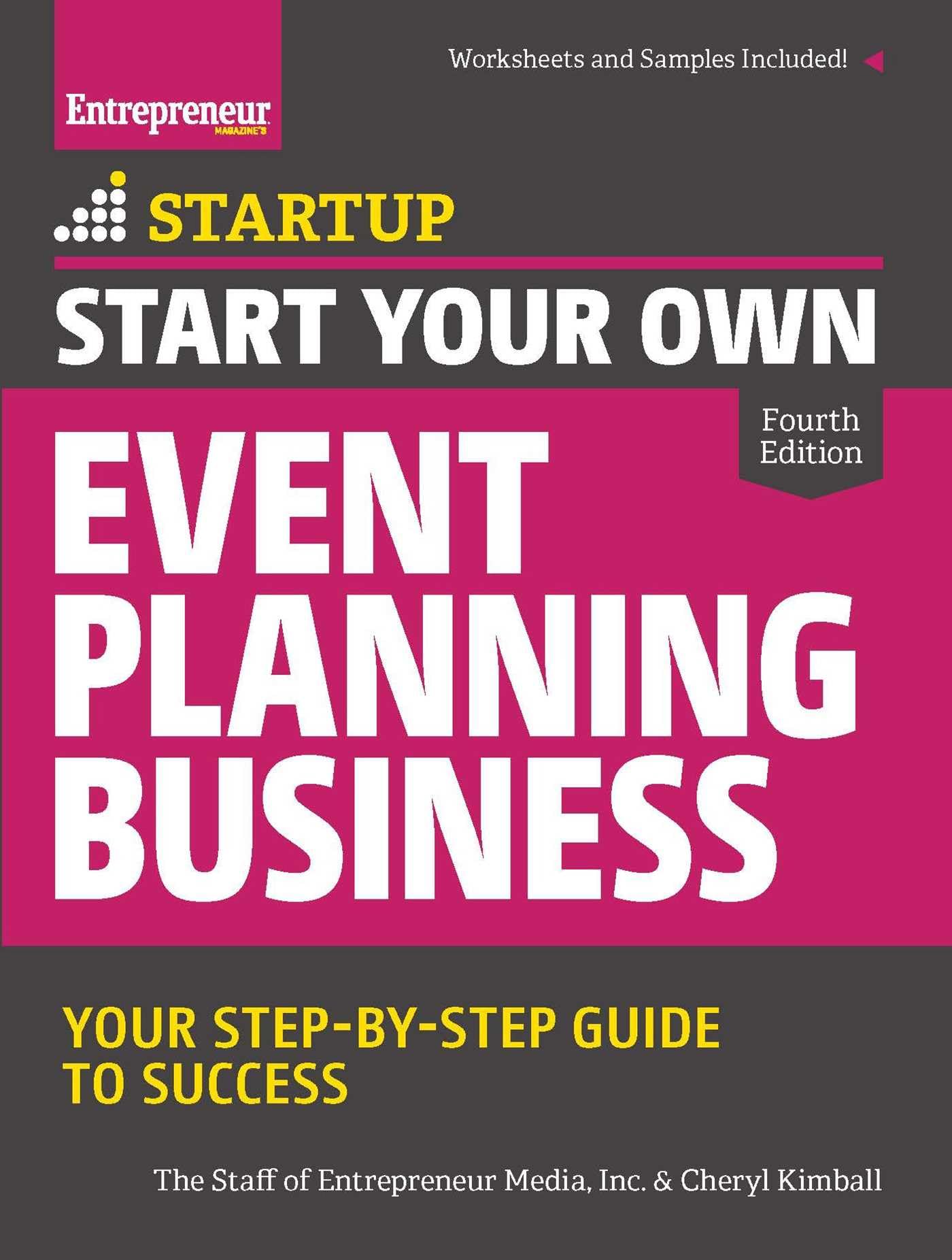
Start Your Own Event Planning Business — Cheryl Kimball & Entrepreneur Media

A practical resource for event planners covering business operations, client relationships, budgeting and supplier coordination.

Explore Opera Venues & Event Destinations

Planning a performance in a particular location? Explore my regional guides to opera performances in historic venues, private estates, castles and distinctive event settings across the UK and Europe.

Photo: Geir Joar Hval / Wikimedia Commons – Licensed under CC BY-SA 4.0. View License

In This Guide

Planning an Opera Event in London’s Most Distinguished Venues

Historic houses, castles, private estates and distinguished hotels offer remarkable settings for live opera. From an intimate London reception to a wedding in the English countryside or a celebration at a European château, the venue plays an important role in shaping the musical experience.

As a professional tenor based in London, I work closely with clients to plan performances around the character of the venue, the occasion and the audience. This guide explores suitable settings across the UK and Europe, alongside the practical considerations involved in organising a private opera performance.

Live Opera for Weddings, Galas & Private Events

For every engagement, I carefully curate the musical programme around the occasion, the venue and the client’s wishes. Whether performing at a wedding, private reception or gala dinner, I consider the atmosphere, the audience and the timing of each piece to create a natural musical progression throughout the event.

Planning Music Around Your Event

Event MomentPerformance ApproachSuggested Repertoire
Wedding CeremonyA carefully chosen vocal performance at a significant momentAve Maria or suitable lyrical repertoire
Drinks ReceptionShort, engaging selections that complement the gatheringTorna a Surriento, ‘O sole mio
Gala DinnerA focused performance between courses or following speechesE lucevan le stelle, Core ‘ngrato
Finale or Special MomentA memorable concluding aria or celebratory songNessun dorma, Con te partirò

The programme can combine operatic arias, Italian songs and classical crossover repertoire, with accompaniment and performance length adapted to the venue.

Enquire about a bespoke opera performance

Why Choose Live Opera for Your Event?

One of the distinctive qualities of live opera is the immediacy of the human voice. Unlike recorded music, a live performance creates a direct connection between the singer and the audience, whether in an intimate drawing room, a historic country house or a grand reception hall.

As a professional tenor, I adapt each performance to its setting. I consider the acoustics, the size of the audience and the atmosphere of the occasion, choosing repertoire that works naturally within the space. An intimate Italian song may be particularly effective at a private dinner, while a dramatic operatic aria can provide a memorable conclusion to a gala or celebration.

For me, the aim is not simply to deliver a concert, but to create a musical moment that belongs to the occasion.

How Much Does It Cost to Hire an Opera Singer?

The cost of a private opera performance depends on the location, duration, accompaniment and technical requirements. An intimate solo performance involves different arrangements from a recital with a pianist or a larger ensemble.

Performance CategoryIndicative UK Fee
Professional Solo Performance£500–£900+
Premium & Bespoke Performances£900–£3,000+

These are indicative ranges rather than fixed quotations. Travel, accommodation, additional musicians and specialist production requirements may affect the final fee.

For a more detailed explanation of performance formats, fees and booking arrangements, see my complete guide to hiring an opera singer.

Enquire about availability and a bespoke performance

Choosing the Right Live Music for Your Event

The most suitable musical arrangement depends on the venue, the occasion and the role music will play throughout the event. A solo operatic performance creates a focal point, while instrumental ensembles can provide a more continuous musical atmosphere.

Choosing the Performance Format

Musical FormatBest Suited ForConsiderations
Solo Opera SingerFeatured performances, wedding ceremonies, private dinners and gala finalesA focused musical moment with flexible technical arrangements
Opera Singer & PianistPrivate recitals, historic houses, formal receptions and intimate concertsRequires a suitable piano or instrument arrangement
String QuartetGuest arrivals, drinks receptions, garden parties and wedding ceremoniesWell suited to instrumental music throughout an event
Opera Singer & EnsembleLarger celebrations, gala dinners and specially commissioned performancesAdditional space, coordination and rehearsal arrangements may be necessary

Practical Considerations for Historic Venues

Historic buildings and private estates can present particular challenges for live performance. Before confirming the musical arrangements, I recommend checking the following with the venue:

  • Acoustics: The size of the room, reverberation and background noise.
  • Sound restrictions: Any limitations on performance times or amplification.
  • Accompaniment: Whether a suitable piano is available and in tune, or whether alternative accompaniment is required.
  • Performance space: Sufficient room for the singer, musicians and equipment.
  • Access and logistics: Loading arrangements, electrical power and any restrictions associated with a listed or historic property.

For outdoor performances, weather protection, wind and the availability of a suitable indoor alternative should also be considered.

Combining Music Throughout the Event

Different musical formats can complement one another. A string quartet might accompany guest arrivals, a pianist provide music during a reception, and a tenor performance become the centrepiece of the evening.

I particularly value performances that are integrated into the event’s running order rather than interrupting conversation or dining. A carefully timed aria following speeches or between courses can often be more effective than a longer performance at an unsuitable moment.

Private Gatherings & Italian-Themed Celebrations

Venetian Carnival costumes in St Mark’s Square, Venice, evoking an elegant Italian-themed setting for private events with live opera singers.

For Italian-themed dinners, private celebrations and cultural events, I can curate a programme of operatic arias and Neapolitan songs that complements the setting. Repertoire can range from lyrical, intimate selections to dramatic pieces designed for a particular moment in the evening.

Explore Private Opera Performances

Planning an Opera Performance at Britain’s Historic Venues

Britain’s historic houses, castles and private estates offer distinctive settings for live opera. From London townhouses and Cotswold country houses to Scottish castles and grand reception halls, each venue has its own architectural character, acoustics and practical requirements.

Pianist performing on a grand piano before an audience, illustrating live accompaniment for opera singers at elegant private events and concerts.

Acoustics and Performance Space

As a professional tenor, I pay particular attention to how a room responds to the human voice. A smaller drawing room may allow for an intimate, unamplified performance, while a large stone hall with considerable reverberation requires careful consideration of repertoire, positioning and accompaniment.

High ceilings and reflective surfaces can enhance the resonance of classical singing, but excessive reverberation may reduce the clarity of words and musical detail. The position of the singer and audience can make a significant difference.

Working Within Historic Buildings

Many heritage venues have restrictions designed to protect their interiors and architecture. These may affect the placement of equipment, access for musicians, electrical connections and the use of amplification.

When planning a performance, I recommend confirming the available space, any sound restrictions and whether the venue has a suitable piano. For outdoor courtyards and gardens, a sheltered performance area and an alternative arrangement in case of poor weather are particularly important.

Choosing Repertoire for the Setting

I always curate the repertoire to suit the venue and the occasion. An intimate recital in a country house may favour lyrical Italian songs and expressive operatic arias, while a formal gala in a larger hall may call for a more dramatic programme.

The musical selections should also complement the running order of the event, allowing guests to experience the performance without interrupting important moments of the celebration.

Frequently Asked Questions About Private Opera Events

How long should a private opera performance last?

A performance of approximately 15–40 minutes can work well for many private events, either as a continuous recital or divided into shorter appearances. I recommend choosing the duration around the occasion, the venue and the event’s running order.

When is the best moment to introduce live opera?

Live opera is particularly effective following speeches, between dinner courses, during a wedding ceremony or as a concluding musical highlight. I prefer to coordinate the timing with the organiser so guests can give the performance their attention without interrupting dining or conversation.

Is amplification necessary in a historic venue?

Not necessarily. A trained operatic voice can project naturally in many indoor spaces. However, larger halls, outdoor settings and venues with significant background noise may require amplification. I assess the performance arrangements according to the acoustics and audience size.

Can opera be performed outdoors at castles or private estates?

Yes, provided the arrangements are suitable. Garden receptions, terraces and castle courtyards can accommodate live opera, but wind, weather protection, sound equipment and an indoor alternative should be considered in advance.

Can a performance be arranged as a surprise?

Yes. A surprise aria can be incorporated into a private dinner, anniversary or special celebration. I recommend agreeing the entrance, timing and musical cues discreetly with the organiser and venue staff beforehand.

Can you perform at Christmas and seasonal celebrations?

Yes. I can curate programmes for Christmas dinners, winter weddings, festive receptions and seasonal gatherings, combining suitable sacred music, Italian songs and operatic repertoire according to the occasion.

Plan Your Private Opera Event

If you are planning a wedding, private celebration or gala at a historic venue in the UK or Europe, I would be delighted to discuss the musical arrangements. Please include the proposed date, venue, approximate guest numbers and any particular repertoire requests.

Enquire About a Private Opera Performance

Opera Performances Across the UK & Europe

From historic English country houses and Scottish castles to French châteaux and Italian villas, I offer private opera performances for weddings, celebrations and special events across the UK and Europe, subject to availability and travel arrangements. Explore my regional guides for more information about individual destinations.

England & Scotland

Explore opera performances in England, including country houses and historic estates, or discover opera performances in Scotland, from Edinburgh to the Highlands.

Wales, Ireland & the Isle of Man

Discover my guides to opera performances in Wales and opera performances in Ireland. Engagements on the Isle of Man can also be discussed individually.

Continental Europe

For destination weddings and private celebrations, explore my regional guides to France, Italy, Germany and Switzerland. Performances in Monaco, Belgium and the Netherlands may also be considered by arrangement.

For international engagements, I discuss travel, accommodation, accompaniment and technical requirements in advance. Enquire about a private opera performance.

A selection of books exploring opera, entertaining and the architectural heritage of Britain’s historic houses.

As an Amazon Associate I earn from qualifying purchases.

Opera & Performance

Opera 101 — Fred Plotkin: An accessible introduction to opera, its music and traditions.

The Penguin Concise Guide to Opera — Amanda Holden: A compact reference to composers, operas and their stories.

Opera: The Definitive Illustrated Story — DK: An illustrated history of opera and its celebrated performers.

The History of Opera — Carolyn Abbate & Roger Parker: A study of opera’s musical and cultural evolution.

Entertaining & Event Design

Debrett’s Handbook: Coronation Edition — Elizabeth Wyse: British etiquette, protocol and formal entertaining.

Gorgeous Gatherings — Alison Hotchkiss: Inspiration for wedding design, décor and celebrations.

The Royal Touch: Recipes and entertaining traditions from a royal chef.

Heritage & Architectural Venues

Great Houses of England & Wales: An illustrated exploration of historic houses and interiors.

Historic Houses of the United Kingdom: British architectural heritage and historic residences.

The English Country House — James Peill: Photography and history of England’s country houses.

Great Houses of Scotland: Scotland’s historic estates, architecture and interiors.

Lost Country Houses of Kent — Martin Easdown: A record of Kent’s vanished country houses.