
Illustration from Michelangelo Rossi’s Erminia sul Giordano (1637), staged at Palazzo Barberini in Rome. A glimpse into the visual world of early Italian opera — majestic, allegorical, and deeply theatrical.
Ancient Italian Opera Before Rossini and Bellini
The Birth of Italian Opera
Long before Rossini and Bellini brought their dazzling melodies to the stage, Italy was already the beating heart of a new and revolutionary art form — opera. In the late 16th and early 17th centuries, the courts and theatres of Florence, Mantua, and Venice became vibrant laboratories of creativity, where composers, poets, and artists collaborated to revive the spirit of ancient Greek theatre.
This was also the dawn of the Baroque — an age of grandeur, symbolism, and dramatic contrasts. In painting and architecture, sweeping curves and bold colours reigned; in music, expressive melodies and rich harmonies mirrored the splendour of the visual arts. Opera became the ultimate Baroque spectacle: a fusion of sound, poetry, and stagecraft designed to astonish both the ear and the eye. These early works, crowned by the genius of Claudio Monteverdi, laid the cornerstone of the operatic tradition, shaping the path for centuries of innovation and passion to come.
About this image: This engraving of Rossi’s Erminia sul Giordano captures the splendour of Roman Baroque opera at the Barberini court. Unlike the more intimate Venetian theatres of Cavalli, these productions were monumental, combining allegorical themes, lavish stage design, and powerful music to glorify the patronage of Rome’s noble families. The image reflects how opera was not only an art form but also a statement of cultural prestige — a tradition that lives on in today’s luxury performances by premier Italian tenors in London and beyond.

Claudio Monteverdi: The Pioneer of Opera

Portrait of Claudio Monteverdi (or Francesco Andreini) by Domenico Fetti, housed in Gallerie dell’Accademia, Venice. Image via Wikimedia Commons (CC BY-SA 4.0).
This image is a faithful digital reproduction of a public domain artwork, available under the Creative Commons Attribution-ShareAlike 4.0 International (CC BY-SA 4.0) license. Wikimedia Commons
About This Image: This 17th-century portrait, traditionally attributed to Domenico Fetti, is believed to depict either Claudio Monteverdi, the revolutionary composer of early Italian opera, or Francesco Andreini, a renowned Italian actor. The painting is housed in Gallerie dell’Accademia, Venice, and is one of the most debated artworks related to Monteverdi’s legacy.
Monteverdi, a pioneer of Baroque opera, transformed musical storytelling, blending polyphony and expressive melodies. His compositions, such as L’Orfeo and Vespro della Beata Vergine, laid the foundation for modern opera. This painting, preserved in one of Italy’s most prestigious art collections, serves as a visual tribute to his artistic influence. (Venice) Portrait of Francesco Andreini by Domenico Fetti – Gallerie Accademia
Monteverdi, often regarded as the father of opera, transformed simple court spectacles into fully realized musical dramas. His masterpiece, L’Orfeo (1607), is widely considered one of the first great operas. Monteverdi’s works blended text and music in a way that enhanced storytelling, creating an emotional depth previously unseen in the art form. His innovations in orchestration, vocal expressiveness, and dramatic composition set the stage for the golden age of opera.

Monteverdi’s operas, including Il ritorno d’Ulisse in patria and L’incoronazione di Poppea, are still performed today, proving the endurance of early classical Italian opera. His ability to balance drama with stunning vocal lines makes him a cornerstone of operatic history. Image by Ioana Sasu from Pixabay

About This Image: This is an original handwritten manuscript of Vespro della Beata Vergine, a masterpiece composed by Claudio Monteverdi in 1610. Preserved at the Museo internazionale e biblioteca della musica in Bologna, this historic document showcases Monteverdi’s revolutionary approach to early Italian opera and sacred music. The work blends Renaissance polyphony and Baroque innovation, influencing generations of composers.
Monteverdi, often called the father of modern opera, composed this vespers to demonstrate his ability to merge liturgical grandeur with dramatic expression, a style that later flourished in Venetian opera houses. This manuscript is a priceless artifact, offering a glimpse into the origins of Baroque vocal performance. Original manuscript of Vespro della Beata Vergine by Claudio Monteverdi (1610). Preserved in the Museo internazionale e biblioteca della musica, Bologna. Public domain.
Watch: Monteverdi’s ‘L’Orfeo’ – Full Performance
Monteverdi’s Enduring Legacy in Italian Opera

Claudio Monteverdi (1567–1643) is often hailed as the father of opera. His groundbreaking works, such as L’Orfeo and L’incoronazione di Poppea, transformed courtly entertainments into fully dramatic musical narratives — laying the foundation for centuries of operatic masterpieces. Monteverdi’s bold fusion of text and music paved the way for the grandeur later perfected by composers like Verdi and Puccini, whose soaring arias and stirring drama define the Italian opera tradition today. While Vasili Karpiak focuses his performances on this later Romantic and verismo repertoire, his artistry echoes the timeless spirit that Monteverdi first set in motion. Through centuries, tenors and sopranos alike have built on this rich legacy, ensuring that each performance remains a living tribute to opera’s enduring power.
Claudio Monteverdi, portrayed in an intimate moment beside his handwritten music — a timeless glimpse into the mind that shaped the birth of opera as we know it.”
(Portrait attributed to Bernardo Strozzi, c. 1630, Tyrolean State Museum. Public domain via Wikimedia Commons)
Baroque Brilliance: Cavalli, Cesti, and Scarlatti
In the vibrant cultural landscape of the seventeenth century, Italian opera underwent a remarkable transformation, evolving from Monteverdi’s pioneering dramatic experiments into a rich and diverse musical tradition that would shape European music for generations. Francesco Cavalli, Pietro Antonio Cesti, and Alessandro Scarlatti stand at the heart of this evolution. Each, in his own way, refined the balance between expressive vocal writing, theatrical drama, and formal structure, expanding opera beyond courtly spectacle into a sophisticated art form capable of profound emotional depth. Cavalli brought lyricism and human warmth to the Venetian stage, Cesti elevated opera to grand courtly splendour across Italy and the Habsburg courts, and Scarlatti laid the foundations of the Neapolitan school that would dominate operatic composition well into the eighteenth century. Together, their innovations forged the musical language that ultimately gave rise to opera seria, bel canto, and the great Romantic tradition — a legacy that continues to resonate in modern performance practice.
Francesco Cavalli & the Rise of Expressive Opera

As opera evolved in the 17th century, Francesco Cavalli (1602–1676) emerged as a leading figure who shaped the early Baroque tradition into something more intimate and emotionally vivid. A distinguished student of Claudio Monteverdi, Cavalli carried forward his mentor’s innovations while imprinting his own melodic sensitivity and theatrical flair. Masterpieces like La Calisto (1651) and Ercole amante (1662) exemplify his graceful, more lyrical approach — moving opera beyond rigid recitative toward expressive, aria-driven storytelling. By streamlining orchestration and infusing music with warmth and human sentiment, Cavalli paved the way for the flourishing of opera in public theatres across Venice and Europe.
Francesco Cavalli, Italian Baroque composer — image from Enciclopedia italiana di scienze, lettere ed arti (1931). Digitally preserved via Wikimedia Commons. Public domain.
Cavalli’s operas were among the first to delight public audiences beyond noble courts, filling Venetian theatres with vivid stories of love, myth, and human folly. His approach to melody and character development paved the way for the more lyrical, emotionally charged operas that would later define the bel canto tradition. While Cavalli’s works are mostly celebrated today by early music specialists and dedicated Baroque ensembles, his spirit of expressive, audience-focused storytelling lives on in the Italian opera stage — a lineage continued by modern tenors who bring the passion of later masters like Verdi and Puccini to life for contemporary audiences
Francesco Cavalli’s Didone — A Baroque Opera Masterpiece in Manuscript and Performance
This rare manuscript page from Cavalli’s Didone (c. 1641) illustrates his shift from Monteverdi’s dramatic style to a more fluid, melody-rich form. Cavalli’s operas, cherished in Venice’s public theatres, remain milestones of early Italian opera — still influencing interpretations by today’s elite classical tenors.
First page of Francesco Cavalli’s *Didone* prologue — historical score, public domain via IMSL

This manuscript page from the opening of Cavalli’s Didone reveals the composer’s refined melodic structure and dramatic instincts. Written in collaboration with librettist Giovanni Francesco Busenello, the opera presents the tragic tale of Queen Dido with a balance of courtly grandeur and emotive arias. Today, Cavalli’s works continue to inspire baroque specialists and inform our understanding of early Italian opera’s evolution.
Francesco Cavalli, Didone (Act 1) — Original manuscript. Public domain via IMSLP.

Francesco Cavalli’s Jason: Baroque Drama and Myth Reimagined

Cavalli’s Jason (Giasone) is among his most celebrated mythological operas, blending romance, betrayal, and divine intrigue into a vivid Baroque spectacle. First performed in 1649, Jason was the most popular opera of the 17th century, admired for its captivating arias and comedic subplots. This historic stage photograph, preserved in the Landesarchiv Baden-Württemberg, captures the enduring allure of Cavalli’s musical storytelling and its impact on opera’s evolution.
A Venetian Triumph: Cavalli’s Jason und Medea

Francesco Cavalli’s Jason und Medea stands as one of the finest examples of mid-17th century Venetian opera, weaving ancient Greek mythology with Baroque theatrical brilliance. The story of Jason’s heroic quest and Medea’s fateful love unfolds through Cavalli’s lyrical melodies and dramatic contrasts, bringing raw emotion to the early opera stage. This work exemplifies Cavalli’s pivotal role in bridging Monteverdi’s legacy with the evolving art of expressive, aria-driven storytelling that shaped the later Baroque masters. Modern audiences rediscover in Jason und Medea a timeless exploration of love, power, and human vulnerability — echoing the grandeur of Venice’s operatic golden age.
Francesco Cavalli’s Jason und Medea stands as a milestone in the evolution of Baroque opera, merging ancient myth with human emotion and refined musical expression. This evocative stage photo offers a glimpse into the richly staged performances that captivated noble courts and laid the groundwork for modern operatic drama.
Historic production photo of Francesco Cavalli’s Jason und Medea, showcasing early Baroque opera’s dramatic stagecraft and expressive musical storytelling. Courtesy of Landesarchiv Baden-Württemberg, Generallandesarchiv Karlsruhe (CC BY 4.0).

Francesco Cavalli’s operas bridged the rich legacy of Monteverdi with a new age of lyrical, emotionally resonant storytelling, captivating audiences across Europe and inspiring generations of composers. His works remain a testament to the enduring beauty of Baroque opera, inviting modern listeners to rediscover the roots of this timeless art form. From Cavalli’s mythic tales to Cesti’s refined musical language, the evolution of early Italian opera continues to enchant — a living heritage that resonates through every performance by today’s premier classical singers.
Pietro Antonio Cesti & the Expansion of Opera Beyond Italy. Antonio Cesti: Master of Baroque Grandeur and Court Opera

Historic libretto manuscript of *La Dori* (1661), an opera by Pietro Antonio Cesti. Libretto by Giovanni Filippo Apolloni. Published in *Pipers Enzyklopädie des Musiktheaters* (1986). Image via Wikimedia Commons (Public Domain).
Libretto manuscript of *La Dori* (1661) by Pietro Antonio Cesti. Libretto by Giovanni Filippo Apolloni. Published in *Pipers Enzyklopädie des Musiktheaters* (1986). Image via Wikimedia Commons (Public Domain).Original Source: Wikimedia Commons
Pietro Antonio Cesti (1623–1669) stands among the leading figures of Italian Baroque opera, celebrated for his graceful melodies and opulent court spectacles. A gifted composer who served in Venice, Innsbruck and Vienna, Cesti created works like La Dori and Il Pomo d’Oro, blending poetic librettos with flowing, ornamented arias that enchanted aristocratic Europe and influenced the next generation of Italian vocal art.
Il Pomo d’Oro

Antonio Cesti’s “Il Pomo d’Oro” remains a benchmark of Baroque opera extravagance — a dazzling spectacle staged in Vienna in 1668 to celebrate imperial nuptials. This detailed engraving by Frans Geffels immortalises the opulent Theater auf der Cortina, where intricate stage machinery and Burnacini’s ingenious designs transformed courtly entertainment into an unforgettable visual feast, capturing the lavish spirit of 17th-century imperial pageantry.
This historic engraving by Frans Geffels (1625–1694) shows Vienna’s Theater auf der Cortina during the extravagant staging of Antonio Cesti’s “Il Pomo d’Oro” in 1668 — a legendary Baroque spectacle renowned for its elaborate stage machinery and lavish set designs by Lodovico Ottavio Burnacini. Digitized by the Österreichische Nationalbibliothek, this image offers a glimpse into the grandeur of imperial opera under Emperor Leopold I.

Elaborate stage set for Antonio Cesti’s “Il Pomo d’Oro” (1668), designed by Ludovico Ottavio Burnacini and etched by Mathäus Küsel. This spectacular court opera celebrated imperial nuptials in Vienna and exemplifies the grandeur of pre-Rossini Italian opera. Image: Biblioteca Nacional de España (Public Domain).

This commemorative plaque in Innsbruck celebrates not only Pietro Antonio Cesti’s enduring legacy as a Baroque composer but also his broader influence on 17th-century Italian music. Renowned for bringing a refined, lyrical elegance to court opera, Cesti left a mark on European music culture through his teaching, performances, and pioneering works that paved the way for later composers like Scarlatti and Handel. His artistry continues to inspire performers and historians alike.
Commemorative plaque honoring Pietro Antonio Cesti in Innsbruck, celebrating the legacy of the Baroque composer whose operas shaped 17th-century Italian music.
Beyond his famed court spectacles, Pietro Antonio Cesti played a vital role in broadening the appeal of Italian opera throughout Europe, especially at the imperial courts of Vienna and Innsbruck. Renowned for his richly ornamented vocal lines and mastery of multi-choral effects, Cesti’s influence resonated far beyond his lifetime, laying essential groundwork for the flourishing of the Neapolitan opera school and inspiring the next generation of composers like Alessandro Scarlatti, who would elevate opera seria to new heights during the Baroque era.

La Dori remains one of Antonio Cesti’s most admired operas, embodying the charm and dramatic nuance that made his work beloved at aristocratic courts. First staged in Venice in 1667, this elegant libretto by Giovanni Filippo Apolloni weaves intrigue and romance through richly ornamented arias and fluid recitatives. The opera exemplifies Cesti’s gift for blending lyrical beauty with theatrical flair, ensuring his music continued to resonate in Italy and beyond for generations.
Frontispiece of La Dori (1667) — an exquisite Venetian libretto by Pietro Antonio Cesti with text by Giovanni Filippo Apolloni, reflecting the lavish cultural life of 17th-century Italian court opera. Public domain.
The Garden Behind the Serail stage set for Cesti’s La Dori (1665) epitomizes the lavish scenography that brought Baroque opera to life. Designers of the time crafted enchanting landscapes that enhanced the poetic librettos and lyrical arias central to Cesti’s style. This garden scene invites audiences into an Arcadian world of courtly romance and intrigue, reminding us how visual splendour and musical elegance were inseparably intertwined in the golden age of Venetian opera. Garden Behind the Serail — stage design for Pietro Antonio Cesti’s La Dori (1665), capturing the poetic and pastoral charm of Baroque opera scenery. Public domain.


This elaborate stage design from around 1750 depicts the famed encounter between Alexander the Great and King Poros — a popular subject for Baroque opera and court spectacle. Antonio Cesti, known for weaving dramatic grandeur into his music, often collaborated with skilled scenographers like Giovanni Burnacini to produce visually stunning performances that thrilled European audiences. Such lavish productions showcased not only musical excellence but also the artistic ambition of Baroque theatre. Image: Original stage design for Antonio Cesti’s opera “Alexander the Great and King Poros.” Public domain reproduction via [source, e.g. Wikimedia Commons or auction archive]
Pietro Antonio Cesti’s refined artistry and spectacular court commissions continue to inspire lovers of Baroque music and historical opera productions across Europe. Today, his legacy lives on through carefully curated performances that celebrate the opulent soundscapes he crafted for aristocratic audiences. For those seeking to experience the grandeur of Italian opera at its most exquisite, hiring a distinguished classical tenor in London ensures that the timeless beauty of Cesti’s music resonates afresh at luxury events and prestigious concert venues alike.
Alessandro Scarlatti & the Birth of the Neapolitan Opera School

Another major figure in early Italian opera was Alessandro Scarlatti (1660–1725), a composer whose work shaped the Neapolitan opera school and refined Baroque vocal music. Often regarded as the father of Neapolitan opera, Scarlatti introduced greater dramatic depth, expressive ornamentation, and rich orchestration into operatic storytelling.
Scarlatti’s innovations were particularly evident in his development of the da capo aria, a three-part musical structure (A–B–A) that became a defining feature of Baroque opera seria. This form allowed for greater emotional contrast and vocal virtuosity, influencing later composers such as Handel and Vivaldi.
Among Scarlatti’s notable operas:
La Griselda (1721) – A late masterpiece showcasing intricate vocal writing and dramatic tension.
Mitridate Eupatore (1707) – A striking example of Scarlatti’s ability to blend heroic themes with lyrical elegance.
Il Mitridate Eupatore (1715) – Another adaptation of the Mithridates story, reinforcing his influence on later composers.
Scarlatti’s influence extended beyond Italy, shaping the operatic styles of Handel in London and Hasse in Germany, who adapted his stylistic techniques into their own compositions.

Manuscript of Alessandro Scarlatti’s final opera *Griselda* (1721), written in the composer’s own hand. Preserved at the British Library.
Manuscript of *Griselda* (1721) by Alessandro Scarlatti. Preserved at the British Library (Accession No. Add MS 14168). Image via Wikimedia Commons (Public Domain).Original Source: British Library Digital Collections
These composers laid the foundation for the bel canto style that would later flourish under Bellini and Donizetti.
Watch: Cavalli’s ‘La Calisto’ – Highlights
Watch: Scarlatti’s Opera Arias – A Collection
The Role of Early Opera in Modern Performance
Many early operas remain in performance today, particularly at specialist festivals and historic venues. If you are passionate about this period, you can book a classical singer or hire a tenor singer to perform selections from these operatic gems. Ancient Italian opera is a journey through the evolution of music and drama, one that continues to shape modern operatic performances.
Venues such as Teatro La Fenice in Venice and Teatro San Carlo in Naples often stage productions of these early operas, allowing contemporary audiences to experience the origins of Italian opera.
The Transition to Classical Opera

By the mid-18th century, opera began its evolution from the ornate brilliance of Scarlatti’s Baroque masterpieces to a more streamlined, emotionally driven form. Christoph Willibald Gluck (1714–1787), though not Italian by birth, became a transformative figure in this shift. His reform operas focused on dramatic truth and musical simplicity, stripping away excessive ornamentation to heighten expressive power and narrative clarity.
Gluck’s innovations laid the foundation for Mozart’s timeless masterpieces, including Don Giovanni and Le Nozze di Figaro, which seamlessly combined Italian lyrical charm with profound character development. This refined dramatic approach set the stage for the flourishing bel canto era, led by Rossini, Bellini, and Donizetti, ultimately shaping modern opera as audiences know it today.
Portrait: Christoph Willibald Gluck by Joseph-Siffred Duplessis (1775). Gluck’s reform operas transformed 18th-century musical drama, inspiring Mozart and paving the way for opera’s enduring emotional depth and narrative clarity.
Image credit: Joseph-Siffred Duplessis / Kunsthistorisches Museum Wien / Google Arts & Culture (Public Domain)
Early Italian Opera’s Lasting Impact
The operatic masterpieces of Monteverdi, Cavalli, and Scarlatti may not be as frequently performed as those of Verdi or Puccini, but their impact is undeniable. These composers established the groundwork for the lyrical beauty and dramatic depth that define Italian opera today. If you want to explore these hidden gems, you can book an opera singer for events or hire a classical singer in the UK to bring the magic of early Italian opera to life.
For those interested in witnessing these operas performed in historically significant settings, The Innsbruck Early Music Festival specializes in reviving Baroque and Renaissance opera, offering a unique glimpse into the past. dditionally, The Festival della Valle d’Itria in Italy revives forgotten operatic masterpieces, bringing ancient Italian opera to modern audiences.
Watch: The Evolution of Italian Opera – A Documentary
10 exceptional Italian opera masterpieces composed before the era of Rossini and Bellini.
“L’Orfeo” by Claudio Monteverdi (1607)
Experience the origins of Italian opera with Monteverdi’s “L’Orfeo,” a seminal work that tells the tragic love story of Orpheus and Eurydice. This performance features distinguished opera singers and tenors, bringing to life the rich traditions of classical music. Event organizers seeking to book opera singers for performances will find this masterpiece a testament to the enduring appeal of Italian opera.
“Il ritorno d’Ulisse in patria” by Claudio Monteverdi (1640)
Delve into the epic journey of Ulysses in Monteverdi’s “Il ritorno d’Ulisse in patria.” This opera combines profound storytelling with the exquisite talents of classical singers and opera tenors. The production’s rich musical textures and compelling narratives offer a captivating experience, ideal for those considering entertainment booking for events centered around Italian opera.
“L’incoronazione di Poppea” by Claudio Monteverdi (1643)
Experience the political intrigue and passion in “L’incoronazione di Poppea,” Monteverdi’s masterpiece that explores the complexities of love and power. The opera’s intricate compositions are brought to life by accomplished classical singers and opera tenors. This profound work is a testament to the enduring legacy of Italian opera, making it a distinguished choice for performances and events.
“La Calisto” by Francesco Cavalli (1651)
Explore the mythological narrative of “La Calisto,” where Cavalli’s composition intertwines humor and drama. This performance showcases the versatility of opera singers and the dynamic range of classical music. The engaging arias and ensembles make it a delightful choice for concerts and events, highlighting the allure of Italian opera.
“Giasone” by Francesco Cavalli (1649)
Witness the tale of Jason and the Golden Fleece in Cavalli’s “Giasone,” the most popular opera of the 17th century. This production features stellar performances by opera tenors and singers, embodying the essence of classical music. Its blend of romance and adventure makes it a compelling addition to any event celebrating the richness of Italian opera.
“Orfeo ed Euridice” by Christoph Willibald Gluck (1762)
Gluck’s “Orfeo ed Euridice” presents a reformist approach to opera, emphasizing simplicity and emotional expression. This rendition features poignant performances by opera singers, particularly highlighting the role of the opera tenor. Its timeless appeal and melodic beauty make it a favored selection for classical music enthusiasts and event organizers seeking to book opera singers.
“Didone” by Francesco Cavalli (1641)
Immerse yourself in the tragic love story of Dido and Aeneas in Cavalli’s “Didone.” This opera showcases the emotive power of classical singers and the dramatic potential of Italian opera. The compelling arias and expressive performances by opera tenors make it a profound addition to concerts and events focusing on classical music.
“La finta pazza” by Francesco Sacrati (1641)
Discover the comedic and dramatic elements of “La finta pazza,” an opera that captivated 17th-century audiences. This performance highlights the talents of opera singers and the rich traditions of Italian opera. Its engaging narrative and lively compositions offer a delightful experience for those interested in classical music and entertainment booking.
“L’Incoronazione di Dario” by Antonio Vivaldi (1717)
Experience Vivaldi’s “L’Incoronazione di Dario,” a captivating opera that blends political intrigue with romantic entanglements. This performance showcases the virtuosic talents of opera singers and tenors, bringing Vivaldi’s intricate compositions to life. The opera’s dynamic arias and ensembles make it a compelling choice for concerts and events celebrating the richness of Italian opera.
“La Didone” by Francesco Cavalli (1641)
Explore the emotional depth of Cavalli’s “La Didone,” which tells the poignant story of Dido and Aeneas. This performance features exceptional opera singers and tenors, highlighting the expressive power of classical music. The opera’s moving arias and dramatic intensity make it a profound addition to any event focusing on Italian opera.
These selections offer a glimpse into the rich tapestry of Italian opera before the time of Rossini and Bellini, highlighting the profound artistry of classical singers and opera tenors. For those interested in entertainment booking, these masterpieces provide exceptional opportunities to feature the timeless beauty of Italian opera in performances, concerts, and events.
Ancient Italian Opera – Hire an Opera Singer in London
Discover the early masterpieces of Italian opera, where history and music intertwine. Vasili Karpiak brings these timeless works to life, offering a unique cultural experience. Hire an opera singer in London for an exclusive performance.
Hire an Opera Singer in London – Book an Italian Tenor for Exclusive Events
Frequently Asked Questions About Ancient Italian Opera
What defines ancient Italian opera?
It refers to the earliest operas of the late Renaissance and early Baroque era, where music, theatre, poetry and court culture merged to revive the ideals of ancient Greek drama. These works prioritised dramatic truth, expressive text, and symbolic stagecraft.
Is this repertoire suitable for modern performance?
Yes — these works are performed internationally in theatres, specialist festivals, historic venues, museums, and private salons, often using historically informed practice and period instrumentation.
Can this repertoire be performed at luxury private events?
Select excerpts can be curated for intimate recitals, heritage settings, gala evenings, cultural programmes, and bespoke private events, where the historical and artistic context aligns with the atmosphere.
Which composers shaped its development before Rossini and Bellini?
Key names include Monteverdi, Cavalli, Cesti, Sacrati, and Scarlatti — each refining form, drama, vocal writing, and theatrical innovation long before the bel canto era emerged.
Is this repertoire suitable for film, documentary, or period-drama soundtracks?
Yes — its atmospheric sound world, ritualistic pacing, and expressive vocal lines naturally complement cinematic storytelling, museum experiences, and immersive historical productions.
Recommended Books on Baroque & Ancient Italian Opera
As an Amazon Associate, I earn from qualifying purchases. This helps support the continued creation of opera resources at no extra cost to you.
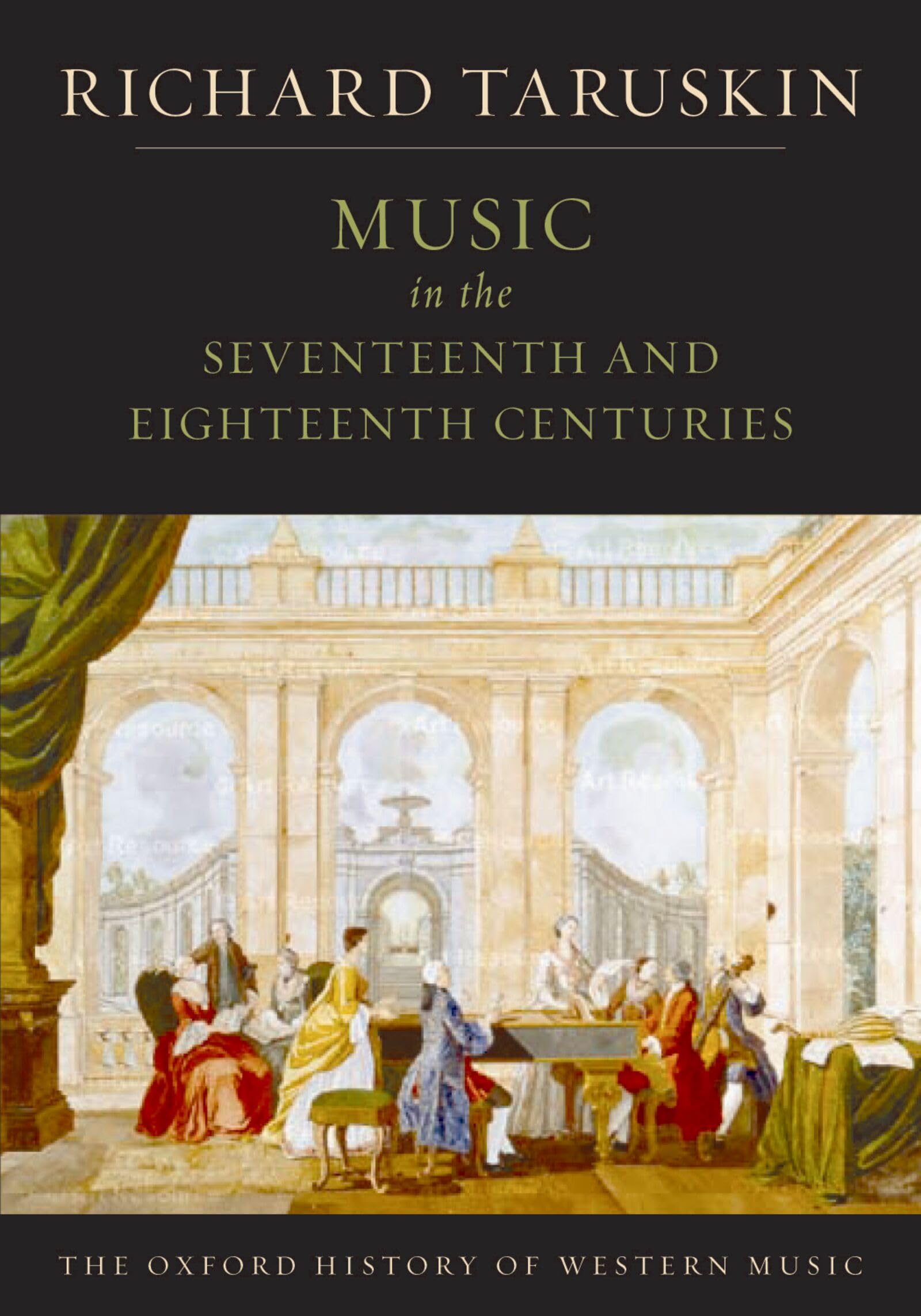
Music in the Seventeenth and Eighteenth Centuries (The Oxford History of Western Music, Vol. 2) by Richard Taruskin This volume of Taruskin’s monumental Oxford History of Western Music explores the musical landscape of the seventeenth and eighteenth centuries—the fertile period that laid the foundation for opera as we know it. From Monteverdi and Cavalli to the rise of Handel and early opera seria, Taruskin offers a sweeping and authoritative narrative of how music evolved during the age that directly preceded Rossini and Bellini. A vital resource for understanding the transition from Renaissance polyphony to the great flowering of Italian opera.

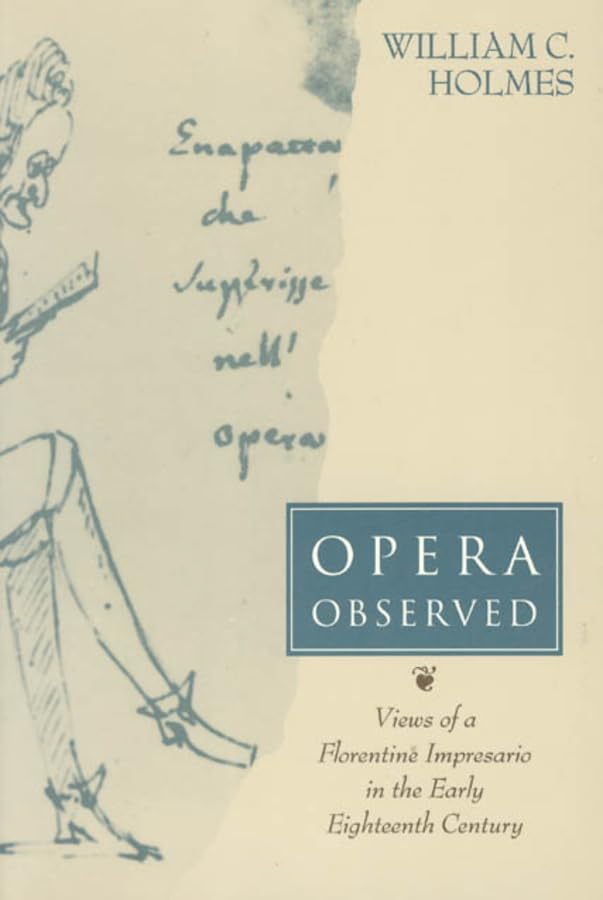
Opera Observed: Views of a Florentine Impresario in the Early Eighteenth Century by William C. Holmes Step behind the curtain of early 18th-century Italian opera with this meticulously researched account based on the personal papers of Luca Casimiro degli Albizzi, one of Florence’s leading impresarios. This book offers a rare glimpse into the world of Baroque opera — from planning a season and negotiating with singers to navigating the artistic, financial, and political challenges of the time. Rich in historical detail, it brings to life the atmosphere of Florence’s Pergola theatre and the broader network of Italian opera houses during the 1720s and ’30s. An essential read for anyone passionate about the origins of Italian opera and the artistry of the Baroque stage.
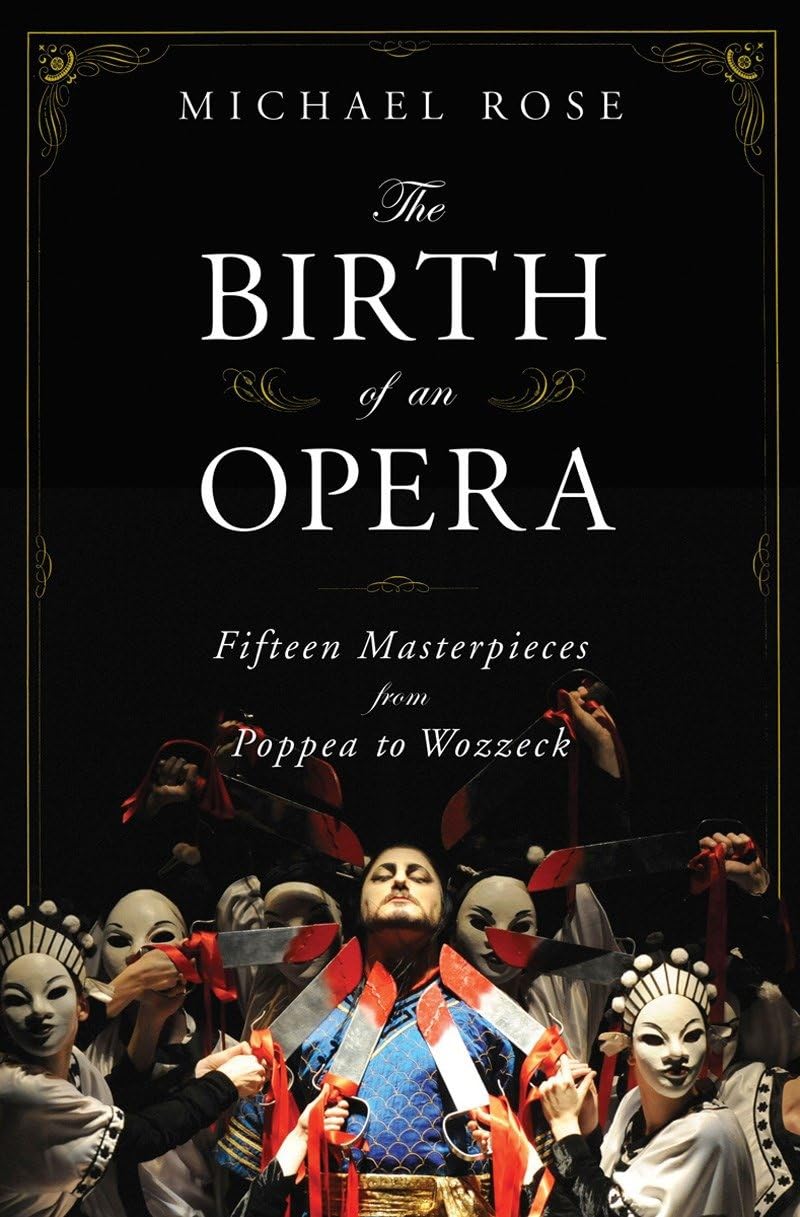
The Birth of an Opera: Fifteen Masterpieces from Poppea to Wozzeck – Michael Rose Michael Rose brings to life the stories behind fifteen iconic operas, beginning with Monteverdi’s L’incoronazione di Poppea, a landmark of Baroque theatre. Through letters, memoirs, and firsthand accounts from composers, librettists, and performers, he recreates the creative tensions, inspirations, and challenges that shaped these works. The early chapters provide vivid insight into the birth of opera, making it a compelling companion to historical studies of the Baroque era.
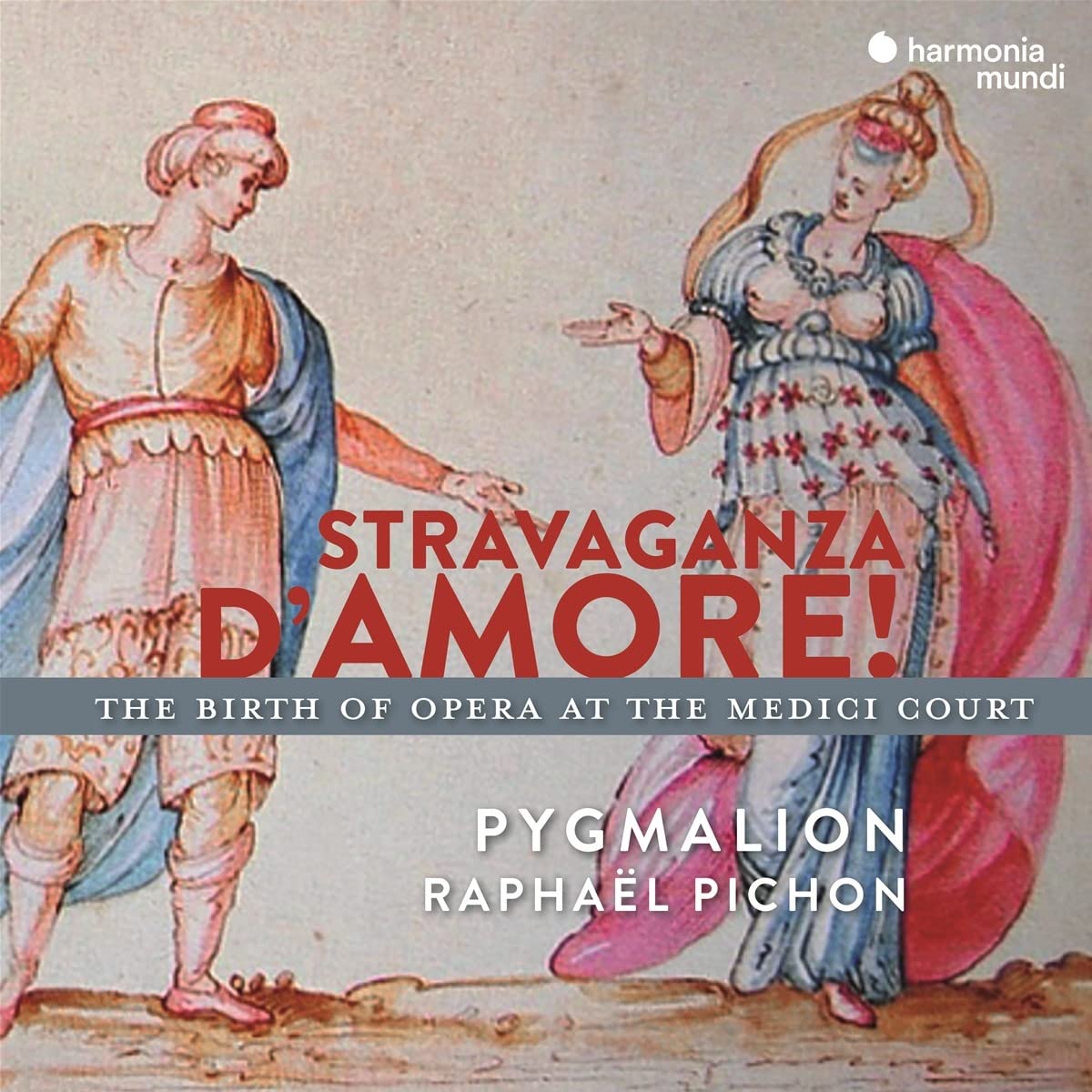
Stravaganza d’Amore! – The Birth of Opera at the Medici Court – Raphaël Pichon, Pygmalion
A grand and immersive musical journey into the opulent world of Florence’s Medici court, where the earliest seeds of opera first flourished. Under the inspired direction of Raphaël Pichon, the acclaimed ensemble Pygmalion breathes vivid life into the works of Caccini, Peri, and Rossi, blending historical authenticity with captivating artistry. This album recreates the splendour, drama, and elegance of late Renaissance and early Baroque Italy, offering a rare chance to hear the music that shaped the foundations of opera as we know it today.
Related Articles

Pietro Mascagni & the Voice of Verismo — London Tenor Insights
Explore the dramatic beauty of Pietro Mascagni and the verismo tradition through the voice of Italian tenor Vasili…


Ruggero Leoncavallo & Verismo Opera — London Tenor Interpretation for Exclusive Events
Explore the dramatic world of Leoncavallo and Italian verismo — where realism, emotion, and theatre merge into unforgettable…

Why Hire Opera Singers for Luxury Events in London & Across the UK
Elevate your wedding, gala, or private event with live opera performed by a professional tenor in London, Scotland…

Hire an Opera Singer in London – A Complete Guide & Booking Trends for 2026
Hiring an opera singer in London can transform any celebration — from Mayfair galas to weddings in the…

Puccini’s Turandot & Luxury Events | Opera Singer in London (2026)
Puccini’s Turandot stands as one of the greatest achievements in Italian opera — a world of mystery, passion,…

Giacomo Puccini – The Lyric Soul of Italian Opera
Giacomo Puccini’s operas gifted the world some of the most beloved tenor roles in history — from “Recondita…

Neapolitan Songs – The Italian Vocal Tradition in London & the UK
Hiring an opera singer in London can transform any celebration in 2026 — from Mayfair galas and corporate…

Hire an Opera Singer in London – Complete Guide to Luxury & Exclusive Performances
Experience the elegance of live opera at luxury events across the UK. From festive winter celebrations in historic…

Hire Opera Singer – The Lyric & Dramatic Tenors from Bel Canto to Verismo
A tribute to the legendary tenors whose voices transformed the course of opera. This article explores the artists,…

Opera Singer in London – How the Renaissance Shaped Italian Opera
The Renaissance was a time of extraordinary artistic, intellectual, and cultural rebirth. Across Italy, great minds reshaped the way people saw…

Umberto Giordano & Verismo Masterpieces | Opera Singer in London
A powerful look into Umberto Giordano’s verismo masterpieces and the intense vocal world they demand from modern performers.…

Hire Opera Singer London – Great Tenors Who Shaped Opera History
A tribute to the legendary tenors whose voices transformed the course of opera. This article explores the artists…

_Portrait_of_Francesco_Andreini_by_Domenico_Fetti_-_Gallerie_Accademia.jpg)

Hire Opera Singer London – Giuseppe Verdi’s Life & Operas in Performance
A refined exploration of Giuseppe Verdi’s life, artistry, and the operas that shaped Italian music. This article reveals…
#ItalianOperaLegacy #BookOperaTenor #EarlyOperaMasters #OperaSingerUK #ClassicalVoiceTradition
© VASILI KARPIAK – THE ITALIAN TENOR | OPERA & PRIVATE CONCERTS in London, Scotland, Ireland & Beyond. This original blog content is owned and created by me. No part may be copied, republished, or used elsewhere without written permission.

Comments are closed.