- Introduction: A World Transformed by the Renaissance
- Renaissance Music – Frequently Asked Questions
- Florence: The Birthplace of the Renaissance and Opera
- Leonardo da Vinci and the Science of the Opera Voice
- Michelangelo and the Drama of Opera
- Raphael and the Theatrical Beauty of Opera Staging
- Dante Alighieri: The Poet Who Inspired Opera
- How Renaissance Music Lives On in Modern Opera
- More on Renaissance
- Recommended Books on the Renaissance
Introduction: A World Transformed by the Renaissance
The Renaissance was a time of extraordinary artistic, intellectual, and cultural rebirth. Across Italy, great minds reshaped the way people saw the world. The mathematical brilliance of Galileo Galilei, the architectural mastery of Brunelleschi, the poetic elegance of Petrarch, and the sweeping historical vision of Machiavelli all contributed to a revolution in thought and expression.
Yet, beyond the discoveries and grand theories, the Renaissance was also about human emotion and storytelling. It was an era where the power of art, poetry, and music came together to express the depth of human experience. And from this artistic flourishing emerged something entirely new: opera.
Among the many visionaries who shaped this cultural awakening, a few stand out for their profound influence on music and theatrical storytelling. The inventive genius of Leonardo da Vinci, the dramatic intensity of Michelangelo, and the poetic fire of Dante Alighieri each left an indelible mark on what would become the operatic tradition. Their work did not create opera directly, but their artistic ideals—the harmony of beauty and intellect, the grandeur of emotion, and the mastery of the human form—laid the foundation for its birth.
This blog explores how their legacy, along with the pioneering musicians of the Florentine Camerata, shaped the art form we know today. Whether one is captivated by the soaring voice of a soprano, the depth of a bass, or the passion of a tenor, the spirit of the Renaissance can be heard in every note.
When audiences today hire an opera singer or book an opera tenor for prestigious events, they are engaging with an art form that was shaped by the visionaries of the Renaissance.
In this blog, we explore how the Renaissance paved the way for Italian opera, revealing the deep connection between history, art, and the world of opera performances today.
Renaissance Music – Frequently Asked Questions
▸ What were the main instruments of the Renaissance?
Renaissance music was shaped by instruments that defined its intimate, poetic and expressive sound world. The lute became the voice of private courts and salons, while the viol family, including the viola da gamba, enriched chamber performance with a warm, resonant tone. Harpsichords and early pipe organs carried grandeur into sacred settings, while wind instruments such as the recorder, cornett and sackbut provided colour, clarity and depth. These instruments collectively formed the foundation upon which early orchestral tradition developed.
▸ How did Renaissance music influence the birth of opera?
The Renaissance marked a shift towards music that imitated speech, emotion and dramatic expression. In Florence, the Florentine Camerata sought to revive ancient Greek theatrical ideals by combining poetry, expressive declamation and melody. Their experiments led directly to the earliest operas around 1600, establishing the artistic and philosophical foundations of Italian opera.
▸ Who were the most influential composers of the Renaissance?
Among the most celebrated Renaissance composers were Giovanni Pierluigi da Palestrina, master of sacred polyphony; Josquin des Prez, whose expressive counterpoint shaped European vocal writing; and Claudio Monteverdi, who transformed Renaissance musical ideals into dramatic innovation and became the bridge towards the Baroque and opera. Their artistic legacy continues through modern sacred repertoire, choral tradition and staged vocal performance.
▸ What was life like for musicians and artists during the Renaissance?
Musicians of the Renaissance lived between intellectual privilege and artistic discipline. Supported by noble courts, patrons and ecclesiastical institutions, many travelled across major cultural centres such as Florence, Venice, Rome and Ferrara, exchanging musical ideas that influenced all of Europe. Their work demanded technical mastery, philosophical curiosity and spiritual intention — values still shared by modern performers, composers and educators.
Florence: The Birthplace of the Renaissance and Opera

No city is more closely linked to both the Renaissance and opera than Florence. It was here, in the late 16th century, that a group of musicians, poets, and intellectuals known as the Florentine Camerata gathered to discuss ways to revive the dramatic storytelling of ancient Greek theater. Their experiments in music and drama led to the creation of a new art form—one where emotions were expressed through melody and powerful vocal performances. The result? The birth of opera. Florence, Image by Mark Gilder from Pixabay

Florence in the Renaissance was not just a city – it was the beating heart of a cultural revolution. In the 15th and 16th centuries, its streets bustled with merchants, artists, architects, and thinkers whose ideas would reshape Europe. The powerful Medici family used their wealth to support painters like Botticelli, architects like Brunelleschi, and scientists like Galileo. Music filled the churches and noble salons, blending sacred traditions with new forms that would eventually give birth to opera. Surrounded by the soft Tuscan hills and crossed by the River Arno, Florence became a place where art, commerce, and philosophy met – a city where beauty and ambition walked hand in hand.

The first true opera, Dafne (1597) by Jacopo Peri, was performed in Florence. Shortly afterward, his opera Euridice(1600) was staged in celebration of the wedding of Maria de’ Medici and King Henry IV of France. This marked the beginning of opera as a grand artistic spectacle.
Even today, Florence remains a prestigious city for opera performances, with historic venues like Teatro della Pergola continuing to honor this tradition. The legacy of the Florentine Camerata is alive in modern opera productions, as directors and composers still embrace their vision of storytelling through music. Image by Andrea Corsi from Pixabay
Music During the Renaissance: The Birth of Harmony and Expression
The Renaissance was not only a visual revolution — it was also a golden age of sound. Across Italy, composers began to move away from the strict, monophonic chants of the Middle Ages and embrace polyphony, the art of weaving multiple melodies together in perfect balance. This gave rise to the first great choral masterpieces, where every voice was treated as an equal instrument in a harmonious dialogue.
Churches and cathedrals echoed with the intricate motets of Palestrina, whose sacred compositions set new standards for musical clarity and emotional depth. In Florence, Rome, and Venice, choirs and ensembles became laboratories of innovation, experimenting with texture, rhythm, and counterpoint — techniques that would later define the emotional architecture of opera.
At the same time, instrumental music began to flourish. The lute, viol, recorder, harpsichord, and early violins filled royal courts and private salons, accompanying poets and singers. Musicians served under powerful patrons — noble families like the Medici — who believed that supporting the arts was a divine duty and a reflection of status. The life of an artist was a delicate balance between devotion and ambition: one day performing at a ducal wedding, the next composing sacred masses for a cathedral choir.
These were the centuries when music became not just heard, but felt — an expressive language of the soul. Out of this transformation came the first dramatic works that would lead directly to the creation of opera. Each new discovery — from harmony to humanism — brought music closer to the ideal of Renaissance art: beauty, proportion, and the divine spark within every note.
Leonardo da Vinci and the Science of the Opera Voice
A Genius Who Understood the Voice

Leonardo da Vinci is often celebrated as a painter and inventor, but few people realize how deeply his studies of anatomy and acoustics influenced the way we understand the human voice. His detailed drawings of the larynx, diaphragm, and breath control laid the foundation for modern vocal techniques—principles that every opera tenorapplies when performing on stage.
Da Vinci was also a musician and composer, designing new musical instruments and experimenting with harmony and resonance. His work in this field helped shape the musical innovations that would later define opera.
Today, many opera performances incorporate da Vinci’s artistic legacy into their productions. Set designers use projections of his sketches and paintings, while costume designers draw inspiration from his Renaissance aestheticsto create breathtaking visual elements on stage. Image by Welcome to All ! ツ from Pixabay

Da Vinci’s Musical Inventions
Beyond visual art, da Vinci was also a composer and musician. He invented new instruments, experimented with polyphonic music, and even sketched early designs for an organ-violin hybrid. His innovations inspired the development of complex orchestral arrangements, which would become central to opera.
Michelangelo and the Drama of Opera
Michelangelo Buonarroti (1475–1564) embodied the Renaissance ideal of the complete artist — a genius whose sculptures, frescoes, and architecture reshaped Western art forever. This intimate portrait by Daniele da Volterra reveals the stern resolve and introspective brilliance behind masterpieces like the Sistine Chapel ceiling and the monumental David. Michelangelo’s profound exploration of human emotion and divine grandeur inspired not only painters and poets but also the dramatic sensibilities that Italian opera would later embrace. His tension between mortal struggle and spiritual transcendence echoes in the tragic heroes and soaring arias of Verdi, Puccini, and their predecessors. Each time an opera singer delivers a note charged with pathos and power, Michelangelo’s legacy lives on — proof that marble, paint, and music can together speak to the deepest truths of the human heart. Portrait of Michelangelo Buonarroti (1475–1564), painted by Daniele da Volterra around 1545 – Metropolitan Museum of Art. Michelangelo’s vision inspired centuries of artists and opera composers alike.


Michelangelo’s works, from the Sistine Chapel ceiling to the statue of David, stand as eternal testaments to artistic genius. His mastery of form, light, and shadow transformed marble and fresco into living emotion—just as opera transforms sound into an experience that transcends time.
Opera, like Michelangelo’s sculptures, is an art of profound expression. Whether it is the commanding presence of a tenor, the soaring brilliance of a soprano, or the rich depths of a bass, each voice embodies the same passion, struggle, and triumph seen in his masterpieces. These are not mere performances; they are living artworks, where every note is chiseled with precision and emotion.
Opera stage designers, much like Renaissance sculptors, draw inspiration from Michelangelo’s dramatic contrasts—his interplay of light and shadow, his sense of movement and stillness. These elements are woven into the grand productions of Verdi’s Don Carlo, Puccini’s Tosca, or Wagner’s Parsifal, where theatrical sets reflect the weight of human destiny.
To witness a great opera performance is to stand before a Michelangelo—face to face with artistry that is timeless, uncompromising, and sublime. Michelangelo, Sistine Chapel, Image by Oliver Lechner from Pixabay
Raphael and the Theatrical Beauty of Opera Staging
Raphael’s masterful balance of ideal beauty, human emotion, and architectural harmony earned him a place among the greatest visionaries of the Italian Renaissance. His self-portrait, painted when he was barely twenty-three, radiates the same serene perfection found in his frescoes and altarpieces, where divine calm and human warmth coexist effortlessly. This aesthetic ideal influenced generations of poets and composers who wove Raphael’s visual poetry into their own art, drawing on his sense of proportion, grace, and narrative clarity. From the flowing bel canto lines of Bellini and Donizetti to the refined drama of Verdi and Puccini, the spirit of Raphael’s graceful figures lives on whenever an opera singer breathes life into Italian music’s most exquisite melodies. His legacy reminds us that beauty, once shaped by brush and chisel, can echo through the human voice for centuries to come.


Raphael was a master of balance, movement, and composition—qualities that later became essential in opera productions. His paintings, like The School of Athens, create a sense of depth and elegance, just as an opera singer’s performance must combine grace, movement, and vocal mastery.
In opera, staging, lighting, and costumes work together to create a breathtaking visual and musical experience. When event organizers book an opera singer, they are curating a theatrical masterpiece, much like Raphael’s perfectly composed artworks. Raphael Frescoes At Villa Farnesina, Image by djedj from Pixabay

The spirit of intellectual curiosity and artistic excellence embodied by Renaissance masters like Raphael, Leonardo da Vinci, and Michelangelo laid the cultural groundwork for the emergence of Italian opera. Their celebration of human potential, balance, and beauty inspired composers from Monteverdi and Caccini to Rossini and Puccini, who transformed philosophical and poetic ideas into dramatic music that continues to move audiences worldwide. Each operatic masterpiece is a living echo of this legacy — a testament to how Renaissance ideals of harmony and expression flow timelessly through the art of the Italian tenor.
Dante Alighieri: The Poet Who Inspired Opera

Dante Alighieri, Italy’s greatest poet, created a legacy that shaped the very soul of Italian literature and influenced countless generations of artists and musicians. His masterpiece, The Divine Comedy, weaves vivid imagery, intricate rhythm, and universal truths about love, morality, and redemption into a timeless narrative still studied and celebrated worldwide. This profound poetic tradition became the bedrock for the first opera librettos during the Renaissance, as composers sought ways to elevate written verse into powerful, sung drama. From La Traviatato Tosca and beyond, the emotional landscapes and moral conflicts that Dante explored remain vital to opera today. Every time a classically trained tenor steps onto a grand stage or into an intimate salon, they honour Dante’s vision—giving voice to the poetic essence that continues to resonate through the centuries.
Dante Alighieri monument, Image by wgbieber from Pixabay

Dante Alighieri’s profound influence extends far beyond the realm of poetry — his vivid imagery, musical Italian verse, and timeless reflections on love, sin, and redemption laid the intellectual groundwork for centuries of operatic storytelling. As the Renaissance gave birth to new artistic forms, composers and librettists found in Dante’s lines a wellspring of drama and philosophical depth, shaping early operas that fused poetic narrative with stirring music. Masters like Monteverdi, Rossini, Donizetti, Bellini, and Verdi all drew from this heritage, infusing their scores with the same sense of moral grandeur and emotional truth. Today, this legacy lives on when audiences gather in grand theatres or intimate salons to hear these masterpieces performed — each aria a testament to Dante’s enduring power to inspire the human voice and the hearts it moves.
Allegorical Portrait of Dante Alighieri, Florentine School, Late 16th Century. After Bronzino. Public domain image, Sotheby’s.
In this evocative painting by Luigi Stanziano, we glimpse Dante Alighieri alongside the spirit of Giotto di Bondone, the Florentine master whose pioneering realism redefined sacred art. Their unspoken dialogue shaped Italy’s cultural soul for generations. From these Renaissance giants, an unbroken thread of poetic vision flowed into music. Great Italian opera composers — Monteverdi, Rossini, Donizetti, Bellini, and Verdi — deeply admired Dante’s mastery of language and dramatic themes. Many found inspiration in his vivid storytelling and moral grandeur, transforming it into soaring arias and tragic finales. Each performance revives this timeless bond, uniting painter, poet, and composer in a single breath of lyric beauty. Luigi Stanziano, *Dante nello studio di Giotto* (1864). Oil on canvas, Palazzo Reale di Napoli. Public domain. This painting captures the timeless link between Dante’s poetic genius and the world of Italian opera.

How does Renaissance music live on in modern opera performances?
The Renaissance Lives on in Every Opera Performance
The Italian Renaissance was more than just a historical period—it was the foundation of opera. The influence of Florence, da Vinci, Michelangelo, Raphael, and Dante is still felt in every aria sung by an opera tenor today.
When you hire an opera singer or book an opera tenor for a world-class event, you are experiencing a tradition that spans centuries of artistic excellence. Whether performing at a luxury wedding, corporate gala, or private concert, an opera singer brings passion, elegance, and vocal brilliance to the occasion.
Hire an Opera Singer in London – Book an Italian Tenor for Exclusive Events
Elevate your event with a classical Italian tenor.
Looking for an unforgettable opera performance at your private event, corporate gala, or luxury celebration? Experience the magic of Italian opera with Vasili Karpiak.
More on Renaissance
Vatican Museum | official website
ANALYSIS OF THE ART OF
RENAISSANCE ITALY
Italian Renaissance Learning Resources in collaboration with National Gallery of Art
Renaissance Painting & Drawing Techniques
An expert’s guide to Michelangelo: five must-read books on the Renaissance Old Master
18 Famous Renaissance Artists Who Achieved Greatness
Masters of the Italian Renaissance: 12 Artists in 112 Minutes
Recommended Books on the Renaissance
Disclosure: As an Amazon Associate, I earn from qualifying purchases.
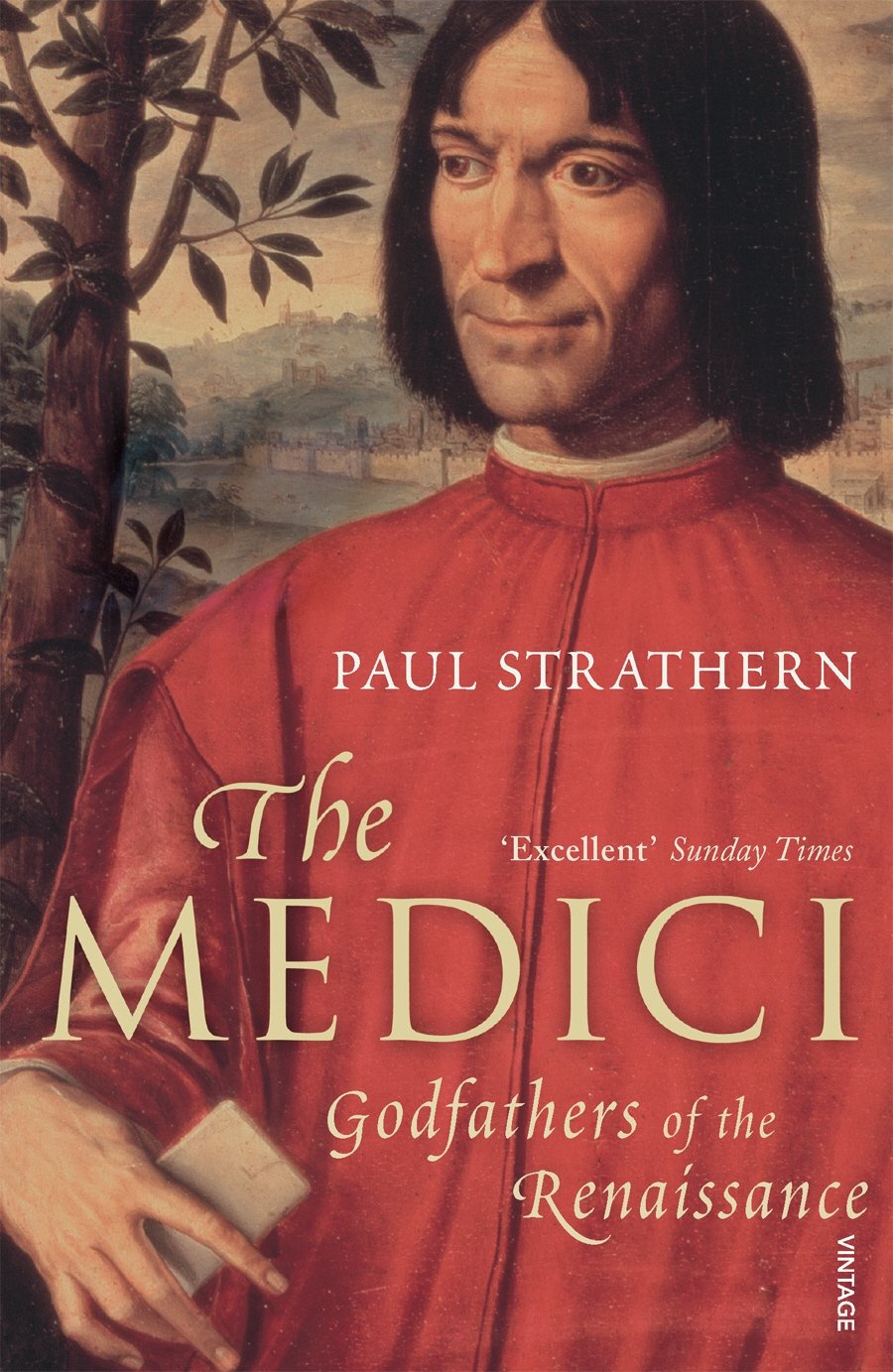
The Medici: Godfathers of the Renaissance by Paul Strathern This vivid account brings to life the Medici family, the powerful patrons of Florence who shaped the course of the Renaissance. Strathern traces their influence on great masters like Leonardo da Vinci, Michelangelo, and Galileo, while also exploring the family’s rise and decline across centuries of intrigue, power, and art. A highly engaging read for anyone wishing to understand how art, politics, and ambition intertwined in Renaissance Italy.

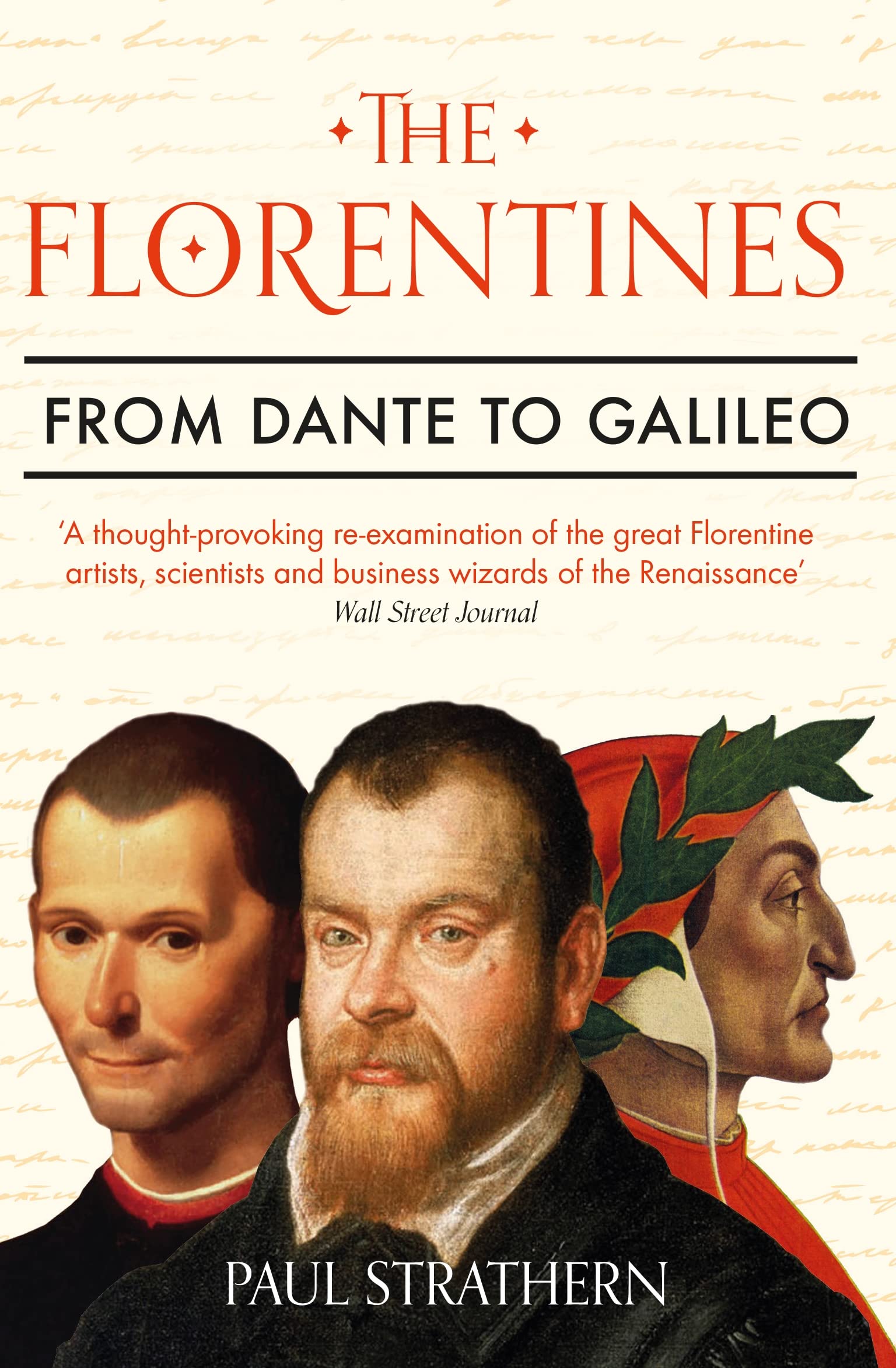
The Florentines: From Dante to Galileo by Paul Strathern Covering four centuries of history, this book reveals how Florence became the crucible of Western civilization. From Dante’s poetry to Galileo’s scientific revolution, Strathern explores how the city’s artists, philosophers, and thinkers—including Botticelli, Machiavelli, Leonardo da Vinci, and Michelangelo—transformed Europe and the modern world. A sweeping narrative that captures Florence’s role as the birthplace of the Renaissance.
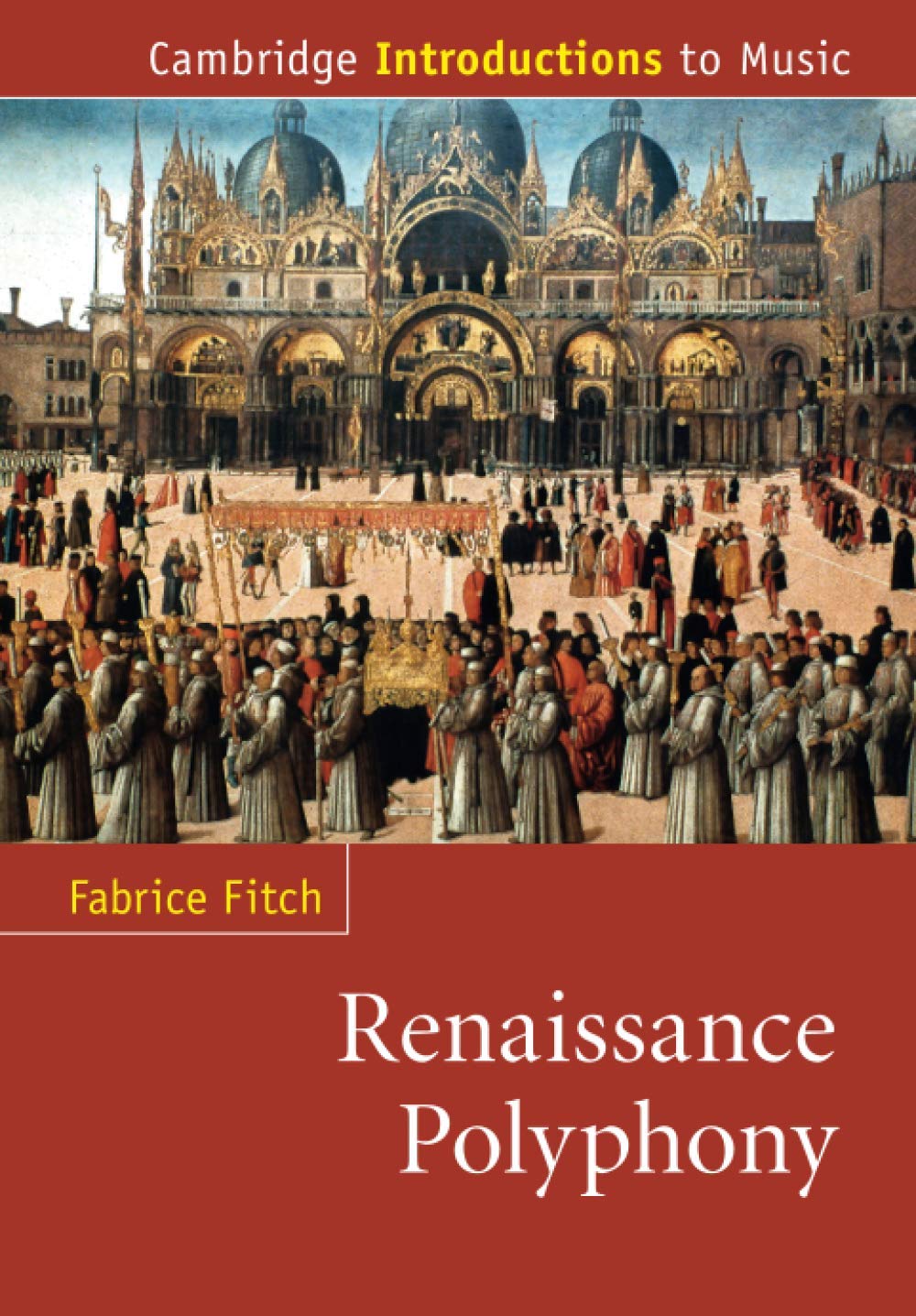
Renaissance Polyphony (Cambridge Introductions to Music) by Fabrice Fitch An engaging and accessible study of Renaissance polyphony, this book introduces modern readers to one of the most profound musical languages of Western history. Fitch explores how Renaissance music was crafted, performed, and understood, offering insight into both its spiritual depth and artistic brilliance. Essential reading for students, performers, and lovers of early music.
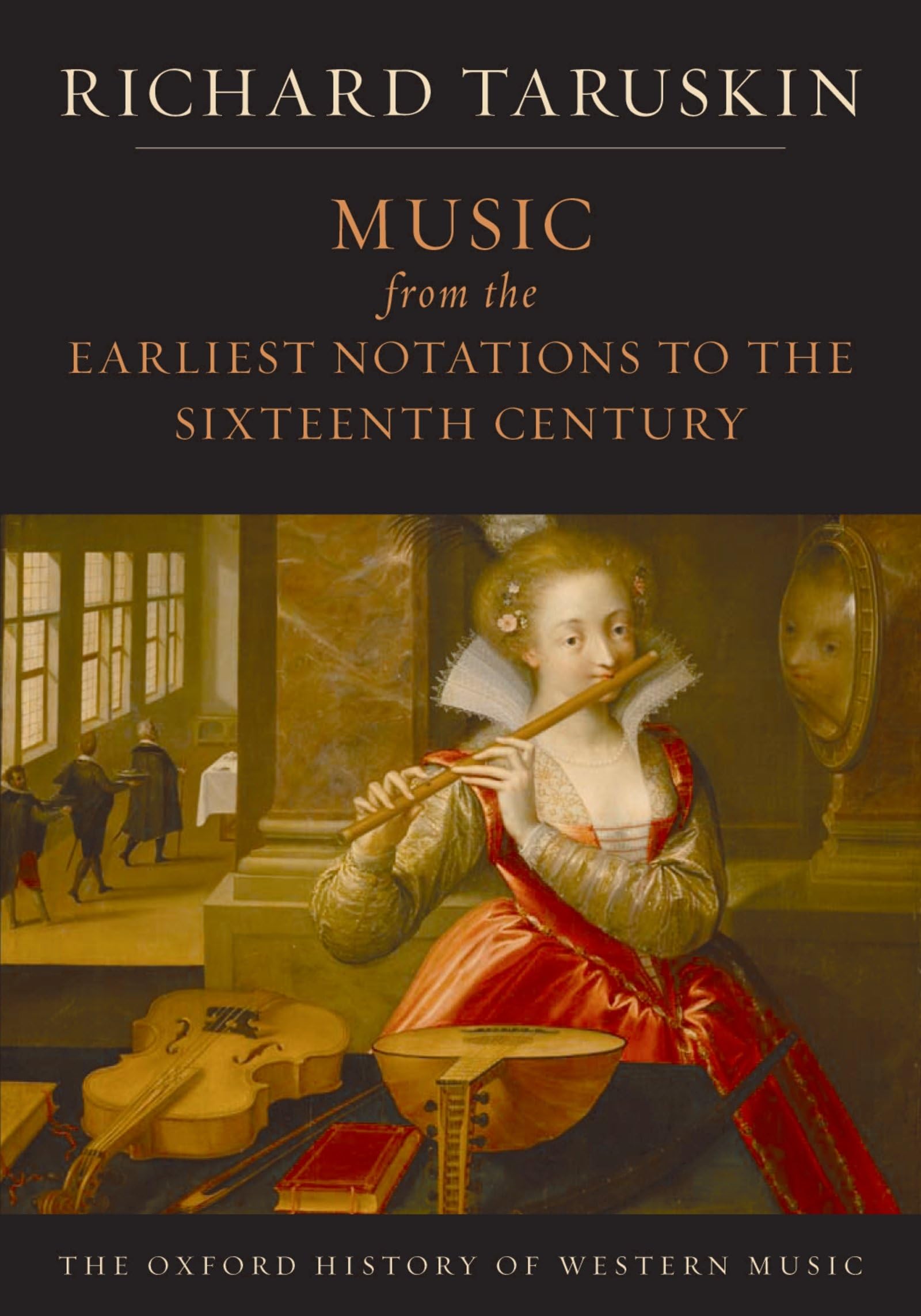
Music from the Earliest Notations to the Sixteenth Century (The Oxford History of Western Music, Vol. 1) by Richard Taruskin The opening volume of Taruskin’s monumental history of Western music, this text places early music in its broad cultural and historical context. From medieval notation to the flowering of Renaissance composition, Taruskin provides sharp insights into style, theory, and performance. A cornerstone reference for anyone seeking to understand how Renaissance music shaped the Western tradition.
View on Amazon
Explore More Insights on Opera & Vocal Mastery
#RenaissanceAndOpera #GoldenAgeOfItalianMusic #BookOperaTenor #ItalianOperaHeritage #VoiceOfClassicalTradition
- The Italian Renaissance reshaped music through artistic rebirth, humanist ideals and the early foundations of opera.
- Composers and thinkers transformed vocal technique, expression and performance practice across Italy.
- This article explores how Renaissance culture directly influenced classical singing and the evolution of opera.
© VASILI KARPIAK – THE ITALIAN TENOR | OPERA & PRIVATE CONCERTS in London, Scotland, Ireland & Beyond. This original blog content is owned and created by me. No part may be copied, republished, or used elsewhere without written permission.
