
Photo Credit: Close-up of Giuseppe Verdi from Giovanni Boldini’s 1886 portrait — a timeless tribute to one of Italy’s greatest opera composers. This masterpiece is housed at Casa Verdi in Milan, where the composer spent his final years surrounded by music and fellow artists. Image: Public domain via Wikimedia Commons
Giuseppe Verdi: A Life Shaped by Music
Giuseppe Verdi was born in 1813 in the small Italian village of Le Roncole, near Busseto. From modest beginnings, he rose to become one of the towering figures of 19th-century music — not only in Italy, but across the world. His operas gave voice to the hopes and heartbreak of an emerging nation, capturing human passion with a depth and honesty that still moves audiences today. Whether portraying a jester’s grief, a courtesan’s redemption, or a soldier’s fate, Verdi had an unmatched ability to turn personal drama into universal truth.
From Tragedy to Triumph

Verdi’s path to greatness was far from smooth. After losing his first wife and children early in life, he nearly abandoned composing altogether. But out of sorrow came strength — and a turning point arrived with Nabucco in 1842, the opera that first marked his genius. Over the following decades, Verdi poured his soul into works that redefined the operatic stage. Each new score seemed to grow in psychological richness and musical sophistication. His heroes and heroines were no longer mythical figures from afar; they were human beings with fears, desires, and moral struggles — characters that singers still love to inhabit.
Image Credit: Public domain image — faithfully reproduced from the original artwork by Giovanni Boldini. Source: Wikimedia Commons.
The Enduring Power of Verdi’s Voice
To perform Verdi well is to carry forward a living tradition. His music demands more than just technique; it requires courage, depth, and emotional clarity. For tenors especially, the Verdi repertoire offers some of the most dramatic, vocally rich roles in all of opera — from the defiant Don Carlo to the tormented Otello. These roles continue to test singers at the highest level, whether on the grand stage, in a luxury event, or in a cinematic TV project.
For those looking to hire a classical opera singer in London or anywhere in the UK, Verdi’s music remains a natural centerpiece — powerful, moving, and timeless. His legacy isn’t just in scores and theatres, but in every performance that dares to meet his emotional truth head-on.
Verdi Through the Lens of Nadar

Captured around 1866 by the legendary photographer Nadar, this portrait reveals Giuseppe Verdi not just as a composer, but as a cultural force of Europe’s Romantic era. With thoughtful intensity in his eyes and unmistakable gravitas, this image speaks of a man whose music reshaped the soul of Italian opera.
For any classical tenor singing Verdi’s repertoire in London today, this photograph is a powerful reminder of the living humanity behind the masterworks — music born not just of technique, but of fire, experience, and vision.
Image: Public domain via Zeno.org / Photograph by Nadar (1820–1910)
A Life in Music and Legacy

Painted in 1886 by Giovanni Boldini, this portrait of Verdi reveals more than a likeness — it distills the presence of a composer who reshaped the course of Italian opera. Captured in his later years, Verdi appears both introspective and resolute, his gaze echoing the authority of Otello and the intimacy of Falstaff.
Today, this portrait hangs in the Casa di Riposo per Musicisti in Milan, the retirement home Verdi founded for fellow artists. For any operatic tenor, especially one rooted in the Italian tradition, Verdi’s legacy is not merely historical — it is lived, studied, and deeply felt.
Image: Public domain via Wikimedia Commons
Giuseppe Verdi’s signature- a timeless mark of one of Italy’s greatest opera composers.
This elegant script recalls the genius of a man whose operas defined the golden age of Italian music. From La Traviata to Otello, Verdi’s legacy lives on in theatres and concert halls around the world.

Image credit: Dumi / Wikimedia Commons / CC BY-SA 3.0
The Heart of Busseto

Named in his honour, the Teatro Giuseppe Verdi is not just a building — it is a shrine to music, craftsmanship, and the spirit of Italian opera. From its gilded balconies to its celestial ceiling, the theatre stands as a living tribute to Verdi’s genius and the community that celebrates him to this day.
For any opera singer, standing on this stage is not just a performance — it’s an honour. This is where the echo of Verdi’s spirit still resonates, in every overture and final curtain.
Image by Lorenzo Gaudenzi / Wikimedia Commons / CC BY-SA 4.0
The Composer at Rest

Taken in 1900 at Villa Verdi in Sant’Agata, this photograph captures Verdi surrounded by those closest to his heart — including his wife Barberina Strepponi, his trusted publisher Giulio Ricordi, and soprano Teresa Stolz, famed for her portrayal of Aida.
This rare image reminds us that behind the genius of Verdi stood a community of artists and supporters who helped carry his music into immortality.
Image: Archivio Storico Ricordi / CC BY-SA 4.0
The Early Masterworks of Giuseppe Verdi: Passion, Patriotism, and Rising Genius
Before the worldwide triumphs of La Traviata, Rigoletto, and Aida, Giuseppe Verdi’s early operas laid the foundation for his enduring legacy. Emerging from personal tragedy and national upheaval, Verdi’s initial compositions — including Oberto, Nabucco, Ernani, and Macbeth — were charged with emotional urgency and a sense of defiance that resonated with 19th-century audiences.
From the rousing choruses of Nabucco to the brooding ambition of Macbeth, these works reveal the young composer’s fiery spirit and political awareness. Each opera demands bold vocal characterisation and dramatic conviction, offering a rich repertoire for any classical singer performing at grand events or luxury opera evenings in the UK. Verdi’s early style blended the bel canto tradition with new dramatic intensity — a voice of Italy in a time of transformation.
Nabucco (1842): The Birth of Verdi’s Voice and a Timeless Opera

Image: Touring Club Italiano Archive / Verona Arena, 1958 – Verdi’s Nabucco, Act IV. Licensed under CC BY-SA 4.0 via Wikimedia Commons. Perfect example of a grand opera performance inspiring modern UK productions.
Before Verdi became the master of grand psychological drama, he was the composer of bold, patriotic passion. Nabucco(short for Nebuchadnezzar) marked his true breakthrough — a work that stirred the heart of Italy and established Verdi as a rising force in European opera.
Premiered in 1842 at La Scala, this opera tells the story of the Babylonian king and the exile of the Hebrews. But beyond its biblical themes, Nabucco resonated with the Italian public for its spirit of resistance, especially in the famous chorus “Va, pensiero” — still one of the most beloved pieces in the entire repertoire.
The 1958 performance at Verona Arena, captured in the photograph above, shows how enduring and visually grand this opera remains. Whether performed on Italy’s largest open-air stage or in a London concert hall, Nabucco demands power, precision, and emotional depth from every singer — particularly the baritone and tenor leads.
For anyone seeking to hire a professional opera singer in the UK, this early Verdi masterpiece offers thrilling musical storytelling. Its blend of chorus, dramatic solos, and vivid character roles makes it ideal for gala events, theatrical concerts, or even special occasions like luxury weddings.
Rigoletto: Tragedy, Power, and the Eternal Voice of Verdi
Giuseppe Verdi’s Rigoletto remains one of the most gripping operas in the classical repertoire — a tale of courtly cruelty, paternal love, and irreversible fate. Premiered in 1851, this masterpiece marked a bold evolution in Italian opera, blending raw emotional realism with unforgettable melodies like La donna è mobile and Caro nome. Set in a decadent Renaissance court, Rigoletto challenges both baritones and tenors with roles that demand theatrical intensity and elite vocal control.
Whether staged in grand theatres or adapted for intimate, high-end events, Rigoletto continues to captivate audiences across generations. For those seeking to book a classical tenor or opera singer in London, Scotland, or the UK, this opera offers a powerful centrepiece — one that balances dramatic weight with vocal brilliance.

This evocative historical image shows legendary Italian baritone Titta Ruffo in the title role of Rigoletto, as featured in the Victrola Book of the Opera (1917). Giuseppe Verdi’s Rigoletto marked a turning point in 19th-century opera — a daring fusion of emotional intensity and dramatic realism. With unforgettable arias like “Caro nome” and the chilling “La donna è mobile,” the opera demands both emotional vulnerability and technical brilliance, especially from the tenor and baritone leads.
For those looking to hire an opera singer in London, or to book a classical Italian tenor for high-profile events in England or Scotland, Rigoletto remains a touchstone of vocal and theatrical mastery. It is an ideal showcase for performers who combine commanding stage presence with elite vocal artistry — perfect for luxury events, cultural programmes, or TV productions seeking operatic excellence.
Image: Baritone Titta Ruffo as Rigoletto, published in The Victrola Book of the Opera, 1917.
Source: Internet Archive / Public Domain.
Atmosphere and Shadows: Rigoletto Through the Artist’s Eye

This breathtaking set design by Philippe Chaperon captures the chilling atmosphere of Act III of Verdi’s Rigoletto, staged at the Palais Garnier in 1885. With its moonlit sky, looming architecture, and ominous silhouette of Sparafucile’s inn, the artwork heightens the drama of one of opera’s most gripping scenes — a father’s desperation, a daughter’s sacrifice, and fate unfolding by the river.
For those planning high-end events or cultural performances in the UK, this image reminds us why Rigoletto remains a top choice when booking a classical opera singer in London or an Italian tenor for gala performances in Scotland or central England. The opera’s iconic arias and emotional tension make it a showpiece of vocal and theatrical excellence.
Image Credit: Philippe Chaperon, Set design for Act III of Rigoletto, 1885. Source: Gallica / Public Domain. Restoration by Adam Cuerden.
La Traviata: Passion, Sacrifice & the Voice of Verdi’s Romantic Genius
Few operas touch the heart quite like La Traviata. Giuseppe Verdi’s intimate masterpiece, inspired by La Dame aux Camélias, tells the poignant story of Violetta — a courtesan torn between love and social duty. Featuring some of the most recognizable arias in the operatic canon, this work demands not only vocal brilliance but deep emotional insight from its performers.
Whether you’re planning an elegant birthday soirée, a televised production, or a high-profile event in London or Scotland, La Traviata offers unforgettable musical drama. To hire an opera singer in the UK for private performances or luxury events, this opera remains one of the most requested and emotionally impactful choices.

This historic portrait shows Geraldine Farrar as Violetta in Verdi’s La Traviata — a signature soprano role cherished across the opera world. First performed in 1853, La Traviata blends emotional truth with melodic brilliance, making it an ideal centrepiece for luxury opera events in London or across the UK.
Whether you’re planning a milestone birthday celebration, a prestigious corporate function, or a TV or film production requiring elite vocal artistry, this opera offers a deeply moving experience. Its arias, such as Sempre liberaand Addio del passato, demand both vocal mastery and emotional presence — qualities essential when you book a classical singer or Italian tenor in England or Scotland for unforgettable live performance.

This rare archival image captures a live performance of Verdi’s La Traviata at the Badisches Staatstheater Karlsruhe, with Christa Lehnert as Violetta and Anton de Ridder as Alfredo. The emotional depth and vocal elegance demanded by this opera remain a benchmark for elite performers. For those planning luxury events, weddings, or cultural galas in London, Scotland, or across the UK, La Traviata continues to be a defining work — one where a professional opera singer can deliver unforgettable theatrical impact.
Image: Live performance of La Traviata (1967–68), featuring Christa Lehnert and Anton de Ridder.
© Gerd Weiss / Landesarchiv Baden-Württemberg, Generallandesarchiv Karlsruhe
Il Trovatore: Fire, Fate & the Shadows of Verdi’s Imagination
Il Trovatore is another example of Verdi’s dramatic genius, filled with fire, vengeance, and fatal misunderstandings…

This beautifully restored 19th-century poster by Luigi Morgari captures the dramatic essence of Verdi’s Il Trovatore, one of the most passionate and fate-driven operas in the Italian repertoire. Featuring bold imagery of its central characters, this artwork visually represents the emotional intensity of Verdi’s music — fire, vengeance, love, and sacrifice. A masterpiece of visual storytelling, the illustration complements any high-end classical music blog, luxury opera event marketing, or content showcasing leading Italian tenors in the UK. Ideal for promoting opera performances in London, private galas, and castle concerts across affluent areas such as Chelsea, Knightsbridge, Mayfair, and the Cotswolds. Image: Il Trovatore poster by Luigi Morgari – Verdi opera illustration

This rare 1856 lithograph captures the powerful presence of Lucy Escott as Leonora in Il Trovatore, during a celebrated London performance. Alongside tenor Augustus Braham and baritone Henri Drayton, this trio brought Verdi’s fiery tale to life for Victorian high society. Today, Il Trovatore remains a defining opera for world-class tenors — its passion and drama echoing through elite concert halls, castles, and television productions alike.
Image: Lucy Escott as Leonora, Augustus Braham as Manrico, and Henri Drayton as Count di Luna in “Il Trovatore” (1856 London production). Contemporary lithograph. Public Domain (via uploader Jack1956, Wikimedia Commons).

This striking 1910 illustration by Byam Shaw captures the high drama of Il Trovatore — Verdi’s opera of vengeance, fate, and fiery passion. Originally published in Favourite Operas from Mozart to Mascagni, the scene evokes the rich theatricality and timeless power of Verdi’s music. For modern audiences across the UK, Il Trovatore remains a favourite at elite venues, castle performances, and televised opera specials. It is an iconic choice for tenors seeking to embody the grandeur and emotional weight of Italian opera at its peak.
Aida: Power, Destiny & the Echo of Verdi’s Eternal Voice
Aida (1871) stands as one of Verdi’s grandest achievements — a deeply emotional love story set against the grandeur of Ancient Egypt. With sweeping choruses, ceremonial marches, and the intimate aria “Celeste Aida,” this opera captures both majesty and vulnerability. It was a defining work that showcased Verdi’s ability to unite political spectacle with heartfelt intimacy — a dramatic high point before his later Shakespearean works.

This evocative 19th-century illustration captures Giuseppe Verdi conducting the Paris Opera premiere of Aida—an extraordinary moment in music history. Drawn by Adrien Marie and published in 1881, it offers a rare glimpse of the maestro shaping his own score at the height of his creative powers. Such performances defined a golden age of opera—where the composer, conductor, and singer were united in artistic intent. Today, that tradition continues through tenors who honour the Italian classical style in concert halls and refined private events. Whether in London, the Cotswolds, or other distinguished settings, opera remains a living art—elegant, powerful, and deeply moving.
Verdi’s Mature Period: The Voice of Destiny and Drama
As Giuseppe Verdi grew in fame and personal strength, his music also deepened. From the late 1850s onward, he entered a period of remarkable artistic evolution. No longer writing just to meet theatrical demand, Verdi began exploring moral ambiguity, political intrigue, and the human soul with profound psychological insight. This mature phase of his career gave rise to some of his most powerful and enduring masterpieces — works that continue to test and inspire the world’s greatest voices.
Un ballo in maschera (1859)
Set in a world of courtly splendour and hidden danger, Un ballo in maschera (A Masked Ball) tells the story of a ruler’s downfall amid jealousy, prophecy, and forbidden love. Verdi masterfully blends political tension with tender lyricism, crafting one of his most theatrical and emotionally charged scores. The final scene, “È tardi… addio!,” is a haunting farewell filled with noble restraint — a hallmark of Verdi’s mature style.

A Masquerade of Fate and Politics
This 1860 frontispiece, published by Ricordi for the first vocal score of Un Ballo in maschera, is more than a decorative title page — it is a portal into the opera’s climactic moment of revelation and collapse. A masked ball, intended for celebration, becomes the setting for betrayal, political assassination, and unspoken love laid bare. The image encapsulates the very themes Verdi wove so masterfully into his score: hidden identities, fatal choices, and the cost of truth in a world ruled by appearances.
At the time of its premiere, the opera had already endured significant censorship. Originally set in Sweden and centered on the assassination of King Gustav III, Verdi was forced by Neapolitan authorities to relocate the plot to colonial Boston — a compromise that, paradoxically, deepened the opera’s sense of displacement and ambiguity. Yet despite these imposed alterations, Un Ballo in maschera emerged as one of Verdi’s most psychologically refined works: a study in duality, where public duty and private longing collide under the glitter of courtly ritual.
The frontispiece reminds us that Verdi’s genius extended beyond the staff lines of music. He understood opera as a total art form — one in which engraving, typography, libretto, and visual imagination all served a unified dramatic purpose. Today, this score remains a treasured object of historical and artistic value. And for those who sing, conduct, or stage Verdi’s work, Un Ballo in maschera continues to offer both technical demands and deep interpretive rewards — a mirror held up not only to the stage, but to the soul.
Image: Harvard Library / Restoration by Adam Cuerden / Public Domain
La forza del destino (1862, revised 1869)
Few operas sweep the listener through fate, war, love, and tragedy like La forza del destino (The Force of Destiny). Verdi’s expansive score moves from grand choruses to intimate confessions, with an unmistakable sense of fatalism woven throughout. The famous overture alone — a storm of destiny-laden brass — signals a bold, visionary composer in full command of his power.
Destiny in Colour and Canvas
This magnificent 19th-century poster for La forza del destino captures the emotional sweep of one of Verdi’s most complex operas. A story of forbidden love, vengeance, and fate, the opera challenged both audiences and performers with its bold structure and tragic beauty.
Visual ephemera like this reminds us of opera’s golden era — when poster art was theatre in miniature, and every image echoed with music. Today, as a classical tenor interpreting Verdi’s work, one cannot help but feel that this “force of destiny” still flows through the voice.
Image: Gallica / Restored by Adam Cuerden / Public Domain

This evocative 1869 set design by Carlo Ferrario for Act IV of Verdi’s La Forza del Destino captures the sacred stillness of the monastery cloister before the opera’s final tragedy. Originally crafted for Italian theaters, this visual masterpiece evokes the grandeur still echoed today in luxury opera events across the UK. A perfect staging reference for tenors interpreting the role of Alvaro at elite venues and television productions.

Image: Carlo Ferrario, Cortile del Chiostro — set design for Act IV, Scene 1 of La Forza del Destino (1869). Public Domain via Archivio Storico Ricordi / Wikimedia Commons.
Don Carlo (1867; revised multiple times)
With Don Carlo, Verdi embraced complex political and psychological drama on an epic scale. Set in the court of King Philip II of Spain, the opera weaves themes of freedom, love, sacrifice, and the crushing weight of power. The music is rich with shadows and inner conflict — from the king’s tormented aria “Ella giammai m’amò” to the soul-searching duets between Don Carlo and Rodrigo. Verdi called this one of his most challenging works — and one of his most personal.
Verdi’s Don Carlo is a sweeping political epic infused with human longing. From royal betrayal to forbidden love, the opera’s vast emotional landscape is paired with some of Verdi’s richest orchestration. The title role, sung by a lyric-dramatic tenor, calls for passion and strength, while Rodrigo and King Philip offer baritone and bass arias of remarkable gravitas. Don Carlo is increasingly selected for televised concerts, festival premieres, and high-end classical events across the UK — where nuance and vocal nobility matter most.
Scene from Verdi’s Don Carlo at La Scala (1884). Artwork by Carlo Cornaglia, engraving by Giuseppe Barberis. Restored image via Wikimedia Commons. Image credit: Gallica Digital Library / Adam Cuerden / Wikimedia Commons / Public Domain

The Storm Within: Verdi’s Otello

With Otello, Verdi reached a new level of dramatic power. Based on Shakespeare’s tragedy, the opera tells the story of a great military leader — a Moorish tenor role — destroyed by jealousy and manipulation. Verdi’s music captures both the thunder of war and the quiet heartbreak of love. The famous storm in Act I and Desdemona’s final aria show his genius for blending passion with subtle emotion. Otello is a powerful portrait of love, betrayal, and the human soul in crisis — and one of the greatest challenges for any dramatic tenor.
Verdi’s Otello is an electrifying masterpiece of psychological tension, orchestral brilliance, and Shakespearean tragedy. Premiered in 1887, this opera showcases the composer’s late-career genius — combining thunderous choral scenes with searing vocal drama. As Otello spirals into jealousy and despair, Verdi’s score paints a soul in collapse, with music that demands unmatched vocal and dramatic power. It is a towering role for a dramatic tenor — and a cornerstone of Italian operatic heritage still performed by leading artists today.
Image: “Otello and Desdemona,” from the 1917 Victrola Book of the Opera. After the painting by Becker. Digitized by the Internet Archive. Public Domain (via Brigham Young University / Flickr Commons).
This exquisite 1887 costume design by Alfredo Edel captures Desdemona’s tragic vulnerability in Act IV of Verdi’s Otello. The pale gown and delicate hairstyle reflect her innocence and impending fate — ideal symbolism for sopranos interpreting this role today. Whether performed in grand UK theatres or adapted for screen, Desdemona’s final aria remains one of Verdi’s most emotionally charged legacies.

Image: Alfredo Edel, Desdemona (soprano) – costume design for Otello, Act IV (1887). Watercolor and tempera. Public Domain via Archivio Storico Ricordi / Wikimedia Commons.
This striking image from the Opéra Garnier costume collection features a historic stage design for Verdi’s Otello. Showcasing the rich theatrical wardrobe of the late 19th century, it continues to inspire opera singers, stylists, and creative directors staging productions across London, Edinburgh, and exclusive venues throughout the UK. Ideal for classical tenor performances at luxury events, castles, or television and media appearances.

Otello on the Parisian Stage
With Otello, Verdi redefined late-career genius. Every act of this Shakespearean adaptation burns with orchestral tension and vocal magnitude. The role of Otello requires a tenor of heroic range, matched by the tragic nobility of Desdemona and the sinister brilliance of Iago. This opera is not just sung — it’s lived. Whether for prestigious events, high-level stagings, or television interpretations, Otello stands as a thrilling showcase for elite classical singers in the UK and abroad.
Image: Set Design for Verdi’s Otello, Act I (1895) by Marcel Jambon. Courtesy of Gallica / Bibliothèque nationale de France. Public Domain.

Verdi’s Final Masterpiece: Wit, Warmth, and Vocal Genius
This striking 1894 poster by Adolfo Hohenstein announces the first French production of Falstaff at the Théâtre de l’Opéra-Comique. Created for Verdi’s final opera — a brilliant comic work for a mature audience — the artwork captures the exuberance, mischief, and theatricality of the piece. Based on Shakespeare’s The Merry Wives of Windsor, Falstaff showcases rapid-fire ensemble writing and character-rich arias that demand not only vocal skill but refined intelligence from the performers.
For clients looking to hire an opera singer in London, Scotland, or across the UK — especially for TV projects, private galas, or luxury music events — this opera remains a touchstone of mastery. The role of Falstaff, while comedic, is a triumph of musical sophistication, character immersion, and baritone artistry.
Image: Poster for the 1894 Paris premiere of Falstaff by Giuseppe Verdi, designed by Adolfo Hohenstein. Source: Gallica / Public Domain.

A Bold Farewell to the Stage: Verdi’s Falstaff (1893)
Premiered at Teatro alla Scala in 1893, Falstaff was Giuseppe Verdi’s final opera — a radiant departure from tragedy into the world of sophisticated comedy. Drawing from Shakespeare’s The Merry Wives of Windsor, Verdi crafted a score full of sparkling wit, rhythmic brilliance, and rapid-fire vocal ensembles that require both technical finesse and theatrical flair.
This period costume design by Adolfo Hohenstein, commissioned by Ricordi for the premiere, reflects the lively mischief at the heart of the work. For those looking to hire an Italian opera singer for events in London or Scotland, Falstaff remains a celebrated triumph of musical storytelling, ideal for gala evenings, castle performances, and special appearances at luxury venues.
Image Credit: Adolfo Hohenstein / Wikimedia Commons / Public Domain

Giuseppe Verdi’s operas continue to define the gold standard of Italian vocal drama — from the defiant strains of Nabucco to the bittersweet intimacy of La Traviata, and the rich comedy of Falstaff. His music calls not just for vocal brilliance but for depth, intelligence, and stage presence. Whether performed in a grand theatre, at a private gala, or within the historic walls of a castle in Scotland or England, Verdi’s genius remains timeless. For those looking to hire a classical opera singer in London or book an Italian tenor for exclusive events, his repertoire offers some of the most unforgettable music ever written — powerful, poetic, and utterly human.
Verdi – Frequently Asked Questions
▸ Why is Giuseppe Verdi considered one of the most influential composers in opera history?
Giuseppe Verdi (1813–1901) shaped the voice of Italian opera with unparalleled dramatic instinct. His music combines lyrical beauty, human depth, and theatrical power. Works such as La Traviata, Rigoletto, Aida, Il Trovatore, and Otello transformed the operatic stage and continue to captivate audiences around the world — from Europe and the United States to the United Kingdom. Verdi’s characters feel real, vulnerable, and profoundly human, which is why his music remains timeless.
▸ Why are Verdi’s arias so popular at luxury events, weddings, and gala evenings?
Verdi’s melodies carry emotional clarity that audiences respond to instantly. Whether it’s the passion of Celeste Aida, the elegance of La donna è mobile, the tenderness of Parigi, o cara, or the soaring lyricism of De’ miei bollenti spiriti, his arias elevate atmospheres effortlessly. For gala dinners, castle weddings, and exclusive celebrations in London and Scotland, Verdi’s music adds depth, warmth, and grandeur that guests remember.
▸ Which Verdi arias are most requested by audiences at private and corporate events?
The most frequently requested arias include “La donna è mobile”, “Celeste Aida”, “Di quella pira”, “De’ miei bollenti spiriti”, and “Addio del passato”. These pieces are ideal for luxury receptions, high-profile business gatherings, birthday soirées, and destination events across Europe, the US, and the UK. They create a powerful emotional connection even for those new to opera.
▸ Why does Verdi’s music resonate so universally with modern audiences?
Verdi wrote from life — passion, honour, fate, heartbreak, and courage. His music captures these emotions with extraordinary clarity, making his operas accessible to listeners everywhere. Whether performed in a theatre or at a private event, Verdi’s work feels cinematic, expressive, and deeply human. This universal quality is why audiences from London to New York to Milan respond so strongly to his masterpieces.
▸ Is Verdi suitable for televised, cinematic, and media productions?
Absolutely. Verdi’s music is frequently used in film, television, documentary, and advertising because of its emotional impact and dramatic immediacy. His scores enhance narrative atmosphere and create powerful moments — making them ideal for UK film studios, documentary makers, and luxury brand campaigns.
▸ What makes Verdi ideal for an Italian tenor performing in London and across the UK?
Verdi’s repertoire combines vocal strength with pure Italian lyricism. For an Italian tenor, it offers the ideal balance of expressive legato, heroic phrasing, and emotional storytelling. These qualities make Verdi’s music a highlight of luxury events, corporate galas, heritage venues, and private performances in London, Scotland, the Cotswolds, and beyond.
▸ Are Verdi’s arias appropriate for weddings and romantic ceremonies?
Yes. Verdi’s music is one of the most requested choices for elegant weddings across Europe and the UK. Romantic selections such as “Parigi, o cara”, the love duets from La Traviata, and lyrical excerpts from Rigoletto and Il Trovatore create unforgettable moments during ceremonies, receptions, and first dances.
▸ How often is Verdi performed at private events compared to Puccini or other composers?
Verdi is one of the top three most requested composers globally for private events. His music is chosen for its emotional impact, dramatic elegance, and immediate recognisability. In London’s luxury event scene, his arias are requested as frequently as Puccini, particularly for grand entrances, gala moments, and sophisticated evening programmes.
▸ Can I hire an opera singer to perform Verdi at my event?
Yes. Verdi’s repertoire is central to private performances by Vasili Karpiak, including arias from Rigoletto, Aida, La Traviata, Il Trovatore, and Otello. These performances are available for luxury weddings, corporate gatherings, VIP celebrations, and special events throughout London, England, and Scotland. Each programme is tailor-made for your venue and occasion.
Recommended Books about Verdi: Life, Letters, and Legacy
Disclosure: This section contains affiliate links. If you purchase through these links, I may earn a small commission at no extra cost to you.
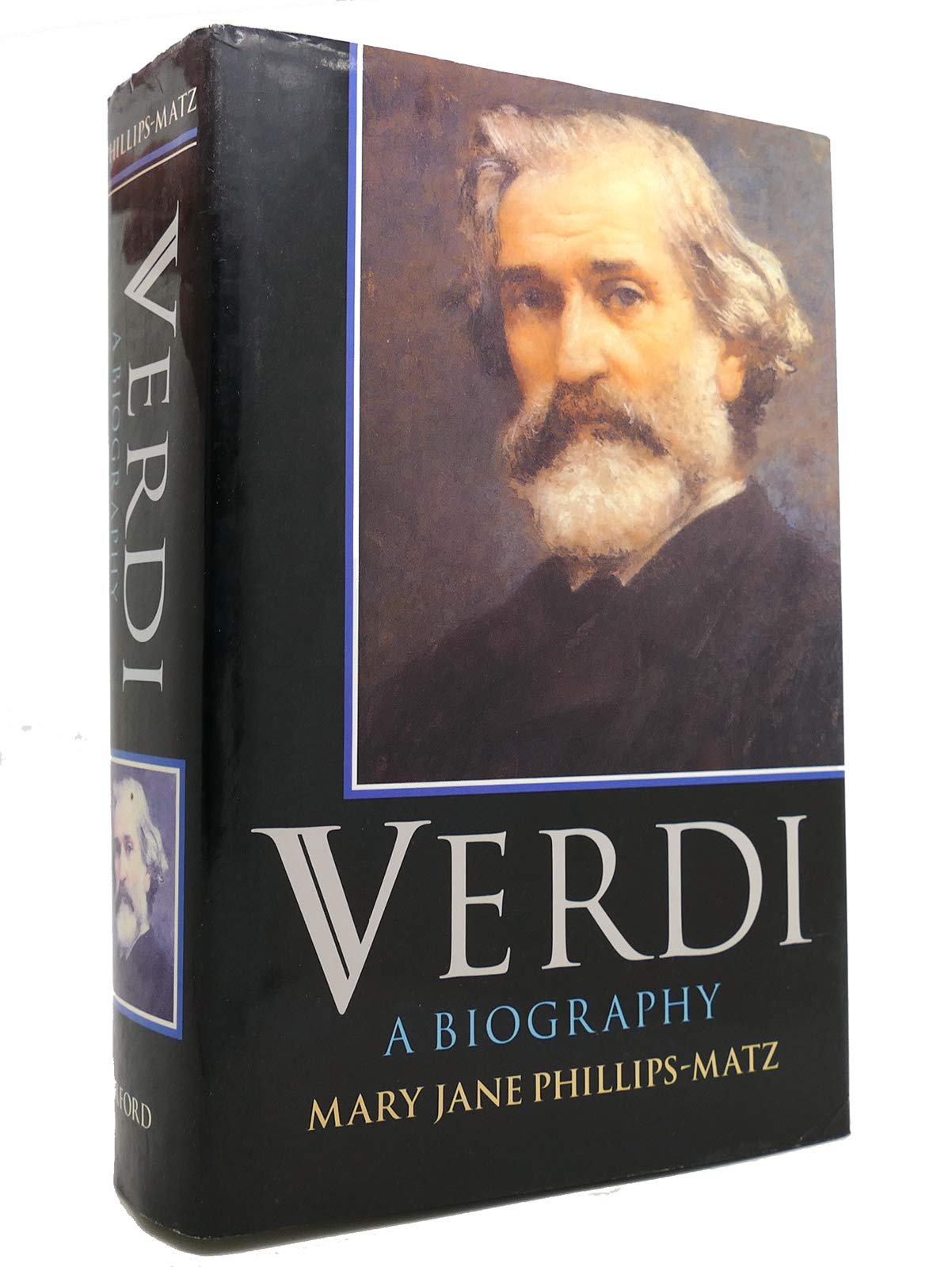
Verdi: A Biography – Mary Jane Phillips-Matz Regarded as the definitive English-language biography of Giuseppe Verdi, Mary Jane Phillips-Matz’s monumental work draws from decades of archival research to offer an intimate, fully dimensional portrait of the composer. It reveals Verdi’s personal struggles, political convictions, and artistic triumphs with vivid narrative detail. For opera singers preparing to interpret Verdi’s roles — from La Traviata to Otello — this biography provides the historical and emotional context that can elevate a performance from accomplished to unforgettable. Event producers, artist managers, and cultural institutions will find it an indispensable reference for framing Verdi’s works within gala evenings, festival programming, or high-profile operatic events that honour both the man and his music.
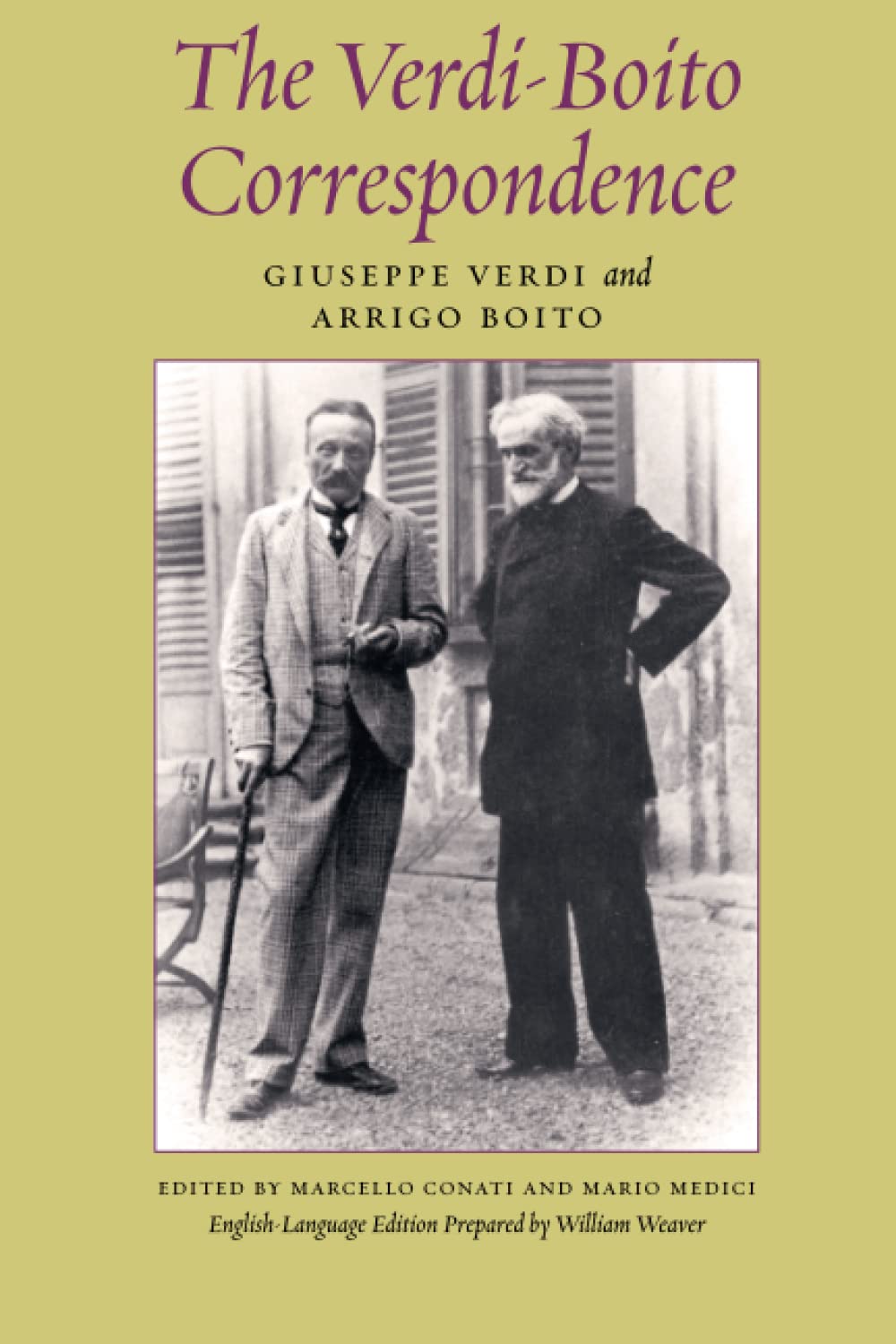
The Verdi-Boito Correspondence – ed. Marcello Conati & Mario Medici This remarkable collection of letters between Verdi and his trusted librettist Arrigo Boito offers a rare, behind-the-scenes glimpse into the creative process behind Otello and Falstaff. Their exchanges reveal a deep mutual respect and a shared commitment to musical and dramatic excellence. For opera singers, the correspondence sheds light on Verdi’s meticulous attention to text setting, dramatic pacing, and vocal colour — invaluable insights for crafting authentic interpretations. For artist management professionals and directors, these letters illustrate the collaborative alchemy that can occur when composer and librettist work in perfect harmony, inspiring today’s productions to capture the same unity of vision on the modern stage.

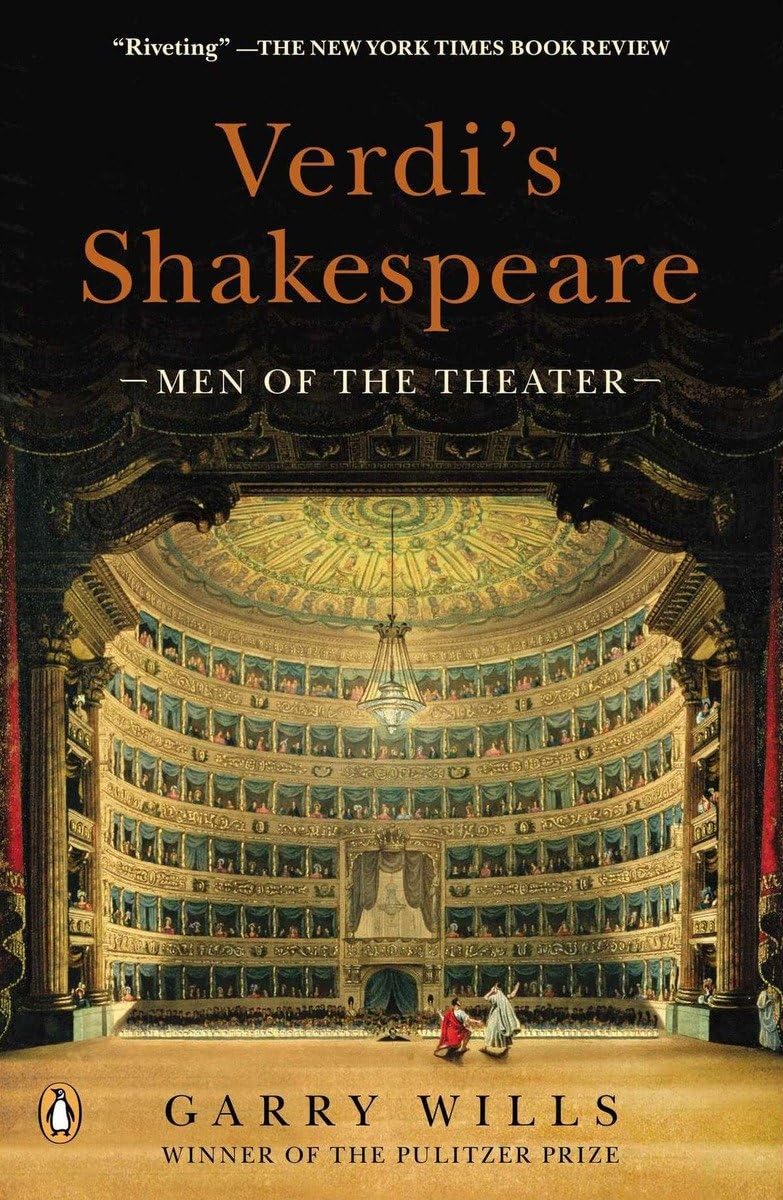
Verdi’s Shakespeare: Men of the Theater – Garry Wills In this compelling study, Pulitzer Prize–winning author Garry Wills examines how Verdi transformed Shakespeare’s plays into operatic masterpieces, focusing on Macbeth, Otello, and Falstaff. Wills explores Verdi’s ability to translate Shakespeare’s psychological depth, linguistic richness, and theatrical vitality into music that demands both vocal power and dramatic truth from the singer. Opera professionals will appreciate the book’s detailed analysis of how Verdi shapes character through musical phrasing, orchestration, and dramatic timing. For cultural programmers and event organisers, it provides the intellectual and artistic grounding to present Verdi’s Shakespeare works in festivals, special concerts, and high-society galas that highlight the enduring marriage of theatre and opera at its finest.
#VerdiOpera #ItalianOperaMastery #BookOperaTenor #OperaSingerUK #LeadingRoleOperaSinger